

 English
 中文简体
中文简体 Español
 عربى
عربى русский


Cotton Children Mattress Fabric for Safer, Softer, and More Comfortable Sleep Spaces
Content
- 1 Understanding Cotton Children Mattress Fabric
- 2 Why Children’s Mattress Fabric Requires Special Attention
- 3 Core Product Advantages
- 4 Advantages Over Common Competing Fabrics
- 5 Advanced Manufacturing Processes Behind the Fabric
- 6 Company Strengths Supporting Product Reliability
- 7 Comfort Engineering for Better Sleep Environments
- 8 Health-Oriented Textile Functions
- 9 Environmental and Practical Value
- 10 Applications in Different Market Segments
- 11 Customization Possibilities
- 12 How the Fabric Supports Mattress Brand Competitiveness
- 13 Quality Factors Buyers Should Evaluate
- 14 Manufacturing Strengths in Detail
- 15 Practical Recommendations for Product Development
- 16 Q&A Section
- 16.1 Q1: What makes cotton children mattress fabric different from ordinary mattress fabric?
- 16.2 Q2: Why is cotton a good choice for children’s mattress surfaces?
- 16.3 Q3: Can the fabric be customized for different mattress brands?
- 16.4 Q4: What functional finishes can be considered?
- 16.5 Q5: How does this fabric compare with low-cost polyester mattress ticking?
- 16.6 Q6: Is the fabric suitable for commercial or hotel children’s mattresses?
- 16.7 Q7: What should buyers test before mass production?
- 16.8 Q8: Why is the manufacturer’s experience important?
- 17 Conclusion
- 18 References
Children’s sleep environments require more than attractive colors and a pleasant hand feel. A child’s mattress surface is touched every night for many hours, exposed to movement, moisture, warmth, cleaning routines, and repeated friction. Cotton children mattress fabric is designed to answer these practical needs with a balanced combination of comfort, breathability, durability, skin-friendly texture, and dependable manufacturing quality. For families, hotels, childcare spaces, schools, healthcare-adjacent rest areas, and mattress brands, the right fabric can become one of the most important components in creating a sleep product that feels safe, fresh, and long lasting.
Cotton Children Mattress Fabric from Hangzhou Xinsili Decorative Fabric Weaving Co., Ltd. is developed around the idea that decorative textiles should not only look good, but also perform reliably in daily life. The company specializes in functional decorative fabrics for residential, hotel, and commercial spaces, and its expertise extends across mattress fabric, children mattress fabric, pillowcase fabric, pregnancy pillow fabric, cooling mat fabric, bedding fabric, sofa fabric, and pet friendly fabrics. Within this product family, cotton children mattress fabric is a particularly sensitive and value-driven category because it serves growing children, who need comfort, support, and a cleaner sleep surface.
This article examines the practical advantages of cotton children mattress fabric, the manufacturing strengths behind it, and the reasons why it can stand apart from many competing materials used in children’s mattresses. It also explains how advanced weaving, finishing, quality management, and functional textile development contribute to a finished fabric that mattress manufacturers and private-label buyers can use with confidence.
Understanding Cotton Children Mattress Fabric
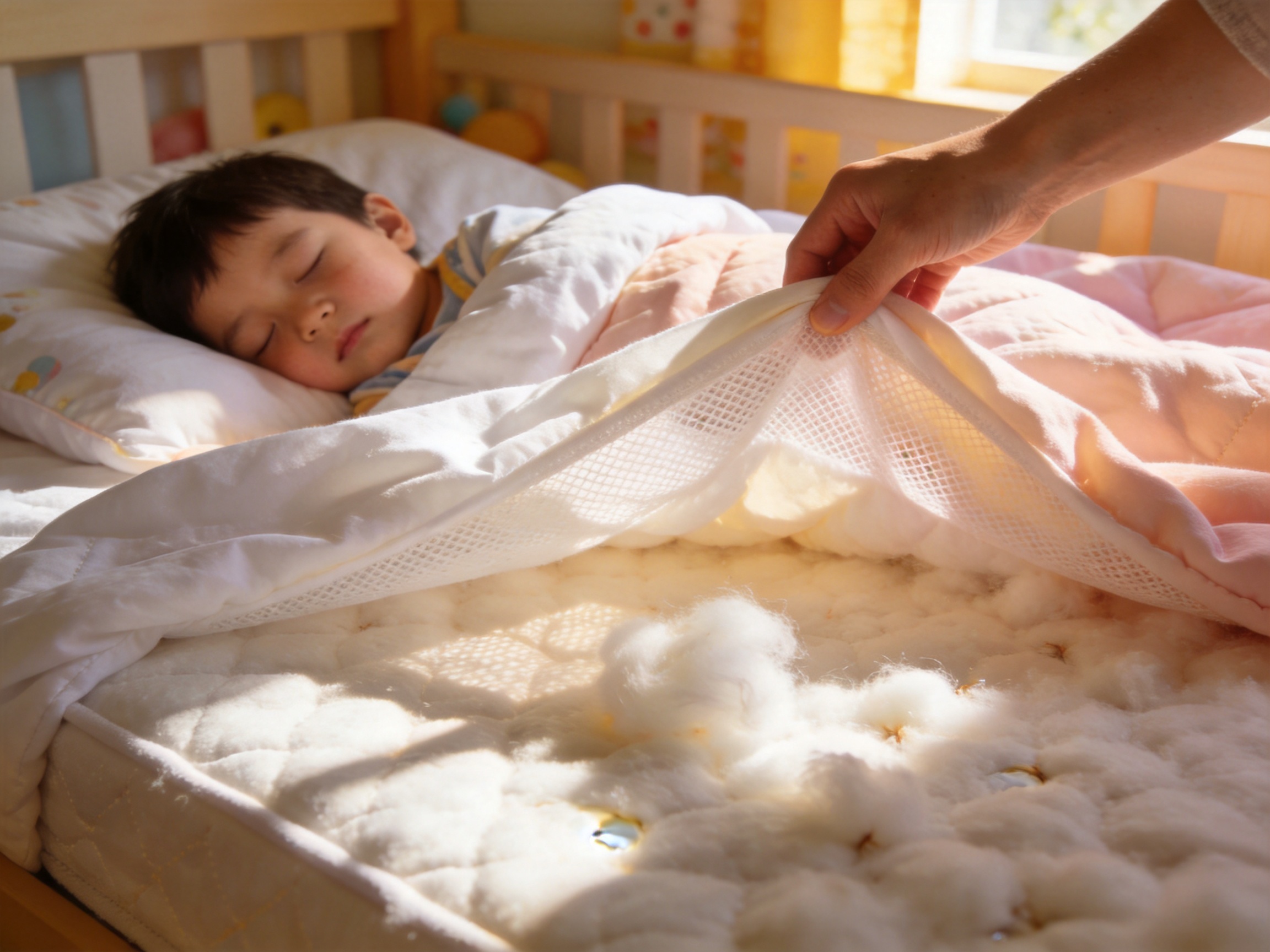
Cotton children mattress fabric is a textile layer used on the surface or cover of a children’s mattress. It is the part most closely connected to the child’s body, either directly or through a sheet. Because of this position, it influences the perceived softness, thermal comfort, air circulation, moisture management, appearance, and overall quality impression of the mattress. A well-designed fabric can help the mattress feel more breathable and welcoming, while a poorly chosen fabric may feel rough, stuffy, weak, or difficult to maintain.
Cotton is valued in children’s textile applications because it is naturally soft, familiar, breathable, and comfortable against the skin. When engineered into a mattress fabric through controlled yarn selection, weaving structure, finishing, and inspection, cotton can offer a dependable blend of natural comfort and manufacturing consistency. It can also be combined with functional treatments or blended structures when the application requires added strength, moisture resistance, antibacterial performance, flame-retardant properties, or enhanced comfort features.
Children’s mattress fabric differs from ordinary decorative fabric because it must endure repeated pressure, rubbing, stretching, and temperature changes during sleep. Children often move frequently at night. They may sit, jump, crawl, or play on mattresses. The surface fabric must therefore support a higher level of everyday abuse than many adult bedding fabrics. It must maintain its appearance after use, resist pilling, and keep a pleasant hand feel over time.
The best cotton children mattress fabric also needs to help create a healthier sleeping microenvironment. While no fabric alone can replace proper mattress design, ventilation, cleaning habits, and room hygiene, the surface material plays an important role in moisture diffusion, touch comfort, and freshness. A breathable cotton-based fabric helps reduce the sense of trapped heat and clamminess, which is especially important for children who sweat during sleep or are sensitive to thermal discomfort.
Why Children’s Mattress Fabric Requires Special Attention
Children are not simply smaller adults. Their sleep patterns, skin sensitivity, movement habits, and hygiene needs create distinctive textile requirements. A child’s mattress fabric must satisfy parents, manufacturers, safety-conscious buyers, and end users at the same time. It should look gentle and appealing, but it must also be strong enough for long-term use.
First, children’s skin can be more sensitive to rough textures and uncomfortable surfaces. A fabric with an overly coarse yarn or poorly controlled finishing may cause discomfort, even when a bedsheet is used. Cotton children mattress fabric is often selected because its soft touch supports a gentle sleeping experience. When combined with precise weaving and finishing, it can provide a smooth, stable, and comfortable surface that improves the overall quality perception of the mattress.
Second, children can produce moisture through perspiration, spills, or minor accidents. While mattress protectors are often used, the mattress cover fabric still needs a structure that can handle humidity better than stiff, non-breathable alternatives. Cotton fibers naturally absorb and release moisture, helping the fabric feel less plasticky and more comfortable. With proper functional finishing, the fabric can be further adapted for moisture-resistant or easy-care performance depending on customer requirements.
Third, children’s products are judged closely by parents and buyers. They expect the fabric to be safe, reliable, and clean-looking. A children’s mattress fabric with inconsistent color, weak seams, poor dimensional stability, or unpleasant odor can damage the reputation of an entire mattress line. This is why experienced textile manufacturing matters. Stable fabric quality makes production smoother for mattress makers and reduces the risk of complaints from final users.
Fourth, children often interact with mattresses beyond sleeping. They may read, play, rest, or lie on the mattress during the day. This increases the importance of abrasion resistance, shape stability, pilling control, and strong surface construction. A suitable cotton children mattress fabric must therefore balance softness with resilience, rather than being soft but fragile.
Core Product Advantages
The advantages of Cotton Children Mattress Fabric can be understood through several performance dimensions: comfort, breathability, durability, functional adaptability, design flexibility, and manufacturing reliability. Each of these areas contributes to a product that can compete effectively in the children’s bedding market.
Soft and Skin-Friendly Comfort
The first impression of mattress fabric is touch. Cotton children mattress fabric offers a soft, natural hand feel that many families associate with comfort and trust. Unlike some synthetic surfaces that may feel slippery, warm, or artificial, cotton-based fabric can provide a familiar textile sensation. This is valuable for children’s mattresses because the surface should feel gentle and reassuring.
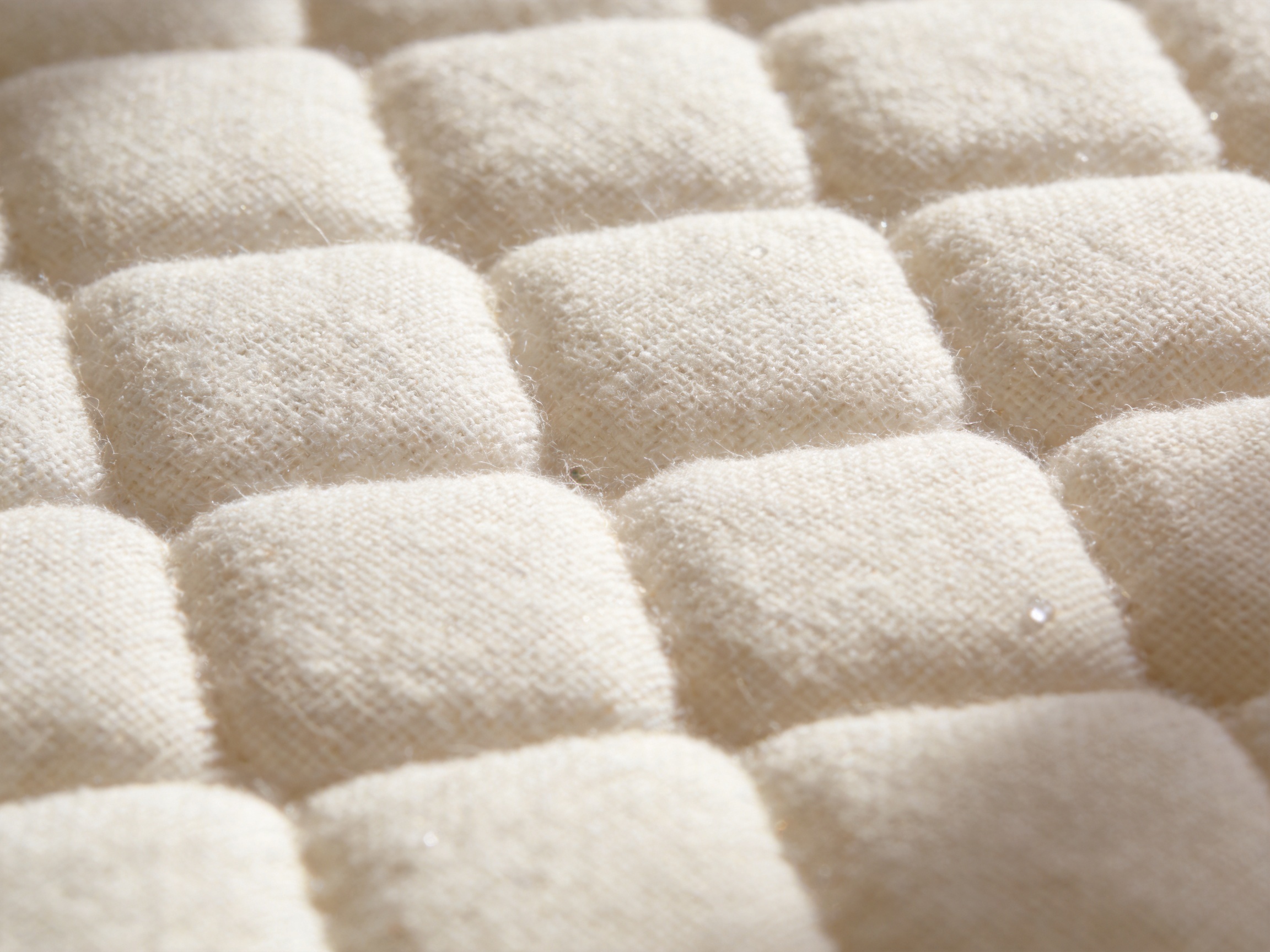
Through careful yarn selection and finishing control, the fabric can be produced with a smooth surface that reduces roughness. The goal is not only softness at the moment of purchase, but lasting comfort throughout regular use. A stable weave structure helps prevent excessive surface fuzzing, while finishing processes can enhance smoothness without making the fabric feel stiff or coated.
Breathability for Sleep Comfort
Thermal comfort is one of the most important factors in sleep quality. Children may wake up when they feel too hot, sweaty, or uncomfortable. Cotton children mattress fabric supports airflow and moisture exchange, helping the sleeping surface feel more balanced. The fabric structure can be designed to allow air movement while still maintaining sufficient strength and coverage.
Compared with many low-cost synthetic fabrics that trap heat, a cotton-based mattress textile can provide a more comfortable sleeping microclimate. Breathability also improves the perceived freshness of the mattress. In children’s bedding, where comfort and cleanliness are closely connected in the buyer’s mind, this advantage can become a strong selling point.
Durability for Active Daily Use
A children’s mattress must withstand far more than quiet sleep. It may face frequent movement, sitting, edge pressure, and active play. Cotton children mattress fabric from an experienced manufacturer is developed with this reality in mind. A controlled weaving process can improve tensile strength, tear resistance, dimensional stability, and surface durability.
Durability does not mean the fabric must feel hard. The advantage of well-engineered cotton mattress fabric is that it can maintain softness while improving structural performance. Competitor products often fail when they focus only on initial touch or low cost. They may look good in a showroom but show pilling, thinning, distortion, or seam stress after regular use. A higher-quality fabric reduces these risks and supports the long-term reputation of the mattress brand.
Functional Adaptability
Modern children’s bedding markets increasingly demand functional textiles. Depending on customer requirements, cotton children mattress fabric can be developed with features such as antibacterial finishing, moisture resistance, flame-retardant treatment, sleep-supporting surface comfort, or improved cooling feel. Hangzhou Xinsili Decorative Fabric Weaving Co., Ltd. has experience with functional decorative textiles, allowing it to integrate performance requirements into practical fabric solutions.
This functional adaptability is important because different markets have different expectations. A domestic children’s mattress line may prioritize softness and value. A hotel or childcare procurement project may require stronger durability and easier maintenance. A premium brand may request enhanced freshness, thermal comfort, or certified functional performance. The ability to customize fabric according to use scenario gives the product a competitive advantage.
Design Flexibility
Children’s mattresses often need visual softness, cleanliness, and a friendly appearance. Cotton children mattress fabric can be designed in various textures, patterns, colors, and surface effects. The fabric may be simple and elegant for premium bedding, playful for children’s rooms, or neutral for institutional environments.
Design flexibility helps mattress manufacturers create differentiated collections. The fabric can be aligned with brand identity, seasonal styles, or specific age groups. Compared with generic mattress ticking, a customized cotton fabric can make a product look more thoughtful and higher value, even before the customer lies on it.
Advantages Over Common Competing Fabrics
Many children’s mattress products use polyester, low-grade knitted fabrics, heavily coated surfaces, or inexpensive blended materials. These options may reduce short-term cost, but they can create performance compromises. Cotton children mattress fabric offers a more balanced solution when comfort, quality perception, and long-term value are considered.
| Comparison Factor | Cotton Children Mattress Fabric | Common Low-Cost Competitor Fabrics | Practical Buyer Benefit |
|---|---|---|---|
| Touch Comfort | Soft, natural, gentle, and familiar | May feel synthetic, rough, slippery, or stiff | Improves child comfort and parent confidence |
| Breathability | Supports airflow and moisture exchange | May trap heat, especially if coated or dense | Helps create a fresher sleeping surface |
| Durability | Can be engineered for stable strength and pilling resistance | Often weak under repeated friction and movement | Reduces complaints and extends product value |
| Functional Options | Can integrate antibacterial, moisture-resistant, flame-retardant, and comfort finishes | Often limited to basic appearance | Supports premium and customized mattress lines |
| Design Quality | Custom textures, colors, and decorative effects are available | Generic patterns and inconsistent visual quality | Helps brands build product differentiation |
| Manufacturing Stability | Produced with controlled weaving and quality inspection | May vary between batches | Improves production efficiency for mattress makers |
The comparison shows that the value of cotton children mattress fabric is not limited to one feature. Its strength is balance. It can be comfortable without being weak, functional without feeling industrial, and decorative without sacrificing reliability. This balance is especially important for children’s products, where emotional appeal and practical performance must work together.
In many markets, buyers initially compare fabrics by price per meter. However, a very low fabric cost may lead to higher total costs if the material causes cutting waste, sewing problems, customer returns, odor complaints, poor reviews, or early product wear. A dependable cotton children mattress fabric can improve total value by supporting smoother production and more consistent customer satisfaction.
Advanced Manufacturing Processes Behind the Fabric
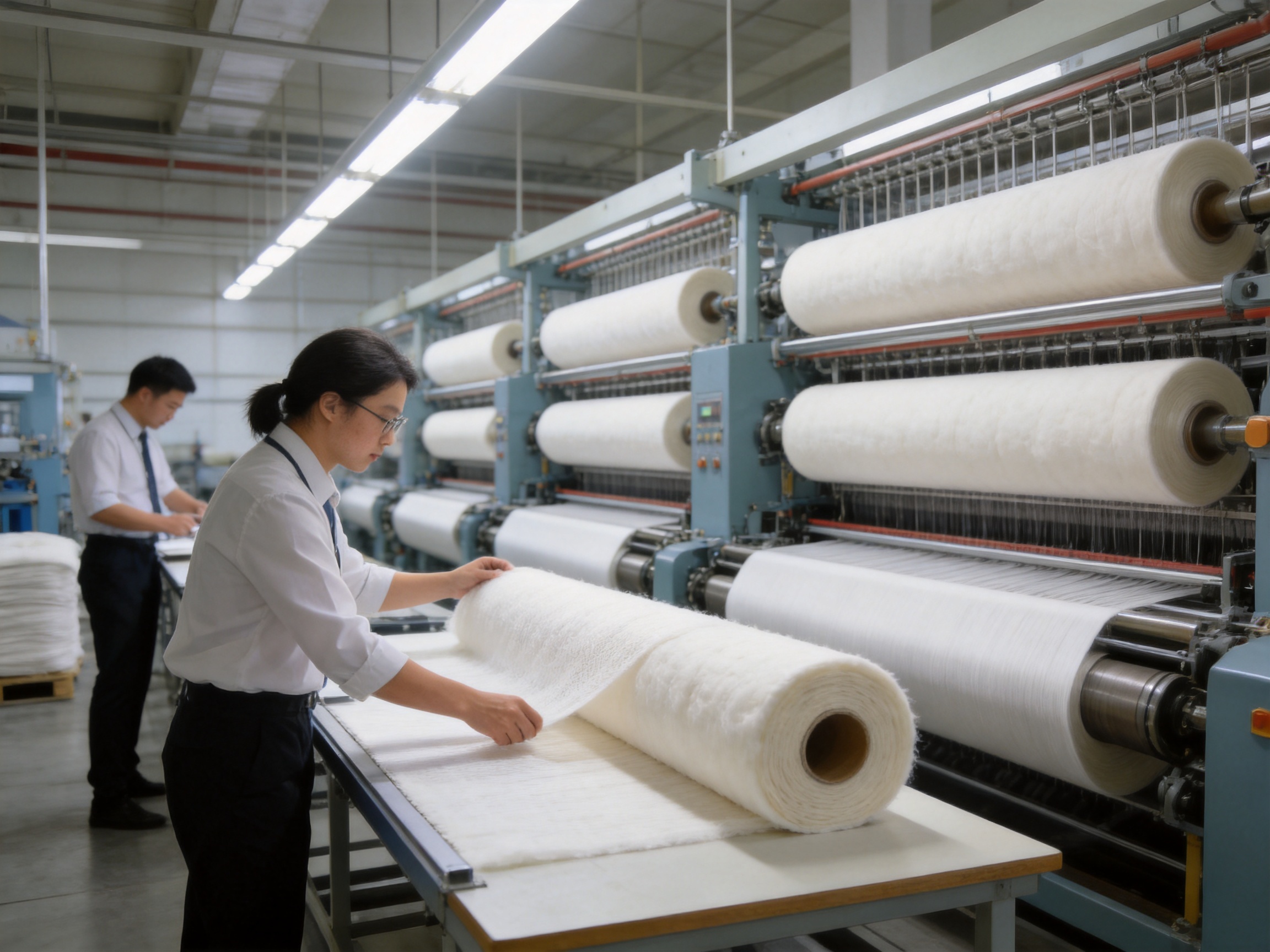
The performance of cotton children mattress fabric depends heavily on manufacturing. Cotton fiber alone does not guarantee excellence. The final quality comes from a chain of decisions: raw material selection, yarn preparation, weaving design, machine control, finishing technology, inspection, packaging, and delivery management. Hangzhou Xinsili Decorative Fabric Weaving Co., Ltd. applies its experience in decorative fabric weaving and functional textile development to create stable and practical fabrics for demanding applications.
Material Selection and Yarn Control
The manufacturing process begins with selecting suitable yarns. For children’s mattress fabric, yarn quality affects softness, strength, surface smoothness, and consistency. Well-controlled yarns help reduce knots, uneven texture, weak areas, and color variation. A fabric intended for children should not rely on random raw materials; it requires stable inputs that can support predictable output.
Yarn count, twist, fiber length, and blending choices may be adjusted according to the product target. A softer mattress fabric may require a finer hand feel, while a fabric for heavy-duty use may prioritize strength and abrasion resistance. By managing these variables from the start, the manufacturer can build performance into the textile rather than trying to correct problems later.
Weaving Structure Design
Weaving is where the fabric’s architecture is created. The interlacing of warp and weft yarns determines much of the fabric’s strength, elasticity, thickness, texture, and breathability. Children’s mattress fabric must have enough structural integrity to withstand stress, but it should not become rigid or uncomfortable.
Advanced weaving design allows the fabric to achieve different surface effects and performance levels. A tighter structure may improve durability and coverage, while a more open or textured structure may increase breathability and softness. The key is balance. Experienced technicians can adjust weaving parameters to match the intended mattress type, production method, and market positioning.
For mattress manufacturers, consistent weaving is critical. If fabric tension varies or the structure is unstable, cutting and quilting can become difficult. Inconsistent fabric may shrink, distort, or create uneven patterns. Precision weaving helps maintain stable width, weight, and appearance, improving downstream production efficiency.
Functional Finishing
Finishing transforms the woven fabric into a product-ready material. Depending on the specification, finishing may improve softness, moisture behavior, antibacterial performance, flame retardancy, cooling sensation, dimensional stability, or overall hand feel. For children’s mattress fabric, finishing must be carefully controlled because excessive chemical treatment or heavy coating can reduce breathability or make the surface unpleasant.
Hangzhou Xinsili Decorative Fabric Weaving Co., Ltd. focuses on functional decorative fabrics and integrates technologies such as antibacterial, moisture-resistant, flame-retardant, sleep-supporting, and comfort-improving functions. This functional orientation is valuable because children’s bedding customers increasingly look for more than ordinary fabric. They want textiles that support healthier, safer, and more comfortable living spaces.
A strong finishing process should create performance without compromising the fabric’s basic comfort. For example, an antibacterial finish should be compatible with the textile’s softness and appearance. A moisture-resistant finish should not make the fabric feel like plastic. A flame-retardant treatment should be applied with attention to the target standard and final use requirements. The ability to coordinate these details separates a specialized manufacturer from a general fabric supplier.
Color and Pattern Consistency
Children’s mattress fabric often uses soft colors, clean patterns, or gentle decorative textures. Inconsistent color can immediately lower the perceived quality of a mattress. Color control requires accurate dyeing or finishing management, stable process conditions, and careful inspection under appropriate lighting.
Pattern consistency is also important. If a textile pattern shifts, stretches, or appears uneven, the finished mattress may look defective even if the material is technically usable. High-quality production therefore requires attention to repeat accuracy, fabric tension, and roll-to-roll consistency. This is particularly important for brands that produce mattresses in large batches and expect visual uniformity across a product line.
Quality Inspection and Testing
Quality inspection is a key part of advanced textile manufacturing. For children’s mattress fabric, inspection may include checking appearance, width, weight, color consistency, hand feel, tensile strength, abrasion resistance, pilling tendency, dimensional stability, and finishing performance according to customer requirements. Defects such as stains, holes, yarn breaks, uneven texture, or color streaks should be identified before shipment.
Reliable inspection protects both the fabric supplier and the mattress manufacturer. It reduces production interruptions, lowers waste, and helps ensure the finished mattress meets market expectations. For children’s products, quality control also supports trust. Parents may not see every technical detail, but they notice whether a product looks clean, feels comfortable, and maintains its quality after use.
Company Strengths Supporting Product Reliability
Hangzhou Xinsili Decorative Fabric Weaving Co., Ltd. has 19 years of industry experience and a 12,000 square meter factory area. The company specializes in innovative research, development, and precision manufacturing of decorative textiles. Its vision, “Weaving Beautiful Spaces,” reflects a commitment to functional, attractive, and reliable fabrics for modern living environments.
The company’s recognition as a National High-Tech Enterprise in 2023 demonstrates its emphasis on technological development and innovation. This is significant for buyers who need more than basic supply. A fabric partner with research and development capability can help develop customized products, improve performance, and adapt to market trends.
The company serves residential, hotel, and commercial environments, which means its fabrics must satisfy different durability and design expectations. A fabric for a family bedroom may emphasize softness and warmth. A fabric for hotel or commercial use may require higher abrasion resistance and easier care. This broad application experience strengthens the company’s ability to create children’s mattress fabrics that combine comfort with practical performance.
Craftsmanship-driven manufacturing is another important strength. In textiles, small process details matter. Yarn tension, loom settings, finishing temperature, moisture control, inspection discipline, and packaging methods can all influence the final fabric. A company that values craftsmanship is more likely to maintain stable quality from batch to batch.
Design innovation also gives the company an advantage. Children’s mattress fabric is not just an industrial material; it is part of a product that parents choose emotionally and visually. Attractive fabric design helps mattress brands communicate care, softness, cleanliness, and quality. By combining decorative design capability with functional textile technology, the company can support both performance and aesthetics.
Win-win collaboration is especially relevant for OEM and custom textile customers. Mattress manufacturers often need fabric partners who can respond to product development requests, adjust specifications, and support stable long-term supply. A collaborative supplier can help shorten development time and reduce the risk of mismatch between fabric design and mattress construction.
Comfort Engineering for Better Sleep Environments
Sleep comfort is complex. It involves support, temperature, humidity, softness, noise, smell, and psychological reassurance. Cotton children mattress fabric contributes mainly through touch, breathability, and surface comfort. A pleasant fabric can make the mattress feel more inviting and reduce irritation caused by harsh or poorly finished materials.
For children, comfort also affects sleep habits. A mattress that feels soft, fresh, and cozy can help create a positive bedtime routine. While fabric alone cannot guarantee sleep quality, it can remove common sources of discomfort. Parents who invest in a children’s mattress often look for materials that feel gentle and breathable because these qualities align with their expectations of care and safety.
Comfort engineering requires balancing multiple textile factors. A fabric that is too thin may lack durability. A fabric that is too dense may reduce breathability. A fabric that is heavily treated may lose its natural hand feel. A fabric that is too loose may deform during quilting or use. The ideal cotton children mattress fabric is engineered to provide softness, stability, and comfort together.
The surface should also cooperate with mattress construction. Many children’s mattresses include quilting, foam layers, spring systems, or removable covers. The fabric must sew well, lie smoothly, resist distortion, and complement the underlying materials. Good compatibility reduces wrinkles, uneven surfaces, and production defects.
Health-Oriented Textile Functions
Modern families are increasingly concerned about clean and healthy sleep spaces. As a result, functional textile features have become more important in children’s mattress fabric. Depending on the market and customer specification, fabrics may be developed to support antibacterial freshness, moisture resistance, flame retardancy, cooling comfort, or other comfort-improving effects.
Antibacterial finishing can help inhibit the growth of certain bacteria on the textile surface when properly specified and tested. This can be valuable in children’s bedding, where moisture and frequent contact may create freshness concerns. It is important, however, that such claims are supported by appropriate testing and communicated accurately according to market regulations.
Moisture-resistant finishing can help reduce the fabric’s vulnerability to everyday humidity and minor exposure. For children’s mattresses, this function may be used alongside mattress protectors and good cleaning practices. The goal is to improve practical resilience without turning the surface into a non-breathable barrier.
Flame-retardant performance may be required in certain markets or commercial applications. Children’s bedding must comply with applicable local safety standards, and fabric is one component of that compliance system. A manufacturer with experience in flame-retardant textiles can help customers develop fabric according to target requirements, although final product testing remains essential.
Cooling and comfort-improving functions can make the mattress surface feel fresher, especially in warm climates. This may involve fiber selection, fabric structure, finishing technology, or a combination of approaches. For children who tend to sleep warm, a cooler surface sensation can improve perceived comfort.
Environmental and Practical Value
High-quality children’s mattress fabric also supports sustainability through durability and responsible material use. A fabric that lasts longer can reduce early replacement and waste. Stable quality reduces production defects and discarded materials. Thoughtful manufacturing can therefore contribute to more sustainable product development.
Cotton is widely recognized as a natural fiber, and many consumers associate it with comfort and environmental familiarity. When used responsibly and combined with efficient manufacturing, cotton children mattress fabric can help brands communicate a more natural and family-friendly image. For customers who want environmentally friendly decorative fabric solutions, the fabric can be developed with attention to safer, healthier, and more sustainable living spaces.
Practical value is also environmental value. If a fabric resists pilling, maintains appearance, and supports long service life, it reduces the need for premature replacement. If it is easy for manufacturers to cut and sew efficiently, it reduces waste during production. If it is comfortable enough to satisfy users, it reduces returns and unnecessary logistics.
The company’s focus on high-quality, environmentally friendly decorative fabric solutions aligns with these market trends. Children’s products are often held to higher expectations because buyers want to feel that the materials are carefully chosen. A dependable cotton children mattress fabric can support this expectation without sacrificing commercial practicality.
Applications in Different Market Segments
Cotton children mattress fabric can be used in multiple product categories. Its primary application is children’s mattresses, including crib transition mattresses, junior mattresses, bunk bed mattresses, school dormitory mattresses, and youth bedding. It may also be adapted for related bedding products where softness, breathability, and decorative performance are required.
In residential markets, parents often look for materials that feel safe, soft, and easy to trust. A cotton-based mattress fabric supports these preferences and can be positioned as a comfort-focused upgrade over basic synthetic ticking. Gentle textures and clean visual designs work well for family bedrooms and children’s rooms.
In hotel and accommodation markets, durability and consistent appearance become especially important. Children’s beds in family hotel rooms, serviced apartments, resorts, or guest facilities need fabrics that can tolerate frequent use and cleaning cycles. A well-engineered cotton children mattress fabric can provide a more premium feel while still supporting practical performance.
In commercial or institutional settings, such as childcare rest areas or school dormitories, fabric reliability is essential. Buyers may prioritize abrasion resistance, hygiene-oriented finishes, flame-retardant options, and batch consistency. The manufacturer’s experience in commercial decorative fabrics can help address these requirements.
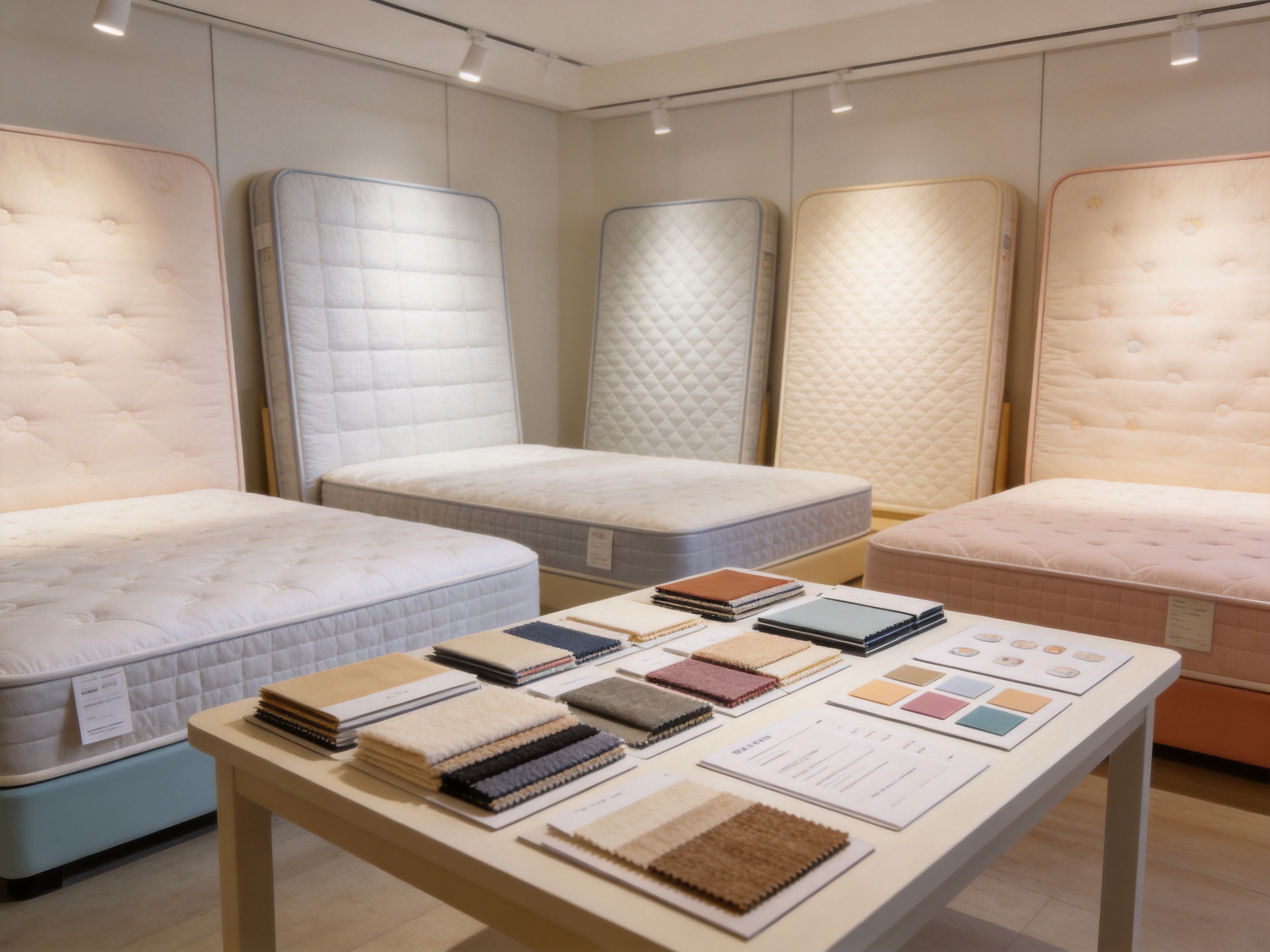
For mattress brands, the fabric can also support product segmentation. A basic model may use a simple cotton comfort fabric. A mid-range model may add improved texture and moisture handling. A premium model may include advanced functional finishing and customized design. This flexibility allows brands to build a complete product ladder using a reliable fabric development partner.
Customization Possibilities
Customization is one of the strongest advantages for business buyers. Children’s mattress brands often need unique fabrics to differentiate themselves from competitors. Cotton children mattress fabric can be customized in weight, width, texture, color, pattern, hand feel, functional finishing, and performance requirements.
Fabric weight can be adjusted according to mattress type and price positioning. A lighter fabric may be suitable for economical products, while a heavier and more structured fabric may be chosen for premium mattresses. Width can be aligned with cutting efficiency to reduce waste. Texture can be smooth, quilt-friendly, decorative, or more three-dimensional depending on the intended appearance.
Color and pattern customization help brands connect with target customers. Soft whites, creams, pale blues, gentle greens, and warm neutrals are often suitable for children’s bedding because they communicate cleanliness and calm. Subtle patterns can add value without overwhelming the product. For specific brand identities, customized motifs may be developed.
Functional customization allows the fabric to meet special market needs. Antibacterial performance may be requested for freshness-focused bedding. Moisture-resistant treatment may be requested for children’s use scenarios. Flame-retardant specifications may be requested for regulated markets. Cooling comfort may be requested for warm regions or premium product lines.
Customization also includes production support. A fabric supplier can work with mattress manufacturers to ensure the fabric performs well in quilting, lamination, sewing, packaging, and final use. This technical collaboration is often more valuable than simply selecting a fabric from a catalog.
How the Fabric Supports Mattress Brand Competitiveness
In a crowded mattress market, fabric is one of the most visible differentiators. Customers may not understand foam density, spring count, or internal construction immediately, but they can see and touch the fabric. A high-quality cotton children mattress fabric can therefore improve first impressions and make the product easier to sell.
For online mattress brands, fabric quality affects photography, unboxing experience, customer reviews, and perceived value. A fabric that looks clean, smooth, and premium in images can increase buyer confidence. After delivery, a soft and breathable surface can help confirm that the customer made the right decision.
For retail stores, touch matters even more. Parents often press the mattress surface, feel the fabric, and compare it with other products. A natural cotton hand feel can stand out against cheaper synthetic alternatives. If the fabric also has an attractive design and stable surface, it can make the mattress appear more trustworthy.
For private-label buyers, stable fabric supply reduces risk. Inconsistent materials can disrupt product specifications and create variation between batches. A manufacturer with strong process control can help keep the final mattress line consistent, which is important for brand reputation.
For premium children’s mattress brands, functional textile claims can create added value. Features such as antibacterial freshness, moisture resistance, or cooling comfort can be integrated into product storytelling when properly tested and documented. This helps brands compete beyond price and build a stronger emotional connection with parents.
Quality Factors Buyers Should Evaluate
When selecting cotton children mattress fabric, buyers should evaluate both visible and technical quality. The visible factors include color, pattern, surface smoothness, softness, cleanliness, and overall appearance. The technical factors include fabric weight, width stability, tensile strength, tear resistance, abrasion resistance, pilling resistance, dimensional stability, and functional finishing performance.
Buyers should also consider processing compatibility. A fabric may look good as a sample but perform poorly during large-scale mattress production. It should be tested in cutting, quilting, sewing, edge binding, and packaging processes. If the fabric stretches excessively, frays easily, or wrinkles after quilting, it may create hidden costs.
Batch consistency is another key factor. Children’s mattress production often requires repeat orders. A fabric supplier should be able to maintain stable specifications over time. Variations in color, width, or hand feel can create production and branding problems.
Documentation and communication are also important. For functional fabrics, buyers may need test reports, performance descriptions, and guidance on care or compliance. A professional supplier should be able to discuss requirements clearly and help align the fabric with the final product standard.
Finally, buyers should evaluate the manufacturer’s experience and production capacity. Hangzhou Xinsili Decorative Fabric Weaving Co., Ltd. has 19 years of textile experience and a 12,000 square meter factory, supporting stable manufacturing and product development. This background helps buyers reduce the uncertainty that can come with smaller or less specialized suppliers.
Manufacturing Strengths in Detail
The company’s manufacturing strengths begin with its specialization in decorative fabric weaving. Unlike suppliers that only trade fabrics, a weaving-focused manufacturer has deeper control over textile structure and production details. This control makes it possible to develop fabrics that meet both aesthetic and functional requirements.
Precision manufacturing helps ensure that fabric rolls meet target specifications. In mattress production, even small deviations can matter. Width variation may increase cutting waste. Weight variation may affect hand feel and appearance. Texture variation may affect brand consistency. Precision reduces these issues and supports efficient downstream manufacturing.
The company’s focus on research and development supports ongoing improvement. Textile markets change quickly, especially in functional bedding. Buyers may ask for cooler surfaces, cleaner-feeling textiles, eco-conscious finishes, or improved durability. A manufacturer with R&D capability can respond more effectively than one limited to standard products.
Functional integration is another strength. Many suppliers can offer decorative fabric, and many can offer basic performance fabric, but fewer can combine decoration, comfort, and function in a balanced way. Children’s mattress fabric needs this balance. It must appeal to parents visually, comfort children physically, and satisfy manufacturers technically.
The company’s experience across mattress fabric, pillowcase fabric, pregnancy pillow fabric, cooling mat fabric, bedding fabric, sofa fabric, and pet friendly fabrics gives it a broad understanding of comfort textiles. These categories require different forms of softness, resilience, moisture management, and durability. Knowledge from one category can inform innovation in another.
Practical Recommendations for Product Development
Mattress manufacturers planning a children’s product line should begin by defining the target user and market level. A fabric for a budget children’s mattress may need a simple, durable cotton surface with good comfort. A fabric for a premium model may require enhanced softness, customized pattern design, and functional finishing. A fabric for commercial use may require stronger performance standards.
The next step is to define technical requirements. These may include fabric weight, width, color, pattern, tensile strength, pilling resistance, abrasion performance, finishing function, and compliance needs. Clear specifications allow the supplier to recommend suitable structures and processes.
Sampling is essential. Buyers should review fabric samples not only by touch and appearance but also through production trials. Testing the fabric on actual quilting or sewing equipment can reveal whether it behaves well during manufacturing. It is better to identify necessary adjustments before mass production.
Functional claims should be carefully verified. If the fabric is promoted as antibacterial, flame-retardant, moisture-resistant, or cooling, buyers should request appropriate testing according to the relevant market. Accurate claims protect the brand and build customer trust.
Finally, buyers should plan long-term supply. A successful children’s mattress line may require repeat production for years. Working with a stable manufacturer helps maintain product consistency, supports future upgrades, and simplifies procurement.
Q&A Section
Q1: What makes cotton children mattress fabric different from ordinary mattress fabric?
Cotton children mattress fabric is designed with the needs of children in mind. It emphasizes soft touch, breathability, skin-friendly comfort, durability under active use, and the possibility of hygiene-oriented or safety-related functional finishes. Ordinary mattress fabric may focus mainly on cost or basic appearance, while children’s fabric must balance comfort, reliability, and parent confidence.
Q2: Why is cotton a good choice for children’s mattress surfaces?
Cotton is naturally soft, breathable, and familiar to consumers. It can help the mattress surface feel gentle and comfortable, which is valuable for children’s bedding. When properly woven and finished, cotton fabric can also achieve the strength and stability required for mattress production.
Q3: Can the fabric be customized for different mattress brands?
Yes. Cotton children mattress fabric can be customized in texture, color, pattern, weight, width, hand feel, and functional performance. Customization allows mattress brands to create unique product lines and match different price levels or market requirements.
Q4: What functional finishes can be considered?
Depending on the customer’s needs, the fabric may be developed with antibacterial, moisture-resistant, flame-retardant, cooling, sleep-supporting, or comfort-improving functions. These finishes should be selected according to the final use, target market, and required testing standards.
Q5: How does this fabric compare with low-cost polyester mattress ticking?
Low-cost polyester ticking may be cheaper, but it can feel less natural, less breathable, or less comfortable. Cotton children mattress fabric offers a softer and more familiar touch, better moisture comfort, and stronger family-friendly appeal. With proper engineering, it can also deliver excellent durability and production stability.
Q6: Is the fabric suitable for commercial or hotel children’s mattresses?
Yes, it can be developed for residential, hotel, or commercial applications. For commercial use, buyers may request stronger abrasion resistance, improved dimensional stability, flame-retardant performance, or easier maintenance characteristics.
Q7: What should buyers test before mass production?
Buyers should test appearance, hand feel, color consistency, weight, width, tensile strength, pilling resistance, abrasion resistance, shrinkage, and compatibility with quilting or sewing processes. Functional finishes should also be tested according to relevant standards.
Q8: Why is the manufacturer’s experience important?
Experience helps ensure stable weaving, controlled finishing, reliable inspection, and effective customization. Hangzhou Xinsili Decorative Fabric Weaving Co., Ltd. has 19 years of industry experience, a 12,000 square meter factory area, and recognition as a National High-Tech Enterprise, supporting dependable product development and production.
Conclusion
Cotton children mattress fabric is a crucial component in creating sleep products that feel soft, breathable, trustworthy, and durable. For children’s mattresses, the surface fabric must do more than decorate. It must support comfort, withstand movement, help manage moisture, maintain appearance, and meet the expectations of parents and professional buyers.
Compared with many common competitor fabrics, cotton children mattress fabric offers a stronger balance of natural comfort, breathability, functional adaptability, and design value. When produced by an experienced textile manufacturer, it can deliver consistent quality that supports mattress brand competitiveness and reduces production risk.
Hangzhou Xinsili Decorative Fabric Weaving Co., Ltd. brings together 19 years of experience, a 12,000 square meter factory, high-tech enterprise recognition, functional textile development, and precision decorative fabric weaving. Its strengths in craftsmanship, design innovation, and collaborative manufacturing make it a capable partner for customized cotton children mattress fabric solutions.
As families and markets continue to demand safer, healthier, more comfortable, and more sustainable sleep environments, the importance of fabric selection will only grow. A well-designed cotton children mattress fabric can help mattress brands build trust from the first touch and maintain satisfaction through long-term use.
References
1. Kadolph, S. J. Textiles. Pearson Education.
2. Collier, B. J., and Epps, H. H. Textile Testing and Analysis. Pearson Prentice Hall.
3. Saville, B. P. Physical Testing of Textiles. Woodhead Publishing.
4. Horrocks, A. R., and Anand, S. C. Handbook of Technical Textiles. Woodhead Publishing.
5. Sinclair, R. Textiles and Fashion: Materials, Design and Technology. Woodhead Publishing.
6. Elsasser, V. H. Textiles: Concepts and Principles. Fairchild Books.
7. Brown, P., and Stevens, K. Nanofibers and Nanotechnology in Textiles. Woodhead Publishing.
8. Joseph, M. L. Introductory Textile Science. Holt, Rinehart and Winston.
Our Featured Products
-
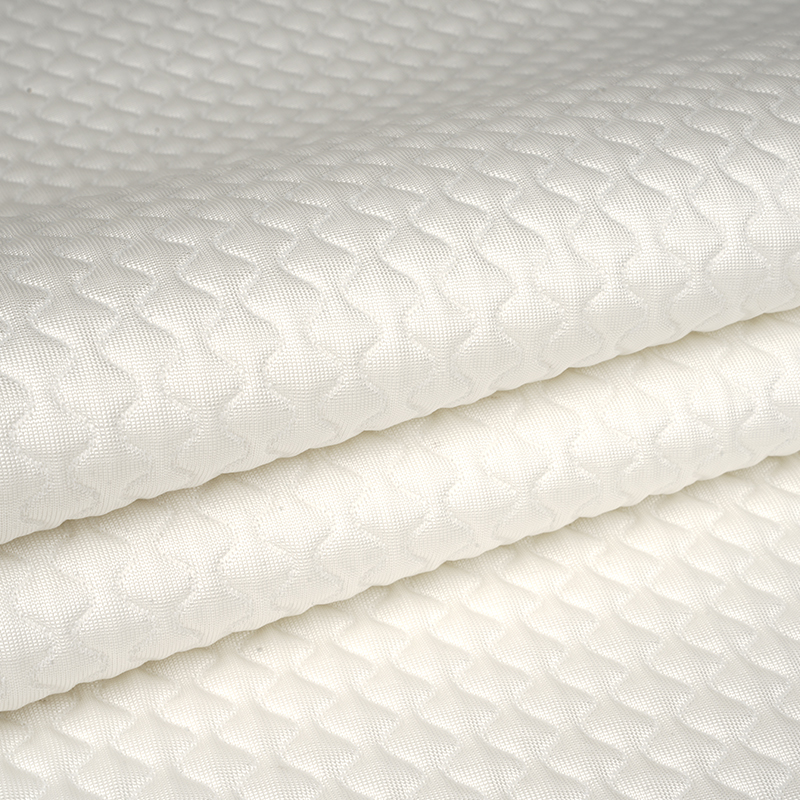
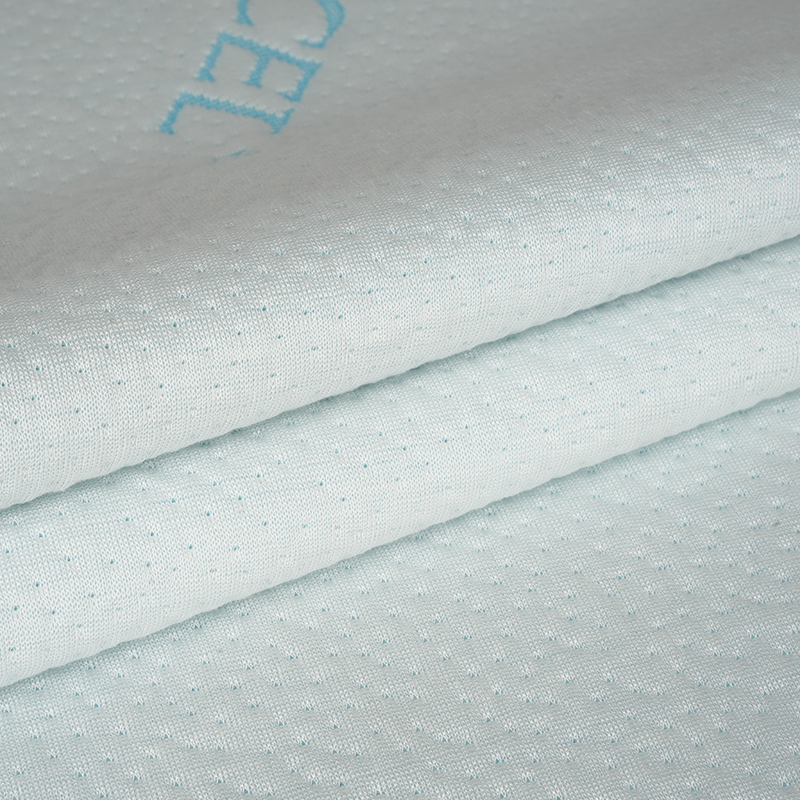
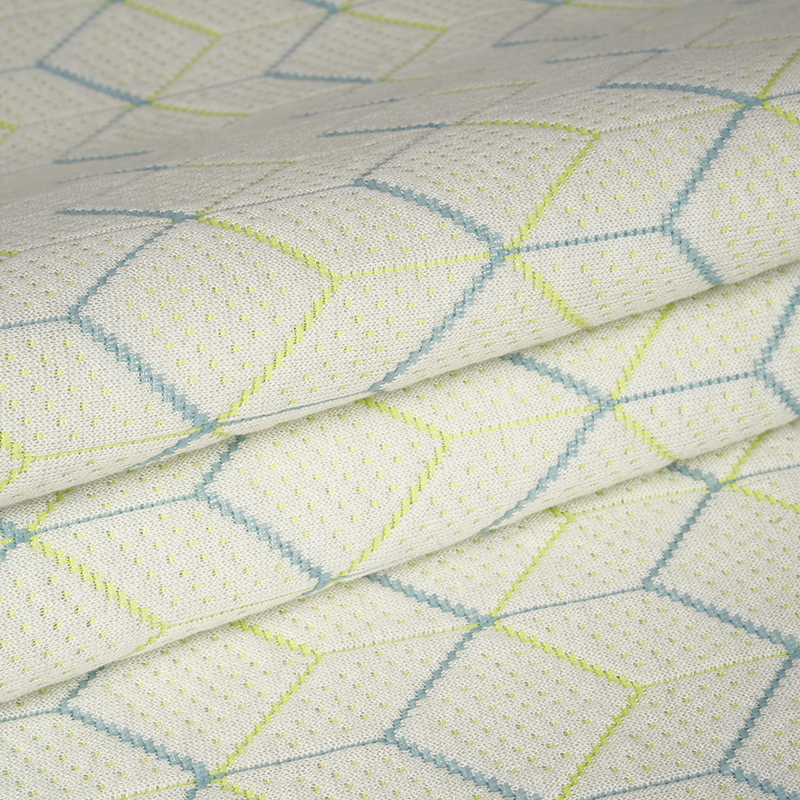
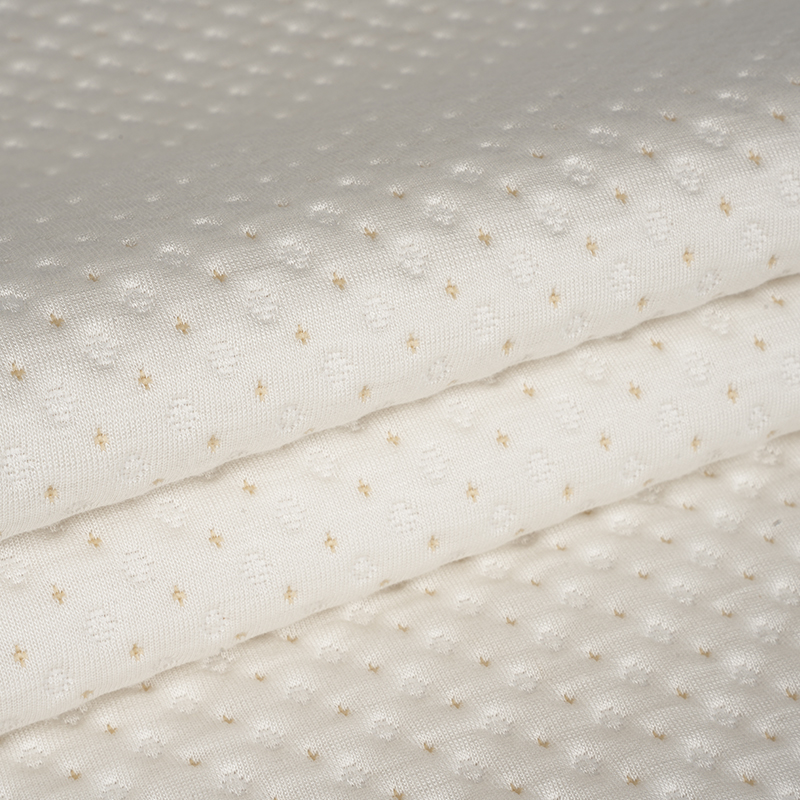
Cotton Children Mattress Fabric
Cotton Children Mattress Fabric
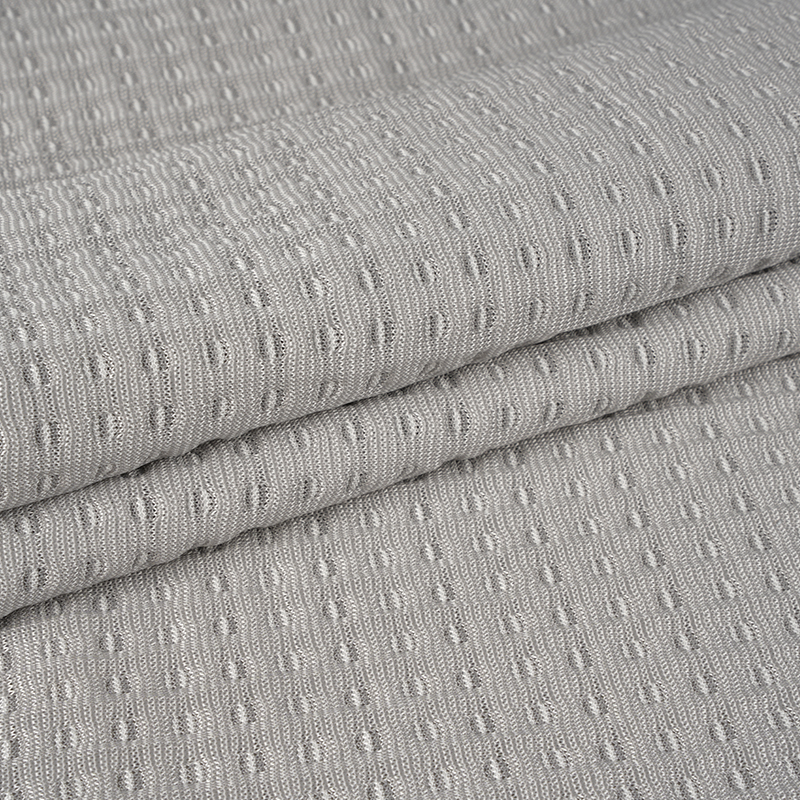
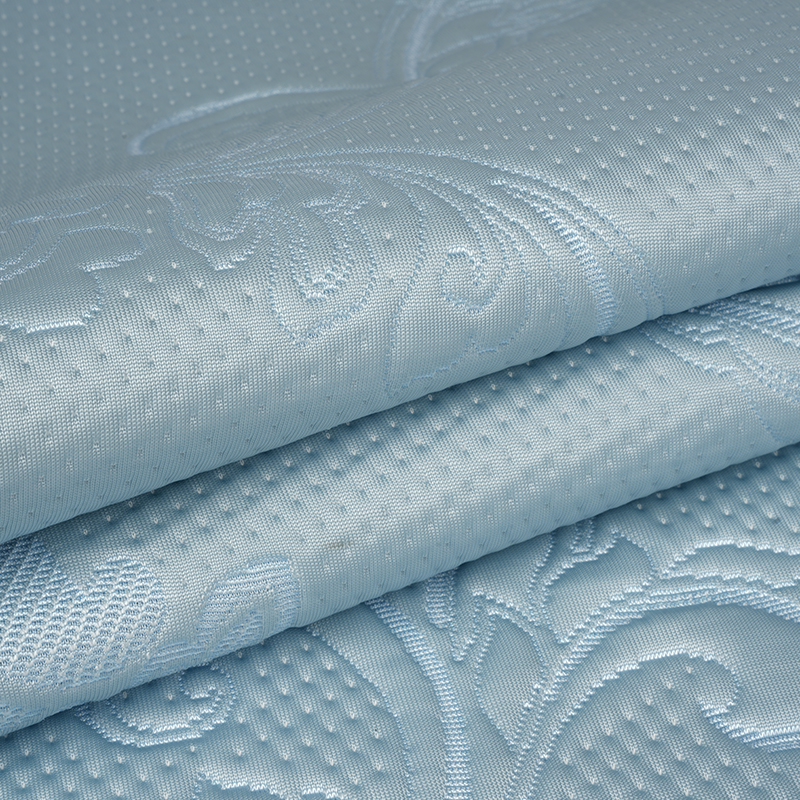
Haven’t Found The Products You Want?
-
-
Shen Jinyan:+86-15158070676
[email protected]
Liang Jinwen:+86-15757186621
[email protected]
Qiu Yingyingn:+86-13819545790
[email protected]
Yi qiao Town, Xiaoshan District, Hangzhou City, Zhejiang Province, China
-
Products
Mattress Fabric Children Mattress Fabric Pillowcase Fabric Pregnancy Pillow Fabric Cooling Mat Fabric Bedding Fabric Sofa Fabric Pet Friendly Fabrics -
Contact Information
About Us Products Strength Sustainability News Contact Us
Copyright © Hangzhou Xinsili Decorative Fabric Weaving Co.,Ltd. All Rights Reserved.
Functional Decorative Textile Manufacturers
