

 English
 中文简体
中文简体 Español
 عربى
عربى русский


Polyester Cooling Mat Fabric for Comfortable, Durable, and Functional Bedding Solutions
Content
- 1 Understanding Polyester Cooling Mat Fabric
- 2 Why Polyester Is a Strong Choice for Cooling Mat Applications
- 3 Product Advantages Over Competing Fabric Options
- 4 Functional Performance for Better User Experience
- 5 Advanced Manufacturing Processes Behind Reliable Fabric Quality
- 6 Design Flexibility for Multiple Product Categories
- 7 Manufacturing Strengths and Company Capabilities
- 8 Quality Control for Stable and Reliable Performance
- 9 Comfort Engineering: Balancing Cooling, Softness, and Strength
- 10 Sustainability and Practical Environmental Considerations
- 11 Customization Opportunities for Buyers and Product Developers
- 12 Applications in Bedding, Home, Commercial, and Pet Markets
- 13 Market Trends Supporting Polyester Cooling Mat Fabric
- 14 How Buyers Can Evaluate Polyester Cooling Mat Fabric
- 15 Q&A Section
- 15.1 What is polyester cooling mat fabric?
- 15.2 Does polyester cooling mat fabric actually feel cool?
- 15.3 Why choose polyester instead of cotton for cooling mats?
- 15.4 Can polyester cooling mat fabric be used for children’s products?
- 15.5 Is this fabric suitable for pet cooling mats?
- 15.6 Can the fabric be customized?
- 15.7 What makes manufacturing quality important for cooling mat fabric?
- 15.8 What company capabilities support reliable polyester cooling mat fabric production?
- 15.9 How should buyers test the fabric before ordering in bulk?
- 16 Conclusion
- 17 References
Polyester cooling mat fabric is becoming an increasingly important material in modern bedding, home textile, pet comfort, and functional decorative textile markets. As consumers seek better sleep quality, cleaner living environments, easier maintenance, and more durable soft-surface products, fabric engineering plays a central role in product performance. A cooling mat is not only a simple textile surface; it is a comfort system that must manage touch, airflow, moisture, durability, hygiene, and long-term usability. Polyester cooling mat fabric answers these needs by combining the strength of polyester fibers with functional finishing, precise weaving, and design flexibility.
For manufacturers of bedding, children’s mattresses, pregnancy pillows, pillowcases, pet mats, sofa covers, and other comfort products, the selection of fabric determines how the final product feels, performs, and competes in the market. A fabric that feels cool, remains stable after repeated use, resists deformation, and supports decorative appeal can help brands create products with higher perceived value. Polyester cooling mat fabric is especially suitable for applications that require a balance between comfort and practicality. It can be designed to feel smooth and refreshing against the skin while maintaining excellent dimensional stability, abrasion resistance, and production efficiency.
Hangzhou Xinsili Decorative Fabric Weaving Co., Ltd. specializes in the research, development, and manufacturing of functional decorative textiles. With a focus on stable, practical, and reliable fabric solutions, the company serves residential, hotel, commercial, and specialized bedding-related markets. Its experience in mattress fabric, children mattress fabric, pillowcase fabric, pregnancy pillow fabric, cooling mat fabric, bedding fabric, sofa fabric, and pet-friendly fabrics gives it a broad understanding of different end-use requirements. This cross-category expertise is especially valuable for cooling mat fabric because the product must meet expectations from multiple fields: sleep comfort, home décor, hygiene, durability, and manufacturing adaptability.
The following article explores polyester cooling mat fabric from a product, manufacturing, application, and market perspective. It highlights key advantages over competing materials, explains the importance of advanced weaving and finishing processes, and presents how a modern functional textile manufacturer can support customers with quality-focused production and customized solutions.
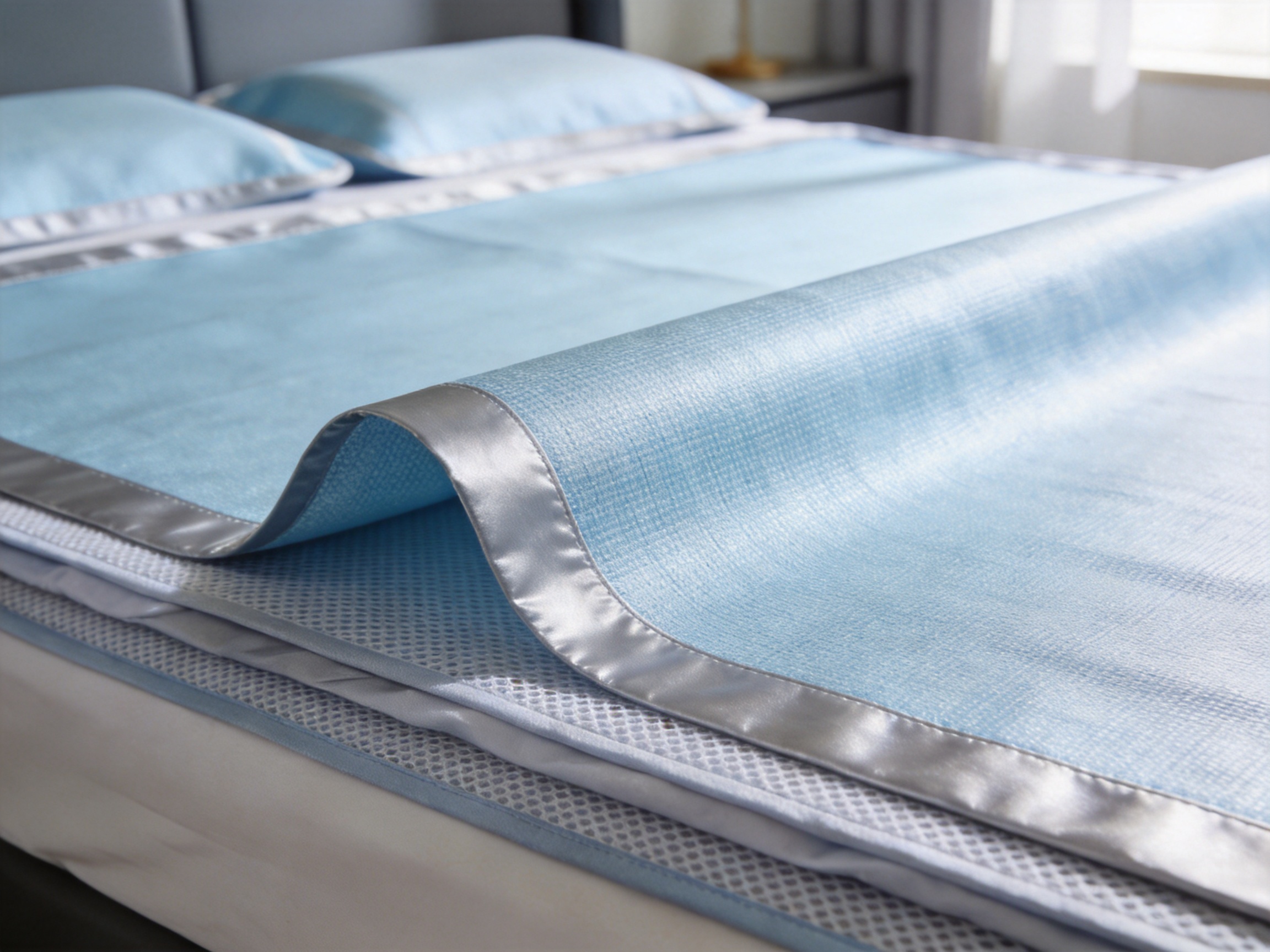
Understanding Polyester Cooling Mat Fabric
Polyester cooling mat fabric is a textile material designed for use on cooling mats and other comfort products where a fresh, smooth, and breathable surface is desired. Polyester is widely used in technical and decorative textiles because it provides strong mechanical performance, excellent wrinkle resistance, good color retention, and relatively easy care. When engineered correctly, polyester can also support cooling-related functions through yarn selection, weave structure, moisture management finishing, surface texture design, and compatibility with internal cooling layers or gel-based components.
A cooling mat may be used as a bedding accessory, a sofa comfort pad, a pet resting surface, a children’s sleep accessory, or a portable relaxation product. In all these uses, the fabric layer is the part that directly contacts the skin, clothing, or animal fur. Therefore, the fabric must create a pleasant first-touch impression. If the surface feels rough, sticky, weak, or hot, the entire product may be judged negatively even if the inner layer performs well. Polyester cooling mat fabric is developed to solve this challenge by offering a functional top layer that is smooth, stable, durable, and compatible with diverse product constructions.
The cooling sensation of a textile is influenced by several factors. Thermal conductivity affects how quickly heat is transferred away from the skin. Moisture management determines whether sweat or humidity is dispersed efficiently. Air permeability allows heat and vapor to escape. Surface smoothness influences the tactile feeling of freshness. Fabric density and weave structure affect contact area and breathability. Polyester cooling mat fabric can be customized by adjusting these factors according to the customer’s application. For example, a cooling mat for summer bedding may require a light, smooth, and breathable surface, while a pet cooling mat may need greater abrasion resistance and easier cleaning.
Unlike traditional cotton surfaces that may absorb moisture and remain damp, polyester can be engineered to wick moisture away and dry quickly. Unlike some nylon materials that can be more expensive or less dimensionally stable in certain applications, polyester offers a strong balance of performance, cost efficiency, and manufacturing flexibility. Unlike low-grade synthetic fabrics that may feel plastic-like, a well-developed polyester cooling mat fabric can provide a refined hand feel and decorative appearance suitable for premium bedding and home textile products.
Why Polyester Is a Strong Choice for Cooling Mat Applications
Polyester offers several practical advantages that make it highly suitable for cooling mat fabric. First, it has excellent durability. Cooling mats are often used daily, folded, rolled, moved, washed, wiped, or exposed to body pressure. A weak fabric can pill, tear, stretch, or lose surface quality after repeated use. Polyester fibers have strong tensile properties and resist abrasion better than many natural alternatives. This durability helps the finished cooling mat maintain its appearance and function over a longer service life.
Second, polyester provides dimensional stability. Bedding and mat products must remain flat and neat. If the fabric shrinks, stretches, or warps, the mat can become uneven and uncomfortable. Polyester has good resistance to shrinkage and deformation, especially when processed under controlled manufacturing conditions. This helps manufacturers maintain consistent product sizes and reduces quality complaints related to shape change.
Third, polyester is highly compatible with functional finishing. Modern consumers often look for added functions such as antibacterial performance, moisture resistance, flame-retardant options, quick-drying properties, comfort enhancement, and sleep-supporting features. Polyester can be treated or combined with specialized yarns and finishing technologies to create fabrics for different product tiers. For cooling mats, finishing may focus on improving cool touch, moisture dispersion, smoothness, softness, or easy cleaning.
Fourth, polyester supports attractive design. Cooling mat fabric does not need to be plain or purely technical. It can be woven or finished with patterns, textures, color effects, and decorative surfaces. This matters because home textile products are increasingly evaluated not only by comfort but also by appearance. A cooling mat used on a bed, sofa, nursery space, hotel room, or pet area should visually match the environment. Polyester accepts dyeing and finishing well, allowing stable colors and flexible design possibilities.
Fifth, polyester is efficient for large-scale production. It supports consistent manufacturing, stable supply, and repeatable quality when processed by an experienced textile producer. For buyers, this means better control over lead time, cost, and product consistency. In competitive textile markets, the ability to deliver stable batches is as important as product innovation.
Product Advantages Over Competing Fabric Options
Polyester cooling mat fabric competes with cotton, nylon, bamboo-derived viscose, blended fabrics, and low-cost synthetic materials. Each material has its own strengths, but polyester offers a particularly balanced profile for cooling mat applications. Its advantages are most evident when performance, durability, cost, maintenance, and customization are considered together.
Compared with cotton, polyester provides faster drying and better shape retention. Cotton is soft and familiar, but it tends to absorb moisture. In warm or humid conditions, absorbed moisture may make the surface feel damp, heavy, or less fresh. Cotton can also wrinkle, shrink, and wear more easily under repeated friction. Polyester cooling mat fabric can be engineered to move moisture across the surface rather than holding it in the fiber, supporting a drier and more comfortable experience.
Compared with bamboo viscose or similar regenerated cellulose fabrics, polyester is generally stronger when wet and more resistant to abrasion. Regenerated cellulose materials can deliver a soft touch, but they may be more sensitive to washing conditions, friction, and deformation depending on construction. Polyester can provide reliable strength and easy-care performance, which is especially important for products used by children, pets, hotels, and high-frequency households.
Compared with nylon, polyester can offer good cost efficiency while still meeting demanding performance needs. Nylon may have high strength and a smooth touch, but polyester often provides better UV resistance, lower moisture absorption, and strong dimensional stability. For many cooling mat products, polyester delivers an ideal combination of function and value, allowing brands to create competitive products without sacrificing user experience.
Compared with low-grade synthetic fabrics, engineered polyester cooling mat fabric provides superior feel, finishing consistency, and long-term reliability. Not all polyester fabrics are the same. A generic polyester sheet may be hot, stiff, or uncomfortable. A properly designed cooling mat fabric uses carefully selected yarns, weaving density, surface texture, and finishing technology. The difference lies in engineering and production control. This is where an experienced functional decorative textile manufacturer can create a clear competitive advantage.
| Comparison Factor | Polyester Cooling Mat Fabric | Cotton Fabric | Low-Grade Synthetic Fabric |
|---|---|---|---|
| Drying Performance | Quick-drying when engineered with moisture management | Absorbs moisture and may dry slowly | Varies, often lacks controlled moisture function |
| Durability | High abrasion resistance and tensile stability | Comfortable but may wear faster | May pill, deform, or tear more easily |
| Shape Stability | Good resistance to shrinking and deformation | May shrink or wrinkle after washing | Inconsistent depending on quality |
| Cooling Comfort | Can be designed for smooth, breathable, cool-touch performance | Natural feel but may retain humidity | May feel hot, sticky, or rough |
| Customization | Suitable for patterns, colors, functional finishes, and blended designs | Customizable but with limitations in some functional finishes | Usually limited by low-cost production targets |
| Application Range | Bedding, pet mats, sofa pads, pillow surfaces, mattress accessories | Bedding and home textiles | Basic mats or low-end covers |
Functional Performance for Better User Experience
The value of polyester cooling mat fabric is most clearly seen in everyday use. A cooling mat must remain comfortable during rest, sleep, sitting, or pet use. It must feel pleasant when first touched and should continue supporting comfort over time. The fabric’s functional performance can be divided into several key areas: cool-touch sensation, breathability, moisture management, softness, durability, hygiene support, and easy maintenance.
Cool-touch sensation is created by the way the fabric interacts with heat from the skin. A smoother surface with suitable fiber and finishing design can create a refreshing initial touch. This does not mean the fabric produces coldness by itself; rather, it helps transfer heat and reduce the sensation of trapped warmth. For users in warm climates, during summer months, or in indoor environments where bedding can feel stuffy, this first-touch freshness can significantly improve perceived comfort.
Breathability is another major factor. A cooling mat surface should not trap heat or vapor. Weave structure, yarn count, fabric density, and finishing treatment all influence air permeability. A fabric that is too dense may feel smooth but can reduce ventilation. A fabric that is too loose may lack durability or surface elegance. Advanced textile development seeks the correct balance so the fabric remains strong while allowing air and moisture vapor to move.
Moisture management supports comfort by reducing sticky or damp sensations. Polyester fibers themselves absorb little moisture, but fabric engineering can help distribute moisture across a wider area for faster evaporation. This is useful for bedding accessories, pregnancy pillows, children’s sleeping products, and pet mats. When users perspire or when ambient humidity is high, moisture dispersion helps maintain a more comfortable surface.
Softness and hand feel are also essential. Cooling mat fabric should not feel harsh or industrial. It should suit direct skin contact or light clothing contact. Through yarn selection, weaving control, surface finishing, and quality inspection, polyester can achieve a smooth and gentle touch. A premium cooling mat fabric should provide both technical function and sensory comfort.
Durability is important because cooling mats are often handled frequently. They may be folded, packed, transported, placed on beds, used on sofas, or moved between rooms. Pet cooling mats may experience scratching, paw friction, hair, and repeated cleaning. Polyester’s abrasion resistance makes it suitable for these conditions. A durable surface helps prevent early pilling, fuzzing, tearing, and loss of appearance.
Hygiene support is another area where functional textile development is valuable. Depending on customer requirements, fabric can be designed with antibacterial or moisture-resistant properties. These functions are especially relevant for children’s mattresses, pet-friendly fabrics, hotel bedding, and products used in humid environments. A cleaner and easier-to-maintain surface supports consumer confidence and product differentiation.
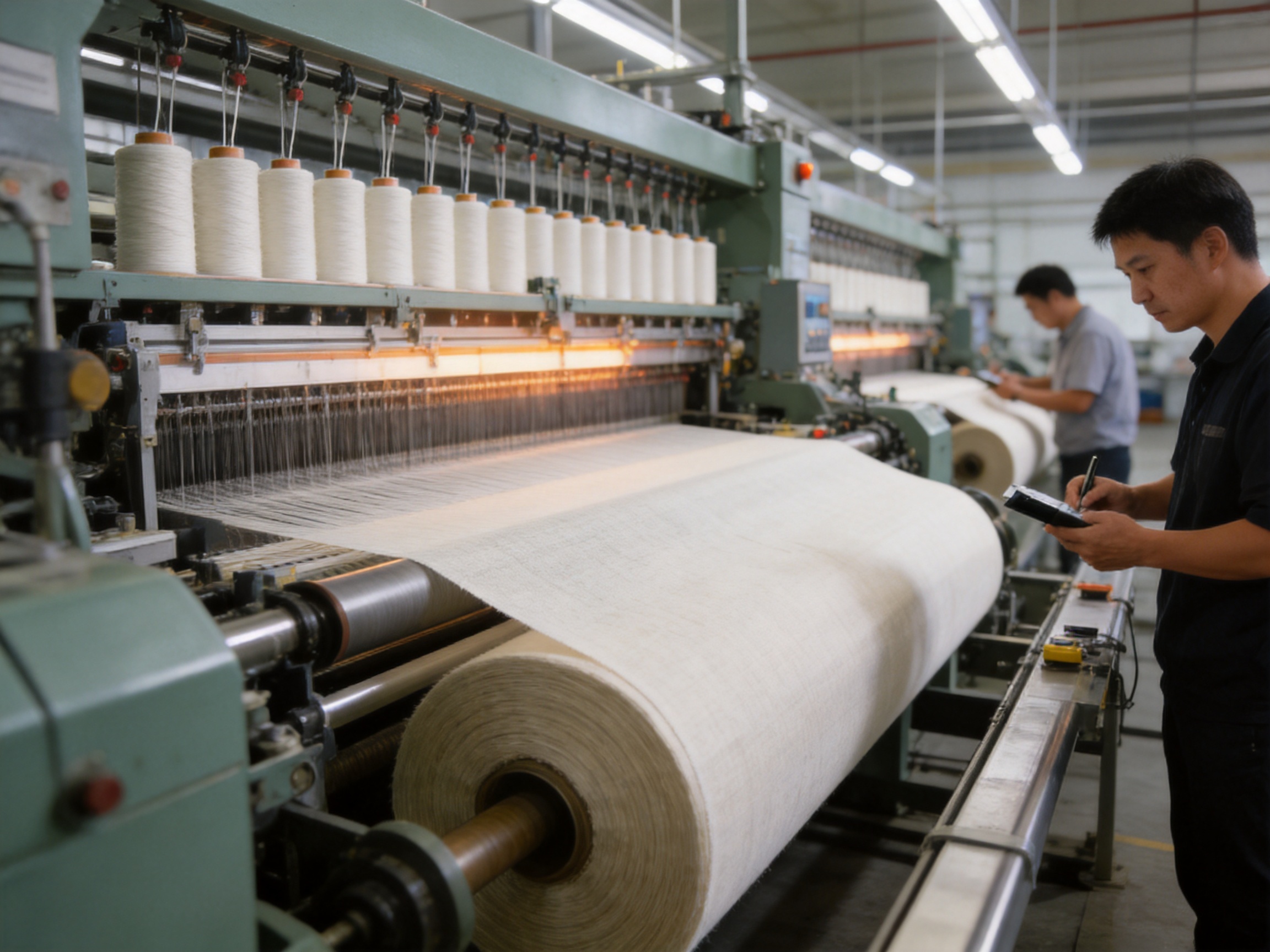
Advanced Manufacturing Processes Behind Reliable Fabric Quality
High-quality polyester cooling mat fabric is not created by material selection alone. Manufacturing process control is essential. From fiber and yarn preparation to weaving, finishing, inspection, and packaging, every step affects final performance. Hangzhou Xinsili Decorative Fabric Weaving Co., Ltd. emphasizes craftsmanship-driven manufacturing, design innovation, and reliable production. With 19 years of industry experience and a 12,000 square meter factory area, the company has developed the foundation needed to support functional decorative textile production for different markets.
The process begins with understanding the customer’s target application. A cooling mat for adult bedding may require a different surface than a pet cooling mat or children’s mattress accessory. Requirements may include softness, fabric weight, air permeability, color, pattern, abrasion resistance, flame-retardant performance, antibacterial function, moisture resistance, or compatibility with lamination and sewing processes. Technical communication at the beginning helps ensure that fabric development aligns with the final product.
Yarn selection is a crucial stage. Polyester yarns can differ in fineness, filament structure, texture, strength, luster, and hand feel. Fine yarns may create a smoother surface, while textured yarns can improve softness and fullness. Strong yarns improve durability. The correct yarn combination helps create the desired balance between cooling touch, surface quality, and mechanical strength.
Weaving technology determines the fabric structure. Precise weaving controls density, pattern, stability, and thickness. For cooling mat fabric, the weave must support both comfort and durability. A smooth surface may require tight, uniform construction, but ventilation must still be considered. Decorative effects can be introduced through jacquard structures, textures, or subtle surface designs. As a decorative fabric weaving specialist, the manufacturer can integrate visual appeal with technical performance.
Finishing processes add or enhance function. These may include softening, moisture management finishing, antibacterial treatment, flame-retardant finishing, moisture-resistant finishing, or comfort-enhancing surface treatment depending on product requirements. Finishing must be carefully controlled because excessive treatment may reduce breathability or alter hand feel. A professional manufacturer evaluates the interaction between finishing chemistry, fabric structure, and end-use performance.
Heat setting is important for polyester fabric because it improves dimensional stability. Controlled heat treatment helps reduce shrinkage and deformation during later processing or use. This is especially relevant for cooling mats that must remain flat and properly sized after sewing, lamination, packing, or consumer use.
Inspection and quality control complete the manufacturing system. Fabric must be checked for defects, color consistency, width accuracy, weight stability, hand feel, surface uniformity, and functional performance when required. For buyers, consistent quality reduces waste during cutting and sewing, improves production efficiency, and strengthens brand reputation. Advanced manufacturing is not only about machines; it is also about disciplined process management and experienced technical judgment.
Design Flexibility for Multiple Product Categories
One of the strongest commercial advantages of polyester cooling mat fabric is its adaptability. It can be used across multiple product categories while maintaining different performance priorities. This flexibility allows brands and manufacturers to develop product families with consistent quality and different market positioning.
In bedding fabric applications, polyester cooling mat fabric can be used as a top layer for summer mats, mattress pads, cooling sheets, or protective comfort surfaces. It can help create a refreshing sleeping environment and improve the perceived value of bedding products. With attractive color and texture options, it can also coordinate with modern bedroom aesthetics.
In children mattress fabric, safety, comfort, hygiene, and easy cleaning are particularly important. Children may sweat during sleep, spill liquids, or use bedding more actively than adults. A durable and quick-drying polyester surface helps reduce maintenance difficulty. Optional antibacterial and moisture-resistant functions can further support parent confidence.
In pillowcase fabric and pregnancy pillow fabric, skin contact comfort is essential. Pregnancy pillows are often used for long hours and in different positions, so the fabric must feel smooth and gentle while resisting pilling and deformation. Cooling properties can be especially valuable for users who experience warmth or discomfort during rest. Polyester cooling mat fabric technologies can be adapted to pillow surfaces to support a cooler and more comfortable experience.
In sofa fabric and decorative home textile use, polyester cooling mat fabric can function as a comfort cover, seat pad surface, or seasonal decorative textile. A sofa pad or cushion with a cooling surface may provide improved comfort in warm seasons while still matching interior design. Polyester’s color stability and durability make it practical for living spaces.
In pet-friendly fabrics, durability and cleaning performance are major selling points. Pets may scratch, shed hair, bring moisture, or create repeated friction on a fabric surface. Polyester’s abrasion resistance and easy-care nature make it suitable for pet cooling mats and pet resting pads. When combined with moisture-resistant or antibacterial functions, the material can help create a cleaner and more comfortable pet product.
In hotel and commercial environments, textiles must withstand frequent use and cleaning while maintaining a professional appearance. Polyester cooling mat fabric can support hospitality products designed for guest comfort, seasonal bedding upgrades, or premium sleep accessories. Consistency in color, width, and performance is especially important for commercial buyers who require reliable supply.
Manufacturing Strengths and Company Capabilities
Hangzhou Xinsili Decorative Fabric Weaving Co., Ltd. is located in Yi qiao Town, Xiaoshan District, Hangzhou City, Zhejiang Province, China. The company focuses on functional decorative fabrics for home, hotel, and commercial spaces. Its development philosophy emphasizes the creation of beautiful, safe, healthy, comfortable, and sustainable living spaces through textile innovation. This positioning is highly relevant to polyester cooling mat fabric because cooling comfort is both a functional and lifestyle-oriented requirement.
With 19 years of industry experience, the company has accumulated practical knowledge in textile development, production management, customer communication, and quality control. Experience matters in functional fabrics because performance cannot be judged only by appearance. A fabric may look attractive but fail in breathability, abrasion resistance, shrinkage control, or finishing durability. A mature manufacturer understands these hidden factors and can guide customers toward more reliable specifications.
The company’s 12,000 square meter factory area supports systematic production and process organization. Factory scale is important for buyers who need stable supply, repeat orders, and consistent batches. A controlled manufacturing environment helps reduce variation and supports more efficient production planning.
Recognition as a National High-Tech Enterprise in 2023 reflects the company’s commitment to innovation and technological development. Functional decorative textiles require ongoing improvement in materials, finishing methods, design concepts, and performance testing. For polyester cooling mat fabric, research and development can focus on better cool-touch feel, improved moisture management, enhanced softness, stronger durability, and environmentally responsible processing.
The company integrates functional technologies such as antibacterial, moisture-resistant, flame-retardant, sleep-supporting, and comfort-improving functions. These technology directions create opportunities for differentiated polyester cooling mat fabric. A customer may choose a basic cooling fabric for cost-sensitive products or a multifunctional version for higher-end bedding, children’s products, or commercial environments. This flexibility supports market segmentation and product innovation.
Another strength lies in decorative textile weaving expertise. Cooling mat fabric does not need to sacrifice appearance for function. Through fabric structure, color planning, pattern design, and finishing control, the material can contribute to both comfort and visual value. This is important for brands competing in e-commerce and retail environments where product photos and first impressions influence purchasing decisions.
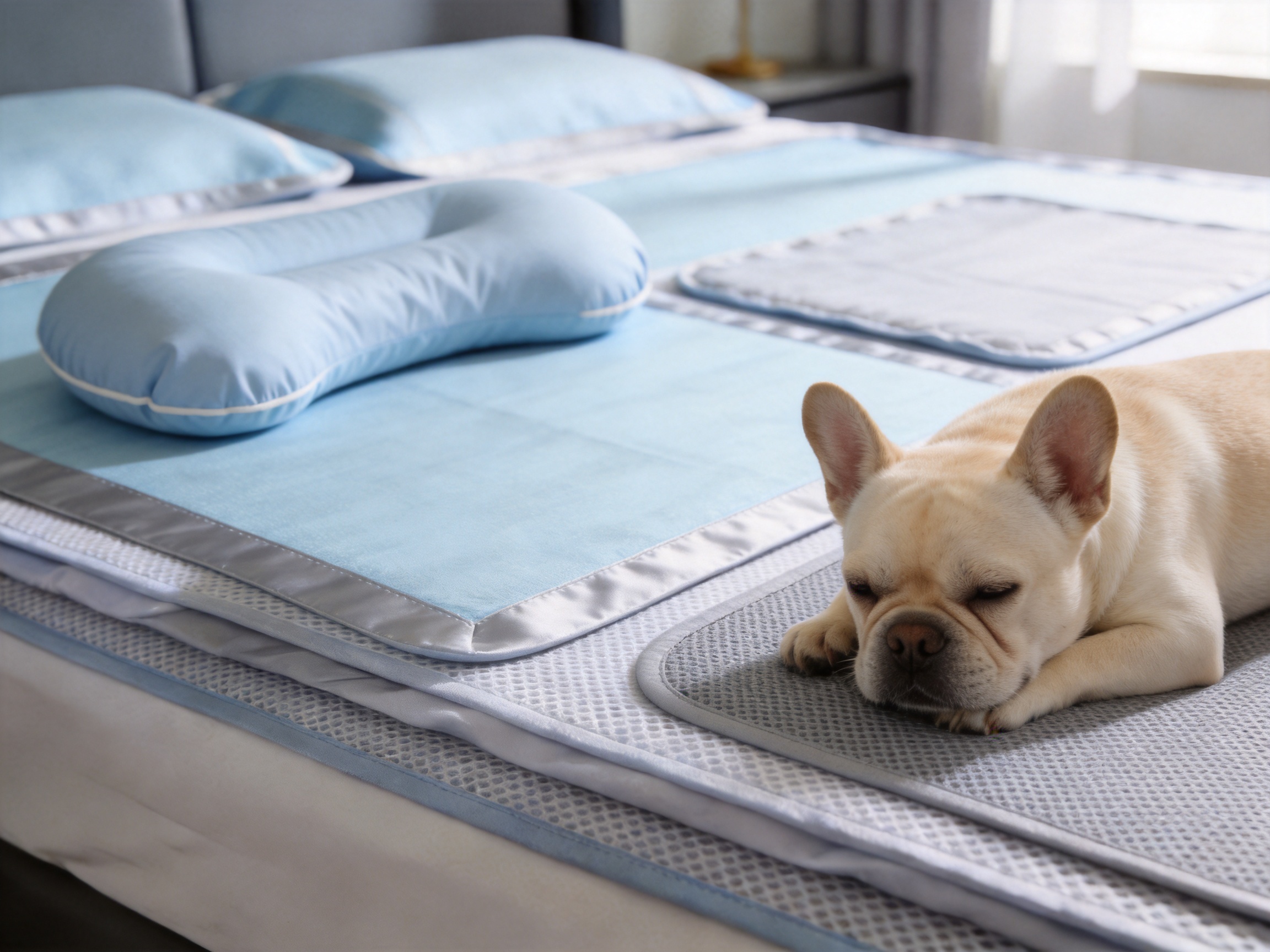
Quality Control for Stable and Reliable Performance
Quality control is central to the value of polyester cooling mat fabric. Buyers need fabric that performs consistently from sample to bulk production and from one order to the next. Inconsistent fabric creates problems in cutting, sewing, lamination, packaging, and customer satisfaction. A reliable quality system reduces risk throughout the supply chain.
Key quality indicators include fabric weight, width, thickness, color consistency, surface smoothness, hand feel, tensile strength, tear strength, abrasion resistance, pilling resistance, shrinkage rate, air permeability, moisture management performance, and finishing durability. Depending on customer requirements, additional tests may include antibacterial performance, flame-retardant behavior, moisture resistance, or compatibility with specific inner cooling materials.
Color consistency is especially important for decorative and bedding products. Even slight shade differences can be noticeable in finished products. Controlled dyeing and finishing processes help maintain color uniformity across batches. For large orders, batch management and inspection procedures help prevent mixed-shade issues.
Surface quality affects consumer perception. Cooling mat fabric should have a clean and uniform surface without obvious defects, streaks, snags, stains, or uneven texture. Since the fabric is often used as the visible outer layer, appearance defects can directly reduce product value. Regular inspection during and after weaving helps identify issues early.
Dimensional stability is another important measure. Polyester fabric must be properly heat-set and finished to reduce later shrinkage or distortion. Finished cooling mats must remain neat and flat. If fabric changes size after production, it may create tension, wrinkles, or misalignment with inner layers.
Functional consistency is critical when fabric includes special finishing. A cooling touch or moisture management effect should not vary significantly across the fabric surface. If antibacterial, moisture-resistant, or flame-retardant functions are required, they must be applied evenly and verified according to suitable standards. Professional process control helps ensure that functional claims are supported by actual performance.
For international buyers, reliable documentation and communication are also part of quality control. Clear specifications, sample confirmation, production records, and inspection reports help both supplier and customer manage expectations. Strong communication reduces misunderstandings and supports long-term cooperation.
Comfort Engineering: Balancing Cooling, Softness, and Strength
One of the main challenges in developing polyester cooling mat fabric is balancing multiple performance targets. A fabric that feels very smooth may not always be the most breathable. A very open structure may improve ventilation but reduce strength. A heavy fabric may feel premium but may trap heat. A very light fabric may dry quickly but lack durability. Comfort engineering requires careful adjustment of yarn, structure, finishing, and final application.
Cooling sensation begins with surface contact. A cool-touch fabric should provide a refreshing feeling when the user lies down or touches the mat. However, this sensation must be supported by long-term comfort. If the fabric quickly becomes warm and humid, the initial cooling effect is not enough. Therefore, breathability and moisture movement must be designed together with surface smoothness.
Softness is also important, especially for bedding and pillow-related uses. Polyester can be engineered to feel soft through filament selection, texturing, brushing, finishing, or structural design. The goal is to avoid a harsh or slippery plastic feeling while maintaining freshness. The best cooling mat fabrics feel clean, smooth, and gentle.
Strength must not be overlooked. Cooling mats may be used by adults, children, pets, or hotel guests. They may be folded, compressed, rolled, or washed. Strong polyester fabric helps maintain product life. Reinforced structures or optimized yarns can improve tear and abrasion resistance without making the surface uncomfortable.
Noise performance may also matter. Some synthetic fabrics create rustling sounds when moved. For sleep products, quietness contributes to comfort. Fabric structure and finishing can reduce unwanted noise and create a more pleasant user experience.
Skin compatibility is another consideration. A fabric used near the body should feel comfortable and should be processed responsibly. Smooth surfaces, controlled finishing, and clean production help reduce irritation risk. For children’s and pregnancy products, customers may request additional safety and environmental standards.
Sustainability and Practical Environmental Considerations
Sustainability in textiles is a complex topic involving raw materials, production efficiency, product durability, chemical management, energy use, water use, and end-of-life considerations. Polyester is a synthetic fiber, but it can contribute to sustainability goals when used responsibly and designed for long product life. A durable fabric that resists early replacement can reduce waste compared with a weaker material that fails quickly.
Polyester’s easy-care properties can also support practical environmental benefits. Quick-drying fabrics may require less drying time. Wrinkle resistance may reduce the need for ironing. Strong color retention can maintain appearance after repeated cleaning. These factors matter for households, hotels, and commercial users seeking lower maintenance burdens.
Functional finishing should be selected carefully. Responsible manufacturers consider the balance between performance and environmental impact. Finishing processes should be controlled to avoid unnecessary chemical use while still meeting customer requirements. For some markets, buyers may request compliance with specific textile safety or environmental standards.
Long-term sustainability also depends on product design. A cooling mat made with durable polyester fabric and strong construction is less likely to be discarded due to surface damage, pilling, or deformation. This is especially important in pet products and high-use bedding accessories where low-quality fabrics may fail quickly.
Manufacturing efficiency plays a role as well. A factory with disciplined process control can reduce waste from defects, rework, and inconsistent production. Consistent quality is not only a commercial advantage but also a resource-saving practice.
As consumer awareness grows, functional decorative textiles must provide both comfort and responsible value. Polyester cooling mat fabric can meet this direction when developed with high-quality materials, reliable production, useful functions, and long service life in mind.
Customization Opportunities for Buyers and Product Developers
Customization is a major reason why polyester cooling mat fabric is attractive to product developers. Different brands and markets require different combinations of performance, appearance, and price. A capable manufacturer can adjust specifications to help customers create differentiated products.
Fabric weight can be customized according to application. Lightweight fabric may suit portable cooling mats, pillow covers, or summer bedding. Medium-weight fabric may provide better durability and structure for mattress pads or sofa pads. Heavier fabric may be preferred for premium products or pet mats requiring extra strength.
Surface texture can be customized for touch and appearance. Smooth surfaces create a stronger cool-touch impression, while subtle textures can improve decorative value and reduce stickiness. Jacquard or patterned weaving can add visual depth and brand identity.
Color customization helps buyers match market trends and product collections. Cooling products often use light colors, blue tones, gray shades, or clean neutral palettes to communicate freshness. However, decorative applications may require warmer or more fashionable colors. Polyester’s dyeing performance supports a wide range of options.
Functional finishing can be selected according to target market. Basic cooling comfort may be enough for entry-level products. Moisture management may be added for bedding and pregnancy pillows. Antibacterial or moisture-resistant functions may be valuable for children’s products and pet mats. Flame-retardant options may be required for certain commercial or hospitality applications. Sleep-supporting comfort finishes can support premium positioning.
Compatibility with downstream processing is also important. Cooling mat fabric may need to be laminated, quilted, sewn, bonded, or combined with gel, foam, fiberfill, or other inner materials. Fabric specifications should consider these processes. A good supplier can help customers avoid problems such as delamination, seam puckering, edge fraying, or surface distortion.
Packaging and logistics requirements may influence fabric selection. Some cooling mats are sold rolled or folded, so the surface fabric should resist creasing and recover well. Polyester’s wrinkle resistance and dimensional stability are useful in this area.
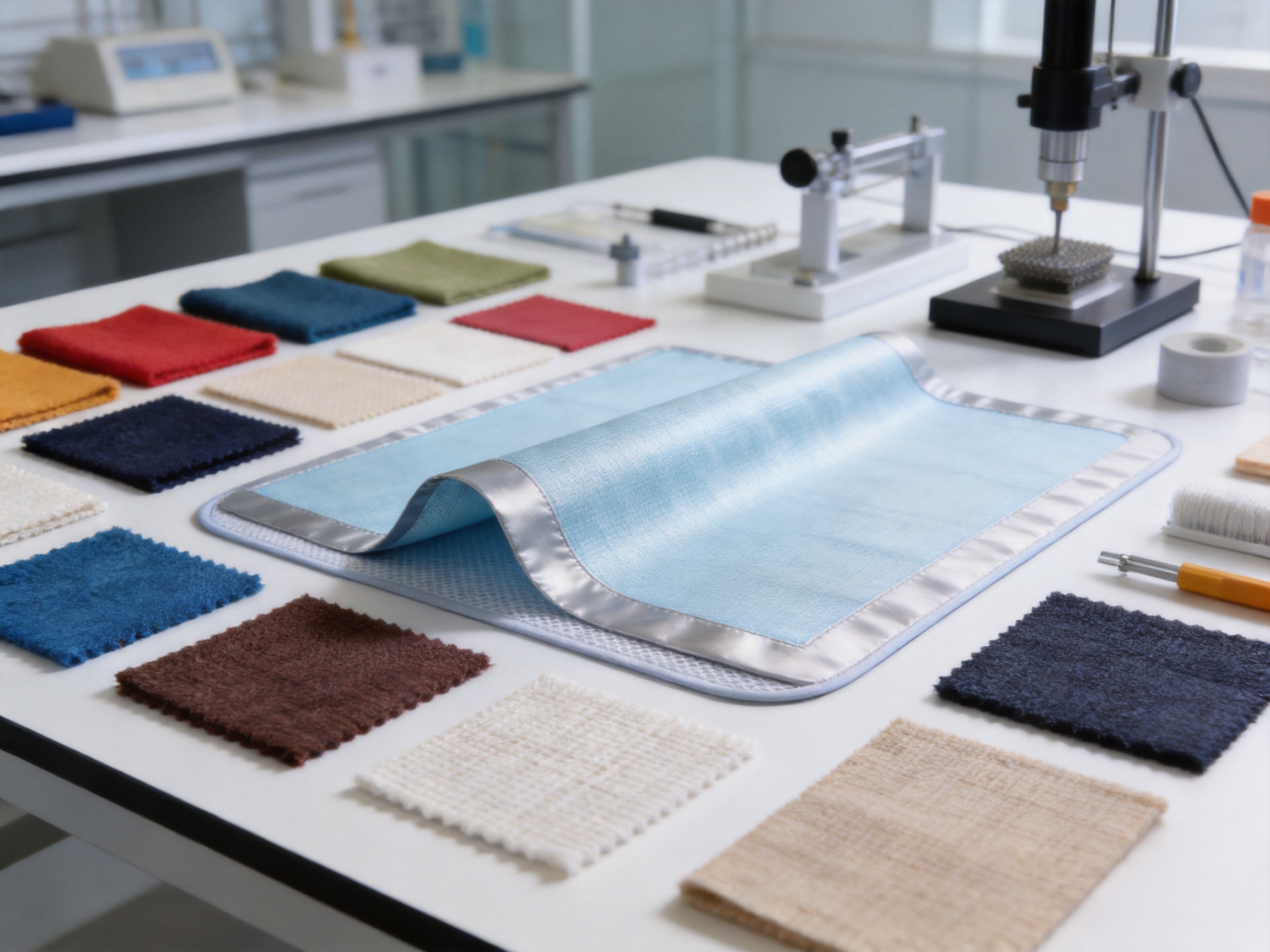
Applications in Bedding, Home, Commercial, and Pet Markets
Polyester cooling mat fabric can serve a broad range of end uses. Its strongest opportunities are in products where cooling comfort, durability, and easy maintenance overlap.
For mattress cooling pads, the fabric serves as the top contact layer. It can improve the user’s first impression and help create a more breathable sleeping surface. When combined with suitable filling or cooling layers, it supports a complete sleep comfort system.
For children’s bedding, the fabric can be used in mattress covers, nap mats, summer sleeping pads, or protective comfort layers. Children’s products benefit from durability, easy cleaning, and optional hygiene-related functions. Soft touch and safe finishing are essential.
For pregnancy pillows, cooling fabric provides comfort during extended use. Pregnancy can increase sensitivity to heat, and a breathable smooth surface may help users rest more comfortably. Fabric durability is also important because pregnancy pillows are often used every night and require frequent cover changes or cleaning.
For pillowcases, polyester cooling fabric can create a refreshing surface for head and neck contact. Smoothness, moisture management, and pilling resistance are especially important because pillow surfaces experience frequent friction from hair and skin.
For sofa pads and living room accessories, the fabric provides seasonal comfort and decorative value. A cooling sofa pad can make seating more pleasant in warm weather while protecting upholstery. Polyester’s color and pattern flexibility helps align with interior design.
For pet cooling mats, the material must withstand claws, fur, moisture, dirt, and repeated cleaning. Polyester’s abrasion resistance and quick-drying performance provide a practical advantage. Optional antibacterial or moisture-resistant functions can further improve hygiene and consumer appeal.
For hotels and commercial environments, cooling mat fabric can be used in sleep accessories or comfort overlays. Guests increasingly value sleep quality, and hotels may use functional bedding upgrades to improve guest satisfaction. Commercial buyers need durability and consistent supply, making professional production capability essential.
Market Trends Supporting Polyester Cooling Mat Fabric
Several market trends are increasing demand for functional cooling fabrics. The first is the growing focus on sleep quality. Consumers are more aware that temperature regulation affects comfort and rest. Products that help reduce heat buildup are attractive, especially in warm climates and summer seasons.
The second trend is the rise of functional home textiles. Bedding and home décor are no longer judged only by appearance. Consumers look for antibacterial, moisture-resistant, flame-retardant, breathable, easy-care, and comfort-enhancing features. Polyester cooling mat fabric fits this trend because it can combine practical function with decorative design.
The third trend is pet humanization. Pet owners increasingly purchase comfort products for dogs and cats, including cooling mats, beds, sofa covers, and travel pads. These products require fabrics that are durable, comfortable, and easy to clean. Polyester cooling mat fabric is well positioned for this market.
The fourth trend is e-commerce growth. Online shoppers rely heavily on product images, feature descriptions, and reviews. A fabric that looks attractive, feels good, and maintains performance can help brands receive better customer feedback. Consistent quality also reduces return rates.
The fifth trend is customization. Brands want unique products rather than generic materials. They may request specific colors, textures, weights, functions, or performance standards. A manufacturer with research and development capability and flexible production experience can support this need.
How Buyers Can Evaluate Polyester Cooling Mat Fabric
When selecting polyester cooling mat fabric, buyers should consider both sensory qualities and technical performance. A sample should be evaluated by touch, appearance, flexibility, noise, breathability, and compatibility with the final product structure. However, subjective evaluation should be supported by objective testing when possible.
Buyers should ask about fabric composition, weight, width, shrinkage, abrasion resistance, pilling performance, color fastness, air permeability, moisture management, and finishing options. If the fabric will be used for children, pets, hotels, or export markets, additional safety and performance requirements may apply.
It is also important to test the fabric in the final product construction. A fabric may perform well alone but behave differently after lamination, quilting, or sewing. For example, lamination may reduce breathability, while quilting may change surface tension and hand feel. Early product testing helps prevent problems in bulk production.
Buyers should consider the supplier’s experience in related categories. A manufacturer that understands mattress fabric, children mattress fabric, pillowcase fabric, pregnancy pillow fabric, cooling mat fabric, bedding fabric, sofa fabric, and pet-friendly fabrics can offer more practical guidance than a supplier focused only on basic textiles.
Communication and responsiveness also matter. Functional fabric development often requires adjustments. A reliable supplier should be able to discuss technical goals, provide samples, explain process options, and support quality confirmation before mass production.
Q&A Section
What is polyester cooling mat fabric?
Polyester cooling mat fabric is a functional textile surface designed for cooling mats and comfort products. It uses polyester fibers and engineered fabric structures or finishes to provide a smooth, breathable, durable, and easy-care surface suitable for bedding, pillows, sofa pads, pet mats, and related applications.
Does polyester cooling mat fabric actually feel cool?
A well-designed polyester cooling mat fabric can provide a refreshing cool-touch sensation by improving surface smoothness, heat transfer, breathability, and moisture movement. The exact performance depends on yarn selection, weave structure, finishing, and the full construction of the finished mat.
Why choose polyester instead of cotton for cooling mats?
Polyester offers better quick-drying performance, stronger dimensional stability, higher abrasion resistance, and easier maintenance. Cotton can feel natural and soft, but it absorbs moisture and may remain damp, wrinkle, shrink, or wear faster in high-use cooling mat applications.
Can polyester cooling mat fabric be used for children’s products?
Yes, it can be used for children mattress fabric, nap mats, pillow surfaces, and bedding accessories when produced with suitable softness, safety, hygiene, and durability requirements. Buyers may request additional testing or specific finishes for children’s applications.
Is this fabric suitable for pet cooling mats?
Yes. Polyester cooling mat fabric is a strong option for pet products because it is durable, abrasion-resistant, quick-drying, and easy to clean. Optional moisture-resistant or antibacterial functions can further support pet-friendly product design.
Can the fabric be customized?
Yes. Customization can include fabric weight, width, color, pattern, texture, softness, moisture management, antibacterial treatment, flame-retardant finishing, and other comfort-related functions. Custom specifications should be developed according to the final product and target market.
What makes manufacturing quality important for cooling mat fabric?
Manufacturing quality affects cooling feel, breathability, color consistency, shrinkage, surface smoothness, durability, and finishing performance. Precise weaving, controlled finishing, heat setting, and inspection are essential for stable bulk production.
What company capabilities support reliable polyester cooling mat fabric production?
Hangzhou Xinsili Decorative Fabric Weaving Co., Ltd. has 19 years of industry experience, a 12,000 square meter factory area, and expertise in functional decorative textiles. The company focuses on technologies such as antibacterial, moisture-resistant, flame-retardant, sleep-supporting, and comfort-improving functions for home, hotel, commercial, and bedding-related applications.
How should buyers test the fabric before ordering in bulk?
Buyers should review hand feel, appearance, weight, width, shrinkage, abrasion resistance, pilling resistance, color fastness, breathability, moisture management, and compatibility with sewing, quilting, or lamination. Testing the fabric in the final product structure is strongly recommended.
Conclusion
Polyester cooling mat fabric is a versatile and commercially valuable material for modern comfort products. It combines the durability and easy-care performance of polyester with cooling-oriented textile engineering, decorative flexibility, and functional finishing options. Compared with cotton, regenerated cellulose materials, nylon, and low-grade synthetic fabrics, well-developed polyester cooling mat fabric offers a balanced advantage in quick drying, dimensional stability, abrasion resistance, customization, and cost-effective performance.
For bedding, children’s mattresses, pillowcases, pregnancy pillows, sofa pads, pet cooling mats, and hotel comfort products, the fabric surface plays a decisive role in user satisfaction. A smooth, breathable, durable, and attractive fabric can elevate the entire product. It can help brands create stronger market differentiation and reduce quality risks.
Advanced manufacturing processes are essential to achieving these results. Yarn selection, precision weaving, functional finishing, heat setting, inspection, and technical communication all influence final performance. Hangzhou Xinsili Decorative Fabric Weaving Co., Ltd. brings extensive experience, factory capability, functional textile expertise, and a commitment to reliable quality. Its focus on decorative and functional fabrics for residential, hotel, commercial, and specialized comfort environments makes it well positioned to support customized polyester cooling mat fabric solutions.
As consumers continue to demand healthier, more comfortable, easier-to-maintain, and more visually appealing textile products, polyester cooling mat fabric will remain an important material for product innovation. With the right manufacturing partner and the right specification strategy, it can deliver cooling comfort, practical durability, and long-term value across a wide range of applications.
References
1. Saville, B. P. Physical Testing of Textiles. Woodhead Publishing.
2. Kadolph, S. J. Textiles. Pearson Education.
3. Hearle, J. W. S., Hollick, L., and Wilson, D. K. Yarn Texturing Technology. Woodhead Publishing.
4. Das, A., and Alagirusamy, R. Science in Clothing Comfort. Woodhead Publishing India.
5. Horrocks, A. R., and Anand, S. C. Handbook of Technical Textiles. Woodhead Publishing.
6. Collier, B. J., and Epps, H. H. Textile Testing and Analysis. Pearson.
7. Behera, B. K., and Hari, P. K. Woven Textile Structure: Theory and Applications. Woodhead Publishing.
8. Schindler, W. D., and Hauser, P. J. Chemical Finishing of Textiles. Woodhead Publishing.

Our Featured Products
-
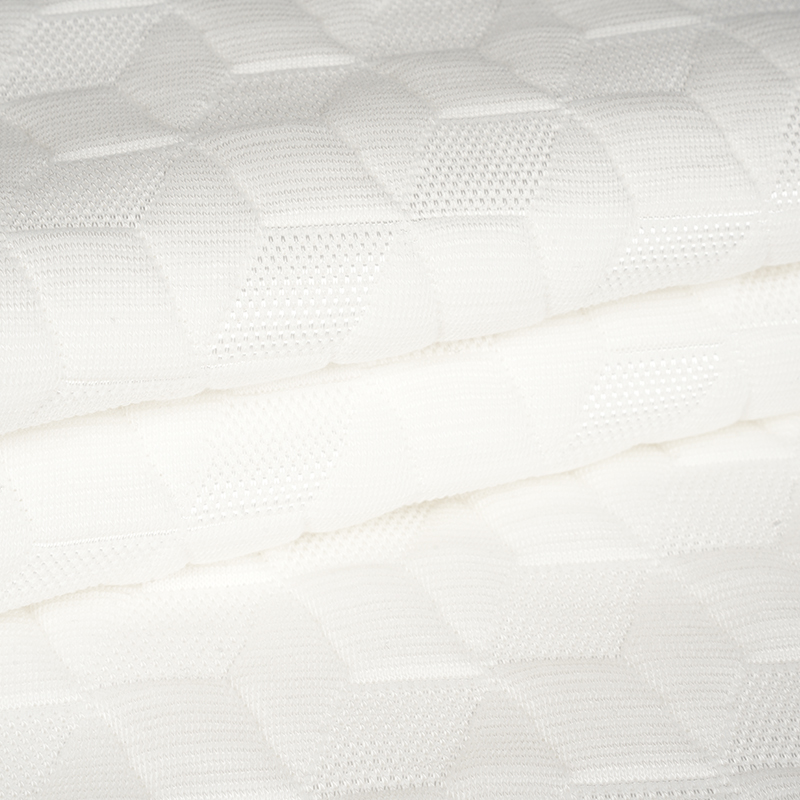
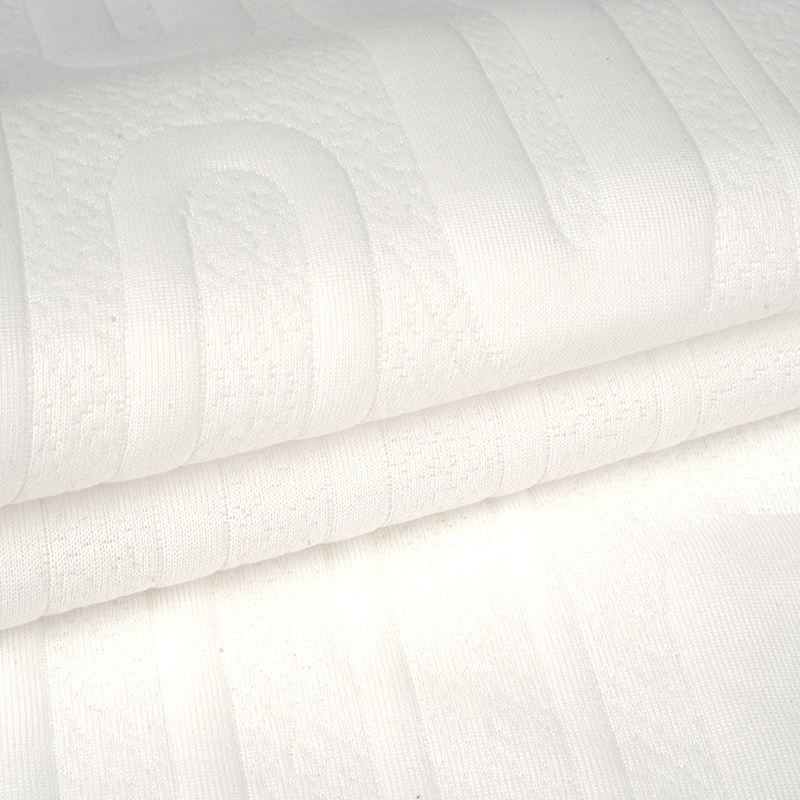
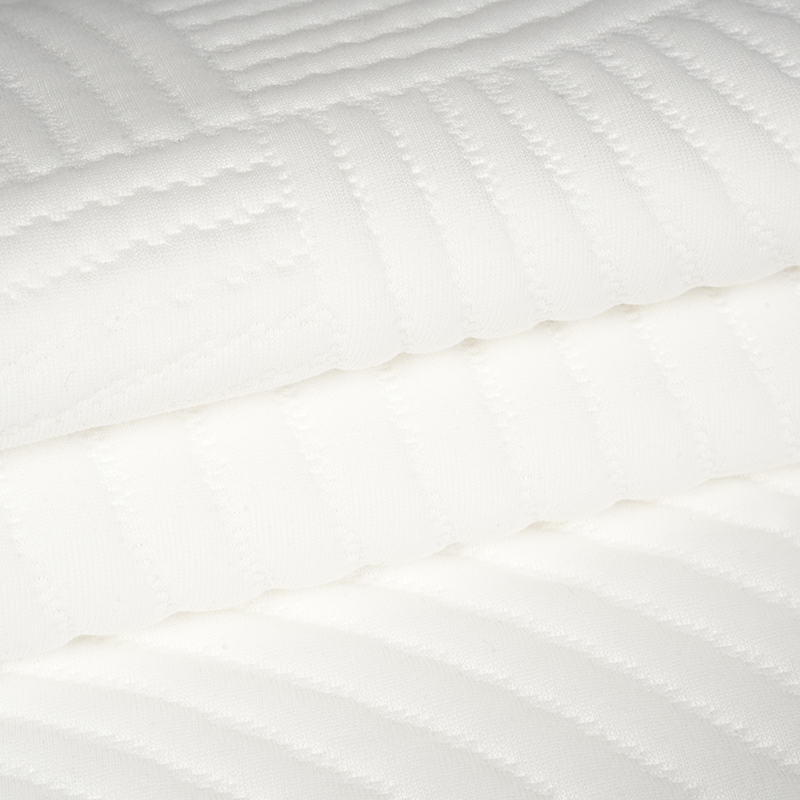
Polyester Mattress Fabric
Polyester Mattress Fabric
Haven’t Found The Products You Want?
-
-
Shen Jinyan:+86-15158070676
[email protected]
Liang Jinwen:+86-15757186621
[email protected]
Qiu Yingyingn:+86-13819545790
[email protected]
Yi qiao Town, Xiaoshan District, Hangzhou City, Zhejiang Province, China
-
Products
Mattress Fabric Children Mattress Fabric Pillowcase Fabric Pregnancy Pillow Fabric Cooling Mat Fabric Bedding Fabric Sofa Fabric Pet Friendly Fabrics -
Contact Information
About Us Products Strength Sustainability News Contact Us
Copyright © Hangzhou Xinsili Decorative Fabric Weaving Co.,Ltd. All Rights Reserved.
Functional Decorative Textile Manufacturers
