

 English
 中文简体
中文简体 Español
 عربى
عربى русский


Tencel Pregnancy Pillow Fabric: Advanced Comfort, Breathability, and Functional Textile Performance
Content
- 1 1. Understanding the Role of Fabric in Pregnancy Pillow Design
- 2 2. Main Advantages of Tencel Pregnancy Pillow Fabric
- 3 3. Why Tencel Can Outperform Ordinary Pregnancy Pillow Cover Fabrics
- 4 4. Manufacturing Expertise Behind the Product
- 5 5. Functional Design for Modern Sleep Products
- 6 6. Application Areas for Tencel Pregnancy Pillow Fabric
- 7 7. Manufacturing Process from Material Selection to Finished Fabric
- 8 8. Quality Factors Buyers Should Evaluate
- 9 9. Advantages of Working with an Experienced Textile Manufacturer
- 10 10. Sustainability and Responsible Product Positioning
- 11 11. Product Development Recommendations for Brands
- 12 12. Recommended Customization and Ordering Process
- 13 13. Care and Maintenance Considerations
- 14 14. Frequently Asked Questions
- 14.1 What is Tencel Pregnancy Pillow Fabric?
- 14.2 Is Tencel fabric suitable for direct skin contact?
- 14.3 Does Tencel fabric feel cooler than polyester?
- 14.4 Can the fabric be used for removable pregnancy pillow covers?
- 14.5 Can Tencel Pregnancy Pillow Fabric be customized?
- 14.6 Can the fabric be used for pillows other than pregnancy pillows?
- 14.7 Is Tencel fabric environmentally friendly?
- 14.8 Does Tencel fabric require special care?
- 14.9 How does Tencel compare with cotton for pregnancy pillows?
- 14.10 How does Tencel compare with microfiber?
- 14.11 What should buyers request before placing a bulk order?
- 14.12 Why choose an experienced decorative textile manufacturer?
- 14.13 Can the fabric support premium product positioning?
- 15 15. Conclusion
- 16 References
- 17 Product: Tencel Pregnancy Pillow Fabric
Pregnancy pillows are designed to support the changing body during pregnancy, but the performance of the pillow depends on more than its shape and filling. The outer fabric plays an essential role in comfort, temperature regulation, skin feel, durability, hygiene, appearance, and overall user satisfaction. Tencel Pregnancy Pillow Fabric is developed for manufacturers seeking a soft, breathable, attractive, and function-oriented textile for pregnancy pillows and related bedding products.
As a specialized functional decorative textile manufacturer, Hangzhou Xinsili Decorative Fabric Weaving Co., Ltd. combines textile development experience, precision weaving, quality-focused production, and application-oriented design to create fabrics suitable for modern home and sleep environments. The company’s Tencel Pregnancy Pillow Fabric is intended to support the specific needs of pregnancy pillow producers, bedding brands, furniture manufacturers, hospitality suppliers, and private-label customers.
Pregnancy pillows are used for long periods and often remain in direct contact with the body throughout the night. Therefore, the fabric must balance softness with structural stability. It should feel gentle against sensitive skin while also maintaining its appearance after repeated use and laundering. It must allow air and moisture to move away from the body, reduce the uncomfortable feeling of heat accumulation, and provide a clean, refined surface appropriate for premium bedding collections.
Tencel-based textile construction is well suited to these requirements. The fiber is recognized for its smooth hand feel, moisture-management potential, and natural-origin cellulose base. When combined with carefully selected yarns, suitable knitting or weaving structures, controlled finishing, and professional inspection, it can become a valuable material for pregnancy pillow covers and other sleep-support products.
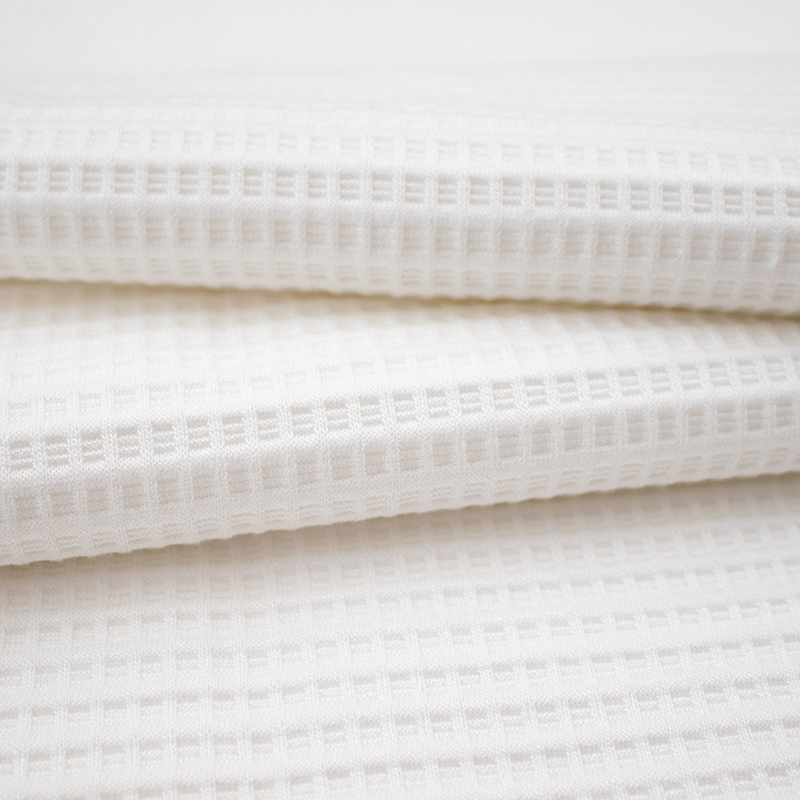
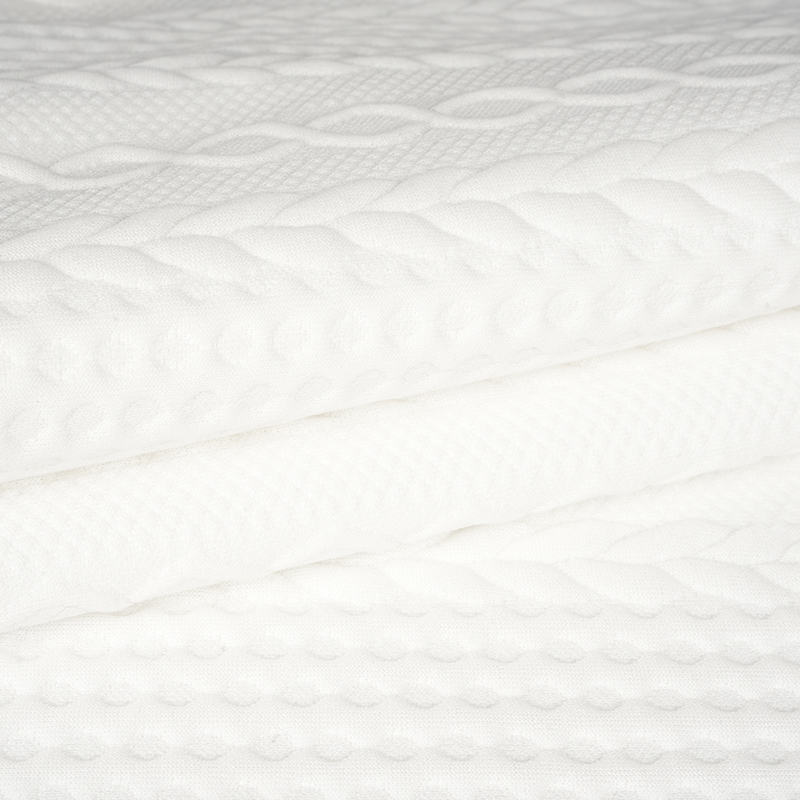
Tencel Pregnancy Pillow Fabric
1. Understanding the Role of Fabric in Pregnancy Pillow Design
A pregnancy pillow is not simply a large cushion. It is a product intended to support the abdomen, hips, knees, back, shoulders, or entire body in different sleeping positions. Its shape may be U-shaped, C-shaped, J-shaped, wedge-shaped, full-length, or modular. Regardless of the form, the cover determines much of the user’s direct experience.
The fabric influences how easily the pillow moves across bedding, how comfortable it feels under nightwear, how quickly it dries after washing, and how well the surface preserves its color and texture. A poor fabric choice can make an otherwise well-designed pillow feel hot, rough, noisy, or difficult to maintain. A high-quality fabric can improve the perceived value of the complete product and help a brand distinguish itself in a competitive bedding market.
Pregnancy also creates special comfort considerations. Many expectant mothers experience increased sensitivity to heat, perspiration, friction, and changes in body temperature. Some users prefer materials that feel cool and smooth, while others prioritize softness and a natural tactile sensation. A suitable pillow fabric should therefore provide a balanced comfort profile rather than focusing on a single performance characteristic.
For manufacturers, the textile must also be practical. It should be compatible with the intended sewing process, zipper or closure system, cutting pattern, printing or dyeing requirements, and production volume. The fabric should maintain a stable width and consistent appearance so that pillow covers can be cut accurately. It should also provide sufficient recovery and resistance to deformation when the cover is removed, washed, and installed again.
Tencel Pregnancy Pillow Fabric addresses these requirements through a combination of fiber properties, surface comfort, moisture-related performance, and professional textile manufacturing. Its value is not limited to the raw material itself. The final result depends on how the yarns are selected, how the fabric is constructed, and how finishing and inspection are managed.
2. Main Advantages of Tencel Pregnancy Pillow Fabric
2.1 Smooth and Skin-Friendly Hand Feel
One of the most important advantages of Tencel fabric is its smooth surface. The fiber is formed with a relatively even structure, allowing the finished textile to provide a soft and comfortable hand feel. For a pregnancy pillow, this characteristic is especially useful because the fabric may remain in contact with the user’s arms, face, abdomen, legs, or neck for several hours.
A smooth textile surface can reduce the sensation of friction compared with coarse or poorly finished fabrics. It can also create a more refined appearance when used for premium pillow covers. The fabric feels comfortable against sleepwear and can support a calm, pleasant sleeping environment.
Compared with conventional rough polyester fabrics, Tencel fabric can offer a more natural and elegant tactile impression. Compared with some ordinary cotton constructions, it may provide a silkier surface and a more fluid drape. These differences help product designers create pregnancy pillows that feel more luxurious without relying only on decorative features.
2.2 Moisture Management and Breathability
Temperature and humidity are central concerns in sleep comfort. When the body releases moisture during sleep, a fabric that traps perspiration against the skin can feel clammy and uncomfortable. Tencel fibers are widely valued for their ability to absorb and manage moisture, helping create a drier and more comfortable contact surface when the fabric is properly constructed and finished.
The fabric structure also affects breathability. Open or balanced constructions can support the movement of air through the cover, while suitable yarn selection helps maintain softness and surface stability. This combination may help reduce the stuffy feeling often associated with dense synthetic textiles.
For pregnancy pillow manufacturers, moisture-management potential is a meaningful selling point. It supports product positioning for warm climates, summer collections, temperature-sensitive sleepers, and consumers who prefer breathable bedding. It can also complement a pillow filling designed for airflow, allowing the cover and interior to work together as part of a complete comfort system.
2.3 Comfortable Performance in Different Seasons
A well-designed Tencel fabric can be used in a broad range of seasonal bedding applications. In warmer conditions, its moisture-related properties and smooth surface can help the pillow feel less heavy and less oppressive. In cooler conditions, the fabric remains comfortable as a soft cover layer and can be combined with suitable fillings, quilting, or layered bedding.
Seasonal comfort depends on the entire product, including the filling, loft, cover construction, room temperature, and user preference. However, selecting a breathable and moisture-conscious cover provides a strong foundation for all-season product development.
2.4 Natural-Origin Cellulose Appeal
Tencel fibers are produced from cellulose, a plant-based raw material. This origin gives the fabric a distinctive market position between traditional natural fibers and engineered performance textiles. Consumers who are interested in soft, modern, and environmentally conscious home products may respond positively to this combination.
For bedding brands, natural-origin material content can support storytelling around comfort, responsible design, and modern textile innovation. It should be presented accurately and supported by the relevant fiber documentation for each specific product. Environmental performance depends on the full manufacturing chain, including raw material sourcing, production methods, dyeing, finishing, packaging, transportation, and product life.
The use of a cellulose-based fiber does not remove the need for responsible manufacturing. Instead, it creates an opportunity for manufacturers and brands to evaluate the complete product lifecycle and communicate material information clearly to customers.
2.5 Refined Appearance for Premium Bedding
Pregnancy pillows were once treated mainly as functional medical or comfort accessories. Today, many consumers expect them to coordinate with bedroom décor. They may use the pillow on a bed, sofa, reading chair, or nursery seating area. As a result, color, texture, drape, and surface appearance have become increasingly important.
Tencel fabric can provide a clean, smooth, and sophisticated visual effect. Depending on construction, color, and finishing, it can be developed for minimalist bedding, contemporary interiors, hotel-inspired collections, natural lifestyle products, or premium maternity ranges.
Its appearance can also help brands move away from the ordinary look of basic protective covers. A carefully developed fabric allows the pregnancy pillow to appear as a designed home textile rather than a purely temporary product used only during pregnancy.
2.6 Compatibility with Product Customization
Different markets require different colors, fabric weights, stretch levels, finishes, and surface effects. Customization is therefore important for pregnancy pillow manufacturers. Tencel Pregnancy Pillow Fabric can be evaluated for use in different product concepts, including removable covers, fitted covers, decorative pillowcases, quilted cases, and coordinated bedding sets.
Depending on customer requirements, manufacturers may request customized colors, specific widths, different constructions, special finishing, or coordinated fabric collections. A professional textile supplier can assist in evaluating the relationship between the requested appearance and the practical requirements of cutting, sewing, washing, and packaging.
| Performance or Design Factor | Value for Pregnancy Pillow Manufacturers | Product Development Consideration |
|---|---|---|
| Soft surface | Improves direct-contact comfort | Evaluate hand feel after washing and finishing |
| Moisture management | Supports a drier and more comfortable sleep environment | Confirm performance according to the selected construction |
| Breathable structure | Helps reduce heat and stuffiness | Balance airflow with opacity, strength, and appearance |
| Cellulose-based fiber content | Supports natural-material product positioning | Maintain accurate fiber-content documentation |
| Smooth appearance | Creates a premium visual impression | Match color, texture, and finishing to brand identity |
| Customizable development | Allows adaptation to market and product requirements | Confirm minimum quantities, lead times, and sample approval |
| Washable cover application | Supports easier maintenance and improved hygiene | Test dimensional stability, colorfastness, and seam performance |
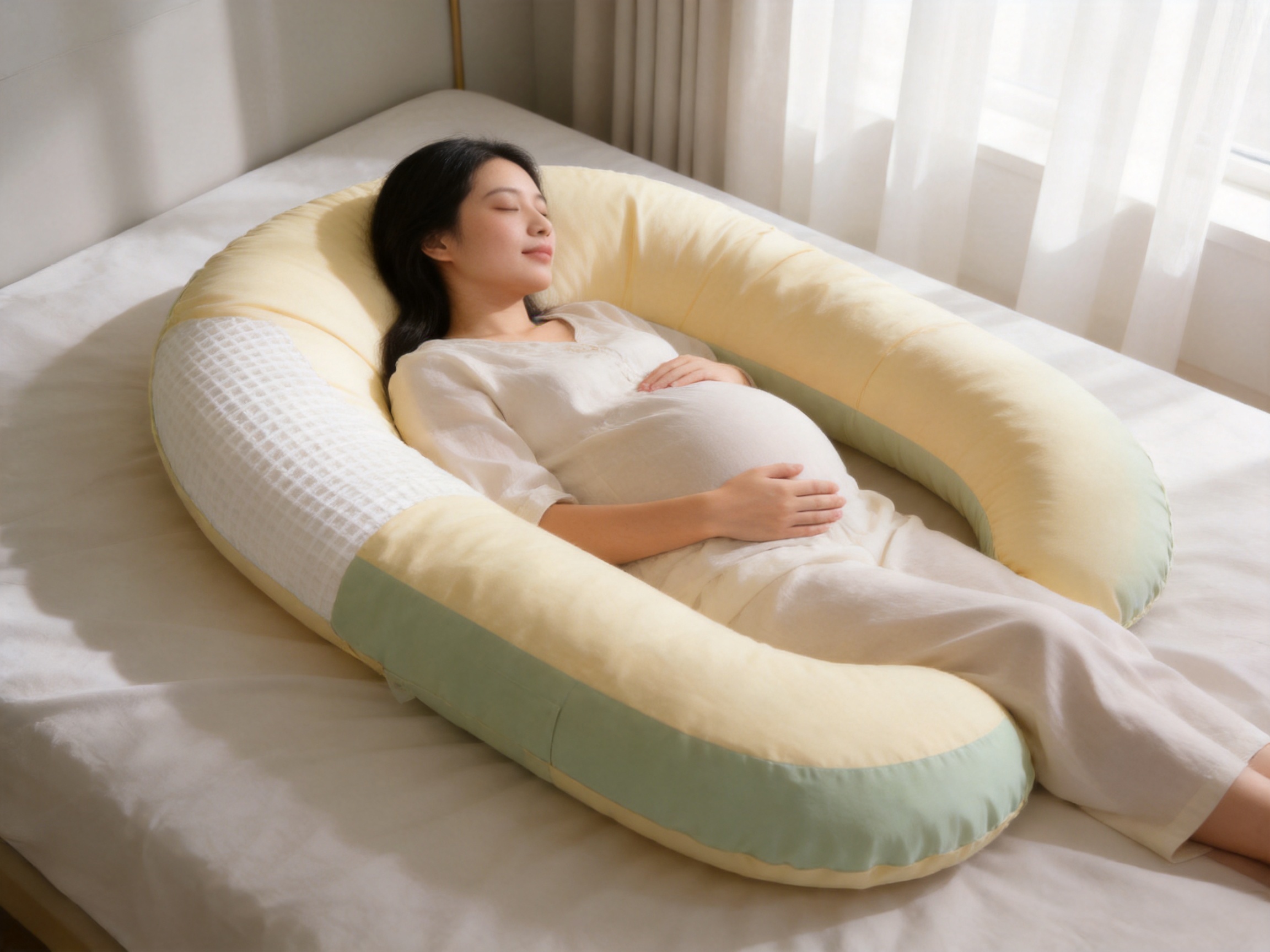
3. Why Tencel Can Outperform Ordinary Pregnancy Pillow Cover Fabrics
The comparison between Tencel fabric and competing materials should be based on the intended application rather than on a single universal ranking. Each textile has advantages. Polyester may offer cost efficiency and strong abrasion resistance. Cotton may provide familiar comfort and broad consumer acceptance. Bamboo-derived fabrics may be marketed for softness and natural-origin content. Blended fabrics may balance several properties.
Tencel becomes especially competitive when the product requires a combination of softness, moisture awareness, refined appearance, and premium positioning. The key advantage is balance. A pregnancy pillow cover should not be judged only by its initial softness or purchase cost. It must perform throughout repeated use, cleaning, handling, storage, and customer ownership.
3.1 Comparison with Standard Polyester
Standard polyester fabrics are widely used because they are economical, readily available, and generally durable. However, some polyester constructions can feel less natural against the skin and may retain heat when the structure is dense. The surface may also create a more synthetic tactile impression, particularly when the fabric is not engineered for advanced moisture management.
Tencel fabric can offer a softer and more natural-feeling alternative for premium pregnancy pillows. It may also support a more breathable and comfortable experience when compared with tightly constructed basic polyester. For brands competing in the middle-to-high price segment, this difference can be valuable.
Polyester remains useful in applications where low cost, high abrasion resistance, or quick-drying performance is the primary objective. The selection should be made according to the target customer, product price, intended use, and care requirements. Tencel is particularly attractive when direct skin comfort and elevated product perception are major priorities.
3.2 Comparison with Conventional Cotton
Cotton is familiar, versatile, and widely used in bedding. It can provide comfortable contact and good consumer recognition. However, its performance varies significantly by fiber quality, yarn, weave, knitting structure, finishing, and fabric weight. Some cotton fabrics may wrinkle easily, dry more slowly, or lose softness after repeated washing if not properly produced and cared for.
Tencel can provide a smoother surface and a more fluid drape. Its moisture-management potential may also support a comfortable experience in situations where users are sensitive to dampness or heat. For brands that want a modern alternative to conventional cotton, Tencel offers a clear design and marketing opportunity.
A Tencel-cotton blend may also be considered when a product developer wants to combine the familiar character of cotton with the smoothness and moisture-related benefits associated with Tencel. The final specification should be selected through sample evaluation and performance testing.
3.3 Comparison with Basic Microfiber
Microfiber can be soft, lightweight, and cost-effective. It is often used in bedding and pillow covers because it can be easy to dye and sew. Nevertheless, some basic microfiber products may not provide the desired natural hand feel or moisture comfort for premium maternity bedding.
Tencel offers a different tactile and product-story proposition. It can help a pregnancy pillow feel more breathable, more refined, and more closely aligned with modern sustainable-textile preferences. This may be particularly important for consumers who read fiber labels carefully and seek materials associated with natural comfort.
3.4 Comparison with Decorative-Only Fabrics
Some fabrics are selected primarily for their color, pattern, or visual texture. Although appearance is important, decorative-only materials may not provide the softness, breathability, or washable performance required for a pillow that is used every night.
Tencel Pregnancy Pillow Fabric is developed with both appearance and functional comfort in mind. It can support decorative coordination while remaining appropriate for direct-contact bedding applications. This dual role allows manufacturers to create products that look attractive in online images and retail displays while also meeting practical user expectations.
4. Manufacturing Expertise Behind the Product
The performance of a functional textile is determined by the entire production process. Fiber selection is only the starting point. Yarn quality, machine settings, fabric construction, dyeing, finishing, inspection, packaging, and technical communication all contribute to the final result.
Hangzhou Xinsili Decorative Fabric Weaving Co., Ltd. specializes in the research, development, and precision manufacturing of decorative and functional textiles. With 19 years of industry experience and a 12,000-square-meter factory area, the company has developed a production environment intended to support stable textile manufacturing and product customization.
The company’s manufacturing philosophy combines practical engineering with design innovation. This is important for pregnancy pillow fabrics because the material must be attractive enough for consumer-facing products while also meeting the technical demands of cutting, sewing, laundering, and daily use.
4.1 Product-Oriented Research and Development
Product development begins with understanding the application. A fabric for a pregnancy pillow must be assessed differently from fabric for a curtain, sofa, mattress side panel, or decorative cushion. The contact area, washing frequency, stretch requirements, seam placement, and expected user behavior must all be considered.
A product-oriented development process can include material selection, construction adjustment, sample preparation, color development, hand-feel evaluation, shrinkage assessment, and application testing. These steps help ensure that the fabric is not merely attractive as a roll of material but suitable for the finished product.
Xinsili’s focus on functional decorative fabrics allows it to work across several related applications, including mattress fabrics, children’s mattress fabrics, pillowcase fabrics, pregnancy pillow fabrics, cooling mat fabrics, bedding fabrics, sofa fabrics, and pet-friendly fabrics. Experience across these categories can encourage cross-application learning and support the development of fabrics that combine comfort, durability, and visual appeal.
4.2 Precision Weaving and Construction Control
Fabric construction affects softness, thickness, opacity, elasticity, strength, surface texture, and air permeability. Even when the same fiber is used, different constructions can produce very different results.
Precision weaving and controlled textile production help maintain consistency from one batch to another. Consistency is particularly important for brands that sell products through multiple channels or repeat orders over an extended period. If the color, width, weight, or hand feel changes substantially, the manufacturer may face cutting problems, customer complaints, or difficulties matching replacement covers.
Construction control also helps suppliers respond to different requirements. A lightweight cover may be preferred for a cool-sleeping product, while a heavier construction may be selected for a more substantial premium pillow. The appropriate balance depends on the product design and the filling used inside the pillow.
4.3 Controlled Dyeing and Finishing
Dyeing and finishing play a central role in the final appearance and tactile quality of Tencel fabric. Color must be developed with attention to brand standards, product collections, lighting conditions, and batch repeatability. Finishing must improve the desired hand feel without compromising breathability, dimensional stability, or care performance.
For pregnancy pillow covers, the finishing process should be evaluated after laundering. A fabric that feels excellent before washing but becomes rough, distorted, or excessively wrinkled afterward may not provide a satisfactory ownership experience. This is why sample washing and comparative evaluation are important parts of product approval.
Professional process management can also reduce variation in surface appearance. A uniform face is useful for solid-color products, while controlled texture can contribute to a distinctive collection identity. In both cases, the finished fabric should remain appropriate for the intended sewing and care process.
4.4 Inspection and Quality Assurance
Quality assurance should cover both visible and functional characteristics. Typical inspection areas may include fabric width, weight, color consistency, surface defects, holes, stains, weaving irregularities, skew, shrinkage, tensile behavior, seam performance, and colorfastness.
The exact tests required depend on the customer’s product specification and market. A supplier should work with the buyer to identify the most important quality indicators before mass production. For a pregnancy pillow cover, dimensional stability and wash performance are often especially important because the cover must fit the pillow after repeated care.
Consistent inspection supports reliable production planning. It also provides a basis for corrective action when a deviation is identified. Instead of treating quality as a final visual check only, a mature manufacturing system considers quality throughout raw-material preparation, production, finishing, inspection, and packing.
4.5 National High-Tech Enterprise Recognition
Hangzhou Xinsili was recognized as a National High-Tech Enterprise in 2023. This recognition is relevant to the company’s emphasis on technological development and innovation. It supports the company’s positioning as a manufacturer that does more than supply standard decorative cloth.
For customers, the practical value of an innovation-oriented supplier lies in its ability to discuss material performance, adapt fabric structures, improve product consistency, and develop solutions for changing market requirements. Recognition alone does not replace product testing, but it reflects the company’s broader commitment to research, manufacturing capability, and technical progress.
5. Functional Design for Modern Sleep Products
The market for pregnancy pillows is becoming more closely connected with the wider sleep, wellness, and home-comfort industries. Consumers may continue using a pregnancy pillow after pregnancy for side sleeping, body support, reading, nursing, relaxation, or recovery. This creates an opportunity to design products with longer useful lives.
Fabric selection can support this transition. A premium, attractive cover makes the pillow suitable for more than a temporary maternity product. If the surface is soft, breathable, washable, and visually compatible with bedroom décor, the pillow can become a long-term comfort accessory.
Functional decorative textile development is especially useful in this context. The fabric can provide practical benefits such as comfort and moisture management while also contributing to the interior appearance of the room. This combination is valuable for online retail, where product photography and consumer reviews strongly influence purchasing decisions.
5.1 Antibacterial and Hygiene-Oriented Possibilities
Hygiene is a major concern for bedding products. Removable and washable covers are already an important design feature for many pregnancy pillows. Depending on the selected fabric system and verified finishing process, additional hygiene-oriented functions may be considered.
Any antibacterial claim should be supported by appropriate testing and should be communicated precisely. It is important to distinguish between a fabric’s general cleanliness benefits, a washable construction, and a verified antibacterial finish. Manufacturers should not assume that the use of Tencel alone creates a certified antibacterial effect.
With suitable development and testing, however, functional finishing may be evaluated for bedding applications. A professional supplier can help determine whether the requested performance is technically appropriate, commercially practical, and compatible with the desired hand feel.
5.2 Moisture-Resistant and Quick-Care Applications
Moisture-related functions can be important for users in warm climates or for products intended for frequent use. A fabric may be developed to support moisture movement, drying efficiency, or resistance to certain forms of surface wetting. These are different properties and should be specified separately.
For a pregnancy pillow, the preferred approach is usually to maintain a comfortable, breathable contact surface while making the cover easy to remove and care for. Excessive coating or dense finishing may interfere with softness and air movement, so the design must balance protection with comfort.
5.3 Sleep-Supporting Comfort
No fabric can independently guarantee better sleep, but it can contribute to a more comfortable sleep environment. A smooth surface may reduce irritation, moisture-conscious performance may reduce clamminess, and suitable breathability may help the pillow feel less hot. These factors can support the overall purpose of a pregnancy pillow: helping users find a stable and comfortable sleeping position.
When marketing this type of product, brands should describe the fabric’s comfort contribution without making unsupported medical claims. The pillow’s shape, filling, ergonomic design, and user preference remain important factors in the complete experience.
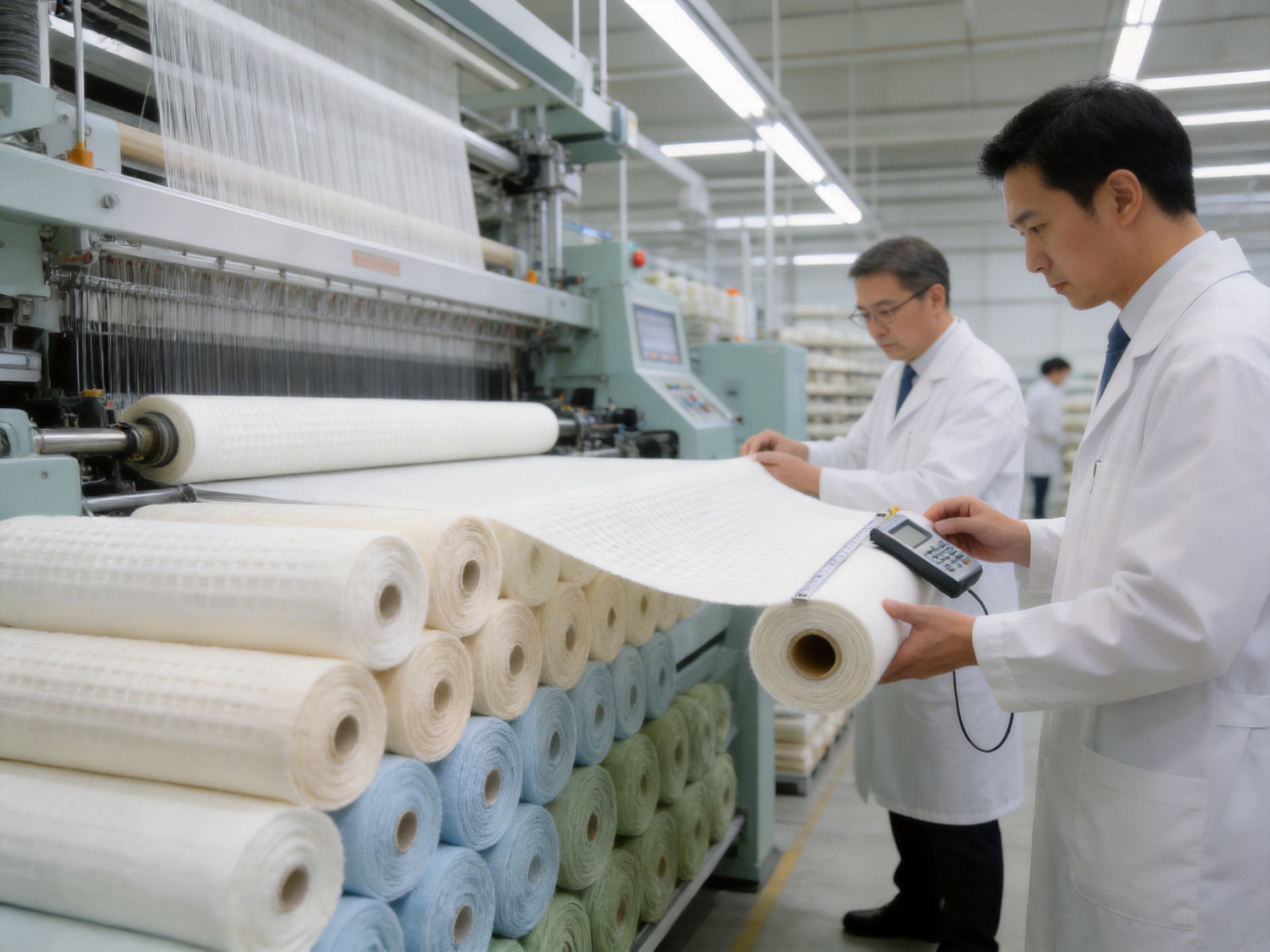
6. Application Areas for Tencel Pregnancy Pillow Fabric
6.1 Full-Length Pregnancy Pillows
Full-length pillows provide support along a large section of the body. Because the cover may touch the arms, torso, legs, and face, softness and moisture comfort are essential. Tencel fabric can be used to create a smooth outer layer that supports the pillow’s extended contact area.
For long pillows, fabric width and sewing efficiency should be considered carefully. The manufacturer may need to evaluate whether the fabric can be cut with minimal waste, whether seams remain comfortable, and whether the cover can be removed easily for washing.
6.2 U-Shaped and C-Shaped Pillows
U-shaped and C-shaped pillows often include curved sections and multiple seams. The fabric must accommodate the pattern without excessive distortion. A suitable construction can help improve cutting accuracy and support a neat finished appearance around corners and curves.
Because these pillows are often large, the cover may be handled frequently during installation and removal. Adequate strength, stable dimensions, and reliable zipper or closure performance are therefore important considerations.
6.3 Wedge and Compact Support Pillows
Compact wedge pillows are used to support the abdomen, back, legs, or hips. Their smaller size creates opportunities for coordinated collections, gift sets, and travel-friendly products. Tencel fabric can provide a premium surface for these smaller formats and can be matched with larger pregnancy pillow designs.
6.4 Nursing and Postpartum Support Products
Some pregnancy pillows continue to be used during nursing or postpartum recovery. In these applications, washable and skin-friendly covers remain valuable. The product may be used around infants or in situations where frequent cleaning is expected, making fabric care instructions and verified material safety especially important.
6.5 Coordinated Bedding Collections
Brands can use Tencel Pregnancy Pillow Fabric as part of a broader collection that includes pillowcases, mattress covers, fitted sheets, decorative cushions, cooling mats, or sofa textiles. Coordinated colors and textures can help create a consistent visual identity across the bedroom.
This collection approach is supported by Xinsili’s wider product experience in mattress fabric, children’s mattress fabric, pillowcase fabric, cooling mat fabric, bedding fabric, sofa fabric, and pet-friendly fabric. A supplier with multiple application categories may be better positioned to help brands build complete textile programs rather than sourcing every item separately.
7. Manufacturing Process from Material Selection to Finished Fabric
A reliable pregnancy pillow fabric begins with a carefully defined specification. Before production, the supplier and buyer should discuss fiber content, fabric construction, width, weight, color, stretch, surface effect, finishing, intended use, care method, and packaging requirements.
7.1 Raw Material Selection
The first stage is selecting suitable Tencel yarn or a compatible blend. Fiber quality influences softness, strength, moisture behavior, appearance, and process stability. If a blend is used, the ratio should be documented accurately because the blend affects both performance and labeling.
Raw materials should be checked for consistency before entering production. Variations in yarn count, color, moisture, or physical condition may affect the finished fabric. A stable raw-material program helps reduce unnecessary variation in later stages.
7.2 Yarn Preparation
Yarn preparation includes processes that make the material suitable for weaving or knitting. Depending on the construction, this may involve winding, warping, sizing, or other preparation steps. The objective is to provide a stable yarn path and reduce breakage during fabric formation.
Correct yarn preparation contributes to a more uniform surface and helps prevent production defects. It also supports efficient machine operation, which is important when customers require consistent repeat orders.
7.3 Fabric Formation
During weaving or knitting, yarns are arranged into the required fabric structure. The machine settings determine density, elasticity, thickness, surface character, and dimensional behavior. Engineers and production teams must balance the desired hand feel with the strength required for cutting and sewing.
Pregnancy pillow covers often include curved patterns, zippers, piping, labels, and repeated removal for washing. The fabric must therefore be evaluated not only as a flat textile but also as a component of a sewn product.
7.4 Dyeing and Color Development
Color development should consider the buyer’s approved standard, the intended retail environment, and the complete bedding collection. A neutral shade may be suitable for minimalist products, while soft seasonal colors may be preferred for maternity collections. The color must remain visually consistent across production batches as far as technically possible.
Colorfastness should be assessed according to the customer’s requirements and intended care instructions. The fabric should also be checked for staining, uneven dyeing, shade variation, and other appearance issues.
7.5 Functional Finishing
Finishing can be used to adjust softness, smoothness, dimensional stability, surface appearance, and other characteristics. If a customer requests moisture resistance, antibacterial functionality, flame retardancy, or another special performance, the finish must be selected with attention to the intended end use.
Functional finishing should not be added without considering the complete balance of the fabric. A finish that improves one property may affect breathability, hand feel, color, or wash performance. For this reason, laboratory testing and sample evaluation are important before final approval.
7.6 Final Inspection and Packing
After finishing, the fabric is inspected and prepared for shipment. Rolls should be packed in a way that protects the material from contamination, moisture, crushing, and unnecessary handling damage. Product identification should make it possible to trace the order, color, lot, and relevant production information.
Clear packing and labeling support efficient downstream processing. They also reduce the risk of mixing different colors, constructions, or production batches during cutting and sewing.
8. Quality Factors Buyers Should Evaluate
Purchasing a pregnancy pillow fabric should involve more than reviewing photographs. Samples should be physically evaluated under conditions that resemble the final product. Buyers should consider how the fabric feels, stretches, drapes, cuts, sews, washes, dries, and performs after repeated use.
8.1 Hand Feel Before and After Washing
The initial hand feel is important, but the post-wash hand feel may be even more relevant. The fabric should be tested according to the proposed care instructions. Buyers can compare softness, smoothness, pilling, wrinkling, and surface changes after several wash cycles.
8.2 Dimensional Stability
A pregnancy pillow cover must retain an appropriate fit. Excessive shrinkage may make installation difficult, while excessive growth may create a loose or unattractive cover. Dimensional stability should be evaluated in both length and width, with attention to the direction of greatest change.
8.3 Colorfastness
Colorfastness to washing, rubbing, perspiration, and light may be important depending on the market and product positioning. Dark or saturated colors may require particular attention to rubbing and washing performance. The final testing program should correspond to the intended use and applicable customer requirements.
8.4 Pilling and Surface Wear
Pregnancy pillows may experience friction against sheets, nightwear, upholstery, and other bedding. Pilling resistance and surface durability should therefore be considered. A soft fabric should not be assumed to have poor durability, but the relevant construction must be tested rather than judged only by touch.
8.5 Sewing Compatibility
The fabric should be tested with the planned sewing equipment, thread, needle, zipper, elastic, piping, and seam allowance. Some constructions may require adjustments to machine tension or cutting direction. Early sewing trials can prevent difficulties during mass production.
8.6 Odor and Cleanliness
Finished bedding fabrics should be checked for unusual odor, visible contamination, oil marks, and other issues that may affect consumer acceptance. Packaging should protect the material between factory dispatch and final assembly.
9. Advantages of Working with an Experienced Textile Manufacturer
For product brands, a textile supplier is not only a source of material. The supplier can influence development speed, quality consistency, production risk, and the ability to respond to market changes.
Hangzhou Xinsili has 19 years of industry experience, providing a foundation for understanding decorative textile production and application-specific requirements. Its focus on innovative research, development, and precision manufacturing supports a product development process that can address both visual and functional expectations.
9.1 Stable Production Capability
A 12,000-square-meter factory area provides a substantial base for organized manufacturing, production planning, inspection, and order handling. Factory size alone does not guarantee quality, but it can support the systems needed for repeatable production when combined with appropriate equipment, trained personnel, and process management.
9.2 Cross-Category Textile Knowledge
Experience in multiple textile categories can help identify opportunities for shared colors, coordinated textures, and related product development. A bedding brand may require pregnancy pillow fabric today and mattress or pillowcase fabric later. Working with a supplier familiar with several applications can simplify communication and support collection consistency.
9.3 Functional Innovation
The company’s product focus includes functional features such as antibacterial, moisture-resistant, flame-retardant, sleep-supporting, and comfort-improving technologies. These functions must be developed and verified according to the requirements of each individual product. Nevertheless, the breadth of the company’s focus demonstrates an orientation toward value-added textile development rather than commodity-only production.
9.4 Design and Engineering Balance
Many textile suppliers are strong in either visual design or technical production. A pregnancy pillow fabric requires both. It must look appealing to consumers and remain suitable for repeated use. Xinsili’s “Weaving Beautiful Spaces” vision reflects the relationship between textile engineering and interior design, which is relevant to modern bedding products that must function well and fit naturally into the home.
9.5 Collaboration for Custom Orders
Custom orders often involve questions about color matching, minimum order quantity, testing, lead time, fabric width, packaging, and documentation. A cooperative supplier can help clarify these issues before production begins. Clear technical communication reduces misunderstandings and helps buyers make decisions based on the actual product requirements.
10. Sustainability and Responsible Product Positioning
Sustainability has become an important consideration in bedding and home textiles. The use of a cellulose-based Tencel fiber can contribute to a responsible-material narrative, but a complete sustainability assessment must consider the full lifecycle of the product.
Longer product life is one important factor. A pregnancy pillow that remains useful after pregnancy can reduce the likelihood of short-term disposal. A removable, washable, and durable cover can also support longer ownership when it is designed and cared for correctly.
Responsible manufacturing may include efficient material use, process control, reduced defects, appropriate packaging, and careful selection of finishing systems. Buyers should request accurate material information and avoid broad environmental claims that cannot be substantiated.
Brands can communicate sustainability more effectively by describing specific attributes. Examples include the fiber origin, the use of a removable cover, the recommended care method, the expected durability, and the supplier’s approach to quality management. Precise communication is more credible than vague claims.
11. Product Development Recommendations for Brands
Brands planning to launch a Tencel pregnancy pillow should begin with a clear product brief. The brief should identify the target customer, retail price, pillow shape, filling, color range, care instructions, market regulations, packaging style, and expected annual volume.
The cover design should be developed together with the pillow core. A fabric that performs well with one filling may not be ideal with another. For example, a very lofty filling may require a cover with enough flexibility, while a compact support pillow may benefit from a more stable structure.
Color should be selected with the complete collection in mind. Soft neutrals, muted botanical shades, gentle blue or green tones, warm beige, and classic white may support a calm bedroom environment. The best color range depends on the market and brand identity.
Closure design should also be considered. A concealed zipper can create a clean appearance, while a wider opening may make removal easier. The fabric should be tested around the zipper area to ensure that the seam remains smooth and does not create discomfort.
Brands should conduct user trials with different body sizes, sleeping positions, room temperatures, and care habits. Feedback should cover softness, heat, moisture, ease of removal, laundering, drying time, and overall appearance. These insights can guide the final fabric and pillow construction.
12. Recommended Customization and Ordering Process
12.1 Requirement Confirmation
The first step is to confirm the intended use and technical requirements. Buyers should provide the pillow dimensions, cover design, target fabric weight, desired width, color references, finishing expectations, and estimated order quantity.
12.2 Sample Selection
Initial samples allow the buyer to assess hand feel, surface appearance, drape, and compatibility with the pillow design. More than one construction may be evaluated if the buyer is comparing lightweight comfort with a denser premium effect.
12.3 Laboratory and Application Testing
Testing should be selected according to the product. Common areas may include fiber content, weight, width, dimensional stability, colorfastness, pilling, tensile strength, tear strength, seam slippage, air permeability, and moisture-related performance.
Testing the finished cover is also valuable. The fabric may perform differently after cutting, sewing, zipper installation, and filling. Application testing provides a more realistic understanding of the final product.
12.4 Color Approval
Before bulk production, the buyer should approve a color standard or lab-dip sample. Lighting conditions should be considered because fabric color can appear different under daylight, retail lighting, and digital photography.
12.5 Bulk Production
Once the fabric specification and sample are approved, production can proceed according to the confirmed order information. Buyers should ensure that the approved sample, technical specification, packaging instructions, and inspection requirements are clearly recorded.
12.6 Pre-Shipment Inspection
Pre-shipment inspection provides an opportunity to confirm roll length, color, appearance, packaging, labeling, and general quality before dispatch. Any special testing or documentation should be completed according to the agreed schedule.
13. Care and Maintenance Considerations
The appropriate care method depends on the exact Tencel fabric construction, blend, dyeing, finishing, and sewing design. Buyers should follow the supplier’s confirmed care recommendations rather than applying a generic assumption to every Tencel textile.
In general, gentle washing, moderate water temperature, suitable detergent, and avoidance of excessive mechanical stress may help preserve softness and appearance. Excessive heat during drying or ironing can affect some fabrics. Care labels should be based on actual testing of the finished cover.
A removable cover is highly recommended for pregnancy pillows because it allows users to clean the surface without washing the entire filling. The design should make removal and reinstallation practical, especially for large U-shaped or C-shaped pillows.
Brands should also explain how to avoid overloading the washing machine, how to dry the cover completely, and how to store it between uses. Clear care instructions can improve customer satisfaction and reduce unnecessary product returns.
14. Frequently Asked Questions
What is Tencel Pregnancy Pillow Fabric?
Tencel Pregnancy Pillow Fabric is a textile developed for the outer covers of pregnancy pillows and related support cushions. It is based on Tencel fiber or a Tencel-containing construction and is selected for characteristics such as softness, smoothness, moisture comfort, breathability, and premium appearance.
Is Tencel fabric suitable for direct skin contact?
Tencel fabric is widely valued for its smooth and soft hand feel, making it suitable for many direct-contact textile applications. The final suitability depends on the specific construction, finishing, dyeing, and product safety requirements. Buyers should review the technical specification and conduct the necessary testing for their market.
Does Tencel fabric feel cooler than polyester?
It can feel more comfortable and less synthetic than some dense polyester fabrics because of its smooth surface and moisture-management potential. Actual cooling sensation depends on fabric weight, structure, finishing, pillow filling, room temperature, and personal preference.
Can the fabric be used for removable pregnancy pillow covers?
Yes, it can be considered for removable covers, provided the selected construction is compatible with the cover pattern, closure system, and care method. Dimensional stability, seam performance, and post-wash fit should be tested before mass production.
Can Tencel Pregnancy Pillow Fabric be customized?
Customization may be available for color, construction, width, weight, finishing, and other requirements. The final options depend on the order quantity, technical feasibility, raw-material availability, and development schedule. Buyers should confirm these details during the sampling stage.
Can the fabric be used for pillows other than pregnancy pillows?
Yes. Depending on its specification, it may be suitable for nursing pillows, body pillows, decorative cushions, pillowcases, mattress accessories, bedding products, and other comfort-oriented home textiles.
Is Tencel fabric environmentally friendly?
Tencel is made from cellulose and is often selected for natural-origin textile concepts. However, environmental performance depends on the fiber production system, fabric manufacturing, finishing, transportation, product life, and disposal. Brands should use accurate, verifiable information when making environmental statements.
Does Tencel fabric require special care?
The required care depends on the final fabric construction and finish. Many Tencel textiles are designed for practical bedding use, but the correct washing and drying instructions should be confirmed through testing. The finished cover should carry care information appropriate to the approved product.
How does Tencel compare with cotton for pregnancy pillows?
Tencel can provide a smoother surface, more fluid drape, and a distinctive moisture-comfort profile. Cotton is familiar, versatile, and available in many constructions. The best choice depends on the target price, desired hand feel, care requirements, performance goals, and brand positioning.
How does Tencel compare with microfiber?
Microfiber can be economical and soft, while Tencel can provide a more natural-feeling and premium tactile experience. Tencel may be preferred when softness, moisture comfort, and natural-origin material appeal are major selling points.
What should buyers request before placing a bulk order?
Buyers should request fabric samples, a technical specification, fiber-content information, color approval samples, care recommendations, relevant test results, production lead-time information, packaging details, and confirmation of the agreed quality standard.
Why choose an experienced decorative textile manufacturer?
An experienced manufacturer can provide more than standard fabric supply. It may support construction development, color coordination, functional finishing, quality control, application testing, and repeat-order management. This can reduce development risk and help brands create a more consistent product range.
Yes. Its smooth hand feel, refined appearance, moisture-conscious performance, and natural-origin fiber story can support premium pregnancy pillow collections. The final product value will also depend on the pillow design, filling, workmanship, packaging, and verified performance.
15. Conclusion
Tencel Pregnancy Pillow Fabric offers a strong combination of comfort, breathability, moisture awareness, smoothness, and visual refinement. These characteristics make it a suitable choice for pregnancy pillow manufacturers that want to go beyond basic polyester or ordinary cover materials.
Its competitive advantage comes from balance. The fabric can support direct-contact comfort while contributing to a premium appearance. It can help brands develop modern bedding products that are practical, attractive, and aligned with growing interest in natural-origin and functional textiles. When used with a removable cover and an appropriate pillow filling, it can contribute to a more comfortable and maintainable sleep-support product.
The performance of the finished fabric depends on professional manufacturing. Hangzhou Xinsili Decorative Fabric Weaving Co., Ltd. brings 19 years of textile industry experience, a 12,000-square-meter factory area, product development capability, and a focus on functional decorative fabrics. Its recognition as a National High-Tech Enterprise in 2023 reflects an ongoing emphasis on innovation and technical advancement.
For buyers, the most effective approach is to define the application clearly, evaluate samples, test the finished cover, confirm care requirements, and establish measurable quality standards before bulk production. By combining suitable Tencel material with controlled weaving, careful finishing, accurate inspection, and application-focused cooperation, manufacturers can create pregnancy pillows that deliver stronger comfort and more lasting product value.
References
1. Textile Exchange. Preferred Fiber and Materials Market Reports. General information on cellulose-based fibers and responsible material development.
2. International Organization for Standardization. Textiles — Tests for Colour Fastness and Dimensional Stability. General principles for evaluating textile performance.
3. International Organization for Standardization. Textiles — Determination of Fiber Composition. General guidance for fiber-content verification.
4. Association for Contract Textiles. Textile Performance Evaluation Principles. General considerations for durability, appearance, and end-use suitability.
5. Technical literature on regenerated cellulose fibers, moisture management, textile comfort, and bedding-material engineering.
6. Manufacturer-provided product information for Tencel Pregnancy Pillow Fabric and related functional decorative textile applications.
Product: Tencel Pregnancy Pillow Fabric

Our Featured Products
-
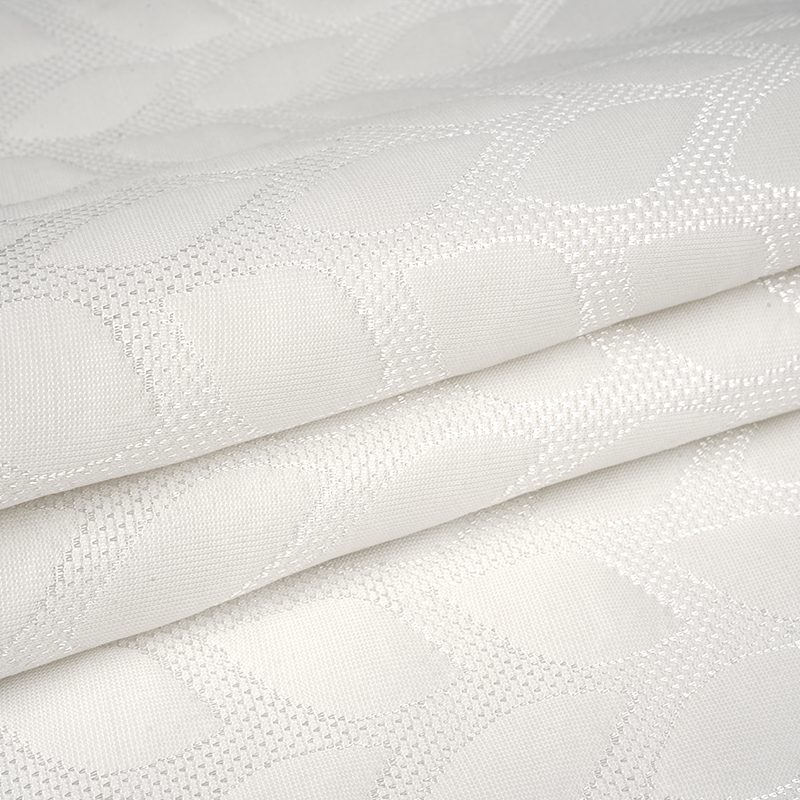
Tencel Pillowcase Fabric
Tencel Pillowcase Fabric
Haven’t Found The Products You Want?
-
-
Shen Jinyan:+86-15158070676
[email protected]
Liang Jinwen:+86-15757186621
[email protected]
Qiu Yingyingn:+86-13819545790
[email protected]
Yi qiao Town, Xiaoshan District, Hangzhou City, Zhejiang Province, China
-
Products
Mattress Fabric Children Mattress Fabric Pillowcase Fabric Pregnancy Pillow Fabric Cooling Mat Fabric Bedding Fabric Sofa Fabric Pet Friendly Fabrics -
Contact Information
About Us Products Strength Sustainability News Contact Us
Copyright © Hangzhou Xinsili Decorative Fabric Weaving Co.,Ltd. All Rights Reserved.
Functional Decorative Textile Manufacturers
