

 English
 中文简体
中文简体 Español
 عربى
عربى русский


Graphene Bedding Fabric: Advanced Comfort, Thermal Regulation, and Functional Textile Performance
Content
- 1 What Is Graphene Bedding Fabric?
- 2 Why Graphene Is Relevant to Bedding Applications
- 3 Core Advantages Compared with Conventional Bedding Fabrics
- 4 Manufacturing Process of Graphene Bedding Fabric
- 4.1 1. Application Analysis and Product Planning
- 4.2 2. Raw Material Selection
- 4.3 3. Graphene Dispersion and Functional Integration
- 4.4 4. Yarn Preparation
- 4.5 5. Precision Weaving or Knitting
- 4.6 6. Dyeing and Functional Finishing
- 4.7 7. Heat Setting, Drying, and Width Control
- 4.8 8. Inspection and Testing
- 4.9 9. Final Inspection, Rolling, and Packaging
- 5 Manufacturing Strengths That Support Product Reliability
- 6 Applications of Graphene Bedding Fabric
- 7 Comparison with Other Common Bedding Materials
- 8 Customization Options for Buyers
- 9 Quality Standards and Responsible Product Claims
- 10 How to Select the Right Graphene Bedding Fabric
- 11 Q&A: Graphene Bedding Fabric
- 11.1 What makes graphene bedding fabric different from ordinary bedding fabric?
- 11.2 Does graphene fabric actively cool the body?
- 11.3 Is graphene bedding fabric soft enough for direct skin contact?
- 11.4 Can graphene bedding fabric be washed?
- 11.5 Can the fabric be customized?
- 11.6 Is graphene bedding fabric suitable for hotels?
- 11.7 Can graphene fabric be used for mattress covers and fitted sheets?
- 11.8 Does graphene bedding fabric contain medical or therapeutic properties?
- 11.9 What information should a buyer request from a supplier?
- 11.10 Why is manufacturing process control important?
- 11.11 What industries can use this fabric?
- 12 Why Work with an Experienced Functional Textile Manufacturer?
- 13 Future Development of Graphene Bedding Textiles
- 14 Conclusion
- 15 References
- 16 Product: Graphene Bedding Fabric
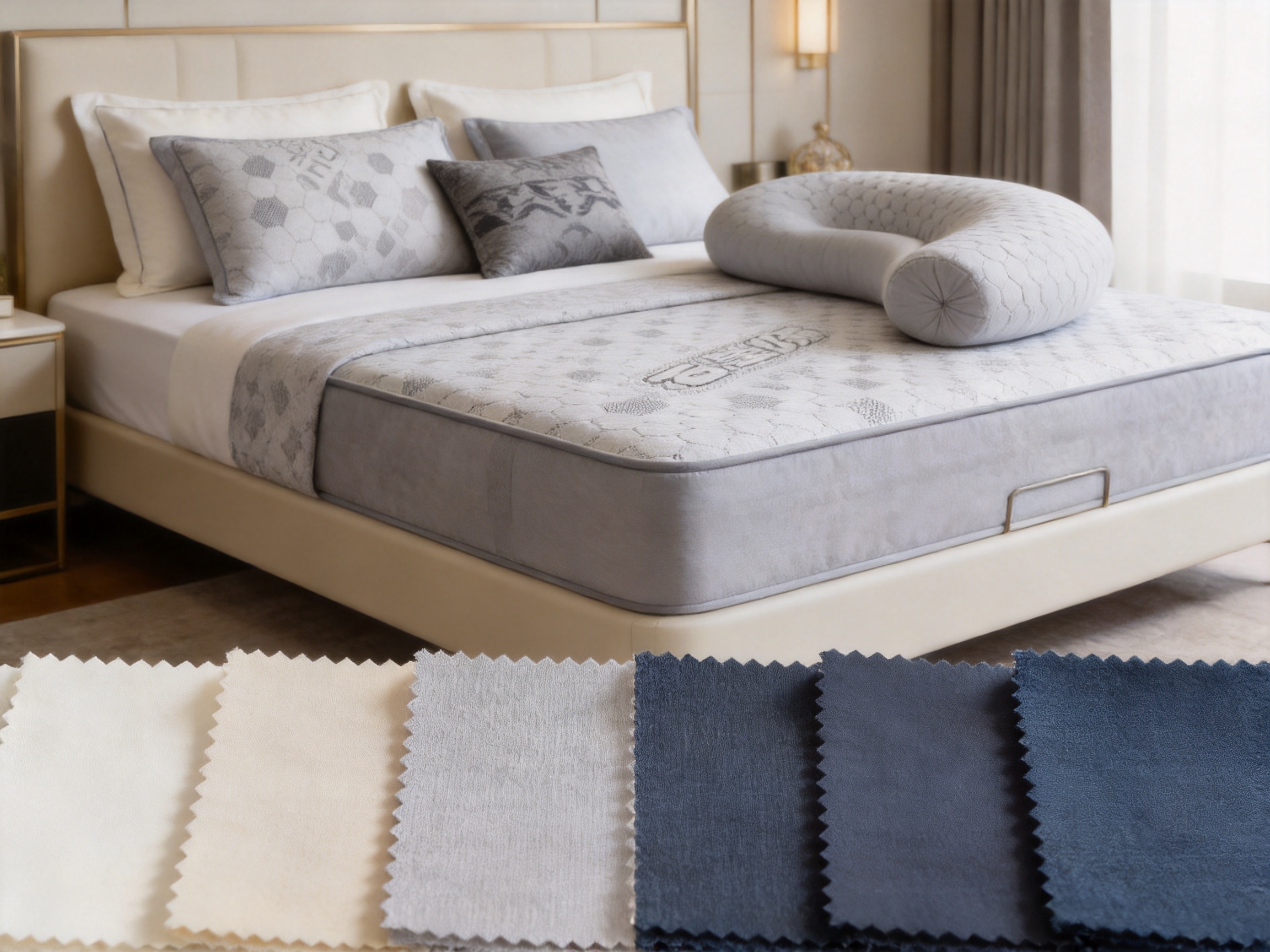
Sleep quality is influenced by far more than the mattress, pillow, or bed frame. The fabric surrounding the sleeping environment affects touch comfort, moisture management, temperature perception, static control, durability, appearance, and everyday hygiene. As consumers and commercial buyers increasingly seek bedding materials that combine comfort with measurable functionality, graphene bedding fabric has emerged as an advanced textile solution for modern bedrooms, hospitality environments, healthcare-adjacent applications, and premium home furnishings.
Graphene bedding fabric integrates graphene-related functional materials into a carefully engineered textile structure. Depending on the yarn system, finishing method, blend ratio, fabric weight, and intended application, the material can support thermal balance, static dissipation, softness, dimensional stability, and long-term service performance. Its value does not come from a single feature alone. Instead, it comes from the combination of functional material science, textile engineering, precision weaving, quality control, and application-oriented design.
For buyers comparing conventional polyester, cotton, rayon, bamboo, or ordinary blended bedding fabrics, graphene fabric offers a more technology-oriented approach. It can provide a refined hand feel while introducing functional characteristics that are difficult to achieve through standard fibers alone. It is also suitable for use in mattress covers, pillow covers, fitted sheets, duvet covers, mattress toppers, pregnancy pillow covers, cooling products, and other bedding components where comfort and performance must coexist.
Hangzhou Xinsili Decorative Fabric Weaving Co., Ltd. develops and manufactures functional decorative textiles for residential, hotel, and commercial environments. With 19 years of industry experience, a 12,000-square-meter factory area, and recognition as a National High-Tech Enterprise in 2023, the company combines product development with practical manufacturing expertise. Its approach focuses on stable quality, responsible material selection, process consistency, and customized textile solutions for changing market requirements.
What Is Graphene Bedding Fabric?
Graphene bedding fabric is a textile engineered with graphene or graphene-derived functional components. These components may be introduced through modified fibers, masterbatch technology, coating systems, printing or finishing processes, or specialized yarn construction. The exact production route depends on the target performance, required softness, color, cost structure, wash durability, and end use.
Graphene is a carbon-based material with a distinctive two-dimensional structure. In technical applications, it is valued for properties associated with conductivity, heat transfer, mechanical strength, and surface interaction. When incorporated into a textile, graphene does not transform the fabric into a rigid technical sheet. Instead, it becomes part of a flexible textile system designed to preserve drape, breathability, tactile comfort, and practical usability.
The finished fabric should therefore be understood as an engineered bedding textile rather than simply a fabric with a graphene label. Performance depends on the complete construction. Important variables include the type of base fiber, knitting or weaving structure, graphene dispersion, finishing chemistry, fabric density, yarn count, surface treatment, coloration, and post-treatment stability. A professionally manufactured product must balance function and comfort rather than maximizing one characteristic at the expense of all others.
In bedding applications, the most relevant performance goals generally include:
• A smooth and comfortable surface suitable for direct or near-direct skin contact.
• Improved thermal response and heat distribution during use.
• Support for moisture management and a less clammy sleeping sensation.
• Reduction of electrostatic accumulation under suitable environmental conditions.
• Reliable color, dimensional, and surface stability after repeated care cycles.
• Compatibility with mattress covers, pillows, sheets, protectors, and decorative bedding products.
• A premium functional positioning for brands, hotels, retailers, and contract furnishing projects.
Why Graphene Is Relevant to Bedding Applications
People spend many hours in contact with bedding products. During sleep, the body continuously exchanges heat and moisture with the surrounding textile layers. A fabric that traps excessive warmth may feel uncomfortable, while a material that feels too cold, rough, or damp can disturb rest. Graphene-based textile engineering offers one method of addressing these challenges through controlled thermal and surface behavior.
Graphene-related conductive properties can help distribute localized heat across a larger textile area. This does not mean that the fabric acts as an active heating or cooling device. Rather, it may assist in moderating the way heat is dispersed through the textile structure. The perceived result can be a more balanced surface sensation, particularly when the fabric is combined with breathable construction and suitable moisture management.
Graphene can also contribute to static dissipation. Static electricity is influenced by humidity, fiber type, friction, laundering, and the surrounding environment. Synthetic bedding materials may accumulate charge under dry conditions, producing small shocks, cling, or an uncomfortable surface sensation. A functionally engineered graphene textile can help provide a pathway for charge dissipation, although the actual result depends on the entire fabric construction and the environment in which it is used.
Another important advantage is the ability to combine advanced functionality with a flexible design platform. Graphene bedding fabric can be produced in different weights, colors, textures, widths, and surface appearances. It may be developed for minimalist hotel bedding, soft home furnishings, premium mattress panels, cooling products, or decorative applications where appearance is as important as performance.
Core Advantages Compared with Conventional Bedding Fabrics
Thermal Balance and Surface Comfort
Conventional bedding fabrics can provide excellent comfort, but their thermal behavior is often determined primarily by the base fiber and fabric structure. Graphene-enhanced construction introduces an additional functional element. By supporting heat distribution across the surface, it may reduce the sensation of concentrated warmth in areas where the body remains in contact with the fabric for a long period.
This is especially relevant for mattress covers and fitted sheets. These products remain close to the body and are exposed to continuous contact, pressure, and friction. A well-engineered graphene textile can be combined with breathable yarns and open or semi-open fabric structures to improve the overall balance between warmth, air movement, and surface smoothness.
Compared with a basic dense synthetic fabric, graphene bedding fabric may offer a more refined thermal experience. Compared with a very lightweight natural fabric, it may provide additional functional stability and performance consistency. The best result depends on correct product selection, because a graphene component cannot compensate for unsuitable fabric density, poor moisture management, or excessive finishing buildup.
Moisture Management and a Drier Feel
Moisture comfort is a major consideration in bedding. Perspiration, ambient humidity, room temperature, and personal metabolism all influence how dry or damp a fabric feels. Graphene fabric is not automatically moisture-absorbing simply because it contains graphene. However, when the graphene component is integrated with moisture-managing fibers and an appropriate fabric structure, the final textile can support improved comfort.
Manufacturers may combine graphene functionality with polyester, nylon, viscose, cotton, or other fiber systems. Each material contributes different properties. Polyester can support strength and quick drying. Viscose can contribute softness and fluid drape. Cotton can add familiar natural comfort. Nylon can provide abrasion resistance and resilience. Graphene-related functionality can then be introduced as part of a broader performance package.
For bedding buyers, the key question is not whether graphene alone absorbs moisture. The more useful question is whether the complete fabric has been designed to manage moisture effectively and whether that performance is supported by appropriate testing. A reliable manufacturer should be able to discuss fabric composition, construction, finishing, care conditions, and available test data.
Static Control
Static electricity can affect bedding comfort, especially in dry indoor environments and during seasons when humidity is low. Friction between the body, clothing, sheets, and mattress cover can encourage charge accumulation. Graphene’s conductive characteristics make it suitable for textile concepts that support static dissipation.
In practical terms, a graphene bedding fabric may help reduce cling and minimize the accumulation of electrostatic charge compared with a similar non-functional textile. The effect depends on the degree of graphene integration, fiber continuity, fabric moisture level, garment or bedding construction, and grounding conditions. Therefore, static performance should be evaluated through controlled testing rather than assumed from marketing terminology.
For hotels, care facilities, and high-turnover bedding programs, static control can contribute to a more comfortable user experience and may help reduce the unpleasant sensation associated with dry synthetic fabrics. For household users, it can support a smoother and quieter interaction between sheets, covers, and sleepwear.
Softness with Functional Performance
One of the most important challenges in functional textile development is preserving softness. A fabric may have impressive technical characteristics but fail commercially if it feels harsh, stiff, noisy, or unpleasant against the skin. Graphene bedding fabric must therefore be engineered with attention to yarn selection, surface finishing, fabric density, and hand feel.
Modern textile manufacturing allows functional components to be incorporated in ways that preserve flexibility. Graphene may be introduced into a fiber or yarn rather than applied only as a heavy surface coating. This can help maintain a smoother touch and reduce the risk of surface cracking or excessive stiffness. Brushing, compacting, softening, raising, and other finishing processes may be selected according to the required end use.
The ideal hand feel may differ by application. A mattress cover may need a smooth, resilient surface. A pillowcase fabric may require a silky touch. A pregnancy pillow cover may emphasize softness and stretch. A hotel bedding fabric may require a balance of comfort, easy care, and commercial durability. Product development must therefore begin with a clear application brief.
Durability and Dimensional Stability
Bedding fabrics are exposed to repeated washing, drying, folding, friction, body oils, detergents, and compression. A high-quality functional textile must retain its appearance and performance over a practical service life. Graphene bedding fabric can be engineered for durability through suitable fiber selection, yarn construction, fabric density, and finishing control.
Dimensional stability is particularly important for fitted sheets, mattress panels, and removable covers. Excessive shrinkage or distortion can lead to poor fitting, wrinkling, seam stress, and reduced visual quality. During development, manufacturers should evaluate shrinkage, spirality where relevant, seam behavior, pilling, abrasion, color fastness, and washing performance.
Compared with a low-cost fabric that relies on minimal process control, a professionally developed graphene bedding fabric is more likely to provide consistent roll-to-roll performance. Consistency matters for large orders because variations in width, weight, shade, or stretch can create production problems for bedding manufacturers and furniture brands.
Versatile Design and Product Positioning
Functional bedding fabrics must also look attractive. Graphene fabric can be developed in a variety of colors, textures, patterns, and surface appearances. It can support understated neutral palettes for modern bedrooms, elegant hotel interiors, and premium mattress collections. It may also be combined with jacquard patterns, knitted textures, embossed effects, or coordinated decorative fabrics.
This design flexibility creates commercial advantages. A brand can present graphene bedding not merely as a technical material but as part of a broader comfort and wellness-oriented product story. Retailers may use it in premium sleep collections. Hotels may specify it for rooms where a refined tactile experience is important. Mattress companies may use it as a value-adding cover material that differentiates a product from standard offerings.
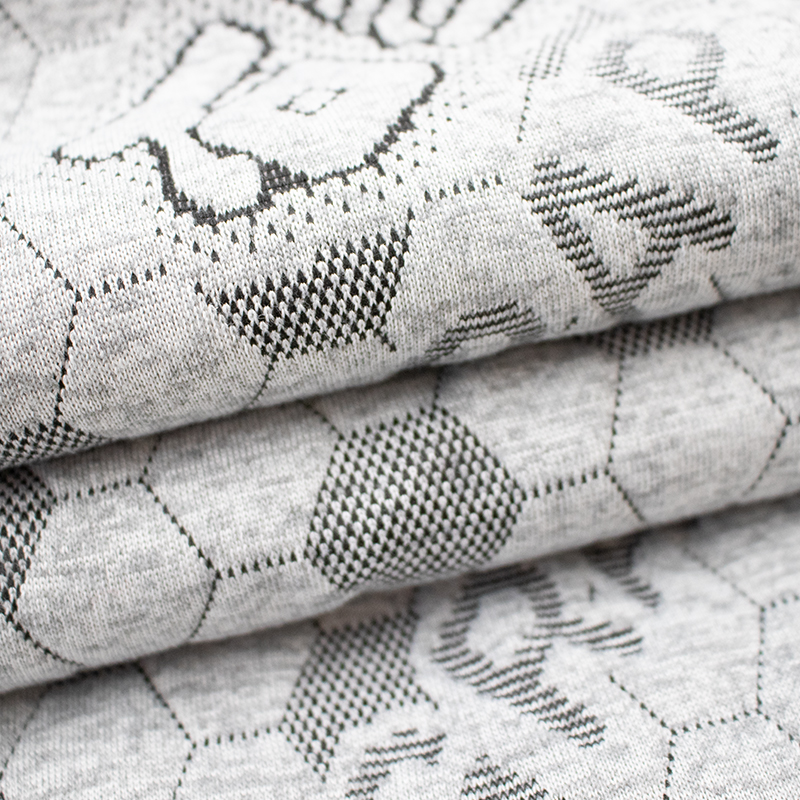
Graphene Bedding Fabric
Manufacturing Process of Graphene Bedding Fabric
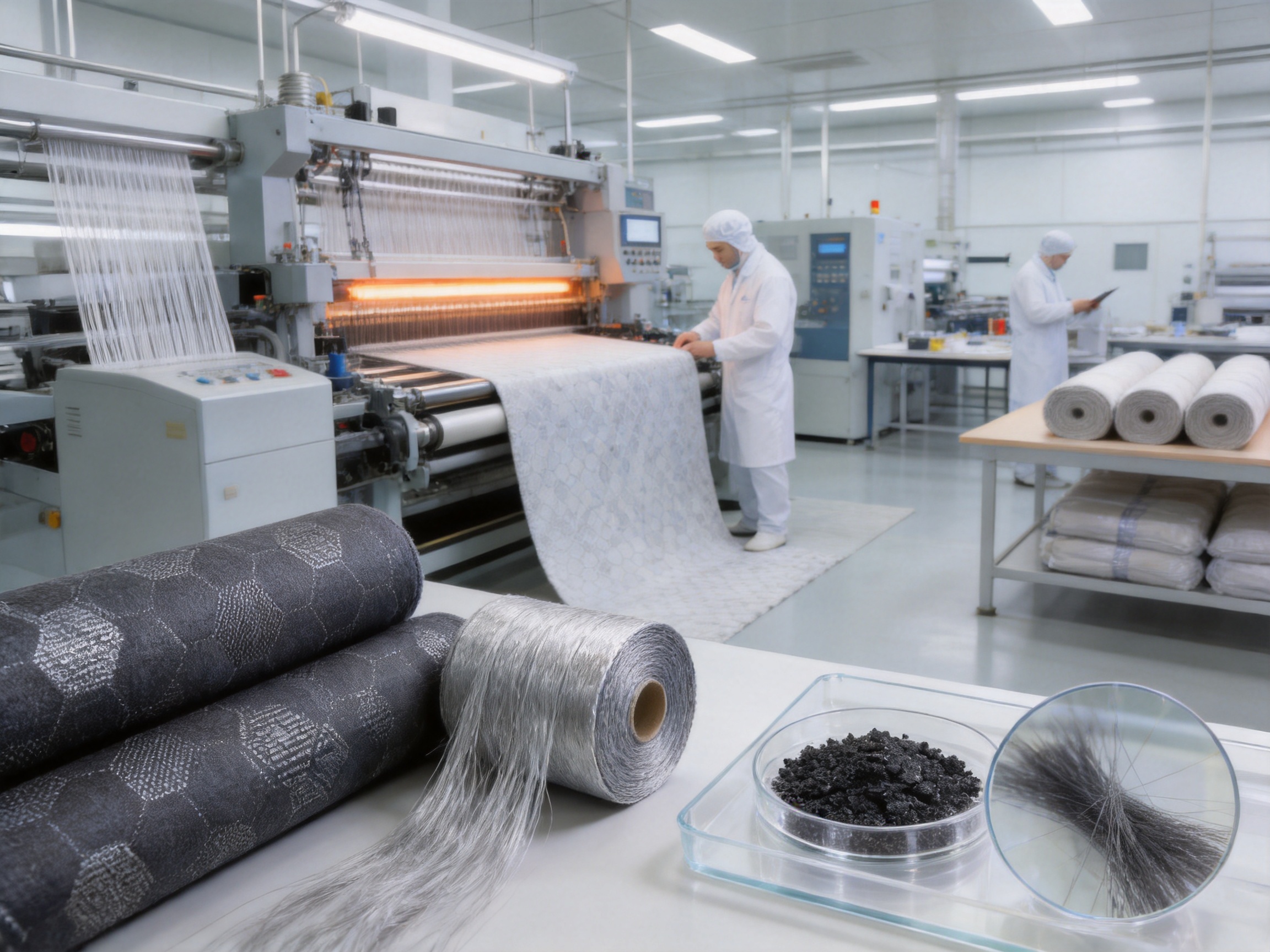
The performance of graphene bedding fabric depends heavily on manufacturing discipline. A reliable process begins long before the fabric reaches the weaving or knitting machine. It includes material evaluation, formulation control, yarn preparation, fabric formation, finishing, inspection, testing, and packaging.
1. Application Analysis and Product Planning
Before production begins, the manufacturer should identify how the fabric will be used. A mattress cover, pillowcase, fitted sheet, sofa panel, and cooling mat may all require different constructions. The product brief should define softness, stretch, width, weight, color, abrasion resistance, wash resistance, air permeability, moisture behavior, and expected order volume.
Application analysis also determines whether the graphene component should be integrated into the fiber, yarn, coating, print, or finishing system. For products that will be washed frequently or experience intense friction, a more durable integration route may be preferred. For decorative or lightly handled applications, another method may be more suitable.
2. Raw Material Selection
Raw material selection is central to quality. The base fiber must be compatible with the intended touch, strength, elasticity, moisture behavior, and care requirements. Polyester, nylon, cotton, viscose, modal, recycled fibers, and blended yarns may be considered according to the product objective.
Graphene-related additives must be evaluated for dispersion, compatibility, processing stability, and effect on yarn performance. Poor dispersion can lead to uneven function, weak points, color variation, or inconsistent surface appearance. Responsible manufacturers establish material specifications and review supplier consistency before production.
Other inputs, including dyes, softeners, antistatic agents, binders, and finishing auxiliaries, should be selected with attention to safety, environmental requirements, and compatibility with the graphene system. A functional textile is only as reliable as the complete set of materials used to produce it.
3. Graphene Dispersion and Functional Integration
Graphene must be distributed in a controlled manner if it is to contribute consistently to the final textile. In fiber-based systems, graphene-related material may be dispersed into a polymer matrix before spinning. In other systems, it may be introduced through a coating or finishing formulation.
Uniform dispersion helps reduce variation between yarns and across the fabric width. It also supports more predictable electrical and thermal behavior. The integration method should be selected according to the required wash durability, softness, color, production speed, and cost target.
Surface-applied systems require special attention to adhesion and flexibility. If a coating is too heavy, it may reduce breathability or create a stiff handle. If adhesion is insufficient, repeated washing and friction may reduce performance. For this reason, process parameters such as formulation viscosity, application amount, drying temperature, curing time, and fabric tension must be carefully controlled.
4. Yarn Preparation
Yarn preparation influences fabric uniformity, strength, and appearance. The yarn must be suitable for the selected weaving or knitting process. Important controls include yarn count, twist, tensile strength, elongation, hairiness, evenness, and defect levels.
Functional yarns may require modified handling during winding, warping, or knitting. Excessive tension can affect elasticity and cause breakage. Inadequate tension control may produce uneven loops, bars, streaks, or width variation. Experienced production teams adjust machine settings to protect both the functional component and the textile structure.
For bedding applications, yarn preparation also affects the final tactile experience. A yarn with excessive hairiness may create a rougher surface or increase pilling risk. A carefully balanced yarn structure can support softness, clean appearance, and resistance to repeated laundering.
5. Precision Weaving or Knitting
The fabric formation stage determines density, stretch, drape, permeability, surface texture, and mechanical behavior. Knitted constructions may provide softness, elasticity, and conformability, making them useful for mattress covers, fitted bedding, pillow covers, and pregnancy pillow products. Woven constructions may offer dimensional stability, clean appearance, and structured surfaces for selected applications.
Machine settings must be monitored throughout production. Operators may control stitch density, loop length, take-up, fabric tension, warp tension, weft insertion, reed settings, and speed. Small deviations can affect weight, width, stretch, and surface uniformity.
A key advantage of an experienced manufacturer is the ability to match the fabric construction to the final product rather than relying on one standard specification. For example, a mattress cover may require controlled stretch and high recovery. A pillowcase may require a smoother surface and lower friction. A decorative bedding panel may prioritize appearance and dimensional stability. Each application deserves an appropriate construction.
6. Dyeing and Functional Finishing
After fabric formation, the textile may undergo scouring, dyeing, washing, drying, softening, brushing, compacting, coating, or other finishing operations. These stages influence color, hand feel, dimensional stability, shrinkage, surface cleanliness, and functional retention.
Color development must be controlled carefully because functional materials can affect dye uptake or surface appearance. Laboratory dips and pilot trials help establish suitable recipes before bulk production. During dyeing, parameters such as temperature, pH, time, liquor ratio, and chemical concentration should be monitored.
Finishing must achieve a balance between softness and performance. Excessive softener may reduce moisture transfer or alter the intended surface behavior. Insufficient finishing may leave the fabric harsh or unstable. For graphene bedding fabric, finishing chemistry should also be compatible with the functional system and should not block the textile structure unnecessarily.
7. Heat Setting, Drying, and Width Control
Heat treatment can stabilize fabric dimensions, set stretch recovery, and improve surface appearance. However, excessive temperature or residence time may damage sensitive components, reduce elasticity, change color, or affect the hand feel. Process conditions must therefore be selected according to the fiber composition and functional integration method.
Width control is important for bedding manufacturers because fabric width influences cutting efficiency and product yield. Stable width reduces waste and helps maintain consistent dimensions across mattress panels, pillow covers, and sheet components. A professional production line monitors fabric tension and overfeed throughout drying and finishing.
8. Inspection and Testing
Quality inspection should take place at multiple stages rather than only at the end of production. Incoming materials may be checked for appearance, composition, and basic physical properties. During production, inspectors may monitor weight, width, defects, shade, stretch, and surface consistency. Finished fabric can then undergo additional evaluation according to the customer’s requirements.
Potential test categories include:
• Fabric weight and width.
• Tensile and tear strength.
• Elongation and recovery.
• Dimensional change after washing.
• Color fastness to washing, rubbing, perspiration, and light.
• Pilling and abrasion resistance.
• Air permeability and moisture-related behavior.
• Surface resistance or electrostatic performance where applicable.
• Thermal response under defined laboratory conditions.
• Chemical safety and restricted substance requirements.
Testing should be conducted using recognized methods appropriate to the intended product. Functional claims should be supported by measurable data and clear test conditions. This approach protects buyers from vague claims and helps ensure that the fabric performs consistently in real applications.
9. Final Inspection, Rolling, and Packaging
Before shipment, the fabric should be inspected for weaving or knitting defects, holes, stains, bars, streaks, needle lines, uneven dyeing, width variation, and excessive creasing. Rolls should be clearly identified with production information, shade, lot number, length, width, and inspection status.
Packaging must protect the material from moisture, dust, contamination, and damage during transportation. For export orders, packaging can be adapted to container loading requirements and customer handling systems. Accurate labeling and traceability make it easier to manage repeat orders and investigate any quality issue that may arise.
Manufacturing Strengths That Support Product Reliability
A graphene bedding fabric supplier should offer more than a product name. Buyers need evidence of development capability, manufacturing control, customization support, and long-term cooperation. Hangzhou Xinsili Decorative Fabric Weaving Co., Ltd. positions its manufacturing work around functional decorative textiles for home, hotel, and commercial spaces.
The company’s 19 years of industry experience provide a practical foundation for understanding textile production, customer specifications, and application requirements. Experience is valuable because functional fabrics often involve more variables than ordinary fabrics. Small changes in yarn, finishing, tension, or heat treatment can affect final performance. A mature production team is better equipped to identify these relationships and stabilize the process.
The company operates within a 12,000-square-meter factory area, providing space for material handling, fabric production, finishing coordination, inspection, and order preparation. Manufacturing scale alone does not guarantee quality, but an organized facility can support better workflow management, clearer production separation, and more efficient quality control.
Recognition as a National High-Tech Enterprise in 2023 reflects an emphasis on technological development and innovation. For graphene bedding fabric, this orientation is important because the product requires cooperation between textile processing and functional material engineering. Research and development should be connected to actual manufacturing so that laboratory concepts can be translated into stable, repeatable products.
The company also focuses on a broad range of functional decorative fabrics, including materials designed for antibacterial, moisture-resistant, flame-retardant, sleep-supporting, and comfort-improving applications. This wider product experience can support cross-functional development. For example, a customer may require graphene bedding fabric with moisture management, a decorative surface, and a specific level of stretch. A supplier familiar with multiple performance categories may be able to create a more balanced solution.
Another strength is customization. Bedding brands and contract manufacturers rarely need a completely generic fabric. They may request a specific weight, width, color, pattern, stretch ratio, composition, finish, or performance target. A capable supplier can evaluate the request, recommend a practical construction, prepare samples, conduct trials, and refine the specification before bulk production.
Quality consistency is also essential. Buyers should look for suppliers that maintain production records, approve incoming materials, inspect finished rolls, retain samples, and communicate technical specifications clearly. These systems reduce variation between batches and make repeat purchasing more predictable.
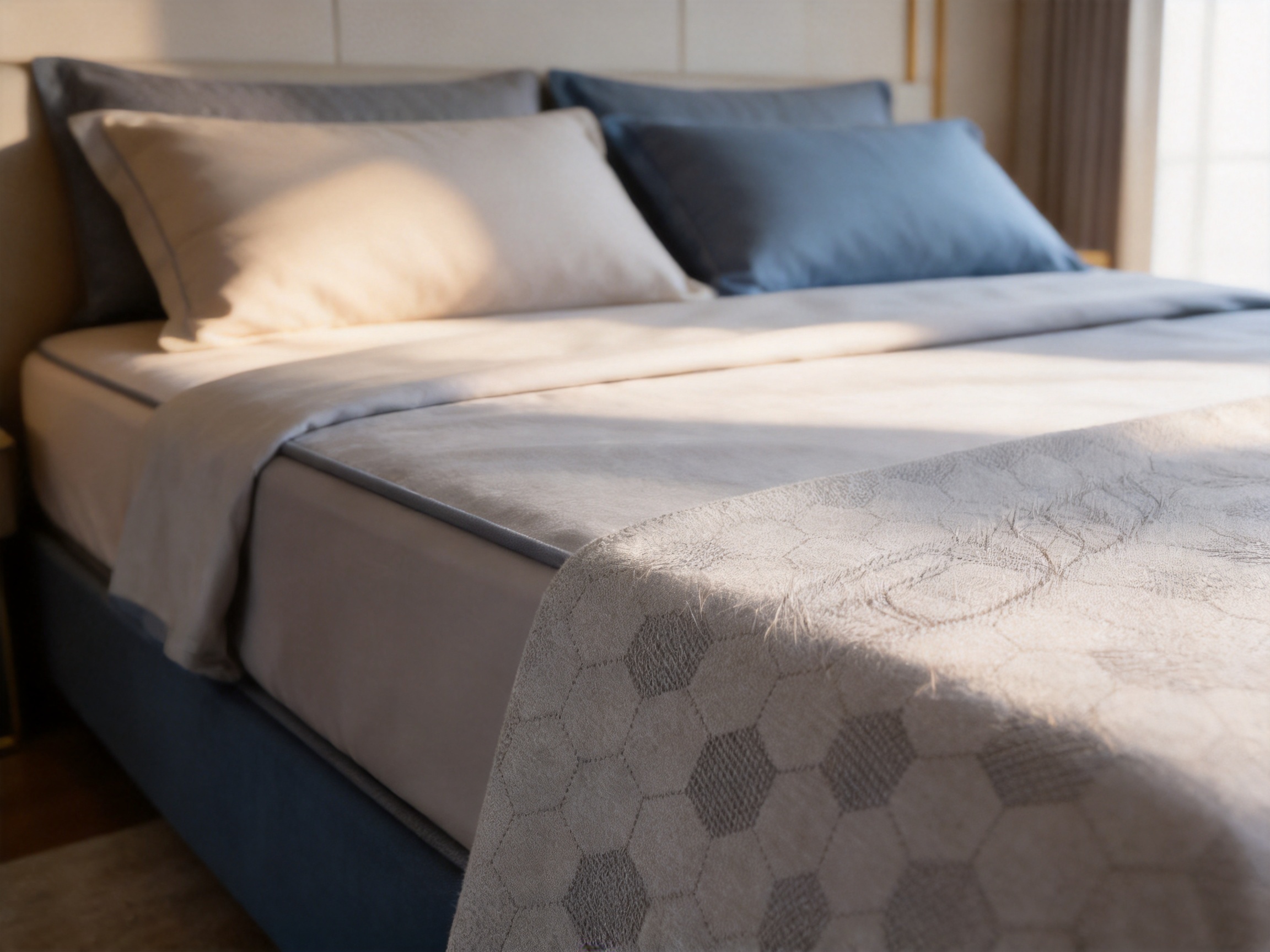
Applications of Graphene Bedding Fabric
Mattress Covers
Mattress covers are one of the most suitable applications for graphene bedding fabric. The cover sits directly above the mattress core and influences surface comfort, thermal perception, moisture movement, and visual presentation. A graphene textile can be engineered with controlled stretch to follow the shape of the mattress while maintaining a smooth surface.
For removable mattress covers, wash durability and dimensional stability are particularly important. For integrated mattress panels, abrasion resistance, seam strength, and compatibility with quilting or lamination processes may be more important. Different constructions can be developed for foam mattresses, spring mattresses, adjustable beds, and premium sleep systems.
Pillowcases and Pillow Covers
Pillowcases require a soft, smooth surface because the face and neck remain in contact with the fabric for many hours. Graphene bedding fabric can be developed with a refined hand feel and controlled surface friction. The fabric may be paired with stretch construction for a close fit or a stable woven structure for a tailored appearance.
For hospitality buyers, pillowcase fabric must also withstand frequent laundering and maintain a clean, professional appearance. A suitable graphene textile can support a premium product story while remaining practical for regular care when the specification is correctly selected.
Pregnancy Pillow Fabric
Pregnancy pillows are large, supportive products that remain close to the user’s body. Their covers should be soft, breathable, easy to remove, and capable of maintaining shape after repeated washing. Graphene bedding fabric can be adapted for pregnancy pillow covers with stretch, moisture comfort, and a smooth touch.
Because pregnancy pillow designs vary widely, customization may be required for zipper placement, panel construction, fabric width, elasticity, and seam performance. A supplier with application-oriented development can help match the fabric to the pillow’s shape and filling system.
Cooling Mats and Temperature-Oriented Bedding Products
Graphene textiles may also be used in cooling mats, mattress pads, toppers, and other products marketed around thermal comfort. The fabric should be considered as one part of the product system. Cooling perception depends on surface contact, fabric density, internal filling, air movement, room temperature, and the user’s physical condition.
A graphene fabric can support thermal distribution and a cool-touch design strategy, but the final product should be evaluated as a complete assembly. Fabric suppliers and product manufacturers should coordinate during prototype development to ensure that the textile works effectively with the inner materials and construction.
Decorative Bedding and Bedroom Accessories
In addition to performance-focused products, graphene fabric can be used for decorative bedding, bed runners, cushion covers, upholstered headboards, and coordinated bedroom accessories. These applications benefit from a combination of appearance, tactile quality, and functional differentiation.
The material can be designed in neutral, natural, or contemporary colors and may be coordinated with sofa fabrics, pet-friendly fabrics, or other decorative textiles. This makes it possible for interior designers and furniture brands to create a unified collection across the bedroom and living space.
Hotel and Commercial Bedding
Hotels, serviced apartments, student residences, and commercial accommodation projects require fabrics that look attractive while tolerating frequent use and laundering. Graphene bedding fabric can provide a premium functional story for room upgrades, wellness-oriented hospitality concepts, and high-end sleep collections.
Commercial buyers generally need reliable bulk supply, consistent shade matching, stable width, repeatable performance, and clear delivery schedules. A manufacturer with established production experience can help reduce the risks associated with large-scale textile procurement.
Comparison with Other Common Bedding Materials
| Material or Fabric Type | Typical Strengths | Potential Limitations | Position of Graphene Bedding Fabric |
|---|---|---|---|
| Conventional Polyester | Good strength, quick drying, color versatility, and cost efficiency | May feel warm or accumulate static depending on construction | Graphene functionality can add thermal distribution and static-control potential to a synthetic base |
| Cotton | Familiar natural touch, moisture absorption, and broad consumer acceptance | May wrinkle, shrink, dry slowly, or lose shape without suitable finishing | Graphene blends can combine selected cotton comfort with additional technical functionality |
| Viscose or Rayon | Softness, drape, and a smooth surface sensation | May require careful strength and dimensional control during washing | Graphene-enhanced blends can balance softness with performance-oriented construction |
| Bamboo-Based Fabric | Soft hand feel and a natural-material marketing appeal | Performance varies greatly according to fiber type and manufacturing process | Graphene fabric offers a distinct technology-based functional positioning |
| Ordinary Cooling Fabric | May provide cool-touch sensation through surface design or fiber selection | Performance may be temporary or limited to initial contact sensation | Graphene construction can support broader thermal-management development when properly engineered |
| Graphene Bedding Fabric | Potential thermal balance, static dissipation, softness, design flexibility, and premium differentiation | Requires careful specification, testing, and process control | Suitable for buyers seeking an advanced, customizable functional bedding textile |
This comparison should not be interpreted as meaning that graphene fabric is universally superior in every situation. Every material has a suitable application. The competitive advantage of graphene bedding fabric is strongest when the buyer values a combination of comfort, technical function, design flexibility, and premium product positioning.
Customization Options for Buyers
Customization allows graphene bedding fabric to meet the technical and commercial requirements of different brands. Buyers may request adjustments to composition, fabric structure, width, weight, color, pattern, stretch, finishing, and packaging.
Composition and Fiber Blending
Different fiber blends can change the balance between softness, strength, moisture behavior, stretch, drying speed, and cost. A buyer may prefer a synthetic blend for easy care and durability, a natural-fiber blend for a familiar touch, or a performance blend for mattress covers and cooling products.
Weight and Thickness
Lightweight fabrics can support breathability and a cool surface sensation. Heavier fabrics may provide a more substantial touch, greater opacity, and stronger decorative presence. The appropriate weight depends on whether the material will be used for a sheet, mattress cover, pillowcase, quilted panel, or upholstered surface.
Color and Pattern
Color matching can be developed according to physical samples, standardized references, or brand palettes. Buyers may also request jacquard patterns, textured surfaces, printed designs, or coordinated colors across several bedding products. Laboratory sampling before bulk production helps reduce shade risk.
Stretch and Recovery
Stretch is valuable for fitted sheets, mattress covers, and shaped pillow products. However, excessive elasticity can cause dimensional instability or complicate cutting and sewing. The fabric should therefore be designed for the specific product pattern and seam construction.
Finishing and Hand Feel
Different finishing approaches can create a smooth, brushed, peach-skin, crisp, or soft surface. The selected finish should support the intended customer experience without compromising breathability, wash durability, or graphene-related functionality.
Packaging and Order Support
Bulk buyers may require specific roll lengths, labels, carton dimensions, polybag systems, pallet arrangements, or production documentation. Clear packaging specifications help improve warehouse efficiency and reduce handling errors during international trade.
Quality Standards and Responsible Product Claims
Functional textile claims should be communicated accurately. Graphene bedding fabric may be promoted for thermal regulation, static dissipation, comfort improvement, or other properties only when the relevant performance has been evaluated using suitable methods. Buyers should request technical information that explains the test method, sample condition, laundering history, and result interpretation.
It is also important to distinguish between a fabric function and a medical claim. Bedding fabric can be designed to improve comfort, surface behavior, and the user’s sleeping environment. It should not automatically be described as treating a disease, preventing a medical condition, or replacing professional healthcare advice.
Environmental responsibility should also be considered. Relevant questions include the source of fibers, chemical management, wastewater treatment, energy use, packaging, recycled content, and product longevity. A durable fabric that remains attractive and functional for a longer service period may reduce replacement frequency, but sustainability should be evaluated across the complete product life cycle.
For international buyers, compliance requirements may vary by destination market. Testing may include restricted substances, color fastness, flammability where relevant, fiber composition, labeling, and consumer safety. A supplier should be prepared to discuss the documentation required for the target market and application.
How to Select the Right Graphene Bedding Fabric
Choosing the correct fabric requires more than comparing price per meter. Buyers should evaluate the complete specification and the supplier’s ability to support development and repeat production.
First, define the end use. A pillowcase, mattress panel, fitted sheet, cooling mat cover, and decorative cushion require different performance priorities. The supplier can recommend a construction only after understanding the product’s shape, contact level, washing frequency, and expected service conditions.
Second, determine the required functional objectives. If the main goal is thermal comfort, focus on thermal response, air permeability, fabric weight, surface contact, and moisture management. If static control is important, request electrical or surface-resistance data. If frequent washing is expected, emphasize dimensional stability, color fastness, and retention after laundering.
Third, evaluate tactile quality. Request sample swatches and, where possible, finished prototypes. A fabric that feels excellent as a loose swatch may behave differently after quilting, lamination, sewing, or combination with foam and filling materials.
Fourth, review manufacturing capability. Ask whether the supplier can provide development samples, color matching, production records, inspection reports, and repeat-order control. A capable supplier should communicate clearly about minimum order quantities, lead times, testing, packaging, and quality tolerances.
Fifth, assess long-term cooperation. Bedding brands often require seasonal colors, new constructions, and revised specifications. A supplier that offers research, development, and technical communication can become a valuable product-development partner rather than only a material vendor.
Q&A: Graphene Bedding Fabric
What makes graphene bedding fabric different from ordinary bedding fabric?
Graphene bedding fabric incorporates graphene-related functional materials into the textile system. Depending on its construction, it may support thermal distribution, static dissipation, surface comfort, and functional product differentiation beyond the characteristics of a conventional fabric.
Does graphene fabric actively cool the body?
Graphene fabric is not automatically an active cooling device. It may help distribute heat and support a more balanced surface sensation when combined with suitable fibers, fabric density, moisture management, and product construction. The final cooling experience should be assessed through product-level testing.
Is graphene bedding fabric soft enough for direct skin contact?
It can be. Softness depends on the base fibers, yarn construction, fabric structure, and finishing process. A professionally developed fabric can be engineered for a smooth and comfortable hand feel suitable for pillowcases, mattress covers, and other bedding products.
Can graphene bedding fabric be washed?
Many graphene bedding fabrics are designed for normal textile care, but the correct washing procedure depends on the composition and integration method. Buyers should follow the supplier’s care instructions and request wash-durability information for the intended number of cycles.
Can the fabric be customized?
Yes. Customization may include fiber blend, weight, width, color, pattern, stretch, surface texture, finishing, packaging, and selected functional targets. Sampling and pilot production are recommended before a large order.
Is graphene bedding fabric suitable for hotels?
It can be suitable for hotel and commercial bedding when the fabric meets the required standards for comfort, appearance, durability, laundering, and supply consistency. Commercial projects should confirm test requirements and maintenance procedures before specification.
Can graphene fabric be used for mattress covers and fitted sheets?
Yes. Knitted or stretch-oriented constructions may be developed for close-fitting applications, while woven constructions may be selected for dimensional stability and structured appearance. The appropriate option depends on the mattress design and sewing method.
Does graphene bedding fabric contain medical or therapeutic properties?
Graphene bedding fabric is a functional textile, not automatically a medical product. It may be designed to improve comfort or textile performance, but medical and therapeutic claims require separate evidence, regulatory review, and appropriate product classification.
What information should a buyer request from a supplier?
Useful information includes fiber composition, fabric weight, width, construction, available colors, stretch, care instructions, test results, production lead time, minimum order quantity, packaging details, and quality tolerances. Buyers should also request samples for touch, appearance, and application testing.
Why is manufacturing process control important?
Graphene performance depends on uniform integration, compatible materials, controlled finishing, and stable fabric formation. Process variation can affect thermal behavior, static performance, softness, appearance, and wash durability. Consistent manufacturing is therefore essential for dependable commercial results.
What industries can use this fabric?
Potential users include mattress manufacturers, bedding brands, home textile companies, hotel suppliers, furniture manufacturers, interior designers, cooling-product developers, and distributors of premium sleep products.
Why Work with an Experienced Functional Textile Manufacturer?
Developing a successful graphene bedding product requires coordination between design, textile engineering, manufacturing, testing, and commercial planning. An experienced manufacturer can help identify practical compromises and avoid costly trial-and-error during bulk production.
Hangzhou Xinsili Decorative Fabric Weaving Co., Ltd. combines functional textile development with decorative fabric manufacturing. Its business focus includes residential, hotel, and commercial environments, allowing it to consider both technical performance and visual integration. This is important for bedding products because the material must feel comfortable and also support the appearance of the finished room or furniture collection.
The company’s stated manufacturing philosophy emphasizes craftsmanship, design innovation, environmental awareness, and win-win cooperation. These principles are relevant to buyers seeking a supplier for long-term development rather than a one-time purchase. Stable communication, clear specifications, accurate sampling, and consistent production help reduce supply-chain uncertainty.
With functional categories that include antibacterial, moisture-resistant, flame-retardant, sleep-supporting, and comfort-improving textiles, the company can approach graphene bedding fabric as part of a wider performance portfolio. This may be useful when customers want to combine multiple functions or develop a coordinated collection of mattress, pillow, sofa, and decorative fabrics.
The manufacturer’s location in Hangzhou, Zhejiang Province, places it within an important textile and manufacturing region of China. Regional access to textile materials, processing resources, technical personnel, logistics services, and supporting industries can assist product development and export order fulfillment.
Future Development of Graphene Bedding Textiles
The bedding market is moving toward products that combine comfort, functionality, design, and responsible manufacturing. Graphene textiles are well positioned within this trend because they can connect material science with everyday consumer products.
Future development may focus on improved dispersion, lower material usage, enhanced wash durability, softer hand feel, recycled fiber compatibility, and more precise performance measurement. Manufacturers may also explore hybrid structures that combine graphene with moisture-managing channels, phase-change materials, recycled fibers, bio-based fibers, or advanced knitting techniques.
Digital manufacturing and data-based quality control may improve consistency further. Online monitoring of fabric weight, width, tension, color, and defect rates can help identify problems earlier in the process. Digital color management and sample libraries can also shorten development cycles for international customers.
Another likely direction is application-specific design. Instead of offering one universal graphene fabric, manufacturers may create separate constructions for hot sleepers, premium hotel bedding, washable mattress protectors, pregnancy pillows, cooling mats, and decorative bedroom textiles. This approach allows the fabric to be optimized according to actual user needs.
As demand grows, accurate communication will become increasingly important. Suppliers must explain what the fabric does, how the function is measured, and how performance changes after laundering or extended use. Buyers, in turn, should evaluate evidence rather than rely solely on broad technology claims.
Conclusion
Graphene bedding fabric represents a modern approach to functional textile development. By combining graphene-related material characteristics with carefully selected fibers, yarns, fabric structures, and finishing processes, it can support thermal balance, static dissipation, softness, durability, and premium product differentiation.
Its advantages over conventional bedding fabrics are strongest when the material is correctly engineered for the final application. A mattress cover may benefit from controlled stretch and dimensional stability. A pillowcase may require exceptional softness and smoothness. A cooling mat may prioritize thermal response and surface contact. Hotel bedding may demand reliable laundering performance and consistent bulk supply. Each product requires a different balance of properties.
Manufacturing expertise is therefore as important as the graphene component itself. Raw material control, dispersion, yarn preparation, precision weaving or knitting, dyeing, finishing, heat setting, inspection, testing, and packaging all influence the finished result. A supplier with extensive industry experience, an established production base, technical development capability, and a commitment to quality can help buyers transform a functional concept into a reliable commercial product.
For brands, distributors, hospitality suppliers, mattress manufacturers, and interior textile companies, graphene bedding fabric offers an opportunity to create products that meet contemporary expectations for comfort, technology, appearance, and practical performance. Through careful specification and cooperation with an experienced functional textile manufacturer, it can become a valuable material for healthier-feeling, more comfortable, and more sophisticated sleeping environments.
References
1. Geim, A. K., and Novoselov, K. S. “The Rise of Graphene.” Nature, 2007.
2. International Organization for Standardization. Textile Testing and Performance Evaluation Standards.
3. ASTM International. Standard Test Methods for Textile Physical and Performance Characteristics.
4. Association for Contract Textiles. Guidelines for Performance Evaluation of Upholstery and Interior Textiles.
5. Textile Institute. Textile Materials, Fabric Construction, and Finishing Principles.
6. International Conference on Graphene and Advanced Materials. Proceedings on Conductive Materials and Functional Textile Applications.
7. Hangzhou Xinsili Decorative Fabric Weaving Co., Ltd. Product Development and Functional Decorative Textile Information.
Product: Graphene Bedding Fabric

Our Featured Products
-
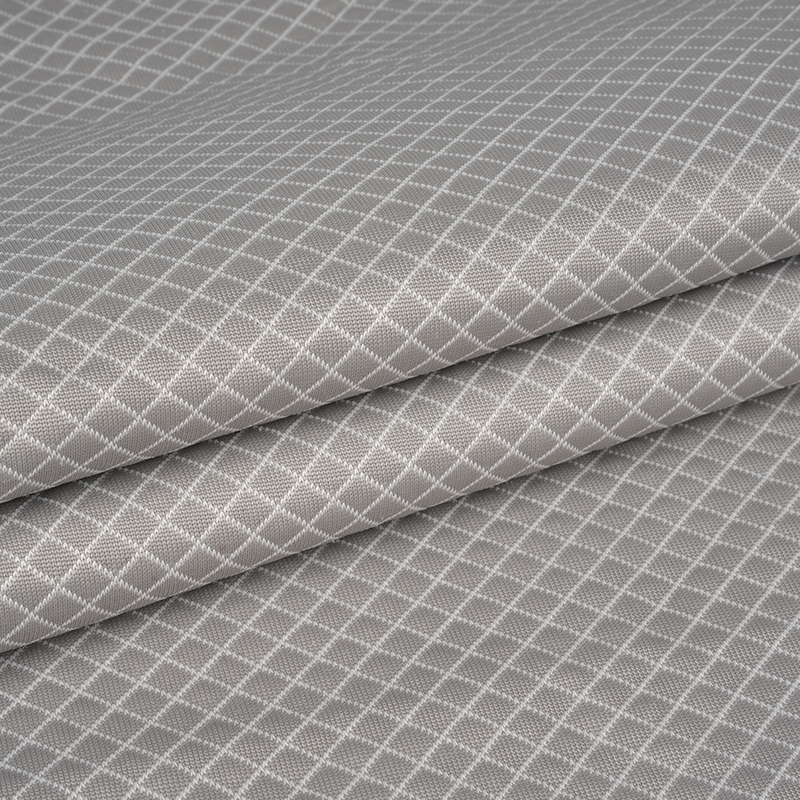
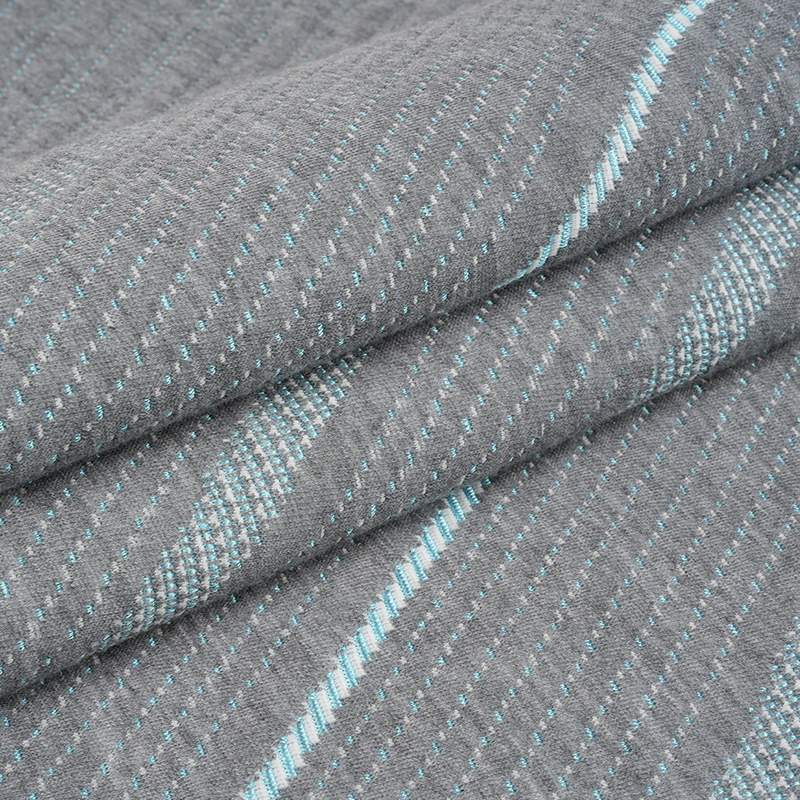
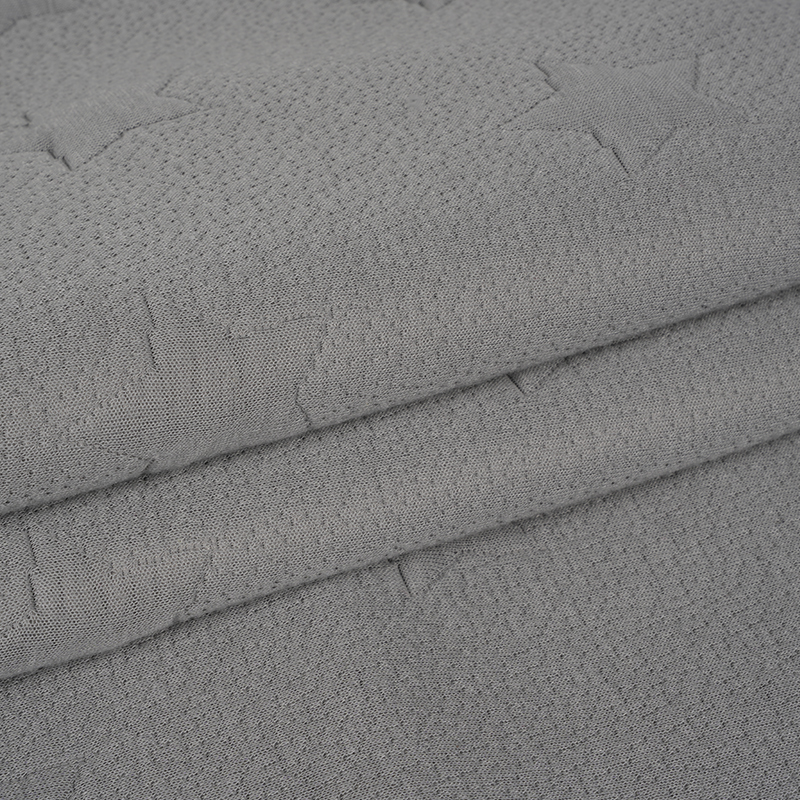
Graphene Children Mattress Fabric
Graphene Children Mattress Fabric
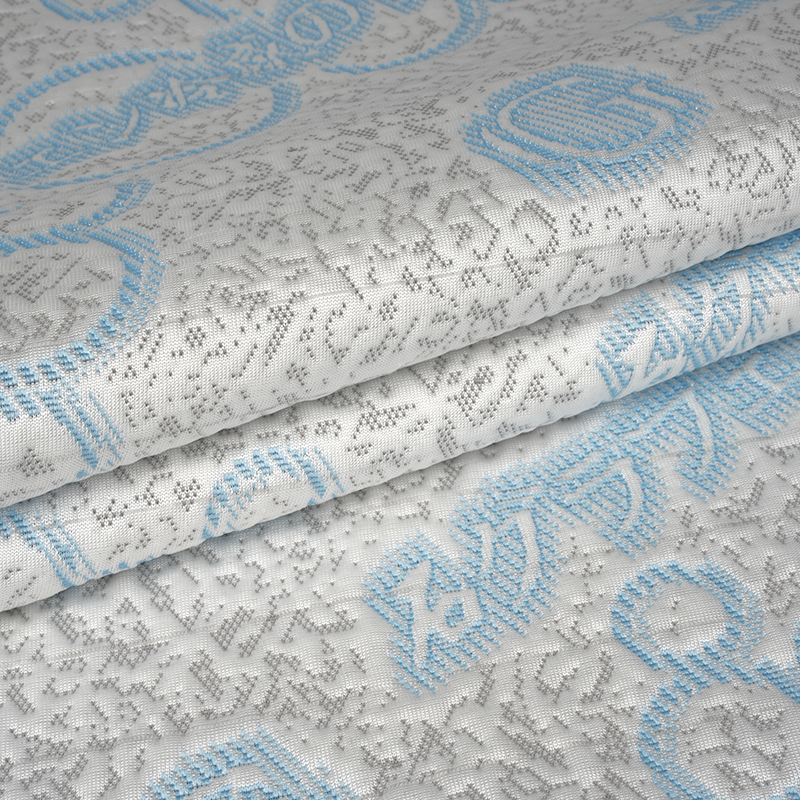
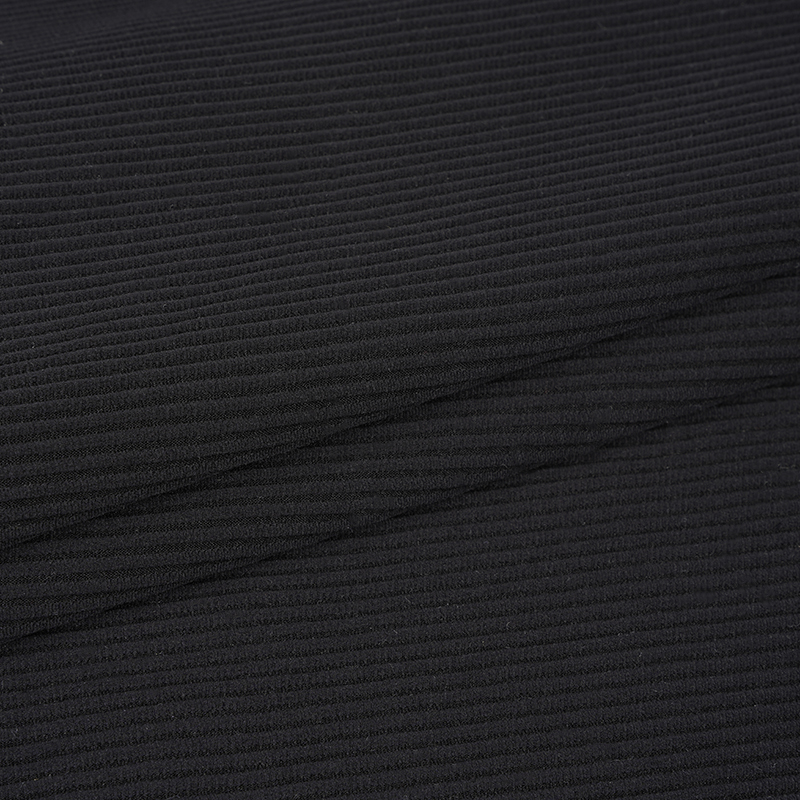
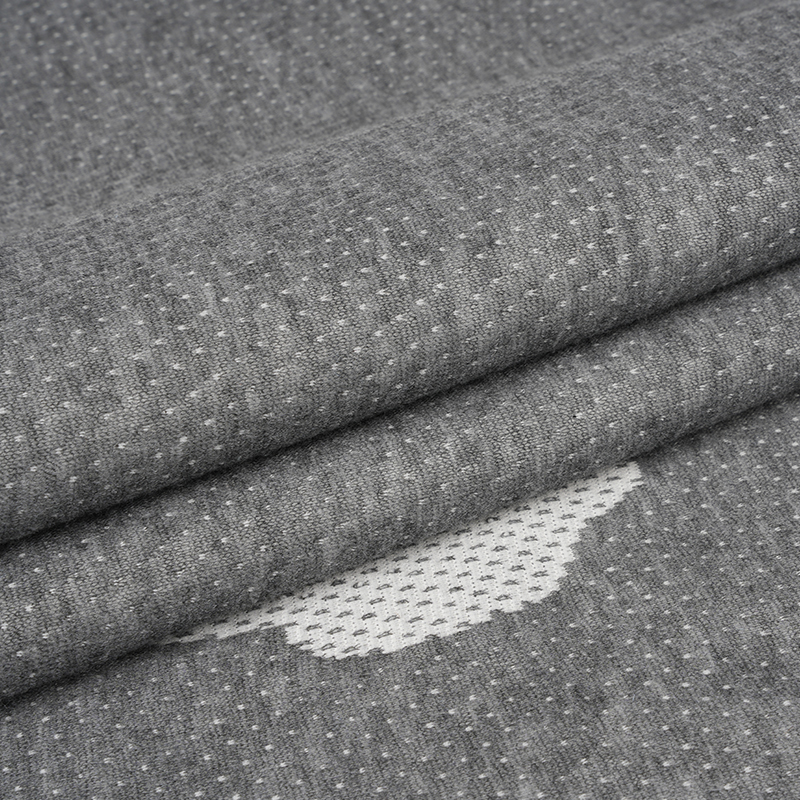
Haven’t Found The Products You Want?
-
-
Shen Jinyan:+86-15158070676
[email protected]
Liang Jinwen:+86-15757186621
[email protected]
Qiu Yingyingn:+86-13819545790
[email protected]
Yi qiao Town, Xiaoshan District, Hangzhou City, Zhejiang Province, China
-
Products
Mattress Fabric Children Mattress Fabric Pillowcase Fabric Pregnancy Pillow Fabric Cooling Mat Fabric Bedding Fabric Sofa Fabric Pet Friendly Fabrics -
Contact Information
About Us Products Strength Sustainability News Contact Us
Copyright © Hangzhou Xinsili Decorative Fabric Weaving Co.,Ltd. All Rights Reserved.
Functional Decorative Textile Manufacturers
