

 English
 中文简体
中文简体 Español
 عربى
عربى русский


Bamboo Fiber Pregnancy Pillow Fabric: A Functional Textile for Comfortable, Hygienic, and Sustainable Sleep Products
Content
- 1 Introduction
- 2 What Is Bamboo Fiber Pregnancy Pillow Fabric?
- 3 Why Fabric Selection Matters in Pregnancy Pillows
- 4 Key Advantages of Bamboo Fiber Pregnancy Pillow Fabric
- 5 Comparison with Conventional Pregnancy Pillow Cover Fabrics
- 6 Advanced Manufacturing Strengths
- 7 Customization Options for Different Pregnancy Pillow Products
- 8 Product Applications
- 9 Quality and Performance Considerations
- 10 Sustainability and Responsible Textile Development
- 11 Why Choose an Experienced Functional Textile Manufacturer?
- 12 Recommended Development and Purchasing Process
- 13 Advantages for Brands and Distributors
- 14 Care and Maintenance Guidance
- 15 Frequently Asked Questions
- 15.1 What is Bamboo Fiber Pregnancy Pillow Fabric used for?
- 15.2 Is bamboo fiber fabric suitable for direct skin contact?
- 15.3 Does bamboo fiber fabric keep the user cool?
- 15.4 Can the fabric be washed repeatedly?
- 15.5 Can the fabric be customized in color?
- 15.6 Can different fiber blends be requested?
- 15.7 Is the fabric suitable for U-shaped and C-shaped pregnancy pillows?
- 15.8 Can antibacterial or other functional finishes be added?
- 15.9 What makes this fabric different from ordinary polyester fabric?
- 15.10 Why work with an experienced manufacturer?
- 15.11 What information should buyers provide when requesting a quotation?
- 16 Conclusion
- 17 References
- 18 Product: Bamboo Fiber Pregnancy Pillow Fabric
Introduction
Pregnancy pillows are designed to provide full-body support during a period when ordinary bedding products may no longer offer sufficient comfort. As the abdomen grows and sleeping positions change, expectant mothers often need additional support around the waist, abdomen, hips, knees, back, and neck. The fabric used for a pregnancy pillow cover plays an important role in the overall experience. It affects softness, breathability, moisture management, skin comfort, appearance, durability, washing performance, and the perceived quality of the finished pillow.
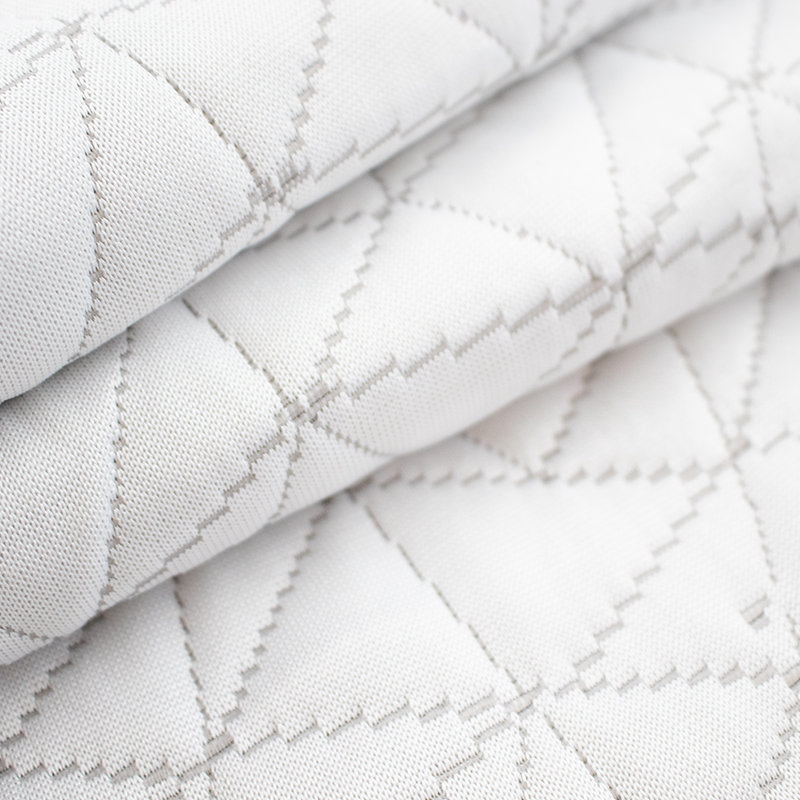
Bamboo Fiber Pregnancy Pillow Fabric is a functional decorative textile developed for pregnancy pillows, maternity cushions, nursing pillows, and other comfort-focused bedding products. It combines the soft hand feel associated with bamboo-based fibers with the practical requirements of modern home textiles. When properly designed and manufactured, this type of fabric can provide a smooth surface, comfortable contact with the skin, effective moisture handling, and a fresh, clean feeling for prolonged use.
Hangzhou Xinsili Decorative Fabric Weaving Co., Ltd. specializes in the research, development, and manufacturing of decorative and functional textiles. With 19 years of industry experience, a factory area of approximately 12,000 square meters, and recognition as a National High-Tech Enterprise in 2023, the company provides fabric solutions for residential, hotel, and commercial environments. Its product development philosophy combines craftsmanship-driven manufacturing, design innovation, stable production, and practical functional performance.
This article examines the material characteristics, application value, manufacturing strengths, customization possibilities, quality considerations, and competitive advantages of Bamboo Fiber Pregnancy Pillow Fabric. It is intended for bedding brands, pregnancy pillow manufacturers, wholesalers, retailers, hospitality buyers, product designers, and sourcing professionals seeking a dependable textile for comfort-oriented products.
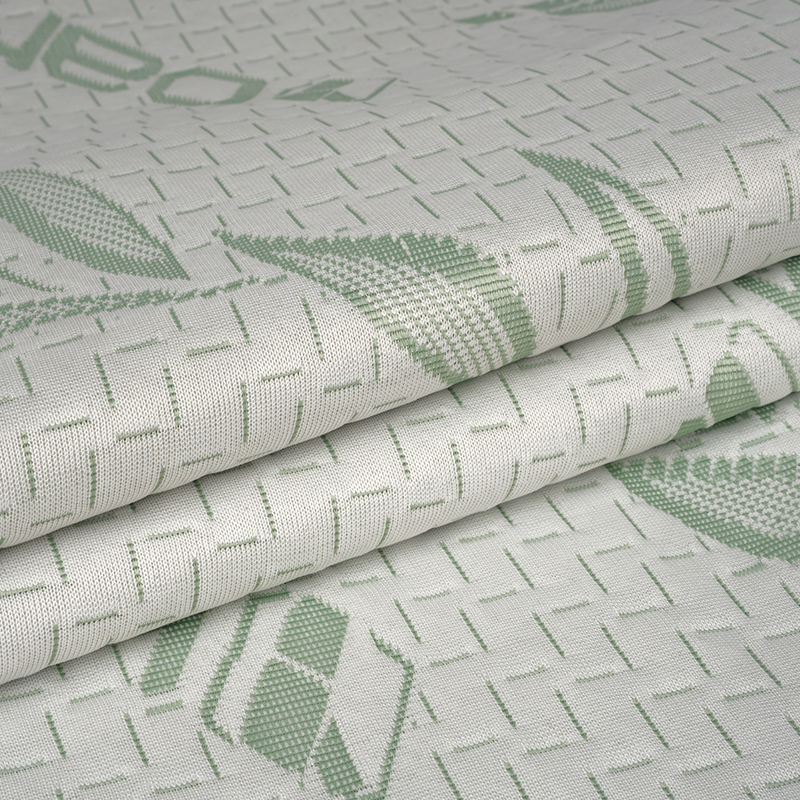
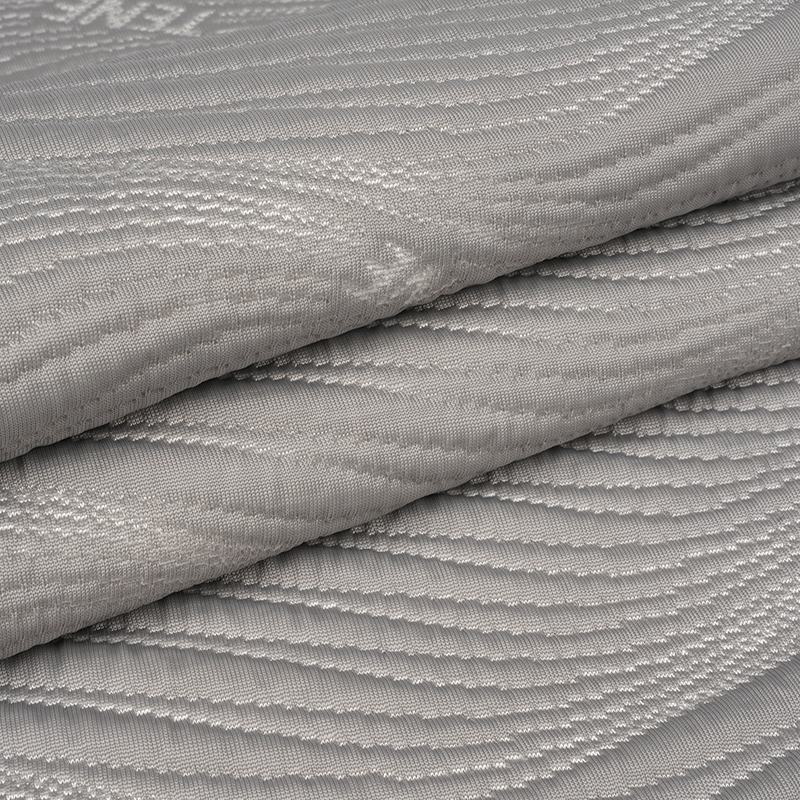
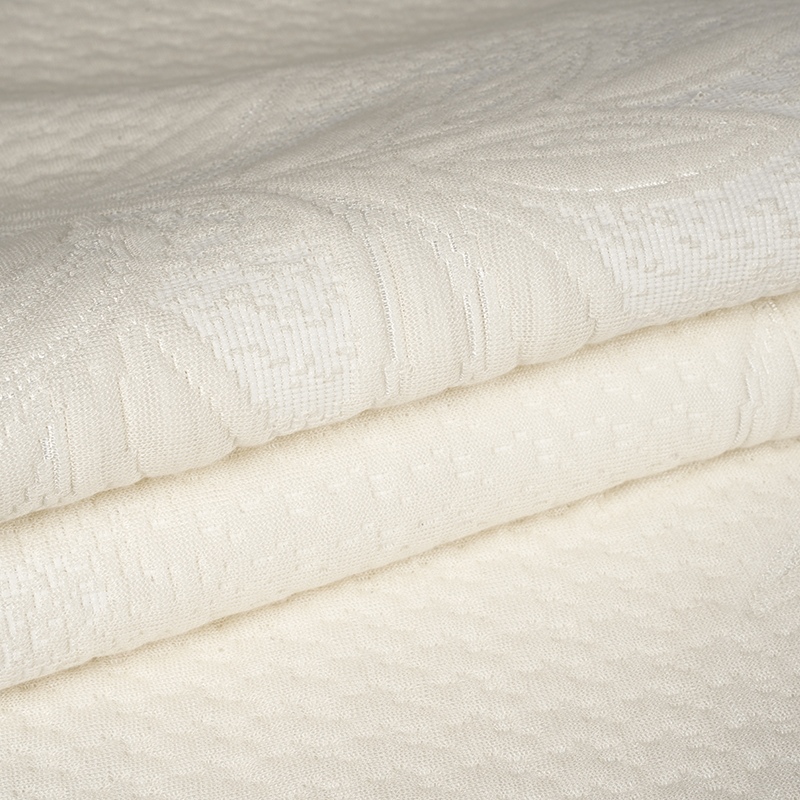
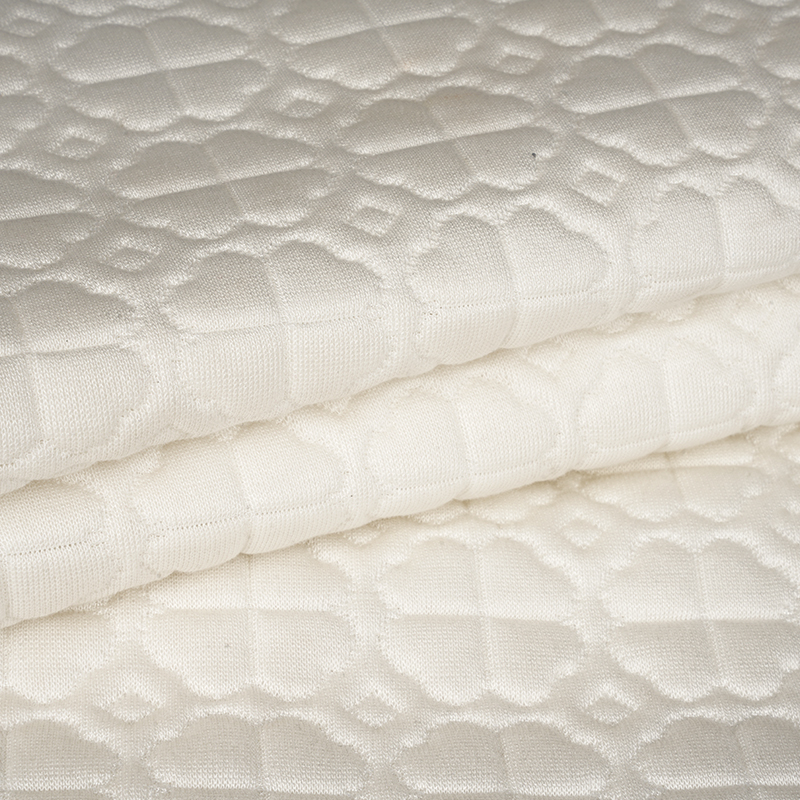
Bamboo Fiber Pregnancy Pillow Fabric
What Is Bamboo Fiber Pregnancy Pillow Fabric?
Bamboo Fiber Pregnancy Pillow Fabric is a fabric designed for the outer cover or finished surface of a pregnancy pillow, using bamboo-based fiber content as an important part of its material concept. Depending on the required performance, production method, and customer specification, bamboo fiber may be used alone or blended with other fibers. The final textile can be developed in different constructions, weights, textures, colors, and finishing styles to suit a particular pillow design.
The fabric is not simply a decorative layer. A pregnancy pillow cover must perform several functions at the same time. It should feel pleasant against sensitive skin, maintain a comfortable temperature, resist excessive moisture accumulation, remain attractive after repeated washing, and support the structural appearance of the pillow. It must also be suitable for sewing, zipper installation, edging, piping, quilting, embroidery, printing, or other finishing processes.
Pregnancy pillows are commonly used for extended periods, often every night and sometimes during daytime rest. This repeated contact makes fabric selection especially important. A rough, poorly breathable, or unstable fabric may reduce user satisfaction even when the internal pillow filling is well designed. In contrast, a well-developed bamboo fiber textile can improve the perceived quality and usability of the complete product.
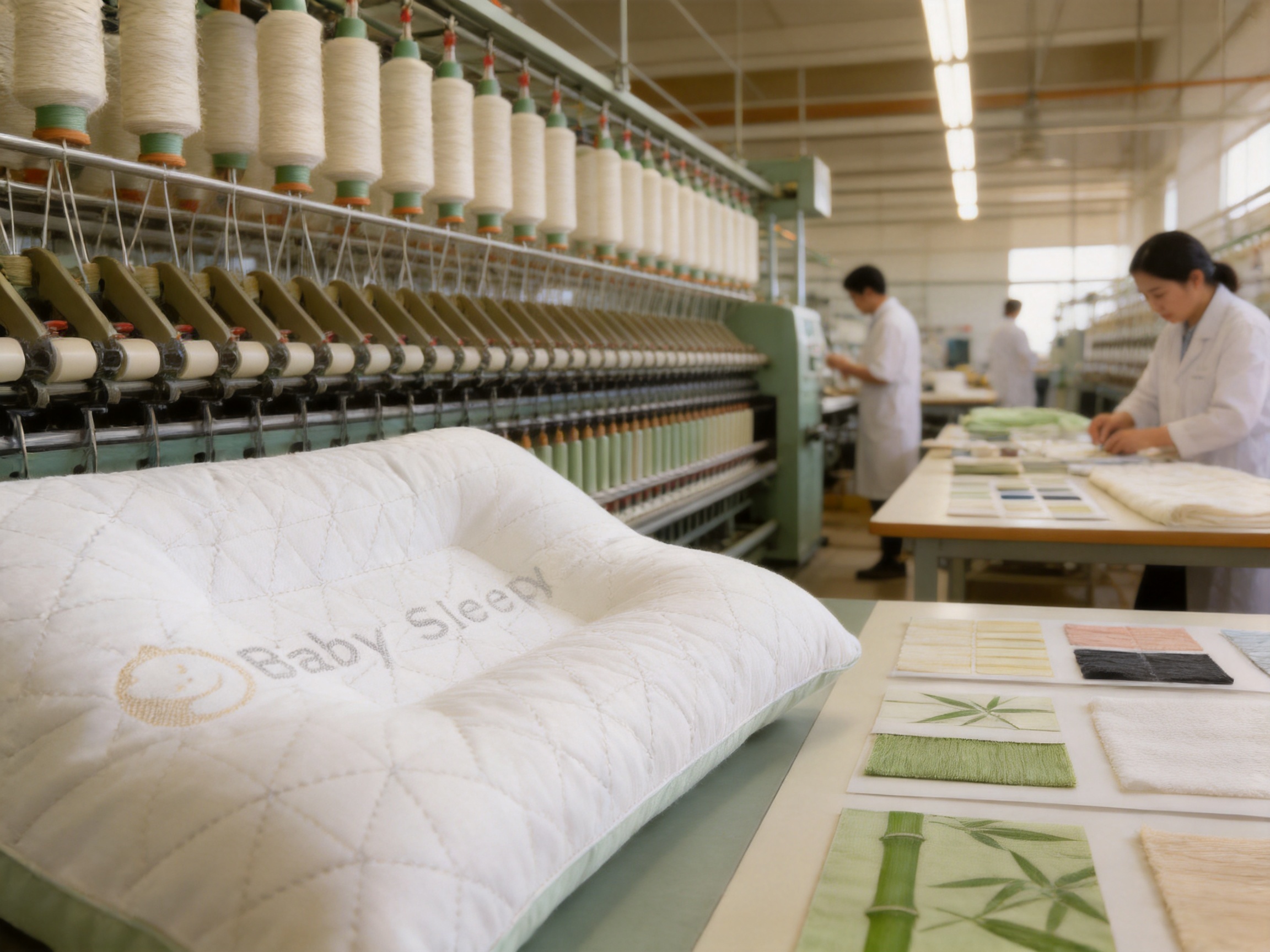
The material is suitable for several pillow formats, including full-length body pillows, U-shaped pregnancy pillows, C-shaped maternity pillows, J-shaped support pillows, wedge pillows, nursing support pillows, and multipurpose side-sleeping cushions. It can also be used in coordinated bedding collections, pillowcases, mattress accessories, cooling products, and selected decorative home textile applications.
Why Fabric Selection Matters in Pregnancy Pillows
Pregnancy pillows are used in direct contact with the body. During pregnancy, users may experience increased sensitivity to heat, perspiration, pressure, and friction. Fabric that feels acceptable on an ordinary cushion may not provide the same level of comfort when wrapped around the torso or placed between the knees for many hours.
Surface softness is one of the first qualities noticed by the user. A smooth, gentle fabric can make the pillow feel more inviting and reduce the sensation of irritation. This is particularly valuable for users who prefer to sleep in lightweight clothing or who have sensitive skin. The hand feel also influences product reviews, repeat purchases, and brand perception.
Breathability is another major consideration. A large pregnancy pillow can cover a significant area of the body and may retain warmth if its cover is dense, poorly ventilated, or unsuitable for humid environments. A bamboo-based fabric structure can be developed to support air circulation and improve the sensation of freshness. Actual breathability depends on fiber blend, yarn construction, fabric density, finishing, and the design of the complete pillow cover.
Moisture management is closely connected to comfort. Sleep environments may become warm, and users may perspire more easily during pregnancy. A fabric capable of absorbing and releasing moisture appropriately can help reduce the clammy feeling associated with prolonged contact. This does not mean that the fabric eliminates perspiration or replaces climate control; rather, it contributes to a more comfortable microenvironment at the surface of the pillow.
Washability is equally important. Pregnancy pillow covers are exposed to skin oils, perspiration, cosmetics, household dust, and accidental spills. A removable cover that can be washed repeatedly is therefore a valuable product feature. The fabric should be selected and finished with laundering requirements in mind, including dimensional stability, color retention, seam performance, pilling resistance, and surface appearance after care.
Key Advantages of Bamboo Fiber Pregnancy Pillow Fabric
Soft and Skin-Friendly Hand Feel
Bamboo-based fibers are widely valued for their soft and smooth touch. In a pregnancy pillow application, this softness helps create a comfortable contact surface around the abdomen, waist, legs, shoulders, and neck. The fabric can be developed with a refined hand feel that is suitable for premium maternity products and wellness-oriented bedding collections.
Compared with some conventional coarse upholstery or low-grade bedding fabrics, a carefully manufactured bamboo fiber textile can provide a more delicate surface. This difference is especially noticeable when the pillow is used directly against the skin. A pleasant hand feel may also reduce the need for an additional blanket or towel layer, helping the user enjoy the intended design of the pillow.
Breathable Comfort for Extended Use
Pregnancy pillows are often large, enveloping products. Their fabric should therefore support comfortable temperature management rather than creating a heavy or stuffy sensation. Bamboo fiber fabric can be engineered with a suitable construction that supports air exchange and helps the surface feel less congested during use.
The actual result depends on the entire specification. Fiber content, yarn size, knit or woven construction, fabric weight, finishing treatment, and pillow filling all influence thermal comfort. This is why professional fabric development is important. Rather than relying on a generic bamboo label, buyers should evaluate the complete textile construction and its suitability for the intended product.
Moisture Management
A comfortable pregnancy pillow should remain pleasant in different seasons and indoor environments. Bamboo-based fibers can contribute to moisture absorption and moisture release, helping manage the surface sensation caused by perspiration. This characteristic can be valuable in warm climates, humid regions, and homes without constant air conditioning.
Moisture management is also relevant to perceived hygiene. A fabric that dries efficiently after washing and does not remain unpleasantly damp can improve the practicality of routine care. However, moisture management should be considered together with washing instructions, drying conditions, fabric finishing, and the absorbency of the filling material.
Freshness and Hygiene-Oriented Product Positioning
Functional textiles are increasingly selected for bedding products because consumers want more than attractive colors and soft surfaces. They are also interested in freshness, cleanliness, comfort, and healthy living spaces. Bamboo Fiber Pregnancy Pillow Fabric can support a hygiene-oriented product concept through its material story, smooth surface, moisture-related comfort, and compatibility with regular cleaning.
Where additional functional treatment is required, the fabric can be evaluated for appropriate antibacterial or odor-control finishing, subject to customer specifications, testing requirements, and applicable regulations. Any performance claim should be supported by relevant testing rather than assumed solely from the presence of bamboo fiber. This responsible approach allows manufacturers and brands to communicate product benefits accurately.
Suitable for Sensitive-Use Products
Maternity and pregnancy products are associated with comfort, care, and personal wellbeing. A textile with a soft, smooth, and breathable surface is therefore more suitable for this market than a fabric selected only for low price. Bamboo fiber fabric can help brands create a more reassuring product experience, particularly when combined with careful sewing, safe accessories, washable construction, and clear care instructions.
Attractive Appearance and Decorative Flexibility
Pregnancy pillows are increasingly sold as part of coordinated bedroom interiors rather than as purely medical or functional accessories. The fabric can be developed in neutral colors, soft pastel shades, modern solids, subtle patterns, textured surfaces, or coordinated collections. This flexibility allows a manufacturer to match the product with contemporary bedding, nursery décor, hotel interiors, and lifestyle-oriented packaging.
A refined textile appearance can also support premium positioning. Even when the pillow filling remains simple, an attractive cover can make the product feel more complete and giftable. Fabric design may include color matching, jacquard effects, printed motifs, embossed surfaces, piping coordination, or combination panels, depending on the product concept and production method.
Compatibility with Removable and Washable Covers
Many pregnancy pillows use removable covers with zippers or other closures. Bamboo Fiber Pregnancy Pillow Fabric can be developed for cover manufacturing, provided that the selected construction is compatible with cutting, sewing, turning, closure installation, and repeated laundering.
For large U-shaped or C-shaped covers, dimensional stability is especially important. If the fabric shrinks unevenly, the cover may become difficult to reinstall or may distort the shape of the pillow. Proper pre-treatment, controlled finishing, and recommended care instructions help reduce these risks.
Comparison with Conventional Pregnancy Pillow Cover Fabrics
Conventional pregnancy pillow covers may be made from cotton, polyester, rayon, blended jersey, microfiber, fleece, or other textile constructions. Each material has advantages and limitations. Cotton is familiar and comfortable but may require careful control of shrinkage and drying. Polyester can provide strength, color stability, and cost efficiency but may feel less natural or less breathable depending on construction. Microfiber can be smooth and easy to care for but may retain heat if the structure is too dense.
Bamboo fiber fabric occupies a useful position between comfort, functional performance, and sustainability-oriented product design. It can deliver a soft hand feel while supporting a natural-material narrative. It can also be blended or engineered to improve durability, elasticity, recovery, or production efficiency.
| Evaluation Area | Bamboo Fiber Pregnancy Pillow Fabric | Possible Conventional Alternative | Product Benefit |
|---|---|---|---|
| Surface comfort | Soft and smooth when properly developed | Varies from smooth to coarse depending on fiber and construction | Improved direct-contact comfort |
| Breathability | Can be engineered for a comfortable, ventilated surface | Depends strongly on density and fiber type | More comfortable use during extended periods |
| Moisture handling | Suitable for moisture-oriented comfort development | May range from absorbent to moisture-resistant | Fresher surface sensation |
| Appearance | Can support soft, modern, and premium textile aesthetics | Wide variation by material and finishing | Flexible branding and interior coordination |
| Washable cover compatibility | Suitable when dimensional stability is controlled | Performance depends on construction and finishing | Practical maintenance for home users |
| Sustainability positioning | Supports bamboo-based and environmentally conscious product concepts | Depends on fiber origin and manufacturing process | Appeal to responsible-consumption markets |
| Customization | Can be developed in different weights, colors, textures, and blends | Also customizable, depending on supplier capabilities | Better alignment with brand requirements |
The most important competitive advantage is not a single material label. It is the combination of fiber selection, textile engineering, manufacturing control, finishing quality, and application knowledge. A bamboo fiber fabric with inconsistent construction may not outperform a well-made alternative. For this reason, buyers should assess sample quality, test performance, factory capability, and production consistency together.
Advanced Manufacturing Strengths
Research and Development Experience
Hangzhou Xinsili Decorative Fabric Weaving Co., Ltd. has approximately 19 years of experience in the textile industry. This experience supports a practical understanding of yarn behavior, fabric construction, finishing requirements, quality control, and customer application needs. Long-term experience is particularly valuable for functional textiles because performance often depends on many small process decisions rather than on fiber selection alone.
The company focuses on innovative research, development, and precision manufacturing of decorative and functional fabrics. Its product portfolio serves home, hotel, and commercial environments, where textiles must combine appearance, performance, durability, and stable supply. This broad application background helps support the development of pregnancy pillow fabrics that are both attractive and suitable for repeated daily use.
Integrated Functional Textile Development
The company’s development direction includes antibacterial, moisture-resistant, flame-retardant, sleep-supporting, and comfort-improving textile functions. Not every function is required for every pregnancy pillow fabric, and the final specification should be determined by the customer’s product positioning. Nevertheless, this functional development experience provides a strong technical foundation for comfort-focused bedding materials.
For example, a customer may require a soft bamboo-based fabric with enhanced moisture management, while another may prioritize easy care, color consistency, or a particular decorative texture. A hotel or healthcare-related buyer may have different requirements from a consumer bedding brand. The ability to discuss these requirements at the fabric-development stage can reduce the risk of selecting an attractive textile that later performs poorly during sewing or laundering.
Controlled Weaving and Fabric Formation
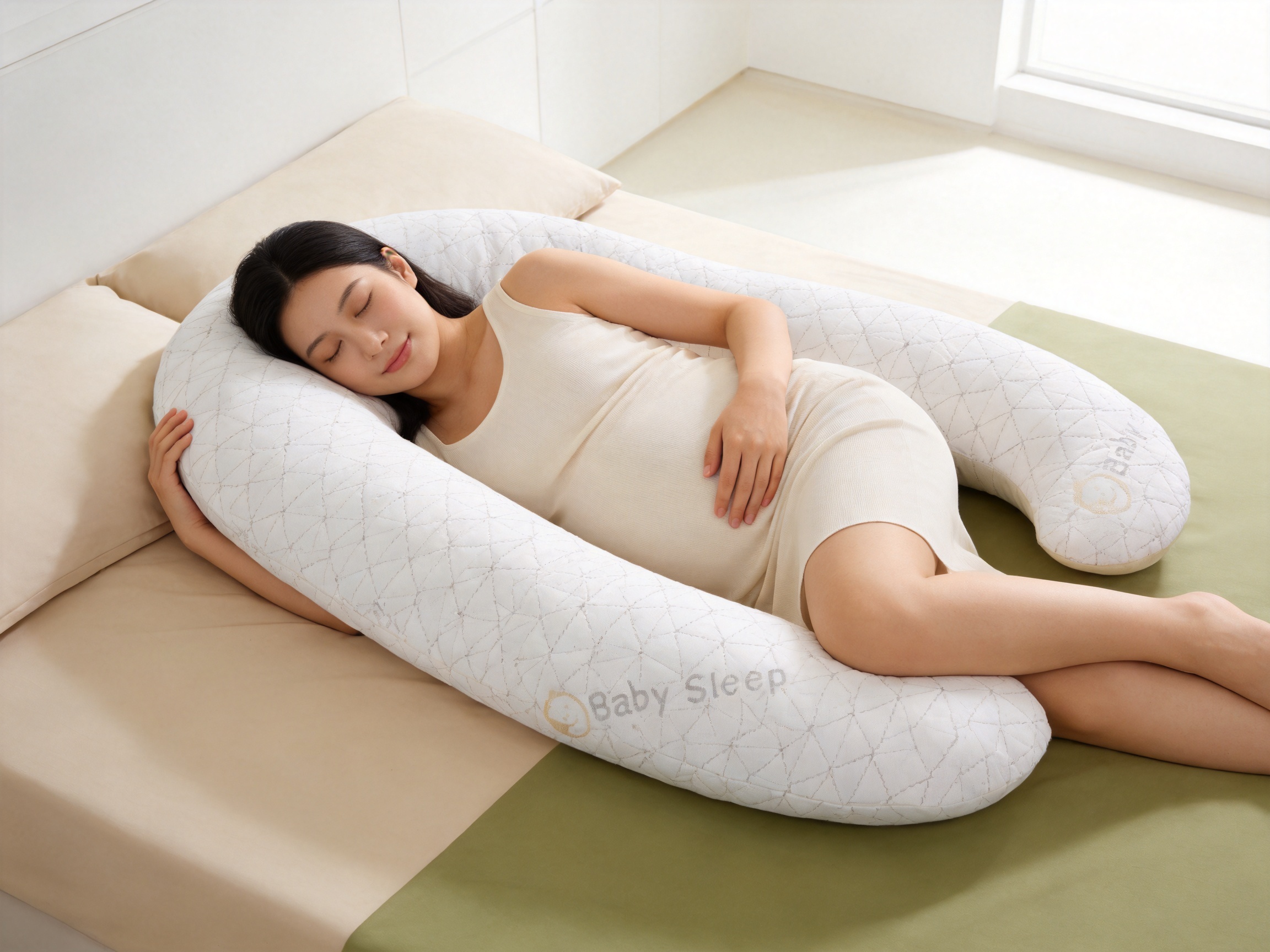
Fabric quality begins with the control of raw materials and yarns. Bamboo-based yarns can vary in fineness, strength, blend ratio, surface character, and processing behavior. A professional manufacturing process evaluates these factors before large-scale weaving or knitting begins. Proper yarn preparation helps reduce defects and supports more uniform fabric formation.
During fabric formation, machine settings, tension control, density, and production speed influence the final appearance and physical performance. Excessive tension may lead to distortion or reduced elasticity, while insufficient control can create unevenness, loops, streaks, or unstable dimensions. Precision manufacturing aims to keep the textile consistent across the production width and from one production batch to the next.
For pregnancy pillow covers, fabric formation must also consider the product pattern. Large curved covers require reliable cutting and sewing performance. If the textile stretches unpredictably or shifts excessively during cutting, it may be difficult to maintain accurate shape. Stable fabric construction therefore contributes directly to the finished pillow’s appearance.
Finishing and Surface Optimization
Finishing processes can significantly affect softness, smoothness, appearance, dimensional stability, and care performance. Depending on the fabric construction and customer requirements, finishing may include washing, drying, heat setting, brushing, calendaring, softening, or other controlled treatments.
The objective is not simply to make the fabric feel soft immediately after production. The surface should remain comfortable after appropriate washing and use. Over-finishing may create a temporary hand feel while reducing long-term performance or causing unwanted coating effects. A balanced process seeks to achieve a pleasant surface without sacrificing stability, breathability, or durability.
Functional finishes must also be selected responsibly. If a fabric is promoted as antibacterial, flame retardant, moisture resistant, or otherwise performance-enhanced, the treatment should be appropriate for the intended use and verified through relevant testing. Clear technical communication between the buyer and manufacturer is essential.
Quality Inspection and Batch Consistency
Reliable supply requires more than producing one good sample. Pregnancy pillow brands often need repeat orders in the same color, construction, and performance range. Batch-to-batch consistency affects product appearance, cutting efficiency, customer reviews, and inventory management.
Quality inspection may include checks for visual defects, color variation, width, weight, dimensional change, pilling, seam slippage, surface uniformity, and other properties relevant to the order. The precise inspection plan should be agreed upon before production. Reference samples, approved color standards, and written specifications can help create a clear basis for acceptance.
A stable manufacturing system also helps reduce avoidable waste. Accurate process control can limit defective rolls, rework, and material loss. This contributes to more efficient production and supports the sustainability objectives associated with bamboo-based textile products.
Factory Scale and Supply Capability
With a factory area of approximately 12,000 square meters, the company has a substantial manufacturing base for developing and producing decorative and functional fabrics. Factory scale can support organized material handling, production planning, inspection, finishing, packaging, and order coordination.
For international buyers, supply capability is important because the fabric must arrive in a condition suitable for cutting and further manufacturing. Proper roll packaging, labeling, batch identification, and documentation can improve warehouse control and reduce confusion during production. These operational details are especially useful for brands managing several colors, constructions, or seasonal collections.
Customization Options for Different Pregnancy Pillow Products
Fiber Blends
The desired fiber composition depends on the balance between softness, durability, stretch, price, appearance, and care performance. A bamboo-based fabric may be blended with other fibers when the application requires improved resilience, elasticity, strength, or dimensional stability. The blend should be selected according to the finished product rather than based only on marketing language.
For a close-fitting removable cover, a modest level of elasticity may simplify installation and improve fit. For a structured decorative cover, a more stable construction may be preferable. The supplier and buyer can evaluate sample fabrics against the pillow pattern and intended use.
Fabric Weight and Thickness
Different pillow formats may require different fabric weights. A lightweight fabric can provide a soft, breathable cover, while a heavier construction may create a more substantial premium appearance. Weight also affects sewing behavior, drying time, drape, and package volume.
The appropriate choice depends on the internal filling and the desired hand feel. A bulky pillow may benefit from a fabric that is flexible enough to follow curves without excessive strain. A compact wedge pillow may accommodate a more structured textile. Sample testing is recommended before confirming mass production.
Colors and Decorative Effects
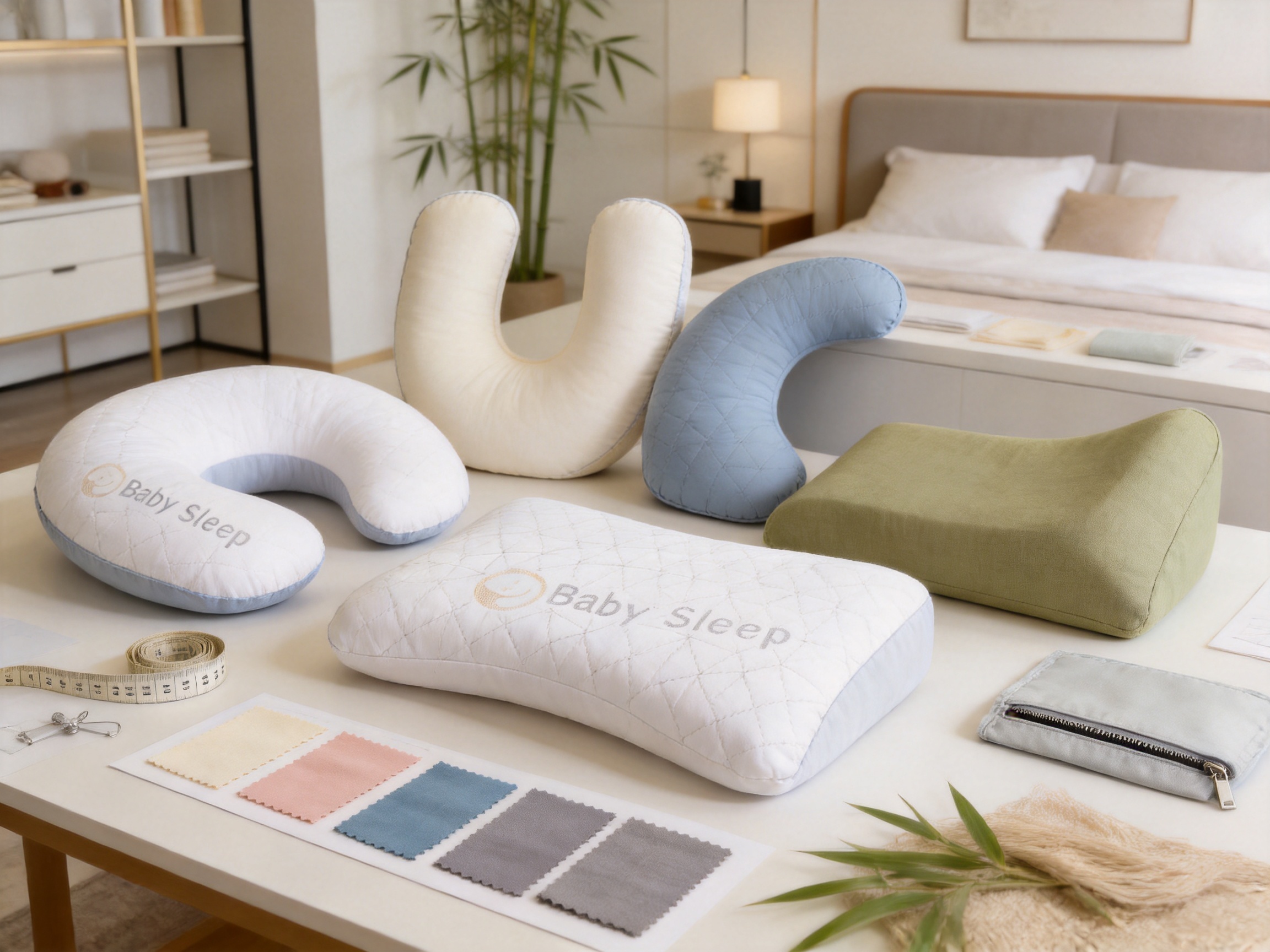
Pregnancy products are often offered in calming colors such as cream, beige, gray, blush, muted blue, sage, or other soft tones. However, the best color range depends on the target market and brand identity. Xinsili’s decorative textile focus supports the development of fabrics that combine functional performance with coordinated visual design.
Customers may request solid colors, subtle textures, printed designs, jacquard effects, or coordinated fabric combinations. Color matching should be confirmed with physical standards because screen displays and digital images cannot fully represent textile color under different lighting conditions.
Surface Texture
A smooth surface may be preferred for sensitive skin and easy cleaning, while a lightly textured surface can create visual depth and a more decorative appearance. Brushed or peach-skin effects may provide additional softness, but they should be assessed for pilling, lint release, and long-term appearance.
Texture selection should also reflect the product’s care instructions. A fabric with a delicate raised surface may require more careful laundering than a smooth, compact construction. Clear communication helps ensure that the final textile matches the expectations of both the manufacturer and the consumer.
Printing, Embroidery, and Branding
Pregnancy pillow covers can be customized with patterns, logos, woven labels, embroidered details, or other brand elements. Fabric suitability for printing and embroidery depends on surface structure, color, density, and stability. Testing is important to confirm that decorative details do not compromise softness or create uncomfortable areas against the body.
Branding should be placed thoughtfully. A label or decorative feature located near the neck, abdomen, or legs may affect comfort. Interior seams, care labels, and closures should be designed to minimize irritation during extended use.
Product Applications
The primary application is the outer cover of pregnancy pillows. The material is suitable for pillow manufacturers that want to offer a soft and functional surface for side sleepers and expectant mothers. It can be used for both basic and premium product lines, depending on the selected construction and customization level.
The fabric may also be used for nursing pillows and infant-care support cushions, subject to the specific safety requirements of the target market. In these applications, washability, colorfastness, seam performance, and careful accessory selection are particularly important.
Other potential applications include maternity body cushions, lumbar support pillows, leg support pillows, reading cushions, travel pillows, and wellness-oriented bedding accessories. Coordinating the fabric across several products can help a brand create a unified maternity or sleep collection.
Because the company manufactures decorative and functional textiles for broader home environments, the fabric concept may also be adapted for pillowcases, mattress accessories, bedding panels, sofa cushions, and selected pet-friendly textile products. The final suitability should always be confirmed through application-specific testing.
Quality and Performance Considerations
Dimensional Stability
Dimensional stability is critical for removable pregnancy pillow covers. The fabric should be evaluated for shrinkage and distortion after washing according to the intended care instructions. A cover that changes significantly in size may become difficult to reinstall or may create excessive pressure on the pillow filling.
Testing should consider lengthwise and widthwise change, appearance after drying, and behavior around curved seams. Pre-treatment and finishing can improve stability, but the correct consumer care method must also be communicated on the label.
Colorfastness
Colorfastness affects the perceived quality and service life of the product. Pregnancy pillow covers may be washed frequently, exposed to perspiration, or placed near light-colored bedding. Color should remain stable under the expected conditions of use.
Relevant evaluations may include colorfastness to washing, rubbing, perspiration, and light, depending on the product category and market requirements. Darker or highly saturated colors may require additional attention during development.
Pilling and Abrasion Resistance
The cover may experience friction from clothing, sheets, washing machines, and repeated movement. Pilling or surface wear can reduce comfort and make the pillow appear old before the filling loses its function. The required resistance level depends on the product’s price range and intended service life.
Testing fabric samples before bulk production helps identify whether the chosen softness treatment or surface texture creates an increased risk of pilling. A balance must be found between a luxurious hand feel and sufficient durability.
Seam and Closure Performance
Fabric performance does not exist separately from sewing performance. Large pregnancy pillow covers often include curved panels, long seams, zippers, elastic sections, piping, or internal partitions. The textile should be evaluated for needle penetration, seam slippage, fraying, stretch recovery, and compatibility with the selected sewing method.
Closures should operate smoothly without damaging the fabric. The zipper area may require reinforcement, especially when the cover is tight around a bulky filling. Pattern engineering and fabric selection should be considered together.
Skin Contact and Chemical Management
Because the fabric is used in close contact with the body, buyers should request appropriate information about fiber content, dyes, finishing agents, and relevant compliance documentation. Requirements vary by destination market. A responsible supplier should be able to discuss material composition and testing expectations clearly.
Claims such as “skin friendly,” “safe,” “antibacterial,” or “eco-friendly” should be supported by appropriate evidence and used in accordance with applicable advertising and textile regulations. This protects both the end consumer and the brand.
Sustainability and Responsible Textile Development
Bamboo fiber is attractive to many buyers because bamboo is a rapidly renewable plant resource and supports an environmentally conscious product narrative. However, sustainability should be evaluated across the complete textile lifecycle. Fiber processing, chemical use, energy consumption, dyeing, finishing, transportation, product lifespan, and end-of-life treatment all influence the environmental profile.
A durable fabric that remains attractive after many washes may reduce replacement frequency. A washable removable cover can extend the useful life of the pillow by allowing the surface layer to be cleaned or replaced separately from the filling. Efficient production and careful quality control can also reduce waste during manufacturing.
Responsible development means avoiding exaggerated environmental claims. Buyers may request information about fiber origin, production methods, relevant certifications, wastewater management, packaging, and factory practices. These subjects can be discussed during sourcing and incorporated into the product specification where appropriate.
Xinsili’s emphasis on environmentally friendly decorative fabric solutions aligns with the growing demand for safer, healthier, and more sustainable living spaces. Its focus on stable, practical, and reliable products provides a useful foundation for brands that want sustainability to be connected with real product performance rather than used only as a marketing slogan.
Why Choose an Experienced Functional Textile Manufacturer?
Choosing a fabric supplier involves more than comparing quoted prices. A manufacturer with experience in functional decorative textiles can help identify potential problems before they reach the sewing factory or the consumer. This includes selecting suitable yarns, controlling fabric density, managing finishing, evaluating color, and recommending care instructions.
An experienced supplier can also support product differentiation. Many pregnancy pillows have similar shapes and fillings, so the cover fabric becomes an important way for a brand to create a recognizable identity. A customized bamboo-based textile can help a product stand out through hand feel, color, surface texture, functional positioning, and packaging presentation.
Stable production is equally important. If the fabric supplied for a second order differs noticeably from the first order, the finished pillow may not match existing inventory. Reliable process control, retained standards, production records, and clear communication can improve repeat-order consistency.
Xinsili combines long-term industry experience, a substantial factory base, functional textile development, and a focus on decorative applications. These strengths make it suitable for customers seeking a fabric partner rather than a one-time material seller. The company can serve customers developing products for residential, hospitality, commercial, and specialized bedding environments.
Recommended Development and Purchasing Process
Step One: Define the Finished Product
Before selecting the fabric, the buyer should define the pillow shape, filling type, dimensions, cover construction, target retail level, washing method, sales market, and expected service life. These details affect the best textile specification.
Step Two: Review Initial Samples
Initial samples should be evaluated by hand and through practical use. Reviewers should examine softness, breathability, surface smoothness, color, stretch, drape, thickness, and compatibility with the intended pillow shape. The fabric should be tested not only as a loose swatch but also as a sewn cover where possible.
Step Three: Confirm Technical Requirements
The buyer and manufacturer should agree on fiber composition, width, weight range, color standard, construction, finishing, packaging, inspection method, and care instructions. Any functional claim should be connected to a defined test method and acceptance level.
Step Four: Conduct Application Testing
Application testing may include washing, drying, zipper operation, repeated use, seam evaluation, colorfastness checks, pilling assessment, and dimensional measurement. If the pillow is intended for a special market, additional regulatory or safety evaluations may be required.
Step Five: Approve a Production Standard
A final approved sample, physical color standard, and written specification should be retained as the production reference. This helps reduce misunderstanding during bulk manufacturing and future repeat orders.
Step Six: Monitor Bulk Production
During bulk production, inspection should confirm that the fabric matches the approved standard. Roll identification, batch records, packaging details, and inspection reports can support traceability and warehouse management.
Advantages for Brands and Distributors
For maternity and bedding brands, Bamboo Fiber Pregnancy Pillow Fabric offers a way to build a product story around softness, comfort, moisture management, and responsible material selection. These benefits can be communicated through packaging, online product descriptions, retail displays, and care guides, provided that all claims are accurate and appropriately supported.
For wholesalers and distributors, a versatile fabric can support several product configurations. The same material family may be adapted to different pillow shapes, color collections, or coordinated bedding products. This can simplify sourcing and create a more consistent visual identity across a product range.
For hotels, serviced apartments, wellness facilities, and commercial accommodation providers, comfort-focused fabrics can contribute to a more welcoming room environment. If pregnancy pillows or support cushions are offered as guest amenities, washable and attractive covers may improve hygiene management and presentation.
For product designers, the textile provides a foundation for combining functional performance with interior styling. The fabric can be developed as part of a broader collection rather than treated as an isolated component. This approach is consistent with the company’s wider focus on decorative textiles for beautiful, healthy, comfortable, and sustainable spaces.
Care and Maintenance Guidance
Care instructions should be confirmed according to the final fabric construction and finishing. In general, removable covers should be washed according to the supplier’s approved temperature, detergent, drying, and ironing recommendations. Excessive heat may cause shrinkage or affect surface softness, while unsuitable detergents may reduce color or functional finish performance.
Users should avoid storing a damp cover for long periods. Adequate drying supports freshness and helps preserve the hand feel. Zippers should be closed before washing when recommended, and covers should not be overloaded in the washing machine because large panels may become severely creased or stressed.
Manufacturers should place care labels where they can be read without affecting user comfort. Clear instructions can reduce product returns caused by incorrect washing and help the textile maintain its appearance throughout the intended service life.
Frequently Asked Questions
What is Bamboo Fiber Pregnancy Pillow Fabric used for?
It is primarily used to manufacture removable or sewn covers for pregnancy pillows, maternity body pillows, nursing pillows, support cushions, and related bedding products. It may also be adapted for coordinated pillowcases, bedding accessories, and selected home textile applications.
Is bamboo fiber fabric suitable for direct skin contact?
A properly developed bamboo-based fabric can provide a soft and smooth surface suitable for direct contact. The final suitability depends on the fiber blend, finishing, dyes, construction, and applicable safety requirements. Buyers should request material and compliance information for the intended market.
Does bamboo fiber fabric keep the user cool?
It can contribute to a more breathable and comfortable surface, especially when the fabric construction is designed for air circulation and moisture management. It does not function as an air conditioner, and the final temperature sensation also depends on the pillow filling, room environment, clothing, and bedding.
Can the fabric be washed repeatedly?
It can be developed for washable pregnancy pillow covers, but the correct care method depends on the specific construction and finishing. Buyers should conduct laundering tests and use the supplier’s approved care instructions before finalizing the consumer label.
Can the fabric be customized in color?
Yes. Customers can discuss colors according to their brand identity, product range, and target market. Physical color standards should be approved because digital images may not accurately represent textile color under different lighting conditions.
Can different fiber blends be requested?
Fiber blends may be considered when the product requires a particular balance of softness, elasticity, strength, dimensional stability, appearance, or cost. The suitable blend should be confirmed through sampling and performance testing.
Is the fabric suitable for U-shaped and C-shaped pregnancy pillows?
It can be suitable for these pillow formats when the fabric has appropriate stability, flexibility, and sewing performance. Large curved covers should be tested for cutting accuracy, seam behavior, zipper installation, and ease of fitting over the filling.
Can antibacterial or other functional finishes be added?
Functional finishes may be discussed according to the buyer’s requirements and the intended market. Any antibacterial, moisture-resistant, flame-retardant, or similar claim should be supported by suitable testing and communicated in accordance with applicable regulations.
What makes this fabric different from ordinary polyester fabric?
The main potential differences are the soft hand feel, bamboo-based material positioning, moisture-oriented comfort, and sustainability-focused product story. However, performance depends on the complete construction. A comparison should be made through actual samples and relevant testing rather than fiber names alone.
Why work with an experienced manufacturer?
An experienced manufacturer can assist with material selection, fabric construction, finishing, quality control, repeat-order consistency, and application-specific development. This reduces the risk of receiving a fabric that appears attractive in a swatch but performs poorly during sewing, washing, or long-term use.
What information should buyers provide when requesting a quotation?
Buyers should provide the intended application, estimated quantity, desired fiber composition, color, width, weight, fabric construction, finish, packaging requirements, testing standards, delivery expectations, and any special performance claims. Providing a pillow sample or pattern can also help the manufacturer recommend a more suitable construction.
Conclusion
Bamboo Fiber Pregnancy Pillow Fabric is a practical textile solution for brands and manufacturers seeking to improve the comfort, appearance, and functional positioning of maternity support products. Its soft surface, moisture-oriented comfort, breathable potential, decorative flexibility, and bamboo-based sustainability narrative make it a strong option for modern pregnancy pillow covers.
The true value of the product comes from the combination of material selection and manufacturing control. Stable weaving, careful finishing, dimensional management, quality inspection, and application-specific testing are essential to achieving consistent results. These requirements make an experienced functional textile manufacturer an important partner in product development.
With 19 years of textile industry experience, a factory area of approximately 12,000 square meters, National High-Tech Enterprise recognition in 2023, and a development focus that includes comfort-improving, moisture-resistant, antibacterial, flame-retardant, sleep-supporting, and environmentally friendly textile solutions, Hangzhou Xinsili Decorative Fabric Weaving Co., Ltd. is positioned to support customized fabric projects for pregnancy pillows and related bedding products.
For buyers, the recommended approach is to begin with a clear product brief, evaluate physical samples, confirm technical requirements, conduct application testing, and approve a production standard before bulk manufacturing. When these steps are followed, Bamboo Fiber Pregnancy Pillow Fabric can help create products that are softer, more attractive, easier to maintain, and better aligned with the growing demand for comfortable and responsible living spaces.
References
1. International Organization for Standardization. Textile Testing Principles for Dimensional Stability, Colorfastness, and Surface Performance.
2. International Organization for Standardization. Quality Management Guidelines for Manufacturing and Production Consistency.
3. Association for Contract Textiles. General Considerations for Textile Fiber Selection, Finishing, and End-Use Performance.
4. Textile Institute. Textile Fibres, Yarns, Fabric Construction, and Finishing Technology.
5. United Nations Environment Programme. Sustainable Production and Consumption Considerations for the Textile Industry.
6. Standard references for consumer textile care labeling, fiber identification, and chemical safety compliance in international markets.
Product: Bamboo Fiber Pregnancy Pillow Fabric
Our Featured Products
-
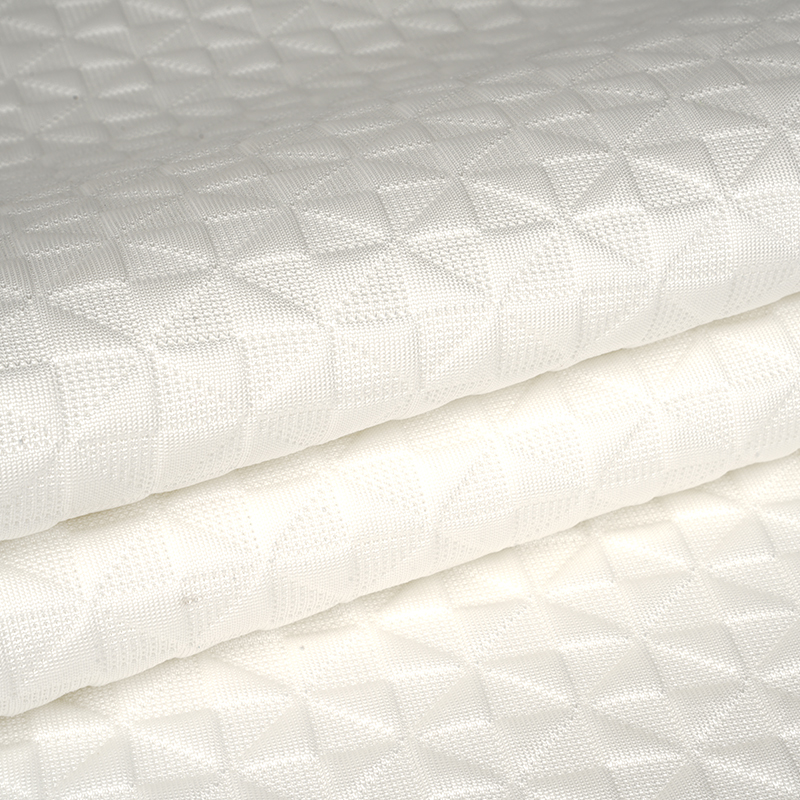
Antibacterial Yarn Pillowcase Fabric
Antibacterial Yarn Pillowcase Fabric
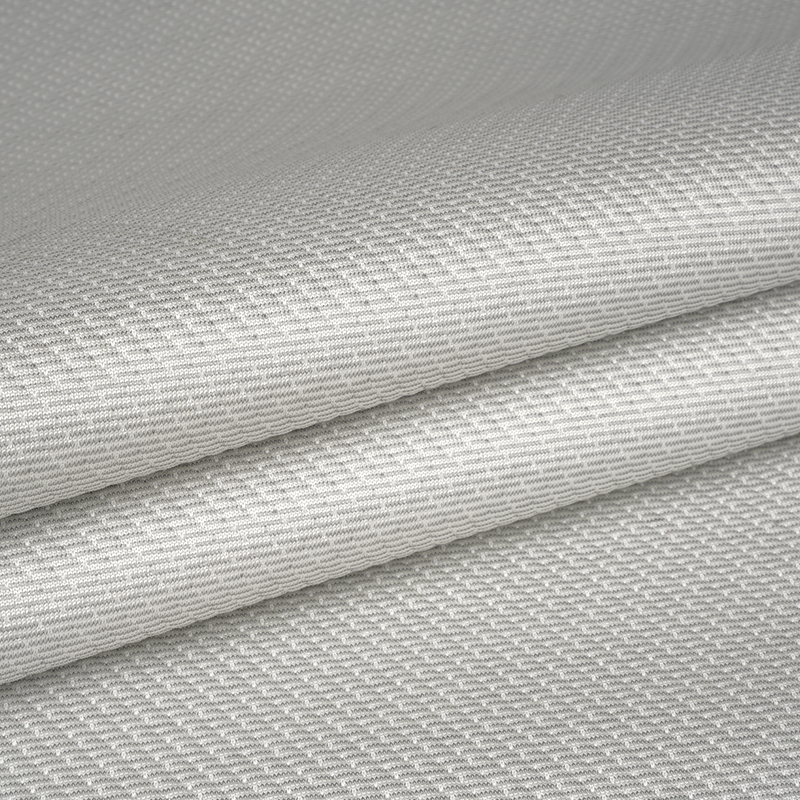
Haven’t Found The Products You Want?
-
-
Shen Jinyan:+86-15158070676
[email protected]
Liang Jinwen:+86-15757186621
[email protected]
Qiu Yingyingn:+86-13819545790
[email protected]
Yi qiao Town, Xiaoshan District, Hangzhou City, Zhejiang Province, China
-
Products
Mattress Fabric Children Mattress Fabric Pillowcase Fabric Pregnancy Pillow Fabric Cooling Mat Fabric Bedding Fabric Sofa Fabric Pet Friendly Fabrics -
Contact Information
About Us Products Strength Sustainability News Contact Us
Copyright © Hangzhou Xinsili Decorative Fabric Weaving Co.,Ltd. All Rights Reserved.
Functional Decorative Textile Manufacturers
