

 English
 中文简体
中文简体 Español
 عربى
عربى русский


Polyester Children’s Mattress Fabric: Functional Comfort, Reliable Protection, and Precision Textile Manufacturing
Content
- 1 Understanding Polyester Children’s Mattress Fabric
- 2 Key Advantages of Polyester in Children’s Mattress Applications
- 3 Advantages Compared with Less Specialized Alternatives
- 4 Comfort and Surface Experience
- 5 Manufacturing Excellence Behind the Fabric
- 6 Quality Control from Raw Material to Finished Roll
- 7 Design Opportunities for Children’s Mattress Collections
- 8 Production Advantages for Mattress Manufacturers
- 9 Why Experienced Textile Manufacturing Matters
- 10 Application Areas
- 11 Responsible Selection and Product Safety
- 12 How to Specify the Right Fabric
- 13 Cost Efficiency and Long-Term Value
- 14 Customization Possibilities
- 15 Environmental and Sustainability Considerations
- 16 Practical Care Guidance
- 17 Why Choose a Specialized Supplier
- 18 Q&A: Polyester Children’s Mattress Fabric
- 18.1 Q1: What is polyester children’s mattress fabric used for?
- 18.2 Q2: Why is polyester suitable for children’s mattresses?
- 18.3 Q3: Is polyester fabric soft enough for children?
- 18.4 Q4: Can the fabric be customized?
- 18.5 Q5: Can antibacterial performance be added?
- 18.6 Q6: Can the fabric be flame retardant?
- 18.7 Q7: Is the fabric waterproof?
- 18.8 Q8: How should buyers evaluate fabric quality?
- 18.9 Q9: Can the fabric be used for removable mattress covers?
- 18.10 Q10: Does the company support product development?
- 18.11 Q11: What information should be provided when requesting a quotation?
- 18.12 Q12: How can customers begin cooperation?
- 19 Conclusion
- 20 References
- 21 Product: Polyester Children Mattress Fabric
Children’s mattresses require carefully selected textile materials. A mattress fabric used in a child’s sleeping environment must support comfort, durability, cleanliness, visual appeal, and dependable long-term performance. It must also be suitable for modern manufacturing processes, including cutting, sewing, quilting, wrapping, and finished mattress assembly. Polyester children’s mattress fabric offers a practical solution because polyester fibers can be engineered for consistent performance, attractive appearance, easy care, and compatibility with a wide variety of functional finishes.
For mattress manufacturers, distributors, furniture brands, hospitality suppliers, and retailers, the choice of outer fabric is not a minor detail. The fabric affects how a mattress feels, how it looks, how well it withstands repeated use, and how effectively it communicates product quality to parents and caregivers. A well-developed children’s mattress fabric can help create a clean, comfortable, and visually appealing sleep product while supporting efficient production and reliable supply.
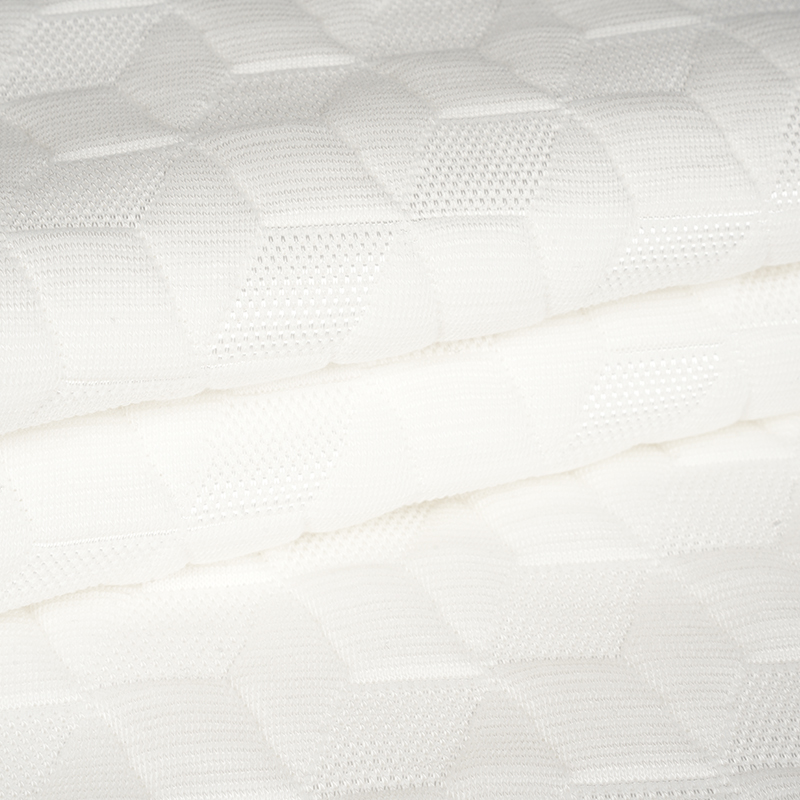
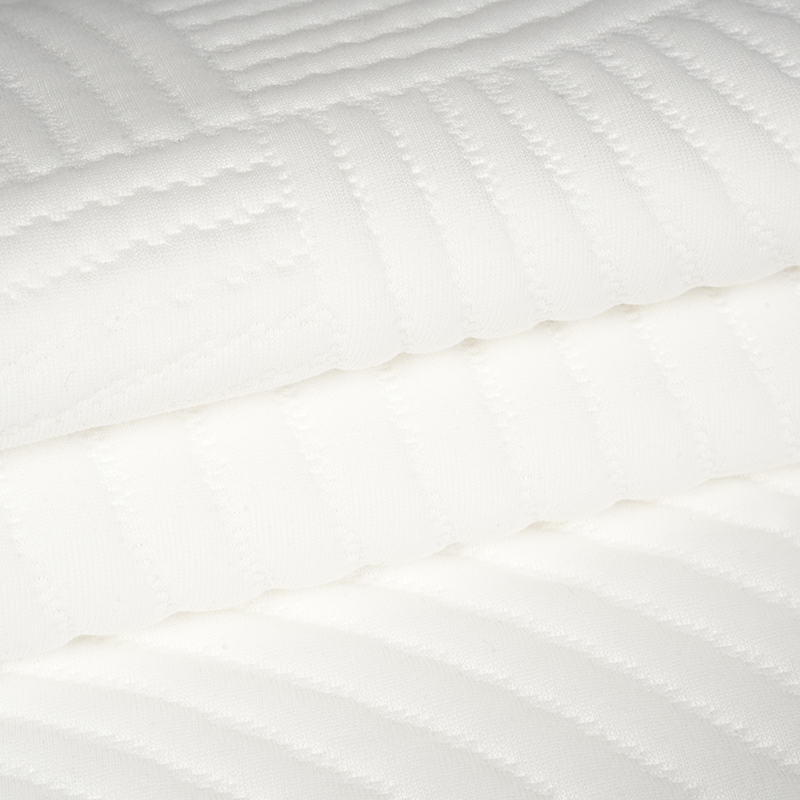
Polyester Children Mattress Fabric is developed for applications in children’s mattresses and related bedding products. Its textile structure can be selected and adjusted according to the intended application, including softness, surface texture, elasticity, breathability, moisture management, abrasion resistance, pattern appearance, and compatibility with finishing treatments. These characteristics make polyester a versatile base material for manufacturers seeking a balance between performance, production efficiency, and design flexibility.
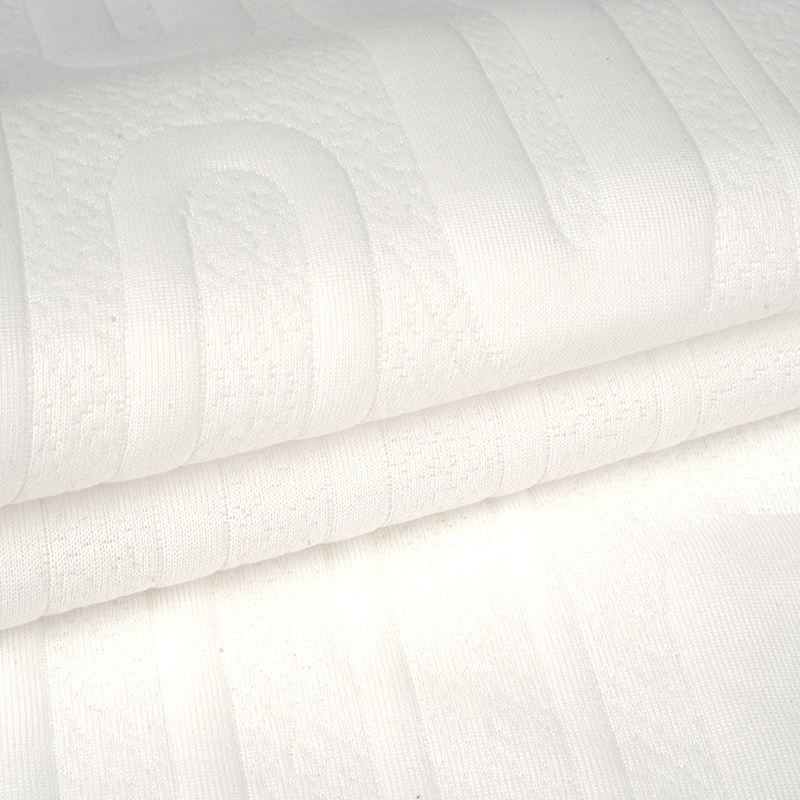
Polyester Children Mattress Fabric
Understanding Polyester Children’s Mattress Fabric
Polyester children’s mattress fabric is a textile material designed for use as the outer covering, panel fabric, side fabric, or quilted surface of a mattress intended for children. Depending on the construction, the fabric may be woven, knitted, quilted, laminated, printed, or combined with other textile layers. The final product can be designed for different mattress structures and market requirements.
Polyester is widely used in technical and decorative textiles because its fibers offer stable dimensional performance, good resistance to everyday wear, and broad compatibility with dyeing and finishing processes. In a children’s mattress application, these properties are important because the fabric may be exposed to frequent movement, washing or spot cleaning, friction, perspiration, accidental spills, and repeated handling.
The fabric can be supplied for different product concepts. Some mattress manufacturers may prefer a smooth and clean surface for a minimalist appearance. Others may require a textured, knitted, jacquard, printed, or quilted surface that creates greater visual interest. A children’s product may also require gentle colors, playful patterns, subtle relief effects, or coordinated fabric designs for mattress borders and complementary bedding products.
Because children’s mattresses are used in homes, nurseries, schools, hotels, healthcare environments, and childcare facilities, the material must be selected according to the conditions of use. A residential mattress may emphasize softness and appearance, while a commercial or institutional mattress may place greater emphasis on abrasion resistance, maintenance, production consistency, and replacement cost.
A Fabric Designed Around Practical Use
The most valuable children’s mattress fabric is not simply attractive. It must function effectively throughout the complete life cycle of the mattress. This includes fabric production, transport, cutting, sewing, quilting, mattress assembly, retail presentation, daily use, cleaning, and eventual replacement.
A suitable polyester textile can help manufacturers maintain consistent product quality from one production batch to another. Consistent width, surface appearance, color development, and fabric behavior reduce unnecessary adjustment during cutting and sewing. Stable fabric performance can also help reduce production waste and improve the visual uniformity of finished mattresses.
For parents and end users, the textile contributes to the perceived cleanliness, comfort, and quality of the mattress. A fabric that retains its appearance and remains easy to maintain can support customer satisfaction. For manufacturers, a dependable fabric can simplify purchasing, production planning, quality management, and product development.
Key Advantages of Polyester in Children’s Mattress Applications
Polyester offers several advantages compared with less versatile or less stable textile materials. The precise performance of any fabric depends on fiber type, yarn design, fabric construction, weight, finishing method, and quality control. However, polyester provides a strong foundation for developing a reliable children’s mattress textile.
Consistent Dimensional Stability
Mattress fabrics must remain manageable during production and should not change shape excessively during handling or normal use. Polyester fibers generally provide good dimensional stability, which can help the fabric maintain a predictable width and shape during cutting, sewing, quilting, and mattress covering.
Dimensional stability is particularly important for mattress panels and borders. If the fabric stretches or contracts unpredictably, manufacturers may experience misalignment, uneven seams, wrinkling, or difficulty achieving a clean finished appearance. A carefully engineered polyester fabric can reduce these production challenges and support more accurate assembly.
Durability for Repeated Daily Use
Children’s mattresses may be subjected to frequent movement, jumping, friction from bedding, contact with clothing, and repeated cleaning. Polyester is recognized for its useful resistance to abrasion and everyday wear. When the fabric is properly constructed and finished, it can help the mattress maintain a presentable surface over an extended period.
Durability does not mean that the fabric is indestructible. Mattress manufacturers should still select fabric construction and performance levels according to the product’s intended use. Nevertheless, polyester offers a practical balance between strength, flexibility, appearance retention, and cost control.
Easy-Care Performance
Children’s sleep products benefit from materials that are practical to maintain. Polyester fabrics can be engineered to support easy-care requirements, including resistance to certain forms of staining, fast drying behavior, and compatibility with appropriate cleaning procedures. The correct care instructions must always be determined by the finished fabric construction and any applied treatment.
For parents, easy-care textile surfaces can make regular maintenance more convenient. For childcare centers, hotels, and other commercial users, maintenance efficiency can help reduce labor demands and improve product turnover. A fabric that dries efficiently may also be advantageous where mattresses must be returned to service without extended waiting periods.
Design Flexibility
Polyester is compatible with a broad range of textile design methods. It can be developed in different colors, textures, patterns, weights, and surface appearances. This gives mattress brands flexibility when creating collections for different age groups, room styles, price levels, and distribution channels.
Children’s products often benefit from carefully selected visual themes. Soft neutrals, gentle pastels, colorful geometric patterns, nature-inspired motifs, and simple playful designs can all be considered. The fabric can also be coordinated with pillows, mattress protectors, blankets, upholstered furniture, and other products within a broader bedding collection.
Compatibility with Functional Finishes
One of the important advantages of polyester mattress fabric is its compatibility with functional textile development. Depending on the customer’s requirements and the selected manufacturing process, the fabric may be developed with properties related to moisture management, antibacterial performance, flame retardancy, comfort, or other application-specific objectives.
Functional performance must be supported by appropriate testing and documented according to the relevant market requirements. No single finish should be assumed to provide unlimited protection, and performance may change after cleaning or prolonged use. Even so, polyester provides a versatile platform for manufacturers seeking to combine decorative value with practical textile functions.
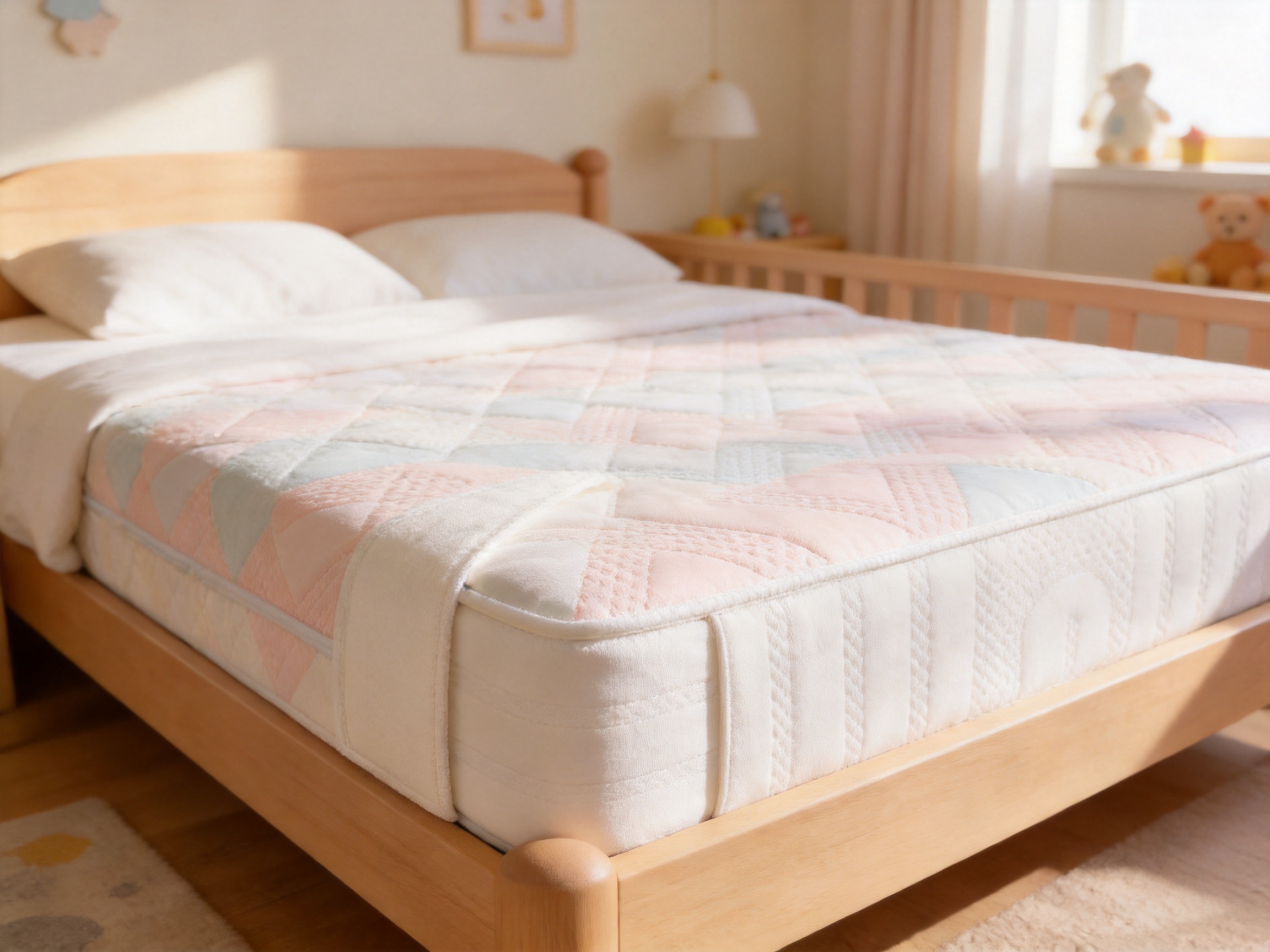
Advantages Compared with Less Specialized Alternatives
Children’s mattress fabrics compete with a wide range of textile materials, including untreated cotton fabrics, blended fabrics, generic upholstery textiles, and low-cost materials selected primarily by price. Each material has a place in the market, but a purpose-developed polyester mattress fabric can provide a more balanced solution for manufacturers that need stable performance and flexible design.
Compared with Basic Untreated Cotton Fabrics
Cotton is valued for its natural hand feel and familiar consumer appeal. However, basic cotton fabrics may be more susceptible to shrinkage, creasing, moisture retention, and dimensional change if they are not properly treated and stabilized. In a mattress production environment, these factors may create challenges during cutting, sewing, and cleaning.
Polyester can provide more predictable dimensional behavior and greater design flexibility in certain applications. It may also dry more quickly than many untreated natural-fiber fabrics. For manufacturers seeking a durable and production-friendly textile, polyester can therefore offer a practical alternative or complement to cotton-based materials.
Compared with Generic Upholstery Fabric
Generic upholstery fabrics may be visually attractive, but they are not always optimized for children’s mattress construction. Some may be too heavy, too rigid, insufficiently breathable, or difficult to quilt and sew. A mattress textile should be evaluated not only for surface appearance but also for its interaction with padding, foam, quilting lines, seams, zippers, and mattress assembly equipment.
Purpose-developed mattress fabric is selected with these production relationships in mind. The textile can be designed to support a comfortable hand, suitable flexibility, stable dimensions, and a clean finished appearance. This can give mattress manufacturers greater confidence than using a fabric originally intended for an unrelated application.
Compared with Low-Cost, Inconsistent Materials
Low-cost fabric can create hidden expenses when quality varies between rolls or batches. Inconsistent color, width, weight, surface texture, or stretch can lead to production interruptions, rework, increased waste, customer complaints, and difficulty maintaining a consistent product line.
A more controlled manufacturing approach focuses on repeatability as well as price. Stable raw material management, process monitoring, inspection, and communication between the textile producer and the mattress manufacturer can contribute to lower total operating costs. The most economical fabric is often the one that performs consistently throughout the entire supply chain.
Comfort and Surface Experience
Comfort is a central consideration in children’s mattress design. Although the mattress core and quilting structure have major influences on support, the outer textile contributes directly to the surface experience. It is the layer that may come into contact with sheets, protectors, clothing, and the user’s body.
Polyester children’s mattress fabric can be developed with different hand feels, ranging from smooth and cool-touch surfaces to soft, brushed, textured, or knitted constructions. The ideal choice depends on the mattress design, the intended climate, the presence of a removable cover, and the brand’s positioning.
A balanced textile should avoid an excessively harsh or rough surface. It should also be compatible with the mattress’s internal layers and not create unnecessary bulk at seams or quilting points. Surface texture, yarn selection, density, and finishing all influence the final tactile impression.
Comfort also includes the perception of cleanliness and freshness. A well-finished fabric with a neat appearance can help users feel that the mattress is carefully made and easy to care for. This is especially important in products intended for children, where parents often evaluate materials with particular attention.
Moisture and Breathability Considerations
Children may perspire during sleep, and mattresses may be used in different seasonal and climatic conditions. Fabric selection should therefore consider moisture movement and air exchange within the complete mattress system. Polyester itself does not determine the total breathability of a mattress, because the final performance also depends on fabric density, knit or weave structure, quilting, foam, padding, protective layers, and cover design.
Nevertheless, polyester fabric can be engineered with constructions that support comfortable moisture management. Open structures, suitable yarn arrangements, and carefully selected finishing methods may help create a more comfortable surface environment. Any specific moisture-wicking or breathability claim should be confirmed through appropriate testing.
Manufacturing Excellence Behind the Fabric
The quality of a textile depends on more than the fiber name. It is shaped by raw material selection, yarn preparation, weaving or knitting, dyeing, finishing, inspection, packing, and technical communication. Hangzhou Xinsili Decorative Fabric Weaving Co., Ltd. specializes in decorative textile research, development, and precision manufacturing, with a focus on practical and functional fabric solutions for home, hotel, and commercial environments.
The company has 19 years of industry experience and operates a factory area of approximately 12,000 square meters. This combination of accumulated textile knowledge and dedicated production space supports the development of fabrics for diverse application requirements. In 2023, the company was recognized as a National High-Tech Enterprise, reflecting its emphasis on technological development and innovation.
Research and Development Approach
Product development begins with understanding the intended application. For children’s mattress fabric, this means considering the mattress structure, user expectations, target market, production method, appearance requirements, maintenance conditions, and any desired functional performance.
The development process may involve selecting suitable polyester yarns, evaluating different fabric constructions, adjusting weight and density, refining surface texture, and assessing the compatibility of dyes or functional treatments. The objective is to create a material that is not only attractive in a sample but also practical for scaled manufacturing.
Close communication between the textile producer and customer is important during this stage. Customers may provide a reference sample, color standard, design concept, performance target, or application description. The manufacturer can then evaluate the most suitable production route and recommend adjustments where necessary.
Controlled Textile Construction
Fabric construction determines many of the characteristics that mattress manufacturers experience during production. Yarn count, density, loop or weave structure, fabric weight, width, stretch, and surface treatment all influence handling and finished appearance.
Precision manufacturing aims to keep these characteristics within controlled ranges. Consistent construction supports predictable cutting and sewing. It also helps brands maintain a uniform appearance across different mattress sizes and production runs.
For children’s mattresses, the fabric must be sufficiently durable without becoming unnecessarily heavy or rigid. Excessive bulk may complicate quilting and finishing, while insufficient structure may create a weak or unstable surface. Engineering the correct balance is one of the key benefits of working with an experienced textile manufacturer.
Functional Finishing Capability
Xinsili focuses on functional decorative fabrics and integrates technologies associated with antibacterial, moisture-resistant, flame-retardant, sleep-supporting, and comfort-improving functions. The availability of such development capabilities allows customers to explore fabrics that combine visual design with application-oriented performance.
Functional finishing must be selected carefully. A treatment should be appropriate for the fabric construction, intended use, cleaning conditions, and regulatory requirements of the destination market. It should also be evaluated for durability, handle, color, odor, and compatibility with downstream mattress production.
When a functional feature is important to a product claim, testing and documentation are essential. Manufacturers and buyers should agree on the relevant test methods, performance thresholds, test laboratories, and reporting requirements before commercial production. This creates a clearer basis for quality assurance and responsible marketing.
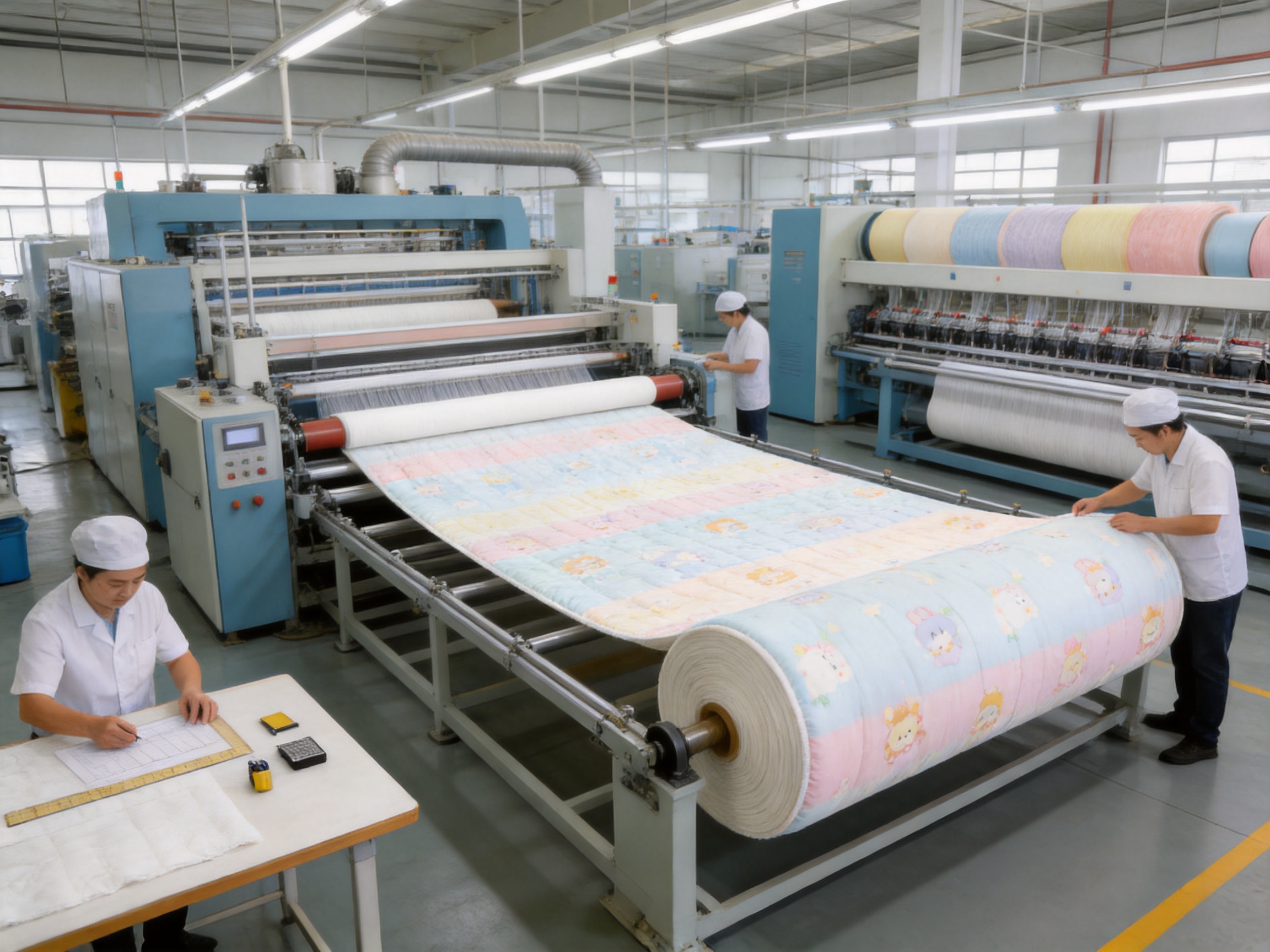
Quality Control from Raw Material to Finished Roll
Reliable fabric supply requires quality control at multiple stages rather than relying only on a final visual inspection. A disciplined system begins with the selection and verification of raw materials. Yarn quality, color consistency, strength, moisture condition, and packaging can all influence later production performance.
During weaving or knitting, process conditions must be monitored to reduce defects and maintain uniform construction. Operators and quality personnel may review fabric appearance, width, weight, stretch, surface texture, and other agreed characteristics. Early identification of variation allows corrective action before a large quantity is completed.
Dyeing and finishing require careful control because temperature, chemical concentration, time, drying, and mechanical conditions can influence color, hand feel, shrinkage, and functional performance. A stable finishing process helps ensure that the fabric meets the agreed sample and technical requirements.
Before shipment, finished rolls should be inspected according to the customer’s quality standard. Inspection may include checking for weaving or knitting defects, stains, color variation, holes, width deviations, edge problems, and packaging damage. The exact inspection system should be agreed between the buyer and supplier based on the product’s intended use and order requirements.
Batch-to-Batch Consistency
Mattress brands often need to replenish popular products over time. If the fabric appearance changes significantly between orders, the brand may face difficulties matching new mattress production with existing inventory. Batch-to-batch consistency is therefore an important commercial advantage.
Maintaining production records, approved standards, color references, process parameters, and inspection results can help support repeat orders. A documented approval sample provides a clear reference for both the supplier and the customer. It is also useful to communicate acceptable tolerances before production begins.
Packaging and Logistics
Textile quality can be affected by poor packaging or unsuitable transport conditions. Fabric rolls should be protected against moisture, dust, compression, abrasion, and handling damage. Clear labeling helps customers identify color, lot, width, quantity, and order information when the material reaches the mattress factory.
Efficient packaging also supports warehouse management. Rolls that are easy to identify and handle can reduce the risk of production errors. For international customers, appropriate export packaging is especially important because the fabric may pass through several stages of transportation before reaching the final manufacturing site.
Design Opportunities for Children’s Mattress Collections
Children’s mattress products are often purchased as part of a broader room or bedding concept. Fabric design can help create a recognizable product identity while supporting different market segments. Polyester offers a broad platform for creating coordinated collections.
Color Development
Color can influence how parents and children perceive a mattress. Calm colors may support a restful visual environment, while brighter colors may be used for playful or themed products. Neutral shades can make a mattress suitable for shared rooms, hotels, or flexible interior schemes.
Color selection should take into account lighting, surrounding bedding, packaging, digital presentation, and production repeatability. A color that looks accurate under factory lighting may appear different in a retail showroom or online photograph. Confirming color under agreed lighting conditions is therefore recommended.
Surface Texture and Pattern
Texture can add depth without requiring a complex printed design. Subtle ribbing, geometric structures, woven effects, quilted channels, and patterned surfaces may create a premium appearance. The selected texture should remain comfortable and should not interfere with sheets, protectors, or mattress assembly.
Printed patterns provide another design option. For children’s products, patterns should be selected with consideration for age group, visual balance, and long-term appeal. Designs that are attractive but not excessively dependent on short-lived trends may help a mattress collection remain commercially relevant for a longer period.
Coordinated Product Families
A fabric originally developed for children’s mattresses may also be considered for related products such as pillowcases, mattress protectors, bedding accessories, upholstered bed components, and decorative cushions, provided the construction is suitable for each application. Coordinated textiles can help a manufacturer create a consistent product family.
However, the same fabric should not automatically be used for every product. Each application has different requirements for comfort, strength, stretch, cleaning, and dimensional stability. Technical evaluation should confirm suitability before expanding the fabric into additional product categories.
Production Advantages for Mattress Manufacturers
A fabric supplier should contribute to manufacturing efficiency, not merely deliver rolls of material. Polyester children’s mattress fabric can support efficient mattress production when its characteristics are aligned with the customer’s equipment and assembly process.
Efficient Cutting
Stable width and predictable fabric behavior help cutting departments plan material usage more accurately. Consistent rolls can reduce the need for repeated manual adjustments and support more efficient nesting of mattress panels. Reduced cutting waste can improve material utilization and contribute to more competitive product costs.
Reliable Sewing and Quilting
The fabric should be evaluated for needle penetration, seam behavior, edge stability, and interaction with quilting equipment. A material that feeds smoothly and maintains a clean edge can help reduce puckering and uneven seams. The ideal performance depends on the fabric construction and machine settings, so sample trials are recommended before mass production.
Adaptability to Different Mattress Sizes
Children’s mattresses are produced in different dimensions for cribs, beds, bunk systems, floor mattresses, travel products, and specialty furniture. A fabric with controlled width, suitable flexibility, and dependable surface appearance can be adapted to multiple sizes more easily.
For a brand offering several sizes, this adaptability can simplify product development and inventory planning. A coordinated fabric family may allow the manufacturer to maintain consistent visual identity across a complete range.
Reduced Production Risk
Unexpected fabric problems can interrupt the entire mattress production line. A stable, well-documented textile reduces the risk of defects that appear only after quilting or assembly. Technical cooperation before mass production allows the customer and supplier to identify likely challenges, confirm machine settings, and establish acceptance criteria.
Why Experienced Textile Manufacturing Matters
Experience is valuable when it is converted into repeatable processes and practical customer support. With 19 years in the textile industry, Xinsili has developed knowledge related to decorative fabric development, production coordination, finishing, and application requirements. This experience can help customers move from a general concept to a manufacturable product.
An experienced supplier understands that different customers may have different priorities. One customer may emphasize softness and color. Another may prioritize abrasion resistance, flame-retardant performance, moisture management, or low-maintenance characteristics. A third may need a cost-controlled fabric for high-volume production. The supplier’s role is to help balance these requirements rather than offer a one-size-fits-all solution.
Experience also supports more effective problem solving. If a sample shows excessive shrinkage, uneven color, poor quilting behavior, or an unsuitable hand feel, an experienced development team can investigate the likely causes and propose changes to yarn, construction, finishing, or process parameters.
Factory Capacity and Organizational Strength
A factory area of approximately 12,000 square meters provides space for production, inspection, storage, development, and supporting operations. Facility scale alone does not guarantee quality, but it can support organized workflows and the ability to manage different product programs.
Recognition as a National High-Tech Enterprise in 2023 further reflects the company’s focus on research, technological improvement, and innovation. For customers seeking functional decorative textiles, this orientation may be important because future product development increasingly depends on combining traditional textile expertise with performance-oriented technology.
The company’s stated vision, “Weaving Beautiful Spaces,” expresses a combination of decorative design and practical textile development. For children’s mattress fabric, this means considering both the visual role of the textile and the everyday requirements of a sleeping product.
Application Areas
Polyester children’s mattress fabric is suitable for a variety of product and market applications, subject to technical confirmation and customer specifications.
Residential Children’s Mattresses
In homes, parents often look for a mattress that appears clean, comfortable, durable, and easy to maintain. Fabric design can support the style of a child’s bedroom while functional performance contributes to practical daily use.
Nursery and Childcare Products
Nurseries and childcare facilities may require fabrics that withstand frequent handling and cleaning. In these environments, durability, consistent appearance, maintenance instructions, and compliance with applicable safety requirements should be considered together.
Hotel and Hospitality Bedding
Hotels, serviced apartments, and family-oriented accommodation providers may use children’s mattresses or compact sleeping products for guest rooms. A durable and attractive fabric can support a consistent hospitality appearance while helping the operator manage repeated use.
Commercial and Institutional Furniture
Some children’s mattresses are integrated into bunk furniture, upholstered beds, play areas, reading spaces, or multifunctional room systems. The fabric should be evaluated for the complete product environment, including contact with frames, fasteners, flooring, and other upholstery materials.
Responsible Selection and Product Safety
Children’s products require responsible material selection. A fabric should be assessed according to its intended market, applicable regulations, product construction, and foreseeable use. Buyers should request relevant technical information and testing documentation for any performance claims that will appear on labels, packaging, websites, or promotional materials.
Important considerations may include restricted substances, color fastness, flammability requirements, antibacterial testing, formaldehyde or other chemical limits, mechanical performance, and care durability. The specific requirements vary by country, product category, and sales channel.
Functional textile claims should be communicated accurately. For example, an antibacterial finish should not be described as eliminating every microorganism under all conditions. A moisture-resistant treatment should not be presented as making the entire mattress waterproof unless the complete mattress system has been designed and tested for that purpose.
Manufacturers should also consider the relationship between fabric and mattress construction. A textile may perform well independently but behave differently when laminated, quilted, bonded, sewn, or combined with foam and filling. Final product testing is therefore valuable, especially when the mattress is intended for children or institutional use.
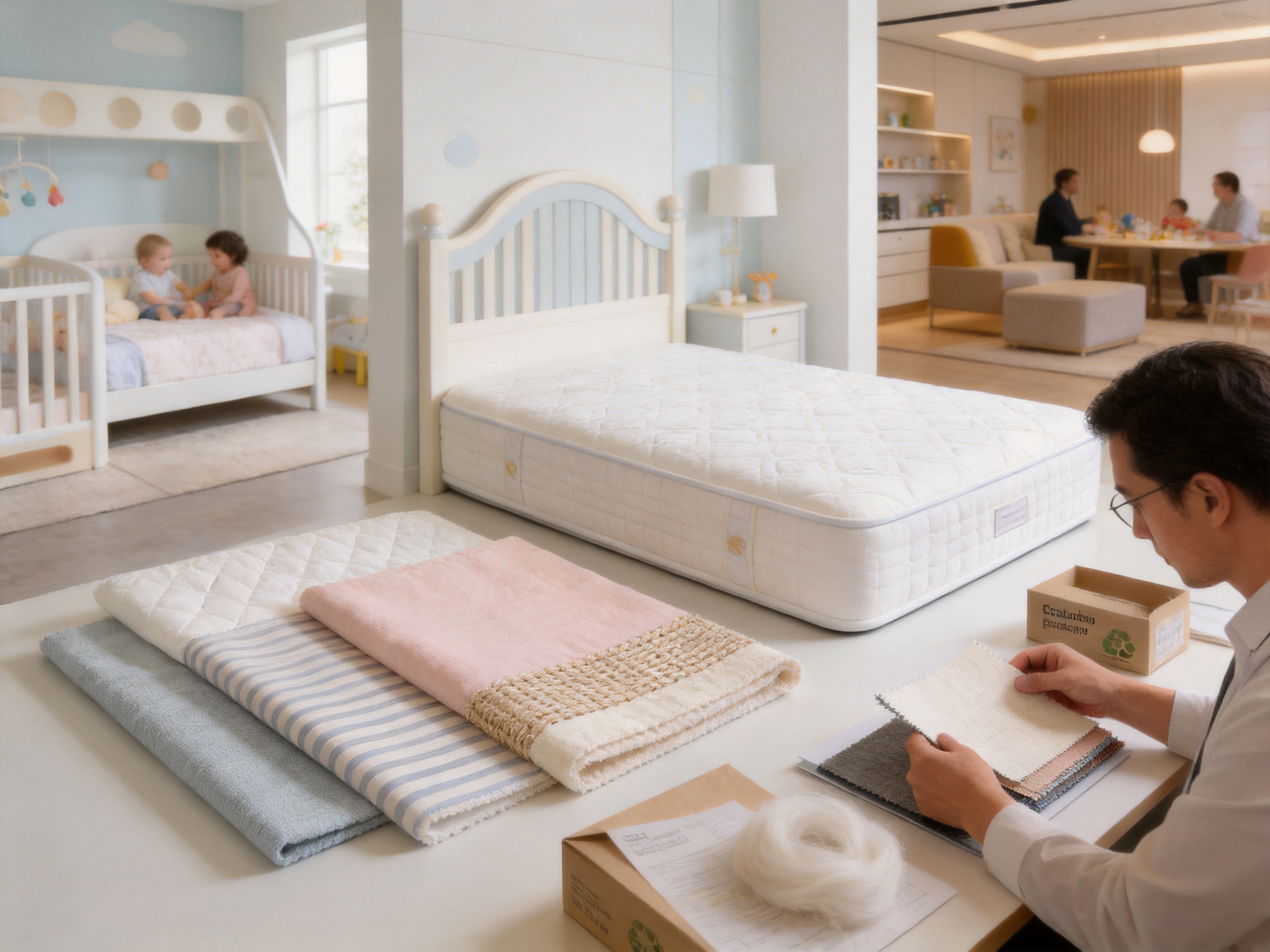
How to Specify the Right Fabric
Clear technical communication helps prevent misunderstandings and improves the efficiency of sample development. Buyers should provide as much information as possible before requesting a quotation or production sample.
| Specification Area | Information to Confirm | Why It Matters |
|---|---|---|
| Application | Mattress panel, border, quilted cover, removable cover, or related bedding component | Different positions require different levels of softness, strength, flexibility, and appearance |
| Construction | Woven, knitted, quilted, laminated, or blended structure | Construction affects stretch, hand feel, breathability, sewing, and durability |
| Appearance | Color, pattern, texture, finish, and surface uniformity | Ensures that the fabric matches the product concept and brand presentation |
| Performance | Abrasion, color fastness, dimensional stability, moisture management, or other targets | Provides measurable criteria for evaluation and quality control |
| Finishing | Antibacterial, moisture-resistant, flame-retardant, comfort-related, or other treatment | Determines testing needs, care conditions, cost, and marketing claims |
| Width and Weight | Required usable width, finished width, and fabric weight | Supports cutting plans, mattress dimensions, shipping calculations, and production efficiency |
| Order Requirements | Quantity, color range, packaging, delivery schedule, and repeat-order expectations | Allows the supplier to plan production and provide a realistic commercial proposal |
Buyers should also provide the mattress construction method whenever possible. Information about foam density, quilting thickness, cover type, zipper placement, elastic components, and sewing equipment can help the textile supplier recommend an appropriate construction.
Sample Approval
A development sample should be reviewed for appearance, hand feel, width, stretch, sewing performance, quilting behavior, and compatibility with the mattress assembly process. If the fabric includes a functional finish, the customer should also review the relevant test report or technical specification.
Approval should be recorded in writing. The approved sample, color standard, technical data, and agreed tolerances can then serve as the reference for bulk production. This procedure reduces uncertainty and creates a shared understanding of the expected result.
Testing Considerations
Testing should be selected according to the customer’s product claims and target market. Possible evaluations include color fastness to rubbing and washing, dimensional change, abrasion resistance, pilling, tensile strength, seam performance, air permeability, moisture behavior, and flame performance.
Not every project requires every test. The appropriate test plan should be proportionate to the application and agreed in advance. Testing the complete mattress can be particularly useful when the textile is part of a multilayer construction or when a functional claim depends on the interaction of several materials.
Cost Efficiency and Long-Term Value
Fabric price is an important purchasing factor, but the lowest unit price does not always produce the lowest total cost. A textile that causes cutting waste, machine stoppages, color complaints, or inconsistent finished goods may be more expensive over the full production cycle.
Polyester can contribute to cost efficiency through its broad availability, production flexibility, durability, and compatibility with efficient textile processing. The final cost depends on fiber quality, construction, weight, design complexity, finishing, order quantity, packaging, testing, and logistics.
Long-term value also includes product presentation and customer satisfaction. A mattress that retains its clean appearance, performs reliably, and supports a coherent design identity can strengthen a brand’s reputation. For manufacturers supplying hotels or institutions, dependable service life may reduce replacement frequency and maintenance concerns.
Customers should compare suppliers using a complete evaluation that includes technical performance, quality consistency, development support, delivery reliability, communication, and after-sales response. This broader evaluation often provides a more accurate picture of commercial value than comparing fabric prices alone.
Customization Possibilities
Children’s mattress brands often need differentiated products rather than standard materials. Customization may involve color matching, pattern development, texture adjustment, fabric weight, width, finish, or functional treatment. The feasibility of each option depends on order quantity, production method, technical requirements, and development schedule.
Custom color development can help a brand create a recognizable product identity. Custom texture or pattern development can distinguish a mattress from generic alternatives. Functional customization may support a particular climate, market, cleaning method, or product positioning.
Customization should begin with a realistic technical brief. The customer should identify which features are essential and which are flexible. For example, a specific color and surface hand may be critical, while the exact fiber blend or construction may be open to technical recommendation. This gives the manufacturer room to optimize performance and cost.
A professional supplier should explain the advantages and limitations of each option. A very dense fabric may improve surface strength but reduce breathability. A heavily raised texture may create a premium appearance but require more careful maintenance. A special finish may improve a targeted property but influence hand feel, color, or price. Transparent communication helps customers select a balanced solution.
Environmental and Sustainability Considerations
Sustainable textile development involves the full product life cycle, including raw materials, energy use, water consumption, chemical management, production efficiency, packaging, durability, and end-of-life considerations. A durable fabric can support longer product use, which may reduce the frequency of replacement. Efficient production and waste reduction are also important parts of responsible manufacturing.
Polyester may be available in different raw material options, including recycled polyester where suitable and properly documented. Buyers interested in recycled content should confirm the source, percentage, chain of custody, certification, and applicable claims before using environmental statements in marketing.
Functional finishes should also be evaluated responsibly. The selection of chemicals, wastewater management, worker safety, and finished-product testing all contribute to a more sustainable textile supply chain. Environmental performance should be supported by factual documentation rather than broad or unverified claims.
Xinsili describes its development direction as providing high-quality and environmentally friendly decorative fabric solutions. This approach aligns with the growing demand for textiles that combine design, function, durability, and more responsible manufacturing practices.
Practical Care Guidance
Care instructions should be based on the actual fabric construction and the complete mattress design. A removable cover may have different care requirements from a fixed mattress cover. The presence of quilting, foam, laminated layers, coatings, zippers, and other components can affect whether washing, dry cleaning, spot cleaning, or professional cleaning is appropriate.
Manufacturers should conduct care trials before printing instructions on product labels. The trials should evaluate color change, dimensional stability, surface appearance, seam behavior, finish durability, and drying time. Instructions should be clear and should not promise performance beyond the tested conditions.
In general, users should avoid harsh cleaning methods unless specifically approved. Prompt treatment of spills, adequate drying, and regular use of a suitable mattress protector may help preserve the fabric. Commercial users should establish a documented cleaning routine based on the supplier’s technical guidance and the requirements of the facility.
Why Choose a Specialized Supplier
A specialized textile supplier can provide more than a standard catalog fabric. It can support product development, sample adjustment, technical evaluation, production planning, quality control, and repeat-order management. This is especially valuable when the fabric is intended for a children’s mattress, where appearance, comfort, durability, and safety expectations must be considered together.
Hangzhou Xinsili Decorative Fabric Weaving Co., Ltd. combines decorative textile expertise with a focus on functional performance. Its experience, factory resources, research orientation, and ability to develop application-specific fabrics make it a suitable partner for customers seeking polyester children’s mattress materials.
The company’s product philosophy emphasizes craftsmanship-driven manufacturing, design innovation, and win-win collaboration. These values are relevant to mattress manufacturers that require dependable cooperation rather than a one-time transaction. A long-term supplier relationship can make it easier to improve existing fabrics, develop new collections, manage repeat orders, and respond to changing market requirements.
Customers can discuss product construction, desired appearance, technical performance, order quantity, packaging, and delivery requirements directly with the company’s sales and technical teams. Early communication is recommended, particularly for custom colors, functional finishes, special widths, or new product programs.
Q&A: Polyester Children’s Mattress Fabric
Q1: What is polyester children’s mattress fabric used for?
It is primarily used for the outer covering, mattress panels, borders, quilted surfaces, and related textile components of mattresses designed for children. The exact application depends on the fabric construction and the customer’s product design.
Q2: Why is polyester suitable for children’s mattresses?
Polyester can provide consistent dimensional behavior, useful durability, easy-care potential, attractive appearance, and compatibility with different colors, patterns, textures, and functional finishes. These characteristics make it a flexible material for residential, commercial, and institutional mattress products.
Q3: Is polyester fabric soft enough for children?
Softness depends on yarn selection, fabric construction, surface treatment, and finishing. Polyester can be developed in soft, smooth, brushed, knitted, or textured versions. Customers should review a physical sample because hand feel cannot be judged accurately from a specification sheet alone.
Q4: Can the fabric be customized?
Customization may be possible for color, pattern, texture, weight, width, and selected functional finishes. Feasibility depends on the requested specifications, order quantity, production method, and development requirements. A technical discussion should take place before sample production.
Q5: Can antibacterial performance be added?
Functional antibacterial treatments may be available depending on the fabric construction and target requirements. Any antibacterial claim should be supported by testing using an agreed method. Performance should also be evaluated after the intended cleaning or laundering process.
Q6: Can the fabric be flame retardant?
A flame-retardant textile solution may be developed for applications where it is technically and legally appropriate. The required performance depends on the destination market and the complete mattress construction. Buyers should confirm the applicable standard and request relevant test documentation.
Q7: Is the fabric waterproof?
Standard polyester mattress fabric should not automatically be described as waterproof. Moisture resistance and waterproof performance depend on construction, coating, lamination, seams, and the complete cover system. A specific waterproof requirement should be discussed and tested separately.
Q8: How should buyers evaluate fabric quality?
Buyers should review appearance, hand feel, width, weight, dimensional stability, color fastness, abrasion resistance, pilling, sewing performance, quilting behavior, and any required functional properties. Testing should be based on the fabric’s intended use and the claims planned for the finished mattress.
Q9: Can the fabric be used for removable mattress covers?
It may be suitable for removable covers if its construction, shrinkage, seam performance, zipper compatibility, and care durability meet the design requirements. Washing trials should be completed before final approval.
Q10: Does the company support product development?
The company specializes in decorative textile research, development, and manufacturing. Customers can discuss application requirements, colors, patterns, textures, functional properties, and production conditions to determine the most appropriate development route.
Q11: What information should be provided when requesting a quotation?
Useful information includes the intended application, fabric construction, desired width and weight, color or pattern, functional requirements, estimated quantity, order schedule, packaging expectations, target market, and any required testing or certification.
Q12: How can customers begin cooperation?
Customers can contact the company to describe their mattress project and request technical discussion, sampling, pricing, and production information. Providing a reference sample, drawing, color standard, or detailed product brief can make the development process more efficient.
Conclusion
Polyester children’s mattress fabric offers a practical combination of comfort potential, durability, dimensional stability, design flexibility, and compatibility with functional textile development. Compared with generic or less specialized materials, it can provide more predictable behavior during mattress production and greater freedom in creating coordinated product collections.
The value of the fabric depends on the quality of its entire manufacturing process. Research and development, controlled textile construction, careful finishing, batch consistency, inspection, packaging, and technical cooperation all contribute to the finished result. For customers requiring a dependable textile partner, the manufacturer’s experience, factory resources, functional fabric orientation, and commitment to innovation are important advantages.
With 19 years of industry experience, an approximately 12,000-square-meter factory, and recognition as a National High-Tech Enterprise in 2023, Hangzhou Xinsili Decorative Fabric Weaving Co., Ltd. is positioned to develop decorative and functional textile solutions for children’s mattresses and other interior applications. By combining attractive design with practical performance, the company supports manufacturers seeking safer, more comfortable, durable, and visually appealing sleeping environments for children.
References
1. International Organization for Standardization. Textile Testing Principles for Color Fastness, Dimensional Stability, and Mechanical Performance.
2. International Organization for Standardization. Textile Care Labeling and Consumer Maintenance Guidance.
3. American Society for Testing and Materials. Standard Methods for Evaluating Textile Abrasion, Pilling, Tensile Strength, and Fabric Performance.
4. Association for Contract Textiles. General Guidance on Performance Textiles for Residential and Commercial Interior Applications.
5. Textile Exchange. Materials, Recycled Fibers, and Responsible Textile Supply Chain Guidance.
6. International Trade Centre. Technical Considerations for Textile Quality Management and Global Sourcing.
7. Hangzhou Xinsili Decorative Fabric Weaving Co., Ltd. Company Information and Functional Decorative Textile Development Profile.
8. Textile Research and Application Literature. Polyester Fiber Properties, Fabric Construction, Finishing Technology, and Performance Evaluation.
Product: Polyester Children Mattress Fabric
Our Featured Products
-
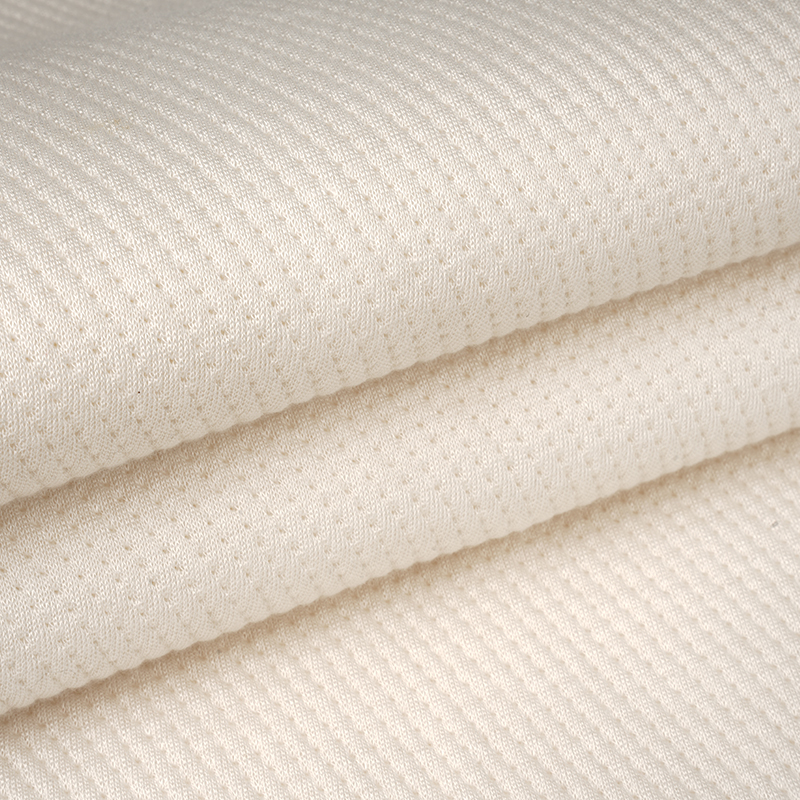
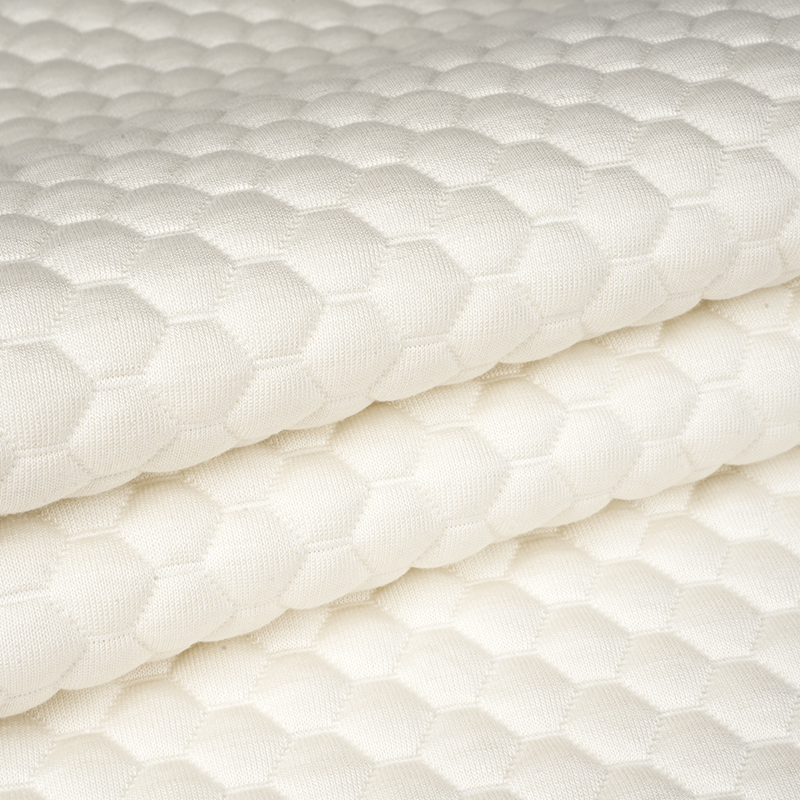
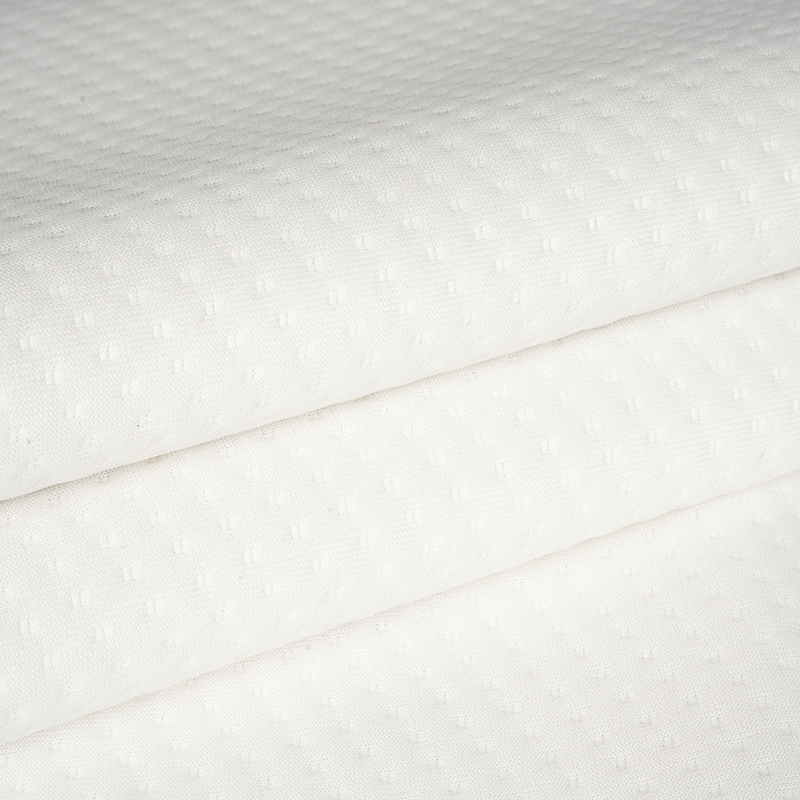
Polyester Children Mattress Fabric
Polyester Children Mattress Fabric
Haven’t Found The Products You Want?
-
-
Shen Jinyan:+86-15158070676
[email protected]
Liang Jinwen:+86-15757186621
[email protected]
Qiu Yingyingn:+86-13819545790
[email protected]
Yi qiao Town, Xiaoshan District, Hangzhou City, Zhejiang Province, China
-
Products
Mattress Fabric Children Mattress Fabric Pillowcase Fabric Pregnancy Pillow Fabric Cooling Mat Fabric Bedding Fabric Sofa Fabric Pet Friendly Fabrics -
Contact Information
About Us Products Strength Sustainability News Contact Us
Copyright © Hangzhou Xinsili Decorative Fabric Weaving Co.,Ltd. All Rights Reserved.
Functional Decorative Textile Manufacturers
