

 English
 中文简体
中文简体 Español
 عربى
عربى русский


Polyester Pillowcase Fabric: Functional Comfort, Reliable Performance, and Advanced Textile Manufacturing
Content
- 1 Understanding Polyester Pillowcase Fabric
- 2 Key Advantages Over Conventional Pillowcase Materials
- 3 Functional Finishing for Modern Bedding
- 4 Advanced Manufacturing Strengths
- 5 Application Areas
- 6 Why Manufacturing Experience Matters
- 7 Product Development and Customization Process
- 8 How to Select the Right Polyester Pillowcase Fabric
- 9 Quality and Sustainability Considerations
- 10 Care and Maintenance Guidance
- 11 Competitive Value for Buyers
- 12 Frequently Asked Questions
- 12.1 What is the standard composition of the fabric?
- 12.2 Which weave structures are available?
- 12.3 Can the fabric be used for hotel pillowcases?
- 12.4 Can the fabric receive functional treatments?
- 12.5 Does polyester pillowcase fabric fade easily?
- 12.6 Is the material suitable for fitted or shaped pillowcases?
- 12.7 What should buyers provide when requesting a quotation?
- 12.8 How should buyers evaluate a sample?
- 12.9 What makes the manufacturer suitable for customized textile projects?
- 12.10 Are all polyester pillowcase fabrics the same?
- 13 Conclusion
- 14 References
- 15 Product: Polyester Pillowcase Fabric
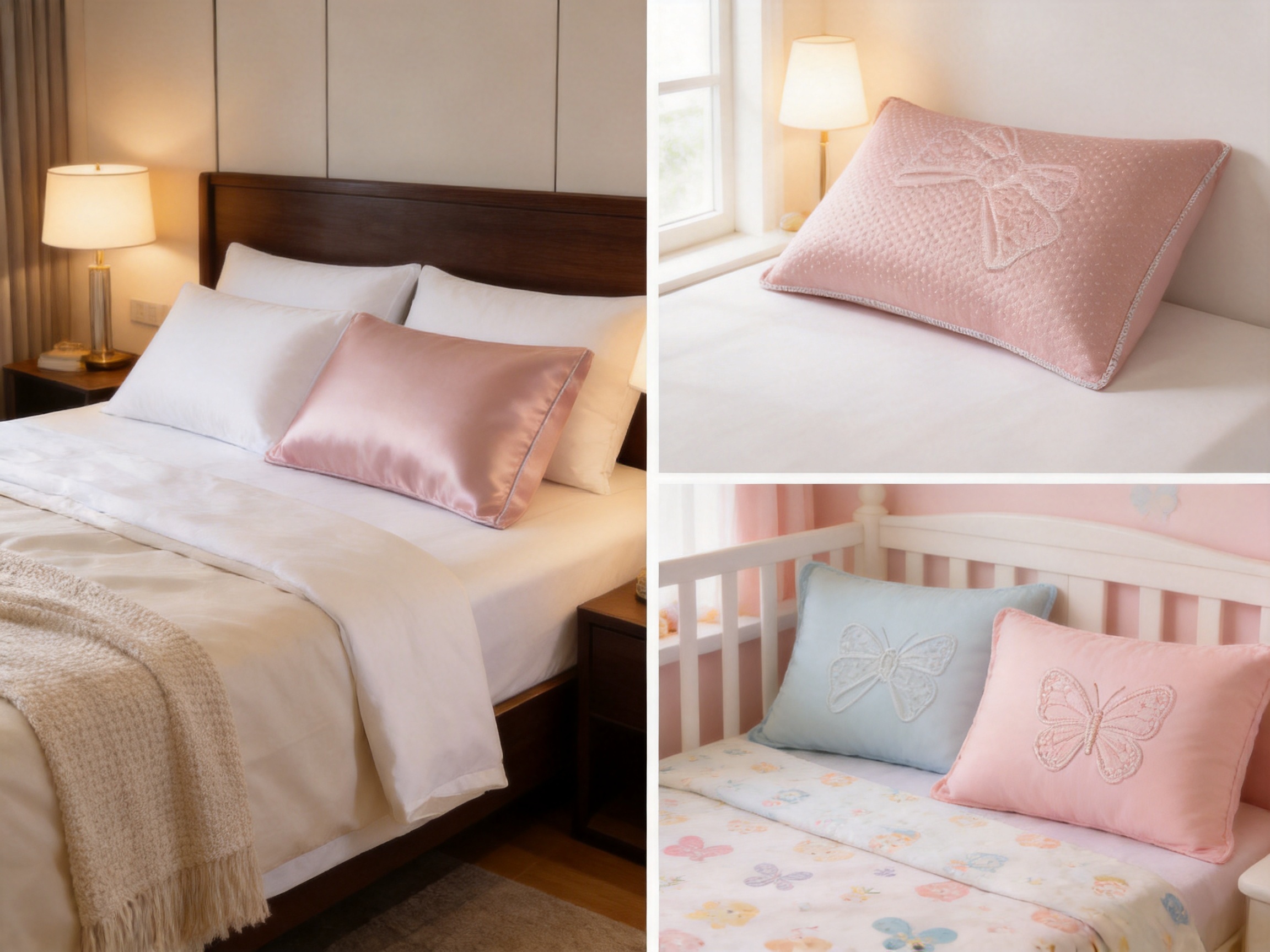
Polyester pillowcase fabric has become an important material choice for bedding manufacturers, hospitality suppliers, home textile brands, and contract furnishing companies. Its popularity comes from a practical combination of durability, color stability, design flexibility, manageable production cost, and compatibility with modern functional finishes. When engineered correctly, polyester fabric can provide a smooth sleeping surface, dependable dimensional stability, easy care, and long-term visual appeal.
For pillowcase applications, the fabric must satisfy several requirements at the same time. It should feel comfortable against the skin, maintain its shape after repeated laundering, support attractive printing or dyeing, and perform reliably in domestic, hotel, commercial, and healthcare-related environments. It may also need additional functions, including anti-static performance, stain release, water repellency, moisture management, or improved fit through a controlled amount of stretch.
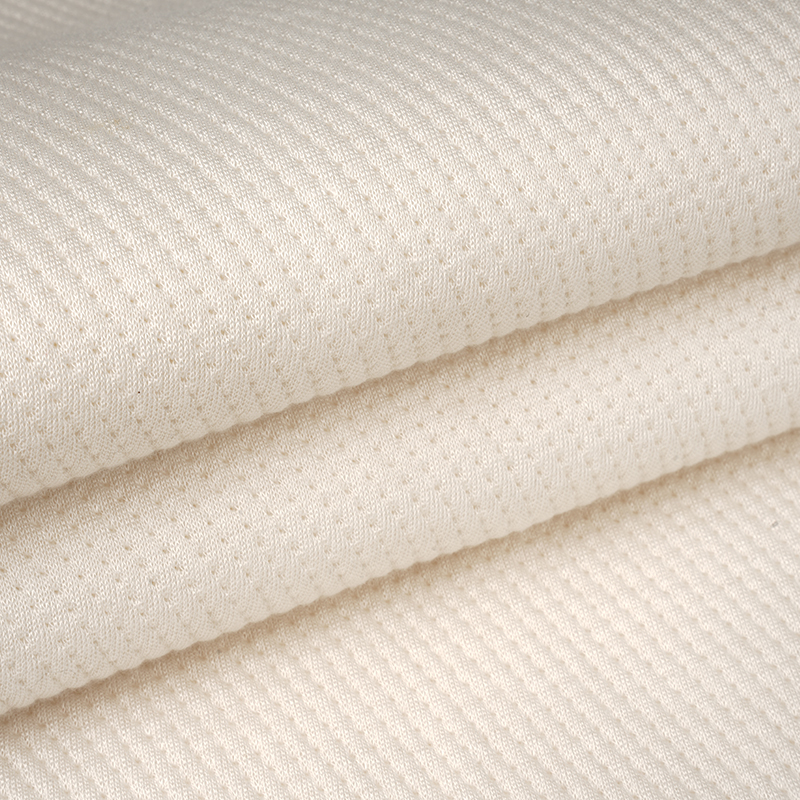
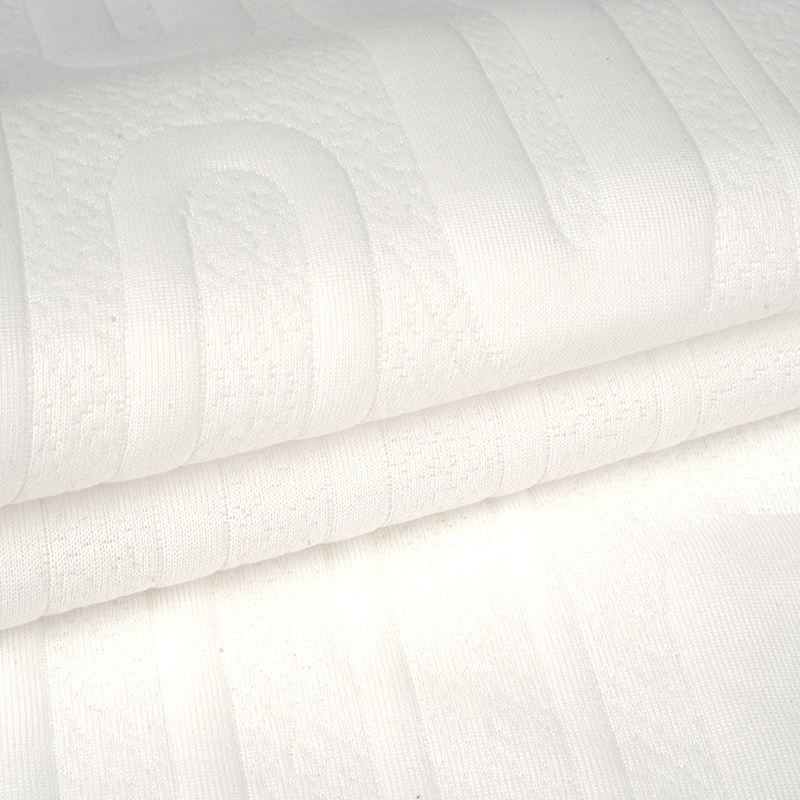
Polyester Pillowcase Fabric produced by Hangzhou Xinsili Decorative Fabric Weaving Co., Ltd. is developed around these practical requirements. The product is based primarily on 100% polyester, with blended elastic fibers such as spandex available upon request. Depending on the intended use, the fabric can be manufactured in plain, twill, or satin constructions. These construction options allow buyers to select the desired balance of softness, surface brightness, structure, drape, and cost.
More than a basic bedding material, this fabric represents a flexible platform for customized textile development. Its performance can be adjusted through yarn selection, weaving structure, dyeing control, and functional finishing. This makes it suitable for pillowcases used in residential bedrooms, hotels, furnished apartments, guest rooms, care facilities, and other environments where repeatable quality and easy maintenance are essential.
Understanding Polyester Pillowcase Fabric
Polyester is a synthetic fiber made from polymer materials, commonly identified as polyethylene terephthalate, or PET. In textile production, PET-based fibers are converted into filaments or staple fibers and then formed into yarns. These yarns are woven into fabric structures that can be optimized for different end uses.
For pillowcase production, polyester offers several natural advantages. It has good resistance to abrasion, helping the finished pillowcase withstand friction caused by sleeping, washing, folding, and handling. It also has low moisture absorption compared with many natural fibers, allowing it to dry relatively quickly after laundering. This characteristic is useful for hotels, rental bedding services, and households that require frequent washing and short turnaround times.
The fiber also provides strong color adhesion. With appropriate dyeing and finishing procedures, polyester pillowcase fabric can maintain a bright and consistent appearance through extended use. This is particularly valuable for coordinated bedding collections, printed designs, hospitality interiors, and private-label products that depend on repeatable color matching.
Another important quality is dimensional stability. Polyester fabrics generally resist excessive shrinking and deformation when correctly manufactured and processed. This helps pillowcases retain their intended dimensions, seam alignment, and overall appearance. When a small percentage of spandex is incorporated, the fabric can provide additional elasticity and recovery, supporting a closer fit around different pillow shapes.
Material Composition
The standard composition is 100% polyester. This composition offers a consistent foundation for product development and simplifies care instructions for many applications. It is suitable for customers seeking a durable and economical fabric that can be woven, dyed, finished, and converted efficiently.
When improved flexibility or fit is required, the fabric may be blended with a small percentage of elastic fiber such as spandex. This option can help the pillowcase stretch over the pillow more easily while returning toward its original shape after use. Stretch content should be selected according to the required recovery, hand feel, sewing method, and target price.
Material selection is not limited to fiber content alone. Yarn fineness, filament configuration, yarn density, weave design, and finishing chemistry all influence the finished fabric. Through coordinated development, buyers can request a product that emphasizes softness, smoothness, structural stability, appearance, or functional performance.
Fabric Construction Options
Plain weave is a practical construction characterized by a balanced interlacing of warp and weft yarns. It can provide a stable and versatile surface for everyday pillowcases. Plain-weave polyester is often appropriate for products requiring dependable strength, controlled appearance, and efficient large-volume production.
Twill weave creates a diagonal surface effect through its interlacing pattern. Compared with a basic plain weave, twill can offer a distinctive visual texture and a slightly fuller hand feel. It may be selected for decorative pillowcases, premium bedding programs, or applications where a more pronounced textile character is preferred.
Satin weave is recognized for its smoother surface and greater visual sheen. A satin-structured polyester pillowcase fabric can create an elegant appearance suitable for decorative bedding, hospitality rooms, and higher-end residential collections. The final hand feel and luster depend on yarn specifications, density, dyeing, and finishing conditions.
These three construction families provide a useful starting point for customization. They allow buyers to compare surface effect, drape, strength, tactile comfort, and manufacturing cost before selecting a final specification.
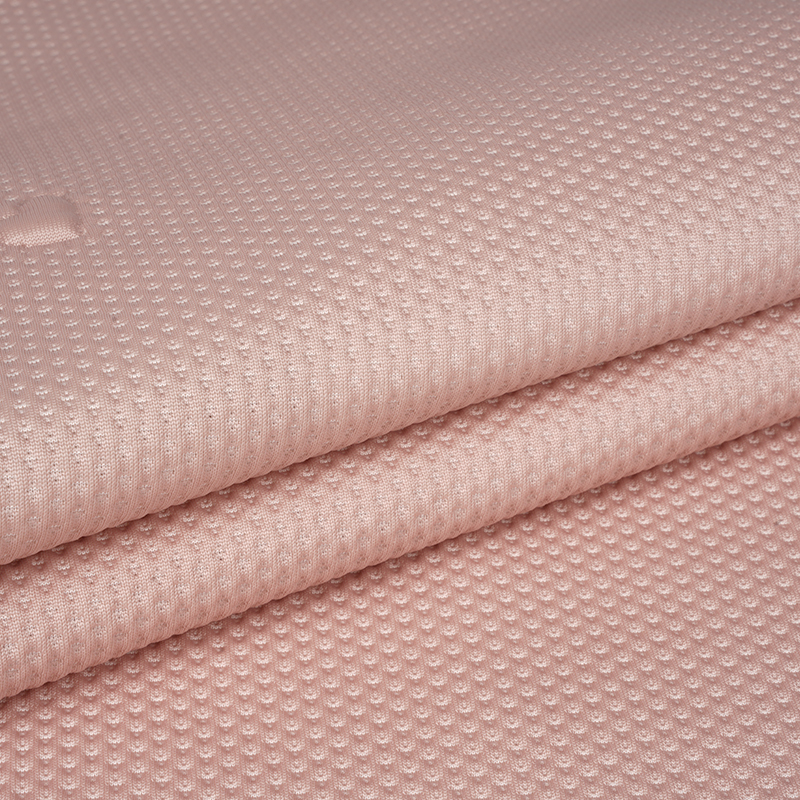
Polyester Pillowcase Fabric
Key Advantages Over Conventional Pillowcase Materials
Polyester pillowcase fabric competes with a wide range of textile materials, including cotton, rayon, blended fabrics, and other synthetic constructions. Each material has its own strengths. Polyester is especially competitive when buyers prioritize long service life, color retention, quick drying, efficient care, and consistent production performance.
Durability for Repeated Use
Pillowcases experience repeated contact with skin, hair, bedding, washing machines, dryers, storage systems, and commercial laundry processes. A fabric that appears attractive when new but loses strength or shape quickly can create replacement costs and customer dissatisfaction.
Polyester fibers provide a strong base for repeated-use applications. The fabric can be engineered to resist everyday abrasion and maintain a stable surface. This makes it suitable for bedding programs that require regular laundering, including hotel rooms, dormitories, serviced apartments, and rental accommodation.
Durability also supports more efficient inventory management. When pillowcases remain usable for a longer period, operators may reduce the frequency of replacement and simplify purchasing schedules. For consumers, a durable pillowcase can provide dependable value over an extended ownership period.
Color Fastness and Visual Consistency
Color is a major part of bedding design. Pillowcases may need to match sheets, mattress fabrics, duvet covers, curtains, sofa fabrics, or broader interior color schemes. Inconsistent color or premature fading can weaken the appearance of an entire room.
Polyester pillowcase fabric is known for strong color adhesion when processed with suitable dyeing systems. Good color fastness helps preserve brightness and reduces the visual deterioration associated with repeated washing, exposure to light, and everyday handling. This advantage is particularly important for bold colors, branded textiles, patterned designs, and coordinated hospitality collections.
Manufacturers can also use the fabric as a platform for different visual effects. Depending on construction and finishing, the surface may appear matte, subtly lustrous, smooth, textured, or patterned. Such flexibility allows designers and buyers to develop collections that range from practical everyday bedding to decorative and premium-looking products.
Quick-Drying and Easy-Care Characteristics
Compared with fibers that retain more moisture, polyester generally dries quickly after washing. This can support faster laundry turnaround and reduce the time needed before a pillowcase is ready for reuse. Quick drying is valuable in commercial settings, where bedding must be cleaned and returned to service according to a tight operating schedule.
Easy-care performance is also attractive to households. Polyester pillowcase fabric can be selected for products that require straightforward washing and convenient handling. Its resistance to excessive wrinkling can help the finished pillowcase maintain a neater appearance with less ironing or pressing.
Care performance still depends on the final fabric construction, finishing treatment, dye system, and laundering conditions. For this reason, professional production should include appropriate testing and clear care recommendations for the intended end user.
Design and Customization Flexibility
One of the strongest competitive advantages of polyester is its adaptability. It can be developed in different yarn counts, densities, colors, constructions, and finishing combinations. Buyers can request a fabric that is lightweight and smooth, structured and durable, lustrous and decorative, or flexible and close-fitting.
Customization may include color matching, surface appearance, elasticity, hand feel, width, weight, and functional finishing. A pillowcase brand can therefore develop a product that supports its specific market position instead of selecting a generic material with limited design options.
This flexibility is also beneficial for multi-category textile companies. The same manufacturing knowledge can support related products such as mattress fabric, children’s mattress fabric, pregnancy pillow fabric, cooling mat fabric, bedding fabric, sofa fabric, and pet-friendly fabrics. A supplier with experience across these categories may better understand how construction and finishing influence comfort, durability, and practical use.
Cost and Production Efficiency
Polyester is widely used in textile manufacturing because it can support efficient production at different volume levels. Its availability, processing flexibility, and compatibility with industrial weaving and finishing systems make it attractive for both standard and customized orders.
Production efficiency does not mean that all polyester fabrics are identical. Quality depends on process control, equipment condition, technical knowledge, inspection standards, and communication with the buyer. A capable manufacturer can help customers balance material performance, construction complexity, finish requirements, and target cost.
| Performance Consideration | Value of Polyester Pillowcase Fabric | Typical Application Benefit |
|---|---|---|
| Durability | Good resistance to repeated handling and abrasion | Longer service life in homes, hotels, and commercial bedding programs |
| Color performance | Strong color adhesion and high color fastness | Maintains coordinated and attractive bedding appearance |
| Drying behavior | Generally dries quickly after washing | Supports efficient laundry turnaround |
| Dimensional stability | Resists excessive shrinkage and deformation when properly processed | Helps preserve pillowcase fit and seam alignment |
| Design flexibility | Available in plain, twill, and satin constructions | Supports different textures, sheens, and market positions |
| Functional finishing | Can receive anti-static, stain-release, or water-repellent treatments | Adapts the fabric to specialized performance requirements |
| Fit customization | May be blended with a small amount of spandex | Improves stretch, fit, and recovery for selected pillowcase designs |
Functional Finishing for Modern Bedding
Basic fabric properties are important, but modern buyers increasingly expect textiles to offer additional value. Functional finishing allows a standard polyester base to be adapted to specific performance goals. The correct treatment depends on the intended use, user expectations, environmental conditions, and required testing standards.
Anti-Static Treatment
Static electricity can affect the comfort and handling of synthetic textiles, especially in dry environments. An anti-static finish may help reduce the tendency of the fabric to accumulate or discharge static electricity. This can improve the tactile experience and make the pillowcase easier to handle during production, packaging, and daily use.
Anti-static performance should be evaluated under relevant temperature and humidity conditions because environmental factors influence static behavior. A professional supplier can help determine whether an anti-static finish is appropriate for the target market and how it should be integrated into the finishing process.
Stain-Release Treatment
Pillowcases are exposed to skin oils, hair products, cosmetics, food particles, and other substances. A stain-release finish can help reduce the attachment of certain contaminants and make cleaning more convenient. This feature is especially useful for hotels, healthcare-related accommodation, family bedding, and other environments where frequent maintenance is required.
The purpose of stain release is not to make the fabric immune to all stains. Instead, it is intended to support easier cleaning when combined with timely washing and suitable laundering procedures. The finish should be selected with attention to hand feel, color appearance, durability, and compatibility with detergents.
Water-Repellent Treatment
A water-repellent finish can help liquid form droplets and remain on the surface for a short period rather than immediately penetrating the fabric. This may provide extra response time for wiping or cleaning accidental spills.
Water repellency can be beneficial for decorative pillowcases, hospitality environments, children’s bedding, and selected protective applications. It should not automatically be interpreted as full waterproofing. The final level of resistance depends on the fabric structure, treatment formulation, application method, and testing conditions.
Comfort-Oriented Finishing
Finishing also influences hand feel. A fabric can be adjusted to feel smoother, softer, fuller, crisper, or more fluid. For pillowcases, surface comfort is a central consideration because the material remains in close contact with the face and hair during sleep.
The ideal hand feel depends on the customer group and product positioning. A children’s pillowcase may require a soft, gentle, and easy-care surface. A hotel pillowcase may prioritize durability, clean appearance, and laundering efficiency. A decorative satin pillowcase may emphasize smoothness and surface sheen. The manufacturer’s role is to coordinate fiber, construction, and finishing rather than relying on finishing alone.
Advanced Manufacturing Strengths
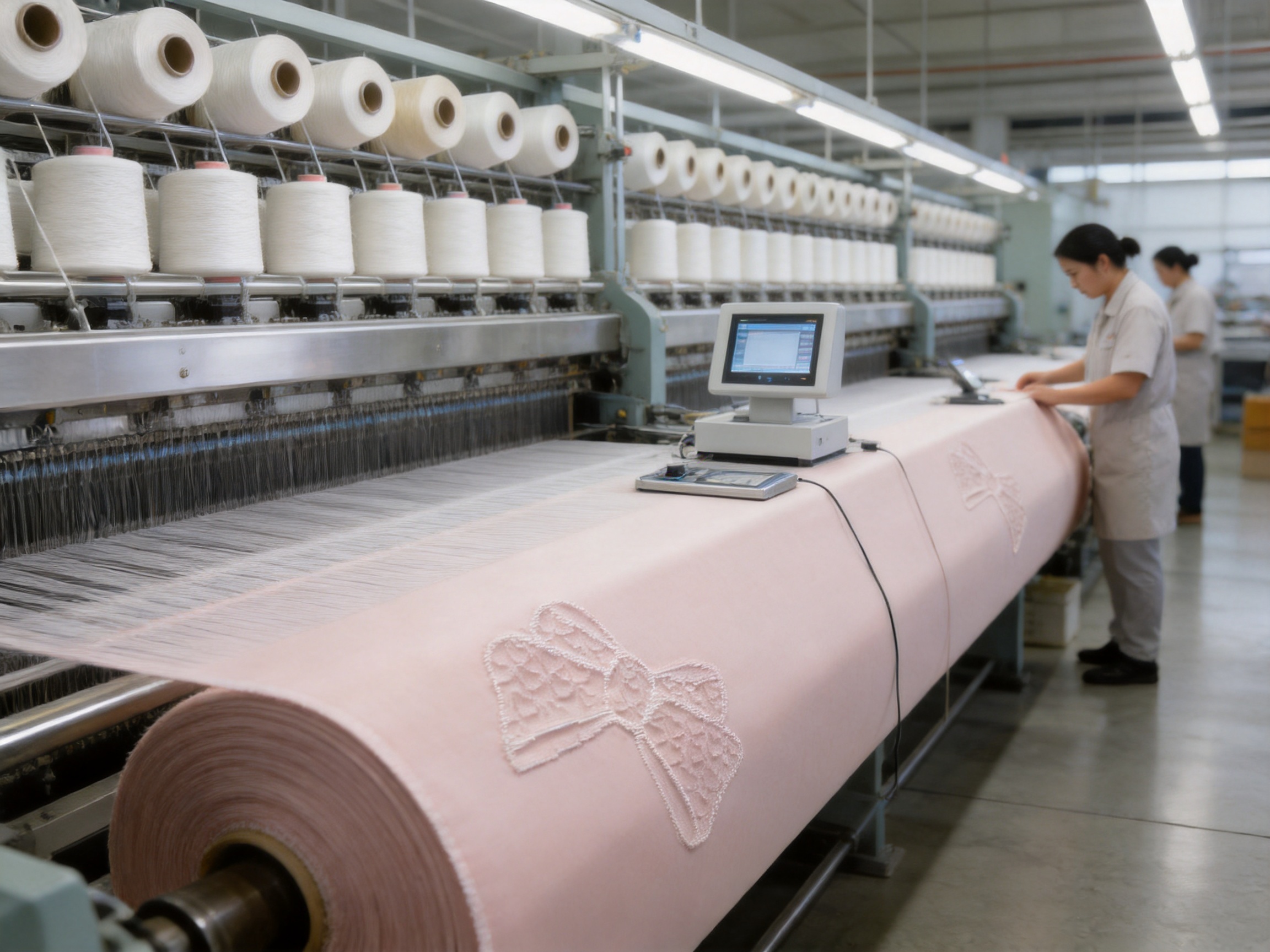
High-quality pillowcase fabric begins with a controlled manufacturing process. The finished textile is the result of several connected stages, including material preparation, yarn management, weaving, inspection, dyeing or coloration, functional finishing, quality verification, and packing. Weakness at any stage can affect surface appearance, color consistency, performance, or conversion efficiency.
Hangzhou Xinsili Decorative Fabric Weaving Co., Ltd. combines textile development with precision manufacturing. The company has 19 years of industry experience and operates a factory area of approximately 12,000 square meters. In 2023, it was recognized as a National High-Tech Enterprise, reflecting its focus on technical development and innovation-oriented manufacturing.
Material and Yarn Preparation
Production begins with the selection and preparation of polyester yarns according to the requested fabric specification. The yarn must be suitable for the planned construction, density, surface effect, and finishing route. If elastic fiber is included, its proportion and integration method must be controlled to support consistent stretch and recovery.
Proper yarn preparation helps reduce irregularities during weaving. It also supports more stable tension, cleaner fabric formation, and improved surface uniformity. For customers requiring repeat orders, controlled raw material management is especially important because it helps maintain consistency between production batches.
Precision Weaving
Weaving transforms yarn into a stable textile structure. During this stage, warp and weft yarns are interlaced according to the selected plain, twill, or satin design. Parameters such as yarn tension, density, width, and pattern repeat influence the final appearance and performance.
Precision weaving is essential for pillowcase fabric because uneven construction may create problems during cutting and sewing. Variations in width, density, or surface formation can affect pattern matching, seam alignment, edge stability, and finished dimensions. Controlled weaving helps provide a more dependable base for downstream conversion.
Different weave structures also create different performance profiles. Plain weave can provide balanced stability. Twill can create a recognizable diagonal texture and a fuller appearance. Satin can provide a smoother and more reflective surface. Selecting the right construction requires consideration of both visual design and practical use.
Surface Inspection and Process Control
Inspection is an ongoing activity rather than a single final step. Fabric can be checked for weaving defects, contamination, uneven coloration, width variation, abnormal yarn behavior, and other irregularities. Early detection allows problems to be addressed before the material reaches cutting, sewing, or shipment.
Process control also supports communication with customers. When specifications are documented clearly, production teams can compare actual results with expected weight, width, color, hand feel, and functional requirements. This is particularly important for custom orders and repeat programs.
Coloration and Color Management
Color management is a key strength of polyester fabric production. Because the material is intended for visible bedding products, color must be attractive and consistent across the order. Dyeing and coloration should be selected according to the fiber type, construction, required shade, and performance expectations.
Strong color adhesion and high color fastness are central product advantages. They help preserve color vibrancy during normal use and repeated cleaning. For brand owners, reliable color control also supports the development of recognizable product lines and consistent seasonal collections.
Color approval procedures may include laboratory sampling, shade comparison, standard swatches, and production-batch review. Buyers should provide clear color references and communicate whether the fabric must match an existing textile or a specific design standard.
Functional Finishing and Technical Adjustment
After weaving and coloration, the fabric may receive finishing treatments designed to improve its hand feel or add performance features. Anti-static, stain-release, and water-repellent treatments are available according to the product requirement. Finishing may also be used to influence smoothness, drape, surface brightness, and dimensional behavior.
Technical finishing must be carefully controlled. Excessive treatment can change the hand feel, reduce breathability, affect sewing performance, or create unwanted surface effects. Insufficient treatment may fail to deliver the expected function. A technically capable supplier balances performance with comfort, appearance, durability, and production stability.
For customers developing a new pillowcase, it is useful to discuss the intended use before selecting a finish. A decorative bedroom product may benefit from a smooth, lustrous surface, while a commercial pillowcase may place greater emphasis on easy cleaning and repeated laundering. The same base polyester fabric can therefore be adapted to different markets through carefully chosen processing.
Quality Verification
Quality verification should address both appearance and performance. Relevant evaluations may include visual inspection, color fastness, dimensional stability, width, weight, surface uniformity, stretch and recovery where applicable, and the durability of any functional finish.
The exact test program depends on the buyer’s specification and final application. Residential bedding, hotel bedding, children’s products, and decorative pillowcases may have different priorities. By discussing those priorities early, the supplier can help create a more appropriate and cost-effective quality plan.
Application Areas
Polyester pillowcase fabric is suitable for a broad range of finished products. Its adaptability allows it to serve both functional and decorative roles, from basic everyday pillowcases to coordinated bedding collections.
Residential Bedding
For household use, polyester pillowcase fabric offers easy care, durable performance, and a wide choice of colors and surface effects. It can be used for standard sleeping pillows, decorative cushions, guest bedding, and seasonal home textile collections.
Families may value the fabric’s quick-drying behavior and resistance to excessive wrinkling. Designers may value its ability to support bright colors, smooth surfaces, satin effects, or textured constructions. When a small amount of spandex is added, the pillowcase may provide a more flexible fit around different pillow dimensions.
Hotel and Hospitality Bedding
Hotels and hospitality operators require fabrics that can withstand frequent use and repeated laundering while maintaining a clean, professional appearance. Polyester pillowcase fabric can support these requirements through its durability, color stability, and manageable care characteristics.
Commercial bedding suppliers may also request stain-release or water-repellent treatments to help with routine maintenance. The selected construction should reflect the operational environment. A hotel pillowcase may need a balanced combination of softness, strength, quick drying, and dimensional stability rather than a purely decorative appearance.
Children’s Bedding
Children’s pillowcases require careful attention to comfort, appearance, cleaning, and product safety requirements. Polyester fabric can be developed in bright colors and attractive patterns while retaining practical easy-care characteristics.
For children’s products, buyers should clearly define applicable safety, chemical, and labeling requirements for the destination market. The manufacturer can then coordinate material selection and finishing with the customer’s compliance expectations. A soft hand feel, dependable color fastness, and easy cleaning can help support a more suitable product for family use.
Decorative and Premium Pillowcases
Satin-structured polyester can be used for pillowcases that emphasize smoothness, shine, and decorative appeal. Such products may be included in luxury bedroom collections, boutique hotel interiors, gift packaging, or coordinated home décor programs.
Decorative products require strong attention to surface uniformity. Small variations in sheen, tension, or color can become visible under interior lighting. Precision weaving, careful coloration, and controlled finishing are therefore important for maintaining a premium appearance.
Specialty Pillow Designs
Pregnancy pillows, body pillows, shaped cushions, and supportive sleep products may require pillowcases with additional flexibility or a specific construction. A polyester fabric blended with a small amount of spandex can be considered when stretch and recovery are important.
Specialty products should be evaluated according to their shape, seam design, filling pressure, and expected laundering method. The fabric must not only fit the product but also remain stable during use. A customized technical discussion can help determine whether a standard or stretch-enhanced construction is more suitable.
Why Manufacturing Experience Matters
A product specification is only useful when a manufacturer can reproduce it consistently. Textile buyers often face difficulties caused by inconsistent color, changing hand feel, uneven width, fluctuating weight, or finishes that perform differently from one order to the next. Manufacturing experience helps reduce these risks through established procedures and practical technical judgment.
With 19 years of industry experience, Hangzhou Xinsili has developed knowledge across functional decorative textiles and related home textile applications. This experience supports the development of fabrics for residential, hotel, and commercial environments. It also provides a broader understanding of how textiles perform after conversion into finished products.
The company’s approximately 12,000-square-meter factory area provides a manufacturing base for organized production, inspection, and order management. Its recognition as a National High-Tech Enterprise in 2023 further reflects an emphasis on technological advancement and product innovation.
Manufacturing strength is not limited to machinery. It also includes the ability to interpret customer requirements, recommend suitable constructions, coordinate functional finishes, manage repeat orders, and solve technical issues during development. These capabilities are particularly valuable for international buyers who need reliable communication and stable specifications.
Product Development and Customization Process
A successful customized fabric project usually begins with a clear definition of the final product. Buyers should identify the pillow dimensions, intended environment, desired hand feel, target weight, color range, construction preference, functional requirements, and expected order volume.
Step One: Requirement Review
The supplier reviews the intended application and translates the commercial goals into textile parameters. For example, a hotel customer may need a durable, easy-care, white pillowcase fabric, while a decorative home textile brand may need a satin surface with strong color vibrancy.
At this stage, buyers should also provide information about sewing methods, washing conditions, packaging, and delivery expectations. Early communication helps prevent a mismatch between the fabric and the finished product.
Step Two: Construction Selection
The customer and manufacturer select plain, twill, or satin construction according to the desired appearance and performance. Yarn specifications and density may then be adjusted to achieve the appropriate balance of weight, drape, strength, and surface character.
If a stretch component is required, the proportion of spandex and the expected recovery should be discussed. Stretch fabric may require different cutting, sewing, and finishing considerations than a standard woven polyester fabric.
Step Three: Sample Development
Samples allow the buyer to evaluate color, hand feel, surface appearance, width, weight, and general suitability before bulk production. Functional finishes can also be assessed at this stage. The sample process is an opportunity to identify adjustments rather than a formality before ordering.
For the most accurate evaluation, the sample should be converted into a pillowcase or tested using a representative sewing method. A fabric that feels suitable as a roll may behave differently after cutting, seaming, washing, and filling.
Step Four: Production Confirmation
After approval, the technical requirements should be documented. This may include composition, construction, color standard, finished width, weight, finish, tolerance, packaging, and inspection expectations. Clear documentation helps ensure that different production departments work toward the same result.
Step Five: Bulk Manufacturing and Inspection
During bulk manufacturing, process control is applied across weaving, coloration, finishing, and inspection. The finished material is checked against the approved specification. Any quality concerns should be identified and communicated before shipment.
For repeat customers, production records and approved references can help improve consistency. Maintaining a clear product history is useful when the same fabric must be reordered over time or supplied in multiple colors.
How to Select the Right Polyester Pillowcase Fabric
Selecting fabric solely by price can create hidden costs later. A suitable material should be evaluated according to finished-product performance, conversion requirements, care conditions, and brand positioning.
Consider the Intended User
Residential users may prioritize softness, appearance, and easy care. Hotels may emphasize durability, color stability, and laundry efficiency. Children’s products may require additional safety and compliance review. Decorative products may focus on sheen, smoothness, and visual uniformity.
Match Construction to Appearance
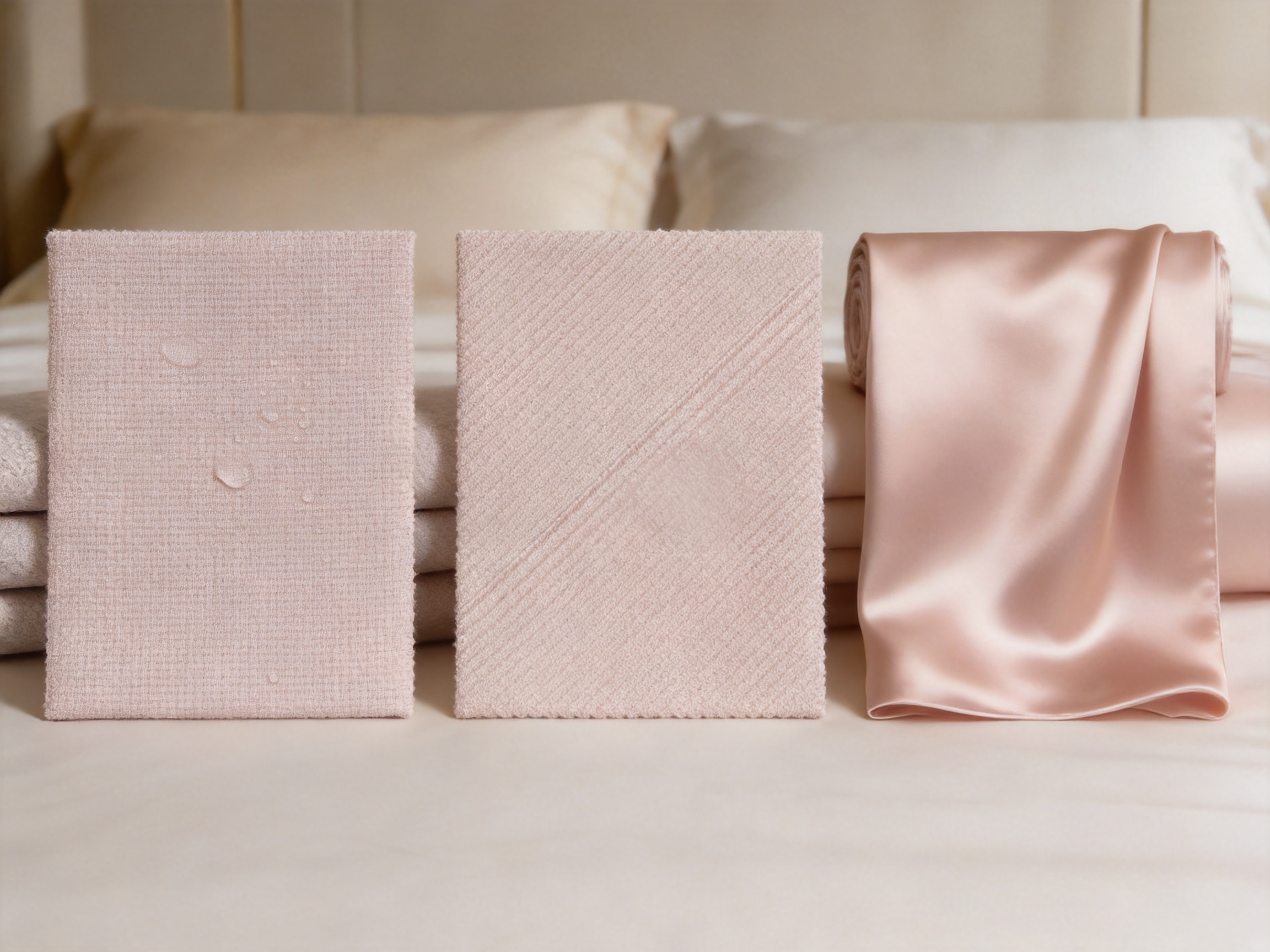
Plain weave is appropriate for balanced everyday performance. Twill may be selected for texture and a fuller visual effect. Satin can create a smoother and more lustrous appearance. Buyers should assess fabric samples under the lighting conditions where the final pillowcase will be displayed or used.
Evaluate Hand Feel
Hand feel is subjective, but it can be discussed through terms such as smooth, soft, crisp, fluid, dense, lightweight, silky, or structured. A reference sample is often helpful. The manufacturer can then adjust yarn, construction, or finishing to move closer to the desired result.
Review Functional Requirements
Not every pillowcase requires every functional finish. Anti-static, stain-release, and water-repellent treatments should be selected according to actual use. Additional functions may influence cost, hand feel, care instructions, and environmental considerations, so they should be evaluated carefully.
Check Conversion Compatibility
The fabric should be compatible with cutting, sewing, zipper insertion, piping, embroidery, printing, or other planned operations. If the pillowcase includes elastic panels, fitted openings, or complex shapes, the fabric’s stability and recovery become especially important.
Quality and Sustainability Considerations
Responsible textile purchasing requires attention to the complete product life cycle. Polyester pillowcase fabric can support long service life, which may reduce the frequency of replacement. Durable products can be a practical part of a more resource-conscious purchasing strategy because they may remain useful for longer periods.
Manufacturers and buyers should also consider efficient production, controlled material use, responsible chemical management, packaging reduction, and appropriate care instructions. Functional finishes should be selected with attention to their durability and the requirements of the destination market.
Environmental claims should always be supported by clear evidence. If a buyer requires recycled polyester, specific certifications, restricted-substance compliance, or traceability documentation, those requirements should be communicated before sampling and confirmed through the appropriate documents and testing procedures.
For the standard product described here, the primary material is polyester, with optional spandex blending available upon request. Buyers should confirm the exact composition, finishing chemistry, testing scope, and compliance documentation for each order rather than assuming that all versions share identical properties.
Care and Maintenance Guidance
Care instructions should be based on the final fabric construction and finish. In general, polyester pillowcase products are valued for practical laundering and relatively quick drying. However, excessively high heat, unsuitable chemicals, or aggressive mechanical treatment can affect color, elasticity, surface appearance, or functional finishes.
For products containing spandex, buyers should pay particular attention to heat exposure because elastic fibers may require more controlled laundering and drying conditions. Water-repellent or stain-release finishes may also perform more effectively when care instructions are followed carefully.
Commercial users should establish laundering procedures that balance hygiene, cleaning effectiveness, fabric protection, and service life. Household users should follow the recommended care label supplied with the finished pillowcase.
Competitive Value for Buyers
The competitive value of polyester pillowcase fabric lies in the combination of material performance and manufacturing adaptability. A supplier may offer a low-cost fabric, but if the material has unstable width, inconsistent color, poor finishing durability, or an unsuitable hand feel, the apparent saving can disappear during cutting, sewing, inspection, and customer use.
A well-developed polyester fabric provides more predictable conversion. Stable construction can reduce cutting problems. Consistent coloration can improve product matching. Good dimensional behavior can support more accurate pillowcase sizing. Durable performance can reduce complaints and replacement requirements.
For brands, customization creates another advantage. The company can develop a distinctive product through weave selection, color, surface effect, stretch content, and functional treatment. This allows buyers to serve different market segments without changing to an entirely different fiber platform.
For distributors and project suppliers, reliable production and broad application knowledge can simplify sourcing. Instead of managing multiple unrelated suppliers for every decorative and functional textile need, buyers may work with a manufacturer experienced in bedding and related interior fabrics.
Frequently Asked Questions
What is the standard composition of the fabric?
The standard composition is 100% polyester, also known as PET-based textile fiber. A small percentage of elastic fiber such as spandex can be blended into the fabric upon request when additional stretch and improved fit are needed.
Which weave structures are available?
The product can be developed in plain, twill, or satin constructions. Plain weave offers balanced stability, twill provides a diagonal texture and fuller appearance, and satin creates a smoother surface with greater visual sheen.
Can the fabric be used for hotel pillowcases?
Yes. Its durability, color stability, easy-care characteristics, and quick-drying behavior make it suitable for many hotel and hospitality bedding applications. The exact specification should be selected according to laundering frequency, desired hand feel, color, and commercial performance requirements.
Can the fabric receive functional treatments?
Yes. Available functional finishing options include anti-static, stain-release, and water-repellent treatments. The appropriate finish depends on the intended application and should be confirmed through sample evaluation and relevant testing.
Does polyester pillowcase fabric fade easily?
Polyester has strong color adhesion when it is correctly dyed and finished. The product is designed to provide high color fastness and maintain color vibrancy over extended use. Actual performance depends on shade, processing, exposure conditions, and laundering practices.
Is the material suitable for fitted or shaped pillowcases?
It can be suitable for selected fitted or shaped designs. If additional flexibility is required, a small amount of spandex may be incorporated. The final fabric should be evaluated for stretch, recovery, seam behavior, and dimensional stability before mass production.
What should buyers provide when requesting a quotation?
Useful information includes the intended application, composition, weave preference, color, finished width, weight, functional finish, stretch requirement, estimated quantity, packaging method, and destination market. A reference sample or color standard can improve communication.
How should buyers evaluate a sample?
Buyers should inspect the surface, hand feel, color, width, weight, drape, sewing behavior, and appearance after washing. If a functional treatment is requested, its performance should also be evaluated under conditions that represent actual use.
What makes the manufacturer suitable for customized textile projects?
Hangzhou Xinsili Decorative Fabric Weaving Co., Ltd. combines 19 years of industry experience, an approximately 12,000-square-meter factory area, technical development capabilities, and a product focus covering functional decorative textiles. The company was recognized as a National High-Tech Enterprise in 2023 and provides development options for home, hotel, and commercial environments.
Are all polyester pillowcase fabrics the same?
No. Polyester fabrics can differ significantly in yarn type, density, weave, weight, surface effect, color, finishing, stretch, and durability. These variables determine how the fabric feels and performs. A buyer should evaluate the complete specification rather than selecting material solely by fiber name.
Conclusion
Polyester pillowcase fabric is a versatile and commercially valuable material for modern bedding. Its main advantages include durable performance, strong color adhesion, high color fastness, quick drying, practical care, dimensional stability, and broad design flexibility. Plain, twill, and satin constructions allow buyers to develop different surface appearances and hand feels, while optional spandex blending can improve fit and recovery for selected products.
Functional treatments such as anti-static, stain-release, and water repellency can further adapt the fabric to residential, hotel, commercial, and specialty bedding applications. These features are most effective when they are matched to the actual requirements of the final product rather than added without a clear purpose.
The manufacturing process is equally important. Controlled yarn preparation, precision weaving, color management, functional finishing, inspection, and customer-focused development help create a more reliable textile. With 19 years of experience, an approximately 12,000-square-meter factory, and recognition as a National High-Tech Enterprise in 2023, Hangzhou Xinsili Decorative Fabric Weaving Co., Ltd. provides a manufacturing foundation for customized functional decorative textiles.
For buyers seeking a practical balance of comfort, appearance, durability, and production flexibility, polyester pillowcase fabric offers a strong solution. Through careful specification and professional process control, it can support dependable finished products and long-term value across multiple bedding markets.
References
1. Textile Fiber Identification and General Polyester Fiber Characteristics, technical textile reference materials.
2. Woven Fabric Construction Principles: Plain, Twill, and Satin Structures, textile engineering reference materials.
3. Color Fastness Evaluation for Dyed and Finished Textile Materials, textile quality-control reference materials.
4. Functional Textile Finishing: Anti-Static, Stain-Release, and Water-Repellent Treatments, textile finishing reference materials.
5. Home Textile Product Development and Quality Management Guidelines, industry reference materials.
6. Company-provided product information for polyester pillowcase fabric and functional decorative textiles.
Product: Polyester Pillowcase Fabric
Our Featured Products
-
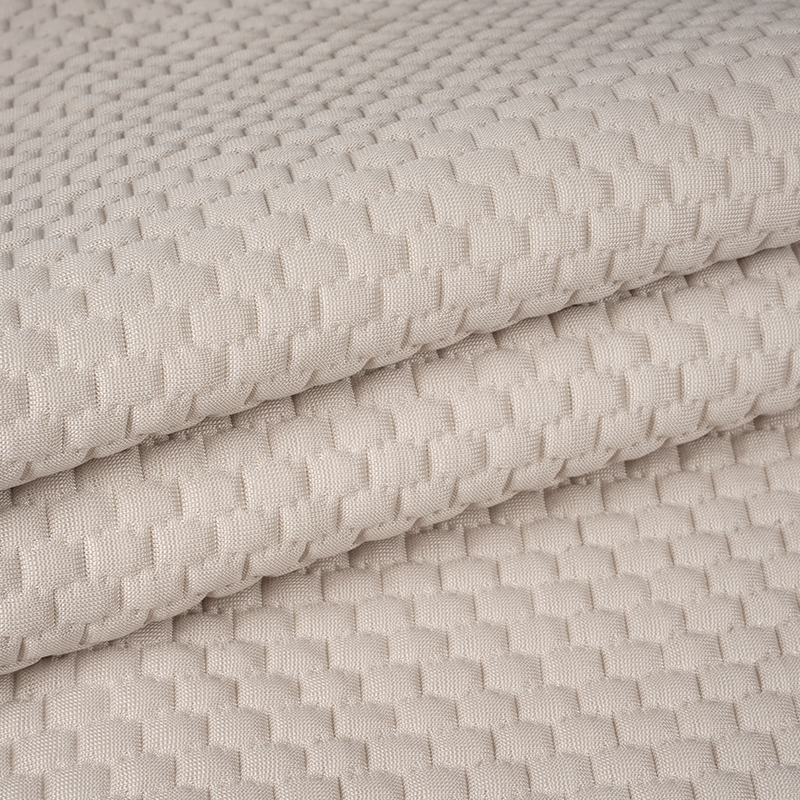
Polyester Pillowcase Fabric
Polyester Pillowcase Fabric
Haven’t Found The Products You Want?
-
-
Shen Jinyan:+86-15158070676
[email protected]
Liang Jinwen:+86-15757186621
[email protected]
Qiu Yingyingn:+86-13819545790
[email protected]
Yi qiao Town, Xiaoshan District, Hangzhou City, Zhejiang Province, China
-
Products
Mattress Fabric Children Mattress Fabric Pillowcase Fabric Pregnancy Pillow Fabric Cooling Mat Fabric Bedding Fabric Sofa Fabric Pet Friendly Fabrics -
Contact Information
About Us Products Strength Sustainability News Contact Us
Copyright © Hangzhou Xinsili Decorative Fabric Weaving Co.,Ltd. All Rights Reserved.
Functional Decorative Textile Manufacturers
