

 English
 中文简体
 Español
 عربى
 русский



Graphene Mattress Fabric: Advanced Comfort, Functional Performance, and Custom Textile Manufacturing
Content
- 1 What Is Graphene Mattress Fabric?
- 2 Why Mattress Fabric Matters to the Finished Product
- 3 Key Material Composition and Customization Options
- 4 Functional Advantages Compared with Conventional Mattress Fabrics
- 5 Manufacturing Process and Quality Management
- 6 Manufacturing Strengths of an Experienced Textile Supplier
- 7 Application Areas
- 8 Specification Overview
- 9 How Graphene Mattress Fabric Compares with Common Alternatives
- 10 Quality Assurance from Sample to Bulk Production
- 11 Design and Development Recommendations
- 12 Sustainability and Responsible Product Development
- 13 Advantages for Mattress Brands and Distributors
- 14 Q&A
- 14.1 What is the base composition of the graphene mattress fabric?
- 14.2 Does the fabric contain pure graphene?
- 14.3 What fabric weights are available?
- 14.4 What widths can be supplied?
- 14.5 Can the fabric be produced in a customer’s color?
- 14.6 What is the washing color fastness?
- 14.7 Can the fabric be quilted?
- 14.8 Is the fabric suitable for hotel mattresses?
- 14.9 Does graphene mattress fabric guarantee a cooler sleeping experience?
- 14.10 Can the fabric be used for children’s mattresses?
- 14.11 What information should a buyer provide for a quotation?
- 14.12 Why is sample approval important?
- 14.13 What makes an experienced manufacturer valuable?
- 15 Conclusion
- 16 References
- 17 Product: Graphene Mattress Fabric
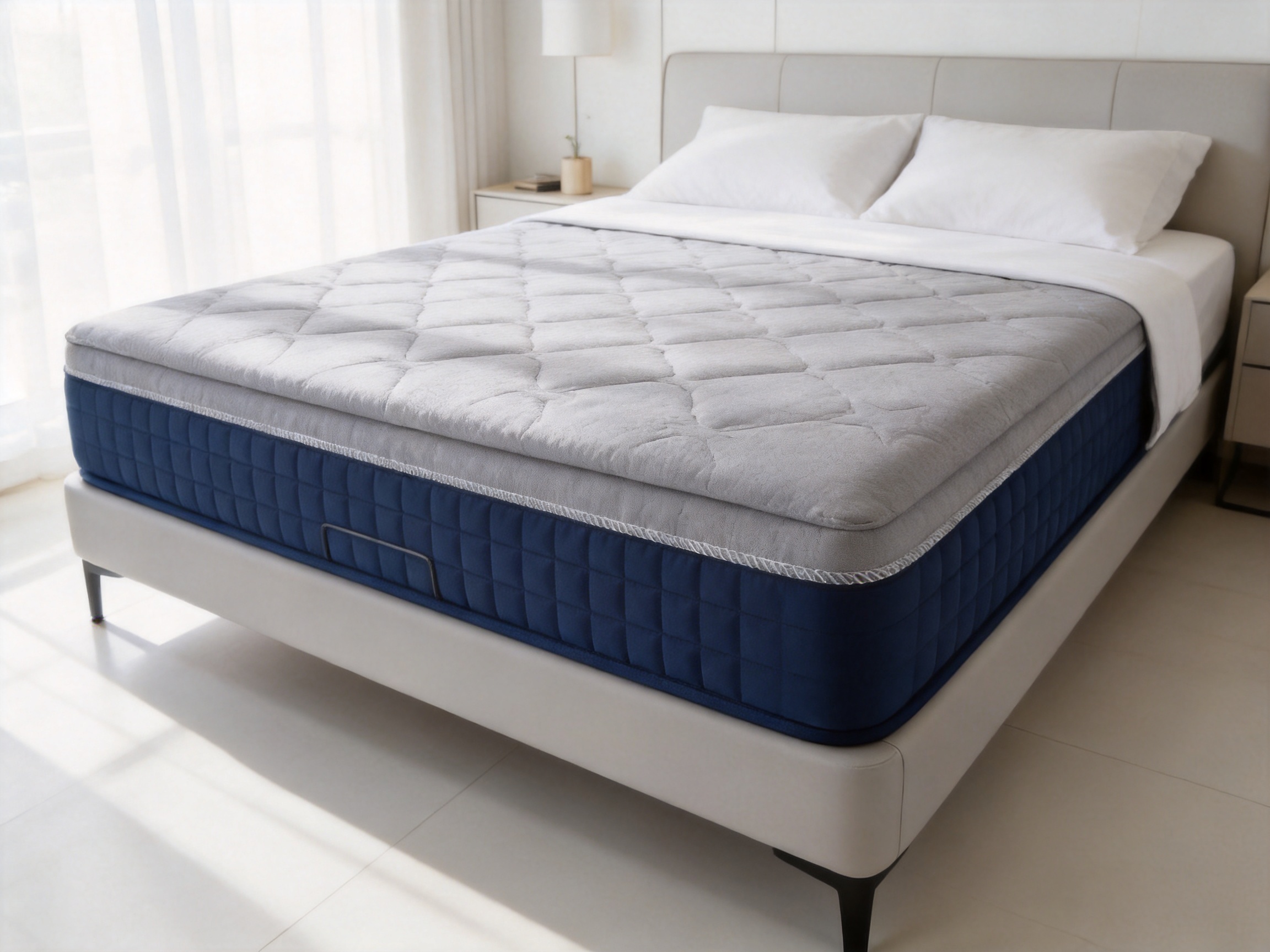
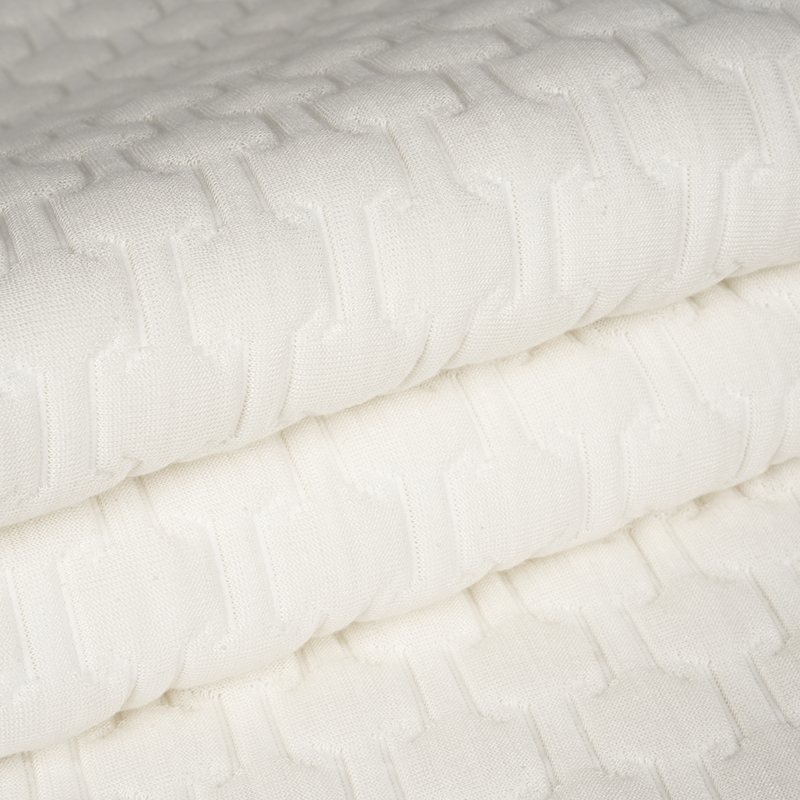
Graphene mattress fabric is an innovative bedding textile designed to combine the familiar comfort of mattress coverings with the functional potential of graphene-enhanced materials. As consumers increasingly seek healthier sleep environments, temperature-balanced bedding, durable textile surfaces, and responsibly manufactured products, mattress fabric is no longer viewed as a simple decorative layer. It has become an important part of mattress performance, user comfort, product differentiation, and long-term value.
The fabric described in this article is a graphene-modified polyester and cotton blend that can be customized according to customer requirements. Its composition, weight, width, color, and finishing specifications may be adjusted for different mattress structures, markets, and application environments. A typical fabric weight may range from 200 to 350 grams per square meter, while standard widths may include 150 centimeters or 220 centimeters. Custom widths and color matching are also available for qualified production programs.
Compared with conventional mattress textiles, graphene mattress fabric offers manufacturers an opportunity to develop products with a more advanced functional identity. Graphene-related textile technology may contribute to thermal regulation, surface comfort, durability, and differentiated product positioning when properly engineered and tested. However, the performance of the final fabric depends on the graphene modification method, fiber composition, yarn construction, knitting or weaving structure, finishing process, and quality-control standards.
For mattress manufacturers, furniture brands, hospitality suppliers, bedding wholesalers, and home textile distributors, the ideal fabric must do more than look attractive. It must be stable during cutting and sewing, comfortable against the skin, resistant to repeated washing, compatible with mattress filling systems, and consistent across production batches. A professional fabric manufacturer must therefore integrate material selection, process control, sample approval, production management, inspection, and customer service into one coordinated system.
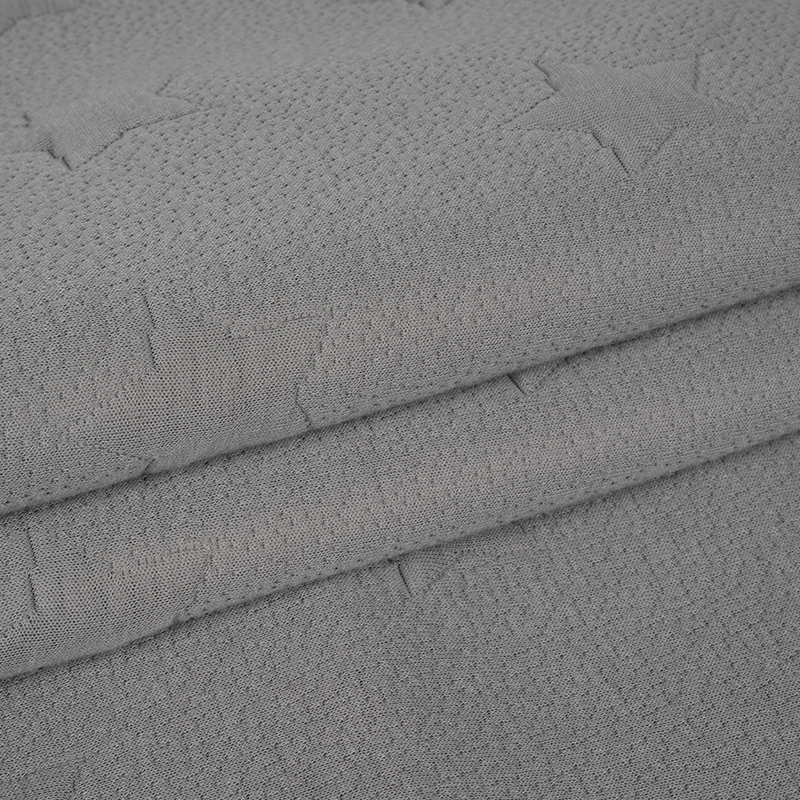
Graphene Mattress Fabric
What Is Graphene Mattress Fabric?
Graphene mattress fabric is a functional textile in which graphene or graphene-related materials are incorporated into the fiber, yarn, coating, finishing system, or polymer modification process. In the supplied product concept, the base material may use a graphene-modified polyester and cotton blend, with the exact ratio customizable according to the target performance and price level.
Polyester contributes strength, dimensional stability, abrasion resistance, color retention, and efficient large-scale production. Cotton contributes natural hand feel, breathability, moisture absorption, and a familiar textile surface. Graphene modification is introduced to enhance the functional profile of the textile and create a more technologically differentiated material for mattresses and other bedding applications.
The term “graphene fabric” can describe several different technical approaches. In one approach, graphene is incorporated into a polymer before the fiber is formed. In another, graphene-based particles are applied during a coating or finishing stage. A third approach uses a graphene-containing masterbatch or additive in synthetic fibers. The final properties vary considerably depending on dispersion quality, concentration, bonding method, and process temperature.
For this reason, graphene should not be treated as a universal guarantee of performance. A reliable supplier must connect the material technology to measurable fabric characteristics. These may include washing color fastness, tensile strength, tear resistance, pilling resistance, dimensional stability, moisture behavior, air permeability, surface feel, and appearance consistency.
The mattress fabric is intended to function as an outer textile layer or cover material. It may be used with knitted mattress panels, quilted mattress covers, removable mattress protectors, mattress borders, pillow surfaces, pregnancy pillow covers, cooling products, and other bedding-related structures. Its suitability depends on the customer’s construction requirements and the applicable testing standards.
Why Mattress Fabric Matters to the Finished Product
A mattress is a multi-layered product. Its performance is influenced by the support core, comfort layers, foam or fiber filling, springs, adhesives, protective barriers, quilting, and outer cover. Although the outer fabric is only one component, it directly affects the user’s first contact with the mattress and strongly influences the product’s perceived quality.
The textile surface determines whether the mattress feels smooth, soft, dry, warm, cool, flexible, or restrictive. It also affects visual appeal, seam performance, cleaning convenience, and the durability of the cover. A low-quality fabric can reduce the value of an otherwise well-designed mattress, while a carefully engineered fabric can support a premium product image.
Mattress fabric must accommodate repeated movement, body pressure, friction from sheets, stretching during use, and occasional washing or professional cleaning. It should also remain visually attractive after extended use. A fabric that pills quickly, loses color, shrinks excessively, or develops surface distortion may lead to customer complaints even if the inner mattress materials remain functional.
Graphene mattress fabric provides a way to position the mattress around modern comfort and functional textile trends. Consumers are increasingly familiar with smart fibers, temperature management, antibacterial finishes, recycled materials, and advanced comfort fabrics. A graphene-modified textile can contribute to a product story based on material innovation rather than relying only on color, quilting patterns, or brand decoration.
Key Material Composition and Customization Options
Graphene-Modified Polyester
Polyester is widely used in mattress fabrics because it offers consistent quality, good mechanical strength, fast drying, and compatibility with various knitting and weaving systems. When modified with graphene-related materials, polyester can be developed into a more functional fiber or yarn system. The exact result depends on the type of modification and the manufacturer’s process controls.
Polyester also supports efficient production for large mattress programs. It can be engineered in different filament or staple-fiber forms, allowing manufacturers to balance softness, strength, stretch, recovery, and cost. For mattress covers, polyester may be selected for areas requiring abrasion resistance, dimensional stability, or color consistency.
Cotton Content
Cotton is valued for its natural touch, moisture absorption, and familiar comfort. Incorporating cotton into the blend can make the fabric feel less synthetic and more suitable for direct-contact bedding applications. Cotton also supports a natural visual and tactile identity, which can be important for home textile brands that emphasize comfort and everyday usability.
The cotton ratio may be adjusted according to the customer’s requirements. A higher cotton content may be preferred for natural hand feel and moisture absorption, while a higher polyester content may support improved dimensional stability, durability, and production efficiency. A balanced blend can provide a practical compromise between comfort and functional performance.
Adjustable Fabric Weight
The indicative fabric weight is approximately 200 to 350 grams per square meter. This range allows the material to serve different mattress constructions. A lighter fabric may be suitable for flexible covers, summer bedding, or products where breathability and reduced bulk are important. A heavier fabric may be preferred for quilted mattress panels, premium mattress borders, high-use hospitality products, or structures requiring greater body and coverage.
Fabric weight should be selected together with the yarn specification, stitch density, finishing treatment, and quilting structure. Weight alone does not determine quality. A well-balanced textile must combine appropriate density with a comfortable hand feel, stable dimensions, and reliable sewing performance.
Custom Widths
Standard width options may include approximately 150 centimeters or 220 centimeters. Wider fabric can reduce the number of seams in large mattress panels and may improve cutting efficiency. A narrower width may be appropriate for mattress borders, pillow covers, smaller bedding components, or programs with more compact cutting layouts.
Custom width development can help reduce material waste and improve manufacturing efficiency. Before production, the customer and supplier should confirm usable width, edge quality, shrinkage allowance, roll length, selvage condition, and the cutting direction required for the mattress design.
Custom Color Matching
Color is an important part of mattress presentation. Neutral colors such as white, ivory, gray, beige, and dark blue are common in bedding, but customers may require specific shades for private-label collections, hotel projects, retail programs, or coordinated bedroom products.
Color matching can be performed according to customer-provided samples or approved color standards. The development process should consider the base fiber, dye or pigment system, finishing chemicals, lighting conditions, and acceptable color tolerance. A color approval sample should be confirmed before bulk production to reduce the risk of shade variation.
Functional Advantages Compared with Conventional Mattress Fabrics
Material Differentiation
One of the most important advantages of graphene mattress fabric is its ability to differentiate a mattress product in a crowded market. Conventional polyester or cotton fabrics may offer comfort and durability, but they may not provide a distinctive technical story. A graphene-modified fabric allows manufacturers to communicate a material innovation that can be incorporated into premium, wellness-oriented, cooling, or technology-focused bedding collections.
This differentiation is valuable for product developers and retailers. A mattress with an advanced functional cover may be positioned separately from entry-level products, even when the internal support structure is similar. The cover can become a visible and understandable feature that supports a higher-value product architecture.
Potential Thermal Comfort Benefits
Graphene is known for its thermal conductivity and heat-distribution characteristics. When properly incorporated into a textile system, graphene-related materials may support more even heat transfer across the fabric surface. This can contribute to a more balanced contact environment, especially when combined with suitable yarn construction, fabric openness, moisture management, and mattress ventilation.
Thermal comfort is influenced by many factors, including room temperature, humidity, sleepwear, bedding layers, body movement, mattress filling, and the user’s personal sensitivity. Therefore, graphene mattress fabric should not be presented as a complete solution for every temperature-related concern. Its value lies in contributing to a broader comfort system that can be tested and optimized for a specific mattress design.
Comfortable Surface Engineering
A mattress fabric must provide a pleasant hand feel and avoid excessive stiffness or roughness. The polyester and cotton blend can be engineered to balance softness, resilience, and structural stability. Knitting density, yarn fineness, brushing, washing, softening, and calendaring may all affect the final tactile performance.
Graphene modification can be integrated into a comfort-oriented textile rather than treated as a separate technical layer. This is important because a fabric may have impressive laboratory characteristics but still be unsuitable if it feels uncomfortable or lacks flexibility. The best result is a textile that combines functional material technology with everyday bedding comfort.
Durability and Repeated Use
Mattresses are long-term products that experience repeated compression, friction, stretching, and movement. The fabric must maintain its appearance and structural integrity during normal use. Polyester can contribute to abrasion resistance and shape retention, while cotton can improve touch and moisture comfort. The blend ratio and construction should be selected according to the expected use intensity.
For hotels, dormitories, healthcare facilities, furnished apartments, and other commercial environments, the textile may face more frequent cleaning and handling than a household mattress. In these applications, dimensional stability, seam strength, color retention, and resistance to surface damage become especially important.
Washing Color Fastness
The supplied product specification indicates washing color fastness of at least Grade 4 according to the Chinese national standard. This represents an important quality target for bedding fabrics. Good color fastness helps the fabric maintain a stable appearance after washing and reduces the risk of noticeable fading during normal care.
Actual performance depends on the final color, dye system, washing conditions, detergent, water temperature, mechanical action, drying method, and finishing process. Bulk production should be tested according to an agreed standard and confirmed through sample approval. For international programs, buyers may also request testing against relevant regional or customer-specific methods.
Compatibility with Quilting and Sewing
Many mattresses use quilted covers that combine outer fabric, padding, and backing materials. A suitable fabric must feed smoothly through quilting machinery, maintain a stable surface during stitching, and resist excessive distortion. It should also perform reliably during cutting, overlocking, binding, zipper installation, and seam construction.
Graphene mattress fabric can be developed for different cover structures, but the quilting pattern and needle settings should be evaluated during sampling. Excessive needle density may affect flexibility, while insufficient support may lead to puckering or uneven appearance. A professional supplier can work with the customer to identify the best construction parameters.
Manufacturing Process and Quality Management
Product Requirement Review
Advanced textile manufacturing begins before the loom or knitting machine starts. The supplier first reviews the customer’s product requirements, intended application, target price, fabric weight, width, color, performance expectations, order volume, packaging method, and delivery schedule.
For graphene mattress fabric, the requirement review should also identify the desired functional profile. The customer may prioritize thermal comfort, a soft hand feel, durability, moisture management, easy care, or a combination of these characteristics. Clear priorities help the manufacturer select the most appropriate fiber ratio and production route.
Raw Material Selection
Raw material consistency is essential for stable fabric quality. Polyester and cotton should be sourced according to confirmed specifications for fineness, length, strength, moisture content, cleanliness, and color. Graphene-related additives or modified fibers should be controlled according to documented technical requirements.
The dispersion and compatibility of the graphene component are particularly important. Uneven distribution may lead to inconsistent performance, appearance defects, or weak points in the textile. A responsible manufacturer should establish incoming inspection procedures and retain records for raw material batches.
Yarn Preparation
After raw materials are approved, the yarn preparation stage establishes the foundation for fabric performance. Depending on the selected construction, the process may include blending, opening, carding, drawing, spinning, twisting, winding, or filament preparation.
Blend uniformity is important for both comfort and appearance. Inconsistent blending can create shade variation, uneven hand feel, or differences in shrinkage. Yarn tension and package quality also influence downstream knitting or weaving efficiency.
Knitting or Weaving
The fabric structure may be produced through knitting or weaving, depending on the required flexibility, surface effect, dimensional stability, and application. Knitted structures are often valued for stretch, softness, and conformability. Woven structures may provide a more stable surface and a tailored appearance.
Machine parameters must be carefully controlled. These may include stitch density, yarn tension, take-up speed, loom settings, fabric overfeed, temperature, and line speed. Small variations can affect fabric weight, width, elasticity, surface uniformity, and shrinkage.
Functional Finishing
Finishing transforms the unfinished textile into a fabric suitable for mattress production. Potential operations may include washing, scouring, dyeing, softening, drying, heat setting, brushing, compacting, calendaring, coating, or other customer-approved treatments.
For graphene-modified fabrics, the finishing route must protect the intended functional characteristics while achieving the desired touch and appearance. Excessive heat, aggressive chemicals, or unsuitable mechanical action may affect the material system. Process development should therefore consider both the graphene component and the polyester-cotton base.
Color Control
Color control requires more than visual comparison under one light source. Professional inspection may use standardized lighting, approved lab dips, spectrophotometer readings, visual evaluation, and batch-to-batch comparisons. The customer’s tolerance should be defined in advance, especially for large-volume programs with multiple production lots.
Color consistency is particularly important for mattress collections containing multiple components. The mattress top, border, pillowcase, protector, and accessory fabrics should be coordinated when they are intended to appear together. A controlled color-management process reduces the risk of mismatch.
Inspection and Testing
Finished fabric should be inspected before shipment. Typical inspection points include fabric width, weight, appearance, color, roll length, holes, stains, broken yarns, knitting or weaving defects, edge condition, dimensional stability, and packing quality.
Performance testing may include washing color fastness, rubbing color fastness, tensile strength, tear strength, bursting strength, pilling, abrasion, shrinkage, air permeability, moisture behavior, and surface pH. The exact testing program should be based on the application and customer requirements.
Functional claims related to thermal behavior, antibacterial performance, far-infrared characteristics, conductivity, or other graphene-associated properties should be supported by appropriate test methods. The result should be interpreted in the context of the finished textile, not only the raw additive.
Manufacturing Strengths of an Experienced Textile Supplier
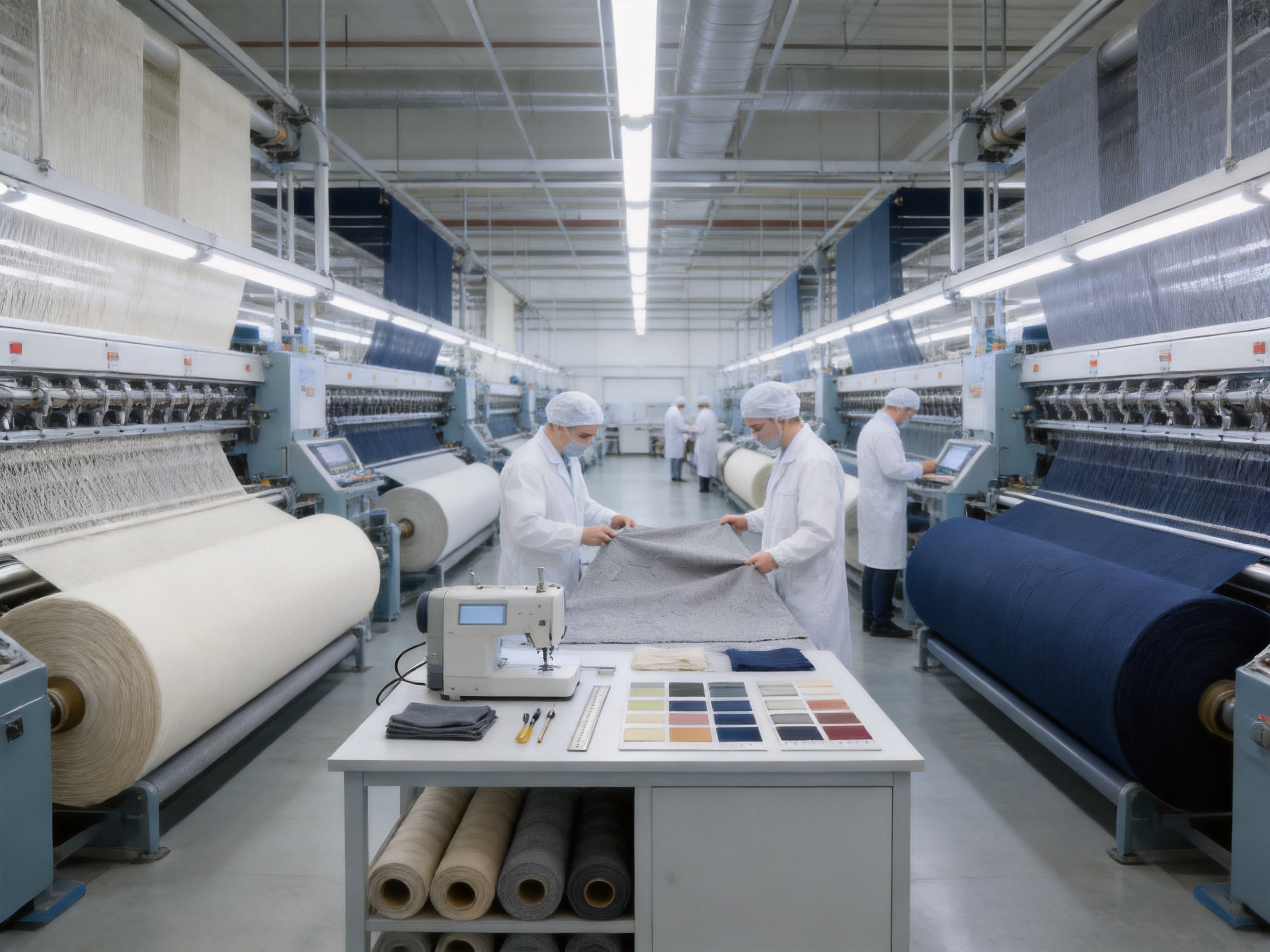
An experienced decorative and functional textile manufacturer can offer more than fabric production capacity. The supplier can provide development support from early concept to bulk delivery. This includes material recommendations, sample preparation, color approval, process adjustment, quality control, packaging coordination, and order follow-up.
A factory area of approximately 12,000 square meters provides a substantial platform for organized production, material storage, inspection, sampling, and order management. Factory scale alone does not guarantee quality, but a suitable production environment can support better workflow control and clearer separation between raw materials, semi-finished goods, finished rolls, and shipment preparation.
Nineteen years of industry experience also provides valuable practical knowledge. Textile quality problems are often related to small process interactions that are not obvious from a specification sheet. Experienced technicians are more likely to recognize the relationship between yarn selection, machine settings, finishing temperature, fabric tension, moisture, and final appearance.
Recognition as a national high-tech enterprise in 2023 reflects a company’s focus on technical development and innovation. For buyers, the more important question is how that innovation is converted into repeatable product quality. A strong supplier should be able to explain the manufacturing route, provide samples, clarify testing methods, and maintain consistent production standards.
The company’s specialization in functional decorative textiles is also relevant to mattress fabric development. Functional bedding materials often require the same combination of design awareness, technical performance, comfort engineering, and quality management used in upholstery, hotel textiles, and other interior applications.
Application Areas
Residential Mattresses
Graphene mattress fabric can be used for household mattresses designed for everyday sleep comfort. The fabric may be selected for a premium cover, a removable outer panel, a quilted top layer, or a complete mattress border and top system.
Residential customers often value softness, appearance, easy care, and long-term comfort. A graphene-modified fabric can support a modern product story while remaining compatible with familiar cotton-polyester textile expectations.
Hotel and Hospitality Bedding
Hotels require mattress fabrics that can withstand frequent use, cleaning, handling, and replacement cycles. Fabrics used in hospitality settings should be assessed for abrasion, color fastness, dimensional stability, and maintenance compatibility.
The clean appearance and functional positioning of graphene mattress fabric may be suitable for hotel bedding collections that emphasize sleep quality, modern amenities, and upgraded room experiences. The final specification should be matched to the hotel’s laundering system and operational requirements.
Premium and Wellness Mattress Collections
Wellness-oriented mattress collections often use materials associated with comfort, freshness, temperature balance, natural touch, and advanced technology. Graphene mattress fabric may serve as one component of a broader design that includes breathable filling, ergonomic support, moisture-control layers, and carefully engineered quilting.
Marketing communication should remain accurate and evidence-based. The textile can be described in terms of its composition, tested properties, and intended comfort contribution. Medical or therapeutic claims should not be made unless supported by appropriate approvals and evidence.
Mattress Protectors and Removable Covers
When designed with suitable flexibility and construction, the fabric may also be used for removable mattress covers or mattress protector shells. Zippers, elastic systems, quilting, and washing requirements should be confirmed during development.
Removable covers place particular emphasis on shrinkage control, seam strength, color fastness, and repeated washing performance. The production specification should therefore be tested using the customer’s intended care instructions.
Related Bedding Products
The same material platform may be adapted for pillowcase fabric, pregnancy pillow fabric, cooling mat fabric, children’s mattress fabric, and other bedding applications. Each product requires a different balance of softness, strength, stretch, thickness, and care performance.
For children’s products, buyers may place stronger emphasis on safety, skin comfort, washing durability, and the absence of undesirable substances. For pregnancy pillows, flexibility and smooth contact comfort may be more important. For cooling mats, thermal behavior and surface construction require specific evaluation.
Specification Overview
| Item | Indicative Specification | Customization Considerations |
|---|---|---|
| Product type | Graphene mattress fabric | May be adapted for mattress covers, quilting, borders, and related bedding |
| Base composition | Graphene-modified polyester and cotton blend | Blend ratios may be adjusted according to comfort, performance, and cost targets |
| Fabric weight | Approximately 200–350 g/m² | Can be developed for lighter or heavier structures when technically suitable |
| Standard width | Approximately 150 cm or 220 cm | Custom usable widths may be discussed for cutting efficiency |
| Color | Customer-selected color | Color matching may be based on approved physical samples or standards |
| Washing color fastness | At least Grade 4 according to the stated Chinese national standard | Final results depend on color, process, care method, and agreed test procedure |
| Production use | Residential, hospitality, commercial, and specialty bedding | Testing should reflect the intended application and maintenance conditions |
How Graphene Mattress Fabric Compares with Common Alternatives
Standard polyester mattress fabric is often economical, durable, and easy to process. Its limitations may include a more synthetic hand feel, lower moisture absorption than cotton-containing blends, and less distinctive product positioning. Graphene modification and cotton blending can help address some of these market expectations, although the final result depends on the actual construction.
Pure cotton fabric offers natural touch and moisture absorption, but it may be more sensitive to shrinkage, wrinkling, abrasion, and dimensional change. A polyester-cotton blend can provide a more balanced performance profile for mattress applications where both comfort and durability are necessary.
Bamboo, modal, lyocell, and other regenerated-cellulose fabrics may provide a soft and appealing hand feel. However, they may require different process controls, cost structures, and durability considerations. Graphene mattress fabric is positioned less as a replacement for every alternative and more as a technical option for brands seeking functional differentiation and adaptable production.
Coated or laminated mattress covers can provide barrier properties or specialized protection, but they may feel less breathable or less textile-like. A graphene-modified textile maintains the familiar identity of a fabric while introducing an advanced material concept within the textile structure.
The most suitable choice depends on the product strategy. A buyer should compare materials based on total performance, not on one feature alone. Important criteria include comfort, durability, air permeability, moisture behavior, wash resistance, construction compatibility, appearance, cost, sustainability objectives, and supply reliability.
Quality Assurance from Sample to Bulk Production
Sampling is a critical stage in the development of graphene mattress fabric. The sample should represent the proposed bulk construction as closely as possible. It should include the intended fiber ratio, fabric weight, width, color, finishing treatment, and surface effect.
Customers should evaluate the sample under realistic conditions. This may include touch testing, quilting trials, cutting trials, sewing trials, washing tests, color comparison, compression, stretching, and compatibility with mattress fillings. If the fabric is intended for a removable cover, the zipper and seam areas should also be evaluated.
Once the sample is approved, the technical specification should be documented. This specification may include accepted tolerances for weight, width, color, shrinkage, surface appearance, roll length, packaging, and test performance. A clear specification helps both parties manage expectations during bulk production.
During production, inspection may be carried out at several stages. Raw materials are checked before use, unfinished fabric is monitored during formation, dyed or finished fabric is inspected before rolling, and final goods are reviewed before packing. This layered approach helps identify problems early and reduces the risk of large-scale defects.
Roll identification and traceability are also important. Each roll should be associated with production information such as date, batch, color, width, weight, and inspection status. Traceability supports efficient investigation if a customer reports a problem after delivery.
Design and Development Recommendations
Define the Main Performance Priority
Customers should begin by identifying the most important purpose of the fabric. Is the mattress intended to feel cooler, softer, more natural, more durable, more luxurious, or more technologically advanced? Defining the primary objective helps prevent unnecessary complexity and supports better cost control.
Match the Fabric to the Mattress Structure
A soft knitted fabric may be suitable for a flexible quilted top, while a more stable fabric may be preferred for a mattress border. The cover should be evaluated together with foam, fiber, springs, batting, lining, and quilting thread. A fabric that works well alone may behave differently when combined with multiple layers.
Confirm Care Requirements
Washing instructions should be discussed at the beginning of development. Household washable covers, hotel-laundered covers, and non-removable mattress panels have different requirements. Washing color fastness, shrinkage, seam stability, and drying performance should be tested according to the intended care system.
Review Regulatory and Market Requirements
Different markets may require different textile testing, labeling, chemical restrictions, flammability performance, or product safety documentation. The buyer should provide the destination market and intended product category so that the supplier can recommend an appropriate testing plan.
Plan for Consistent Color and Supply
Color approval should be completed before bulk production, and repeat orders should reference the original approved standard. Buyers should also discuss minimum order quantities, lead times, raw material availability, production capacity, and expected seasonal demand.
Sustainability and Responsible Product Development
Functional innovation should be considered alongside environmental responsibility. A mattress fabric may contribute to a more durable product, but sustainability also depends on fiber sourcing, chemical management, energy use, water consumption, packaging, product lifespan, and end-of-life options.
A polyester-cotton blend creates a balanced performance profile, but blended fabrics can be more difficult to recycle than single-fiber materials. Buyers who prioritize circularity should discuss the complete material system and evaluate whether the proposed blend aligns with their sustainability objectives.
Durability is one aspect of responsible design. A fabric that maintains its appearance and structure for a longer period may reduce premature replacement. However, durability claims should be supported by appropriate testing rather than assumed from the material name.
Manufacturers can support responsible production by improving process efficiency, reducing avoidable waste, maintaining controlled chemical use, optimizing cutting widths, and organizing production to minimize defects. Customers can contribute by selecting realistic specifications, consolidating orders, and using accurate forecasts.
Advantages for Mattress Brands and Distributors
For mattress brands, graphene mattress fabric can support product segmentation. A collection may include entry-level, comfort-focused, premium, and technology-oriented models, each using a different textile specification. This creates opportunities for clearer product architecture and more targeted communication.
For distributors, the fabric provides a differentiated product feature that may attract retailers and consumers who are interested in advanced bedding materials. The customizable color and width options also make it easier to support private-label programs and regional preferences.
For hospitality suppliers, the fabric may help create a more modern sleep environment when combined with suitable bedding design and care performance. For furniture and interior textile buyers, the same manufacturing partner may offer related decorative and functional fabrics, simplifying sourcing and product coordination.
For product developers, the supplier’s experience in decorative textiles can be valuable because mattress fabrics must satisfy both technical and aesthetic requirements. A fabric must perform mechanically while also contributing to the visual identity of the finished mattress.
Q&A
What is the base composition of the graphene mattress fabric?
The indicative base composition is a graphene-modified polyester and cotton blend. The exact polyester-to-cotton ratio can be customized according to the required hand feel, durability, functional target, production method, and budget.
Does the fabric contain pure graphene?
The product is described as graphene-modified textile material. The specific form, concentration, dispersion method, and incorporation route should be confirmed in the technical specification and supporting documentation for each development program.
What fabric weights are available?
The indicative fabric weight is approximately 200 to 350 grams per square meter. Other weights may be evaluated when the intended application, fabric structure, and production feasibility support the change.
What widths can be supplied?
Standard widths may include approximately 150 centimeters and 220 centimeters. Custom widths can be discussed to suit mattress dimensions, cutting plans, quilting equipment, and material-efficiency goals.
Can the fabric be produced in a customer’s color?
Yes. Color can be developed according to a customer-provided physical sample or an approved color standard. A laboratory sample or production approval sample should be confirmed before bulk manufacturing.
What is the washing color fastness?
The stated target is at least Grade 4 according to the referenced Chinese national standard. The actual result may vary according to color, dye system, washing procedure, detergent, temperature, and finishing treatment.
Can the fabric be quilted?
The fabric may be suitable for quilting, but the final performance should be confirmed through a quilting trial. Needle density, batting, backing fabric, thread, feed speed, and tension can affect the appearance and stability of the quilted panel.
Is the fabric suitable for hotel mattresses?
It may be suitable for hospitality applications when the specification meets the hotel’s requirements for abrasion, laundering, color fastness, dimensional stability, and maintenance. Commercial-use testing should be completed before approval.
Does graphene mattress fabric guarantee a cooler sleeping experience?
No textile can guarantee the same experience for every user. Graphene-related thermal properties may contribute to heat distribution, but comfort also depends on the mattress core, filling materials, room conditions, bedding layers, moisture, and individual sensitivity. Performance should be evaluated through relevant testing and product trials.
Can the fabric be used for children’s mattresses?
It may be considered for children’s mattress applications if the final material meets the applicable safety, chemical, comfort, washing, and durability requirements for the target market. Children’s products should receive additional review before commercial production.
What information should a buyer provide for a quotation?
A buyer should provide the intended use, composition preference, target weight, required width, color, estimated quantity, mattress construction, testing requirements, packaging expectations, destination market, and delivery schedule. More complete information allows the manufacturer to recommend a more accurate solution.
Why is sample approval important?
Sample approval confirms the actual look, feel, weight, width, color, and production behavior before bulk manufacturing. It reduces uncertainty and provides a reference for quality control during later production.
What makes an experienced manufacturer valuable?
An experienced manufacturer can connect material selection with knitting or weaving, dyeing, finishing, inspection, packaging, and customer application. This integrated understanding helps reduce process conflicts and improves the possibility of consistent bulk quality.
Conclusion
Graphene mattress fabric represents a practical direction for the development of advanced bedding textiles. By combining graphene-modified polyester, cotton comfort, adjustable fabric weight, customizable width, customer-specific colors, and controlled washing color fastness, the material can support a broad range of mattress and bedding products.
Its strongest advantage is not a single isolated feature. Its value comes from the combination of functional material innovation, adaptable textile construction, comfortable surface engineering, production flexibility, and professional quality management. Compared with conventional mattress fabrics, it offers a more distinctive platform for brands seeking to develop premium, wellness-oriented, hospitality, and technology-focused bedding collections.
The final performance depends on responsible development. Buyers should define their target application, approve samples, confirm testing standards, evaluate quilting and sewing compatibility, and communicate care requirements clearly. The manufacturer should control raw materials, production parameters, finishing conditions, color, inspection, and traceability.
With nearly two decades of textile industry experience, a substantial manufacturing base, functional textile expertise, and a focus on research and development, the supplier is positioned to support customized mattress fabric programs from initial concept through bulk production. When material science, manufacturing discipline, and practical customer cooperation are combined, graphene mattress fabric can become a reliable part of a new generation of comfortable, attractive, and functionally differentiated bedding products.
References
1. General principles of textile fiber identification, fabric construction, and performance evaluation.
2. Technical literature on graphene materials, thermal conductivity, polymer modification, and functional textile applications.
3. Standard methods for evaluating textile color fastness to washing and repeated care.
4. Standard methods for testing textile abrasion resistance, pilling, tensile strength, tear strength, and dimensional stability.
5. Research publications concerning cotton-polyester blend optimization for apparel, bedding, and interior textile applications.
6. Textile quality-management practices covering raw-material inspection, process control, finished-fabric inspection, and production traceability.
7. Technical guidance for the design, testing, labeling, and care of mattress covers and household bedding products.
8. Industry research on sustainable textile manufacturing, product durability, responsible chemical management, and material-life-cycle considerations.
Product: Graphene Mattress Fabric

Our Featured Products
-
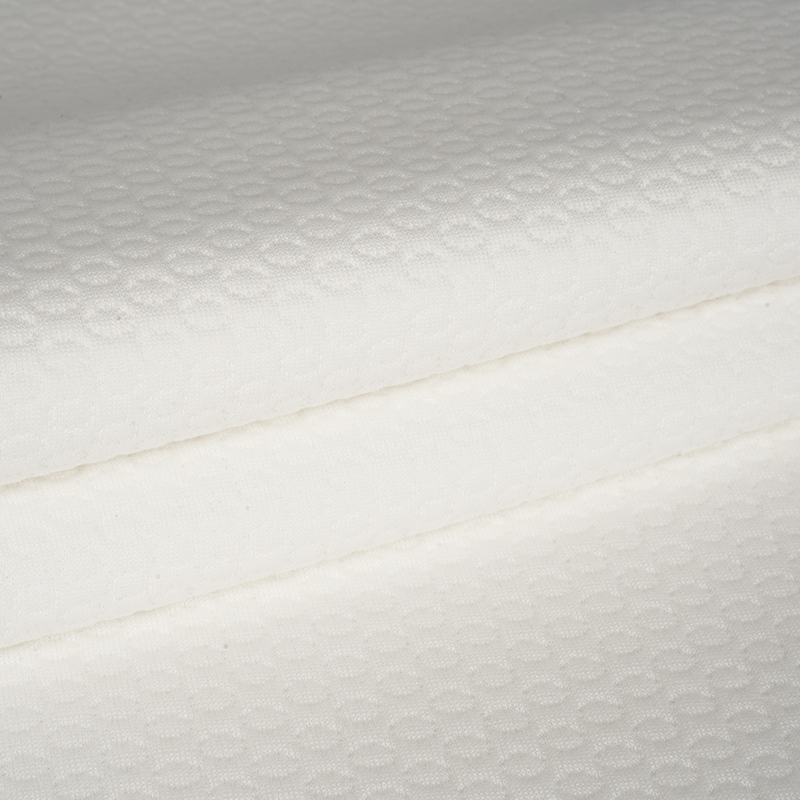
Graphene Mattress Fabric
Graphene Mattress Fabric
Haven’t Found The Products You Want?
-
-
Shen Jinyan:+86-15158070676
[email protected]
Liang Jinwen:+86-15757186621
[email protected]
Qiu Yingyingn:+86-13819545790
[email protected]
Yi qiao Town, Xiaoshan District, Hangzhou City, Zhejiang Province, China
-
Products
Mattress Fabric Children Mattress Fabric Pillowcase Fabric Pregnancy Pillow Fabric Cooling Mat Fabric Bedding Fabric Sofa Fabric Pet Friendly Fabrics -
Contact Information
About Us Products Strength Sustainability News Contact Us
Copyright © Hangzhou Xinsili Decorative Fabric Weaving Co.,Ltd. All Rights Reserved.
Functional Decorative Textile Manufacturers
