

 English
 中文简体
 Español
 عربى
 русский



Advanced Bamboo Fiber Mattress Fabric for Comfortable, Breathable Bedding
Content
- 1 1. The Importance of Mattress Fabric in Modern Bedding
- 2 2. Product Overview
- 3 3. Why Bamboo Fiber Is Attractive for Mattress Applications
- 4 4. Breathability and Sleep Comfort
- 5 5. Dimensional Stability and Wash Performance
- 6 6. Weave Options for Different Market Positions
- 7 7. Customization for Mattress Manufacturers
- 8 8. Manufacturing Strengths and Process Control
- 9 9. Quality Indicators Relevant to Professional Buyers
- 10 10. Advantages Compared with Ordinary Mattress Fabrics
- 11 11. Applications Across Bedding and Interior Products
- 12 12. Sustainability and Responsible Product Development
- 13 13. How to Select the Correct Specification
- 14 14. The Value of Long-Term Supplier Cooperation
- 15 15. Frequently Asked Questions
- 15.1 Q1: What is Bamboo Fiber Mattress Fabric used for?
- 15.2 Q2: What basis weights are available?
- 15.3 Q3: What fabric widths can be supplied?
- 15.4 Q4: Which weave types are available?
- 15.5 Q5: Is the fabric breathable?
- 15.6 Q6: How stable is the fabric after washing?
- 15.7 Q7: What is the pH range?
- 15.8 Q8: How is color fastness measured?
- 15.9 Q9: Can the fabric be customized?
- 15.10 Q10: Is bamboo fiber automatically environmentally friendly?
- 15.11 Q11: What should buyers test before placing a large order?
- 15.12 Q12: What makes the manufacturer suitable for functional textile projects?
- 16 16. Conclusion
- 17 References
- 18 Product: Bamboo Fiber Mattress Fabric
Modern bedding manufacturers are under increasing pressure to develop products that combine comfort, hygiene, durability, responsible material selection, and attractive design. Mattress fabric is no longer viewed as a simple outer covering. It is an important functional layer that influences touch, air circulation, moisture management, appearance, maintenance, and the overall sleeping experience. For this reason, selecting the right textile supplier and fabric construction has become a strategic decision for mattress brands, bedding producers, hospitality companies, and furniture manufacturers.
Bamboo Fiber Mattress Fabric is designed to meet these changing market requirements. It combines a soft and comfortable textile surface with customizable construction options, practical air permeability, controlled dimensional stability, and compliance-oriented quality indicators. The fabric can be developed in different weights, widths, yarn counts, and weave structures, making it suitable for a wide range of mattress programs and related bedding applications.
Manufactured by Hangzhou Xinsili Decorative Fabric Weaving Co., Ltd., this fabric reflects a production philosophy based on material development, precision weaving, process control, and application-focused customization. With 19 years of industry experience, a 12,000-square-meter factory area, and recognition as a National High-Tech Enterprise in 2023, the company provides a strong manufacturing foundation for customers seeking reliable decorative and functional textiles.
This article examines the structure, performance, manufacturing advantages, customization potential, quality considerations, and commercial applications of bamboo fiber mattress fabric. It also explains why a carefully engineered bamboo-based textile can offer meaningful advantages over ordinary mattress cover fabrics and how professional production systems help convert material potential into stable finished-product performance.
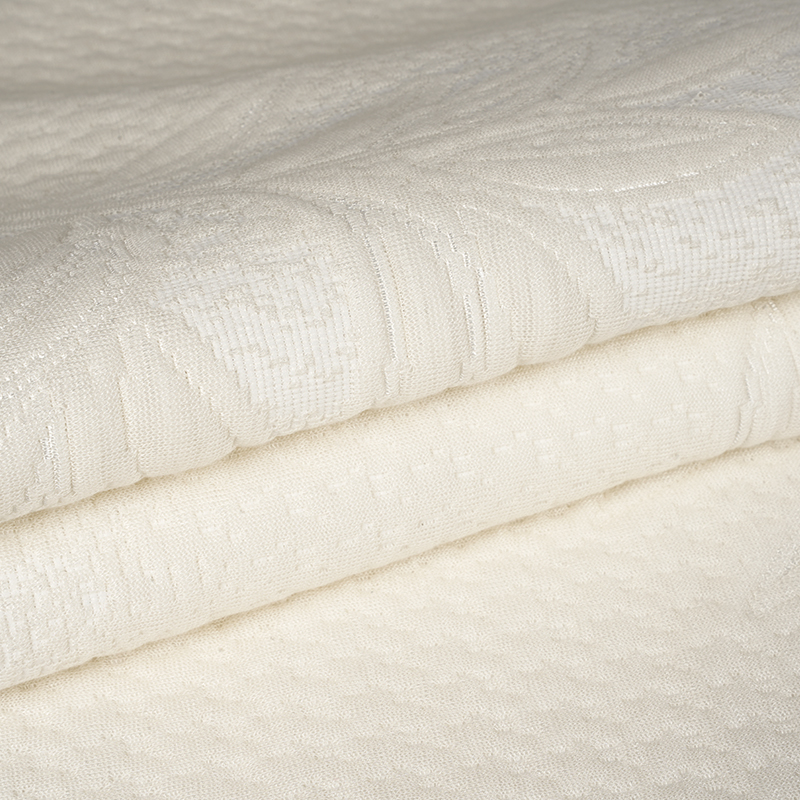
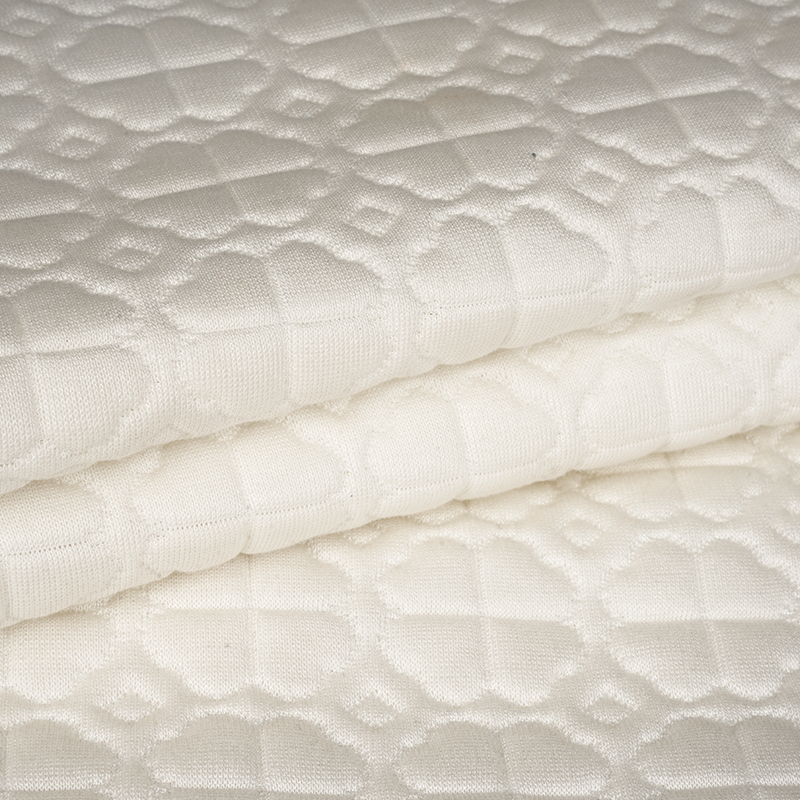
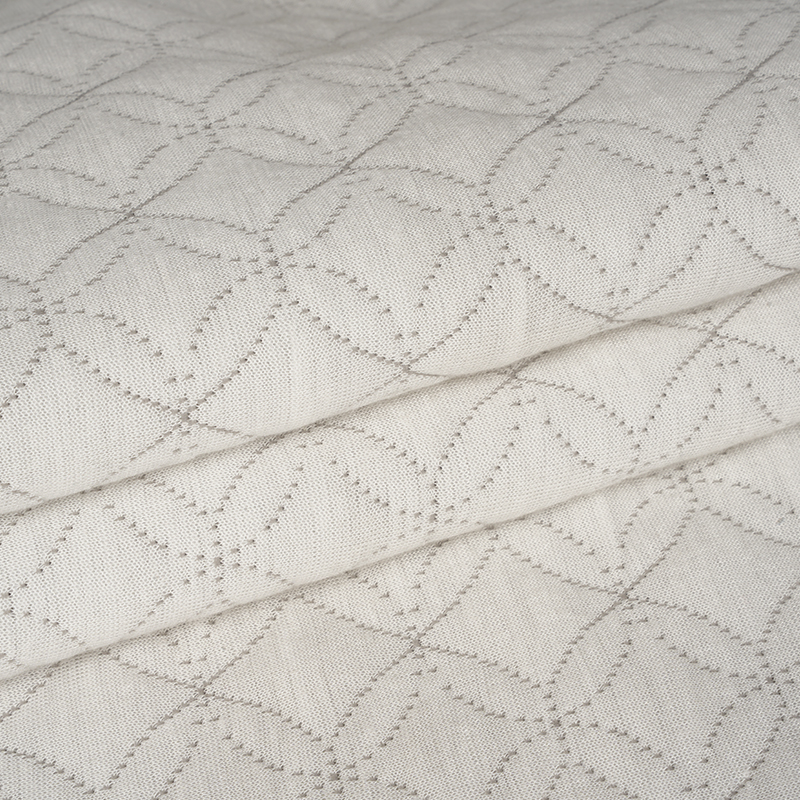
Bamboo Fiber Mattress Fabric
1. The Importance of Mattress Fabric in Modern Bedding
A mattress is a multilayered product. Its internal components may include springs, foam, latex, fiber fillings, support materials, protective barriers, and comfort layers. However, the outer fabric remains the part that directly contacts the user and strongly influences the product’s perceived quality. The fabric must therefore do more than provide visual appeal. It should support comfort, maintain its shape, withstand repeated handling, and work effectively with the mattress construction beneath it.
In residential use, consumers expect mattress covers to feel pleasant against the skin and remain comfortable throughout the night. In hotels, dormitories, healthcare environments, and rental properties, the textile must also tolerate frequent use, cleaning, storage, transportation, and replacement. These requirements make fabric selection especially important for professional buyers.
Traditional mattress textiles may provide acceptable appearance but lack sufficient breathability, dimensional control, or design flexibility. Some fabrics may feel heavy or overly dense. Others may shrink excessively after laundering, show inconsistent color performance, or limit the manufacturer to a narrow range of product specifications. These weaknesses can increase production costs and create customer complaints after the mattress reaches the market.
Bamboo Fiber Mattress Fabric addresses these concerns through a balanced combination of construction choices and measurable specifications. A basis weight range of 140 to 220 g/m² allows the fabric to be developed for different mattress designs. Standard fabric widths of 150 cm and 220 cm support efficient cutting and manufacturing. Yarn counts from 40s to 60s allow manufacturers to adjust hand feel, surface appearance, and fabric density according to the intended application.
The result is a textile platform rather than a single fixed fabric. Mattress manufacturers can select a suitable combination of weight, width, yarn count, and weave type instead of adapting their products to a limited off-the-shelf specification.
2. Product Overview
Bamboo Fiber Mattress Fabric is a functional bedding textile intended for mattress covers and related sleep-product applications. Its construction can be customized in plain, twill, or jacquard weaves. This provides flexibility in both performance and design, allowing the fabric to support simple commercial bedding collections as well as more decorative premium products.
The available basis weight range is 140 to 220 g/m². Lighter constructions can be suitable for products where flexibility, efficient material consumption, and a lighter cover are priorities. Heavier constructions may be preferred when a more substantial hand feel, greater visual body, or stronger surface presence is required. The final specification can be selected according to mattress type, cover design, quilting method, target market, and production equipment.
The standard widths are 150 cm and 220 cm. These widths are practical for many mattress panels and cover-making processes. Wider fabric can be especially useful for large mattress surfaces or designs that seek to reduce the number of seams. Appropriate width selection can also help optimize cutting layouts and reduce material waste.
The yarn count range is 40s to 60s. Yarn count affects the visual fineness, surface texture, handle, and density of the finished textile. A 40s yarn may support a fuller and more substantial construction, while a 60s yarn can be used for a finer, smoother, and more refined fabric surface, depending on the selected weave and finishing process.
Air permeability is specified at not less than 800 mm/s according to GB/T 5453. This is a significant performance consideration for mattress fabric because air movement through the textile can contribute to a more comfortable sleep environment. The fabric should not act as an unnecessary barrier between the user and the mattress’s internal ventilation structure.
Dimensional change after washing is controlled to within ±5% under standard washing conditions. This helps reduce the risk of excessive shrinkage, distortion, or fit problems after cleaning. For removable mattress covers, washable bedding, and hospitality applications, dimensional stability is particularly important.
The specified pH value is 6.0 to 7.5, in line with the stated requirements of GB 18401. A controlled pH range is relevant to textiles used near the skin because unsuitable residual acidity or alkalinity may affect comfort and product safety performance.
Color fastness is specified at rubbing fastness of at least grade 3 to 4 and perspiration fastness of at least grade 3 to 4. These indicators help support color stability during handling and contact with moisture. Good color fastness is valuable for products that must retain a clean, professional appearance over repeated use.
Core Product Specifications
| Property | Available or Required Specification | Practical Importance |
|---|---|---|
| Product type | Bamboo Fiber Mattress Fabric | Suitable for mattress covers and related bedding textiles |
| Basis weight | 140–220 g/m², customizable | Allows adjustment of hand feel, body, and material consumption |
| Standard width | 150 cm or 220 cm | Supports different cutting layouts and mattress sizes |
| Yarn count | 40s–60s | Provides flexibility in surface refinement and fabric density |
| Weave options | Plain, twill, or jacquard | Supports different performance and design requirements |
| Air permeability | At least 800 mm/s | Supports air circulation through the textile layer |
| Dimensional change after washing | Within ±5% | Helps maintain fit and appearance after standard washing |
| pH value | 6.0–7.5 | Supports skin-contact textile requirements |
| Rubbing fastness | Grade 3–4 or higher | Helps reduce visible color transfer during handling |
| Perspiration fastness | Grade 3–4 or higher | Helps preserve color during contact with moisture |
3. Why Bamboo Fiber Is Attractive for Mattress Applications
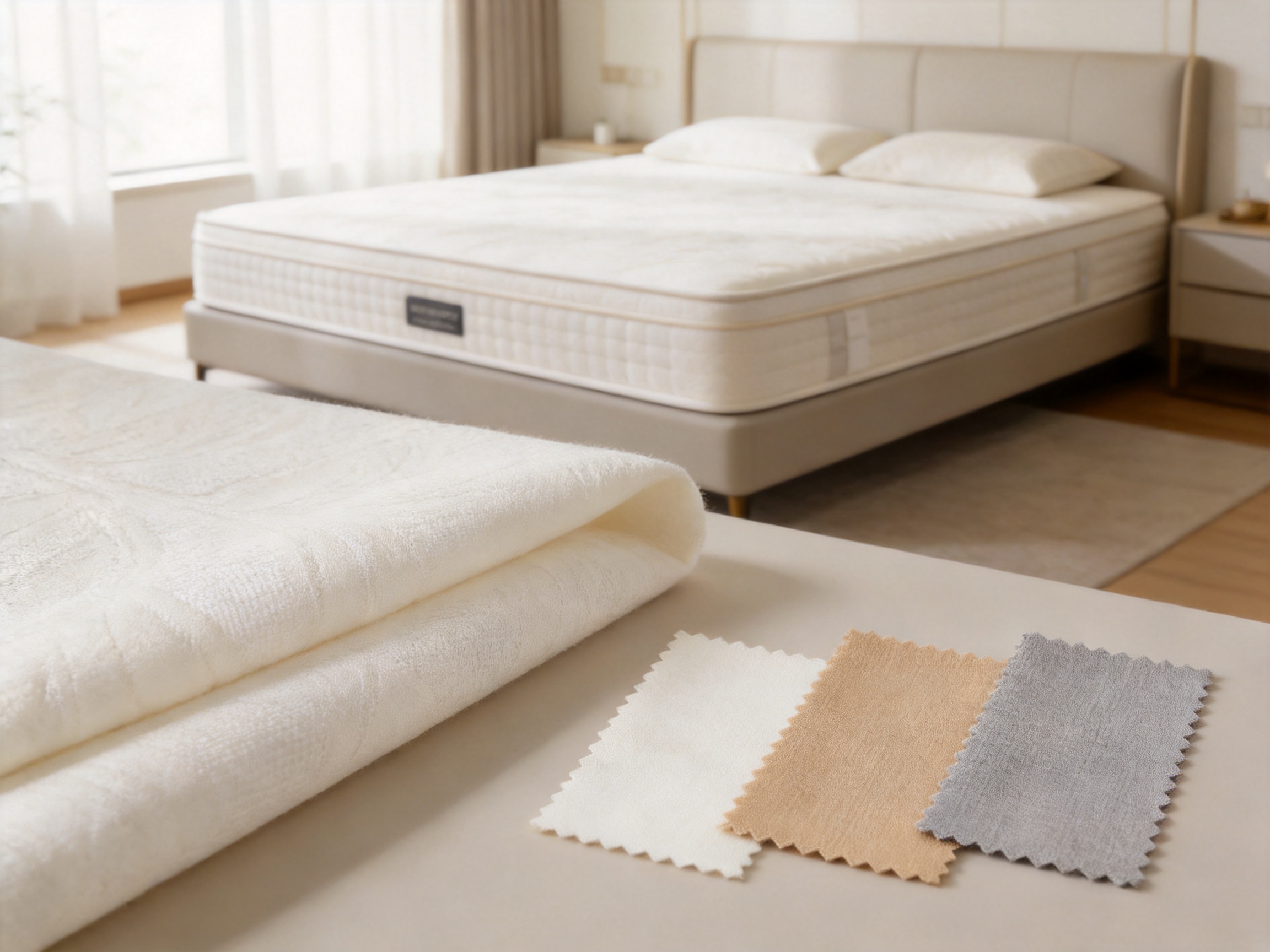
Bamboo-based textiles have attracted attention in the bedding industry because they are associated with a soft hand feel, a smooth surface, and a comfortable textile experience. When developed through appropriate spinning, weaving, dyeing, and finishing processes, bamboo fiber fabric can provide a pleasant balance between softness and practical durability.
Mattress users often come into contact with the fabric for many hours at a time. A surface that feels harsh, stiff, or excessively rough can negatively influence the perception of the entire mattress. Bamboo Fiber Mattress Fabric is intended to provide a more comfortable and refined surface suitable for products positioned around sleep quality and everyday well-being.
Another advantage is the opportunity to connect material selection with sustainability-oriented product development. Bamboo is a rapidly renewable plant resource, and its use in textile products can support manufacturers that are developing more environmentally conscious collections. However, responsible claims should always reflect the exact fiber composition, processing method, certifications, and applicable regulations of the finished fabric. Professional textile development requires accurate documentation rather than broad unsupported environmental statements.
The appeal of bamboo fiber is also related to its compatibility with comfort-focused product positioning. Mattress manufacturers can use the textile in collections emphasizing softness, breathability, natural inspiration, or improved sleeping comfort. The fabric can be combined with quilting, printed patterns, jacquard structures, piping, and other cover-making techniques to create a differentiated product appearance.
It is important to distinguish between the inherent properties of a raw material and the tested performance of a finished fabric. A bamboo-based fiber does not automatically guarantee every desired function. Final performance depends on fiber composition, yarn structure, weave density, chemical treatments, finishing, laundering conditions, and production quality. The value of this product lies in the combination of bamboo fiber development with controlled specifications and a professional weaving process.
4. Breathability and Sleep Comfort
Air circulation is one of the most important considerations in bedding textiles. During sleep, the human body releases heat and moisture. If the mattress cover is too dense or poorly ventilated, heat and humidity may accumulate near the body. A breathable textile can help support a more comfortable microclimate by allowing air to move through the fabric structure.
The stated air permeability of Bamboo Fiber Mattress Fabric is at least 800 mm/s under GB/T 5453 testing. This measurable indicator provides a useful basis for comparing fabric samples and establishing purchasing requirements. It does not represent the entire ventilation performance of a mattress, because foam, springs, quilting layers, protective membranes, and mattress construction also influence air movement. Nevertheless, the cover fabric is an important part of the overall system.
Plain, twill, and jacquard constructions may produce different air permeability results depending on yarn count, density, finishing, and design complexity. Customers can therefore select a weave based not only on appearance but also on the desired balance of breathability, durability, and surface character.
For warm climates, hospitality projects, and consumers who prefer a cooler sleeping sensation, breathable mattress fabric can be an important selling point. For manufacturers, it can support product stories focused on comfort without requiring the fabric to be excessively lightweight or fragile.
Breathability should be evaluated together with moisture management, cover structure, and padding. A fabric that permits air movement can contribute to comfort, but the complete mattress must be designed as a coordinated system. This is why application-specific sampling and testing are valuable before mass production.
5. Dimensional Stability and Wash Performance
Mattress covers can experience friction, compression, stretching, folding, transportation, and washing. If a textile changes size significantly after laundering, it may become difficult to install correctly or may create wrinkles and tension across the mattress surface. Dimensional instability can also affect quilting alignment, zipper placement, seam accuracy, and the visual quality of the finished product.
Bamboo Fiber Mattress Fabric is specified to show dimensional change within ±5% after washing under standard conditions. This controlled range helps manufacturers plan cover dimensions more confidently. It also supports consumer convenience when the product includes a removable and washable cover.
Wash performance depends on more than the fabric alone. Washing temperature, detergent, agitation, drying method, mechanical tension, and the presence of other cover materials can all influence the final result. Manufacturers should confirm the correct care instructions through product-specific testing and communicate them clearly to customers.
For hotels and commercial users, dimensional stability can reduce operational difficulties. Covers that maintain their shape are easier to remove, launder, inspect, and reinstall. For residential mattress products, stable dimensions can help preserve a neat appearance and reduce concerns about post-wash fitting.
The ability to customize basis weight and weave also helps the manufacturer balance softness with stability. Very light fabrics may feel flexible but can require careful construction to maintain shape. Heavier or more structured fabrics may offer greater body but must still be tested for comfort and laundering performance. Professional fabric development seeks an appropriate balance rather than maximizing a single characteristic.
6. Weave Options for Different Market Positions
Plain Weave
Plain weave is a straightforward and versatile construction. It can provide a clean surface, stable appearance, and broad compatibility with mattress manufacturing processes. This option is often suitable for practical bedding products, hospitality programs, and designs that rely on quilting, printing, or finishing for differentiation.
Because plain weave is structurally simple, it can support efficient production and predictable handling. It may also be selected when the customer requires a uniform surface that integrates easily with zippers, elastic components, quilting lines, and other cover details.
Twill Weave
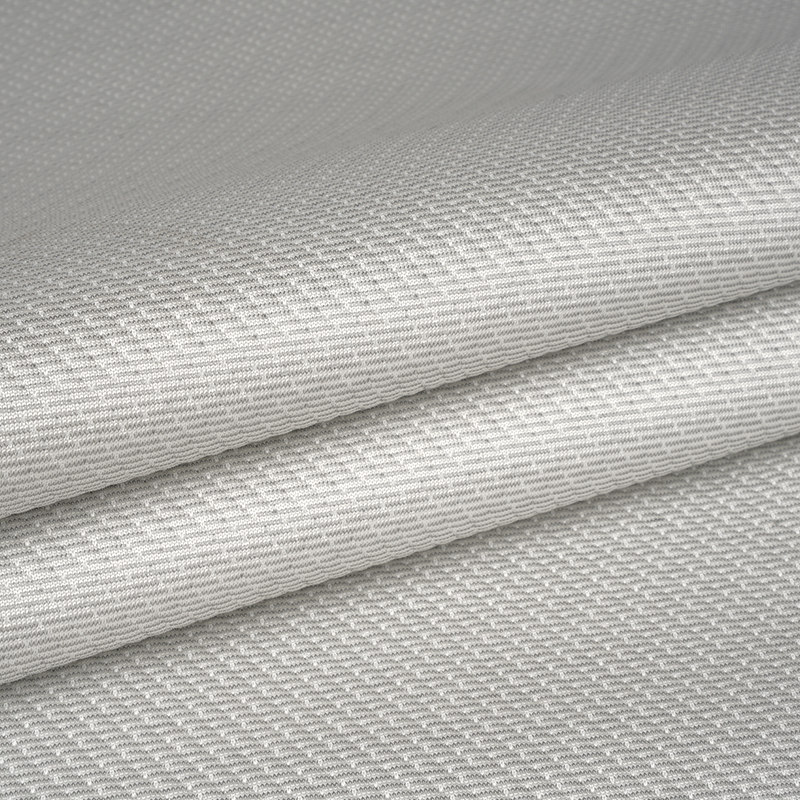
Twill weave creates a characteristic diagonal structure and can provide a distinct visual and tactile effect. Depending on the design, twill may offer a fuller hand feel and a more textured appearance than a basic plain weave. It can be suitable for mattress collections that seek a slightly more decorative or premium surface.
Twill construction can also be considered when the product designer wants a fabric with visual depth without using a complicated pattern. The exact performance will depend on yarn count, density, finishing, and fabric weight, so sample evaluation remains essential.
Jacquard Weave
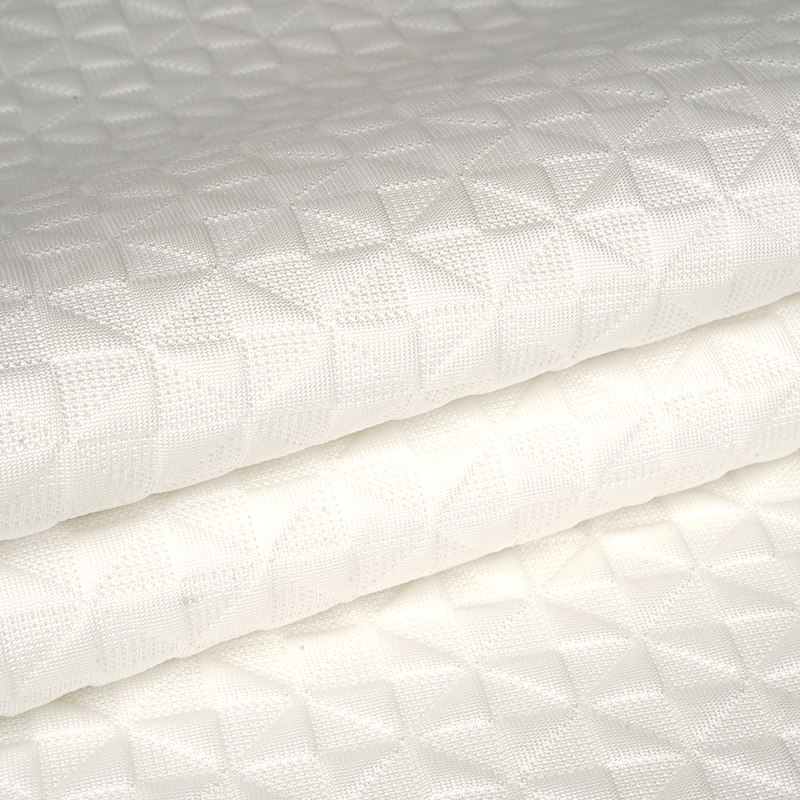
Jacquard weaving allows patterns and textures to be integrated into the fabric structure. This can create a more distinctive product appearance and help mattress brands establish a recognizable visual identity. Jacquard designs may include geometric motifs, organic patterns, subtle textures, or customized brand-related elements.
For premium bedding and hotel projects, jacquard fabric can communicate a higher level of design attention. It can also reduce reliance on surface printing when the desired pattern is better expressed through woven structure. Customers should consider the relationship between jacquard complexity, production quantity, lead time, and target price.
The availability of three weave categories gives buyers greater freedom than a single standard construction. It enables a fabric program to be adapted to different mattress series while maintaining a consistent material platform.
7. Customization for Mattress Manufacturers
Different mattress manufacturers have different requirements. A memory foam mattress, a spring mattress, a children’s mattress, a hotel mattress, and a premium adjustable mattress may all require different cover specifications. A flexible supplier should be able to discuss the product as a complete application rather than offer only a fixed fabric roll.
The basis weight can be adjusted within the available range to influence fabric body, handle, and material consumption. Width can be selected according to mattress dimensions and cutting plans. Yarn count can be matched to the required surface refinement and construction density. Weave type can be selected according to visual style and performance priorities.
Color development is another important customization area. Mattress fabrics may need to coordinate with white bedding, neutral bedroom furniture, children’s designs, hotel interiors, or branded product collections. Color fastness requirements should be confirmed through laboratory testing, especially when the fabric will be exposed to perspiration, rubbing, repeated laundering, or strong light.
Customers may also request customized jacquard patterns, quilting compatibility, laminated structures, or coordination with other bedding textiles. The feasibility of each option depends on order quantity, technical design, production schedule, and testing requirements. Early communication helps the supplier identify the most efficient route from concept to finished fabric.
Sampling is a critical step. A laboratory or sales sample should be evaluated for hand feel, appearance, width, weight, air permeability, washing behavior, color fastness, seam performance, and compatibility with the intended mattress assembly. Approval should be based on the actual production specification rather than on a general material description.
8. Manufacturing Strengths and Process Control
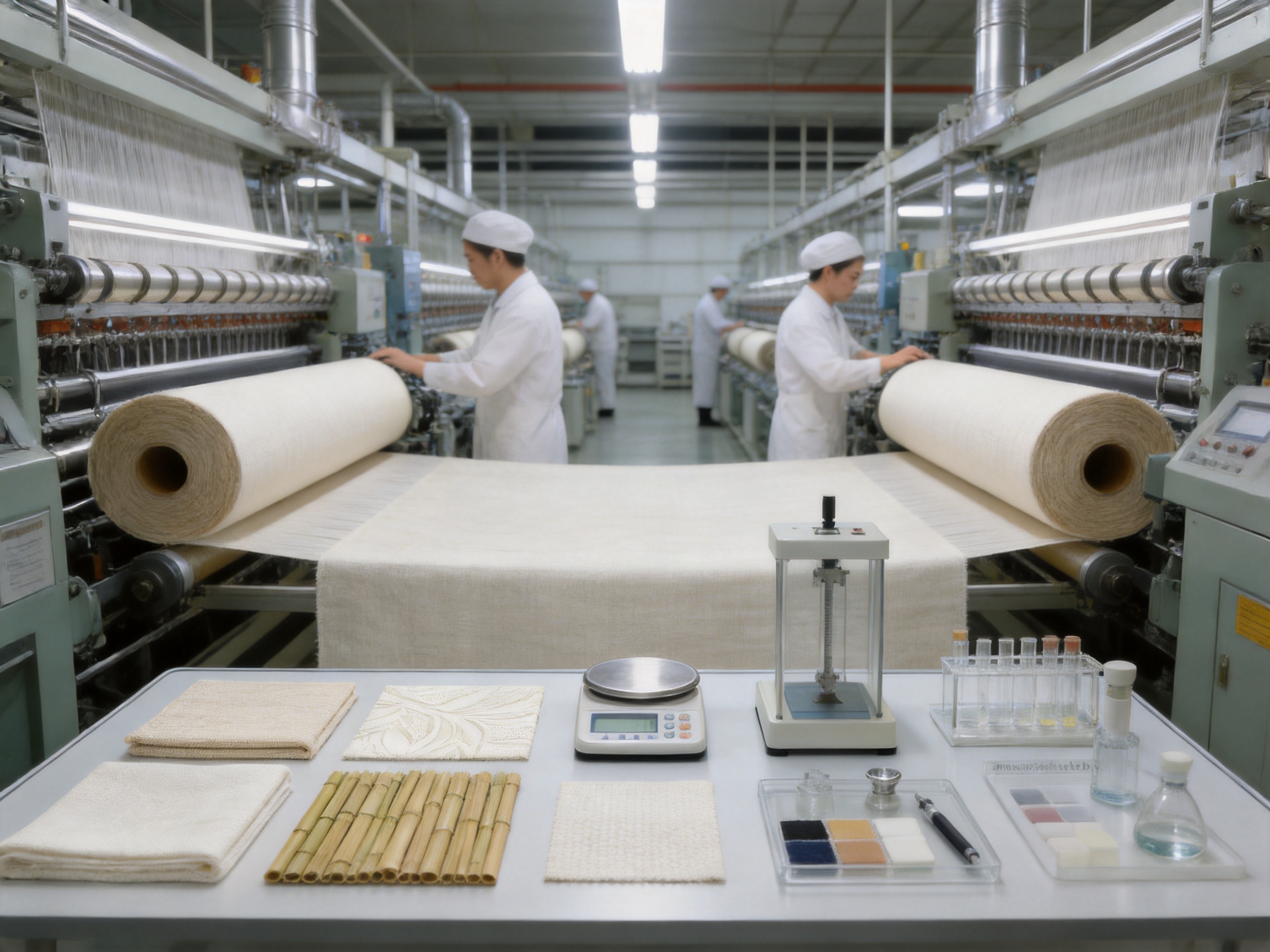
The performance of a functional mattress fabric depends heavily on manufacturing discipline. Fiber selection alone cannot guarantee a stable finished product. The production process must control yarn quality, weaving tension, fabric density, color consistency, finishing conditions, inspection standards, and packaging.
Hangzhou Xinsili Decorative Fabric Weaving Co., Ltd. has 19 years of industry experience in decorative and functional textile development. This experience is valuable because textile manufacturing involves many interconnected variables. Experienced production teams are more capable of identifying potential issues early, coordinating technical adjustments, and maintaining consistency between sample approval and bulk production.
The company operates a 12,000-square-meter factory area. A dedicated manufacturing base can support organized production planning, material handling, inspection, development sampling, and order coordination. Facility scale alone does not determine quality, but it can provide the infrastructure needed for systematic textile production.
The company’s focus includes functional decorative fabrics for home, hotel, and commercial spaces. This application experience is relevant to mattress fabric because bedding products must combine visual quality with practical performance. The same customer may require coordinated materials for mattresses, pillows, sofas, curtains, upholstery, or other interior products. A supplier experienced across decorative and functional textiles can better understand how fabrics perform within complete interior environments.
The manufacturing philosophy emphasizes craftsmanship-driven production, design innovation, and win-win collaboration. For customers, this can translate into a more cooperative development process. Instead of treating the fabric as a standardized commodity, the supplier can work with the buyer to identify the required balance of weight, weave, comfort, appearance, and cost.
Process control should begin with incoming raw material inspection. Fiber and yarn consistency affect fabric appearance, strength, dye absorption, and handle. During weaving, tension and density must be monitored to avoid irregular structures, streaks, skipped yarns, or width variation. After weaving, finishing must be controlled to achieve the expected hand feel and dimensional behavior without damaging breathability.
Inspection should include visual examination and measurable testing. Width, basis weight, color, air permeability, dimensional change, pH, and color fastness can be evaluated according to customer requirements and relevant test methods. Defect classification and roll inspection help prevent unsuitable material from reaching the cutting and sewing stage.
Production traceability is also important. A reliable supplier should be able to connect finished rolls with production records, material information, inspection results, and shipment details. This supports faster investigation if a customer identifies a concern and helps improve future production batches.
9. Quality Indicators Relevant to Professional Buyers
Professional purchasing decisions should be based on measurable requirements. Product descriptions such as soft, breathable, natural, and comfortable are useful for communication, but they should be supported by technical data whenever possible.
The air permeability specification of at least 800 mm/s gives buyers a clear benchmark for ventilation performance. The dimensional change limit of ±5% provides a practical reference for wash stability. The pH range of 6.0 to 7.5 addresses an important aspect of skin-contact textile evaluation. Rubbing and perspiration fastness grades provide information about color behavior in realistic use conditions.
These indicators should not be considered in isolation. A fabric may meet one performance target while failing another. For example, a dense structure may improve body and opacity but reduce air permeability. A strong finish may improve surface smoothness but influence washing behavior. A complex jacquard pattern may create attractive design value but require additional development time.
The strongest product decisions come from evaluating the complete specification together. Buyers should review the technical data, approve a physical sample, test the fabric in the intended mattress construction, and confirm care instructions. This process reduces the risk of selecting a textile based only on appearance.
Recommended Evaluation Areas
First, inspect the fabric surface under consistent lighting. Look for uniformity, weaving defects, shade variation, pattern alignment, and unwanted marks. The surface should match the approved standard across the full roll.
Second, evaluate the hand feel. Mattress fabric should feel comfortable without being excessively limp, stiff, rough, or slippery. The correct handle depends on the cover design and target market.
Third, confirm fabric width and basis weight. These values influence cutting efficiency, product costing, and the final mattress cover structure.
Fourth, test air permeability and dimensional change using appropriate procedures. Testing should be performed on representative samples and repeated when the fabric construction or finishing process changes.
Fifth, evaluate color fastness through rubbing and perspiration testing. If the product is intended for frequent washing or commercial use, additional laundering and light fastness tests may be appropriate.
Finally, assemble a trial cover and place it on the intended mattress. This practical step can reveal issues that are not visible in a flat fabric sample, including seam puckering, zipper stress, quilting distortion, or unexpected tension.
10. Advantages Compared with Ordinary Mattress Fabrics
Bamboo Fiber Mattress Fabric offers several potential advantages over basic mattress fabrics when the product is correctly specified and manufactured.
The first advantage is material positioning. Bamboo fiber provides a natural-material story that can appeal to consumers seeking comfortable and more environmentally conscious bedding choices. While responsible claims must be supported by accurate fiber and certification information, bamboo-based fabrics can help brands develop a differentiated product message.
The second advantage is specification flexibility. The 140–220 g/m² basis weight range, 150 cm and 220 cm standard widths, 40s–60s yarn counts, and three weave choices allow a wider range of product development than a rigid single-specification fabric. This flexibility can reduce the need for manufacturers to source multiple unrelated fabrics.
The third advantage is breathability. With air permeability specified at not less than 800 mm/s, the fabric is designed to support air circulation through the mattress cover. This is especially relevant for sleep products marketed around comfort in warm or humid environments.
The fourth advantage is wash stability. Dimensional change within ±5% under standard washing conditions helps support the maintenance of cover fit and appearance. This can be valuable for removable mattress covers, children’s bedding, hotel products, and other applications in which laundering is expected.
The fifth advantage is compliance-oriented development. A controlled pH value of 6.0–7.5 and color fastness targets of grade 3–4 or higher provide concrete quality references. These specifications help professional buyers establish clearer incoming inspection and approval procedures.
The sixth advantage is design adaptability. Plain, twill, and jacquard options allow the same material concept to serve practical, decorative, and premium product lines. This can help mattress brands create collections with different market positions while retaining a coherent material strategy.
The seventh advantage is supplier experience. A company with long-term experience in functional decorative textile production can support customers with more than fabric supply. It can contribute to construction selection, sampling, testing coordination, production planning, and application-based problem solving.
11. Applications Across Bedding and Interior Products
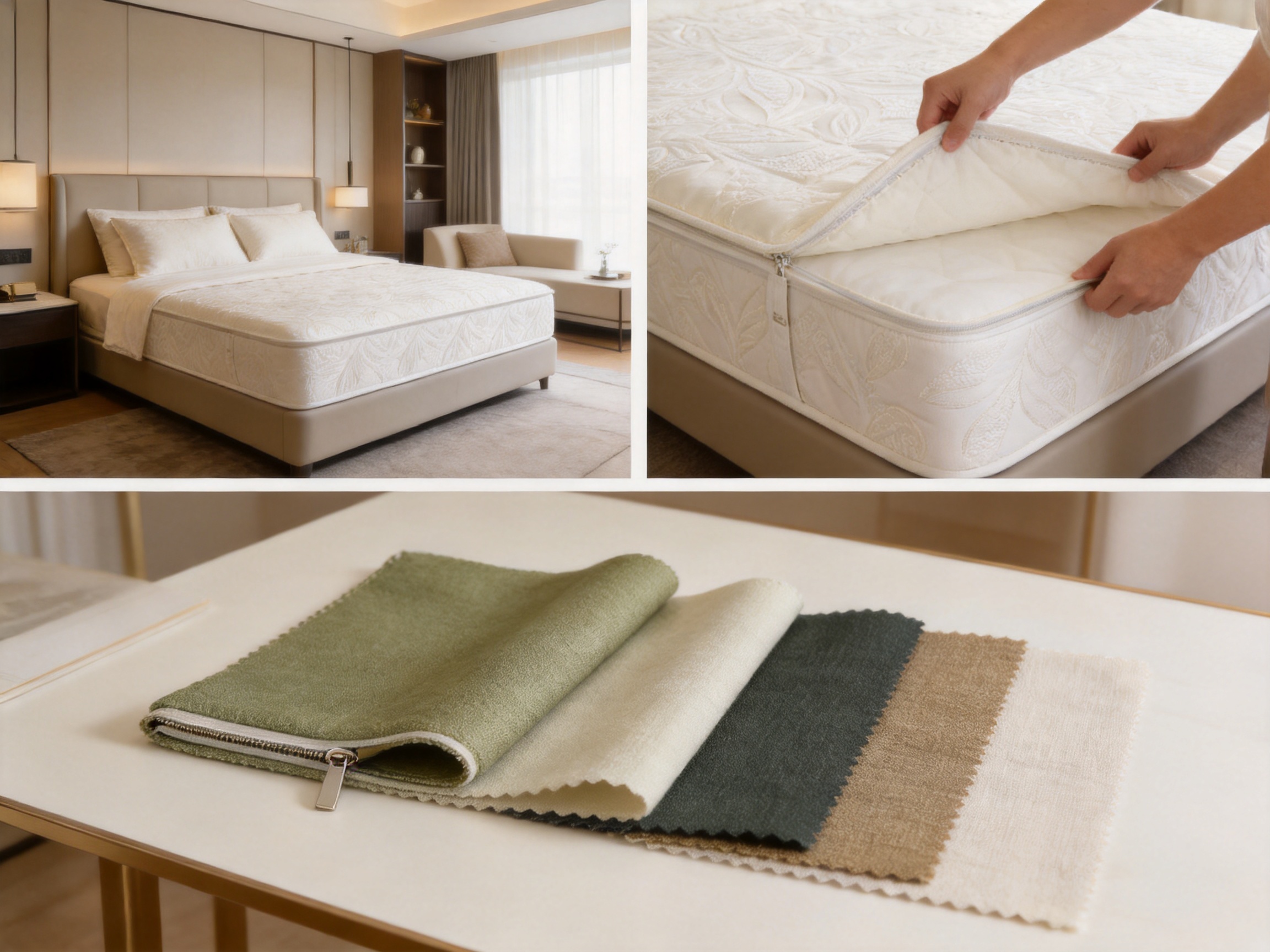
The primary application is mattress cover fabric. It can be used for adult mattresses, guest-room mattresses, premium bedding systems, removable covers, and customized sleep products. The appropriate specification should be selected according to the mattress size, cover structure, quilting pattern, target retail price, and cleaning requirements.
The fabric can also be considered for children’s mattress products when the composition, pH, color fastness, and applicable safety requirements are properly verified. Children’s bedding often requires a soft surface, attractive design, and careful attention to skin-contact performance. Jacquard or customized color options can support child-friendly product collections.
Related applications may include pillowcase fabric, pregnancy pillow fabric, cooling mat fabric, and other bedding components, provided that the final construction is tested for the specific use. A fabric designed for a mattress may require adjustments when used in a pillowcase or cooling product because drape, friction, filling interaction, and washing frequency can differ.
The product may also complement sofa fabrics and other interior textiles. The company’s broader focus on decorative fabrics for residential, hotel, and commercial environments allows customers to explore coordinated textile programs. For example, a hospitality project may use related fabric qualities across mattresses, upholstered furniture, decorative cushions, and other soft furnishings.
Pet-friendly and high-use environments may also benefit from a carefully selected construction, although additional testing for abrasion, claw resistance, staining, and cleaning would be necessary before making application-specific claims. The correct approach is to adapt the fabric specification to the actual use rather than assume that a mattress fabric will automatically meet every demanding environment.
12. Sustainability and Responsible Product Development
Sustainability in textiles includes material selection, production efficiency, product durability, maintenance requirements, packaging, and end-of-life considerations. Bamboo fiber can contribute to a material strategy that emphasizes renewable plant resources, but sustainability claims must be precise and supported by relevant documentation.
Manufacturers should confirm whether the fabric is made from bamboo viscose, bamboo-derived regenerated cellulose, a bamboo blend, or another specific composition. These distinctions affect the applicable environmental assessment and the wording that can be used in marketing materials. Buyers should request accurate composition information and any available certifications or test documentation.
Durability is also part of sustainability. A fabric that maintains its color, shape, and comfort over a longer service period may reduce replacement frequency. Dimensional stability and color fastness can therefore contribute to practical product longevity. At the same time, the fabric should be designed for the actual washing and usage conditions so that consumers can maintain it properly.
Efficient width selection and cutting optimization can reduce production waste. The 150 cm and 220 cm width options allow manufacturers to consider mattress dimensions during material planning. In some applications, the wider option may help reduce seams or improve cutting utilization.
Responsible production also requires transparent communication. Suppliers and buyers should avoid exaggerated claims such as guaranteed cooling, permanent antibacterial performance, or universal ecological benefits unless those properties are specifically tested and documented. Clear technical communication builds stronger long-term trust than unsupported promotional language.
13. How to Select the Correct Specification
The first step is to define the mattress application. Consider whether the fabric will be used for a residential mattress, hotel mattress, children’s mattress, premium product, removable cover, or another specialized design. Each application has different requirements for comfort, durability, maintenance, appearance, and price.
The second step is to select the desired hand feel. A lighter fabric may produce a flexible and less substantial cover, while a heavier construction can provide greater body and a more premium tactile impression. The correct basis weight should be determined through physical sampling rather than selected only from a specification sheet.
The third step is to choose the weave. Plain weave is suitable for clean and versatile designs. Twill can provide visual texture and a fuller surface. Jacquard is appropriate when integrated patterns or premium decorative effects are required.
The fourth step is to confirm width and cutting efficiency. Buyers should compare mattress dimensions with the available 150 cm and 220 cm widths. A suitable width can reduce waste, simplify construction, and improve production efficiency.
The fifth step is to establish color and design requirements. Consider the intended market, product family, branding strategy, and compatibility with sheets or bedroom interiors. For jacquard designs, approve pattern scale, repeat, color arrangement, and surface effect before production.
The sixth step is to define testing requirements. At minimum, review air permeability, dimensional change, pH, rubbing fastness, perspiration fastness, width, and basis weight. Additional tests may be required for abrasion, seam slippage, tear strength, flammability, formaldehyde, restricted substances, or laundering performance, depending on the destination market and product category.
The final step is to conduct a production trial. A trial cover can reveal practical problems and allow the buyer to confirm that the fabric performs correctly with quilting, sewing, closures, and mattress filling materials.
14. The Value of Long-Term Supplier Cooperation
A long-term textile supplier relationship can improve consistency, development speed, and cost control. When a supplier understands a customer’s mattress structures, quality expectations, color standards, and seasonal planning, it can respond more efficiently to new projects.
Hangzhou Xinsili Decorative Fabric Weaving Co., Ltd. presents itself as a manufacturer focused on stable, practical, and reliable fabric solutions. Its experience in functional decorative textiles provides a basis for supporting residential, hotel, and commercial applications. The company’s emphasis on design innovation and manufacturing craftsmanship is particularly relevant when customers need both performance and visual differentiation.
Long-term cooperation can also support continuous improvement. A supplier may adjust yarn selection, weave density, finishing, or inspection procedures based on customer feedback. Over time, this can improve roll consistency, reduce defects, optimize production efficiency, and create more dependable product specifications.
For international buyers, clear communication is essential. Technical drawings, approved samples, color standards, testing requirements, packaging instructions, lead times, and shipping information should be confirmed in writing. The company can be contacted through the supplied business channels for product consultation, sample requests, and project-specific discussions.
15. Frequently Asked Questions
Q1: What is Bamboo Fiber Mattress Fabric used for?
It is primarily designed for mattress covers and related bedding applications. Depending on the final construction and testing results, it may also be considered for pillowcases, pregnancy pillows, cooling products, children’s bedding, and other soft furnishing applications.
Q2: What basis weights are available?
The standard basis weight range is 140–220 g/m², with customization available. The appropriate weight depends on the desired hand feel, mattress cover structure, design position, durability target, and material consumption requirements.
Q3: What fabric widths can be supplied?
The standard widths are 150 cm and 220 cm. The suitable width should be selected according to mattress dimensions, cutting plans, seam requirements, and the goal of minimizing waste.
Q4: Which weave types are available?
Plain, twill, and jacquard weave options are available. Plain weave provides a clean and versatile surface, twill creates diagonal texture and visual depth, and jacquard supports integrated patterns and more decorative designs.
Q5: Is the fabric breathable?
The stated air permeability is at least 800 mm/s according to GB/T 5453. This indicates that the fabric is designed to support air movement. Overall mattress ventilation also depends on quilting, filling materials, foam, springs, membranes, and the complete mattress structure.
Q6: How stable is the fabric after washing?
Dimensional change after washing is specified within ±5% under standard washing conditions. Actual results may vary with washing temperature, detergent, drying method, mechanical action, and the construction of the finished cover, so application-specific testing is recommended.
Q7: What is the pH range?
The specified pH value is 6.0–7.5, aligned with the stated requirements of GB 18401. Buyers should confirm the relevant testing documentation for the specific production batch when required by their market or compliance program.
Q8: How is color fastness measured?
The stated targets are rubbing fastness of grade 3–4 or higher and perspiration fastness of grade 3–4 or higher. Additional color fastness testing may be appropriate for products exposed to frequent laundering, strong light, or intensive commercial use.
Q9: Can the fabric be customized?
Customization may include basis weight, yarn count, width, weave type, color, and jacquard pattern, subject to technical feasibility, order quantity, and production planning. Customers should provide application details and approve samples before bulk production.
Q10: Is bamboo fiber automatically environmentally friendly?
No material should be described with broad environmental claims without confirming its exact composition, processing method, certifications, and lifecycle information. Bamboo fiber can support sustainability-oriented product development, but responsible claims must be accurate and documented.
Q11: What should buyers test before placing a large order?
Buyers should review appearance, hand feel, basis weight, width, air permeability, dimensional change, pH, rubbing fastness, perspiration fastness, and compatibility with the finished mattress cover. Additional testing may be required according to the destination market and end use.
Q12: What makes the manufacturer suitable for functional textile projects?
The company has 19 years of industry experience, a 12,000-square-meter factory area, a focus on decorative and functional textiles, and recognition as a National High-Tech Enterprise in 2023. These strengths support product development, process control, and customized textile manufacturing.
16. Conclusion
Bamboo Fiber Mattress Fabric is a versatile textile solution for mattress manufacturers seeking a combination of comfort, breathability, dimensional stability, design flexibility, and measurable quality performance. Its customizable basis weight, width, yarn count, and weave structure allow the fabric to serve different product categories and market positions.
The specified air permeability of at least 800 mm/s supports the development of breathable mattress covers. Dimensional change within ±5% helps maintain fit after standard washing. A pH range of 6.0–7.5 and color fastness targets of grade 3–4 or higher provide useful quality references for professional buyers. Plain, twill, and jacquard options further expand the fabric’s design and application potential.
Equally important is the manufacturing capability behind the product. Hangzhou Xinsili Decorative Fabric Weaving Co., Ltd. combines long-term textile experience, a substantial factory base, functional fabric development, and application-oriented production. Its manufacturing approach emphasizes stable quality, practical performance, design innovation, and cooperation with customers.
For mattress brands, bedding producers, hotels, furniture manufacturers, and interior textile buyers, the best results will come from selecting the specification according to the complete application. Physical sampling, laboratory testing, cover construction trials, and clear technical communication should form part of the purchasing process. When properly developed and controlled, bamboo fiber mattress fabric can provide a reliable foundation for comfortable, attractive, and market-relevant bedding products.
References
GB/T 5453, Textiles—Determination of the Permeability of Fabrics to Air.
GB 18401, National General Safety Technical Code for Textile Products.
International Organization for Standardization, Textile Testing Principles and Performance Evaluation Practices.
Textile Institute, Fundamentals of Textile Fibres, Yarns, and Fabric Construction.
Technical product information supplied for Bamboo Fiber Mattress Fabric, including basis weight, width, yarn count, weave options, air permeability, dimensional change, pH value, and color fastness requirements.
Company information supplied for Hangzhou Xinsili Decorative Fabric Weaving Co., Ltd., including manufacturing experience, factory area, functional textile focus, and enterprise development profile.
Product: Bamboo Fiber Mattress Fabric
Our Featured Products
-
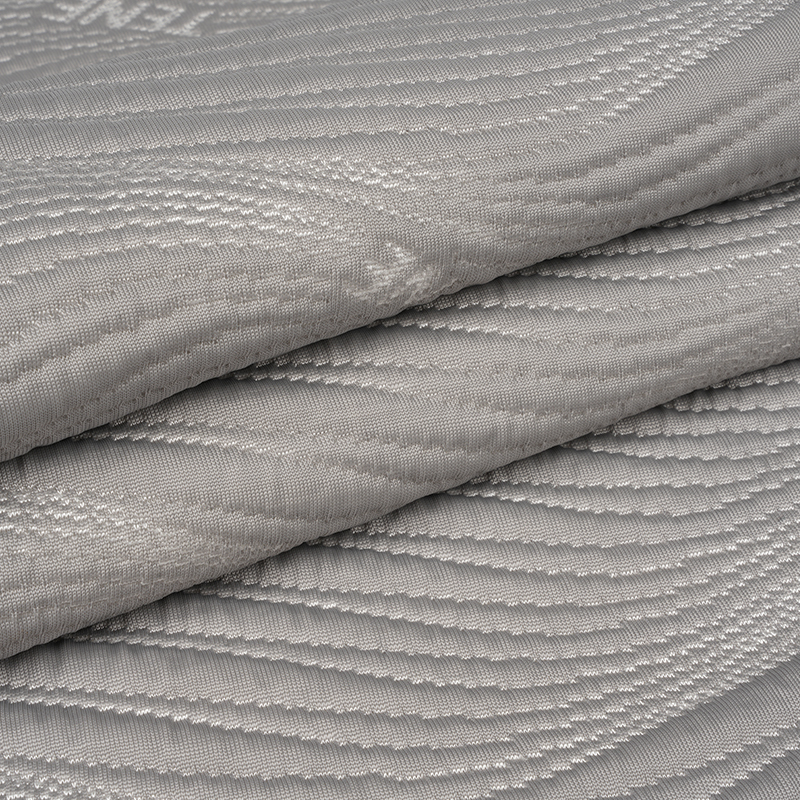
Bamboo Fiber Children Mattress Fabric
Bamboo Fiber Children Mattress Fabric
Haven’t Found The Products You Want?
-
-
Shen Jinyan:+86-15158070676
[email protected]
Liang Jinwen:+86-15757186621
[email protected]
Qiu Yingyingn:+86-13819545790
[email protected]
Yi qiao Town, Xiaoshan District, Hangzhou City, Zhejiang Province, China
-
Products
Mattress Fabric Children Mattress Fabric Pillowcase Fabric Pregnancy Pillow Fabric Cooling Mat Fabric Bedding Fabric Sofa Fabric Pet Friendly Fabrics -
Contact Information
About Us Products Strength Sustainability News Contact Us
Copyright © Hangzhou Xinsili Decorative Fabric Weaving Co.,Ltd. All Rights Reserved.
Functional Decorative Textile Manufacturers
