

 English
 中文简体
 Español
 عربى
 русский



Tencel Bedding Fabric: Advanced Comfort, Sustainable Performance, and Precision Textile Manufacturing
Content
- 1 What Is Tencel Bedding Fabric?
- 2 Core Advantages of Tencel Bedding Fabric
- 3 Why Tencel Fabric Can Outperform Conventional Bedding Materials
- 4 Advanced Manufacturing of Tencel Bedding Fabric
- 5 Company Manufacturing Strengths
- 6 Applications of Tencel Bedding Fabric
- 7 Customization Options for Buyers
- 8 Quality Considerations When Purchasing Tencel Bedding Fabric
- 9 Sustainability and Responsible Textile Development
- 10 Why Professional Supplier Collaboration Matters
- 11 Product Development Workflow
- 12 Frequently Asked Questions
- 12.1 What makes Tencel bedding fabric different from ordinary polyester bedding?
- 12.2 Is Tencel bedding fabric suitable for hot climates?
- 12.3 Can Tencel fabric be used for children’s bedding?
- 12.4 Can the fabric be customized?
- 12.5 Is Tencel fabric biodegradable?
- 12.6 Does Tencel bedding shrink after washing?
- 12.7 Is Tencel fabric strong enough for mattress covers?
- 12.8 Can Tencel bedding fabric receive antibacterial or flame-retardant treatments?
- 12.9 What information should be provided when requesting a quotation?
- 12.10 Why is factory experience important when buying premium bedding fabric?
- 13 Conclusion
- 14 References
- 15 Product: Tencel Bedding Fabric
Tencel bedding fabric has become an important choice for manufacturers, designers, retailers, and consumers seeking a more comfortable and responsible sleeping environment. Combining a smooth hand feel with moisture management, breathability, and an attractive natural appearance, Tencel fabric offers a compelling alternative to conventional bedding materials. It is suitable for duvet covers, bed sheets, pillowcases, mattress covers, quilted products, children’s bedding, pregnancy pillows, and other sleep-related textile applications.
As consumer expectations continue to evolve, bedding is no longer judged only by color, price, and surface softness. Buyers increasingly consider thermal comfort, skin friendliness, hygiene, durability, environmental responsibility, and the reliability of the supplier behind the product. Tencel bedding fabric responds to these requirements through a balanced combination of fiber performance and advanced weaving technology.
Hangzhou Xinsili Decorative Fabric Weaving Co., Ltd. develops and manufactures functional decorative textiles for residential, hotel, and commercial environments. With 19 years of industry experience, a 12,000-square-meter factory area, and recognition as a National High-Tech Enterprise in 2023, the company provides textile solutions that combine design flexibility, stable manufacturing, and practical performance. Its product development philosophy focuses on creating safe, healthy, comfortable, and sustainable living spaces through fabric innovation.
This article examines the properties, applications, production considerations, and competitive advantages of Tencel bedding fabric. It also explains how a professional textile manufacturer can transform a high-performance fiber into a reliable finished fabric through material selection, precision weaving, finishing, inspection, and customized service.
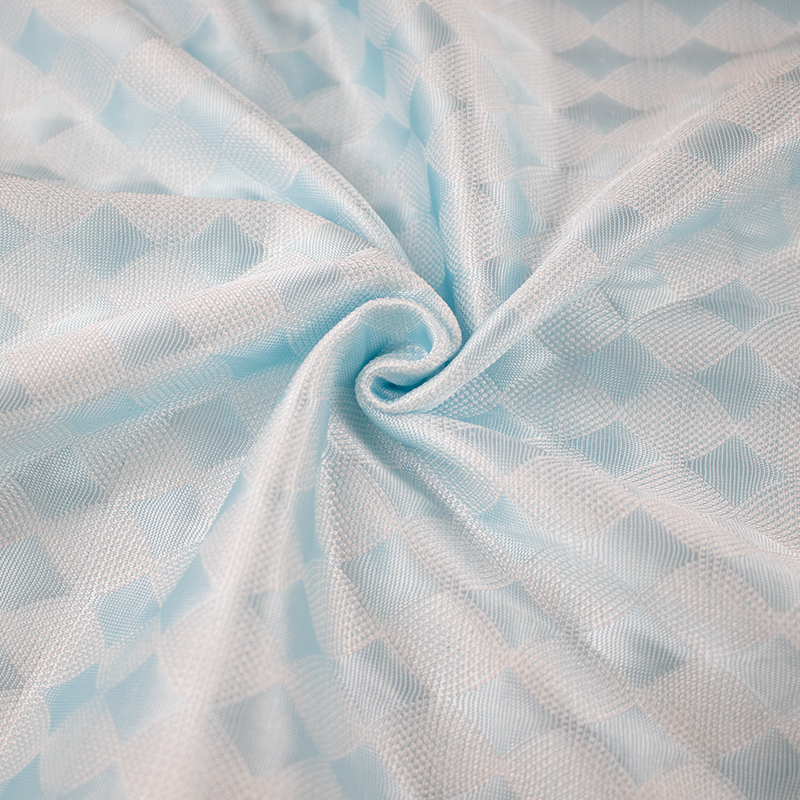
Tencel Bedding Fabric
What Is Tencel Bedding Fabric?
Tencel bedding fabric is a textile made with Tencel branded lyocell fibers, usually blended with other fibers or woven in a particular structure to achieve a specific hand feel, appearance, strength, or cost target. Lyocell is a regenerated cellulose fiber produced from wood-based cellulose. The fiber is known for its smooth surface, moisture absorption, breathability, and soft drape.
In bedding applications, the fiber may be used in a variety of constructions. It can be woven into plain fabric, twill, sateen, jacquard, knitted structures, brushed surfaces, quilted layers, or blended textile systems. The final performance depends not only on the fiber itself but also on yarn count, fabric density, weave structure, finishing process, dyeing method, and quality control standards.
Unlike a simple commodity fabric, a well-developed Tencel bedding textile is an engineered sleep-surface material. It must feel pleasant against the skin, remain stable during repeated washing, manage moisture during the night, and maintain a clean and attractive appearance. It also needs to meet the practical requirements of cutting, sewing, quilting, packaging, transportation, and retail presentation.
The product is especially suitable for consumers who prefer a smooth, cool-touch, naturally comfortable bedding material. It can also be used in premium hospitality projects, wellness-oriented interiors, children’s sleep products, and functional bedding collections that emphasize comfort and sustainability.
Core Advantages of Tencel Bedding Fabric
Softness for Direct Skin Contact
Softness is one of the most important characteristics of bedding. Sheets, pillowcases, duvet covers, and mattress fabrics remain in contact with the body for many hours, so rough or uneven surfaces can reduce comfort and affect the perceived quality of the entire sleep product.
Tencel fibers have a smooth surface that contributes to a soft and refined hand feel. Compared with some conventional regenerated fibers, the fiber surface is designed to reduce the formation of rough fibrils. When properly woven and finished, Tencel fabric can deliver a clean, smooth, and fluid surface suitable for premium bedding.
The softness of the finished textile can be adjusted through fabric construction and finishing. A manufacturer may develop a cool and crisp surface for summer bedding, a fluid and elegant surface for luxury duvet covers, or a slightly brushed and warmer touch for seasonal products. This flexibility allows Tencel fabric to serve different market segments without losing its essential comfort advantages.
Moisture Management and Nighttime Comfort
During sleep, the human body naturally releases heat and moisture. If bedding holds moisture close to the skin, the sleeper may experience a damp or overheated feeling. Tencel fibers absorb and distribute moisture effectively, helping the fabric provide a more comfortable microclimate near the body.
Moisture management is not the same as instant drying in every construction, because drying speed depends on fabric weight, thickness, blend ratio, finishing, air movement, and laundering conditions. However, a properly designed Tencel bedding fabric can help move moisture away from the skin and support a fresher, more comfortable sleeping surface.
This feature gives Tencel bedding an advantage over certain dense or less breathable synthetic materials. A low-cost polyester sheet may be durable and easy to manufacture, but it can feel warmer or less absorbent in humid conditions. Tencel offers a more balanced performance profile by combining practical durability with a cellulosic fiber’s moisture-related comfort.
Breathability and Temperature Balance
Breathability is another reason Tencel fabric is frequently selected for sheets, pillowcases, and mattress covers. Air permeability is influenced by yarn size, fabric density, weave, finishing, and weight. In a suitable construction, Tencel fabric permits air movement while maintaining a comfortable and smooth surface.
Many bedding buyers describe Tencel textiles as cool or temperature regulating. A more precise explanation is that the fabric can help manage heat and moisture more effectively than some less breathable alternatives. It does not actively cool the body like a mechanical cooling device, but its moisture absorption, smoothness, and breathable construction can contribute to a cooler-feeling sleep experience.
For manufacturers, this performance is valuable across multiple product categories. Lightweight Tencel fabric can be used in warm-weather sheets and pillowcases, while heavier or blended constructions can be used in year-round bedding. The same fiber platform can therefore support a coordinated bedding collection.
Smooth Surface and Reduced Friction
A smooth bedding surface can reduce the feeling of friction against the skin and hair. This is particularly relevant for pillowcases, where the fabric remains in contact with the face and hair for a long period. The clean surface of Tencel fabric can help create a refined, comfortable pillowcase experience.
Surface smoothness also supports a premium visual appearance. Tencel fabric can display colors with clarity and can be developed with a soft luster or elegant matte finish depending on the construction. This makes it suitable for minimalist, modern, natural, and luxury interior styles.
Natural-Origin Cellulosic Content
Tencel fibers are made from wood-based cellulose, which gives them a natural-origin story that is meaningful to many consumers. The fiber is not simply marketed as a decorative material; it is part of a broader movement toward lower-impact materials, responsible sourcing, and more thoughtful product design.
Environmental performance must always be considered across the entire product life cycle. Fiber sourcing, chemical recovery, energy consumption, water use, dyeing, finishing, packaging, transportation, product life, and end-of-life treatment all affect the overall impact. A responsible manufacturer should therefore present sustainability as a complete manufacturing objective rather than relying on one material claim.
When Tencel fibers are integrated into a carefully managed production system, they can support bedding products that communicate comfort, modern design, and environmental awareness. This combination is increasingly important for brands serving premium home textiles, hospitality projects, and health-conscious consumers.
Why Tencel Fabric Can Outperform Conventional Bedding Materials
The competitive position of Tencel bedding fabric becomes clearer when it is compared with common alternatives. Every fiber has strengths and limitations, and no single material is ideal for every project. The best choice depends on the intended use, target price, performance requirements, design direction, and care instructions.
| Material Type | Typical Strengths | Potential Limitations | Where Tencel Can Offer an Advantage |
|---|---|---|---|
| Tencel Lyocell | Smooth hand feel, moisture management, breathability, elegant drape, natural-origin cellulose | Requires careful process control and may have a higher material cost than basic synthetics | Balances comfort, appearance, and sustainability for premium bedding |
| Conventional Polyester | Low cost, strong abrasion resistance, quick drying, easy processing | May feel warmer or less absorbent and can have a more synthetic hand feel | Offers a softer, more moisture-friendly surface and a natural-fiber story |
| Standard Cotton | Familiar comfort, absorbency, broad availability, established consumer acceptance | Can wrinkle, shrink, or require considerable agricultural resources depending on sourcing | Provides a smoother surface and fluid drape while supporting a regenerated-cellulose positioning |
| Viscose Rayon | Softness, drape, color appearance, relatively accessible cost | Performance varies by production method, and some constructions may have lower wet strength | Can provide a more advanced lyocell option with controlled performance and a premium image |
| Nylon | High strength, resilience, and abrasion resistance | Often feels more technical and less absorbent than cellulosic fibers | Creates a more natural and skin-comfort-oriented bedding experience |
The table shows why Tencel is often selected as a performance and positioning material rather than merely a replacement for another fiber. It allows a bedding brand to discuss comfort, responsible material selection, elegant appearance, and functional performance in one product story.
Compared with basic polyester, Tencel can offer a more natural touch and improved moisture-related comfort. Compared with standard cotton, it can provide a smoother surface and more fluid drape. Compared with ordinary rayon, it can support a more premium specification when the fiber, weaving, finishing, and quality control are carefully managed.
However, the competitive advantage does not come from fiber selection alone. Poor weaving, inconsistent dyeing, weak dimensional stability, or unsuitable finishing can reduce the value of any premium fiber. This is why the capabilities of the manufacturing partner are essential.
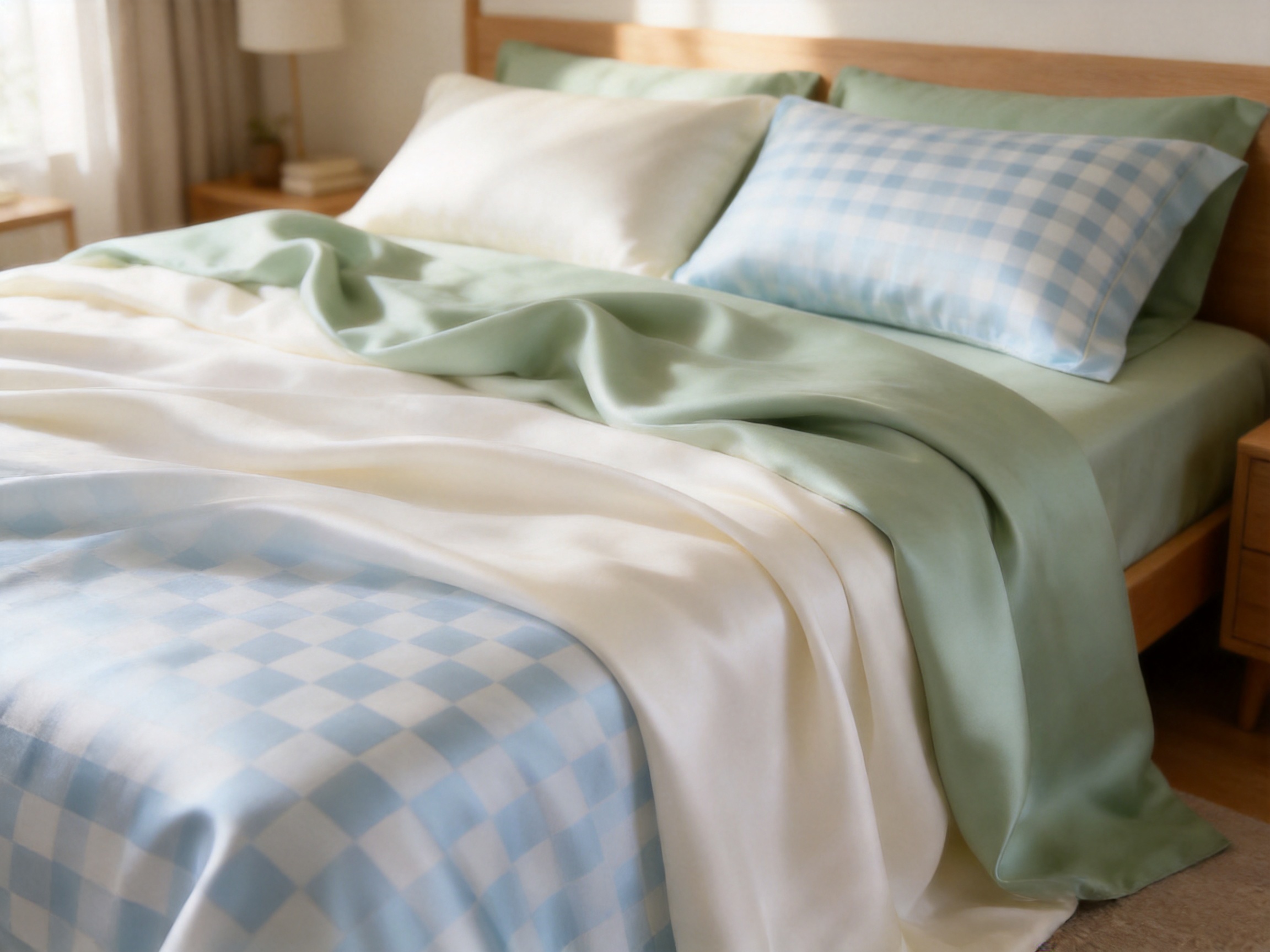
Advanced Manufacturing of Tencel Bedding Fabric
Material Planning and Fiber Selection
The manufacturing process begins before the first yarn enters the loom. A professional supplier studies the intended application, product weight, hand feel, color range, end-use environment, and care requirements. Bedding fabric for a pillowcase may require a different surface and weight from mattress fabric designed to withstand quilting, stretching, and repeated handling.
Material planning may include selecting pure Tencel yarns or developing a blend with fibers such as polyester, cotton, recycled polyester, or other functional fibers. Blending can improve dimensional stability, strength, drying behavior, cost control, or visual texture. The correct blend depends on the performance objective and should be confirmed through sample testing.
Yarn specifications are also important. Finer yarns can support a smooth, lightweight surface, while stronger or larger yarns may be appropriate for durable mattress or upholstery-related applications. The manufacturer must consider yarn evenness, tensile behavior, hairiness, twist, moisture content, and compatibility with the intended weaving process.
Precision Warping and Weaving
Warping prepares the lengthwise yarns for weaving. Tencel yarns require controlled handling because excessive tension, abrasion, or mechanical stress can affect the yarn and ultimately the finished fabric. Stable warping supports consistent width, uniform density, and reduced weaving defects.
During weaving, the loom interlaces warp and weft yarns according to the selected construction. Plain weave can provide a clean, versatile structure. Twill can create a subtle diagonal texture and a softer drape. Sateen structures can enhance smoothness and surface luster. Jacquard techniques can introduce patterns, textures, or coordinated design details.
Advanced weaving is not only about operating machinery at high speed. It also requires precise settings, regular monitoring, and experienced technicians who understand how yarn behavior changes under different conditions. Tension, beat-up, pick density, loom speed, humidity, and yarn preparation all influence the quality of the final cloth.
A strong manufacturing system aims to reduce common defects such as broken ends, missing picks, slubs, thick or thin places, oil marks, reed marks, and uneven density. Detecting issues early protects material efficiency and improves consistency across production batches.
Knitted and Layered Construction Options
Although woven Tencel bedding fabric is widely used, knitted and layered constructions can also be considered for selected applications. Knitted structures may provide additional stretch, softness, and conformability, which can be useful in fitted sheets, mattress covers, and certain pillow products.
Layered fabrics may combine a Tencel face with a functional backing, filling, membrane, or support layer. In mattress-related products, the outer textile may be quilted with a comfort filling or laminated to improve structure. In these cases, the manufacturer must control bonding, needle penetration, shrinkage, and compatibility between layers.
The ability to work with different textile constructions allows a supplier to serve more than one product category. A bedding fabric manufacturer with broader decorative textile experience may also understand how surface aesthetics, functional finishes, and construction stability interact in real interior products.
Dyeing and Color Development
Color is a central part of bedding design. Neutral shades, soft pastels, natural earth tones, deep hues, and seasonal fashion colors can each influence the emotional atmosphere of a bedroom. Tencel fabric can be developed in a wide range of colors, but reliable color development requires disciplined laboratory work.
Before bulk production, the supplier should prepare laboratory dips or sample yardage to evaluate shade, depth, undertone, surface appearance, and compatibility with the selected finish. Color matching should be assessed under appropriate lighting conditions because a shade may appear different under daylight, warm indoor lighting, or retail illumination.
Bulk dyeing requires control of temperature, chemical concentration, time, liquor ratio, and fabric movement. Uneven dye penetration or insufficient washing can lead to shade variation, streaks, poor rubbing performance, or unwanted residual chemicals. A skilled dyeing team works to balance color richness with fabric softness and dimensional stability.
Functional Finishing
Finishing gives the fabric its final tactile and functional character. It may include washing, softening, drying, stentering, compacting, brushing, calendaring, coating, or other treatments. The finishing sequence should be selected according to the intended use rather than applied as a generic formula.
For bedding, common objectives include improving softness, stabilizing width, reducing shrinkage, enhancing drape, controlling surface appearance, and supporting moisture comfort. Functional treatments may also be considered for antibacterial, moisture-resistant, flame-retardant, or sleep-supporting applications when appropriate standards and testing are available.
Finishes must be carefully managed because excessive treatment can reduce breathability, change the natural hand feel, or create an unwanted surface film. The best results come from a balanced process in which the finish enhances the base fabric without concealing construction weaknesses.
Inspection and Testing
Quality inspection should be conducted throughout the manufacturing process, not only at the end. Incoming yarns can be checked for specification and consistency. During weaving, operators can monitor defects and production stability. After dyeing and finishing, the fabric can be inspected for color, width, weight, surface quality, hand feel, and construction accuracy.
Depending on customer requirements, testing may include dimensional change after washing, colorfastness to washing and rubbing, pilling resistance, tensile strength, tear strength, abrasion resistance, air permeability, moisture behavior, formaldehyde content, pH value, and restricted substances. The exact testing program should reflect the final product and destination market.
For mattress and bedding applications, dimensional stability is particularly important. A fabric that shrinks unevenly can cause puckering, seam distortion, poor fitting, or quilting problems. Repeated washing tests help manufacturers understand how the material will perform after consumer use rather than relying only on a new-fabric inspection.
Company Manufacturing Strengths
Long-Term Industry Experience
Hangzhou Xinsili Decorative Fabric Weaving Co., Ltd. has 19 years of industry experience. Long-term experience is valuable because textile quality depends on many interacting variables that cannot be mastered through equipment investment alone. Knowledge of yarn behavior, loom adjustment, finishing response, customer requirements, and common production risks helps a manufacturer make better decisions.
Experience also supports faster problem solving. If a sample shows excessive shrinkage, uneven color, insufficient softness, or an unstable width, an experienced team can investigate the likely causes and recommend adjustments. This reduces unnecessary trial and error during development.
12,000-Square-Meter Factory Area
The company operates within a 12,000-square-meter factory area, providing space for production, development, inspection, material handling, and related operational activities. A dedicated manufacturing base can help improve process coordination and support more consistent communication between development, production, and quality teams.
Factory scale should not be judged only by physical size. Effective management, equipment maintenance, workflow organization, production scheduling, and inspection discipline are equally important. A well-organized factory can respond to both standard orders and customized fabric projects while maintaining practical control over lead times and quality.
National High-Tech Enterprise Recognition
Recognition as a National High-Tech Enterprise in 2023 reflects the company’s orientation toward technical development and innovation. For a functional decorative textile manufacturer, this type of recognition is relevant because modern fabric production increasingly depends on applied research, process optimization, material engineering, and performance testing.
Innovation in textiles does not always mean creating a completely new fiber. It may involve developing a more effective weave, improving a finishing recipe, integrating a performance function, reducing production defects, or creating a fabric that performs better in a specific interior environment. Practical innovation can make a direct difference to bedding comfort and product reliability.
Focus on Functional Decorative Textiles
The company specializes in decorative fabrics designed for home, hotel, and commercial environments. This focus is useful for bedding buyers who want more than a basic textile. Modern bedding often forms part of a complete interior concept, and the fabric must coordinate with mattresses, upholstered furniture, curtains, cushions, wall treatments, and other decorative surfaces.
By combining decorative design with functional development, the manufacturer can support fabric projects that require both visual appeal and performance. Potential functions include antibacterial properties, moisture resistance, flame retardancy, sleep-supporting features, and comfort improvement. Any such claim should be supported by suitable specifications and test documentation for the intended market.
Stable and Practical Product Philosophy
The company’s stated approach emphasizes stable, practical, and reliable products. This is especially important for bedding manufacturers, because a fabric may look excellent in a sample but fail to meet production requirements if its width, weight, shrinkage, color, or hand feel varies significantly across batches.
Consistency is a competitive advantage. It allows a bedding brand to reproduce a product collection, maintain a recognizable quality level, and reduce unexpected waste during cutting and sewing. It also supports long-term cooperation between the fabric supplier and the finished-product manufacturer.
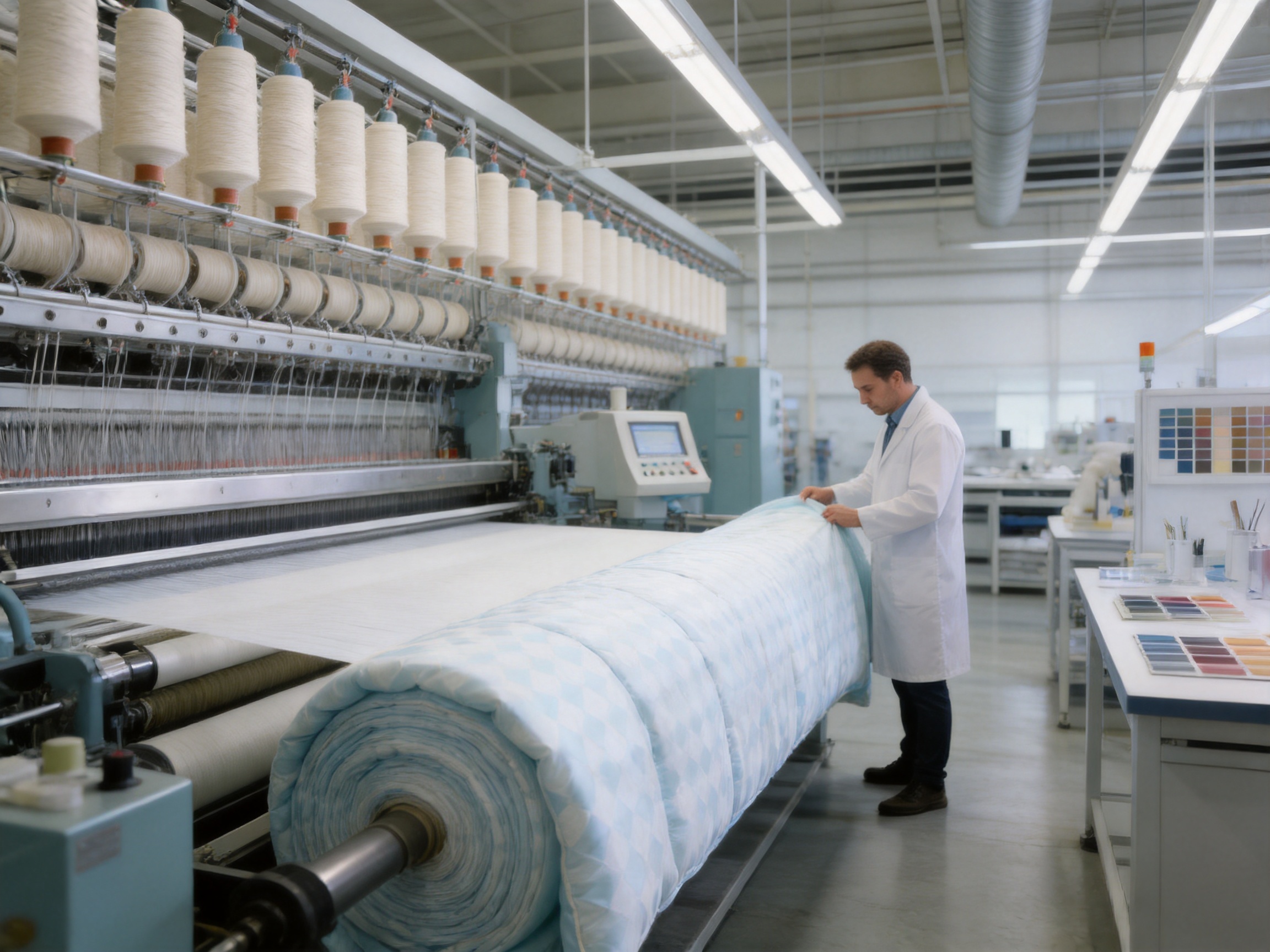
Applications of Tencel Bedding Fabric
Bed Sheets and Fitted Sheets
Tencel fabric is well suited to bed sheets because of its smooth hand feel, breathability, and moisture-related comfort. Flat sheets can showcase the fabric’s drape and surface appearance, while fitted sheets require careful attention to stretch, width, elastic insertion, and dimensional stability.
For fitted sheets, the fabric must retain adequate recovery after repeated use and washing. If a blend is selected, the blend ratio and construction should support both comfort and fit. The supplier can help determine whether a woven, knitted, or stretch-enhanced construction is most suitable for the product design.
Duvet Covers and Quilt Covers
Duvet covers represent a large visual surface in the bedroom, making color, texture, drape, and wrinkle behavior important. Tencel fabric can provide a smooth and elegant appearance that works well in minimalist, contemporary, natural, and premium interior collections.
The fabric may be developed in solid colors, yarn-dyed effects, jacquard patterns, subtle textures, or coordinated decorative constructions. Weight and drape should be balanced so that the duvet cover feels substantial without becoming unnecessarily heavy or difficult to launder.
Pillowcases
Pillowcases benefit from the smooth surface and refined appearance of Tencel fabric. Because the material touches the face and hair, softness and surface uniformity are especially important. The product can be designed as a simple envelope pillowcase, a zippered style, a decorative flange, or part of a coordinated bedding set.
Manufacturers may also combine Tencel with functional treatments for specific product concepts. For example, a pillowcase may be positioned around moisture comfort, freshness, premium softness, or a wellness-oriented sleep experience. The final claim should match verified product performance.
Mattress Covers and Mattress Fabrics
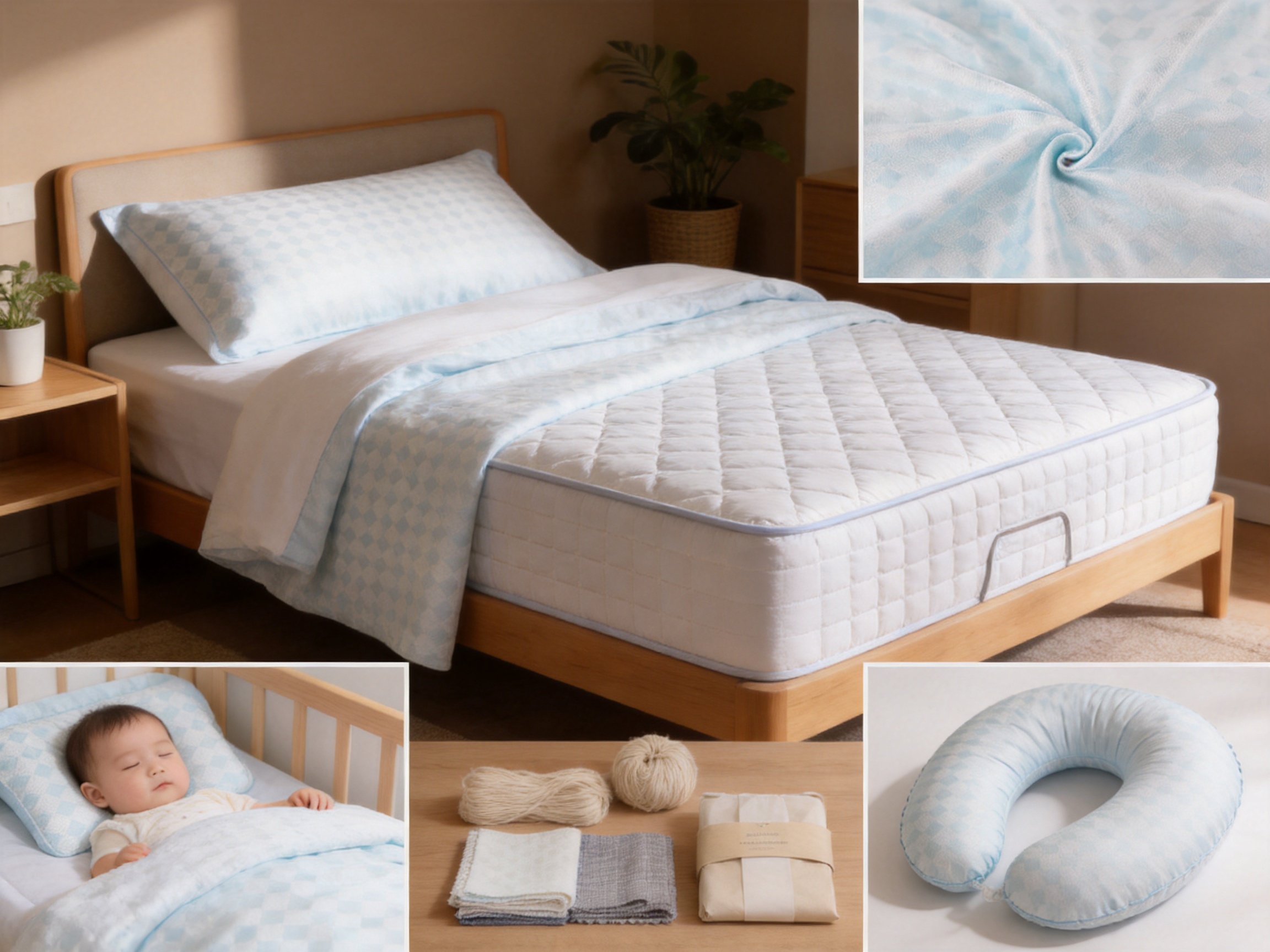
Mattress fabrics have different requirements from lightweight sheets. They may need greater abrasion resistance, dimensional stability, quilting compatibility, and resistance to repeated handling. Tencel can be used as the surface textile in mattress covers or combined with other fibers and layers to create a durable and comfortable mattress construction.
In quilted mattress products, the fabric must interact well with the filling, backing, and quilting pattern. Excessive shrinkage or unstable tension can cause puckering and distortion. A manufacturer with experience in decorative and functional fabrics can help optimize the construction for both appearance and production efficiency.
Children’s Bedding
Children’s bedding requires careful attention to softness, comfort, color, safety, and care performance. Tencel fabric can support children’s bedding collections that emphasize a gentle touch and breathable sleep environment. Designs may include calm neutral colors, playful patterns, or coordinated themes.
For children’s products, buyers should request appropriate testing and compliance documentation. The fabric should be evaluated according to the regulations and standards of the intended market, especially where products may have prolonged skin contact or frequent washing.
Pregnancy Pillows and Support Products
Pregnancy pillows and other support cushions remain close to the body and are often used for extended periods. A Tencel outer cover can contribute to a smooth, breathable, and comfortable surface. Depending on the construction, the fabric can be used for removable covers, inner liners, or decorative sections.
These products may require special attention to seam strength, zipper performance, washing behavior, and fabric recovery. A supplier that can customize weight, color, texture, and functional finishing can help brands develop a coherent support-product collection.
Cooling Mats and Seasonal Sleep Products
Tencel bedding fabric can also be considered for cooling mats, summer bedding, lightweight mattress pads, and other seasonal products. Its moisture management and breathable potential can support a cooler-feeling surface when combined with a suitable construction and filling system.
It is important to distinguish between a fabric that supports a cool and comfortable sensation and a product that provides measurable active cooling. The final performance depends on the complete product architecture, including the face fabric, filling, backing, internal materials, thickness, and environmental conditions.
Customization Options for Buyers
Fabric buyers often require more than an existing standard article. Customization may include fiber composition, fabric width, weight, weave structure, color, finish, pattern, coating, lamination, and packaging. A professional supplier should clarify the intended application before recommending a specification.
Fiber and Blend Customization
Pure Tencel constructions can emphasize the fiber’s smoothness and natural-origin positioning. Blends can be used to improve strength, dimensional stability, stretch, quick drying, or cost efficiency. The correct choice depends on the performance priorities of the product rather than a universal preference for one composition.
For example, a premium pillowcase may prioritize a very smooth surface and fluid drape, while a mattress cover may require greater structural support. A blend may be appropriate when a product must withstand demanding quilting or repeated industrial laundering.
Construction and Weight
Fabric weight influences hand feel, opacity, warmth, drape, and sewing behavior. Lightweight constructions are often preferred for summer bedding and smooth pillowcases. Medium-weight fabrics can provide a balanced year-round solution. Heavier constructions may be considered for quilted mattress covers, decorative bedding, or products requiring greater substance.
Weave structure also affects appearance and performance. Plain weave provides versatility and a clean surface. Twill creates texture and may improve drape. Sateen offers a smoother and more lustrous appearance. Jacquard creates opportunities for distinctive patterns and premium visual differentiation.
Color and Pattern
Color matching can be developed according to a physical standard, a recognized color system, or a customer-provided reference. Buyers should evaluate color under multiple light sources and approve a production standard before bulk manufacturing.
Patterns can be created through yarn arrangement, printing, jacquard weaving, embossing, or other techniques. A supplier with decorative textile experience can help translate an interior concept into a commercially practical fabric design.
Functional Treatments
Functional treatment options may include antibacterial finishing, moisture management, flame retardancy, anti-static performance, stain resistance, or enhanced softness. Each treatment can influence the fabric’s hand feel, breathability, color, washing behavior, and regulatory status.
Buyers should define the desired function clearly and request test methods, performance levels, and durability information. A product claim should be based on appropriate testing of the finished fabric or finished product rather than on a general assumption about the base fiber.
Quality Considerations When Purchasing Tencel Bedding Fabric
Purchasers should evaluate the fabric through a combination of physical samples, technical data, and supplier communication. A sample is necessary for assessing hand feel and appearance, but it does not reveal every aspect of bulk performance.
Check Fabric Construction
Confirm the fiber composition, yarn specification, fabric weight, width, weave, finishing, and usable width. The usable width may differ from the nominal width because of selvages, edge finishing, or production allowances.
Evaluate Dimensional Stability
Washing and drying can affect width, length, skew, and surface appearance. Dimensional change should be tested according to the intended care method. This is especially important for fitted sheets, mattress covers, and quilted products.
Assess Colorfastness
Colorfastness to washing, rubbing, perspiration, and light may be relevant depending on the end use. Dark colors and bright shades may require particular attention. The buyer should confirm the testing standard and acceptance level before order placement.
Review Surface Quality
Inspect the fabric for slubs, holes, streaks, oil marks, uneven dyeing, crease marks, excessive fuzz, and inconsistent texture. Surface inspection should be performed under suitable lighting and across enough fabric length to identify batch variation.
Confirm Compliance Requirements
Different countries and product categories may require different safety and chemical compliance documentation. The buyer should identify applicable standards for children’s bedding, hospitality products, mattress textiles, or consumer home furnishings before finalizing the specification.
Consider Total Cost Rather Than Unit Price Alone
A lower fabric price does not always result in a lower finished-product cost. Poor dimensional stability, high defect rates, difficult sewing, inconsistent color, or customer returns can create significant hidden expenses. A more reliable fabric may improve cutting efficiency, reduce waste, and support a stronger finished-product reputation.
Sustainability and Responsible Textile Development
Sustainability is increasingly important in bedding because consumers often associate sleep products with health, home safety, and long-term comfort. Tencel’s wood-based cellulose origin can support a responsible material narrative, but sustainable development requires attention to the complete supply chain.
Manufacturers should consider responsible raw material sourcing, efficient production, water and energy management, chemical control, waste reduction, packaging optimization, and product durability. A fabric that lasts longer and remains attractive through repeated care may reduce the frequency of replacement, which is an important part of its practical environmental value.
Process efficiency can also contribute to sustainability. Accurate warping, stable weaving, controlled dyeing, and early defect detection help reduce waste. Careful finishing reduces the need for reprocessing. Efficient production planning can improve material utilization and reduce unnecessary transportation or inventory loss.
For brands, sustainability communication should be clear and verifiable. Statements should identify the actual material composition, relevant certifications where available, and the limitations of any environmental claim. Transparent information is more valuable than broad language that cannot be supported.
Why Professional Supplier Collaboration Matters
Successful bedding development is a collaborative process. The fabric supplier brings knowledge of fiber behavior, construction, dyeing, finishing, and quality control. The bedding manufacturer contributes information about cutting, sewing, quilting, filling, packaging, and customer use. When both sides communicate early, the final product is more likely to perform as intended.
A supplier should ask practical questions about the project. What is the target product? Will it be washed frequently? Is it intended for retail, hospitality, healthcare, or children’s use? What is the target hand feel? Does the product require stretch, flame retardancy, antibacterial treatment, cooling performance, or special color matching? What standards apply in the destination market?
Clear answers allow the fabric specification to be optimized. They also reduce the risk of selecting a construction that looks attractive but is unsuitable for sewing, quilting, washing, or long-term use.
Hangzhou Xinsili Decorative Fabric Weaving Co., Ltd. offers a useful combination of textile experience, functional product development, and decorative design awareness. Its focus on residential, hotel, and commercial environments enables it to approach bedding fabric as part of a broader interior and comfort solution.
Product Development Workflow
A practical development workflow can begin with a project consultation. The buyer defines the application, target market, performance objectives, color direction, approximate quantity, and delivery requirements. The supplier then recommends one or more constructions for evaluation.
Initial samples should be reviewed for appearance, softness, drape, weight, breathability, and sewing behavior. If the fabric will be used in a finished bedding product, it should be cut, sewn, quilted, or assembled in a representative way. A fabric that feels excellent by the meter may behave differently when integrated into a finished product.
After sample approval, laboratory testing can confirm dimensional stability, colorfastness, strength, abrasion resistance, and any functional treatments. Adjustments may be made to yarn, weave density, dyeing, or finishing. A pre-production sample should be approved before bulk manufacturing begins.
During bulk production, inspection records and reference standards help maintain consistency. The final goods should be packed in a manner that protects the surface, prevents moisture damage, and preserves clear batch identification. Good documentation supports future repeat orders and makes quality issues easier to trace.
Frequently Asked Questions
What makes Tencel bedding fabric different from ordinary polyester bedding?
Tencel bedding fabric generally provides a smoother, more cellulosic hand feel and stronger moisture-related comfort. Polyester is valued for low cost, strength, and quick drying, but some polyester constructions may feel warmer or less absorbent against the skin. The final comparison depends on fabric construction and finishing.
Is Tencel bedding fabric suitable for hot climates?
It can be suitable for warm or humid climates when developed in a breathable, appropriately lightweight construction. Tencel’s moisture absorption and smooth surface can support a cooler-feeling sleep experience. Climate performance also depends on fabric weight, weave density, bedding layers, room ventilation, and the complete product design.
Can Tencel fabric be used for children’s bedding?
Yes, it can be used for children’s bedding when the fabric specification, dyes, finishes, and finished product meet the applicable safety and compliance requirements. Buyers should request appropriate testing and should not rely only on the fiber name when evaluating children’s products.
Can the fabric be customized?
Customization may include fiber composition, blend ratio, fabric weight, width, weave, color, pattern, finish, and functional treatment. The available options depend on the product quantity, technical requirements, and production feasibility. A clear application description helps the manufacturer recommend a suitable construction.
Is Tencel fabric biodegradable?
Tencel lyocell is a regenerated cellulose fiber, but the biodegradation behavior of a finished textile depends on fiber composition, blends, dyes, finishes, coatings, sewing components, and environmental conditions. A specific biodegradability claim should be supported by relevant evidence for the actual product.
Does Tencel bedding shrink after washing?
Like many textile fibers, Tencel fabric may experience dimensional change if it is not properly stabilized or if it is washed and dried under unsuitable conditions. Professional pre-treatment and finishing can improve dimensional stability. Buyers should review washing test results and follow the recommended care instructions.
Is Tencel fabric strong enough for mattress covers?
It can be used for mattress covers when the construction is designed for the required abrasion, quilting, handling, and washing conditions. Mattress fabric may require a different weight, blend, or backing from a lightweight sheet. The supplier should evaluate the complete application before confirming suitability.
Can Tencel bedding fabric receive antibacterial or flame-retardant treatments?
Functional treatments may be available depending on the construction and intended market. Each treatment should be evaluated for performance, durability, hand feel, breathability, and regulatory compliance. Claims should be supported by tests performed on the relevant finished fabric or finished product.
What information should be provided when requesting a quotation?
Buyers should provide the intended application, fiber preference, approximate weight, width, color or pattern, estimated quantity, functional requirements, destination market, testing needs, and expected delivery schedule. Product photographs, physical references, or technical drawings can also help reduce misunderstanding.
Premium fibers require appropriate handling during yarn preparation, weaving, dyeing, finishing, and inspection. An experienced factory is more likely to understand how to control defects, stabilize the fabric, reproduce approved colors, and adjust the process when a problem appears. This improves reliability beyond what the raw material alone can provide.
Conclusion
Tencel bedding fabric combines a smooth hand feel, moisture-related comfort, breathability, elegant appearance, and a natural-origin cellulosic fiber story. These advantages make it suitable for a broad range of products, including sheets, duvet covers, pillowcases, mattress covers, children’s bedding, pregnancy pillows, cooling mats, and other sleep-related textiles.
Its strongest competitive position comes from balance. Tencel can provide a more natural and comfortable surface than many basic synthetic fabrics, while offering a refined drape and contemporary sustainability appeal. With appropriate construction and finishing, it can also support the practical requirements of repeated use, washing, quilting, sewing, and commercial distribution.
However, the success of a Tencel textile depends on more than the fiber name. Yarn quality, weaving accuracy, dyeing control, finishing technology, dimensional stability, inspection standards, and supplier communication all influence the final result. A capable manufacturing partner turns the potential of the fiber into a dependable commercial product.
Hangzhou Xinsili Decorative Fabric Weaving Co., Ltd. brings 19 years of textile industry experience, a 12,000-square-meter factory area, functional decorative textile expertise, and a technology-oriented development approach. Its focus on stable quality, design innovation, practical performance, and environmentally responsible solutions makes it well positioned to support customized Tencel bedding fabric projects for residential, hotel, and commercial applications.
For buyers seeking a fabric that supports comfort, modern design, functional performance, and responsible material positioning, Tencel bedding fabric offers a versatile and forward-looking choice. Careful specification, professional manufacturing, and verified testing are the keys to achieving the best possible result.
References
1. Textile Exchange. Preferred Fiber and Materials Market Reports.
2. International Organization for Standardization. Textile Testing and Fiber Identification Standards.
3. European Committee for Standardization. Textiles: Care Labelling and Performance Evaluation Guidance.
4. Lenzing AG. Technical Information on Lyocell Fibers and Tencel Branded Materials.
5. United Nations Environment Programme. Sustainability and Circularity Considerations for the Textile Value Chain.
6. International Labour Organization. Guidance on Responsible Textile and Garment Manufacturing.
7. AATCC. Recommended Methods for Textile Colorfastness, Dimensional Stability, and Performance Testing.
8. ASTM International. Standards for Textile Strength, Abrasion, Pilling, and Moisture-Related Performance.
Product: Tencel Bedding Fabric
Our Featured Products
-
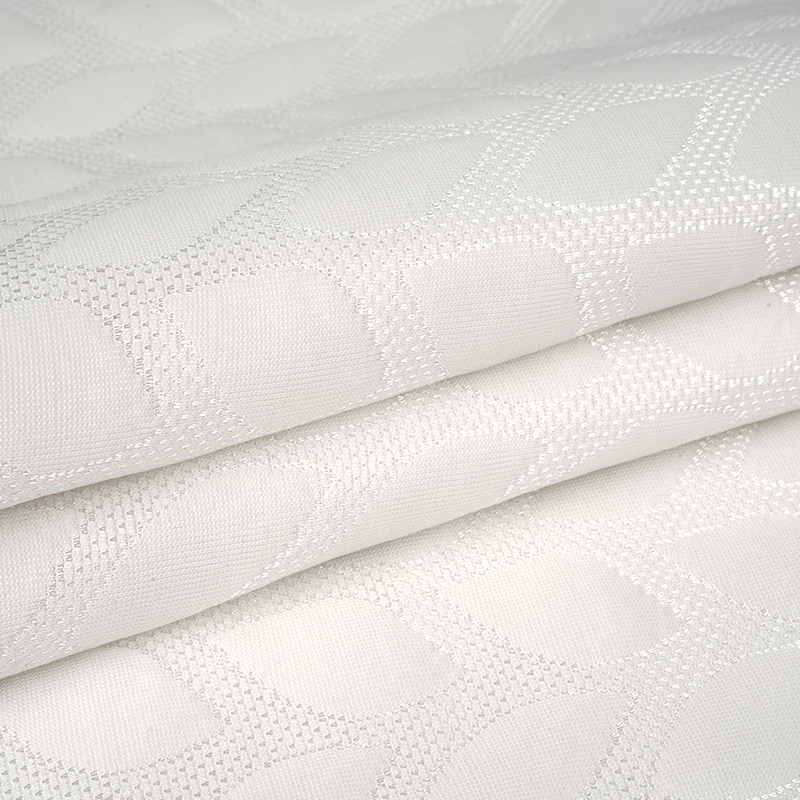
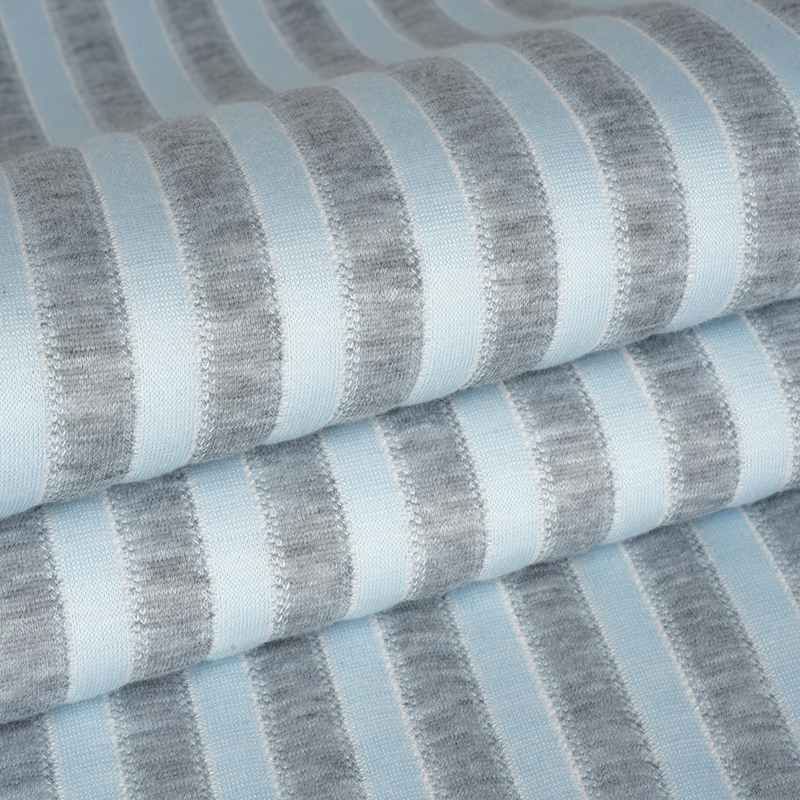
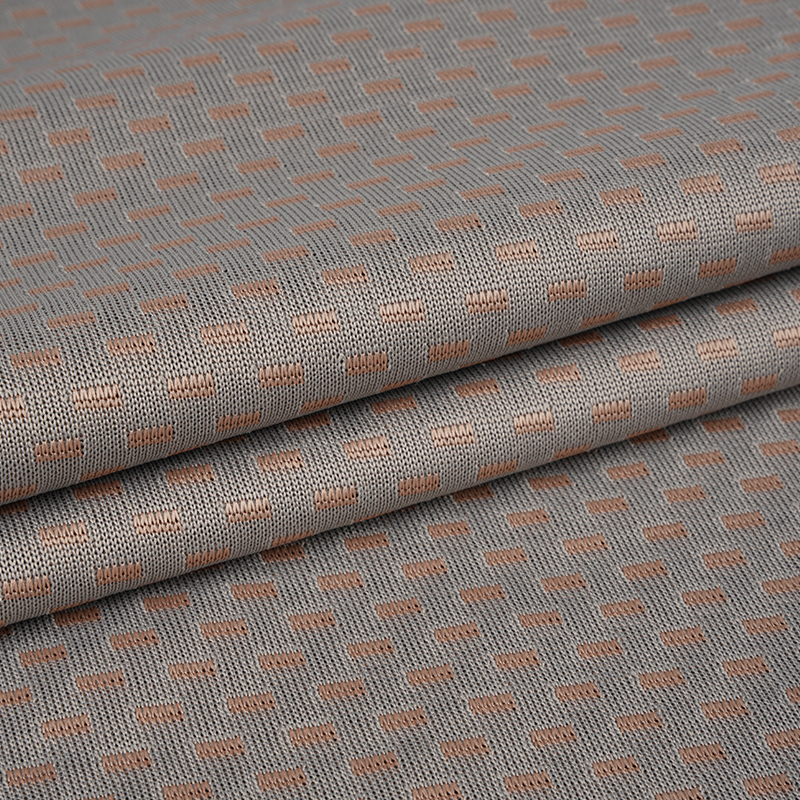
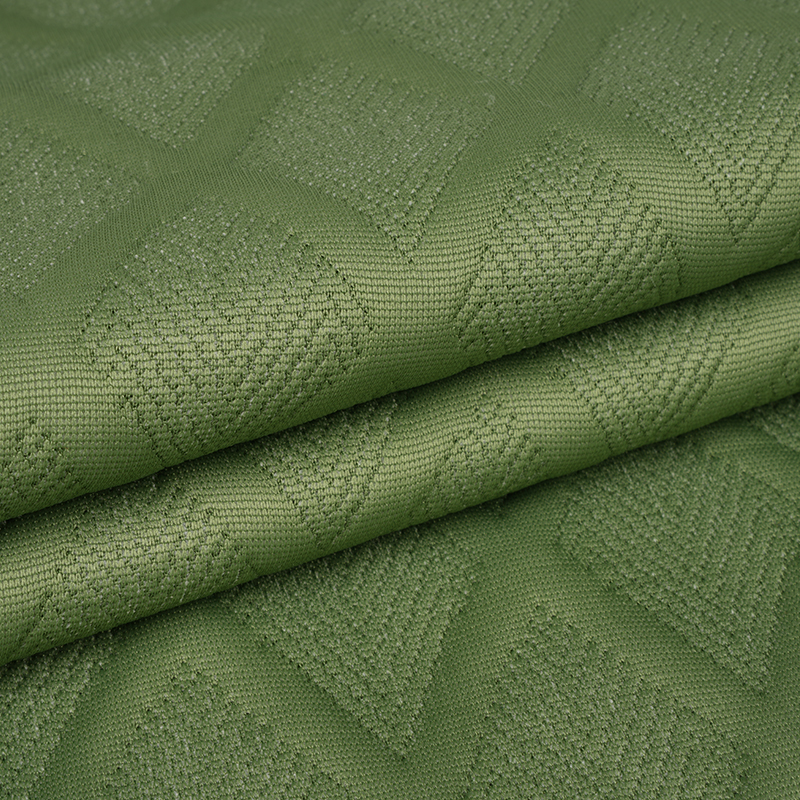
Tencel Pillowcase Fabric
Tencel Pillowcase Fabric
Haven’t Found The Products You Want?
-
-
Shen Jinyan:+86-15158070676
[email protected]
Liang Jinwen:+86-15757186621
[email protected]
Qiu Yingyingn:+86-13819545790
[email protected]
Yi qiao Town, Xiaoshan District, Hangzhou City, Zhejiang Province, China
-
Products
Mattress Fabric Children Mattress Fabric Pillowcase Fabric Pregnancy Pillow Fabric Cooling Mat Fabric Bedding Fabric Sofa Fabric Pet Friendly Fabrics -
Contact Information
About Us Products Strength Sustainability News Contact Us
Copyright © Hangzhou Xinsili Decorative Fabric Weaving Co.,Ltd. All Rights Reserved.
Functional Decorative Textile Manufacturers
