

 English
 中文简体
 Español
 عربى
 русский



Bamboo Fiber Sofa Fabric: Sustainable Comfort, Functional Performance, and Precision Textile Manufacturing
Content
- 1 Understanding Bamboo Fiber Sofa Fabric
- 2 Why Bamboo Fiber Is Attractive for Upholstered Furniture
- 3 Advantages Over Conventional Decorative Sofa Fabrics
- 4 Design and Application Possibilities
- 5 Material Selection and Fiber Engineering
- 6 Advanced Manufacturing Processes
- 7 Functional Performance for Modern Interiors
- 8 Environmental and Sustainability Considerations
- 9 Quality, Consistency, and Supply Reliability
- 10 Customization Services for Furniture Brands and Projects
- 11 Application in Residential Furniture
- 12 Application in Hotels and Commercial Spaces
- 13 Inspection and Testing Recommendations
- 14 Upholstery Processing Considerations
- 15 Care and Maintenance Guidance
- 16 Why Choose an Experienced Functional Decorative Textile Supplier
- 17 Purchasing Checklist for Bamboo Fiber Sofa Fabric
- 18 Q&A: Bamboo Fiber Sofa Fabric
- 18.1 What is bamboo fiber sofa fabric?
- 18.2 Is bamboo fiber sofa fabric suitable for everyday furniture?
- 18.3 Does bamboo fiber fabric feel soft?
- 18.4 Can the fabric be customized?
- 18.5 Can bamboo fiber sofa fabric be used in hotels?
- 18.6 Is the fabric environmentally friendly?
- 18.7 Can functional finishes be added?
- 18.8 How should the fabric be tested before bulk production?
- 18.9 What information should be provided when requesting a quotation?
- 18.10 Why work with a specialized decorative textile manufacturer?
- 19 Conclusion
- 20 References
- 21 Product: Bamboo Fiber Sofa Fabric
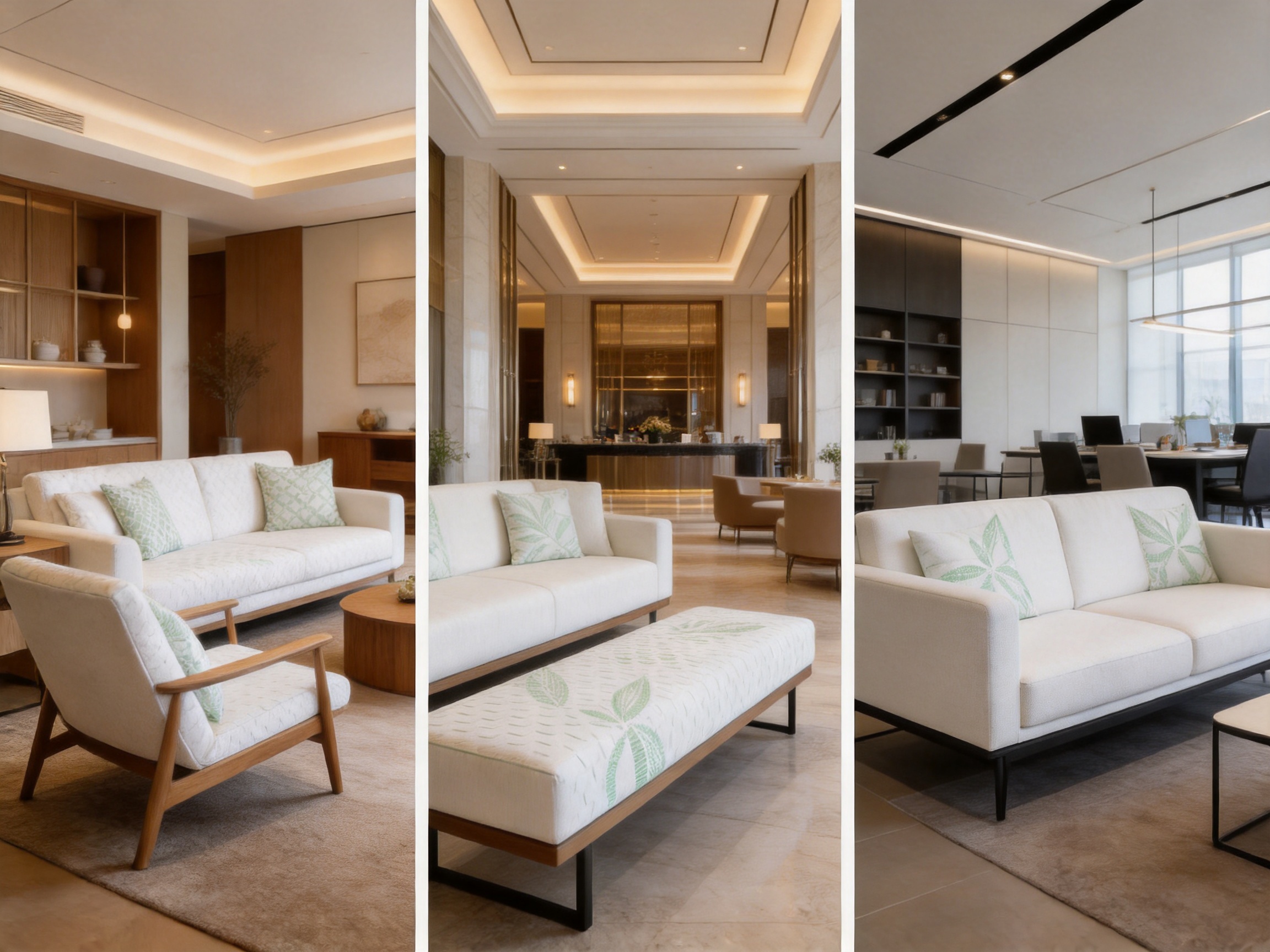
Modern furniture fabrics must do more than provide an attractive surface. They are expected to support comfort, withstand repeated daily use, contribute to healthier interiors, and satisfy increasingly demanding environmental and design requirements. Bamboo fiber sofa fabric responds to these needs by combining a naturally soft hand feel with a versatile appearance and the potential for functional textile performance. Used for sofas, lounge chairs, upholstered benches, cushions, and other interior applications, this fabric offers furniture designers and manufacturers a practical material for creating comfortable and visually refined spaces.
Hangzhou Xinsili Decorative Fabric Weaving Co., Ltd. specializes in the research, development, and manufacturing of functional decorative textiles. Its bamboo fiber sofa fabric is part of a wider product direction focused on combining decorative value with comfort-improving and performance-oriented textile technologies. The company serves residential, hotel, and commercial environments, providing fabric solutions intended to support safe, healthy, comfortable, and sustainable living spaces.
Unlike ordinary upholstery materials that may focus almost exclusively on color, pattern, or basic abrasion resistance, bamboo fiber sofa fabric can be developed as a more comprehensive interior material. The fabric may contribute to a softer seating experience, a more natural visual atmosphere, improved moisture management, and a stronger sustainability narrative. Through professional weaving, careful material selection, structured quality control, and customization capabilities, it provides a competitive option for furniture producers and project buyers seeking a balance between aesthetics, function, and manufacturing reliability.
Understanding Bamboo Fiber Sofa Fabric
Bamboo fiber sofa fabric is an upholstery textile made with bamboo-derived fiber or bamboo-based textile content, either as a primary component or in combination with other fibers. The exact composition, yarn construction, weight, width, finishing method, and performance characteristics can be customized according to the intended application. Depending on the design objective, the finished textile may have a smooth, brushed, knitted, woven, textured, or softly structured surface.
For sofa applications, the material must meet several requirements at the same time. It should feel pleasant against the skin, maintain a stable appearance after repeated use, accept color and pattern development, support efficient upholstery processing, and remain suitable for the target environment. A successful sofa fabric must also work well with foam, filling materials, frame structures, sewing operations, and furniture production equipment.
Bamboo fiber is often selected because it can provide a soft and comfortable tactile character while supporting a natural-material story. This is particularly valuable in living rooms, bedrooms, hospitality lounges, wellness areas, and family spaces where users are in frequent contact with upholstered surfaces. The fabric can be developed in calming neutrals, contemporary shades, warm earth tones, or custom colors to match interior design concepts.
The term “bamboo fiber” may refer to different fiber technologies and manufacturing routes. For this reason, buyers should confirm the precise fiber composition and processing method with the manufacturer before final approval. Hangzhou Xinsili Decorative Fabric Weaving Co., Ltd. can communicate with customers regarding composition, construction, finishing, color, width, weight, and application requirements so that the selected material is aligned with the project’s technical and aesthetic expectations.
Why Bamboo Fiber Is Attractive for Upholstered Furniture
Natural-inspired materials are increasingly important in furniture and interior design. Consumers and commercial buyers are paying closer attention to the tactile quality, visual warmth, and environmental positioning of the textiles used in their spaces. Bamboo fiber sofa fabric can support these preferences by presenting a soft, comfortable, and nature-associated surface.
One of its primary advantages is tactile comfort. Sofa upholstery is touched continuously, and a rough or overly rigid textile can reduce the perceived quality of the furniture. Bamboo-based fiber can help create a smoother and softer hand feel when properly processed and blended. This makes it suitable for sofas, armchairs, cushions, and upholstered components where comfort is central to the user experience.
Another benefit is its design flexibility. Bamboo fiber can be incorporated into fabrics with different yarn arrangements, surface textures, and finishing effects. Manufacturers can create clean minimalist surfaces, subtle woven patterns, brushed finishes, or decorative constructions suited to contemporary and traditional furniture. This flexibility allows the same basic material concept to serve a wide range of design programs.
Bamboo fiber sofa fabric can also support a more breathable upholstery experience when its construction is engineered appropriately. Breathability depends on the fiber blend, yarn structure, fabric density, finishing treatment, and backing configuration. A carefully designed fabric can help reduce the heavy or airtight feeling sometimes associated with dense upholstery textiles.
Moisture-related comfort is another important consideration. Bamboo-derived fibers are commonly associated with moisture absorption characteristics, although actual performance depends on the specific textile construction and finishing process. When the fabric is intended for warm climates, high-use lounges, or residential seating, moisture management may contribute to a more comfortable surface environment.
The natural image of bamboo is also valuable from a product-positioning perspective. Furniture brands can use bamboo fiber sofa fabric in collections that emphasize responsible material choices, biophilic design, wellness, and relaxed living. This does not eliminate the need for proper lifecycle evaluation or technical verification, but it gives designers a meaningful material story that can be integrated into product communication.
Advantages Over Conventional Decorative Sofa Fabrics
Conventional sofa fabrics remain useful for many applications, but they may not address every current market expectation. Some are selected mainly for low cost, while others focus on decorative appearance without offering a strong comfort or sustainability narrative. Bamboo fiber sofa fabric can create a more balanced value proposition by connecting appearance, tactile quality, material identity, and functional development.
Compared with fabrics made solely from standard synthetic fibers, bamboo fiber sofa fabric may provide a softer and more natural hand feel. Synthetic fibers can deliver strength, color consistency, and economical production, but some users perceive them as less breathable or less organic in character. Bamboo-based content can help furniture manufacturers develop a warmer and more comfortable sensory experience.
Compared with basic cotton upholstery, bamboo fiber fabric may offer additional opportunities for engineered performance and modern finishing. Cotton is familiar and comfortable, but it can require careful treatment to manage dimensional stability, moisture, staining, and long-term appearance. A bamboo-based blend or engineered construction can be adjusted to support the intended use while preserving a natural textile impression.
Compared with purely decorative jacquards or loosely structured fabrics, a professionally developed bamboo fiber sofa fabric can be designed with greater attention to upholstery processing and service conditions. Construction stability, width consistency, edge control, and surface uniformity are important during cutting and sewing. A suitable fabric should not only look attractive on a sample card but also perform predictably in a production environment.
Compared with low-quality “green” textiles that rely mainly on environmental marketing, a responsibly manufactured bamboo fiber sofa fabric should be supported by clear material information, consistent production, and appropriate performance testing. This is where an experienced textile manufacturer can create an important competitive advantage. Buyers need practical documentation and reliable quality rather than a sustainability claim without technical substance.
| Evaluation Area | Bamboo Fiber Sofa Fabric | Basic Decorative Fabric | Potential Buyer Benefit |
|---|---|---|---|
| Hand feel | Soft, comfortable, and suitable for close-contact upholstery when properly engineered | Varies widely according to fiber and finishing | Improved perceived comfort and product quality |
| Material positioning | Natural-inspired and suitable for sustainability-focused collections | Often centered mainly on appearance or price | Stronger product storytelling |
| Design flexibility | Can be developed in different colors, textures, weights, and constructions | May be limited by standard stock specifications | Greater freedom for furniture collections and projects |
| Functional development | Can be coordinated with moisture-resistant, antibacterial, comfort, or other textile technologies | Performance may be limited to basic decorative use | Better alignment with modern interior requirements |
| Customization | Composition, color, width, weight, and finishing may be discussed for project needs | Often dependent on ready-made specifications | More accurate matching to upholstery systems |
| Manufacturing support | Supported by an experienced decorative textile manufacturer | Supplier capabilities may differ considerably | Improved confidence in repeat orders and quality consistency |
Design and Application Possibilities
Bamboo fiber sofa fabric is suitable for more than one furniture style. Its surface can be developed for clean-lined contemporary sofas, soft modular seating, traditional upholstered furniture, hotel lounge collections, and residential accent pieces. The final appearance depends on the yarn type, fabric structure, dyeing method, finishing process, and color selection.
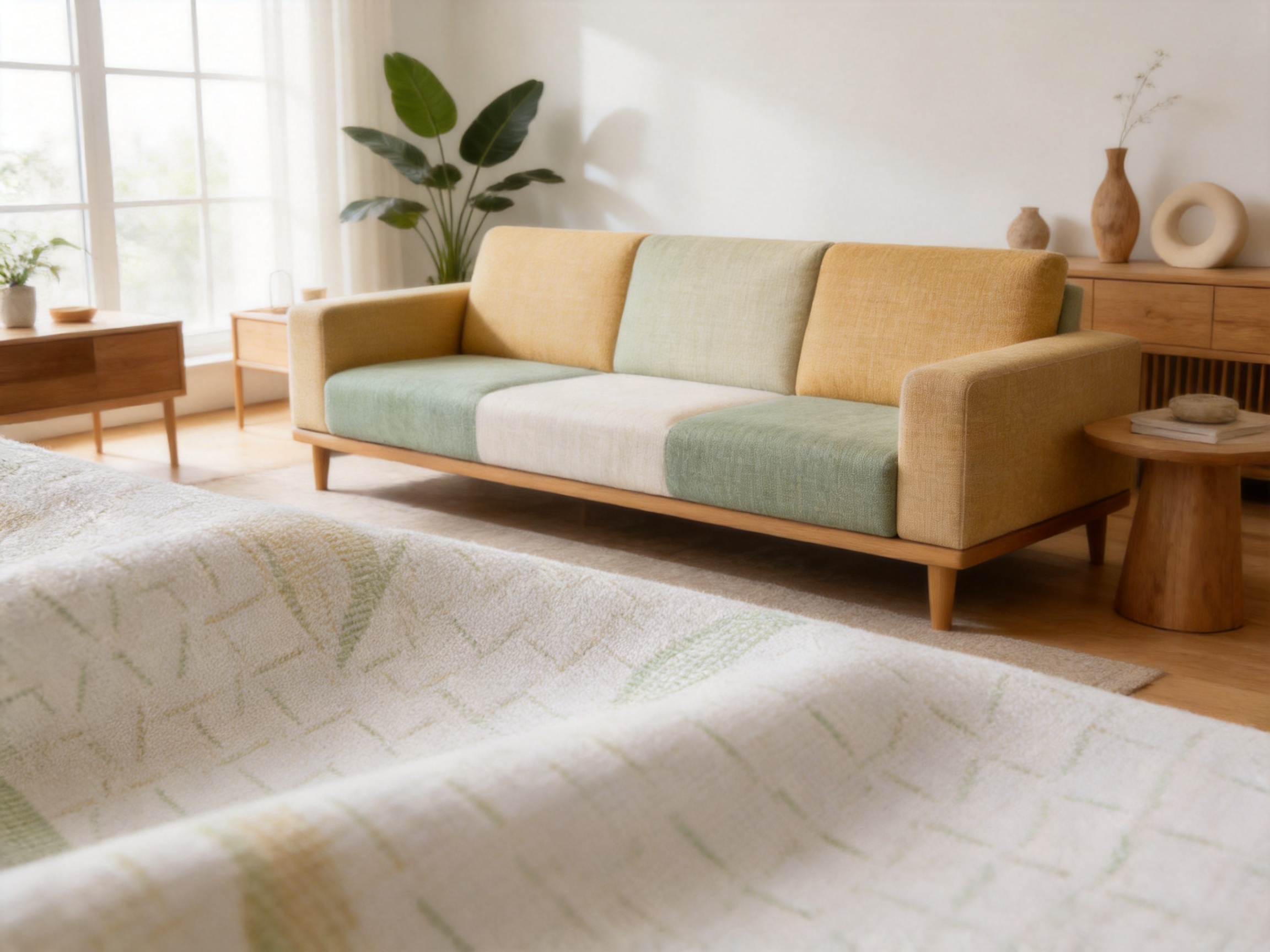
Neutral colors such as beige, ivory, gray, taupe, and natural brown can reinforce a calm and understated interior. These shades are appropriate for residential living rooms, apartment developments, hospitality lounges, and wellness-oriented environments. Deeper colors, including navy, forest green, charcoal, and terracotta, can create visual contrast and support more expressive furniture designs.
Texture is another important design tool. A lightly brushed surface may emphasize softness, while a woven slub effect can provide a handcrafted appearance. Fine geometric structures can fit modern commercial interiors, and subtle irregularities may support a natural-material aesthetic. Through different constructions and finishing options, the fabric can be positioned as either a quiet background textile or a visible design feature.
The fabric may also be used on complementary furniture elements. Designers can coordinate sofa upholstery with ottomans, headboards, benches, decorative cushions, and occasional chairs. Using a related textile family across several furniture pieces can create visual continuity within hotels, serviced apartments, showrooms, offices, and residential developments.
For pet-friendly environments, the fabric specification should be discussed according to the expected level of use, cleaning requirements, surface construction, and resistance targets. A tighter structure and suitable finish may help support practical maintenance, but no upholstery fabric should be described as completely immune to scratching, staining, or damage. Proper testing and realistic care instructions are essential.
For family furniture, the balance between softness and durability is especially important. Children may sit, play, spill liquids, or place pressure on the upholstery in ways that differ from normal adult use. A project may therefore require a particular abrasion level, colorfastness target, cleanability standard, or surface treatment. These requirements should be communicated before production so the fabric can be engineered for the intended environment.

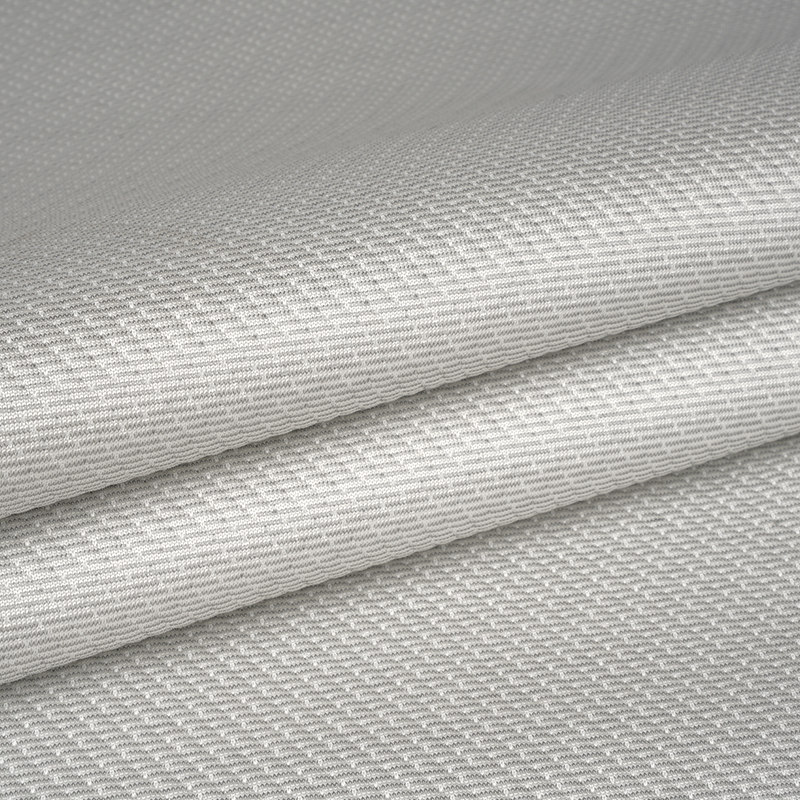
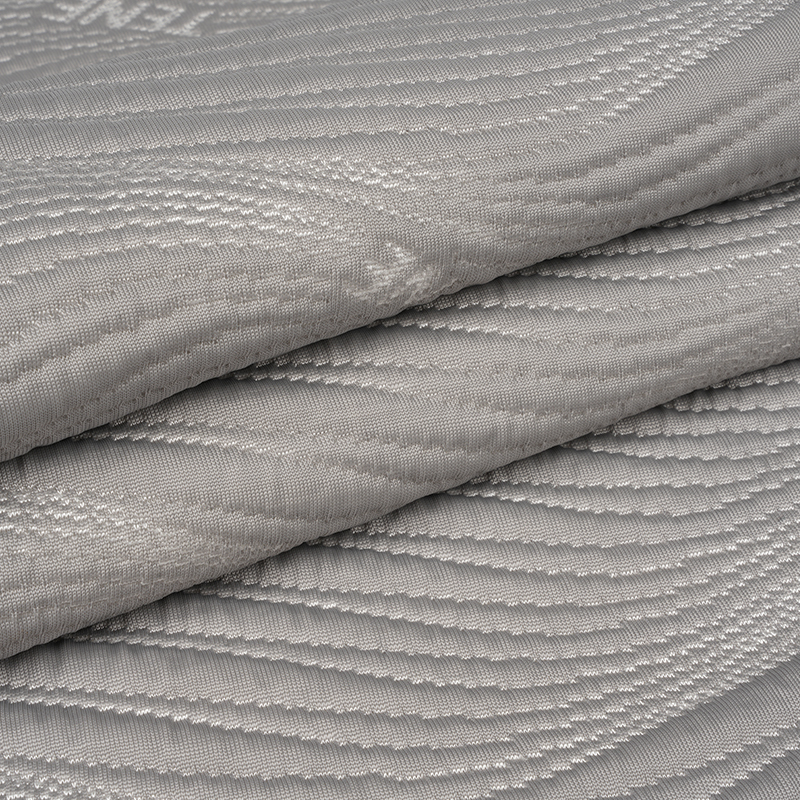
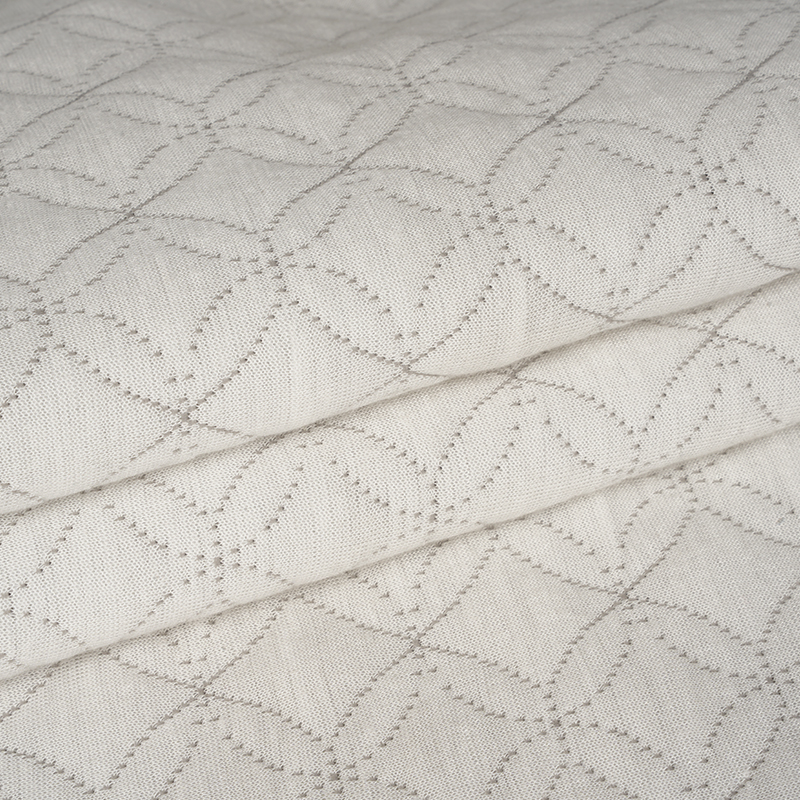
Bamboo Fiber Sofa Fabric
Material Selection and Fiber Engineering
The quality of bamboo fiber sofa fabric begins with material selection. Fiber fineness, length, strength, moisture behavior, color compatibility, and blending ratio can influence the final textile. A manufacturer with research and development capabilities can select a construction that balances comfort with the practical demands of upholstery.
Bamboo fiber may be used alone in some textile concepts or blended with other fibers to achieve a specific performance profile. A blend may improve dimensional stability, strength, abrasion resistance, recovery, dye uptake, or production efficiency. The appropriate formula depends on whether the fabric is intended for residential use, hospitality furniture, commercial seating, decorative cushions, or a specialized project.
Fiber blending should not be treated as a compromise automatically. In many high-quality textiles, the combination of different fibers allows the manufacturer to create a more balanced product than any single fiber could provide. Bamboo-derived content can contribute softness and natural positioning, while other fibers may help support strength, stability, or production consistency.
Yarn engineering also affects the appearance and performance of the finished sofa fabric. Yarn count, twist, uniformity, and surface structure influence the way light reflects from the fabric, how the surface responds to touch, and how the textile behaves during weaving or knitting. Consistent yarn preparation helps reduce visible irregularities and supports stable production.
For custom projects, buyers should provide information about furniture style, expected service intensity, cleaning practices, target market, color range, and required certifications. This information allows the manufacturer to recommend a suitable fiber blend and fabric structure rather than simply selecting a material based on appearance alone.
Advanced Manufacturing Processes
Hangzhou Xinsili Decorative Fabric Weaving Co., Ltd. has 19 years of industry experience and operates a 12,000-square-meter factory area. This manufacturing background supports a structured approach to product development, production management, and quality control. The company’s focus is not limited to producing decorative surfaces; it also integrates functional textile development into the manufacturing process.
Product Development and Requirement Analysis
The manufacturing process begins with understanding the intended use. A sofa fabric for a private residence may require a different balance of softness, appearance, and durability than a fabric for a busy hotel lobby. The company can evaluate the project’s application, target market, construction needs, color direction, performance expectations, and order volume before recommending a specification.
Requirement analysis helps prevent problems later in production. If a customer requires a specific width for automated cutting, that requirement must be considered from the beginning. If a furniture manufacturer needs a coordinated color range, laboratory color development and sample approval should be planned in advance. If the fabric will be used in a commercial setting, testing requirements may be more demanding than those for a decorative residential collection.
Fiber and Yarn Preparation
After the target specification is established, suitable fibers and yarns are selected. Materials are checked for consistency and compatibility with the proposed fabric construction. Proper preparation helps control yarn tension, reduce production variation, and create a more uniform surface.
In bamboo fiber sofa fabric, yarn preparation is particularly important because comfort and appearance are closely related. Uneven yarns can create unwanted streaks, irregular textures, or differences in dye absorption. Controlled preparation supports a balanced appearance and helps the fabric achieve the intended tactile quality.
Weaving and Fabric Formation
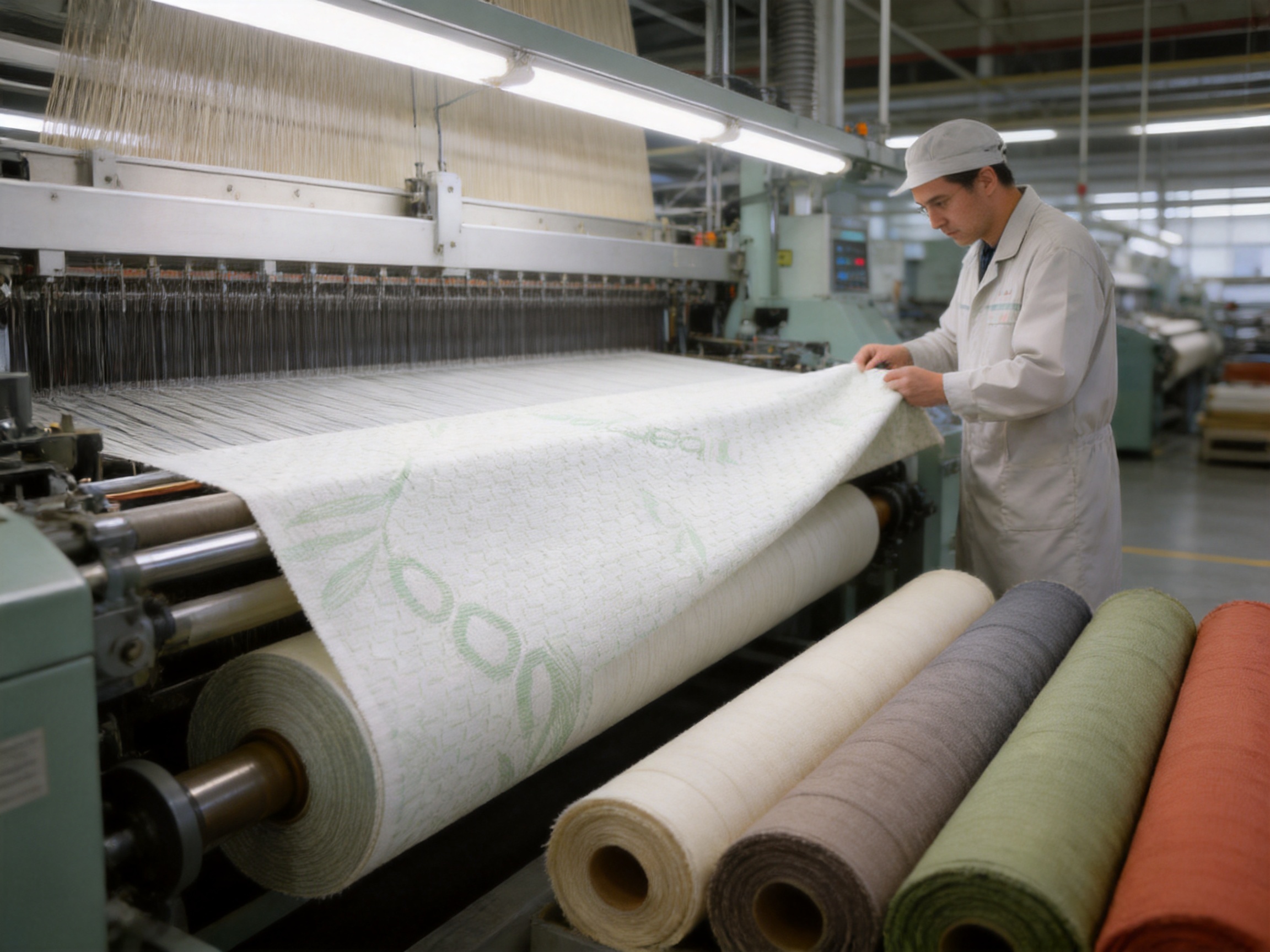
The fabric formation stage determines much of the textile’s structure. Weaving patterns, density, yarn arrangement, and tension control influence strength, drape, surface texture, and dimensional stability. The manufacturer’s weaving experience is therefore a central factor in the final product.
Precision during weaving can help maintain consistent width and reduce defects. It can also support repeatable texture across production batches. For sofa fabric, consistency is important because upholstery panels may be placed next to one another on the same furniture piece. Visible differences in density, color, or texture can affect the finished appearance.
Depending on the design, the fabric may use a plain, twill, satin, jacquard, textured, or other construction. Each structure provides a different combination of visual character and technical behavior. The selection should be made according to the furniture design and performance objectives rather than based solely on trend preferences.
Dyeing and Color Management
Color is a decisive factor in furniture textile selection. The same fabric construction can create very different market impressions when produced in different shades. Professional color management is needed to achieve consistency between laboratory samples, bulk production, and repeat orders.
Color development may involve customer-approved standards, laboratory dips, sample review, and production comparison. The chosen dyeing route must be compatible with the fiber composition and the desired color depth. Particular attention may be required for dark colors, heathered effects, natural shades, or colors intended to match other interior materials.
Colorfastness is also important for sofa fabrics exposed to light, friction, cleaning, and regular contact. Appropriate testing can help determine whether the material is suitable for the intended environment. Performance results should be interpreted in relation to the customer’s actual use conditions.
Finishing and Surface Enhancement
Finishing can significantly influence the final feel and appearance of bamboo fiber sofa fabric. Depending on the project, finishing may be used to improve softness, control surface hairiness, stabilize dimensions, enhance texture, or support a specific functional requirement.
A softening finish can make the fabric more pleasant to touch, while a brushing process may create a warmer and more luxurious surface. Other treatments may support moisture resistance, stain management, antibacterial performance, flame retardancy, or improved comfort. The suitability of each treatment depends on the fabric construction, chemical compatibility, regulatory requirements, and intended use.
Finishing must be carefully controlled. Excessive treatment can affect breathability, color appearance, handle, or long-term stability. A skilled manufacturer evaluates the balance between functional performance and the natural character of the textile rather than applying unnecessary treatments.
Inspection and Quality Control
Quality control should occur throughout the production process rather than only at the final inspection stage. Raw materials, yarns, fabric formation, color, finishing, width, weight, surface appearance, and packaging may all require review.
Inspection helps identify defects such as broken yarns, weaving marks, uneven color, stains, holes, excessive slubs, width variation, or inconsistent finishing. Early detection allows corrective action before the problem affects a larger production quantity.
For repeat orders, production records and approved standards are valuable. They provide a reference for construction, color, finishing, and packaging. This helps reduce avoidable variation between different production runs and supports more stable supply for furniture brands and project buyers.
Functional Performance for Modern Interiors
The decorative textile market is increasingly moving toward fabrics that provide measurable value beyond visual appeal. Hangzhou Xinsili Decorative Fabric Weaving Co., Ltd. focuses on functional decorative fabrics that may incorporate antibacterial, moisture-resistant, flame-retardant, sleep-supporting, and comfort-improving technologies. Not every function applies to every bamboo fiber sofa fabric specification, but the company’s broader technical direction supports customized development.
Antibacterial treatment may be considered for furniture used in hospitality, healthcare-related environments, family spaces, or high-contact commercial areas. The performance of an antibacterial textile depends on the active technology, application method, durability after cleaning, and test standard. Buyers should request specific test information and avoid assuming that a treated fabric provides unlimited protection.
Moisture-resistant or moisture-management development may be useful in warm climates and high-use seating. The goal may be to reduce liquid penetration, improve surface drying, or manage perspiration-related discomfort. The required approach depends on whether the customer prioritizes water repellency, absorbency, breathability, or cleanability.
Flame-retardant development may be relevant for hotels, public buildings, transportation-related interiors, and commercial furniture. Flame performance is highly dependent on the full textile construction and applicable national or project standards. It should be specified and tested according to the final application, with the buyer confirming any required certification before purchase.
Comfort-improving functions are especially relevant to sofa fabric because seating is closely connected with relaxation. Softness, surface temperature, breathability, moisture behavior, and tactile smoothness can all influence perceived comfort. A material that feels pleasant during short contact may not necessarily perform well during extended use, so development should consider the complete user experience.
Environmental and Sustainability Considerations
Bamboo fiber sofa fabric can support sustainability-oriented product development, but responsible claims must be based on accurate material and process information. Bamboo is a rapidly renewable plant resource, yet the environmental profile of a finished bamboo textile depends on cultivation, fiber conversion, chemical processing, energy use, water management, dyeing, finishing, transportation, and end-of-life conditions.
A professional manufacturer should therefore communicate clearly about the fiber type, blend ratio, processing route, and available documentation. Buyers should distinguish between a fabric containing bamboo-derived fiber and a fabric that is marketed broadly as “natural” without detailed composition information.
Hangzhou Xinsili Decorative Fabric Weaving Co., Ltd. emphasizes environmentally friendly decorative fabric solutions and sustainable living spaces. This direction can be reflected in material selection, process management, product durability, and long-term use. A durable fabric that remains attractive and functional for many years may reduce the frequency of furniture replacement, which is an important part of practical sustainability.
Durability and sustainability are closely connected. If upholstery loses its appearance quickly, requires frequent replacement, or cannot withstand its intended use, the environmental and economic cost of the product may increase. For this reason, a sustainability-focused selection should evaluate both the material origin and the expected service life.
Furniture manufacturers can also improve sustainability through efficient cutting, responsible packaging, accurate order planning, and careful after-sales management. Selecting the correct fabric specification at the beginning reduces waste caused by rework, color mismatch, or unsuitable performance. Close cooperation between buyer and supplier is therefore essential.
Quality, Consistency, and Supply Reliability
For furniture manufacturers, fabric quality is only one part of supplier performance. Consistency, communication, production planning, and response speed are equally important. A textile may look excellent in a first sample but create difficulties if bulk production varies significantly or repeat orders cannot be matched.
The company’s 19 years of industry experience provide a foundation for understanding these practical challenges. Experience can help the manufacturer anticipate issues related to fiber behavior, color development, fabric formation, finishing, and upholstery processing. It can also support clearer communication when customers request changes during product development.
A 12,000-square-meter factory area allows the company to coordinate development and manufacturing activities within an established production environment. Factory scale alone does not guarantee quality, but it can support organized workflow, production capacity, inspection procedures, and project coordination when properly managed.
Recognition as a National High-Tech Enterprise in 2023 further reflects the company’s emphasis on technical development and innovation. For customers, this can be relevant when selecting a supplier for functional decorative textiles rather than purely standard commodity fabrics. Research-oriented manufacturing is particularly valuable when a project requires a new fiber blend, special finish, coordinated performance, or customized surface effect.
Reliable supply also depends on documentation. Product specifications, approved samples, color standards, test results, packing details, and inspection records should be maintained for future reference. These materials help both parties resolve questions efficiently and support consistent quality across production cycles.
Customization Services for Furniture Brands and Projects
One of the strongest advantages of working with a specialized decorative textile manufacturer is the ability to develop a material around the product rather than forcing the product to fit a standard fabric. Bamboo fiber sofa fabric can be customized in several areas, subject to technical feasibility and order requirements.
Composition Customization
Customers may request a specific bamboo fiber percentage or a blend with other fibers. The final composition should reflect the required balance between softness, strength, stability, appearance, cost, and environmental positioning. A development sample can help confirm whether the proposed blend meets the furniture brand’s expectations.
Color Customization
Custom colors can be developed to match brand identity, interior palettes, wood finishes, metal elements, flooring, wall coverings, or other furniture components. Color matching should be performed using an agreed physical standard whenever possible because digital screens can display colors differently from actual textiles.
Texture and Construction Customization
Furniture brands can explore different fabric textures, yarn effects, weave patterns, weights, and surface treatments. A small texture adjustment can significantly change the appearance of a sofa collection. The manufacturer can evaluate the relationship between the requested design and the practical requirements of cutting, sewing, upholstering, and final use.
Width and Weight Customization
Fabric width influences material utilization and cutting efficiency. The correct width can help reduce waste when producing large sofa panels or coordinated furniture components. Fabric weight affects drape, hand feel, coverage, and perceived quality. These specifications should be selected according to the upholstery structure and production equipment.
Functional Customization
Where required, the fabric may be developed with selected functions such as moisture resistance, antibacterial performance, flame retardancy, enhanced softness, or other comfort-related features. Buyers should identify the applicable test methods and performance levels before development begins so that the finished material can be evaluated accurately.
Customization is most successful when the customer provides detailed information at the start of the project. Important information includes intended application, annual demand, target price, furniture construction, cleaning method, expected service intensity, color range, required standards, and delivery schedule.
Application in Residential Furniture
Residential sofas are used frequently and often serve several functions at once. They may be used for conversation, reading, resting, watching television, working, or social gatherings. This makes comfort and visual durability important. Bamboo fiber sofa fabric can support a relaxed residential atmosphere through its soft touch and natural-inspired appearance.
For apartments and homes, fabric selection may be guided by lifestyle. A quiet neutral fabric may suit minimalist interiors, while a textured color may add character to a family living room. Furniture brands can use different bamboo fiber fabric constructions across product levels, from accessible everyday seating to premium lounge collections.
Residential buyers may also be more concerned with touch, maintenance, and environmental values than with highly technical specifications. Clear care instructions and accurate product descriptions can help them understand how to preserve the fabric. Although the textile may offer useful performance features, routine care remains essential for long-term appearance.
Application in Hotels and Commercial Spaces
Hospitality and commercial interiors place additional demands on upholstered textiles. Furniture may be used by many different people, cleaned more frequently, exposed to stronger lighting, and expected to maintain a consistent appearance across large installations. Bamboo fiber sofa fabric can be developed for these settings when its construction and performance are matched to the project requirements.
Hotels may use the fabric in guest lounges, reception seating, restaurants, executive areas, suites, and meeting rooms. The material’s natural-inspired appearance can complement hospitality concepts centered on wellness, local character, relaxation, and responsible design. For these applications, buyers should review abrasion, colorfastness, cleanability, flame performance, and any other project-specific standards.
Commercial offices and shared workspaces may use upholstered seating in waiting areas, collaboration zones, private lounges, and informal meeting spaces. In such settings, texture and color can help define zones within an open plan. A coordinated fabric collection can provide a consistent design language across different furniture forms.
Inspection and Testing Recommendations
Before approving bamboo fiber sofa fabric for mass production, buyers should establish a practical testing and inspection plan. The exact requirements depend on the final application and regional standards, but several evaluation areas are commonly relevant.
Colorfastness to rubbing is important because sofa fabric is exposed to repeated contact from clothing and users. Light colorfastness may be necessary for furniture placed near windows or in bright public spaces. Wash or cleaning resistance should be considered when the fabric is expected to undergo regular maintenance.
Abrasion testing can help evaluate suitability for the expected intensity of use. The appropriate test method and target result should be agreed according to the market and furniture category. Domestic seating, luxury decorative furniture, contract seating, and hospitality furniture may have different requirements.
Dimensional stability is relevant during upholstery production and subsequent use. Excessive shrinkage, skew, or distortion can make cutting and installation more difficult. Testing should consider the fabric’s response to the expected cleaning or conditioning method.
Seam performance, tensile strength, tear strength, pilling resistance, surface appearance, and fabric weight may also be reviewed. No single test can predict every aspect of real-world performance, so the evaluation should combine laboratory data with practical upholstery trials.
For functional finishes, buyers should request relevant test reports or technical data. Antibacterial, moisture-resistant, flame-retardant, and other claims should be connected to a defined test method, sample condition, and performance result. This creates a clearer basis for comparison and reduces misunderstanding between supplier and buyer.
Upholstery Processing Considerations
Even a high-quality fabric must be handled correctly during furniture production. Before cutting, the fabric should be inspected for shade variation, width, defects, and directionality. If the material has a brushed or textured surface, the cutting direction may need to remain consistent across all panels.
Fabric relaxation may be useful before cutting, especially when the textile has been rolled tightly during transportation. Proper relaxation can reduce unexpected changes in dimensions. The furniture manufacturer should follow the supplier’s recommended handling and conditioning instructions.
Cutting layouts should account for pattern repeat, nap direction, edge conditions, and any design matching requirements. Accurate planning can reduce waste and create a more uniform finished product. During sewing and upholstery, appropriate needle, thread, tension, and handling settings may be required for the selected fabric construction.
For large furniture projects, a trial upholstery run is recommended before full production. This allows the buyer to evaluate drape, seam appearance, corner behavior, surface tension, pattern alignment, and interaction with foam or backing materials. Any necessary adjustments can then be made before the full order is manufactured.
Care and Maintenance Guidance
Care instructions should be determined according to the final fiber composition and finishing process. In general, loose dust and particles should be removed regularly using a soft brush or suitable vacuum attachment. Spills should be addressed promptly with a clean, absorbent cloth rather than rubbed aggressively into the surface.
Cleaning chemicals should not be used without checking compatibility. Some products can alter color, damage finishes, create rings, or change the handle of the fabric. For commercial furniture, maintenance staff should receive clear instructions and should test any cleaning method in an inconspicuous area before wider use.
Direct and prolonged exposure to intense sunlight may affect many textile colors over time. Furniture placement, window treatments, and interior lighting should be considered where long-term color retention is important. Regular rotation of cushions, when appropriate, can also help distribute wear more evenly.
Manufacturers and furniture brands should provide care information with the finished product. Accurate instructions help protect the user experience and reduce avoidable complaints. They also reinforce the value of selecting a technically appropriate fabric at the beginning of the project.
Why Choose an Experienced Functional Decorative Textile Supplier
A supplier of functional decorative textiles must understand both design and engineering. Decorative fabric is judged by its appearance, but its commercial success also depends on performance, consistency, lead time, and the ability to respond to changing requirements.
Hangzhou Xinsili Decorative Fabric Weaving Co., Ltd. combines decorative textile manufacturing with a research and development orientation. Its stated vision, “Weaving Beautiful Spaces,” reflects a focus on using fabric to improve the atmosphere and usability of residential, hotel, and commercial interiors. The company’s values emphasize craftsmanship-driven manufacturing, design innovation, and win-win collaboration.
The company’s 19 years of industry experience support practical knowledge across product development and manufacturing. Its 12,000-square-meter factory area provides an established production base, while its recognition as a National High-Tech Enterprise in 2023 demonstrates an emphasis on innovation and technical advancement.
For buyers of bamboo fiber sofa fabric, these strengths can provide several advantages. They include more informed material selection, stronger customization support, better coordination between design and function, improved production control, and a clearer path from sample development to bulk manufacturing.
The company also offers a broader product perspective. Its expertise includes mattress fabric, children’s mattress fabric, pillowcase fabric, pregnancy pillow fabric, cooling mat fabric, bedding fabric, sofa fabric, and pet-friendly fabrics. This range indicates familiarity with different comfort requirements, contact conditions, and functional textile applications. Knowledge gained across these categories can support more thoughtful development of sofa upholstery materials.
Purchasing Checklist for Bamboo Fiber Sofa Fabric
Before placing an order, buyers should confirm the exact fiber composition and whether the material is woven, knitted, blended, coated, or finished in a particular way. They should also request the fabric width, weight, color standard, construction information, and available sample size.
The intended application should be explained clearly. A fabric for a decorative residential sofa may not be suitable for intensive contract furniture. Information about expected usage, cleaning, lighting, climate, and furniture construction helps the supplier recommend the right specification.
Buyers should clarify minimum order quantity, sample approval procedures, production lead time, packaging, shipment terms, repeat-order policy, and quality inspection arrangements. These commercial details are important for maintaining a stable supply relationship.
Where performance claims are important, the buyer should request relevant test documentation and confirm whether the results apply to the final production specification. If the fabric will be used in a regulated commercial project, the applicable standards should be identified before development.
Finally, buyers should conduct a real upholstery trial. A fabric sample viewed flat on a table may appear different when stretched over foam, folded around corners, sewn into seams, or placed under interior lighting. Testing the material in its final furniture context provides a more reliable basis for approval.
Q&A: Bamboo Fiber Sofa Fabric
What is bamboo fiber sofa fabric?
Bamboo fiber sofa fabric is an upholstery textile made with bamboo-derived fiber or bamboo-based textile content. It can be produced in different blends, weights, colors, textures, and constructions for sofas, chairs, cushions, benches, and related furniture applications.
Is bamboo fiber sofa fabric suitable for everyday furniture?
It can be suitable for everyday furniture when the fabric is engineered and tested for the expected level of use. Buyers should review abrasion resistance, dimensional stability, colorfastness, seam performance, and cleaning requirements before selecting a specification.
Does bamboo fiber fabric feel soft?
Bamboo-derived fiber is commonly selected for its soft and comfortable tactile character. The final hand feel also depends on the blend, yarn construction, weaving method, density, and finishing treatment.
Can the fabric be customized?
Customization may be available for composition, color, width, weight, texture, construction, and selected functional treatments. The exact possibilities depend on technical feasibility, order quantity, and the customer’s requirements.
Can bamboo fiber sofa fabric be used in hotels?
It can be considered for hotel lounges, reception areas, guest rooms, restaurants, and other hospitality applications when the selected construction meets the project’s performance standards. Commercial buyers should confirm abrasion, flame, cleanability, colorfastness, and other requirements in advance.
Is the fabric environmentally friendly?
Bamboo-derived content can support an environmentally oriented product concept, but the complete environmental profile depends on cultivation, fiber conversion, blending, dyeing, finishing, energy use, transportation, durability, and end-of-life factors. Buyers should request accurate composition and process information before making specific environmental claims.
Can functional finishes be added?
Depending on the construction and intended use, functional finishes may be developed for properties such as moisture resistance, antibacterial performance, flame retardancy, softness, or other comfort-related characteristics. Each claim should be supported by appropriate testing.
How should the fabric be tested before bulk production?
Buyers should review the fabric visually and conduct an upholstery trial. Depending on the application, they may also evaluate abrasion, pilling, colorfastness, dimensional stability, tensile strength, tear strength, seam performance, cleanability, and any required functional properties.
What information should be provided when requesting a quotation?
The request should include the intended furniture type, estimated quantity, target width and weight, preferred composition, color requirements, performance standards, delivery location, expected order schedule, and any required certifications or test reports.
Why work with a specialized decorative textile manufacturer?
A specialized manufacturer can coordinate material selection, textile construction, finishing, quality control, and customization. This may provide better support than purchasing a standard fabric without considering the complete furniture application.
Conclusion
Bamboo fiber sofa fabric represents a modern approach to upholstery textile development. It combines a natural-inspired material identity with opportunities for softness, comfort, attractive texture, functional enhancement, and customized design. When engineered correctly, it can serve residential furniture, hospitality seating, commercial interiors, cushions, benches, and other upholstered applications.
Its competitive value comes from more than bamboo content alone. The most important advantages are achieved through thoughtful fiber selection, suitable yarn engineering, controlled weaving, accurate color development, appropriate finishing, thorough inspection, and application-specific testing. These processes transform a material concept into a dependable furniture textile.
Hangzhou Xinsili Decorative Fabric Weaving Co., Ltd. brings 19 years of industry experience, a 12,000-square-meter factory area, research and development capability, and a focus on functional decorative textiles. Its manufacturing philosophy combines craftsmanship, innovation, environmental awareness, and cooperation with customers. This makes it a suitable development partner for furniture brands and project buyers seeking customized bamboo fiber sofa fabric.
For the best result, buyers should define the intended application clearly, evaluate the fabric through real upholstery trials, confirm technical documentation, and establish quality standards before bulk production. With the right specification and manufacturing partner, bamboo fiber sofa fabric can help furniture products deliver a more comfortable, attractive, and responsible interior experience.
References
1. Textile Exchange. Preferred Fiber and Materials Market Report. General principles for evaluating preferred fibers and responsible material development.
2. International Organization for Standardization. Textiles — Determination of Colour Fastness of Textiles. General reference for textile colorfastness evaluation.
3. International Organization for Standardization. Textiles — Determination of Abrasion Resistance of Fabrics by the Martindale Method. General reference for upholstery abrasion testing.
4. International Organization for Standardization. Textiles — Determination of Resistance to Pilling and Other Surface Changes. General reference for surface durability evaluation.
5. American Society for Testing and Materials. Standard Test Methods for Textile Performance and Upholstery Fabrics. General reference for strength, durability, and fabric evaluation.
6. International Organization for Standardization. Textiles — Determination of Dimensional Change in Textiles After Domestic Washing and Drying. General reference for dimensional stability assessment.
7. Hangzhou Xinsili Decorative Fabric Weaving Co., Ltd. Company information and functional decorative textile manufacturing profile supplied for this article.
Product: Bamboo Fiber Sofa Fabric

Our Featured Products
-
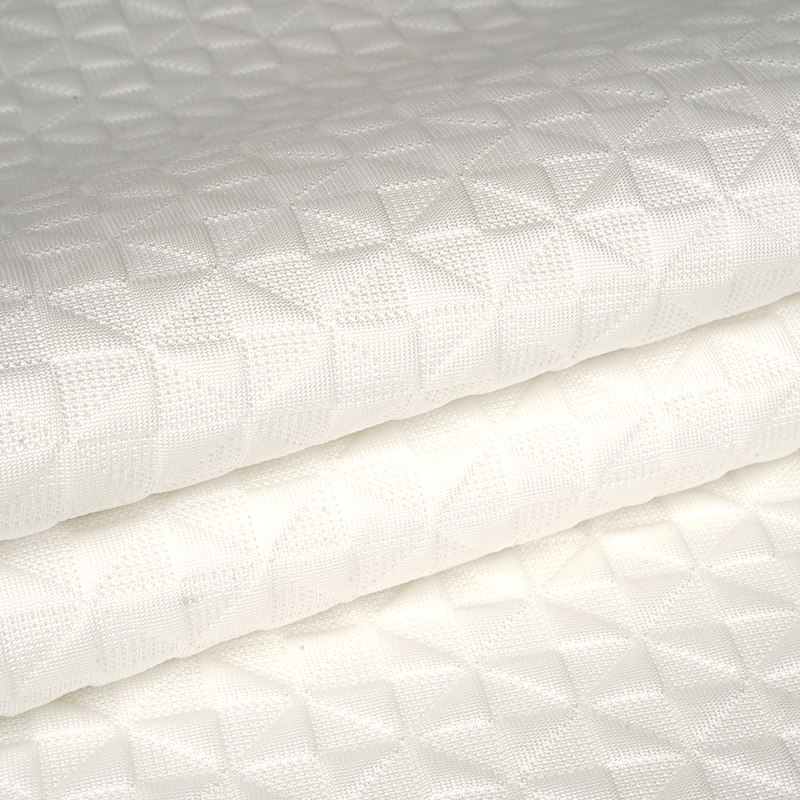
Bamboo Fiber Children Mattress Fabric
Bamboo Fiber Children Mattress Fabric
Haven’t Found The Products You Want?
-
-
Shen Jinyan:+86-15158070676
[email protected]
Liang Jinwen:+86-15757186621
[email protected]
Qiu Yingyingn:+86-13819545790
[email protected]
Yi qiao Town, Xiaoshan District, Hangzhou City, Zhejiang Province, China
-
Products
Mattress Fabric Children Mattress Fabric Pillowcase Fabric Pregnancy Pillow Fabric Cooling Mat Fabric Bedding Fabric Sofa Fabric Pet Friendly Fabrics -
Contact Information
About Us Products Strength Sustainability News Contact Us
Copyright © Hangzhou Xinsili Decorative Fabric Weaving Co.,Ltd. All Rights Reserved.
Functional Decorative Textile Manufacturers
