

 English
 中文简体
 Español
 عربى
 русский



Antibacterial Yarn Pregnancy Pillow Fabric: A Functional Textile for Safer, Cooler, and More Comfortable Sleep
Content
- 1 What Is Antibacterial Yarn Pregnancy Pillow Fabric?
- 2 Why Pregnancy Pillows Require Functional Fabric
- 3 Core Advantages of Antibacterial Yarn Construction
- 4 Important Fabric Characteristics for Pregnancy Pillow Applications
- 5 Advantages Compared with Conventional Pregnancy Pillow Fabrics
- 6 Advanced Manufacturing Approach
- 7 Manufacturing Strengths and Company Capabilities
- 8 Product Development Options for Different Markets
- 9 Application Areas Beyond Pregnancy Pillows
- 10 Care, Maintenance, and Responsible Product Claims
- 11 How to Evaluate a Supplier Before Ordering
- 12 Recommended Quality-Control Checklist
- 13 Environmental and Practical Considerations
- 14 Why Choose a Specialized Functional Decorative Textile Manufacturer?
- 15 Q&A: Antibacterial Yarn Pregnancy Pillow Fabric
- 15.1 What is the main purpose of this fabric?
- 15.2 Is antibacterial yarn the same as sterilized fabric?
- 15.3 Why use antibacterial yarn instead of only applying a surface treatment?
- 15.4 Can the fabric be used for products other than pregnancy pillows?
- 15.5 Can the fabric be customized?
- 15.6 Is the fabric suitable for sensitive skin?
- 15.7 How should a pregnancy pillow cover made from this fabric be washed?
- 15.8 How can a buyer verify the antibacterial claim?
- 15.9 What makes this fabric different from ordinary bedding fabric?
- 15.10 Why is supplier experience important?
- 16 Conclusion
- 17 References
- 18 Product: Antibacterial Yarn Pregnancy Pillow Fabric
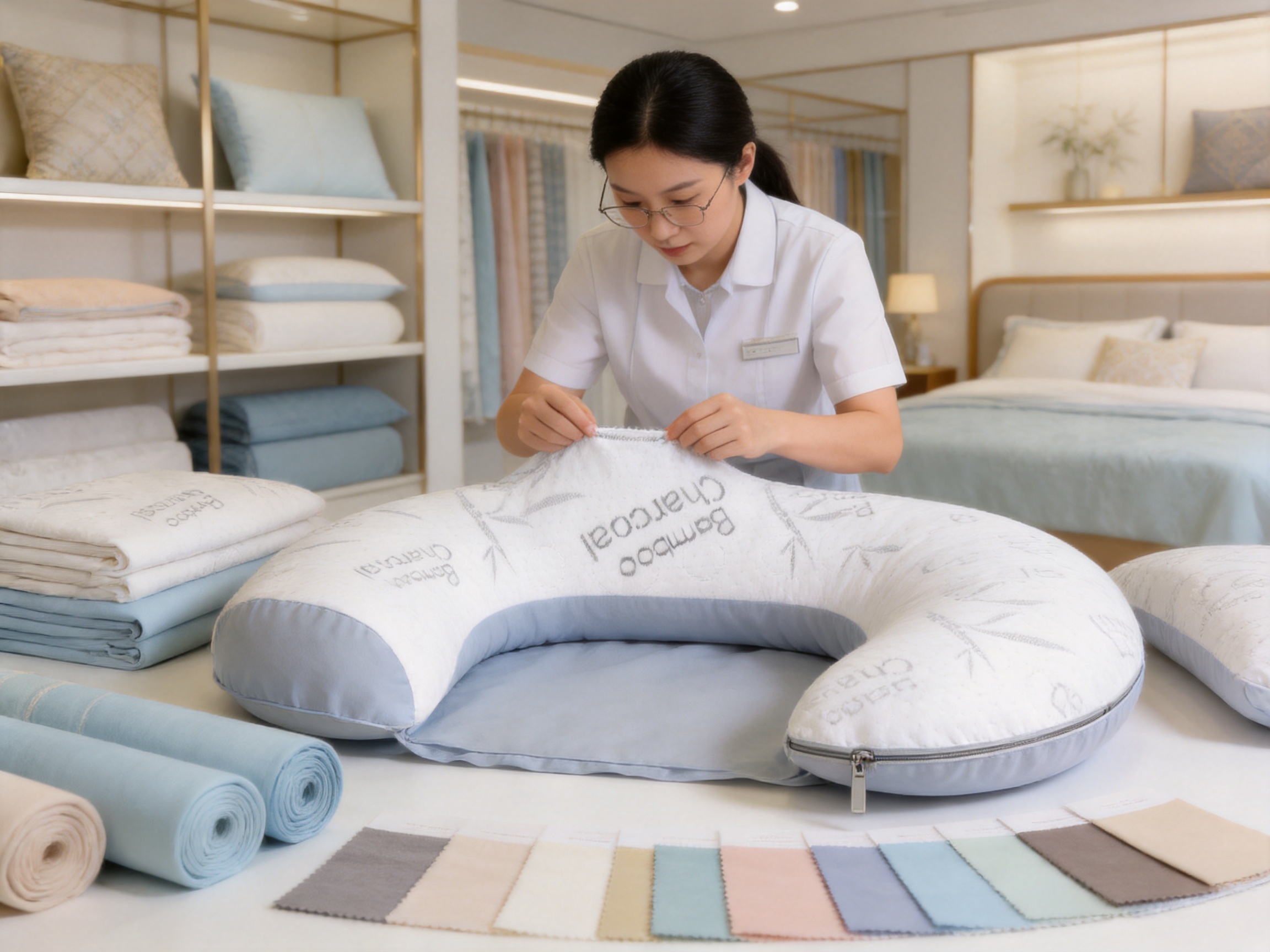
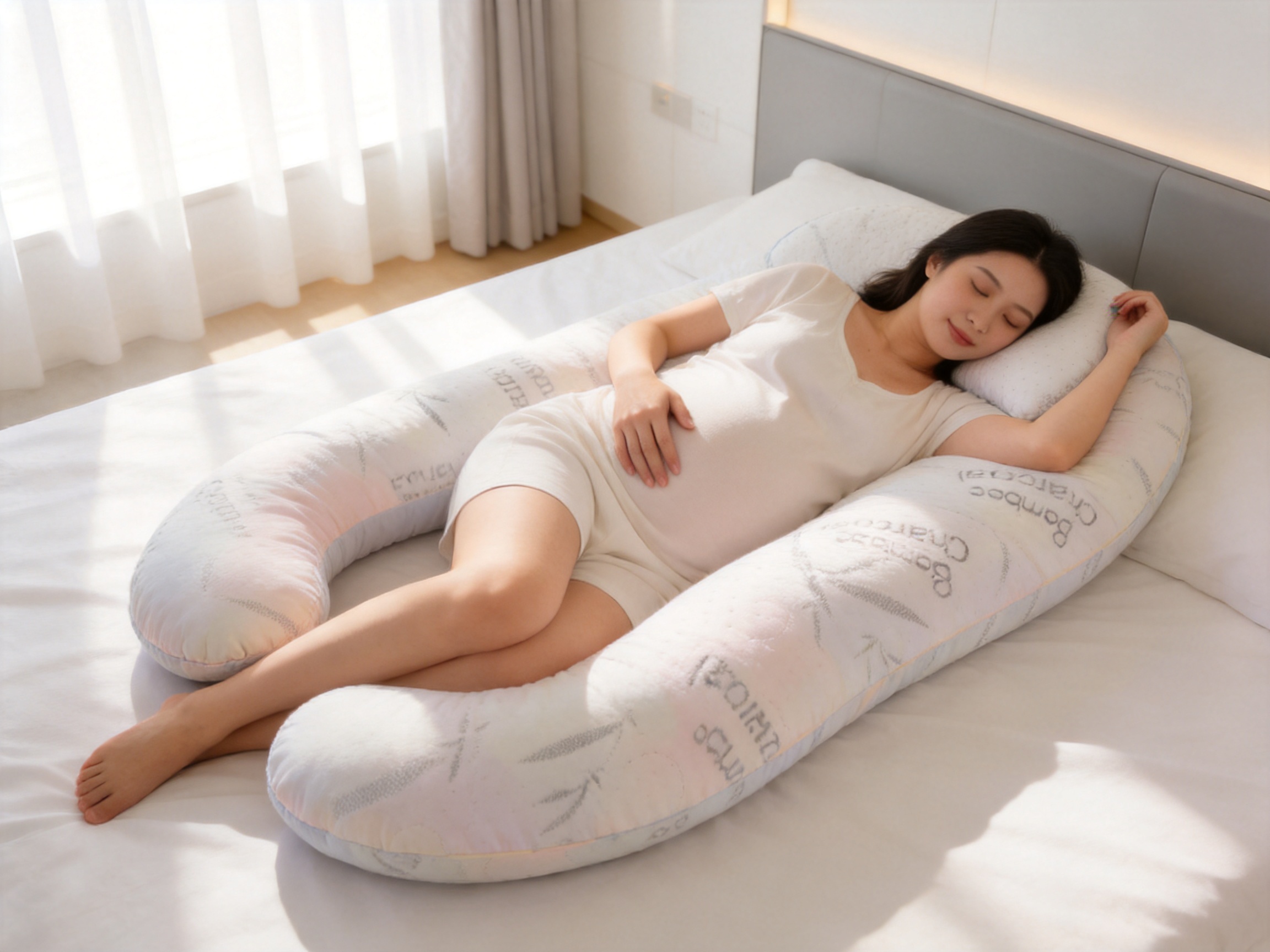
Pregnancy pillows are designed to provide additional support during a period when ordinary pillows may no longer offer sufficient comfort. As the body changes, expectant mothers often need a larger and more adaptable cushion to support the abdomen, back, hips, legs, shoulders, and neck. However, the performance of a pregnancy pillow depends on more than its filling and shape. The outer fabric has a direct influence on softness, air permeability, moisture management, hygiene, durability, appearance, and everyday care.
Antibacterial Yarn Pregnancy Pillow Fabric is developed for manufacturers and brands that want to combine the comfort of a soft bedding textile with functional protection against the growth of unwanted microorganisms. By integrating antibacterial performance into the yarn or fiber system, this fabric offers a practical solution for pregnancy pillows, maternity cushions, body pillows, nursing pillows, and other sleep-support products that remain in close contact with the body for extended periods.
Unlike a conventional fabric that relies only on surface finishing, an antibacterial yarn fabric is designed around the functional properties of the yarn itself. This approach can provide more consistent performance throughout the usable textile structure, support long-term product reliability, and help manufacturers create bedding products that are comfortable, hygienic, and suitable for modern households.
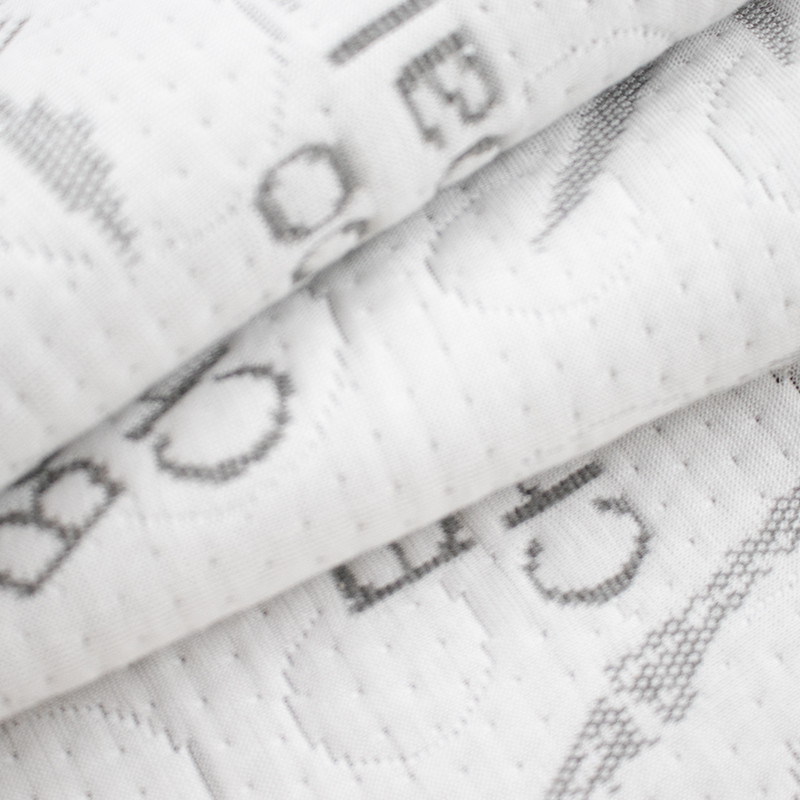
Antibacterial Yarn Pregnancy Pillow Fabric
What Is Antibacterial Yarn Pregnancy Pillow Fabric?
Antibacterial Yarn Pregnancy Pillow Fabric is a specialized textile made for the outer cover or shell of pregnancy pillows and related sleep products. The fabric is woven or knitted from yarn engineered to help inhibit the growth of selected bacteria on the textile surface. Depending on the final construction, it may also be designed to provide softness, stretch, moisture control, breathability, abrasion resistance, and color stability.
The term “antibacterial yarn” generally refers to yarn that has been produced with an antibacterial component incorporated into the polymer, fiber, or yarn structure. This differs from a fabric that receives an antibacterial coating only after weaving or knitting. Both approaches can be useful, but yarn-based functionality may offer advantages in consistency and durability because the active feature is integrated into the textile material rather than existing only as a thin surface layer.
For pregnancy pillows, the fabric must satisfy several needs at the same time. It should feel pleasant against sensitive skin, maintain a clean and fresh impression, allow heat and humidity to escape, withstand repeated handling, and remain attractive in a finished product. It must also be compatible with common pillow-cover construction methods, including sewing, zipper installation, piping, quilting, panel cutting, and combination with other fabrics.
The final performance of the textile depends on many factors, including yarn composition, yarn count, fabric structure, density, finishing method, dyeing process, coloration, washing conditions, and product design. For this reason, professional fabric development should begin with the intended application rather than relying on a single general-purpose specification.
Why Pregnancy Pillows Require Functional Fabric
Pregnancy pillows are used for long periods and are often placed close to areas where the body produces heat and moisture. A pillow may be used throughout the night, during rest periods, while reading, or during recovery after childbirth. These repeated-use conditions can create a warm and humid microenvironment inside the pillow cover, especially when the fabric has limited air circulation or moisture transfer.
A conventional decorative textile may look attractive but fail to provide the comfort and hygiene characteristics required for sleep-support products. A fabric that traps heat can make the user feel uncomfortable. A rough surface can cause irritation. A weak construction may develop pilling or seam damage. A textile that absorbs moisture but dries slowly may retain an unpleasant damp feeling.
Functional pregnancy pillow fabric addresses these issues through a combination of material engineering and textile manufacturing. Antibacterial yarn can help limit the growth of selected bacteria, while an appropriate fabric structure can support breathability and moisture movement. Soft finishing can improve tactile comfort, and careful control of density can balance coverage, flexibility, and air exchange.
The result is not simply a decorative cover. It is an important component of the complete sleep-support system. For pillow manufacturers, the fabric can contribute to a stronger product proposition. For retailers, it can support premium positioning. For consumers, it can provide reassurance that comfort and hygiene have been considered together.
Core Advantages of Antibacterial Yarn Construction
Functional protection built into the yarn system
The most important advantage of antibacterial yarn fabric is that its functional concept begins at the yarn stage. When the antibacterial feature is incorporated into the yarn or fiber material, the fabric can offer a more integrated performance profile than a textile that depends entirely on a temporary topical finish.
This construction may help reduce concerns about rapid loss of performance caused by ordinary handling, friction, or surface wear. It also allows the manufacturer to develop the fabric structure around the yarn’s inherent properties, rather than adding a functional treatment only after the fabric has already been produced.
Antibacterial performance should always be verified through appropriate laboratory testing and should be described accurately. The fabric is intended to help inhibit bacterial growth; it is not a substitute for regular washing, hygienic product design, or responsible care instructions. Nevertheless, integrated yarn functionality can be a valuable feature for products used close to the body for many hours at a time.
Comfort for extended contact
Pregnancy pillow fabric must remain comfortable during prolonged contact. A user may rest against the pillow with the abdomen, legs, arms, shoulders, or back. Therefore, the fabric should have a smooth and pleasant hand feel, without excessive stiffness or abrasive surface characteristics.
A well-developed textile can combine antibacterial function with a soft surface, allowing manufacturers to create a product that feels gentle while still providing technical performance. Depending on the requested construction, the fabric may be developed for a lightweight cover, a fuller home-textile appearance, or a more elastic structure that follows the shape of a contoured pillow.
Softness is influenced by fiber type, yarn design, fabric density, surface treatment, and finishing conditions. Professional manufacturing control is essential because excessive finishing can affect breathability, strength, color, or dimensional stability. The objective is to establish a balanced hand feel rather than maximizing one property at the expense of all others.
Support for a cleaner sleep environment
Pregnancy pillows are frequently used in bedrooms, nurseries, maternity rooms, and family living spaces. Their large size and close contact with bedding mean they may collect perspiration, skin oils, dust, and other everyday residues. A functional antibacterial textile can help support a cleaner-feeling surface between washing cycles.
This feature is particularly relevant for products that are difficult to wash frequently because of their size or filling. A removable cover made from antibacterial yarn fabric can be laundered separately, helping consumers maintain the pillow more conveniently. The textile therefore supports both product hygiene and practical household maintenance.
It is important to distinguish between antibacterial performance and sterilization. Antibacterial fabric does not make a pillow sterile, and it should not be marketed as a medical treatment unless it has been specifically developed, tested, and approved for such use. Its primary role is to assist in controlling bacterial growth within a consumer textile application.
Potentially improved durability compared with surface-only treatment
Textile finishes applied only to the outer surface may gradually be affected by abrasion, repeated washing, and chemical exposure. Yarn-based functionality can provide a more stable foundation because the relevant component is distributed within the yarn structure. The exact durability depends on the material, manufacturing method, laundering conditions, and test requirements, but the concept is well suited to products expected to be used repeatedly.
For manufacturers, this can simplify product positioning. Instead of describing the fabric as an ordinary textile with a short-term finishing treatment, the product can be developed as a functional material from the beginning. This integrated approach may also make it easier to coordinate softness, appearance, and functional objectives during sampling and production.
Important Fabric Characteristics for Pregnancy Pillow Applications
Breathability and air exchange
A pillow cover should not create an unnecessarily hot or enclosed surface. Breathability is affected by fiber properties, yarn twist, fabric density, thickness, and finishing. A balanced structure can allow air to move through the textile while still providing adequate coverage and a comfortable appearance.
Breathability is especially important for expectant mothers who may experience changes in body temperature and sleep comfort. A fabric that supports air exchange can make the pillow more pleasant during warm seasons, in heated rooms, or during extended use. Breathability also works together with moisture management to reduce the damp feeling that can develop when perspiration remains near the skin.
Moisture management
Moisture management does not necessarily mean that the fabric must absorb every drop of moisture. Instead, a well-designed textile should help distribute or transfer moisture in a way that supports evaporation and comfort. The best balance depends on the fiber blend, surface structure, finishing, and intended climate.
For pregnancy pillow covers, moisture management can improve freshness and reduce the persistence of humid conditions. A fabric that dries efficiently may also be easier to care for in busy households. This is valuable for maternity products because frequent use often requires practical washing and drying routines.
Soft hand feel
Touch is a major part of how consumers judge bedding. A pillow may have excellent internal support, but if the cover feels coarse or synthetic, the complete product may be perceived as uncomfortable. The fabric should therefore be evaluated by hand as well as by laboratory data.
Softness can be adjusted during yarn selection, weaving or knitting, dyeing, and finishing. The desired hand may range from smooth and cool to brushed and warm. Different markets may prefer different tactile effects, so manufacturers can request samples that reflect the target customer, climate, price range, and product design.
Dimensional stability
Pregnancy pillows are often large and curved. If the cover shrinks unevenly or distorts after washing, it may become difficult to reinstall or may cause wrinkling around the pillow filling. Dimensional stability is therefore an important quality consideration.
Manufacturers should evaluate dimensional change after relevant washing and drying procedures. Pattern design, seam allowance, zipper placement, and fabric stretch must be considered together. A fabric that performs well in a small swatch may behave differently when cut into a large curved cover, so full-product testing is recommended before mass production.
Resistance to pilling and abrasion
Pregnancy pillow covers may rub against bed sheets, clothing, furniture, and the user’s body. They may also be folded, compressed, and transported. Adequate abrasion resistance helps the fabric maintain its appearance during regular use.
Pilling resistance is equally important for premium bedding products. Loose fibers can form small balls on the surface, affecting appearance and tactile quality. Yarn selection, fabric construction, fiber length, finishing, and laundering all influence pilling behavior. Careful production control can help manufacturers create a cover that remains attractive over a longer service period.
Color and design flexibility
Pregnancy pillows are sold in many visual styles, from simple neutral bedding to decorative nursery collections. A functional fabric should be adaptable to different colors and product identities. Color consistency between production lots is important for brands that offer coordinated pillow covers, sheets, blankets, and cushions.
Decorative textile manufacturing also involves the relationship between color, texture, pattern, and end-use environment. A fabric may be designed for residential bedrooms, maternity facilities, hotels, childcare spaces, or commercial wellness settings. The appropriate appearance depends on the target application, while antibacterial yarn adds a functional dimension that can strengthen the overall product concept.
Advantages Compared with Conventional Pregnancy Pillow Fabrics
| Evaluation area | Conventional decorative fabric | Antibacterial yarn pregnancy pillow fabric | Value for manufacturers |
|---|---|---|---|
| Functional concept | Primarily focused on appearance and basic comfort | Developed with antibacterial performance as part of the yarn or fiber system | Supports a clearer functional product position |
| Long-term use | Performance may depend mainly on ordinary fabric properties | Can combine integrated functionality with durability and comfort requirements | Suitable for frequently used pillow covers |
| Hygiene positioning | Usually marketed through softness, color, or price | Can support a cleaner and more hygienic sleep-product concept | Creates opportunities for premium bedding ranges |
| Application range | May be designed for general home textiles | Can be developed for pregnancy pillows, body pillows, nursing pillows, and cushions | Enables product-line expansion |
| Customization | Customization may focus on color and weight | Customization can include hand feel, density, moisture behavior, stretch, and functional requirements | Supports differentiated specifications for different markets |
| Consumer message | Comfort and decoration | Comfort, hygiene support, and functional textile innovation | Improves communication of product value |
The table illustrates the strategic difference between a general decorative textile and a functional fabric developed specifically for bedding support products. Antibacterial yarn does not eliminate the importance of softness, strength, and appearance. Instead, it adds another performance layer that can help the finished product stand apart in a competitive market.
Advanced Manufacturing Approach
Material planning and yarn selection
Manufacturing begins with the selection of yarn suitable for the requested application. The development team must consider the required hand feel, fabric weight, construction, color, elasticity, durability, and antibacterial objective. Yarn specifications should be matched to the intended production method and the final pillow-cover design.
For a pregnancy pillow cover, yarn selection must also account for sewing behavior. The fabric should cut cleanly, form reliable seams, and work effectively with zippers, elastic sections, piping, labels, and decorative components. If the pillow has a curved or unusual shape, the fabric may need controlled flexibility without excessive distortion.
The antibacterial yarn concept should be incorporated into the material planning stage. Manufacturers can then consider how the functional yarn interacts with other fibers, colorants, finishes, and fabric structures. This integrated planning helps reduce the risk of adding a functional treatment at the end of production without adequately evaluating its influence on comfort or appearance.
Precision weaving and fabric formation
Fabric formation is a key stage in determining density, surface texture, stability, and mechanical performance. Precision weaving or knitting equipment allows the manufacturer to control the arrangement of yarns and produce a consistent textile structure. Depending on the desired result, the construction may be optimized for smoothness, stretch, drape, coverage, or decorative texture.
Production parameters must be monitored carefully because small changes in tension, speed, density, or yarn behavior can affect the finished fabric. Consistent control is especially important for large orders, where customers expect color, width, weight, and appearance to remain stable from one roll to the next.
A reliable fabric formation process also supports efficient downstream manufacturing. Uniform fabric can improve cutting accuracy, reduce sewing problems, and help finished pillow covers maintain a consistent shape. These factors contribute to lower production waste and more predictable delivery for pillow manufacturers and bedding brands.
Dyeing and coloration control
Coloration is performed with attention to shade accuracy, evenness, colorfastness, and compatibility with the selected yarn. The dyeing process should be managed to protect the intended functional and tactile characteristics of the fabric. Excessive chemical exposure or unsuitable processing conditions can affect hand feel, strength, or antibacterial performance.
Color control involves laboratory samples, approved standards, production monitoring, and inspection under appropriate lighting conditions. For brands with coordinated bedding collections, accurate color matching is essential. A pregnancy pillow cover may be sold together with sheets, duvet covers, mattress fabrics, or decorative cushions, making visual consistency an important part of the customer experience.
Manufacturers may request neutral colors, soft pastel shades, deep tones, or custom colors according to market requirements. The final color range should be selected with consideration for washing performance, stain visibility, product positioning, and compatibility with printing or embroidery if those processes are required.
Finishing for comfort and performance
Finishing processes can influence softness, smoothness, drape, dimensional stability, and surface appearance. The finishing program should be selected according to the intended use rather than applied as a standard formula to every product. Pregnancy pillow fabric may require a different finish from sofa fabric, mattress fabric, or hotel decorative textile.
A balanced finishing process helps preserve the natural advantages of the yarn while creating the desired hand feel. It may also improve ease of cutting and sewing. However, finishing must be controlled carefully because excessive treatment can reduce breathability, change the surface character, or interfere with later washing performance.
For functional textiles, quality control should consider whether finishing affects the antibacterial objective. The completed fabric should be evaluated rather than assuming that the original yarn specification alone guarantees the final result. This is one reason professional textile production requires cooperation between material development, process engineering, laboratory testing, and quality inspection.
Inspection and quality assurance
Quality assurance should begin with incoming material inspection and continue through fabric formation, dyeing, finishing, rolling, packing, and shipment. Common inspection points may include width, weight, shade, defects, appearance, hand feel, tensile properties, dimensional change, colorfastness, pilling, and abrasion resistance.
Where antibacterial claims are required, appropriate testing should be conducted according to recognized methods and the relevant market requirements. Test results should be connected to the actual fabric construction and production batch. Manufacturers and buyers should also clarify whether the claim refers to a specific bacterium, a percentage reduction, a test condition, or a particular laundering cycle.
Transparent quality documentation allows buyers to make accurate product claims. It also helps prevent exaggerated marketing language. A responsible fabric supplier should provide practical technical information and support customers in developing care labels, product descriptions, and compliance documentation.
Manufacturing Strengths and Company Capabilities
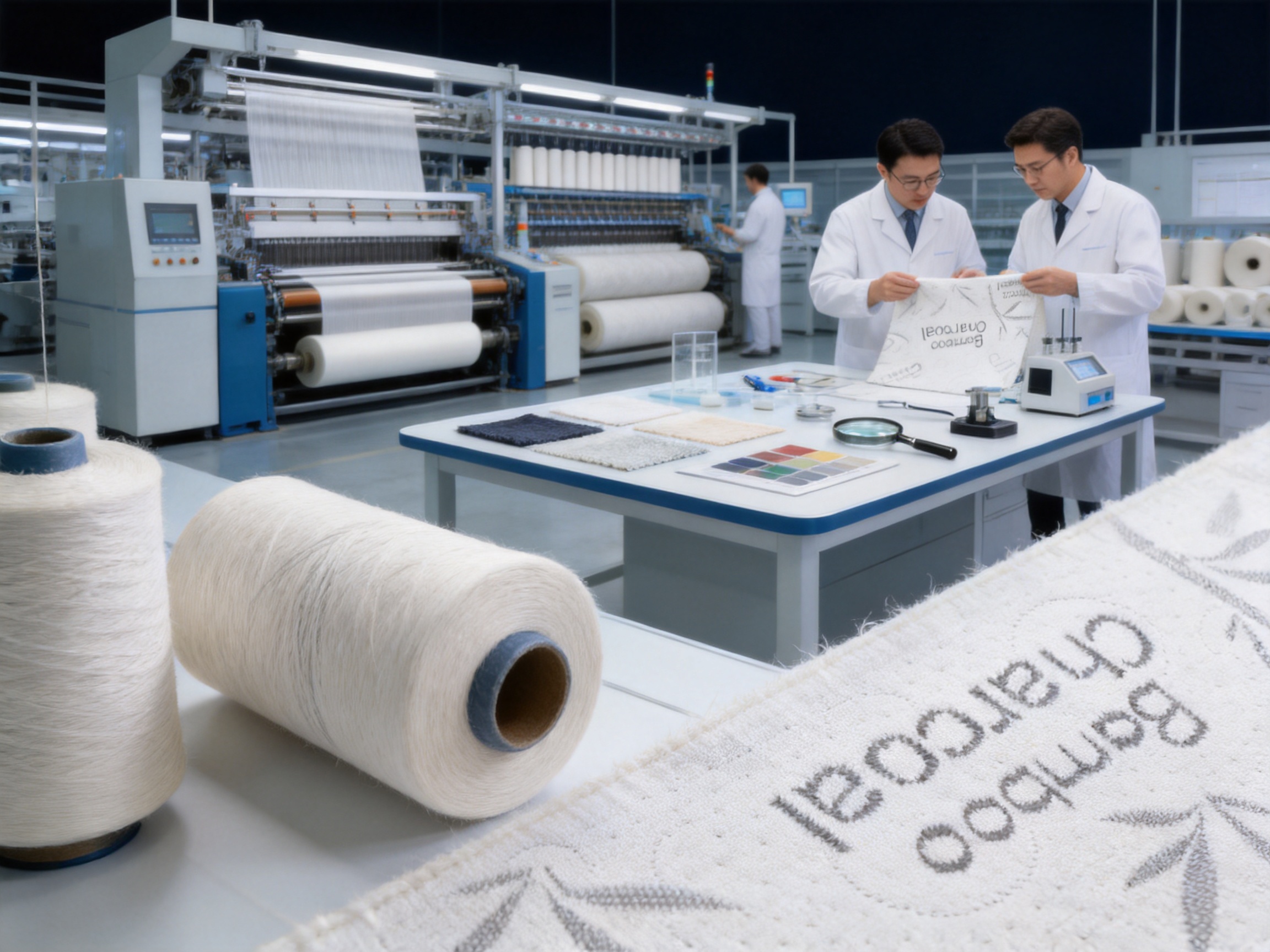
Hangzhou Xinsili Decorative Fabric Weaving Co., Ltd. specializes in the research, development, and precision manufacturing of decorative textiles. Its product direction combines decorative value with functional performance, making it suitable for bedding, home furnishings, hospitality environments, and commercial applications.
The company operates with a stated focus on craftsmanship-driven manufacturing, design innovation, and win-win cooperation. These principles are particularly relevant to functional pregnancy pillow fabric because successful product development requires more than simple fabric supply. Buyers need consistent production, responsive communication, application understanding, and the ability to adjust specifications according to market requirements.
With 19 years of industry experience and a 12,000-square-meter factory area, the company has developed a foundation for organized production and product development. Its recognition as a National High-Tech Enterprise in 2023 further reflects an emphasis on technological progress and innovation. These strengths support the development of textiles that combine comfort, decoration, and functional performance.
The company’s portfolio includes mattress fabric, children’s mattress fabric, pillowcase fabric, pregnancy pillow fabric, cooling mat fabric, bedding fabric, sofa fabric, and pet-friendly fabrics. This broad application range gives the manufacturer experience across different home-textile requirements. It also creates opportunities for coordinated product development, such as matching pregnancy pillow fabric with mattress covers, pillowcases, or other bedding components.
Research and development orientation
Functional textile development requires continuous attention to changing consumer expectations. Customers increasingly seek products that are comfortable, safe, easy to care for, and suitable for healthier living spaces. The company’s focus on antibacterial, moisture-resistant, flame-retardant, sleep-supporting, and comfort-improving technologies reflects this market direction.
Research and development may include new yarn combinations, fabric structures, finishing methods, and decorative effects. For a pregnancy pillow fabric, the development process can be organized around a clear application brief covering softness, breathability, antibacterial performance, color, weight, stretch, washing requirements, and target price.
By treating the fabric as part of a complete product system, the manufacturer can help customers avoid common development problems. For example, a fabric that feels excellent in a sample may not be suitable for a large pillow cover if it stretches excessively. Similarly, a fabric with strong antibacterial test results may not meet the expected hand feel or appearance. Balanced development is therefore a central manufacturing strength.
Stable production and supply cooperation
For bedding brands, supply stability is as important as product innovation. A functional fabric must be available in consistent quality and suitable lead times. Changes in width, weight, color, or surface appearance can create difficulties during cutting, sewing, packing, and retail distribution.
A professional factory can support stable supply through standardized process control, production records, inspection procedures, and communication between technical and commercial teams. These practices are especially valuable for customers who begin with a small trial order and later expand to larger quantities.
Long-term cooperation also allows the fabric specification to be refined over time. Feedback from sewing factories, retailers, and end users can be used to adjust the textile for improved comfort, reduced waste, easier care, or stronger market differentiation.
Product Development Options for Different Markets
Antibacterial yarn pregnancy pillow fabric can be developed for several market segments. A premium maternity bedding brand may prefer a soft, elegant textile with a refined surface and carefully selected colors. A mass-market pillow producer may prioritize reliable quality, easy sewing, washable construction, and cost efficiency. A hotel or healthcare-related customer may require additional testing, stronger durability, or special flame-retardant specifications.
For children’s or family-oriented products, buyers may focus on gentle touch, color safety, and easy maintenance. For warm climates, breathability and moisture management may be emphasized. For cooler regions, a slightly fuller hand and higher surface warmth may be preferred. The fabric structure should be adapted to the product’s actual use rather than treated as a universal solution.
Customization may involve color, width, weight, surface effect, stretch, yarn combination, pattern, and finishing. Customers should provide detailed information about the intended pillow dimensions, cover design, washing conditions, filling type, and target retail position. This allows the textile supplier to recommend an appropriate construction and reduce unnecessary sampling cycles.
Application Areas Beyond Pregnancy Pillows
Although the fabric is designed for pregnancy pillow applications, its functional characteristics may also support other close-contact home-textile products. These include full-body pillows, nursing pillows, maternity cushions, lumbar cushions, travel pillows, children’s pillows, decorative cushions, and selected bedding accessories.
Its antibacterial yarn concept may also be relevant to pillowcase fabrics or mattress-related products where users value a cleaner-feeling and more comfortable surface. However, each application should be evaluated separately because requirements for abrasion, stretch, weight, flame resistance, moisture transfer, and washing may differ.
The material can also contribute to coordinated home-textile collections. A manufacturer may use related fabric concepts across pregnancy pillows, mattress covers, decorative cushions, sofa textiles, and bedding accessories. Consistent design language and functional positioning can help a brand create a recognizable product family.
Care, Maintenance, and Responsible Product Claims
The performance and service life of a pregnancy pillow cover depend partly on proper care. Washing instructions should reflect the actual fabric construction, color, finishing, sewing design, zipper, and filling system. Consumers should follow the care label and avoid cleaning conditions that exceed the tested recommendations.
Regular washing remains important even when antibacterial yarn is used. The antibacterial feature is intended to help inhibit bacterial growth; it does not remove dirt, oils, perspiration, or other contaminants. A removable cover is therefore a valuable product-design feature because it allows the textile to be washed more conveniently than the complete pillow.
Manufacturers should communicate functional claims precisely. Appropriate language may explain that the fabric is made with antibacterial yarn and is designed to help inhibit bacterial growth under specified test conditions. Claims should not imply that the product prevents illness, replaces hygiene practices, or provides medical protection unless those claims are supported by the required evidence and approvals.
Responsible communication benefits both consumers and manufacturers. It builds trust, reduces the risk of misunderstanding, and gives the fabric’s genuine advantages greater credibility. Technical data, care instructions, and test information should be consistent with the final product and the market where it will be sold.
How to Evaluate a Supplier Before Ordering
Buyers should assess both the fabric and the manufacturing partner. A suitable supplier should be able to explain the yarn construction, fabric structure, available customization, test methods, production capacity, inspection procedures, and recommended care conditions.
Sampling is an essential stage. Buyers should examine the fabric by touch, appearance, stretch, drape, thickness, and sewing behavior. It is also useful to create a prototype cover because a fabric can behave differently after being cut, seamed, washed, and filled.
Technical questions should include:
What antibacterial yarn or fiber system is used?
What testing method supports the antibacterial performance?
Does the performance remain after repeated washing, and under which conditions?
What fabric widths, weights, colors, and constructions are available?
How does the fabric perform in pilling, abrasion, colorfastness, and dimensional stability tests?
Can the fabric be customized for different pillow shapes and cover designs?
What are the minimum order quantities, sampling procedures, and production lead times?
How are shade variation, roll defects, and batch consistency managed?
These questions help buyers compare suppliers on more than price. A lower-cost fabric may create additional expenses if it causes sewing difficulties, high defect rates, poor washing performance, or customer complaints. A well-developed functional textile can create value through more reliable production and stronger market positioning.
Recommended Quality-Control Checklist
| Quality category | What to review | Why it matters |
|---|---|---|
| Raw material | Yarn type, composition, antibacterial specification, and supplier consistency | Establishes the foundation of functional and physical performance |
| Fabric construction | Width, weight, density, thickness, stretch, and surface uniformity | Influences comfort, cutting, sewing, and final pillow shape |
| Appearance | Color, texture, pattern, shade variation, stains, holes, and weaving defects | Protects the visual quality of the finished bedding product |
| Performance | Antibacterial activity, pilling, abrasion, tensile strength, and colorfastness | Supports functional claims and service-life expectations |
| Washing behavior | Dimensional change, surface change, color change, and post-wash hand feel | Helps ensure that the cover remains usable after care |
| Production compatibility | Cutting, sewing, zipper installation, piping, and pattern matching | Reduces factory problems during pillow-cover assembly |
| Documentation | Test reports, specifications, inspection records, and care recommendations | Supports compliance, accurate marketing, and consistent purchasing |
This checklist can be used during sample approval, pre-production review, and incoming inspection. The specific tests should be selected according to the target market, product category, and customer requirements.
Environmental and Practical Considerations
Modern textile buyers increasingly consider environmental impact alongside performance. A durable fabric that remains attractive and usable for longer may help reduce replacement frequency. Easy-care construction can also support practical household maintenance, although care instructions should be designed to avoid unnecessarily intensive washing or drying conditions.
Environmental evaluation should consider the complete product life cycle, including yarn production, dyeing, finishing, transportation, use, and disposal. Functional additives and finishing treatments should be selected responsibly, with attention to applicable regulations and chemical-management requirements.
Manufacturers can contribute to more sustainable product development by improving process efficiency, controlling production waste, optimizing fabric width, and maintaining stable quality. Better cutting efficiency reduces offcuts, while consistent fabric can reduce rejected goods. Product durability and responsible care instructions further support a more thoughtful textile system.
Antibacterial performance should not be presented as an environmental benefit by itself. Its value is primarily functional and hygienic. Any environmental claim should be supported by relevant evidence and should reflect the actual production and use conditions of the textile.
Why Choose a Specialized Functional Decorative Textile Manufacturer?
A specialized functional decorative textile manufacturer understands that the fabric must satisfy both technical and aesthetic requirements. A general fabric supplier may provide a basic material, but a company experienced in decorative and functional textiles can help coordinate yarn, structure, color, surface, comfort, and application performance.
Hangzhou Xinsili Decorative Fabric Weaving Co., Ltd. combines decorative textile manufacturing with research into functional characteristics such as antibacterial performance, moisture resistance, flame retardancy, sleep support, and comfort improvement. This combination is well suited to pregnancy pillow fabric, where the product must look attractive while also meeting close-contact comfort and hygiene expectations.
The company’s factory experience, product range, technical orientation, and commitment to stable quality provide a foundation for domestic and international cooperation. Its location in Hangzhou, Zhejiang Province, places it within an important Chinese textile manufacturing region with access to supply-chain resources, technical services, and export-oriented production support.
For buyers, the practical advantage is the ability to discuss a product as a complete textile solution. Instead of purchasing an undifferentiated fabric, they can work toward a specification that reflects the needs of the pillow shape, filling, cover construction, consumer group, climate, washing process, and brand position.
Q&A: Antibacterial Yarn Pregnancy Pillow Fabric
What is the main purpose of this fabric?
Its main purpose is to provide a comfortable and decorative fabric for pregnancy pillow covers while helping inhibit the growth of selected bacteria. It is designed for close-contact bedding and support products that require a combination of softness, hygiene support, durability, and attractive appearance.
Is antibacterial yarn the same as sterilized fabric?
No. Antibacterial yarn fabric is designed to help inhibit bacterial growth under specified conditions. It is not the same as sterilization and does not make the pillow or cover completely free from microorganisms. Regular cleaning and proper care remain necessary.
Why use antibacterial yarn instead of only applying a surface treatment?
Yarn-based functionality is incorporated into the yarn or fiber system, which may help provide more integrated performance than a surface-only treatment. The actual durability and effectiveness depend on the material, production process, testing method, and laundering conditions, so completed fabric testing is still important.
Can the fabric be used for products other than pregnancy pillows?
Yes. It may also be suitable for body pillows, nursing pillows, maternity cushions, pillowcases, children’s pillows, decorative cushions, and selected bedding products. Each application should be evaluated separately because the required weight, stretch, durability, and care conditions may differ.
Can the fabric be customized?
Customization may be available for color, width, weight, surface appearance, hand feel, stretch, density, yarn combination, and finishing. Buyers should provide details about the intended product and market so the manufacturer can recommend an appropriate construction.
Is the fabric suitable for sensitive skin?
The fabric can be developed with a soft hand feel suitable for close-contact bedding, but individual sensitivity varies. Buyers should review the fiber composition, finishing chemistry, testing information, and applicable safety requirements. A finished product should also use appropriate sewing materials, dyes, labels, and filling components.
How should a pregnancy pillow cover made from this fabric be washed?
Washing instructions depend on the exact fabric construction and finished cover. The product should follow the manufacturer’s care label. Testing should be completed before mass production to evaluate dimensional change, colorfastness, surface appearance, and the effect of repeated washing.
How can a buyer verify the antibacterial claim?
The buyer should request technical documentation and relevant laboratory test results. The test method, target microorganism, test conditions, performance level, and laundering status should be clearly identified. Claims should be based on the actual production fabric rather than only on a general yarn description.
What makes this fabric different from ordinary bedding fabric?
Ordinary bedding fabric may focus mainly on softness, appearance, weight, and basic durability. Antibacterial yarn pregnancy pillow fabric adds a functional hygiene-support feature and is developed for a product that remains close to the body for extended periods. It can therefore support a more specialized and differentiated bedding product.
Why is supplier experience important?
Functional fabric performance depends on coordinated control of yarn, fabric formation, dyeing, finishing, inspection, and documentation. An experienced supplier can help balance antibacterial functionality with softness, breathability, color, dimensional stability, and sewing compatibility. This reduces development risk and supports more consistent production.
Conclusion
Antibacterial Yarn Pregnancy Pillow Fabric offers a focused solution for the growing demand for comfortable, functional, and hygienic sleep-support products. By beginning with antibacterial yarn and combining it with suitable fabric construction, finishing, and quality control, manufacturers can create pillow covers that support softness, breathability, moisture management, durability, and a cleaner-feeling user experience.
Its value extends beyond a single technical feature. The fabric can help pregnancy pillow brands differentiate their products, develop premium bedding collections, improve consumer communication, and expand into related applications such as nursing pillows, body pillows, mattress accessories, and coordinated home textiles.
The performance of the final product depends on responsible development. Buyers should confirm test data, evaluate prototypes, review washing behavior, and ensure that marketing claims accurately reflect the tested fabric. A specialized manufacturer with experience in decorative and functional textiles can provide important support throughout this process.
With a history of textile development, a dedicated production facility, a broad home-textile product range, and a focus on functional innovation, Hangzhou Xinsili Decorative Fabric Weaving Co., Ltd. is positioned to support customers seeking reliable and customizable pregnancy pillow fabric. Its approach combines technical development with decorative design, helping create textile products that contribute to safer, more comfortable, and more attractive living spaces.
References
1. General principles of textile fiber and fabric testing for domestic bedding applications.
2. Standard methods for evaluating antibacterial activity on textile materials.
3. Textile colorfastness and dimensional stability testing guidance for washable home textiles.
4. Best-practice guidance for moisture management, breathability, and comfort in close-contact fabrics.
5. Product development principles for pregnancy pillows, nursing pillows, and body-support cushions.
6. General quality-control procedures for woven and knitted decorative fabrics.
7. Responsible communication principles for antibacterial and functional textile claims.
Product: Antibacterial Yarn Pregnancy Pillow Fabric

Our Featured Products
-
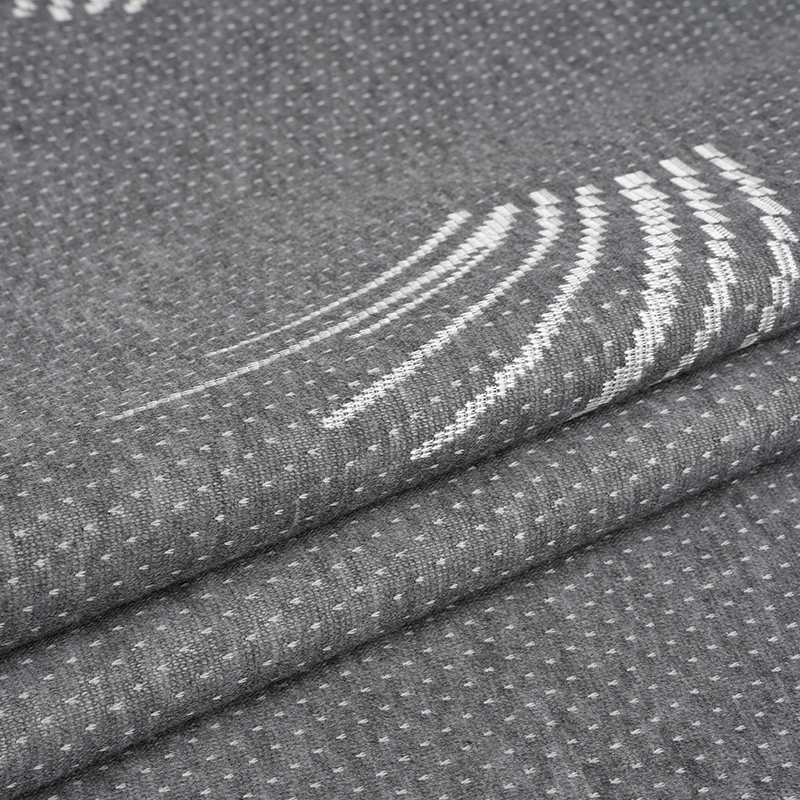
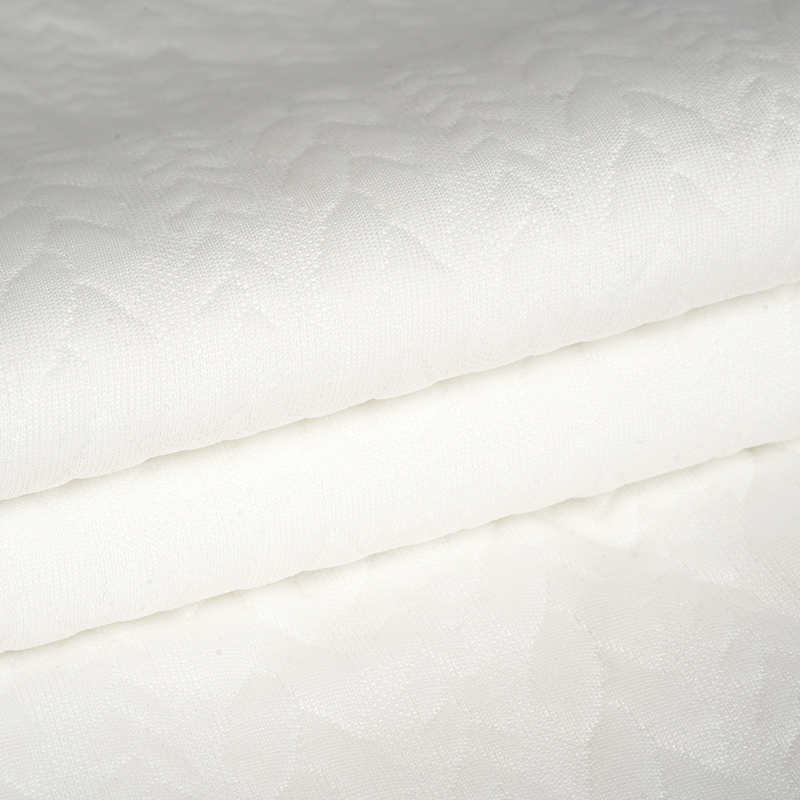
Antibacterial Yarn Pillowcase Fabric
Antibacterial Yarn Pillowcase Fabric
-
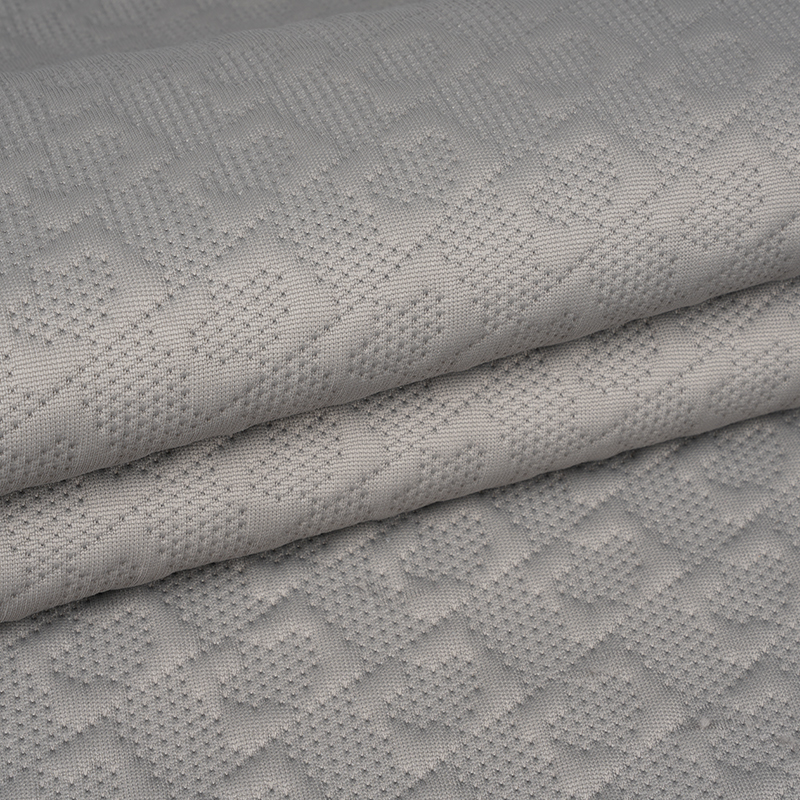
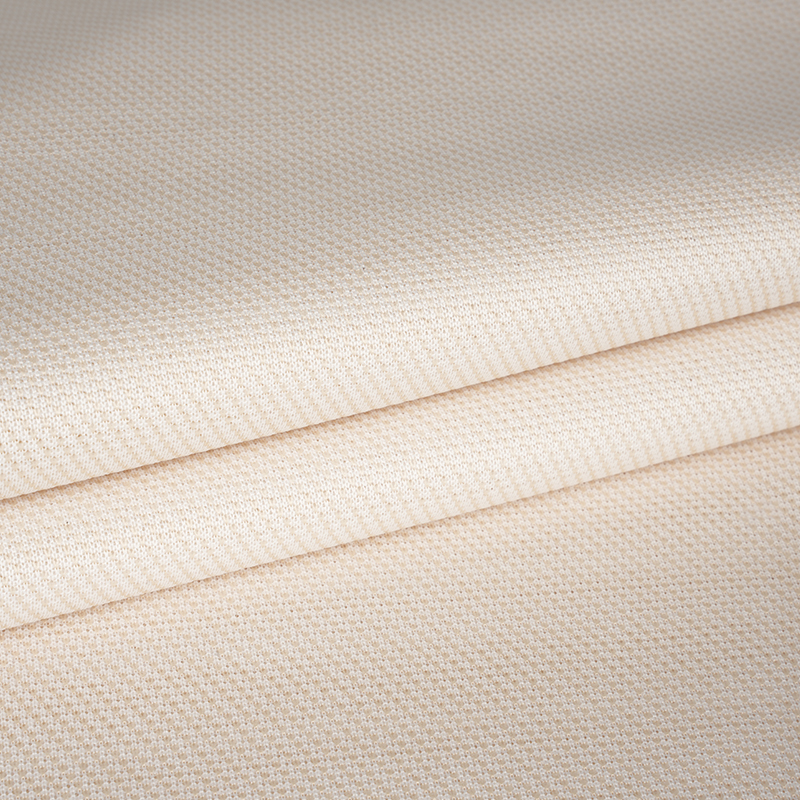
Antibacterial Yarn Children Mattress Fabric
Antibacterial Yarn Children Mattress Fabric
Haven’t Found The Products You Want?
-
-
Shen Jinyan:+86-15158070676
[email protected]
Liang Jinwen:+86-15757186621
[email protected]
Qiu Yingyingn:+86-13819545790
[email protected]
Yi qiao Town, Xiaoshan District, Hangzhou City, Zhejiang Province, China
-
Products
Mattress Fabric Children Mattress Fabric Pillowcase Fabric Pregnancy Pillow Fabric Cooling Mat Fabric Bedding Fabric Sofa Fabric Pet Friendly Fabrics -
Contact Information
About Us Products Strength Sustainability News Contact Us
Copyright © Hangzhou Xinsili Decorative Fabric Weaving Co.,Ltd. All Rights Reserved.
Functional Decorative Textile Manufacturers
