

 English
 中文简体
 Español
 عربى
 русский



Antibacterial Yarn Bedding Fabric: Advanced Protection, Comfort, and Reliable Textile Performance
Content
- 1 What Is Antibacterial Yarn Bedding Fabric?
- 2 Why Antibacterial Performance Matters in Bedding
- 3 Core Product Advantages
- 4 Applications Across Bedding and Home Textile Products
- 5 Advanced Manufacturing Process
- 6 Manufacturing Strengths Behind the Product
- 7 Comparison with Conventional Bedding Fabrics
- 8 How the Fabric Supports Competitive Product Development
- 9 Quality, Safety, and Responsible Use
- 10 Recommended Product Development Workflow
- 11 Why Choose a Specialized Functional Textile Manufacturer?
- 12 Frequently Asked Questions
- 12.1 What is the main benefit of Antibacterial Yarn Bedding Fabric?
- 12.2 Is antibacterial yarn fabric suitable for pillowcases?
- 12.3 Can this fabric be used for children’s bedding?
- 12.4 Does antibacterial fabric eliminate the need for washing?
- 12.5 Is the antibacterial function only a surface coating?
- 12.6 Can the fabric be customized?
- 12.7 What products can be made with this fabric?
- 12.8 How should antibacterial performance be verified?
- 12.9 Can the fabric be used in hotels?
- 12.10 What makes the manufacturer suitable for customized functional textiles?
- 12.11 Can the fabric be combined with other functional materials?
- 12.12 What information should a buyer provide when requesting a quotation?
- 13 Conclusion
- 14 References
- 15 Product: Antibacterial Yarn Bedding Fabric
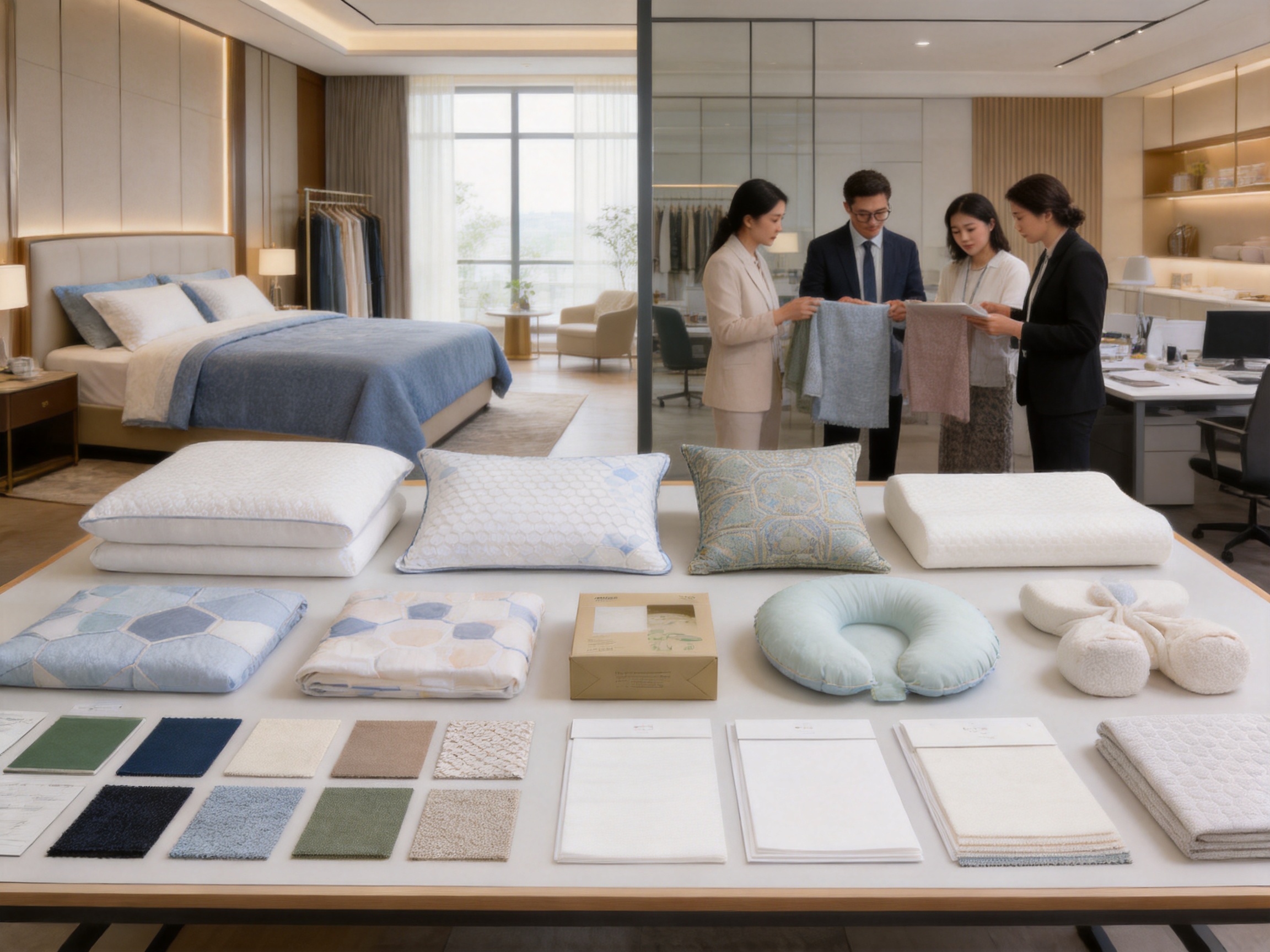
Antibacterial Yarn Bedding Fabric is an engineered textile solution developed for modern bedding applications where comfort, hygiene, durability, and design flexibility must work together. Unlike ordinary bedding materials that rely only on surface treatments, antibacterial yarn fabric integrates functional performance into the yarn structure or textile construction. This approach supports a more stable and practical method of creating bedding products for homes, hotels, healthcare-related environments, children’s rooms, guest accommodations, and other spaces where cleanliness and daily comfort are important.
As consumers become more attentive to sleep quality, indoor hygiene, textile safety, and long-term product value, bedding manufacturers are looking for fabrics that provide more than softness and visual appeal. A contemporary mattress cover, quilt cover, pillowcase, or bedding accessory may need to manage moisture, resist unpleasant odors, maintain a pleasant hand feel, withstand repeated laundering, and support a cleaner sleeping environment. Antibacterial Yarn Bedding Fabric is designed around these requirements, offering a functional foundation for products that combine decorative quality with practical performance.
Manufactured by Hangzhou Xinsili Decorative Fabric Weaving Co., Ltd., this fabric reflects the company’s focus on functional decorative textiles and precision weaving. With 19 years of industry experience, a 12,000-square-meter factory area, and recognition as a National High-Tech Enterprise in 2023, the company brings together textile development, production control, design awareness, and application-oriented service. Its expertise extends across mattress fabric, children’s mattress fabric, pillowcase fabric, pregnancy pillow fabric, cooling mat fabric, bedding fabric, sofa fabric, and pet-friendly fabrics.
The product is particularly suitable for buyers seeking a dependable textile platform for private-label bedding, hospitality textiles, home furnishings, and specialized sleep products. It can support a broad range of fabric constructions, colors, patterns, and finishing directions while maintaining the central value of antibacterial yarn technology. By combining functional yarn selection with controlled weaving and inspection, the material helps manufacturers create bedding that is more hygienic, comfortable, attractive, and suitable for everyday use.
What Is Antibacterial Yarn Bedding Fabric?
Antibacterial Yarn Bedding Fabric is a bedding textile made with yarn designed to help inhibit the growth or persistence of selected bacteria on the textile surface. Depending on the final specification, antibacterial performance may be achieved through functional materials incorporated into the fiber or yarn, through specialized spinning technology, or through a combination of yarn engineering and fabric finishing. The purpose is to create a textile environment that is less favorable to bacterial activity while preserving the softness, flexibility, and appearance expected from quality bedding.
The term “antibacterial” should be understood as a textile performance feature rather than a replacement for normal cleaning and hygiene practices. Bedding still requires appropriate washing, drying, storage, and care. The value of antibacterial yarn is that it can provide an additional layer of functional support during ordinary use, especially in products that remain in close contact with the body for extended periods.
Compared with conventional fabric treated only on the surface, yarn-based antibacterial construction can offer a more integrated performance concept. A surface coating may gradually diminish through laundering, abrasion, folding, and daily friction. When the functional component is integrated into the yarn or fiber system, the performance may be distributed more consistently through the textile structure. The exact durability and test results depend on the selected yarn, construction, finishing process, washing conditions, and customer specification, but the integrated approach is widely valued for products exposed to frequent use.
This product category can be developed for knitted or woven bedding constructions, depending on the intended application. Knitted structures may be selected when stretch, drape, softness, and close-fitting mattress covers are priorities. Woven structures may be preferred when dimensional stability, crisp appearance, abrasion resistance, or a more structured hand feel is required. The manufacturing team can evaluate these variables according to the customer’s product design, target market, and performance expectations.
Why Antibacterial Performance Matters in Bedding
Bedding textiles operate in a unique environment. They remain close to the skin, absorb perspiration and body moisture, experience warmth for extended periods, and are frequently compressed or folded. These conditions can influence odor, freshness, and the overall perception of cleanliness. A fabric that supports a cleaner and more comfortable sleeping environment can therefore contribute meaningful value to the finished bedding product.
Moisture management is closely related to perceived freshness. When perspiration or humidity remains trapped in a textile, the material may feel clammy and may develop unpleasant odors over time. Antibacterial yarn does not eliminate the need for ventilation or laundering, but it can complement moisture-management strategies by helping reduce conditions associated with bacterial activity. When combined with an appropriate construction and finishing process, it can support a more pleasant fabric environment.
Antibacterial bedding is also attractive for products used by children, older adults, travelers, hospitality guests, and individuals who are especially attentive to household hygiene. Children’s bedding often needs a combination of softness, safety-conscious material selection, easy care, and a visually appealing surface. Hotel bedding requires consistency, durability, and a professional appearance across many rooms. Pillowcases and pregnancy pillows remain in close contact with the face, neck, and body, making comfort and freshness particularly important.
For manufacturers, antibacterial performance can provide a clear point of differentiation in a competitive market. Standard bedding fabrics are widely available, but functional bedding materials create opportunities for higher-value product lines. A supplier that can combine antibacterial yarn with attractive decorative design, reliable production, and flexible customization is better positioned to support brands seeking practical innovation rather than a single-purpose fabric.
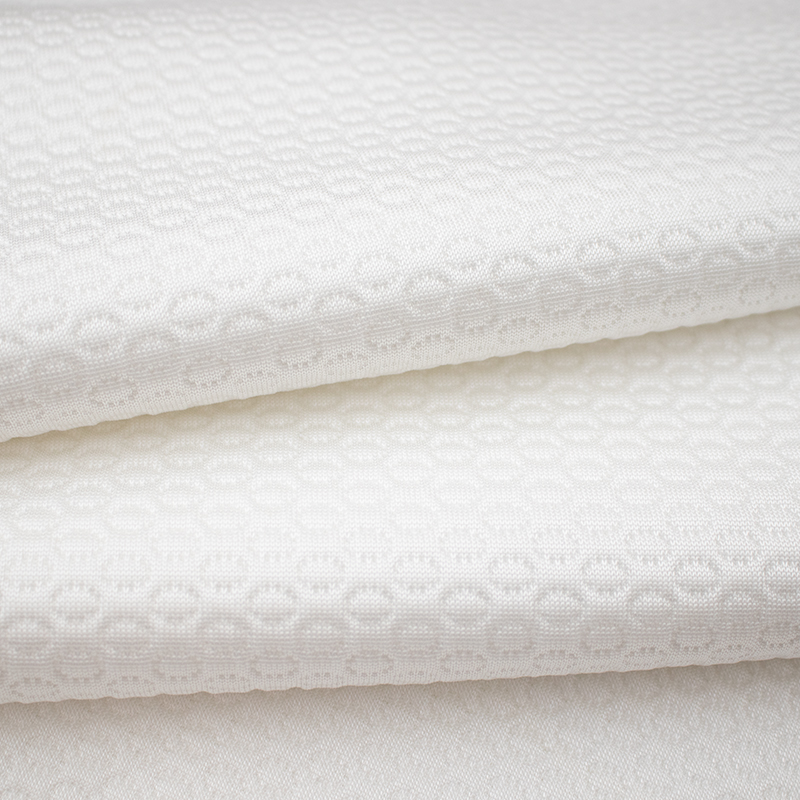
Antibacterial Yarn Bedding Fabric
Core Product Advantages
Integrated Functional Value
The primary advantage of Antibacterial Yarn Bedding Fabric is that hygiene-oriented performance is considered at the yarn and fabric development stages. Instead of treating antibacterial functionality as an afterthought, the product is designed around a functional textile concept. This allows the manufacturer to balance antibacterial performance with softness, stretch, breathability, color, surface appearance, and durability.
For bedding brands, integrated functionality simplifies product positioning. The finished product can be presented as a more advanced sleep textile rather than ordinary fabric with a temporary topical treatment. This can support product families such as antibacterial mattress protectors, hygienic pillowcases, functional quilt covers, children’s bedding, and premium hotel linen programs.
Comfort for Close-to-Skin Applications
Comfort is essential in bedding because the material may remain in contact with the body for several hours at a time. A technically effective fabric that feels rough, stiff, hot, or irritating will not deliver a satisfactory user experience. Antibacterial Yarn Bedding Fabric is therefore developed with attention to hand feel, flexibility, breathability, and surface smoothness.
Different customers may require different comfort profiles. A pillowcase may need a smooth and soft surface, while a fitted mattress fabric may require elasticity and recovery. A pregnancy pillow cover may need drape and gentle stretch to accommodate a large cushion shape. A children’s mattress fabric may prioritize softness and easy care. Through yarn selection, construction adjustment, and finishing control, the fabric can be aligned with the intended use.
Support for Moisture and Odor Management
Many users associate bedding quality with freshness. A material that dries efficiently and remains comfortable in warm conditions can improve the perceived quality of a sleep product. Antibacterial yarn is not a substitute for absorbency or moisture-wicking engineering, but it can operate as part of a broader performance system.
Fabric construction influences how moisture moves through the textile. Yarn fineness, density, loop or weave structure, fabric weight, and finishing all affect absorption, evaporation, and drying behavior. The manufacturing process can be adapted to create a suitable balance between coverage and breathability. For example, a lighter structure may be preferred for warm climates, while a denser construction may be selected when greater coverage and a more substantial hand feel are needed.
Suitability for Repeated Use
Bedding is washed more frequently than many decorative household textiles. Mattress covers, pillowcases, and children’s bedding may experience repeated laundering, rubbing, stretching, and drying. A functional fabric must therefore be evaluated not only for initial appearance but also for its ability to maintain useful performance and acceptable aesthetics during its service life.
Yarn-based functional design can be advantageous in repeated-use products because the functional concept is incorporated into the textile structure rather than relying exclusively on a surface layer. Performance retention still depends on the yarn composition, finishing, washing conditions, and manufacturing specification. For this reason, professional production control and application-specific testing are essential. Xinsili’s approach emphasizes stable, practical, and reliable fabric solutions rather than a single short-term performance claim.
Design Flexibility
Functional bedding does not need to look clinical or technically limited. The fabric can be developed in a range of colors, weights, textures, patterns, and surface effects to meet different brand identities. This is important for decorative textiles, where appearance is closely connected to consumer preference and interior design.
Antibacterial Yarn Bedding Fabric can be incorporated into minimalist bedding collections, children’s designs, hotel color systems, neutral home furnishings, premium sleep products, and specialized pillow covers. The material may be used as a visible outer fabric or as part of a layered construction. Its compatibility with different product directions allows buyers to pursue functional performance without sacrificing visual differentiation.
Applications Across Bedding and Home Textile Products
Mattress Covers and Mattress Fabrics
Mattress fabrics are among the most important applications for antibacterial yarn textiles. A mattress cover remains close to the sleeper and often forms the first textile barrier between the body and the internal mattress structure. Antibacterial fabric can add functional value to mattress covers, removable mattress protectors, quilted panels, and fitted mattress products.
For these applications, dimensional stability and seam performance are important. The fabric may need to stretch over a mattress, accommodate quilting, or resist deformation during repeated removal and washing. Depending on the design, manufacturers may choose a knitted construction for flexibility or a woven construction for structural stability. The final material can be combined with elastic components, quilting layers, waterproof membranes, or breathable backing fabrics.
Children’s Mattress Fabric
Children’s bedding requires careful consideration of softness, comfort, cleanability, visual appeal, and material safety. Young users may spend a significant amount of time in bed, and children’s products may be exposed to spills, perspiration, and frequent washing. Antibacterial yarn fabric can help brands develop bedding products that address parental expectations for a cleaner and more comfortable sleep environment.
Design flexibility is especially valuable in this segment. Children’s products can use gentle colors, playful patterns, or simple modern designs while retaining functional performance. The fabric can be developed for mattress covers, nap mats, portable sleeping products, pillowcases, and other children’s sleep accessories. Buyers should define applicable safety, chemical, colorfastness, and care requirements before production so the specification can be matched to the target market.
Pillowcases
Pillowcases are a natural application for antibacterial bedding fabric because they remain in direct contact with the face, hair, and neck. A suitable pillowcase fabric should be soft, smooth, breathable, and capable of retaining its appearance through regular laundering. Antibacterial yarn can add an extra functional dimension to this frequently washed product.
For pillowcase manufacturers, fabric hand feel is often the most important development factor. The fabric must not feel abrasive or excessively heavy. Surface smoothness, drape, color stability, and seam behavior also influence the finished product. Functional yarn technology can be combined with different constructions to create pillowcases for household use, hotels, wellness facilities, and premium bedding collections.
Pregnancy Pillow Fabric
Pregnancy pillows are designed to provide support during sleep and rest, and their covers often need to accommodate large, curved, or irregular shapes. The cover fabric should be flexible, comfortable, easy to remove, and suitable for repeated care. Because the user may remain in contact with the fabric for long periods, antibacterial functionality can be an attractive value-added feature.
A pregnancy pillow cover may require stretch recovery, a soft surface, reliable zipper or closure performance, and resistance to seam stress. Antibacterial yarn bedding fabric can be used as a primary cover material or as part of a coordinated product range. By matching fabric weight and elasticity to the pillow design, manufacturers can improve both user comfort and product durability.
Hotel and Hospitality Bedding
Hotels, serviced apartments, dormitories, and other hospitality environments need bedding materials that support a consistent guest experience. Fabrics must present a clean appearance, withstand frequent commercial laundering, and contribute to efficient textile management. Antibacterial bedding fabric can help hospitality suppliers create products positioned around freshness, comfort, and practical hygiene.
Color consistency is particularly important in hotel programs. A supplier should be able to maintain stable shades across production batches and coordinate pillowcases, mattress covers, decorative cushions, and other textile elements. Reliable quality control reduces replacement problems and helps the buyer maintain a consistent room design. The combination of functional performance and decorative textile expertise makes this product suitable for hospitality projects that require both technical and aesthetic coordination.
Home Bedding and Sleep Accessories
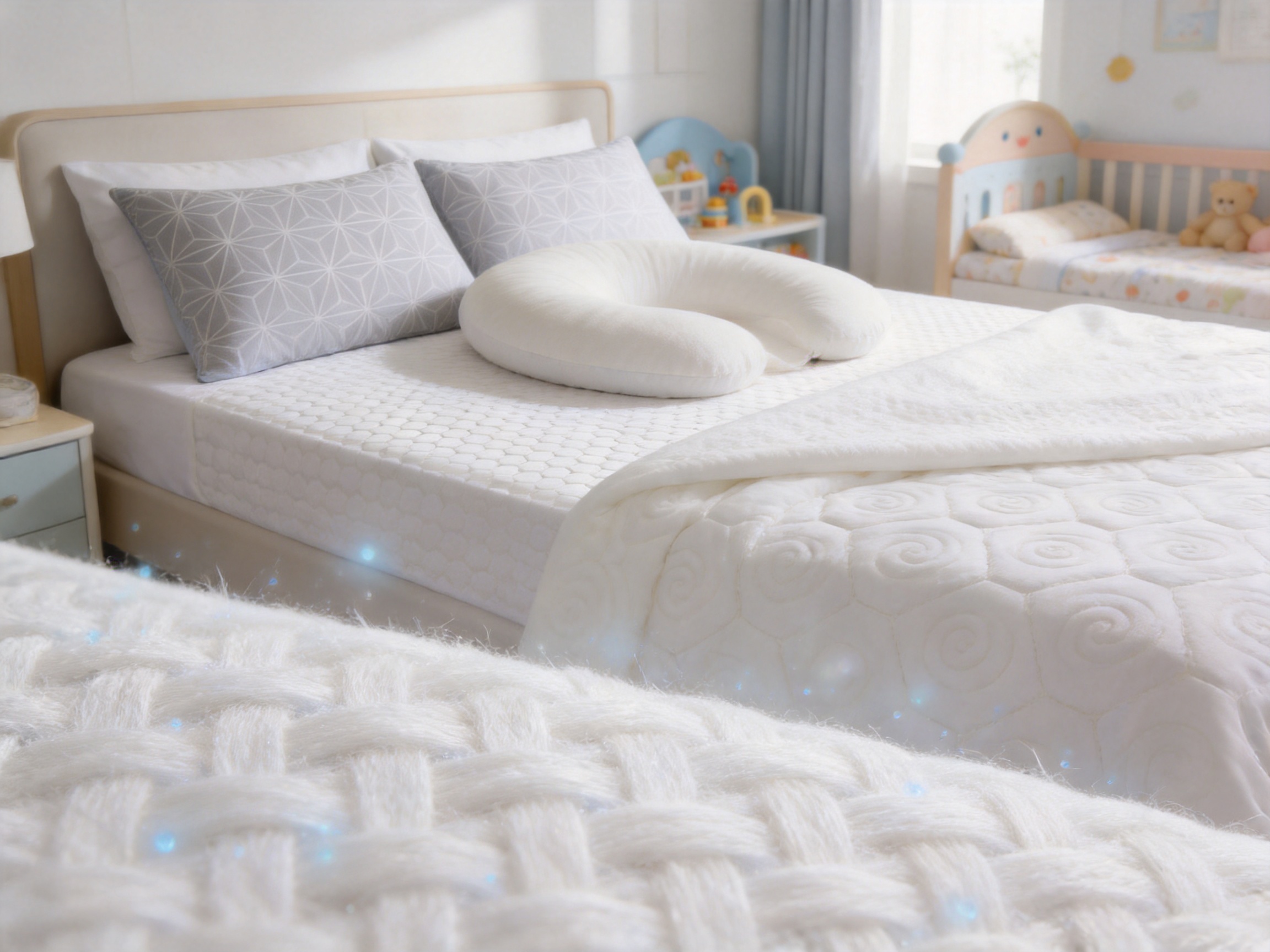
Residential buyers increasingly seek products that support healthier, more comfortable, and more convenient lifestyles. Antibacterial yarn fabric can be used in quilt covers, blankets, cushion covers, mattress pads, bed skirts, sleeping bags, and other home textile products. It can also be coordinated with sofa fabrics, pet-friendly fabrics, and cooling mat fabrics to create a broader functional home collection.
This cross-category capability is valuable for brands that want to develop a consistent range of home textiles. A unified material strategy can help coordinate color palettes, surface effects, performance claims, and packaging. It also allows a supplier relationship to support several product categories rather than a single bedding item.
Advanced Manufacturing Process
Application and Requirement Analysis
A reliable functional fabric begins with a clear understanding of the final product. Before production, the manufacturer should review the intended application, target market, fabric width, weight, color, stretch requirement, finishing direction, wash expectation, and packaging format. A mattress cover requires different properties from a pillowcase, even if both use antibacterial yarn.
Xinsili’s product development approach is based on practical textile application. The company focuses on functional decorative fabrics for home, hotel, and commercial spaces, integrating antibacterial, moisture-resistant, flame-retardant, sleep-supporting, and comfort-improving directions. This broad experience helps the production team consider how a fabric will function within a finished product rather than evaluating the fabric in isolation.
Functional Yarn Selection
Yarn selection affects nearly every major fabric property. The yarn influences softness, strength, moisture behavior, elasticity, pilling tendency, surface appearance, and compatibility with dyeing and finishing. For antibacterial bedding, the chosen yarn must also support the intended functional performance and comply with the customer’s material requirements.
Different product concepts may call for different yarn combinations. A soft yarn may be prioritized for pillowcases, while a stronger or more resilient yarn may be suitable for mattress covers exposed to greater tension. A blended construction may be selected to balance comfort, recovery, durability, and cost. The most appropriate solution depends on the buyer’s performance priorities and the intended retail position.
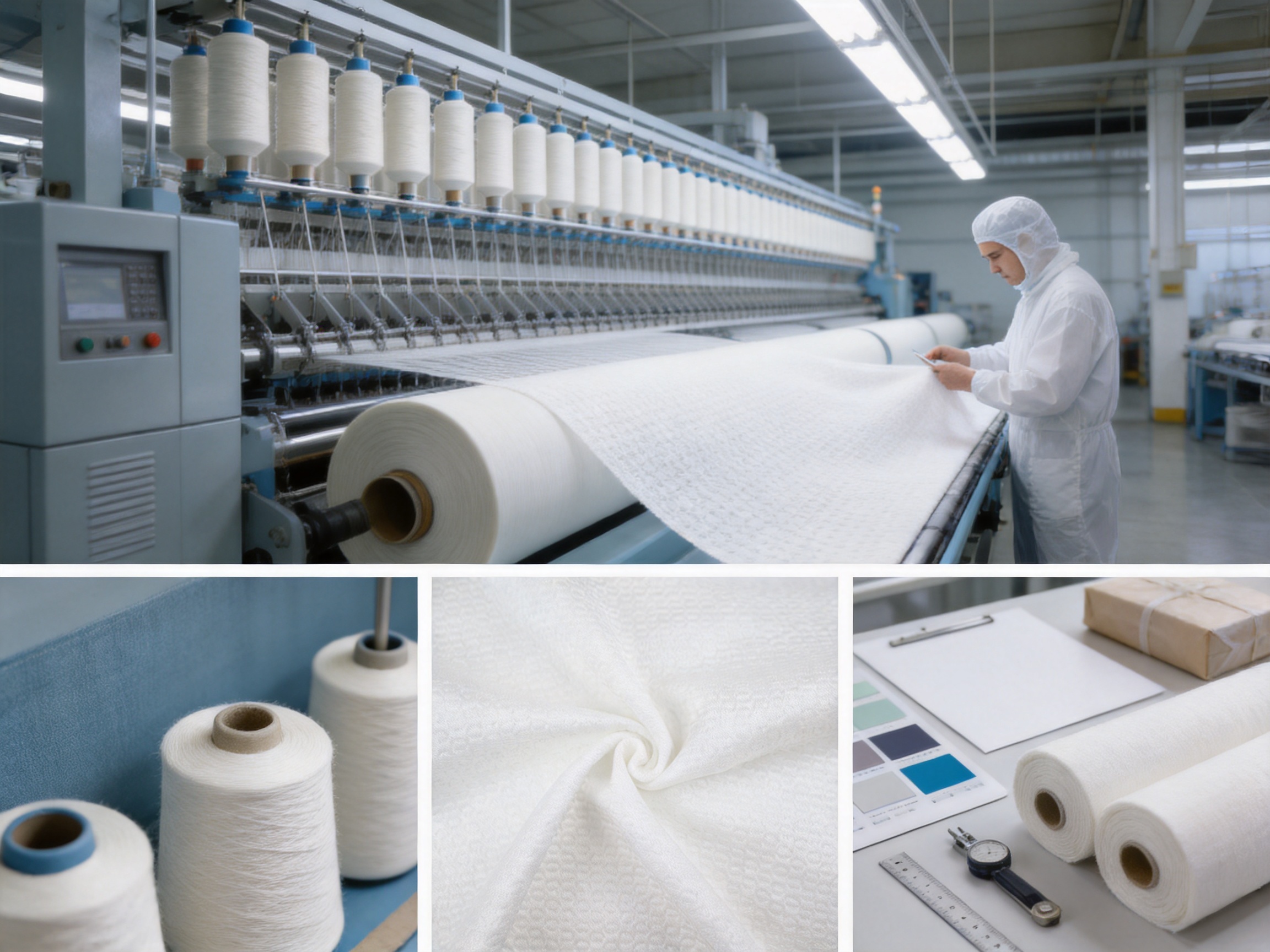
Precision Weaving and Fabric Formation
Fabric formation is the stage where yarn characteristics become a functional textile structure. Weaving or knitting parameters influence density, stretch, drape, breathability, surface texture, and dimensional stability. Consistent machine settings are essential for reducing variation across the fabric roll.
Precision production helps maintain even construction and a stable appearance. In bedding applications, irregular density or uneven tension can result in visible bars, streaks, distortion, or inconsistent hand feel. Controlled fabric formation also supports better cutting and sewing performance for downstream manufacturers. A stable textile is easier to convert into fitted covers, pillowcases, quilted panels, and other finished products.
Dyeing and Color Management
Color is an important part of decorative textile design. Bedding products may be required in soft neutrals, bright children’s colors, seasonal shades, hotel-standard whites, or customized brand colors. Dyeing must be managed carefully to achieve an even shade while preserving the desired hand feel and functional characteristics.
Color management includes sample approval, laboratory comparison, production monitoring, and batch consistency review. Buyers may request color standards or physical samples before bulk production. A professional process reduces the risk of shade variation and helps finished bedding products maintain a coordinated appearance.
Functional Finishing
Finishing can be used to adjust softness, surface smoothness, moisture behavior, drape, luster, dimensional stability, and other fabric properties. When the antibacterial function is associated with the yarn, finishing can be selected to complement the yarn technology without unnecessarily masking the surface or compromising comfort.
The finishing route should be appropriate to the final use. A pillowcase may need a smooth, skin-friendly finish, whereas a mattress fabric may require greater resilience or a specific quilting response. Finishing must also be evaluated for its effect on shrinkage, colorfastness, pilling, and laundering behavior. Close coordination between yarn selection, fabric formation, and finishing is essential for a balanced result.
Inspection and Quality Control
Quality control is required throughout the production process rather than only at the end. Incoming yarn, machine settings, fabric formation, color, width, weight, surface appearance, and packaging should be monitored according to the agreed specification. Rolls can be inspected for defects such as holes, broken yarns, oil marks, stains, uneven dyeing, slubs, streaks, and construction variation.
Functional performance should be evaluated using appropriate testing methods and customer requirements. Depending on the project, testing may include antibacterial performance, colorfastness, dimensional change, pilling resistance, tensile strength, bursting strength, abrasion resistance, moisture behavior, and laundering durability. The exact test program should be established before mass production because different markets and applications may have different compliance expectations.
Roll Preparation and Delivery
After inspection, fabric is prepared in rolls or other agreed formats. Roll length, labeling, folding, wrapping, and carton or pallet packing should support safe transportation and efficient customer handling. Correct documentation helps the buyer identify color, lot, specification, quantity, and production information.
Stable packaging is especially important for fabrics shipped over long distances. The material should be protected from moisture, dust, crushing, and unnecessary exposure during transportation. Professional delivery practices complement manufacturing quality and help the buyer move efficiently from incoming inspection to cutting and sewing.
Manufacturing Strengths Behind the Product
Long-Term Industry Experience
With 19 years of industry experience, Hangzhou Xinsili Decorative Fabric Weaving Co., Ltd. has developed a practical understanding of decorative and functional textile production. Long-term experience helps a manufacturer identify common production risks, anticipate application problems, and refine fabric specifications before bulk manufacturing begins.
Experience is especially valuable for customized textiles. A buyer may know the desired product concept but need support translating that concept into yarn selection, fabric weight, construction, finish, and inspection standards. An experienced development team can help define realistic parameters and balance performance with budget, appearance, and production efficiency.
Dedicated Production Capacity
The company operates within a 12,000-square-meter factory area, providing a dedicated foundation for textile development, weaving, inspection, and related production activities. Facility scale alone does not guarantee quality, but it can support better workflow organization, equipment allocation, material management, and production coordination.
A structured production environment is important when customers require multiple colors, specifications, or product categories. It can help separate raw material handling, production scheduling, inspection, and finished-goods preparation. This is particularly useful for bedding brands managing several seasonal collections or custom hotel programs.
Research and Development Orientation
Functional textiles require continuous attention to material science, textile construction, and end-use requirements. Xinsili’s focus on innovative research and development supports the creation of fabrics that combine decorative value with practical performance. The company’s functional directions include antibacterial, moisture-resistant, flame-retardant, sleep-supporting, and comfort-improving technologies.
This research-oriented approach enables the company to view Antibacterial Yarn Bedding Fabric as part of a broader functional textile portfolio. Buyers can explore related solutions and develop coordinated products according to changing market needs. The result is a more flexible sourcing relationship and a better foundation for long-term product development.
High-Technology Enterprise Recognition
Recognition as a National High-Tech Enterprise in 2023 reflects the company’s emphasis on technological development and innovation. Such recognition is relevant to buyers seeking a supplier capable of handling more than standard commodity production. It indicates an organizational commitment to technical advancement, product development, and structured enterprise operation.
For customers, the practical value of technology recognition lies in the supplier’s ability to support functional textile projects with a development mindset. Antibacterial bedding requires careful coordination between materials, construction, finishing, and testing. A manufacturer with an established innovation orientation is better equipped to participate in this process.
Design and Decorative Textile Expertise
Functional bedding must perform well while remaining visually attractive. Xinsili’s specialization in decorative fabric weaving supports this balance. The company understands that surface texture, color, pattern, softness, and coordination with interior spaces are as important to many buyers as technical function.
This is an advantage over suppliers focused only on basic industrial fabrics. A decorative textile manufacturer can help transform antibacterial yarn into bedding that appeals to consumers, designers, hotels, and home furnishing brands. The fabric becomes part of the visual experience of a room rather than an invisible technical component.
Comparison with Conventional Bedding Fabrics
| Evaluation Area | Conventional Bedding Fabric | Antibacterial Yarn Bedding Fabric |
|---|---|---|
| Primary value | Basic comfort, appearance, and coverage | Comfort and appearance combined with antibacterial functionality |
| Functional concept | May depend mainly on standard fiber properties | Uses functional yarn technology as part of the fabric design |
| Product differentiation | Often relies on color, pattern, and price | Can add hygiene-oriented performance to the product proposition |
| Application range | General bedding and home textile use | Mattress covers, pillowcases, children’s bedding, hospitality textiles, and specialized sleep products |
| Development approach | Usually focused on basic textile specifications | Can be developed around end-use requirements, functional performance, and decorative design |
| Customer communication | Emphasizes softness, appearance, or material composition | Can communicate a broader combination of freshness, comfort, hygiene support, and design |
| Long-term value | Suitable for standard product positioning | Creates opportunities for premium, specialized, and private-label product lines |
This comparison does not mean that every antibacterial fabric is automatically superior in every situation. Performance must be verified against the customer’s requirements, and conventional fabrics may remain appropriate for budget-focused products. The advantage of Antibacterial Yarn Bedding Fabric is its ability to provide an additional function while preserving the fundamental requirements of bedding textiles. The final value depends on verified test results, construction quality, durability, comfort, and correct product positioning.
How the Fabric Supports Competitive Product Development
In a crowded bedding market, brands need meaningful ways to distinguish their products. Antibacterial yarn fabric can support differentiation through a combination of technical performance and visible quality. It gives manufacturers a foundation for developing products that are not defined solely by low price or decorative appearance.
A bedding brand may use the fabric to create a premium hygienic collection, a children’s sleep range, an easy-care hotel program, or a wellness-oriented home textile series. The antibacterial function can be integrated into product naming, packaging, care communication, and retail education, provided that all claims are supported by appropriate testing and comply with the relevant market regulations.
Private-label buyers can also benefit from customization. Fabric color, weight, hand feel, width, pattern, and finishing can be adjusted to match a brand’s collection. The buyer may choose a discreet functional design for luxury bedding or a more visibly technical product for healthcare-adjacent and wellness markets. This flexibility makes the textile suitable for different channels and price levels.
Another competitive advantage is the possibility of building a complete functional home textile portfolio. A company that sources mattress fabric, pillowcase fabric, cooling mat fabric, sofa fabric, and pet-friendly fabric from a supplier with related expertise may improve coordination across product lines. Shared color systems, consistent quality standards, and consolidated communication can simplify product development and sourcing management.
Quality, Safety, and Responsible Use
Antibacterial claims should be made responsibly. Buyers should request test documentation appropriate to the intended market and product application. The report should identify the testing method, test organism or organisms, sample condition, laundering condition where relevant, and performance result. A general statement that a fabric is antibacterial is not a substitute for a defined technical specification.
Material safety is equally important, particularly for children’s products and close-to-skin bedding. Customers may require restrictions on certain substances, odor, formaldehyde, heavy metals, allergenic dyes, or other regulated materials. The applicable requirements depend on the destination market, product category, and customer policy. A written material and compliance checklist should be agreed before order confirmation.
Care instructions should be based on actual testing. Washing temperature, detergent selection, drying method, ironing, and chemical exposure can influence color, dimensions, hand feel, and functional performance. Clear instructions help end users maintain the product correctly and reduce avoidable damage. For hotel and commercial buyers, care guidance can also support laundry management and replacement planning.
Environmental considerations should be incorporated into the development process. Buyers may ask about material composition, production efficiency, packaging, wastewater management, recycled content, and product life. A durable fabric that remains attractive and functional through repeated use may support a lower replacement frequency. At the same time, sustainability claims should be specific and supported by relevant evidence.
Recommended Product Development Workflow
Step One: Define the End Use
The buyer should first specify whether the fabric will be used for a mattress cover, pillowcase, quilt cover, children’s mattress, pregnancy pillow, hotel bedding product, or another application. This determines the required stretch, weight, durability, softness, width, and finishing direction.
Step Two: Establish the Technical Specification
The specification should include fiber or yarn requirements, fabric construction, weight, width, color, pattern, antibacterial performance target, shrinkage tolerance, pilling requirement, colorfastness, and packaging format. A clear specification reduces misunderstandings and helps the supplier prepare an accurate sample.
Step Three: Approve a Development Sample
Samples should be evaluated for appearance, hand feel, drape, stretch, recovery, breathability, and compatibility with the planned sewing process. The buyer should also inspect the fabric after washing or other expected care conditions. If the material will be quilted, laminated, printed, or combined with other layers, those processes should be included in the assessment.
Step Four: Conduct Performance Testing
Testing should reflect the final product rather than relying only on a general fabric inspection. Antibacterial performance, dimensional stability, colorfastness, abrasion, pilling, strength, and laundering durability may be relevant. The test plan should be confirmed with the supplier and, when necessary, an independent laboratory.
Step Five: Confirm Bulk Production Controls
Before mass production, the buyer and manufacturer should confirm the approved sample, color standard, acceptable defect level, roll length, inspection method, labeling, and packing requirements. This creates a shared quality reference and makes later production review more efficient.
Step Six: Review Production and Delivery
During production, the buyer may request progress updates, sample approval for the first bulk lot, inspection reports, or third-party testing. After delivery, incoming inspection should verify quantity, roll identification, color, width, appearance, and packaging condition. Feedback from cutting and sewing should be recorded for future orders.
Why Choose a Specialized Functional Textile Manufacturer?
A specialized manufacturer offers advantages beyond the ability to produce fabric. The supplier can participate in material selection, application analysis, technical improvement, quality planning, and product differentiation. This is important when the buyer is developing a new functional bedding collection and does not want to manage every technical decision alone.
Hangzhou Xinsili Decorative Fabric Weaving Co., Ltd. combines decorative textile expertise with functional development. Its product categories cover multiple bedding and home furnishing applications, allowing buyers to explore related materials through one experienced manufacturing partner. The company’s stated vision, “Weaving Beautiful Spaces,” reflects an emphasis on combining fabric performance with the visual quality of residential, hotel, and commercial environments.
The company’s manufacturing philosophy is based on craftsmanship-driven production, design innovation, and win-win collaboration. These principles are relevant to Antibacterial Yarn Bedding Fabric because the product must satisfy several requirements simultaneously. It should support hygiene-oriented performance, feel comfortable against the skin, look attractive in a finished room, remain practical during use, and be manufactured consistently at the required scale.
For international buyers, communication and specification management are also important. A supplier that can discuss yarn, fabric construction, finishing, packaging, and application requirements in a coordinated way can reduce development delays. A clear technical dialogue is especially valuable when the customer needs customized fabric rather than an off-the-shelf material.
Frequently Asked Questions
What is the main benefit of Antibacterial Yarn Bedding Fabric?
The main benefit is the combination of bedding comfort and antibacterial functionality. The fabric is developed with functional yarn technology intended to help inhibit selected bacterial activity, while also supporting softness, breathability, appearance, and practical use. The exact performance depends on the selected specification and should be confirmed through appropriate testing.
Is antibacterial yarn fabric suitable for pillowcases?
Yes. Pillowcases are one of the suitable applications because they remain close to the face, hair, and neck. The fabric should be selected for a smooth hand feel, comfortable weight, colorfastness, dimensional stability, and compatibility with repeated laundering.
Can this fabric be used for children’s bedding?
It can be developed for children’s mattress covers, pillowcases, nap mats, and other children’s bedding products. Buyers should define the applicable safety, chemical, flammability, colorfastness, and care requirements for the destination market before production.
Does antibacterial fabric eliminate the need for washing?
No. Antibacterial fabric is an additional functional feature and does not replace regular washing, drying, ventilation, or proper storage. Care instructions should be followed to maintain cleanliness and preserve the fabric’s appearance and performance.
Is the antibacterial function only a surface coating?
The product is based on antibacterial yarn technology, meaning the functional concept is associated with the yarn or fiber system rather than relying only on a temporary surface application. The exact construction should be confirmed in the technical specification, because different products may use different yarn and finishing arrangements.
Can the fabric be customized?
Customization may include fabric construction, weight, width, color, pattern, hand feel, stretch, finishing, and packaging. The available options depend on the intended application and minimum production requirements. A development sample should be approved before bulk production.
What products can be made with this fabric?
Potential products include mattress covers, fitted mattress fabrics, mattress protectors, pillowcases, quilt covers, children’s bedding, pregnancy pillow covers, hotel bedding, decorative sleep accessories, and other home textile products. The appropriate construction should be selected for each finished product.
How should antibacterial performance be verified?
Performance should be verified through a recognized test method suitable for the intended market and application. The buyer should review the testing method, organisms, sample condition, laundering conditions, and results. Claims should match the available evidence and applicable regulations.
Can the fabric be used in hotels?
Yes. It can support hotel bedding programs that require comfort, consistent appearance, repeated laundering performance, and a hygiene-oriented product proposition. Commercial buyers should evaluate abrasion, colorfastness, shrinkage, strength, laundering durability, and roll-to-roll consistency.
What makes the manufacturer suitable for customized functional textiles?
The manufacturer combines 19 years of industry experience, a 12,000-square-meter factory area, functional textile research and development, decorative fabric expertise, and National High-Tech Enterprise recognition received in 2023. These capabilities support coordinated development from yarn and construction through finishing, inspection, and delivery.
Can the fabric be combined with other functional materials?
Depending on the product design, it may be combined with moisture-management materials, elastic components, quilting layers, breathable backings, or other textile structures. Compatibility should be evaluated through sampling because additional layers and processes can affect hand feel, breathability, dimensions, and antibacterial performance.
What information should a buyer provide when requesting a quotation?
The buyer should provide the intended application, estimated quantity, fabric width, weight, color, construction preference, antibacterial requirement, testing expectations, delivery destination, packaging requirements, and target development schedule. A physical reference sample or product drawing can further improve quotation accuracy.
Conclusion
Antibacterial Yarn Bedding Fabric represents a practical direction for the development of modern bedding and home textiles. It responds to growing demand for products that combine comfort, cleanliness, durability, and visual appeal. By integrating antibacterial yarn technology with controlled textile construction, the material can support a broad range of products, from mattress covers and pillowcases to children’s bedding, pregnancy pillow covers, hotel textiles, and specialized sleep accessories.
The product’s strongest value lies in its balanced design. It is not limited to a single technical function. It can be developed around softness, moisture behavior, breathability, color, stretch, durability, and decorative quality, while antibacterial performance provides an additional point of differentiation. This makes it suitable for brands seeking more advanced product positioning and for commercial buyers requiring reliable textile performance.
Hangzhou Xinsili Decorative Fabric Weaving Co., Ltd. supports this product with long-term industry experience, a dedicated 12,000-square-meter factory area, functional textile research and development, decorative fabric expertise, and National High-Tech Enterprise recognition. Its focus on stable manufacturing, design innovation, environmental responsibility, and collaborative development provides a strong foundation for customized textile projects.
For the best result, buyers should approach the fabric as part of a complete product development process. Clear end-use analysis, precise specifications, sample approval, performance testing, responsible claims, and production quality control are all essential. When these elements are coordinated, Antibacterial Yarn Bedding Fabric can help create bedding products that are comfortable, attractive, practical, and better aligned with the expectations of contemporary consumers and professional textile purchasers.
References
1. General principles of textile fiber and fabric construction for bedding applications.
2. Technical guidance on antibacterial textile performance evaluation and laboratory testing.
3. General practices for colorfastness, dimensional stability, pilling, abrasion, and laundering assessment of household textiles.
4. Product development principles for mattress covers, pillowcases, children’s bedding, and hospitality textiles.
5. Textile quality management practices for yarn selection, weaving, finishing, inspection, roll preparation, and delivery.
6. Company-provided information concerning functional decorative textile research, manufacturing experience, factory area, product categories, and enterprise development.
Product: Antibacterial Yarn Bedding Fabric

Our Featured Products
-
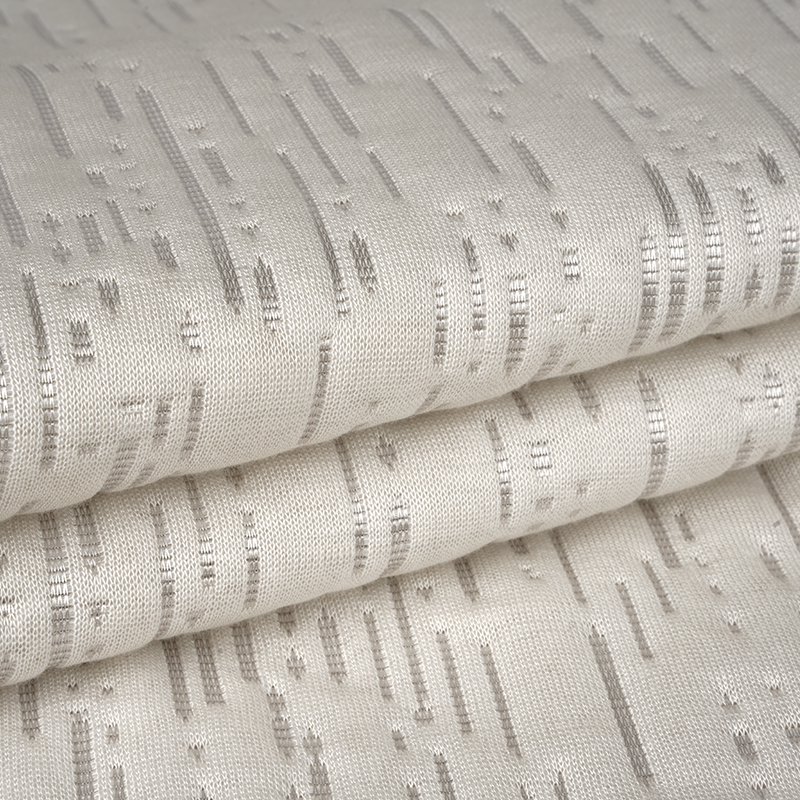
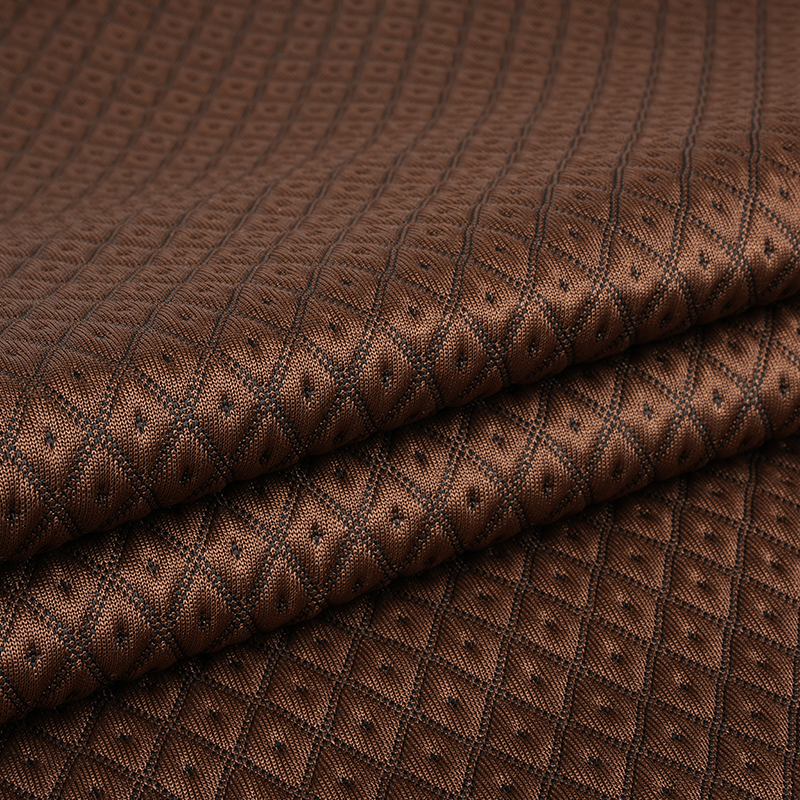
Antibacterial Yarn Children Mattress Fabric
Antibacterial Yarn Children Mattress Fabric
-
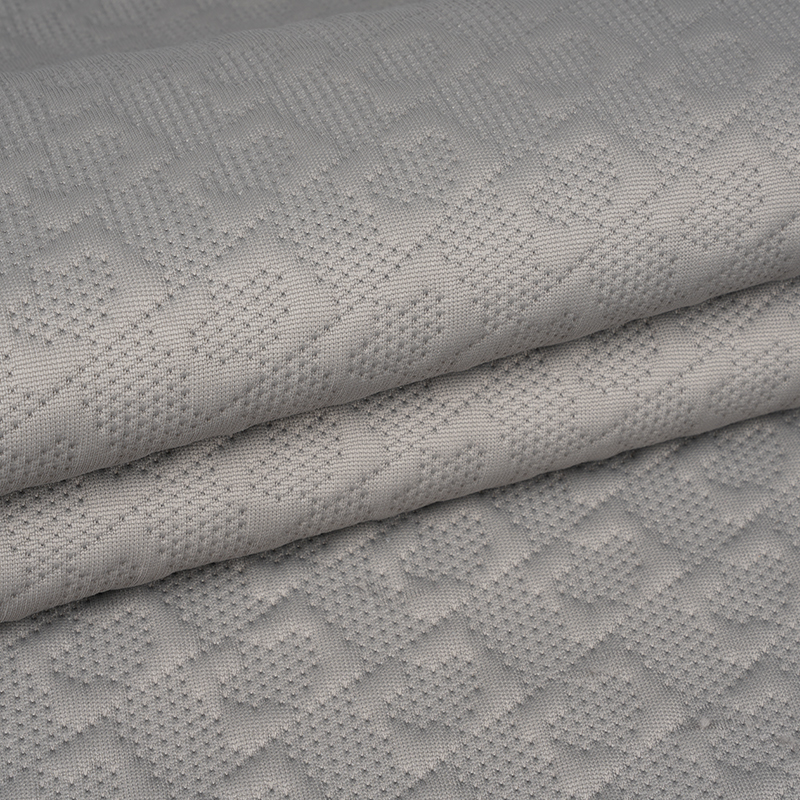
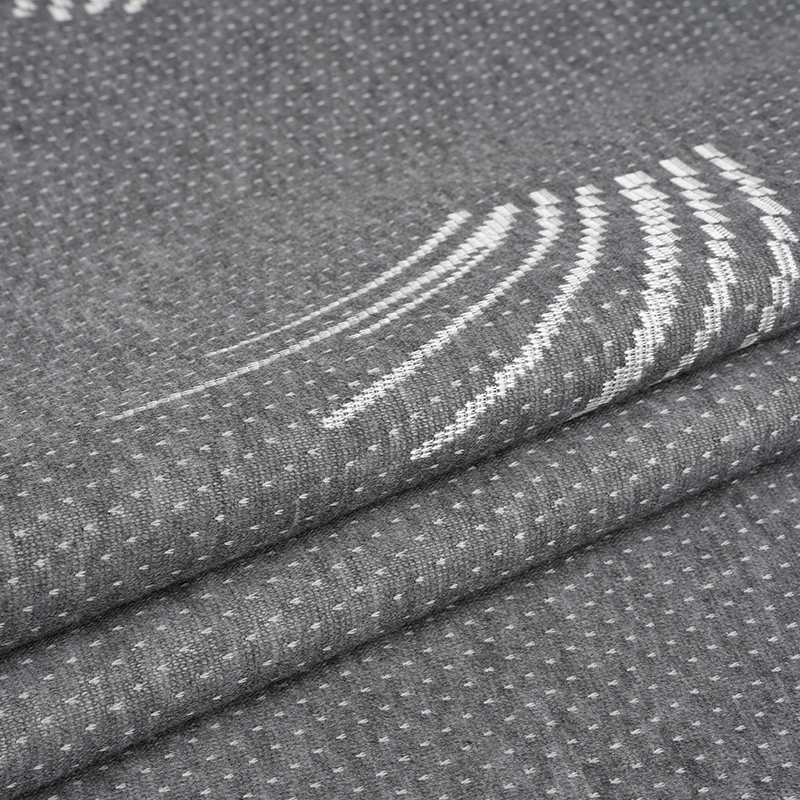
Antibacterial Yarn Children Mattress Fabric
Antibacterial Yarn Children Mattress Fabric
Haven’t Found The Products You Want?
-
-
Shen Jinyan:+86-15158070676
[email protected]
Liang Jinwen:+86-15757186621
[email protected]
Qiu Yingyingn:+86-13819545790
[email protected]
Yi qiao Town, Xiaoshan District, Hangzhou City, Zhejiang Province, China
-
Products
Mattress Fabric Children Mattress Fabric Pillowcase Fabric Pregnancy Pillow Fabric Cooling Mat Fabric Bedding Fabric Sofa Fabric Pet Friendly Fabrics -
Contact Information
About Us Products Strength Sustainability News Contact Us
Copyright © Hangzhou Xinsili Decorative Fabric Weaving Co.,Ltd. All Rights Reserved.
Functional Decorative Textile Manufacturers
