

 English
 中文简体
中文简体 Español
 عربى
عربى русский


Tencel Children Mattress Fabric: A Softer, Safer, and More Sustainable Textile Solution
Content
- 1 1. Understanding Tencel Children Mattress Fabric
- 2 2. Why Textile Selection Matters in Children’s Mattresses
- 3 3. Material Advantages of Tencel-Based Construction
- 4 4. Competitive Advantages Over Conventional Mattress Fabrics
- 5 5. Advanced Manufacturing Strengths
- 6 6. Design and Customization Opportunities
- 7 7. Applications Across Children’s Sleep and Living Products
- 8 8. Manufacturing Process from Concept to Finished Fabric
- 9 9. Quality, Safety, and Compliance Considerations
- 10 10. Sustainability and Responsible Product Development
- 11 11. Why Choose an Experienced Specialized Manufacturer
- 12 12. Benefits for Different Types of Buyers
- 13 13. Practical Purchasing and Development Guidance
- 14 14. Product Positioning in Competitive Markets
- 15 15. Maintenance and Product-Life Considerations
- 16 16. Quality Questions Buyers Should Ask
- 17 17. Frequently Asked Questions
- 17.1 Q1: What is Tencel children mattress fabric?
- 17.2 Q2: Is Tencel children mattress fabric waterproof?
- 17.3 Q3: Why is Tencel suitable for children’s mattresses?
- 17.4 Q4: Can the fabric be customized?
- 17.5 Q5: Can the fabric be used for washable mattress covers?
- 17.6 Q6: Can it be used in daycare or institutional nap mats?
- 17.7 Q7: Does the fabric have antibacterial or flame-retardant performance?
- 17.8 Q8: How does it compare with polyester?
- 17.9 Q9: How does it compare with cotton?
- 17.10 Q10: What information is needed for a quotation?
- 17.11 Q11: Can the same supplier provide other home textile fabrics?
- 17.12 Q12: What should be confirmed before bulk production?
- 18 18. Conclusion
- 19 References
- 20 Product: Tencel Children Mattress Fabric
Children spend a significant part of their early lives sleeping, resting, and recovering on mattresses. For this reason, the textile layer surrounding a children’s mattress is far more than a decorative surface. It contributes to softness, moisture management, temperature comfort, cleanliness, durability, and the overall feeling of security that a child experiences at bedtime. Tencel children mattress fabric is designed to respond to these needs by combining a smooth hand feel with functional performance and a more sustainability-oriented fiber choice.
As parents, mattress manufacturers, furniture brands, hospitality businesses, and childcare facilities become more attentive to indoor comfort and material safety, the demand for high-quality children’s mattress textiles continues to grow. The ideal fabric should feel gentle against delicate skin, support a dry sleeping environment, maintain its appearance after repeated use, and integrate efficiently into modern mattress production. It should also offer manufacturers a reliable platform for customized colors, patterns, constructions, and functional treatments.
The Tencel Children Mattress Fabric presented in this article is developed for these practical and design requirements. It belongs to a broader range of functional decorative textiles suitable for mattress fabrics, pillowcase fabrics, pregnancy pillow fabrics, cooling mat fabrics, bedding fabrics, sofa fabrics, and pet-friendly applications. The fabric is produced by Hangzhou Xinsili Decorative Fabric Weaving Co., Ltd., a Chinese textile manufacturer with 19 years of industry experience, a 12,000-square-meter factory area, and recognition as a National High-Tech Enterprise in 2023.
This article examines the product’s material value, manufacturing advantages, application potential, customization possibilities, and competitive strengths. It also explains why fabric selection matters in children’s mattresses and how a specialized textile partner can help buyers develop products that are comfortable, practical, attractive, and suitable for modern living environments.
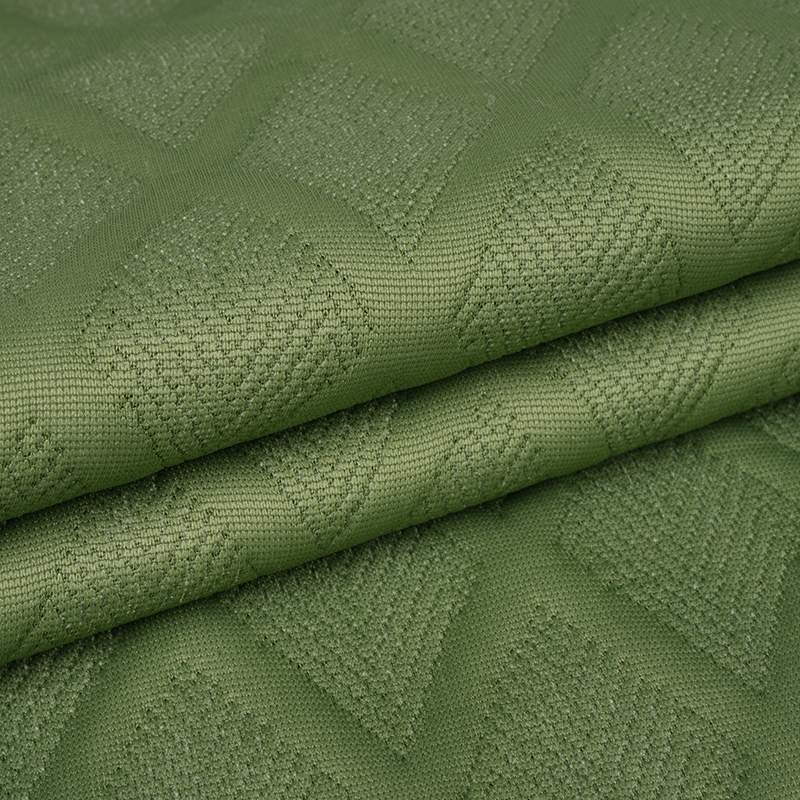
Tencel Children Mattress Fabric
1. Understanding Tencel Children Mattress Fabric
Tencel children mattress fabric is a mattress-cover textile intended for products used by infants, children, and families. Its primary purpose is to create a comfortable, protective, and visually appealing textile surface around a mattress core. Depending on the final construction and treatment, the fabric may be used in removable mattress covers, quilted panels, fitted mattress shells, sleeping mats, nap mattresses, children’s bedding systems, and related soft furnishings.
The name Tencel is commonly associated with cellulosic fibers produced from wood-based resources. These fibers are valued in textile applications for their smooth surface, soft touch, moisture-management characteristics, and modern sustainability profile. When incorporated into a children’s mattress textile, the fiber can contribute to a pleasant sleeping surface that feels less harsh than many conventional synthetic alternatives.
However, a mattress fabric is not judged by fiber content alone. Its real performance depends on the complete textile system, including yarn selection, weave or knit construction, fabric density, finishing, dyeing, sewing, quilting, and quality control. A well-designed children’s mattress fabric must balance softness with dimensional stability, comfort with resistance to daily wear, and visual appeal with production reliability.
For this reason, the value of the product lies not only in its Tencel component but also in the manufacturer’s ability to convert that material into a stable and commercially useful fabric. Buyers need consistent width, reliable color reproduction, controlled surface quality, suitable weight, and dependable delivery. These factors influence the performance of the finished mattress just as much as the original fiber choice.
Key product objectives
The main objectives of Tencel children mattress fabric are to provide a soft contact surface, promote a more comfortable microclimate, support attractive children’s product design, and offer a durable textile platform for mattress manufacturers. The fabric can be positioned as a premium alternative for buyers who want to move beyond basic polyester or ordinary blended constructions.
It is particularly appropriate for brands that want to communicate natural comfort, responsible material selection, refined workmanship, and thoughtful design. These qualities can help a mattress stand out in a market where consumers increasingly compare not only price and appearance but also tactile experience, material transparency, and long-term usability.
2. Why Textile Selection Matters in Children’s Mattresses
A children’s mattress operates in a demanding environment. It may be used for many hours each day, exposed to perspiration, accidental spills, friction, washing, stretching, and frequent handling. Children may also move more actively during sleep than adults, which increases contact between the body and the mattress surface. A fabric that appears attractive in a sample room but loses softness, shape, or color after routine use can reduce the value of the entire mattress.
Children’s skin is also commonly perceived as more sensitive to rough or uncomfortable surfaces. A textile with a smooth hand feel can improve the first-contact experience and make the mattress feel more inviting. While fabric alone cannot determine overall safety or hygiene, a suitable textile can support a cleaner and more comfortable sleep system when combined with appropriate mattress construction, ventilation, washing instructions, and responsible product testing.
Moisture is another important consideration. During sleep, the human body releases heat and moisture. Children may also experience occasional spills or nighttime accidents. A mattress cover that feels clammy or traps moisture can negatively affect comfort. Tencel-based textiles are often selected because their cellulosic structure can support moisture absorption and release, helping the surface feel more balanced under normal conditions.
The visual character of the fabric also matters. Children’s products are often expected to be friendly, colorful, and imaginative, while parents may prefer calm, coordinated, and sophisticated designs. A high-quality mattress fabric should therefore support both playful and understated design directions. It should accommodate solid colors, soft neutrals, gentle patterns, themed prints, and coordinated collections for bedding or bedroom furniture.
Finally, the fabric must be practical for manufacturers. A material that is difficult to cut, sew, quilt, inspect, or package can create production problems. Stable fabric construction and consistent manufacturing are essential for achieving clean seams, accurate panel dimensions, and a professional appearance in the finished mattress.
3. Material Advantages of Tencel-Based Construction
Softness suitable for close-contact applications
One of the most recognized advantages of Tencel-based fibers is their smooth surface and soft hand feel. In a children’s mattress, this quality is valuable because the fabric may come into direct or indirect contact with pajamas, sheets, blankets, or a child’s skin. A refined surface can make the sleeping environment feel more comfortable and premium.
Compared with coarse or poorly finished textiles, a smooth fabric may reduce the perception of scratchiness and improve the tactile quality of the product. This is especially important for mattress brands that compete through comfort rather than through low price alone. The surface can also support a more elegant presentation when the mattress is displayed in retail stores, showrooms, childcare facilities, or hospitality environments.
Moisture and comfort support
Tencel-based fibers are widely valued for their ability to manage moisture in a textile structure. In practical use, this can help the fabric absorb and release moisture more effectively than some less absorbent synthetic surfaces. The result is a textile that may feel more comfortable during warm nights or periods of extended contact.
Moisture management should not be confused with waterproofing. Tencel children mattress fabric is a textile surface, not automatically a liquid barrier. If a mattress requires protection against spills, urine, or other liquids, the finished product may need a separate waterproof membrane, protector, or multilayer construction. The advantage of the Tencel surface is that it can provide a softer and more comfortable textile layer while the complete mattress system addresses other protection requirements.
Temperature comfort
Sleep comfort depends partly on how heat and moisture move between the body and the surrounding bedding system. A breathable or moisture-responsive fabric can contribute to a less stuffy feeling than a dense, poorly ventilated surface. For children who are sensitive to heat or who sleep actively, this characteristic can be an important selling point.
Actual temperature performance depends on many factors, including fabric weight, construction, mattress foam, quilting, room conditions, bedding layers, and garment choice. Nevertheless, selecting a fiber known for a comfortable moisture interaction can help manufacturers create a more thoughtfully engineered product.
Potential hygiene-oriented benefits
A smooth textile surface can be easier to maintain than a highly irregular or excessively fluffy surface. When combined with suitable finishing, construction, and care instructions, it may support a cleaner-feeling mattress cover. Hangzhou Xinsili’s broader product development focus includes functional decorative textiles involving antibacterial, moisture-resistant, flame-retardant, sleep-supporting, and comfort-improving functions.
Any specific antibacterial or flame-retardant claim should be confirmed through product-level testing and documentation. The important advantage is that the manufacturer has experience developing functional textile solutions rather than treating fabric as a purely decorative layer. This creates opportunities for buyers to request a construction or finishing program aligned with the requirements of a particular market.
More responsible material positioning
Many consumers now look for materials associated with renewable resources, responsible production, and reduced environmental impact. Tencel-based fibers can help a mattress brand communicate a more contemporary material philosophy. This is particularly relevant to children’s products, where parents may be attentive to the origin and perceived environmental profile of textiles.
A responsible material message should be supported by accurate fiber information, certifications where applicable, and transparent production documentation. It should not rely on vague environmental language. When correctly documented, Tencel children mattress fabric can help manufacturers develop collections that appeal to buyers seeking softness and sustainability together.
4. Competitive Advantages Over Conventional Mattress Fabrics
The competitive value of Tencel children mattress fabric becomes clearer when it is compared with common alternatives. Conventional polyester fabrics may provide good strength, economical pricing, and easy color processing, but some constructions can feel less natural or less moisture-responsive. Cotton can provide familiar softness and absorbency, yet it may require careful management of shrinkage, drying time, and dimensional stability. Blended fabrics can balance several properties, but their performance depends greatly on the ratio and construction.
Tencel-based fabric offers a different value proposition. It is designed for buyers who want a softer and more refined surface with a modern cellulosic fiber story. It can help a product occupy the middle-to-premium segment, where tactile quality and responsible design are important purchase factors.
| Evaluation Area | Tencel Children Mattress Fabric | Basic Polyester Mattress Fabric | Standard Cotton Mattress Fabric |
|---|---|---|---|
| Surface feel | Smooth, soft, and suitable for premium close-contact applications | Can be smooth, but the hand feel varies widely by yarn and finishing | Generally familiar and comfortable, with variation according to quality |
| Moisture interaction | Designed to support moisture absorption and comfortable release | Often low in moisture absorption unless specially engineered | Absorbent, though drying and dimensional behavior require consideration |
| Design positioning | Suitable for comfort-focused and sustainability-oriented collections | Suitable for economical, durable, and high-volume products | Suitable for natural-fiber and traditional comfort positioning |
| Children’s product appeal | Premium tactile experience and modern material story | Practical and cost-effective, depending on construction | Familiar natural-fiber perception |
| Customization potential | Can be developed in colors, patterns, weights, and functional programs | Usually broad, especially for mass-market production | Broad, but may require careful control of shrinkage and finishing |
| Best competitive use | Premium children’s mattresses, nursery products, and comfort-led brands | Value products and high-volume standard ranges | Natural-fiber collections and traditional bedding programs |
This comparison does not mean that one fiber is universally superior. The best choice depends on product positioning, target price, regulatory requirements, washing conditions, and technical specifications. The advantage of Tencel children mattress fabric is that it gives manufacturers access to a differentiated combination of softness, moisture comfort, refined appearance, and sustainability-oriented communication.
In a crowded market, differentiation can be difficult when products use similar foam cores and similar silhouettes. A distinctive textile surface can become a meaningful point of difference. Consumers may not be able to see the internal mattress structure, but they can immediately feel and observe the cover. A soft, well-finished, attractive fabric can therefore influence both first impressions and long-term satisfaction.
5. Advanced Manufacturing Strengths
Experience-based process control
Hangzhou Xinsili Decorative Fabric Weaving Co., Ltd. has 19 years of experience in the decorative and functional textile industry. This length of experience is significant because textile quality depends on many interconnected production decisions. Fiber preparation, yarn handling, machine settings, dyeing, finishing, inspection, and packing must all be coordinated. Long-term industry experience helps a manufacturer identify process risks before they become repeated quality problems.
Experience also supports more efficient communication with customers. A professional manufacturer can discuss the relationship between hand feel, fabric weight, construction, finishing, cost, and end use. Rather than simply offering a standard roll of fabric, the supplier can help determine whether a proposed construction is appropriate for a children’s mattress, pillowcase, sofa panel, or another application.
Dedicated factory infrastructure
The company operates a 12,000-square-meter factory area. A dedicated production facility provides space for material storage, weaving or knitting operations, finishing, inspection, sample development, and shipment preparation. Organized factory infrastructure is important for maintaining material separation, improving workflow, and reducing avoidable handling errors.
For international customers, factory capacity also affects supply reliability. Mattress brands often need repeat orders in consistent colors and constructions. A supplier with established facilities can support production planning more effectively than an informal trading operation with limited control over outside processing.
Research and development orientation
Xinsili specializes in innovative research, development, and precision manufacturing of decorative textiles. This development orientation is particularly relevant to Tencel children mattress fabric because the final product may need to satisfy several requirements at once. It may need to feel soft, remain stable during sewing, accept color evenly, coordinate with other bedding materials, and support additional functions.
Research and development can include the selection of fiber blends, yarn arrangements, textile constructions, dyeing methods, surface treatments, quilting compatibility, and testing procedures. The appropriate approach depends on the customer’s target application. A mattress intended for a home nursery may have different requirements from a nap mattress used in a daycare center or a children’s hospitality bed.
Functional textile integration
The company’s product philosophy integrates decorative value with practical performance. Its functional textile focus includes antibacterial, moisture-resistant, flame-retardant, sleep-supporting, and comfort-improving technologies. This creates a platform for buyers who want to develop more than a visually attractive cover.
For example, a customer may request a soft Tencel surface combined with a protective backing, a moisture-management treatment, a quilting-compatible construction, or a specific flame-performance program. These requirements must be reviewed technically because one treatment can influence softness, breathability, color, washing behavior, or cost. A manufacturer with functional textile experience is better positioned to evaluate these interactions.
Quality consistency and repeatability
Consistency is one of the most important competitive advantages in textile manufacturing. A sample may look excellent, but the commercial order must reproduce the same appearance and performance across multiple production lots. Inconsistent shade, width, weight, or surface texture can create problems for mattress assembly and retail presentation.
Quality control should cover raw materials, in-process production, finished fabric, and packing. Typical evaluation areas include appearance, width, weight, color, surface defects, dimensional stability, seam behavior, and functional performance where relevant. The exact testing program should be agreed with the customer before production.
For children’s products, documentation and traceability are also valuable. Buyers may require records related to fiber composition, restricted substances, colorfastness, washing, flame performance, or other market-specific requirements. Product-level verification is essential, and the manufacturer should provide the appropriate documentation for the exact fabric supplied.
6. Design and Customization Opportunities
A mattress fabric should support the identity of the product line. Children’s products can be cheerful and imaginative, but they should not be limited to cartoon imagery or highly saturated colors. Many modern nursery collections use soft earth tones, muted blues, warm creams, gentle greens, and understated geometric patterns. Tencel children mattress fabric can be developed to support different aesthetic directions according to the customer’s market.
Color development
Color is often the first visual feature noticed by consumers. A manufacturer may work with customers on custom color matching, seasonal palettes, coordinated collections, or private-label programs. Neutral shades can support minimalist nursery furniture, while brighter colors may be appropriate for playrooms, childcare facilities, or themed children’s products.
Color development should consider the final lighting environment, adjacent materials, printing or dyeing method, and expected washing conditions. A color that appears correct in a digital image may look different on fabric, especially when surface texture changes the way light is reflected. Physical lab dips or fabric samples are therefore important before bulk production.
Pattern and surface direction
Children’s mattress fabrics may use solids, jacquards, printed motifs, woven textures, stripes, checks, or subtle relief effects. The choice depends on the product’s target customer and the manufacturing method. Small-scale patterns can hide minor everyday marks, while clean solids can communicate simplicity and premium quality.
Pattern scale should also be considered in relation to mattress dimensions and sewing panels. A pattern that looks attractive on a small sample may become visually unbalanced when repeated across a large mattress surface. Professional development support can help buyers evaluate how the design will appear in the finished product.
Weight and construction
Fabric weight influences hand feel, opacity, drape, durability, cost, and sewing behavior. A lightweight construction may be appropriate for a removable cover or quilted layer, while a heavier textile may offer a more substantial premium impression. The correct specification depends on the mattress core, cover structure, zipper design, quilting pattern, and care requirements.
Construction also influences dimensional stability. A mattress cover must maintain acceptable dimensions during cutting, sewing, assembly, and use. Any expected shrinkage or relaxation should be assessed during development. This is one reason why testing a complete sample rather than evaluating only a loose fabric swatch is beneficial.
Functional finishing
Functional finishing can be selected according to the intended market and use conditions. Possibilities may include moisture management, antibacterial performance, flame retardancy, stain resistance, softening, anti-static behavior, or enhanced durability. Each option should be evaluated for its effect on the fabric’s original character.
For a Tencel-based children’s mattress fabric, maintaining softness and breathability may be especially important. A treatment that improves one property but creates a stiff or uncomfortable surface may not be suitable. The development process should therefore prioritize the complete balance of comfort, function, appearance, and compliance.
7. Applications Across Children’s Sleep and Living Products
Children’s mattresses
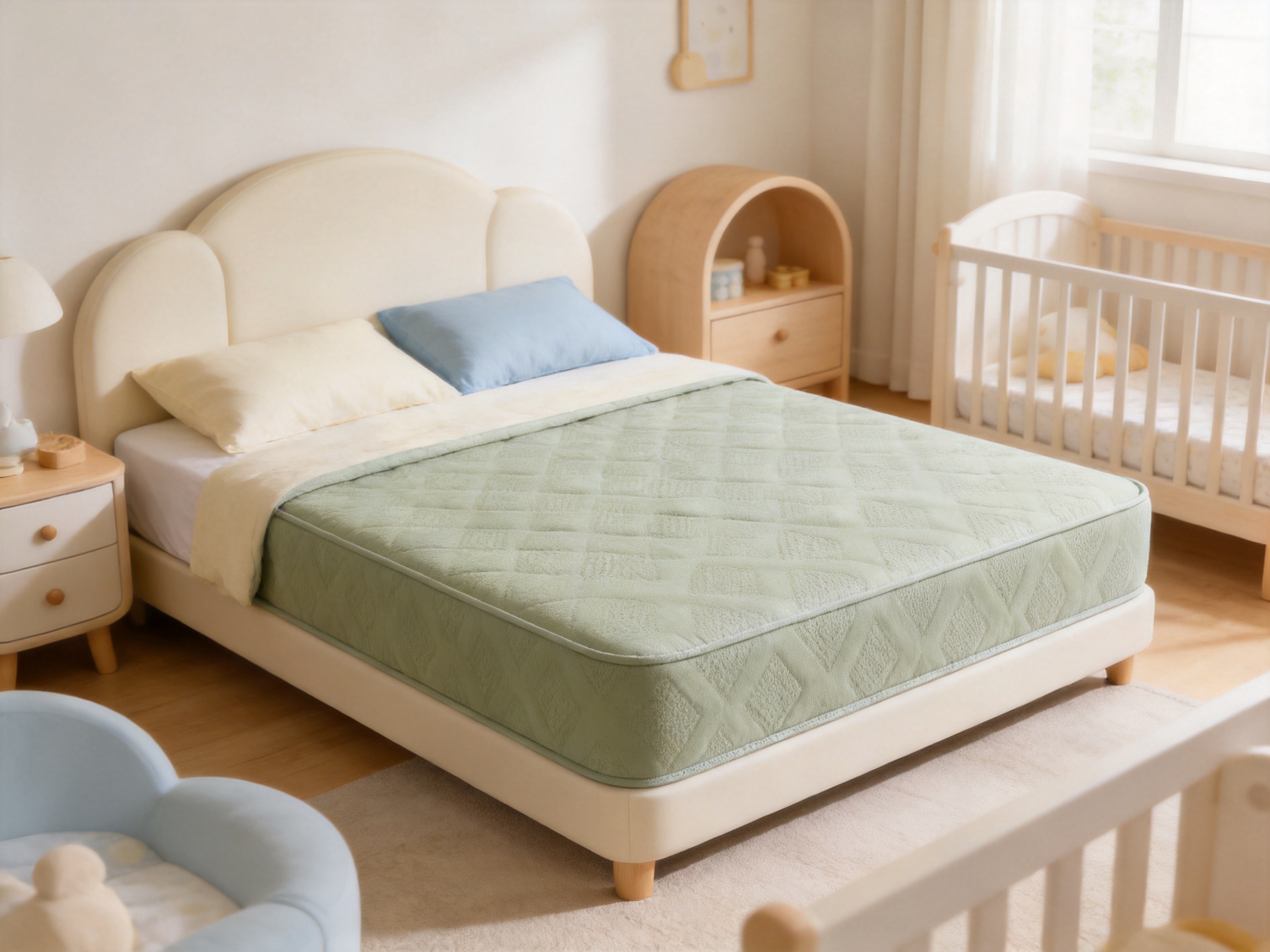
The most direct application is the outer textile cover of children’s mattresses. The fabric can be used for standard mattresses, crib mattresses where specifications permit, junior mattresses, floor mattresses, folding mattresses, and modular sleep systems. Its soft surface and premium material story can help brands create products positioned around comfort and responsible design.
When used in a removable cover, the fabric should be evaluated for zipper compatibility, repeated washing, dimensional stability, and seam strength. When quilted to foam, batting, or other layers, its behavior under needle penetration and tension should be confirmed. The finished mattress must meet all applicable safety and performance requirements for its intended market.
Nap mats and daycare bedding
Daycare centers, kindergartens, and family childcare environments often require sleeping mats that are comfortable, easy to identify, and practical to handle. A Tencel-based fabric can provide a softer surface for rest periods while supporting a more refined appearance than basic institutional textiles.
For these applications, cleaning and maintenance procedures are particularly important. Buyers should specify whether the textile will be washed frequently, wiped clean, disinfected, folded, rolled, or stored in close contact with other mats. The final construction should be selected accordingly.
Children’s bedding collections
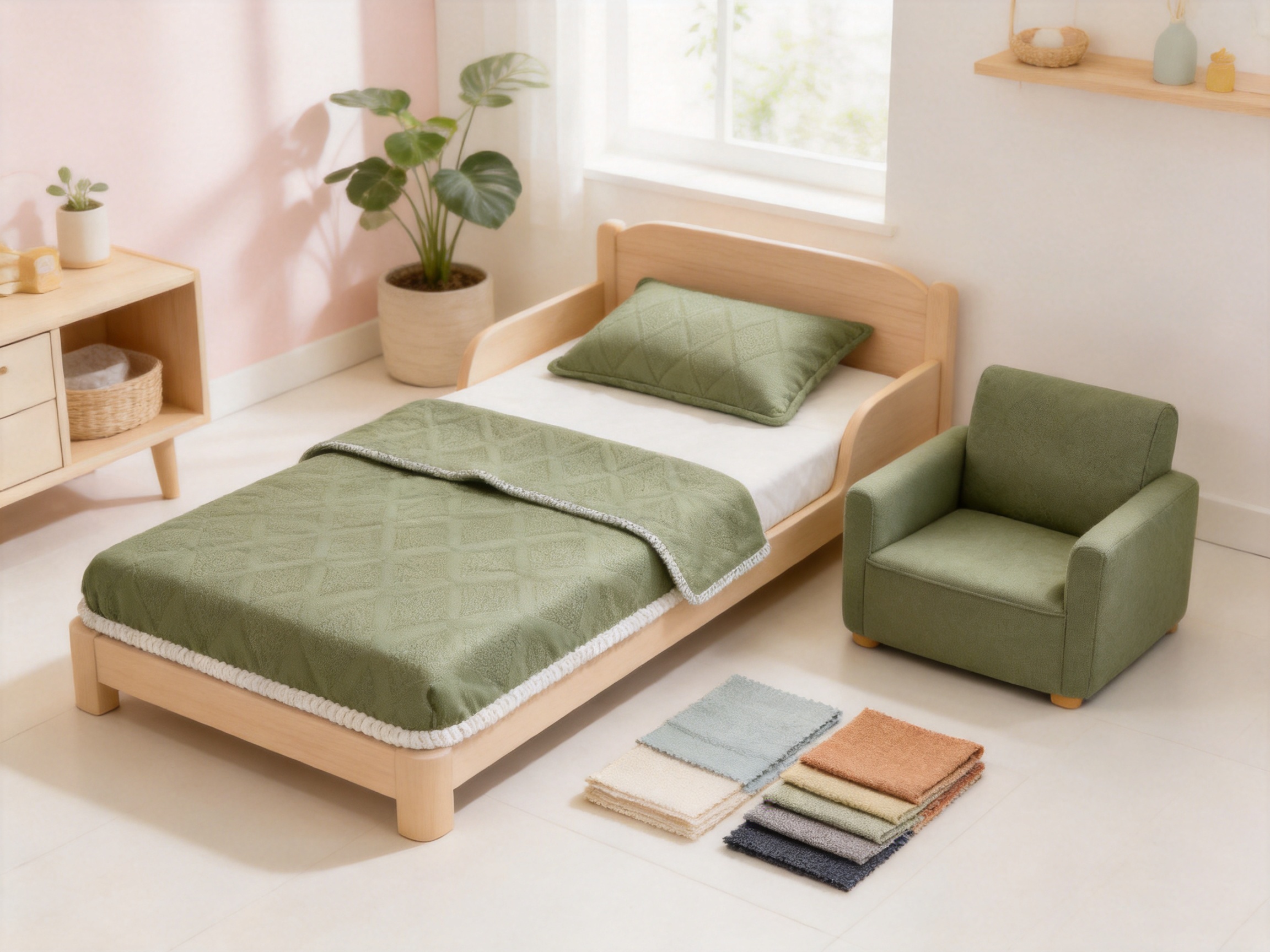
A coordinated fabric program can extend from the mattress cover to pillowcases, blankets, bed skirts, cushion covers, and decorative panels. Using related colors and surface effects allows a brand to create a complete bedroom collection rather than a single isolated product.
This broader approach can improve merchandising and simplify product identity. It also allows the manufacturer to manage a consistent design language across several textile categories, including bedding fabrics and pillowcase fabrics.
Travel and portable sleep products
Portable children’s mattresses and travel mats need fabrics that support folding, rolling, handling, and repeated transportation. The textile must work with the product’s storage format and should not develop excessive creasing, distortion, or surface damage during normal handling.
In this category, buyers should test the fabric together with the foam or filling material, fastening system, carrying case, and cleaning method. Tencel children mattress fabric may be suitable for premium portable products where tactile quality is an important selling point, provided the complete construction meets the required durability standards.
Children’s furniture and soft-play environments
Some children’s furniture products combine sleeping, seating, and play functions. Mattress fabric may therefore be used on cushions, daybeds, reading corners, upholstered benches, and soft modular furniture. The same material family can create visual continuity across a nursery or children’s room.
For furniture use, abrasion, seam strength, pilling, colorfastness, and cleaning behavior may become more important than they are in a traditional mattress. These performance requirements should be addressed during product development instead of assuming that a mattress construction will automatically be suitable for upholstery.
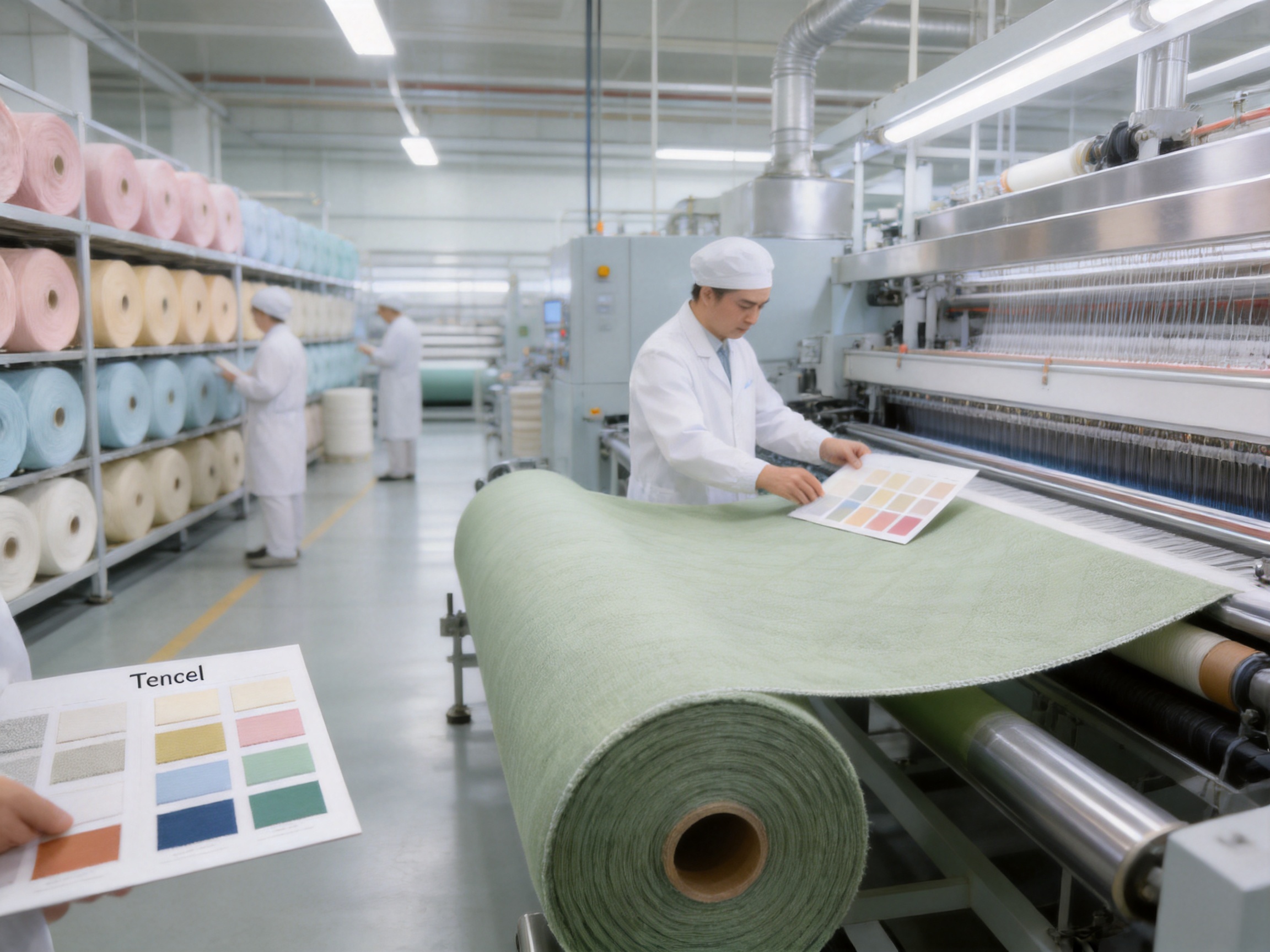
8. Manufacturing Process from Concept to Finished Fabric
Step one: application analysis
The process begins with understanding the end use. The manufacturer should know whether the fabric is intended for a removable mattress cover, a quilted mattress panel, a mattress protector, a nap mat, or another product. Information about target market, expected washing, desired hand feel, color, weight, width, and functional requirements allows the textile construction to be selected more accurately.
Step two: fiber and yarn planning
The Tencel fiber component must be matched with a suitable yarn and fabric structure. Depending on the target performance, the product may use a Tencel-rich construction or a blend with other fibers. Blending can be considered when a buyer wants to balance softness, strength, cost, elasticity, recovery, or ease of processing.
Yarn quality affects surface uniformity and production stability. Careful preparation helps reduce irregularities that could later appear as streaks, slubs, uneven dyeing, or unwanted texture variation. The correct yarn plan also supports better control of weight and density.
Step three: weaving or knitting
The fabric structure is created through weaving or knitting according to the required design. Woven constructions can offer a stable and orderly surface, while knitted constructions may provide greater flexibility and stretch. The choice should reflect how the fabric will be fitted around the mattress and how much movement is expected during use.
Machine settings, yarn tension, speed, and inspection procedures all influence the resulting quality. An experienced production team can adjust the process to achieve a balance between surface smoothness, stability, production efficiency, and appearance.
Step four: dyeing and color control
Dyeing is a critical stage for achieving an attractive and consistent appearance. Cellulosic fibers may require carefully controlled dyeing conditions to achieve even coloration. The production team must manage temperature, chemical balance, time, rinsing, and drying to reduce shade variation and protect the desired hand feel.
Color approval should be completed before bulk production. Customers may review lab dips, strike-offs, or sample yardage. Clear approval procedures help reduce disputes and ensure that the final color matches the intended product identity.
Step five: finishing
Finishing can modify the softness, smoothness, dimensional stability, surface appearance, and functional performance of the fabric. Mechanical and chemical finishing methods must be selected carefully because excessive treatment can affect breathability, touch, or color.
For children’s mattress applications, the finishing target is usually a balanced surface that feels pleasant without becoming excessively delicate. The fabric should also remain compatible with cutting, sewing, quilting, and laundering processes.
Step six: inspection and testing
Finished fabric is inspected for visible defects, width, weight, color, surface consistency, and other agreed requirements. Functional tests may be added depending on the product specification. These can include abrasion, pilling, colorfastness, shrinkage, tensile strength, tear strength, seam performance, moisture behavior, flame performance, or antibacterial performance.
Testing should be based on the intended market and final product. A textile used in a children’s mattress may be subject to different requirements from one used in a decorative sofa. This is why buyers should communicate the destination market and product category at the beginning of development.
Step seven: packing and shipment preparation
Proper packing protects the fabric from dust, moisture, compression damage, and handling problems during storage and transport. Rolls should be identified clearly with batch information and product specifications. Good packing and labeling also support inventory management for mattress factories and international distributors.
9. Quality, Safety, and Compliance Considerations
Children’s products require careful attention to safety. Tencel children mattress fabric can contribute to a high-quality product, but the complete mattress must be evaluated as a system. The cover, zipper, thread, foam, filling, backing, printing, labels, and packaging may all affect compliance.
Buyers should identify the regulations and standards applicable to their destination market. These may address chemical restrictions, flammability, mechanical safety, labeling, fiber composition, colorfastness, and care instructions. Requirements vary by country and product type, so the manufacturer should not assume that one test program applies universally.
Restricted-substance management is important for textiles used around children. Buyers may request documentation relating to dyes, auxiliaries, finishing agents, and other chemical inputs. Appropriate certifications or test reports should be requested when required, and they should correspond to the actual production batch or product construction.
Flame-retardant performance requires particular care. Some markets require specific mattress flammability tests, while others apply different rules depending on product classification. A flame-retardant finish may also influence softness, odor, breathability, washing durability, or environmental profile. Technical consultation and product-specific testing are essential.
Hygiene claims must likewise be supported by evidence. Terms such as antibacterial, antimicrobial, hygienic, or odor-control should be used only when the relevant treatment and testing support them. A responsible manufacturer helps customers distinguish between general comfort benefits and verified functional performance.
Care labeling is another part of product safety and customer satisfaction. The final label should state appropriate washing, drying, ironing, and bleaching instructions. If the fabric is combined with a membrane, foam, quilting layer, or special finish, the care instructions must reflect the most sensitive component in the complete product.
10. Sustainability and Responsible Product Development
Sustainability in textile manufacturing involves more than selecting a fiber associated with renewable resources. It also includes responsible sourcing, efficient production, reduced waste, durable product design, appropriate packaging, and honest communication. Tencel children mattress fabric can support a more responsible product concept, but its environmental value should be evaluated across the entire supply chain.
Longer-lasting products can reduce replacement frequency and material waste. A durable mattress cover that remains attractive and functional over time may offer a better overall resource profile than a low-cost cover that quickly loses its quality. This makes construction, finishing, sewing, and care instructions important parts of sustainability.
Removable and washable mattress covers can also support product longevity when they are designed correctly. A cover that can be cleaned without excessive shrinkage, distortion, or damage may allow the mattress core to remain in use for longer. However, washability should be verified through testing, especially when Tencel fibers are blended with other materials or treated with functional finishes.
Manufacturing efficiency matters as well. Accurate cutting, controlled dyeing, efficient production planning, and reduced rework can lower material consumption. A factory with established processes and organized infrastructure is better equipped to identify and reduce avoidable waste.
Environmental communication should remain precise. Buyers and brands should provide accurate information about fiber content, certifications, production practices, and care. Clear communication builds consumer trust and avoids unsupported claims that may create regulatory or reputational risks.
11. Why Choose an Experienced Specialized Manufacturer
The selection of a textile supplier affects the quality, cost, speed, and reliability of the entire mattress development program. A specialized manufacturer can offer more than fabric inventory. It can provide development advice, sample coordination, construction recommendations, testing support, and repeat-order management.
Hangzhou Xinsili Decorative Fabric Weaving Co., Ltd. combines decorative textile expertise with a functional product orientation. This combination is valuable because children’s mattress fabric must satisfy both emotional and technical expectations. It should look appealing and feel soft, but it must also be stable, manufacturable, and appropriate for repeated use.
The company’s 19 years of experience provide a foundation for understanding different textile applications and customer requirements. Its 12,000-square-meter factory area supports an organized production environment, while its recognition as a National High-Tech Enterprise in 2023 reflects a commitment to technical development and innovation.
The company also serves a broad range of functional decorative textile categories. These include mattress fabrics, children’s mattress fabrics, pillowcase fabrics, pregnancy pillow fabrics, cooling mat fabrics, bedding fabrics, sofa fabrics, and pet-friendly fabrics. This range allows customers to explore coordinated materials across home, hospitality, commercial, and lifestyle applications.
Its stated company vision, “Weaving Beautiful Spaces,” reflects an approach that connects textile performance with the appearance and comfort of living environments. For a children’s mattress brand, this means the fabric can be considered as part of a wider interior concept rather than as an isolated component.
12. Benefits for Different Types of Buyers
Mattress manufacturers
Mattress manufacturers can use Tencel children mattress fabric to create a differentiated cover program. The fabric may help them offer premium models, natural-fiber collections, or comfort-focused product lines. With appropriate development support, manufacturers can specify the width, weight, construction, color, and finishing needed for their production equipment.
Stable supply is particularly important for mattress factories because fabric is often purchased repeatedly over the life of a product. Consistent batch management and clear specifications help reduce variation between production runs.
Children’s furniture brands
Children’s furniture companies can use the fabric on mattresses, cushions, daybeds, and soft seating. A coordinated fabric program can strengthen brand recognition and create a unified nursery or children’s room collection.
For furniture applications, the brand should communicate the expected abrasion and cleaning requirements. The supplier can then evaluate whether the mattress fabric construction should be adapted for more intensive upholstery use.
Hospitality and childcare providers
Hotels, resorts, childcare centers, and educational facilities may seek fabrics that combine comfort, appearance, and practical maintenance. Tencel children mattress fabric can support a more welcoming environment in children’s rooms, family accommodation, rest areas, and nap spaces.
Institutional buyers should pay close attention to cleaning frequency, disinfectant exposure, replacement cycles, and fire-performance requirements. These considerations should be included in the sample approval process.
Private-label and retail brands
Private-label brands often need a supplier that can translate a design concept into a commercially feasible textile. They may require custom colors, exclusive patterns, coordinated fabrics, packaging support, and repeat production. An experienced decorative textile manufacturer can help balance visual goals with production realities.
Retail brands can also use the material story of Tencel-based fabric as part of a broader product narrative focused on softness, comfort, modern design, and responsible material selection. Claims should remain accurate and supported by documentation.
13. Practical Purchasing and Development Guidance
Before requesting a quotation, buyers should prepare a clear product brief. Important information includes the mattress dimensions, intended use, target market, desired fiber composition, fabric width, approximate weight, color requirements, surface appearance, washing expectations, quantity, packaging, and required certifications or tests.
It is also useful to provide a reference sample or visual direction. A sample helps the manufacturer understand the desired softness, thickness, stretch, texture, and color. If a sample is unavailable, detailed written specifications and visual references can still support the initial discussion.
Sampling should involve more than touching a small swatch. The fabric should be sewn into a representative cover or quilted panel when possible. This allows the buyer to evaluate seam behavior, pattern scale, zipper compatibility, edge stability, and the overall appearance on the mattress.
Testing should reflect actual use. If the cover will be washed, wash it according to the planned care instructions. If it will be folded, rolled, disinfected, or placed under tension, reproduce those conditions during evaluation. Early testing can reveal problems before bulk production begins.
Buyers should also agree on quality tolerances. These may include acceptable shade variation, width tolerance, weight range, roll length, defect classification, shrinkage, and packaging requirements. Written specifications make communication more precise and support better consistency during repeat orders.
Lead time should be discussed at the beginning. Custom colors, special finishes, functional treatments, and exclusive constructions may require additional development time. Early planning helps coordinate fabric production with mattress assembly, product photography, packaging, certification, and launch schedules.
14. Product Positioning in Competitive Markets
The children’s mattress market includes low-cost basic products, mid-range family products, premium nursery collections, organic-oriented brands, and specialized institutional solutions. Tencel children mattress fabric is best positioned where the buyer values a combination of tactile comfort, visual quality, modern fiber selection, and functional development.
Its advantages can be communicated through several product messages. The first is softness: the fabric creates a more refined contact experience. The second is moisture comfort: the material supports a pleasant surface environment under normal use. The third is design flexibility: the fabric can be developed in a variety of colors and constructions. The fourth is responsible material positioning: Tencel-based fiber can appeal to consumers who are considering renewable and sustainability-oriented textile choices.
Premium positioning should be supported by visible and measurable quality. A brand should avoid presenting the fabric as a substitute for all other mattress functions. Instead, it should explain how the textile works together with the mattress core, ventilation system, protector, quilting, and care program.
Compared with a basic synthetic cover, the fabric may offer a more elevated tactile and material story. Compared with ordinary cotton, it may provide a more contemporary combination of softness, moisture interaction, and design positioning. Compared with a highly specialized technical fabric, it may deliver a more balanced blend of comfort and visual appeal.
The strongest competitive strategy is therefore not to claim that the textile is ideal for every situation. It is to identify the applications where its specific advantages create meaningful value for the manufacturer and end user.
15. Maintenance and Product-Life Considerations
The care performance of a mattress cover depends on the complete textile construction. A Tencel-based fabric may require specific washing and drying conditions to protect its appearance, softness, and dimensional stability. Care instructions should be determined through testing rather than copied from a general fiber guide.
Removable covers should be designed with appropriate seam allowance, zipper placement, and panel dimensions. If the cover is likely to be washed, the manufacturer should account for expected shrinkage during pattern development. A cover that is too tight after washing may place unnecessary stress on seams and zippers.
Cleaning products can also affect color and finishing. Strong bleaching agents, excessive heat, or aggressive mechanical action may reduce fabric life. Clear instructions help consumers maintain the product and reduce avoidable complaints.
Where liquid protection is required, the textile may be combined with a waterproof or moisture-resistant layer. The layers must be tested together because a membrane can change breathability, hand feel, drying time, and sewing behavior. The goal is to maintain a comfortable surface while improving practical protection.
16. Quality Questions Buyers Should Ask
Before placing an order, buyers should ask what the exact fiber composition is, whether the construction is woven or knitted, what the finished width and weight are, and which finishing processes have been applied. These details influence the final product and should be recorded in the purchase specification.
Buyers should also ask whether the fabric has been tested for colorfastness, shrinkage, pilling, abrasion, tear strength, tensile strength, and seam performance. The required tests depend on the intended use, but a clear testing discussion helps prevent mismatched expectations.
If the fabric is promoted with antibacterial, flame-retardant, moisture-resistant, or other functional claims, buyers should request the relevant test method, performance result, durability information, and scope of application. Claims should be connected to the exact fabric construction and not merely to a general product category.
For custom development, buyers should ask about minimum order quantities, sample charges, color approval, production lead time, packaging, payment terms, inspection procedures, and repeat-order management. These commercial details are as important as the technical specifications.
17. Frequently Asked Questions
Q1: What is Tencel children mattress fabric?
Tencel children mattress fabric is a textile designed for children’s mattress covers and related sleep products. It uses Tencel-based cellulosic fiber as part of its material concept and is developed to provide a soft, comfortable, and attractive surface for children’s bedding applications.
Q2: Is Tencel children mattress fabric waterproof?
Not automatically. Tencel children mattress fabric is primarily a textile surface. If waterproof protection is required, it should be combined with a suitable membrane, backing, or separate mattress protector. The complete multilayer construction should be tested for comfort, breathability, and liquid resistance.
Q3: Why is Tencel suitable for children’s mattresses?
Tencel-based fibers are valued for their smooth hand feel and moisture-management characteristics. These properties can support a comfortable sleeping surface and provide a more premium material experience. Suitability still depends on the complete fabric construction and the requirements of the final mattress.
Q4: Can the fabric be customized?
Customization may include color, pattern, fabric weight, width, construction, fiber blend, surface treatment, and functional performance. The available options should be confirmed according to the buyer’s target quantity, application, and technical requirements.
Q5: Can the fabric be used for washable mattress covers?
It may be suitable for washable covers, but the exact washing performance must be verified through testing. Shrinkage, colorfastness, softness, seam behavior, and dimensional stability should all be evaluated under the intended care conditions.
Q6: Can it be used in daycare or institutional nap mats?
It can be considered for daycare, kindergarten, and institutional nap products when the construction meets the required cleaning, durability, hygiene, and safety specifications. Frequent washing and disinfectant exposure should be included in the product evaluation.
Q7: Does the fabric have antibacterial or flame-retardant performance?
Such performance depends on the exact finishing program and fabric construction. The manufacturer’s broader functional textile capabilities may support these developments, but buyers should request product-specific test reports before making a regulated performance claim.
Q8: How does it compare with polyester?
Tencel children mattress fabric can offer a softer and more cellulosic tactile experience, as well as a stronger sustainability-oriented material story. Polyester may offer advantages in cost, strength, and mass-market processing. The best choice depends on the product’s price, performance requirements, and brand positioning.
Q9: How does it compare with cotton?
Cotton is familiar for its natural-fiber feel and absorbency. Tencel-based fabric is often selected for its smooth surface, moisture comfort, and contemporary sustainability positioning. Both materials can be suitable, but the final decision should consider shrinkage, drying, durability, finishing, and target market expectations.
Q10: What information is needed for a quotation?
Useful information includes the intended application, fabric composition, dimensions, width, weight, color, design, quantity, finishing requirements, testing needs, packaging, delivery destination, and target delivery date. Providing a reference sample or detailed product brief can improve quotation accuracy.
Q11: Can the same supplier provide other home textile fabrics?
Hangzhou Xinsili Decorative Fabric Weaving Co., Ltd. works across several categories, including mattress fabric, pillowcase fabric, pregnancy pillow fabric, cooling mat fabric, bedding fabric, sofa fabric, and pet-friendly fabric. This can help buyers develop coordinated textile programs for multiple product lines.
Q12: What should be confirmed before bulk production?
Before bulk production, buyers should approve the color, hand feel, construction, dimensions, functional performance, care instructions, packaging, quality tolerances, and applicable test documentation. A representative sewn or quilted sample is recommended whenever possible.
18. Conclusion
Tencel children mattress fabric offers a balanced textile solution for manufacturers and brands seeking softness, moisture comfort, refined appearance, and a modern material profile. Its value is especially clear in children’s sleep products, where tactile comfort, responsible design, visual appeal, and practical performance must work together.
Compared with basic mattress textiles, the fabric can help create a more premium product experience. It provides a differentiated surface that parents can feel and see, while giving brands a stronger story around comfort and material selection. Its potential can be extended through customized colors, patterns, fabric structures, functional treatments, and coordinated bedding programs.
The manufacturer’s strengths add important value to the product. Hangzhou Xinsili Decorative Fabric Weaving Co., Ltd. brings 19 years of industry experience, a 12,000-square-meter factory area, research and development capability, functional textile expertise, and National High-Tech Enterprise recognition achieved in 2023. These capabilities support the controlled development and production of decorative and functional fabrics for residential, hotel, commercial, children’s, and lifestyle environments.
For buyers, the most effective approach is to treat the fabric as part of a complete mattress system. Clear specifications, representative sampling, product-level testing, appropriate care instructions, and accurate claims will help ensure that the final product performs as intended. With careful development and reliable manufacturing, Tencel children mattress fabric can become a strong foundation for comfortable, attractive, and thoughtfully designed children’s mattresses.
References
1. Company product information for Tencel Children Mattress Fabric, Hangzhou Xinsili Decorative Fabric Weaving Co., Ltd.
2. Company information concerning functional decorative textile research, development, manufacturing capabilities, factory area, and industry experience.
3. General textile engineering principles concerning cellulosic fibers, moisture management, fabric construction, finishing, and dimensional stability.
4. General product-development practices for mattress covers, children’s bedding, quilted textiles, and washable soft furnishings.
5. General quality-control principles for textile colorfastness, shrinkage, abrasion, pilling, strength, functional finishing, and batch consistency.
6. General guidance on children’s product safety, textile chemical management, flame-performance evaluation, labeling, and care instructions.
Product: Tencel Children Mattress Fabric
Our Featured Products
-
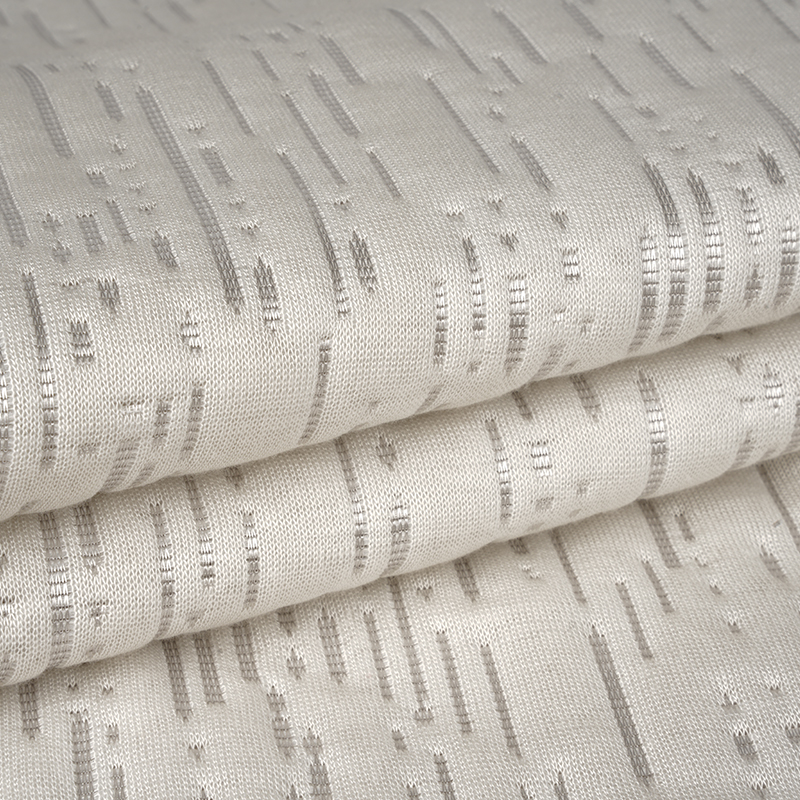
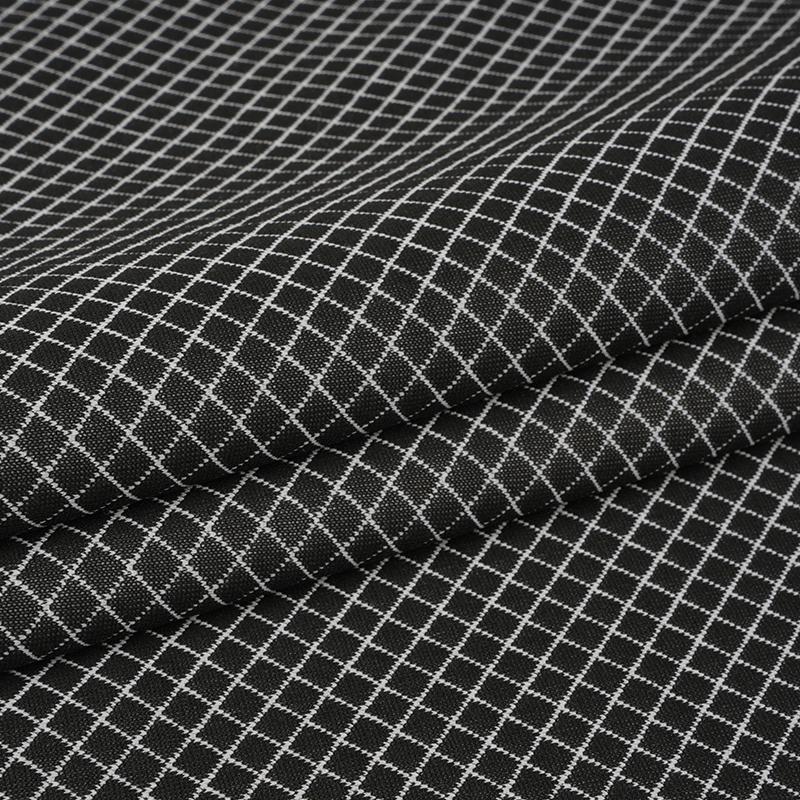
Antibacterial Yarn Children Mattress Fabric
Antibacterial Yarn Children Mattress Fabric
-
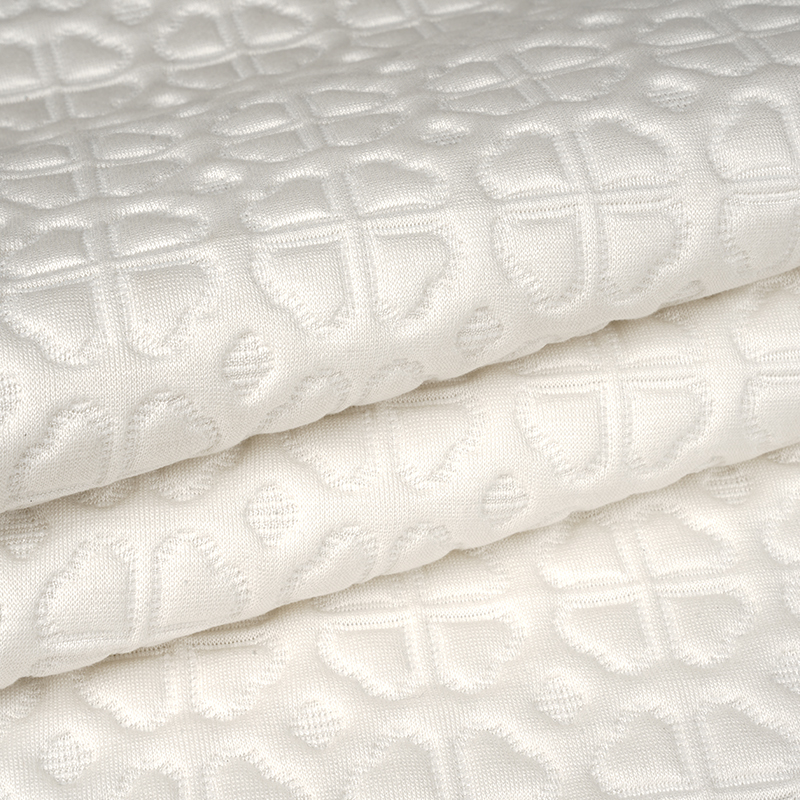
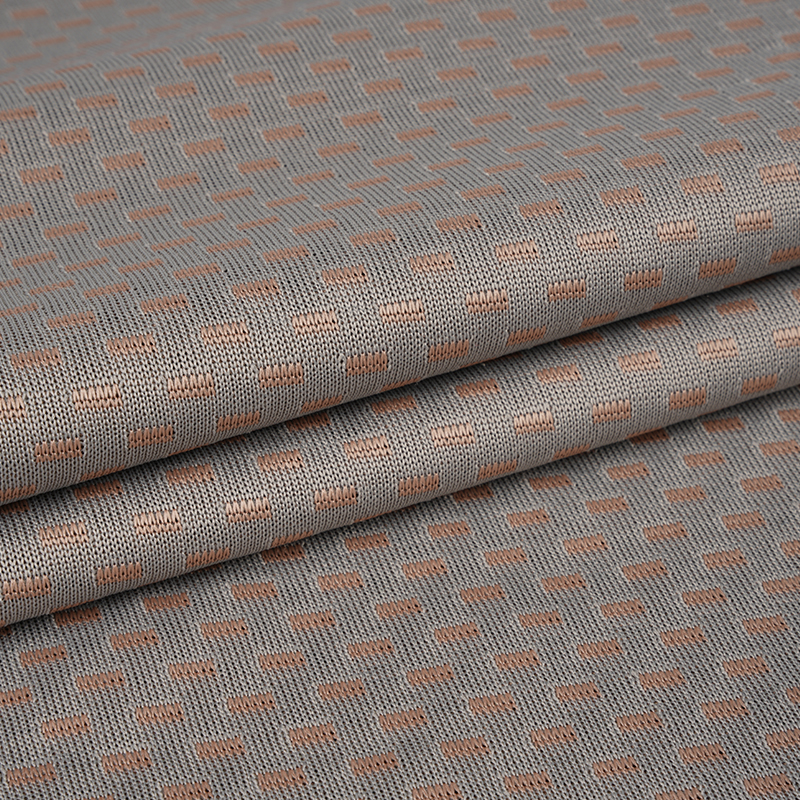
Antibacterial Yarn Children Mattress Fabric
Antibacterial Yarn Children Mattress Fabric
-
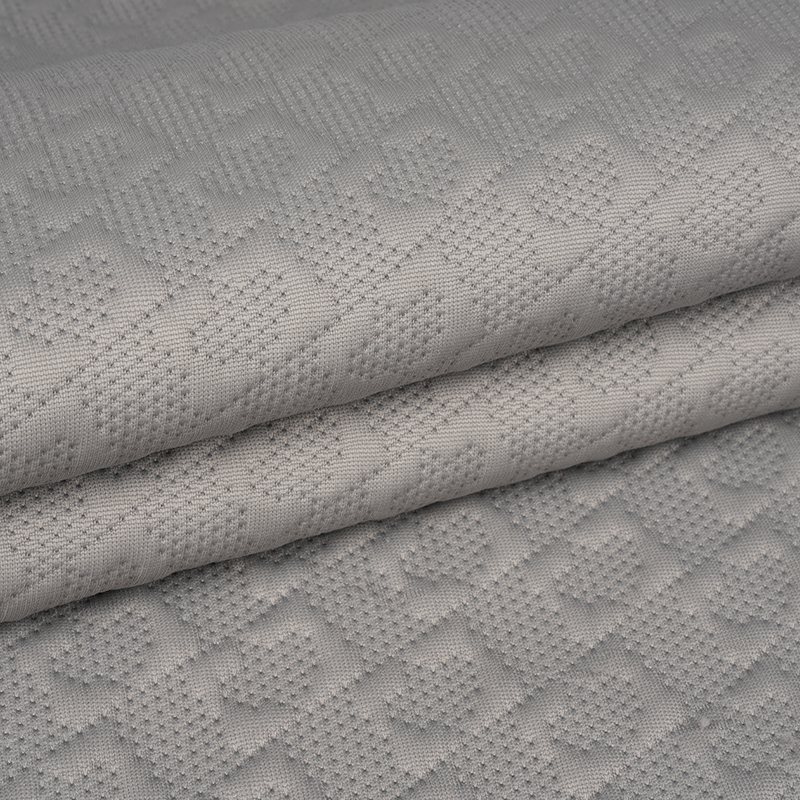
Antibacterial Yarn Children Mattress Fabric
Antibacterial Yarn Children Mattress Fabric
Haven’t Found The Products You Want?
-
-
Shen Jinyan:+86-15158070676
[email protected]
Liang Jinwen:+86-15757186621
[email protected]
Qiu Yingyingn:+86-13819545790
[email protected]
Yi qiao Town, Xiaoshan District, Hangzhou City, Zhejiang Province, China
-
Products
Mattress Fabric Children Mattress Fabric Pillowcase Fabric Pregnancy Pillow Fabric Cooling Mat Fabric Bedding Fabric Sofa Fabric Pet Friendly Fabrics -
Contact Information
About Us Products Strength Sustainability News Contact Us
Copyright © Hangzhou Xinsili Decorative Fabric Weaving Co.,Ltd. All Rights Reserved.
Functional Decorative Textile Manufacturers
