

 English
 中文简体
中文简体 Español
 عربى
عربى русский


Polyester Children Mattress Fabric: A Functional Textile Solution for Safer, More Comfortable Sleep Spaces
Content
- 1 1. Why Children’s Mattress Fabric Requires Specialized Consideration
- 2 2. Product Overview
- 3 3. Main Advantages of Polyester Children Mattress Fabric
- 4 4. Advantages Compared with Common Alternative Materials
- 5 5. Functional Development Possibilities
- 6 6. Manufacturing Strengths and Process Control
- 7 7. Applications in Children’s Products and Commercial Spaces
- 8 8. How the Fabric Supports Brand and Product Differentiation
- 9 9. Sustainability and Responsible Textile Selection
- 10 10. Quality Evaluation Before Bulk Purchasing
- 11 11. Practical Buying Guide for Importers and Manufacturers
- 12 12. Why Work with an Experienced Functional Decorative Textile Manufacturer?
- 13 13. Comparison Table for Material Selection
- 14 14. Frequently Asked Questions
- 14.1 Q1: What is Polyester Children Mattress Fabric used for?
- 14.2 Q2: Is polyester suitable for children’s mattresses?
- 14.3 Q3: Can the fabric be customized?
- 14.4 Q4: Can this fabric be used for removable mattress covers?
- 14.5 Q5: Does polyester fabric resist stains?
- 14.6 Q6: Can antibacterial treatment be added?
- 14.7 Q7: Is the fabric suitable for hot or humid climates?
- 14.8 Q8: Can the fabric be used in hotels or childcare facilities?
- 14.9 Q9: What information should be provided for a quotation?
- 14.10 Q10: How should buyers approve the fabric?
- 14.11 Q11: What makes an experienced supplier valuable?
- 14.12 Q12: Where is the manufacturer located?
- 15 15. Conclusion
- 16 References
- 17 Product: Polyester Children Mattress Fabric
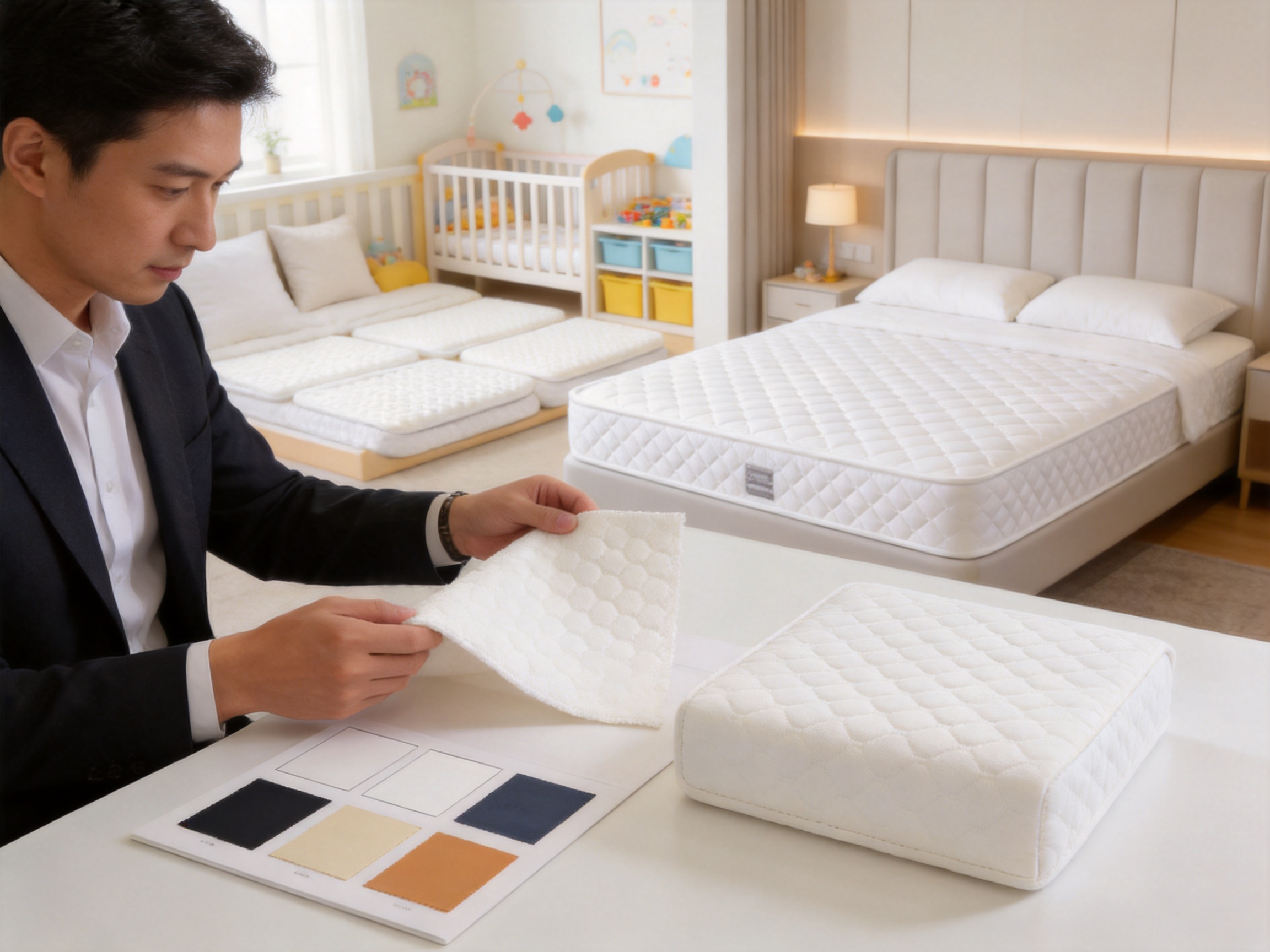
Children’s mattresses require more than a soft surface and attractive appearance. They must support a clean, comfortable, durable, and visually welcoming sleep environment while meeting the practical demands of homes, nurseries, hotels, childcare facilities, and commercial bedding projects. The outer fabric plays an important role in this performance. It affects the mattress’s hand feel, breathability, surface protection, appearance, cleaning convenience, service life, and compatibility with different filling systems.
Polyester Children Mattress Fabric is designed for manufacturers and buyers seeking a reliable textile foundation for children’s mattresses and related bedding products. Made from polyester fibers, this fabric can provide a balanced combination of durability, dimensional stability, color versatility, production efficiency, and comfort. It is suitable for mattress covers, removable mattress panels, baby and children’s sleeping products, nap mats, bedding accessories, and selected upholstered applications where a practical and attractive textile is required.
The product is manufactured by Hangzhou Xinsili Decorative Fabric Weaving Co., Ltd., a professional decorative textile manufacturer based in Hangzhou, Zhejiang Province, China. With 19 years of industry experience, a 12,000-square-meter factory area, and recognition as a National High-Tech Enterprise in 2023, the company focuses on functional decorative fabrics for residential, hotel, and commercial environments. Its manufacturing philosophy combines stable production, design development, process control, and customer-oriented cooperation.
This article explains the characteristics of Polyester Children Mattress Fabric, its advantages compared with less suitable alternatives, the production capabilities behind it, and the factors buyers should consider when selecting fabric for children’s mattress projects.
1. Why Children’s Mattress Fabric Requires Specialized Consideration
A children’s mattress is used in an environment where comfort, hygiene, durability, and visual appeal are closely connected. Children may sleep, play, read, or rest on the mattress. The fabric can be exposed to body moisture, food particles, dust, frequent handling, friction, accidental spills, and repeated cleaning. A fabric that performs well in an adult bedroom may not automatically be the most suitable choice for children’s furniture or bedding.
The fabric must also work effectively with the mattress construction. It may be laminated, quilted, knitted, woven, coated, or combined with a zipper system. It must remain compatible with foam, fiberfill, springs, protective barriers, and other internal components. If the fabric stretches excessively, shrinks unevenly, loses color, or becomes uncomfortable against the skin, the entire product experience can be affected.
For manufacturers, the material must also be efficient during cutting, sewing, quilting, packaging, and installation. Consistent width, stable construction, reliable color, and predictable handling help reduce production interruptions. These advantages become especially valuable in large orders or recurring supply programs, where small inconsistencies can create substantial quality and cost problems.
Polyester Children Mattress Fabric addresses these requirements through a practical fiber structure and adaptable manufacturing approach. Polyester is widely used in functional textiles because it can be engineered for strength, resilience, color retention, and easy care. When woven or finished under controlled conditions, polyester fabric can offer a dependable balance between performance and cost.
2. Product Overview
Polyester Children Mattress Fabric is a fabric solution intended for children’s mattress covers and related products. Its polyester construction supports a surface that can be developed in different textures, weights, colors, patterns, and functional configurations according to the intended application.
The product category can serve several types of buyers. Mattress manufacturers may use it for complete mattress covers or selected exterior panels. Bedding companies may integrate it into children’s nap mats, portable sleeping products, play mats, and removable covers. Furniture manufacturers may consider it for child-oriented upholstered products. Hospitality and childcare projects may use coordinated fabric programs for rooms, rest areas, and soft furnishings.
Because product requirements vary by market and application, fabric specifications should be confirmed before mass production. Important parameters may include composition, fabric width, weight, construction, thickness, color, finishing treatment, abrasion performance, shrinkage, color fastness, air permeability, moisture behavior, and test requirements. A professional supplier can support the selection process by matching the fabric construction to the design and performance targets.
The product is particularly suitable for projects that require a reliable decorative textile with functional potential. It can be developed as part of a broader material program that includes mattress fabric, pillowcase fabric, pregnancy pillow fabric, cooling mat fabric, bedding fabric, sofa fabric, and pet-friendly fabric. This wider product focus can help buyers coordinate related textile applications through one experienced manufacturing partner.
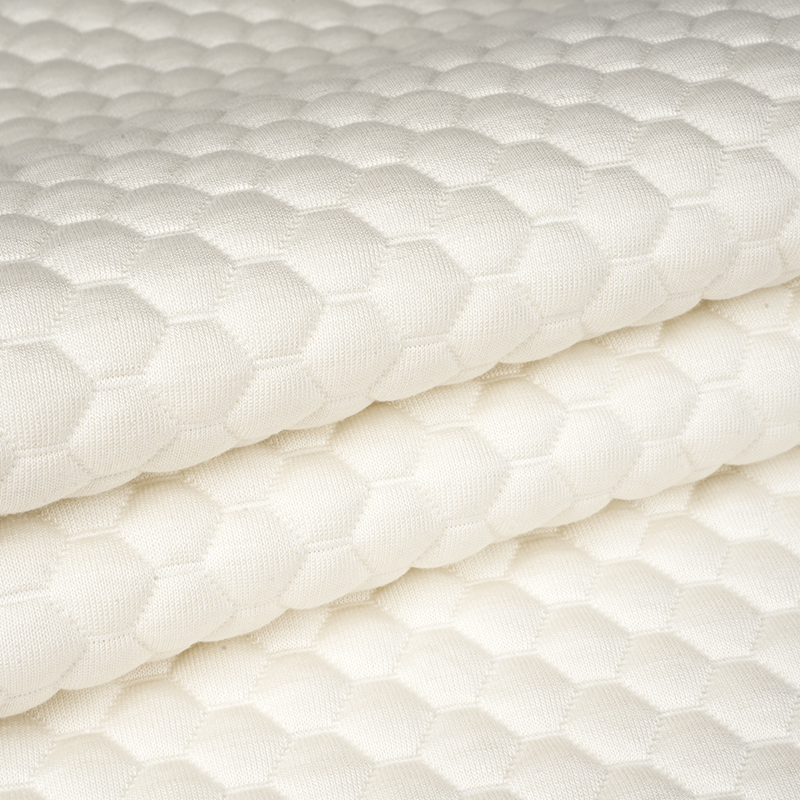
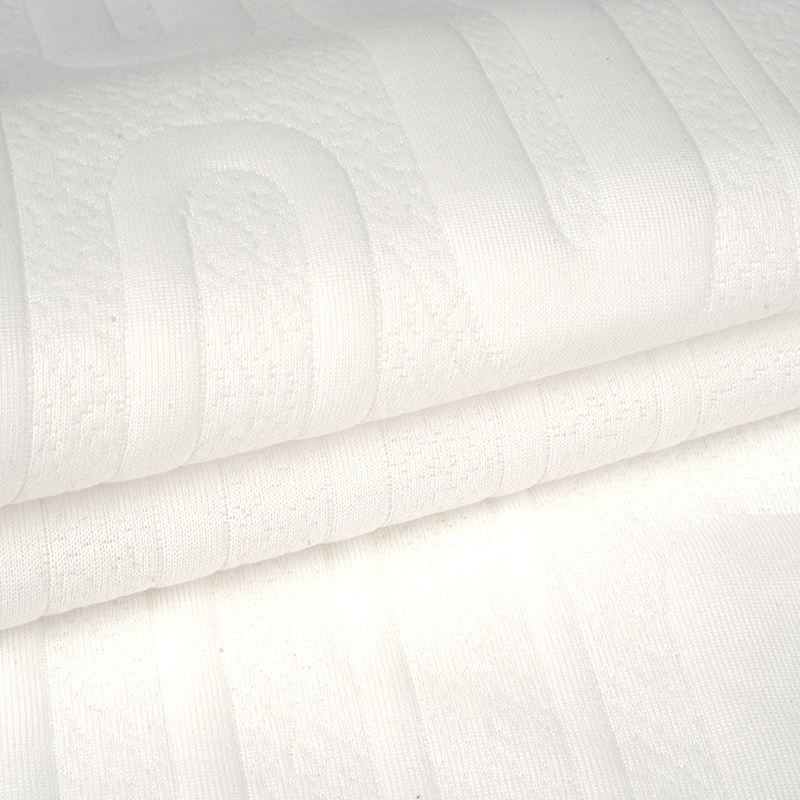
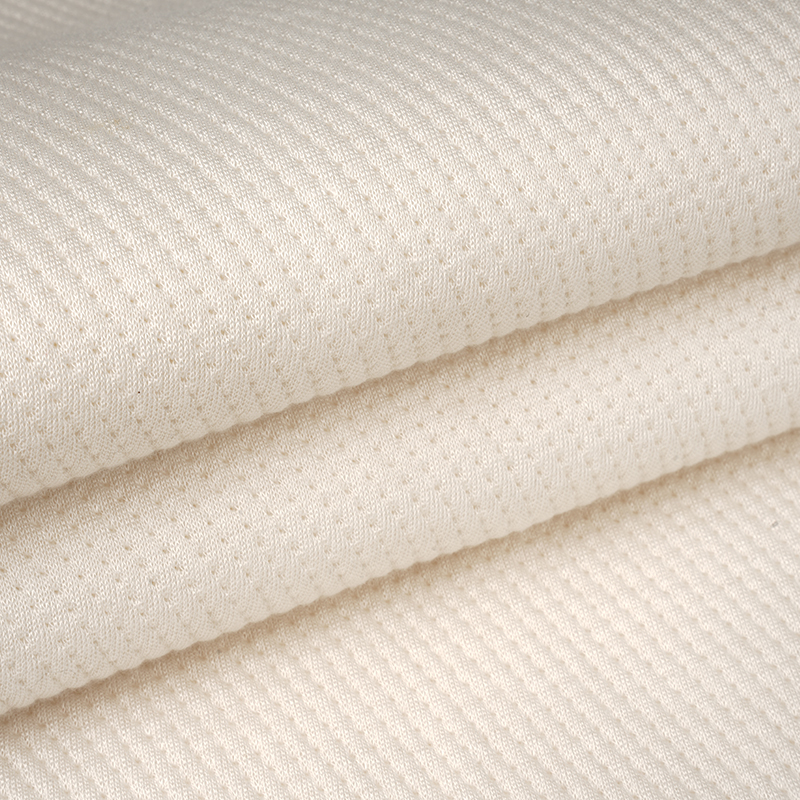
Polyester Children Mattress Fabric
3. Main Advantages of Polyester Children Mattress Fabric
3.1 Durable Surface Performance
Children’s products are exposed to active use. A mattress may be moved, folded, carried, climbed on, or used in ways that create more friction than a traditional adult mattress. Polyester fibers are known for their useful tensile strength and resistance to everyday wear. When the fabric construction and finishing are correctly selected, the surface can remain attractive and functional through repeated use.
Durability is important not only for the final consumer but also for mattress producers and commercial buyers. A longer-lasting cover can reduce premature replacement, customer complaints, and maintenance costs. For childcare facilities, hotels, and institutional environments, a fabric with dependable wear performance can support more efficient asset management.
Compared with delicate natural fabrics that may require more careful handling, polyester offers a practical alternative for high-use children’s products. It can be engineered to provide a smooth surface, textured appearance, quilted effect, or decorative pattern without sacrificing the basic requirements of production efficiency and serviceability.
3.2 Dimensional Stability
Mattress covers need to maintain their shape. Excessive shrinkage or distortion can make installation difficult, affect the fit around foam or filling materials, and create visible wrinkles. Polyester generally provides good dimensional stability when the yarn, construction, heat setting, and finishing processes are appropriately controlled.
This characteristic can be especially valuable for removable children’s mattress covers. A cover that maintains a predictable size after care and handling is easier to remove, launder, reinstall, and align. Stable dimensions also support more consistent cutting plans and reduce material waste during manufacturing.
Actual shrinkage performance depends on the fabric specification and treatment. Buyers should request technical data and approve pre-production samples before placing a large order. A responsible production process includes confirming the relationship between the fabric and the cleaning or finishing method expected in the target market.
3.3 Easy-Care Potential
Children’s bedding can encounter spills, dust, perspiration, and frequent contact. Easy-care performance is therefore a major purchasing consideration. Polyester fabrics are often selected because they can be developed for practical cleaning and maintenance. Depending on the construction and finish, the fabric may dry relatively quickly and retain its appearance after repeated routine care.
Easy-care performance does not mean that every polyester fabric is automatically stain-proof, washable, or suitable for high-temperature laundering. The actual care instructions must be established according to the final fabric construction and any applied treatment. Nevertheless, polyester provides a flexible base for developing fabrics that are convenient for modern household and commercial use.
For product brands, this can become a meaningful selling point. Parents and facility managers generally value products that are attractive but not difficult to maintain. A cover that balances comfort, appearance, and care convenience can improve user satisfaction and contribute to the perceived value of the mattress.
3.4 Color and Design Flexibility
Children’s products often depend on color and pattern to create a friendly atmosphere. Soft neutrals may be suitable for minimalist nurseries, while brighter shades and playful patterns may be preferred for children’s rooms, daycare centers, and themed hospitality spaces. Polyester can support a broad range of color and decorative development options.
The material may be produced in solid colors, mélange effects, jacquard-like visual effects, printed designs, textured surfaces, quilted structures, or coordinated color groups. This flexibility allows mattress manufacturers to create distinct collections for different age groups, retail channels, room concepts, and seasonal launches.
Color development should be managed carefully. A professional textile program normally includes laboratory dips, sample approval, bulk shade control, and inspection under suitable lighting conditions. Consistent color is important when mattress fabric must match pillowcases, sheets, sofa textiles, or other soft furnishings in the same product family.
3.5 Comfortable Hand Feel
Children’s mattress fabric should feel pleasant and non-irritating during contact. Polyester is not limited to one texture or hand feel. Through yarn selection, weaving or knitting technology, density, brushing, embossing, coating, and finishing, it can be developed from smooth and cool-touch surfaces to soft, brushed, or lightly textured constructions.
Hand feel is influenced by more than fiber content. The final experience depends on fabric weight, surface treatment, mattress quilting, backing material, and the type of sheet or protector used above the mattress. For this reason, buyers should evaluate the fabric as part of the complete mattress system rather than judging it only as a loose textile swatch.
Xinsili’s focus on decorative and functional fabrics enables it to consider appearance and tactile performance together. This is useful for buyers that want a children’s mattress to look appealing while also providing a comfortable surface beneath a fitted sheet or in a direct-contact design.
3.6 Production Efficiency
Polyester fabrics are widely accepted across the textile supply chain. Many converters, sewing factories, quilting plants, and mattress manufacturers have experience handling polyester materials. This can simplify cutting, stitching, bonding, and assembly compared with less familiar specialty materials.
Predictable handling can improve production efficiency. The fabric can be supplied in rolls suitable for automated or semi-automated cutting, subject to the selected specification. Stable fabric width and controlled construction help manufacturers plan nesting layouts, estimate consumption, and maintain consistent cover dimensions.
For buyers managing multiple product models, polyester also offers a useful platform for standardization. One base fabric family may be adapted into different colors, weights, patterns, or finishes while retaining a familiar production process. This can reduce the learning curve when launching new children’s mattress designs.
4. Advantages Compared with Common Alternative Materials
Material comparison should always be based on the intended application, target market, budget, and required testing. No single fiber is ideal for every mattress. However, Polyester Children Mattress Fabric has several practical advantages over certain alternative materials.
4.1 Compared with Less Durable Decorative Fabrics
Some decorative fabrics are selected mainly for visual appeal and may not be engineered for repeated friction, stretching, cleaning, or mattress assembly. Their surfaces can be vulnerable to snagging, crushing, pilling, or seam damage. A polyester mattress fabric designed for functional use can provide a more balanced combination of decorative value and everyday performance.
This is especially important when the fabric will be used in childcare or hospitality settings. A visually attractive material that deteriorates quickly may create a higher total cost than a slightly more performance-oriented fabric. Polyester provides a practical basis for combining a decorative surface with durability and care considerations.
4.2 Compared with Less Stable Natural Fiber Constructions
Natural fibers can offer appealing softness, breathability, and a familiar tactile experience. However, some natural fiber constructions may experience greater shrinkage, wrinkling, moisture retention, or color change during repeated care. These characteristics are not disadvantages in every situation, but they can create additional technical requirements for mattress covers.
Polyester is often chosen when dimensional stability, quick handling, color versatility, and long-term appearance are important. A blended construction may also be considered where the buyer wants to combine polyester’s practical performance with another fiber’s tactile or moisture-related properties. The correct decision depends on the final design and test requirements.
4.3 Compared with Low-Grade Synthetic Fabrics
Not all synthetic fabrics offer the same quality. Low-grade materials may show irregular surfaces, inconsistent weight, poor shade matching, weak seams, or inadequate finishing. These problems can affect both the appearance and the service life of a children’s mattress.
The advantage of sourcing from an experienced functional textile manufacturer is the opportunity to control the entire development chain more carefully. Fiber and yarn selection, weaving parameters, finishing, inspection, packing, and communication can be coordinated instead of treated as isolated steps. This integrated approach helps distinguish a purpose-developed polyester fabric from a generic low-cost textile.
5. Functional Development Possibilities
The fabric can be developed according to the performance goals of the final mattress. The following possibilities should be discussed with the manufacturer and confirmed through appropriate testing before commercial claims are made.
5.1 Antibacterial Textile Development
Antibacterial treatment may be considered for mattress covers and bedding products where hygiene is a key concern. Such treatment can be designed to inhibit the growth of selected microorganisms on the textile surface under specified test conditions. The effectiveness depends on the chemistry, application method, durability, and testing standard.
For children’s products, safety and compliance are essential. Any antibacterial claim should be supported by relevant test documentation and should not be used as a substitute for cleaning, ventilation, mattress protection, or responsible product care. Buyers should confirm whether the treatment is suitable for skin-contact products and the regulations of the destination market.
5.2 Moisture-Management Features
Moisture can affect comfort and hygiene. Polyester fabric can be engineered or finished to support moisture spreading, faster drying, or improved surface management. These features may be useful in children’s mattresses, nap mats, and bedding products used in warm or humid environments.
Moisture management should be evaluated together with air permeability, mattress filling, cover design, and the use of sheets or protectors. A fabric treatment alone cannot determine the complete moisture performance of a mattress. A coordinated product design is more likely to deliver a comfortable result.
5.3 Flame-Retardant Options
Some markets and commercial projects require flame-retardant textile solutions. Polyester fabric can be developed with flame-retardant technologies, but the specific method and performance depend on the product construction, treatment system, and applicable regulations.
Flame-retardant requirements should be identified at the beginning of product development. Buyers need to clarify the required testing standard, end use, laundering conditions, and certification documents. A fabric should never be described as flame-retardant solely because it contains polyester. Performance claims must be supported by testing appropriate to the finished product.
5.4 Sleep-Supporting Comfort
Children’s sleep quality is influenced by the overall mattress system, including firmness, ventilation, temperature, noise, pressure distribution, and tactile comfort. The fabric contributes to this system by affecting surface feel, moisture behavior, airflow, and contact comfort.
A carefully selected fabric can help create a more pleasant sleep environment. Softness, smoothness, low surface irritation, and appropriate thermal behavior may be important, especially when the fabric is used beneath lightweight bedding or in direct-contact applications. Fabric development should be coordinated with mattress engineering rather than treated as an isolated decorative decision.
6. Manufacturing Strengths and Process Control
The performance of a textile product is strongly influenced by the manufacturing process. A well-designed polyester fabric can fail to meet expectations if its production is inconsistent. Xinsili’s manufacturing strengths are based on long-term experience in decorative fabric weaving, functional product development, factory production, and customer cooperation.
6.1 Experience in Textile Manufacturing
With 19 years of industry experience, the company has developed familiarity with the technical and commercial requirements of decorative textiles. Long-term experience can support better judgment in yarn selection, construction design, color development, finishing coordination, and application analysis.
Experience is particularly useful when a buyer has a new concept but has not finalized the fabric specification. A manufacturer with a broad product perspective can help translate requirements such as softness, durability, easy care, or a specific visual effect into practical textile parameters. This reduces the risk of choosing a fabric based only on appearance.
6.2 Factory Scale and Production Organization
The company operates within a 12,000-square-meter factory area. Factory scale alone does not guarantee quality, but it can provide the space and organization necessary for production planning, material handling, sampling, inspection, storage, and order coordination.
A suitable production environment helps separate development activities from bulk manufacturing and supports a more orderly workflow. For buyers, this can improve communication about sampling, production scheduling, packaging, and delivery requirements. Stable organization is especially important when several colors, constructions, or product categories are being handled at the same time.
6.3 Research and Development Orientation
Decorative textiles increasingly need to perform multiple functions. Visual appeal remains important, but buyers also expect fabrics to support comfort, hygiene, durability, safety, and sustainability goals. Xinsili’s research and development orientation focuses on functional decorative fabrics and the integration of technologies such as antibacterial, moisture-resistant, flame-retardant, sleep-supporting, and comfort-improving functions.
This approach is relevant to children’s mattress fabric because the product must satisfy both emotional and practical expectations. A playful or refined appearance can attract consumers, while functional performance supports daily use. Research and development can help bring these requirements together in one coordinated fabric program.
6.4 Process Consistency
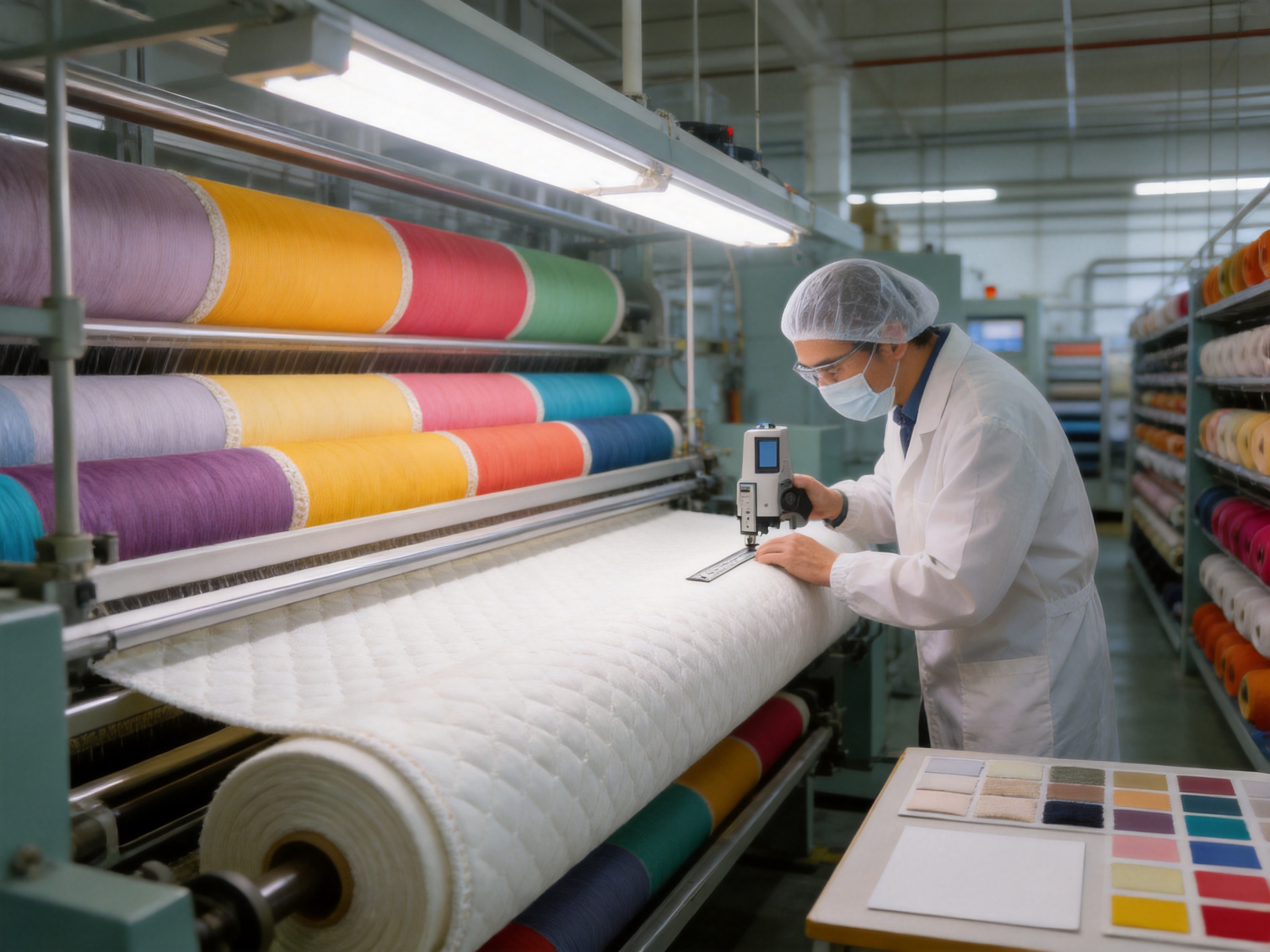
Consistent manufacturing involves more than inspecting the final roll. It begins with confirming the raw material and yarn requirements, continues through weaving or knitting, includes finishing and conditioning, and concludes with inspection and packing. Each stage can affect the final surface, width, weight, shade, strength, and handling characteristics.
Important quality-control points may include fabric width, weight, construction, surface defects, color consistency, roll length, edge condition, pilling tendency, seam behavior, shrinkage, and performance after finishing. The exact inspection plan should be agreed upon according to the buyer’s specification and the intended market.
6.5 Customization Capability
Children’s mattress projects often require customization. A buyer may need a particular color palette, fabric width, pattern, weight, hand feel, backing, finish, or functional treatment. Customization can also include coordinated fabrics for pillows, mattress protectors, bedding sets, sofas, or children’s room accessories.
Customization is most effective when the buyer provides detailed information early. Useful information includes the mattress dimensions, cover structure, intended age range, direct-contact conditions, washing method, target price, sales region, required standards, and expected order quantity. These details allow the manufacturer to recommend a more suitable construction instead of offering a generic fabric.
7. Applications in Children’s Products and Commercial Spaces
Polyester Children Mattress Fabric can be used in many environments where children’s sleeping and resting products must combine comfort, durability, and attractive design.
7.1 Home Mattresses
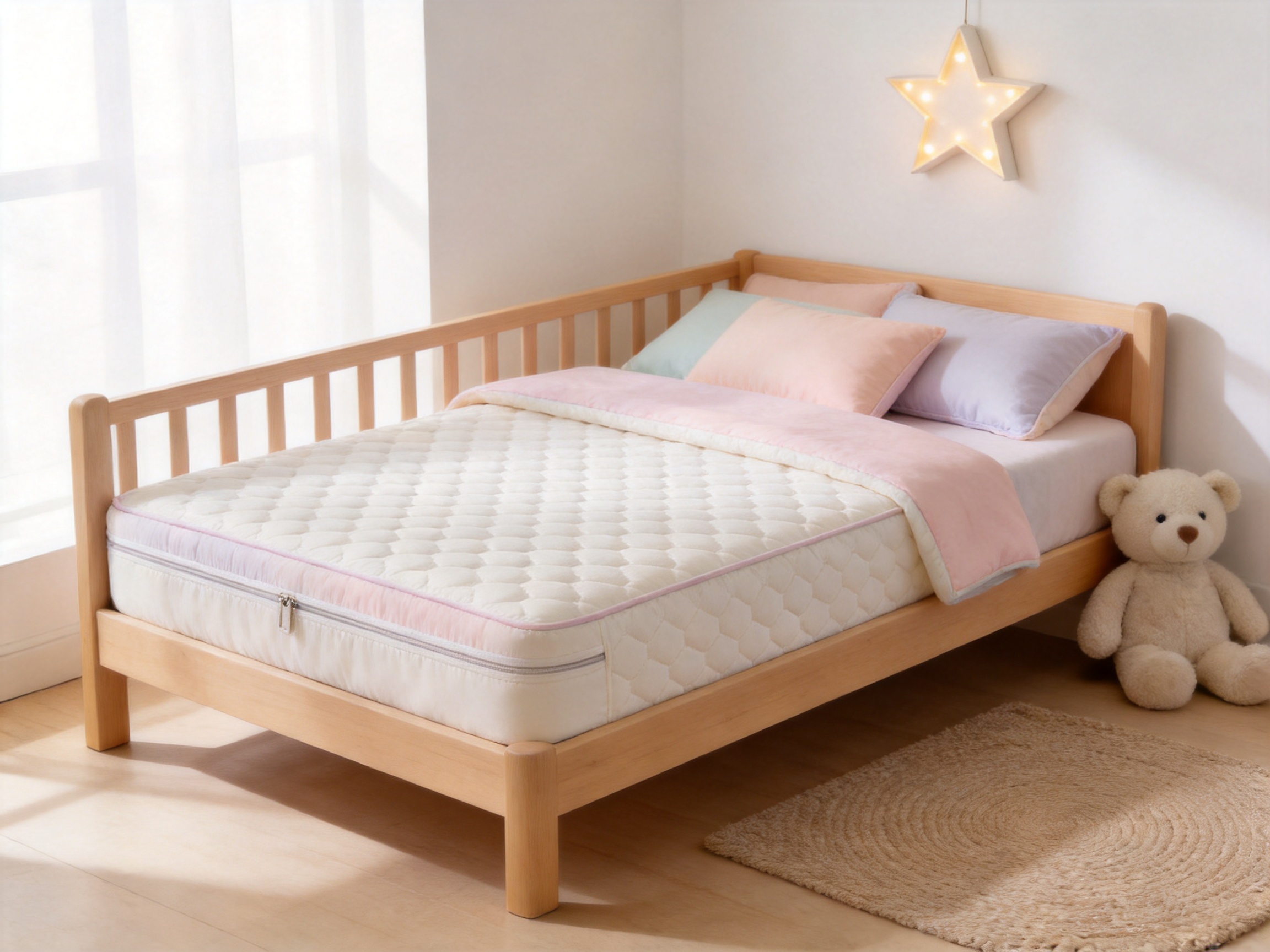
For household children’s mattresses, the fabric can support designs ranging from simple removable covers to decorative mattresses with quilting and coordinated bedding. Parents often look for materials that feel comfortable, look clean, and are manageable in everyday use. Polyester can meet these expectations when the selected construction is soft, stable, and suitable for the planned care method.
7.2 Baby and Toddler Rest Products
Baby and toddler products require particularly careful material selection. The fabric should be evaluated for surface feel, color fastness, chemical safety, seam construction, and compatibility with the complete product design. Polyester fabric may be used in nap mats, portable mattresses, crib-related accessories, and removable covers, provided the finished product meets the applicable safety requirements.
7.3 Childcare and Kindergarten Facilities
Childcare facilities often need fabrics that can tolerate frequent use, repeated handling, and regular cleaning. A durable polyester mattress fabric can support nap mats and rest mattresses used by multiple children over time. Color coding and coordinated designs may also help organize different rooms or activity areas.
For institutional projects, buyers should consider roll consistency, replacement availability, care instructions, and long-term supply planning. A fabric that is attractive at the beginning but difficult to replenish later can create maintenance problems. Establishing a stable supply relationship is therefore important.
7.4 Hotels and Family Accommodation
Hotels, serviced apartments, resorts, and family-oriented accommodation providers may use children’s mattresses or sleeping accessories to improve their guest experience. The fabric must contribute to a clean and welcoming appearance while supporting the operational requirements of hospitality management.
Xinsili’s focus on textiles for residential, hotel, and commercial environments is relevant to these applications. The same material development principles used for home products can be adapted for larger projects requiring coordinated colors, repeat orders, and functional performance.
7.5 Playrooms and Soft-Furnishing Products
Children’s playrooms may include soft mats, reading cushions, upholstered benches, and rest areas. A polyester fabric developed for mattress applications may also be considered for selected soft-furnishing products if its abrasion, seam, cleaning, and safety performance are appropriate.
Using coordinated fabrics across mattresses, cushions, sofas, and accessories can create a consistent interior concept. This is useful for childcare brands, educational facilities, hotels, and furniture manufacturers seeking a unified design language.
8. How the Fabric Supports Brand and Product Differentiation
In a competitive bedding market, a mattress is judged by more than its internal filling. Consumers notice the cover’s appearance, touch, cleanliness, and perceived quality. A well-developed fabric can help a brand communicate safety, comfort, modern design, or environmental responsibility.
For children’s collections, color and texture can create a recognizable identity. Soft pastel shades may communicate calmness, while vivid colors can support playful themes. Subtle textures may convey premium quality without becoming visually overwhelming. A coordinated fabric range can allow a brand to launch several mattress models while maintaining a consistent visual relationship.
Functional performance can provide another point of differentiation. Features related to moisture management, antibacterial performance, flame resistance, or easy care may be valuable when they are technically verified and communicated responsibly. Buyers should avoid vague claims and instead use clear, test-supported descriptions that explain the practical benefit.
The supplier’s ability to customize fabric can help brands develop exclusive products rather than relying entirely on standard market materials. Exclusive colors, patterns, textures, and finishing combinations can make a children’s mattress more distinctive and reduce direct comparison based only on price.
9. Sustainability and Responsible Textile Selection
Sustainability in textile manufacturing includes material efficiency, product durability, responsible chemical management, waste reduction, energy use, packaging, and end-of-life considerations. A durable fabric can contribute to sustainability by extending product service life and reducing the need for frequent replacement.
Polyester is a synthetic fiber, so buyers should consider the complete environmental profile rather than assuming that one material is automatically sustainable. Important questions may include whether recycled polyester is available, how production waste is managed, what finishing chemicals are used, and whether the fabric can be separated from other mattress components at the end of its useful life.
Durability remains a meaningful sustainability factor. If a mattress cover can maintain acceptable appearance and performance for a longer period, the product may generate less replacement waste. However, durability should be balanced with safety, comfort, recyclability, and responsible manufacturing.
Xinsili’s stated commitment to environmentally friendly decorative fabric solutions reflects the growing need for textiles that support healthier and more sustainable living spaces. Buyers should request specific information about available materials, treatments, testing, and production practices when sustainability is a formal purchasing requirement.
10. Quality Evaluation Before Bulk Purchasing
Before confirming a large order, buyers should evaluate both the fabric and the supplier. A structured approval process can prevent misunderstandings and help ensure that the textile performs as expected in the finished mattress.
10.1 Review the Technical Specification
The specification should identify the fiber composition, construction, width, weight, color, finish, and intended use. If the fabric will be quilted, laminated, bonded, or sewn into a removable cover, these processes should be considered during approval.
The specification should also identify acceptance criteria. These may include shade tolerance, allowable defects, roll length, shrinkage limits, pilling requirements, abrasion performance, and color fastness. Written confirmation reduces the possibility of different interpretations between buyer and supplier.
10.2 Test the Complete Cover
A loose fabric swatch cannot fully represent the performance of a finished mattress. The buyer should make a sample cover or complete mattress prototype whenever possible. This allows evaluation of sewing, zipper installation, quilting, tension, edge appearance, comfort, and fit.
The prototype should be tested under conditions that approximate real use. If the cover will be washed, it should be washed according to the intended care instructions. If it will be used in a commercial environment, the testing should reflect the expected frequency of handling and cleaning.
10.3 Check Skin-Contact Comfort
Children’s products should be assessed for tactile comfort and potential irritation. The surface should not feel excessively rough, abrasive, sticky, or uncomfortable. Any applied treatment should be evaluated according to the safety requirements of the destination market and the expected contact conditions.
10.4 Confirm Documentation
Depending on the market, buyers may need test reports, material declarations, restricted-substance information, care instructions, and other compliance documents. The exact documentation varies by country and product category. These requirements should be discussed before production rather than after the goods are completed.
10.5 Assess Supply Reliability
Product quality includes reliable delivery and repeatability. Buyers should consider production capacity, lead times, minimum order quantities, sample response, communication, packing, roll identification, and the supplier’s ability to reproduce approved colors and constructions.
11. Practical Buying Guide for Importers and Manufacturers
When sourcing Polyester Children Mattress Fabric, buyers should begin with the application rather than choosing solely by price. The right fabric depends on whether the mattress is for home use, childcare, hospitality, retail, travel, or a specialized commercial project.
First, define the contact conditions. Will the fabric be covered by a sheet, used beneath a protector, or placed in direct contact with the child? Direct-contact applications may require greater attention to softness, breathability, chemical safety, and color fastness.
Second, define the care conditions. Will the cover be machine washed, spot cleaned, professionally cleaned, or replaced instead of washed? The expected care method affects fabric construction, finishing, shrinkage requirements, and zipper or seam design.
Third, define the appearance. Identify preferred colors, patterns, texture, surface brightness, and coordination with other fabrics. Providing physical references or color standards can make development more efficient.
Fourth, define the performance requirements. These may include abrasion resistance, pilling resistance, moisture management, antibacterial treatment, flame performance, dimensional stability, and tear strength. Not every project requires every feature, so prioritizing the most important requirements can help control cost.
Fifth, define the commercial requirements. Order quantity, delivery schedule, packaging, labeling, inspection, and repeat-order expectations should be discussed clearly. A supplier should understand whether the project is a one-time development or an ongoing product line.
Finally, approve a production sample before bulk manufacturing. The approved sample should be identified and retained as a reference for shade, hand feel, construction, and appearance. This simple step can improve communication throughout the supply cycle.
12. Why Work with an Experienced Functional Decorative Textile Manufacturer?
A specialized textile manufacturer can offer more value than a trading source that only supplies standard rolls. The difference is visible in development support, technical communication, process coordination, and long-term consistency.
Hangzhou Xinsili Decorative Fabric Weaving Co., Ltd. combines decorative textile expertise with a focus on functional performance. Its product direction includes fabrics for home, hotel, and commercial spaces, allowing the company to understand how textiles must function in real interior environments.
The company’s 19 years of experience support a practical understanding of fabric development and production. Its 12,000-square-meter factory provides an established manufacturing base, while its recognition as a National High-Tech Enterprise in 2023 reflects an orientation toward technical development and innovation.
The company’s stated values include craftsmanship-driven manufacturing, design innovation, and win-win collaboration. These principles are relevant to buyers seeking more than a basic material. A successful supply relationship requires accurate sampling, honest technical discussion, responsive problem-solving, and consistent attention to quality.
For children’s mattress projects, the supplier should be able to discuss the relationship between fabric construction, finishing, mattress assembly, care, and the target market. This application-oriented approach can help buyers avoid selecting a fabric that looks good in a sample but performs poorly in production or use.
13. Comparison Table for Material Selection
| Selection Factor | Polyester Children Mattress Fabric | Potential Benefit for Mattress Manufacturers | Points to Confirm |
|---|---|---|---|
| Durability | Can be engineered for repeated everyday use and friction resistance | Supports longer service life and fewer premature replacements | Confirm abrasion, tear, seam, and pilling performance |
| Dimensional Stability | Generally suitable for stable cover construction when properly finished | Helps maintain fit during cutting, sewing, and care | Check shrinkage and heat-setting results |
| Design Flexibility | Available in varied colors, textures, patterns, and surface effects | Supports children’s collections and coordinated interiors | Approve laboratory samples and bulk shade standards |
| Care Convenience | Can be developed for practical cleaning and drying behavior | Useful for homes, childcare facilities, and hospitality projects | Confirm care method, treatment durability, and color fastness |
| Functional Finishing | May support antibacterial, moisture-related, flame-retardant, or comfort-focused development | Allows closer matching of fabric performance to project needs | Require appropriate test reports and market compliance documents |
| Production Compatibility | Widely familiar to cutting, sewing, quilting, and mattress factories | Can simplify manufacturing and reduce process adjustment | Test the fabric in the actual cover construction |
| Customization | Can be adapted by color, weight, width, texture, and finishing | Supports exclusive product lines and brand differentiation | Confirm minimum order quantity, lead time, and repeatability |
14. Frequently Asked Questions
Q1: What is Polyester Children Mattress Fabric used for?
It is primarily used for children’s mattress covers and related sleeping or resting products. Depending on the construction and test results, it may also be suitable for nap mats, portable mattresses, bedding accessories, cushions, and selected children’s upholstered products.
Q2: Is polyester suitable for children’s mattresses?
Polyester can be suitable when the fabric is properly designed, finished, tested, and incorporated into a complete product that meets the safety requirements of the target market. Fiber content alone does not determine suitability. Buyers should evaluate hand feel, chemical safety, color fastness, durability, care performance, and the complete mattress construction.
Q3: Can the fabric be customized?
Customization may be available in areas such as color, pattern, texture, weight, width, surface treatment, and functional finishing. Requirements should be discussed with the manufacturer because minimum quantities, development time, and testing needs vary according to the selected option.
Q4: Can this fabric be used for removable mattress covers?
It can be considered for removable covers if the fabric construction, shrinkage, seam performance, zipper design, and care instructions are compatible with that use. A prototype cover should be tested before bulk production.
Q5: Does polyester fabric resist stains?
Polyester can be developed for practical care and may receive finishes that improve certain surface properties, but it should not automatically be described as stain-proof. Stain resistance depends on the specific construction and treatment. Buyers should request test information and follow the approved care instructions.
Q6: Can antibacterial treatment be added?
An antibacterial treatment may be available depending on the project requirements. The treatment, testing method, durability after care, and safety documentation should be confirmed before making any antibacterial claim in product marketing.
Q7: Is the fabric suitable for hot or humid climates?
It may be suitable when the fabric and mattress system are designed for appropriate moisture and airflow performance. Climate suitability depends on fabric weight, construction, finishing, filling materials, cover design, bedding layers, and room conditions. Testing the complete product is recommended.
Q8: Can the fabric be used in hotels or childcare facilities?
It can be considered for these environments because polyester may offer useful durability, design flexibility, and care convenience. Commercial buyers should confirm the required abrasion, cleaning, flame, hygiene, and safety standards before selection.
Q9: What information should be provided for a quotation?
Useful information includes the intended application, fabric composition, desired width and weight, color or pattern, quantity, finishing requirements, performance standards, delivery location, packaging expectations, and target delivery schedule. Mattress drawings or sample references can also improve the accuracy of development.
Q10: How should buyers approve the fabric?
Buyers should review a fabric swatch, confirm the technical specification, make a prototype cover or complete mattress, test the material under expected care conditions, and approve a production sample. Documentation and acceptance criteria should be confirmed before mass production.
Q11: What makes an experienced supplier valuable?
An experienced supplier can help connect design goals with fabric construction, finishing, testing, production, and delivery. This can reduce development errors and improve consistency across repeat orders. Experience is especially valuable when a project requires customized color, functional treatment, or coordination with other decorative textiles.
Q12: Where is the manufacturer located?
Hangzhou Xinsili Decorative Fabric Weaving Co., Ltd. is located in Yi Qiao Town, Xiaoshan District, Hangzhou City, Zhejiang Province, China. The company can be contacted through its business communication channels for product specifications, sampling, quotations, and project discussions.
15. Conclusion
Polyester Children Mattress Fabric offers a practical and adaptable textile solution for manufacturers developing comfortable, durable, and attractive children’s mattresses. Its key advantages include useful wear performance, dimensional stability, design flexibility, care convenience, production compatibility, and the potential for functional finishing.
Compared with less stable, less durable, or purely decorative alternatives, a purpose-developed polyester fabric can provide a more balanced foundation for everyday children’s products. It can support home mattresses, childcare nap mats, hotel bedding projects, portable sleeping products, and selected soft furnishings.
The final result depends on correct specification, responsible finishing, appropriate testing, and careful integration with the mattress structure. Buyers should therefore evaluate the complete product rather than relying on fiber content alone. Clear communication about application, care, safety, appearance, performance, and quantity is essential.
With 19 years of experience, a 12,000-square-meter factory area, a functional decorative textile development focus, and recognition as a National High-Tech Enterprise in 2023, Hangzhou Xinsili Decorative Fabric Weaving Co., Ltd. provides a manufacturing platform for customers seeking customized and reliable textile solutions. Its emphasis on craftsmanship, innovation, environmental responsibility, and collaborative service makes it a suitable partner for children’s mattress fabric projects that require both decorative value and practical performance.
For product developers and sourcing teams, the best approach is to begin with the intended use, establish measurable requirements, review samples, test the finished cover, and confirm the production standard before ordering. Through this process, Polyester Children Mattress Fabric can become more than an outer layer: it can be an important part of a safer, more comfortable, more durable, and more appealing sleep environment for children.
References
1. Textile Fiber and Fabric Construction Principles, general technical reference for polyester fiber behavior, fabric structure, and finishing.
2. International Textile Testing Practices, general reference for dimensional stability, color fastness, abrasion, pilling, and fabric strength evaluation.
3. Children’s Product Safety and Chemical Compliance Guidance, general reference for materials used in products intended for infants and children.
4. Functional Textile Development Principles, general reference for antibacterial, moisture-management, flame-retardant, and comfort-oriented textile treatments.
5. Sustainable Textile Manufacturing Practices, general reference for durability, material efficiency, responsible finishing, waste reduction, and product life-cycle considerations.
6. Manufacturer-provided company information and product details supplied for the preparation of this article.
Product: Polyester Children Mattress Fabric
Our Featured Products
-
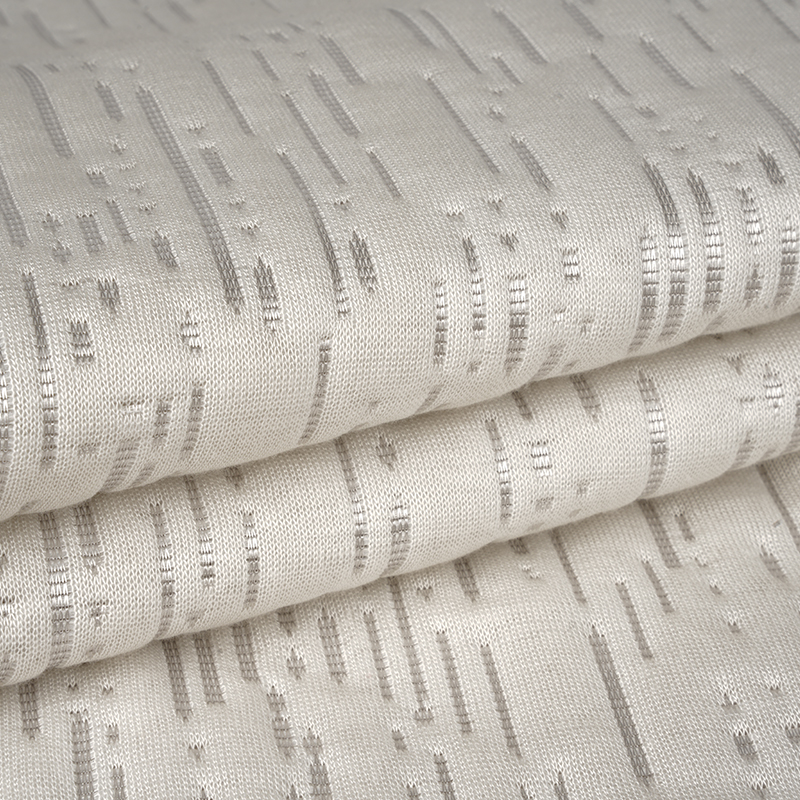
Antibacterial Yarn Children Mattress Fabric
Antibacterial Yarn Children Mattress Fabric
-
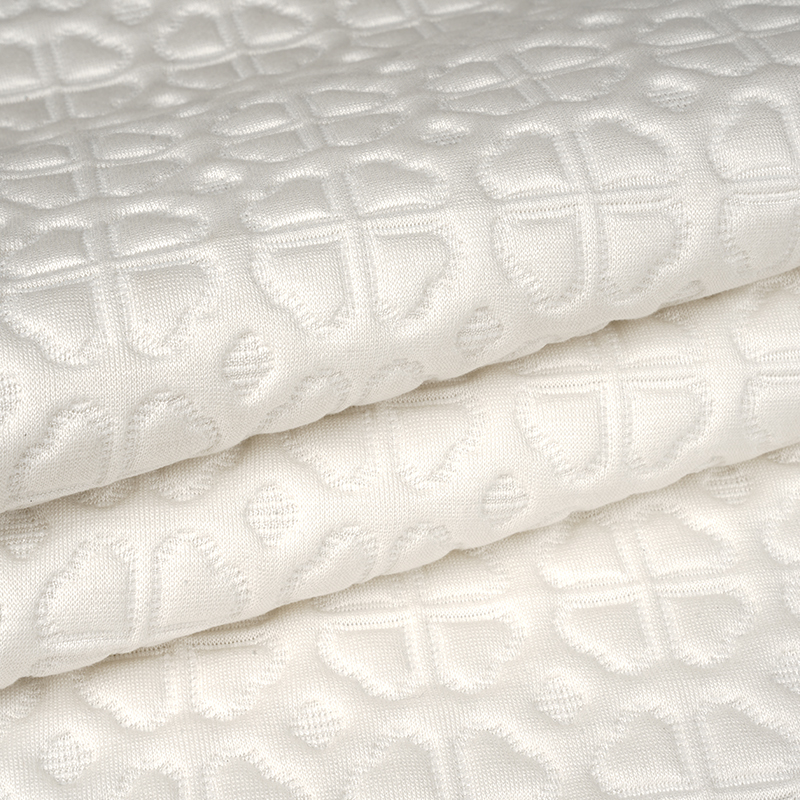
Antibacterial Yarn Children Mattress Fabric
Antibacterial Yarn Children Mattress Fabric
-
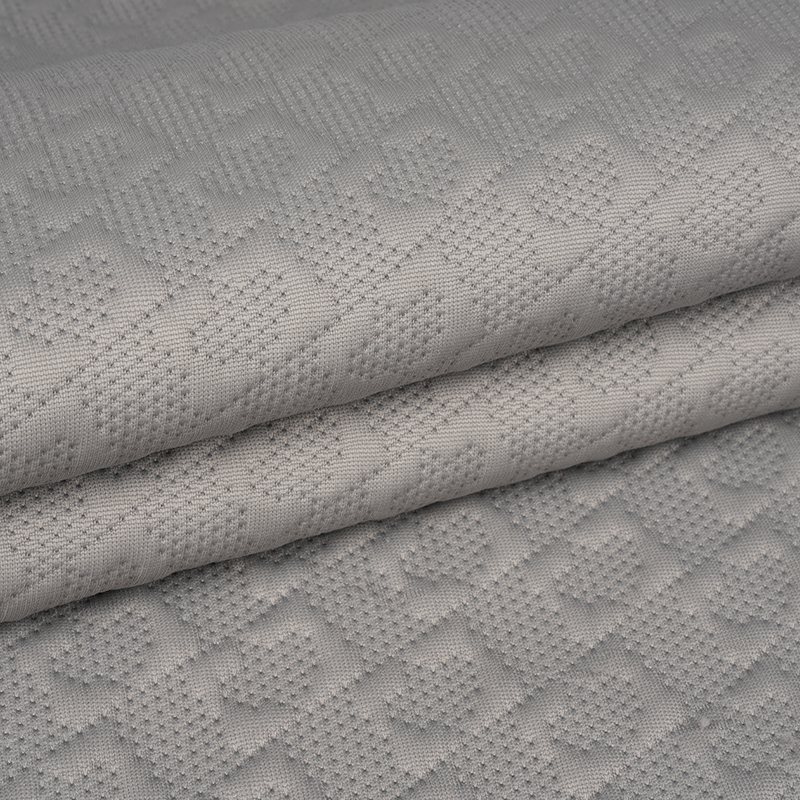
Antibacterial Yarn Children Mattress Fabric
Antibacterial Yarn Children Mattress Fabric
Haven’t Found The Products You Want?
-
-
Shen Jinyan:+86-15158070676
[email protected]
Liang Jinwen:+86-15757186621
[email protected]
Qiu Yingyingn:+86-13819545790
[email protected]
Yi qiao Town, Xiaoshan District, Hangzhou City, Zhejiang Province, China
-
Products
Mattress Fabric Children Mattress Fabric Pillowcase Fabric Pregnancy Pillow Fabric Cooling Mat Fabric Bedding Fabric Sofa Fabric Pet Friendly Fabrics -
Contact Information
About Us Products Strength Sustainability News Contact Us
Copyright © Hangzhou Xinsili Decorative Fabric Weaving Co.,Ltd. All Rights Reserved.
Functional Decorative Textile Manufacturers
