

 English
 中文简体
中文简体 Español
 عربى
عربى русский


Tencel Pillowcase Fabric for Cooler, Softer, and More Functional Bedding
Content
- 1 Understanding Tencel Pillowcase Fabric
- 2 Why Pillowcase Fabric Matters
- 3 Key Advantages of Tencel Pillowcase Fabric
- 4 Comparison with Common Pillowcase Fabric Options
- 5 Advantages Over Competitor Products
- 6 Manufacturing Strength Behind the Fabric
- 7 Applications of Tencel Pillowcase Fabric
- 8 Comfort, Health, and Sustainability Considerations
- 9 Design and Customization Opportunities
- 10 How the Company’s Strengths Support Global Buyers
- 11 Recommended Buyer Evaluation Points
- 12 Care and Use Considerations
- 13 Q&A: Tencel Pillowcase Fabric
- 13.1 Q1: What makes Tencel Pillowcase Fabric suitable for pillowcases?
- 13.2 Q2: Is Tencel Pillowcase Fabric cooler than ordinary polyester pillowcase fabric?
- 13.3 Q3: Can the fabric be used for children’s pillowcases?
- 13.4 Q4: Is this fabric only for home bedding?
- 13.5 Q5: Can functional finishing be added?
- 13.6 Q6: How does it compare with silk pillowcase fabric?
- 13.7 Q7: Why is manufacturing experience important for this product?
- 13.8 Q8: Can the fabric be customized?
- 13.9 Q9: What types of buyers may benefit from this fabric?
- 13.10 Q10: What is the main value of working with Hangzhou Xinsili Decorative Fabric Weaving Co., Ltd.?
- 14 Conclusion
- 15 References
- 16 Product: Tencel Pillowcase Fabric
In modern bedding, the pillowcase is no longer treated as a simple cover for a pillow. It is a direct-contact textile that influences skin comfort, sleep temperature, moisture balance, hygiene, bedroom aesthetics, and the perceived quality of the entire bedding set. Tencel Pillowcase Fabric is designed for this higher standard. It combines a smooth hand feel, refined appearance, breathable structure, and practical functional performance suitable for residential, hotel, and commercial bedding applications.
As consumers increasingly seek healthier, more comfortable, and more sustainable sleep environments, fabric selection has become a central part of bedding product design. The pillowcase touches the face and neck throughout the night, so softness, moisture control, cleanliness, and long-term durability are especially important. Tencel-based fabric answers these demands with a naturally smooth touch, excellent moisture absorption, a cool sleeping sensation, and an elegant surface that supports premium pillowcase manufacturing.
Hangzhou Xinsili Decorative Fabric Weaving Co., Ltd. develops and manufactures functional decorative textiles for home, hotel, and commercial spaces. With 19 years of industry experience, a 12,000 square meter factory area, and recognition as a National High-Tech Enterprise in 2023, the company applies advanced textile development and precision manufacturing to create stable, practical, and reliable fabric solutions. Its Tencel Pillowcase Fabric reflects this focus on comfort, function, consistency, and design value.
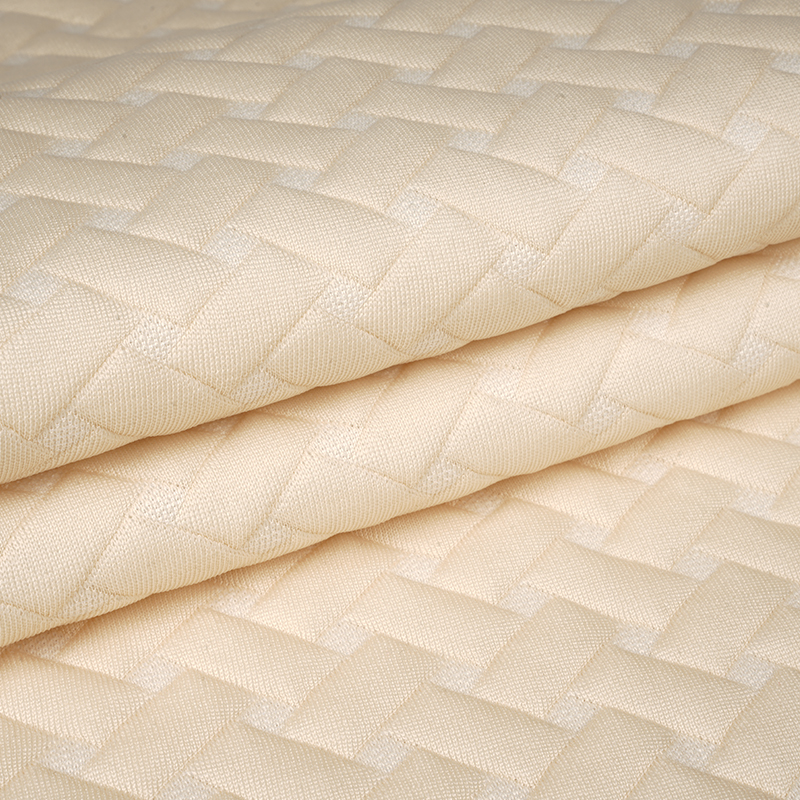
Tencel Pillowcase Fabric
Understanding Tencel Pillowcase Fabric
Tencel Pillowcase Fabric is a textile developed for pillowcase applications using Tencel fiber as a key material. Tencel is widely known for its soft touch, smooth surface, breathable comfort, and favorable moisture management. When used in pillowcase fabric, these properties are especially valuable because the fabric remains close to sensitive facial skin for extended periods. The result is a bedding textile that feels gentle, cool, and refined.
The fabric is suitable for people who care about comfort and hygiene in everyday sleep. It is also attractive for brands and manufacturers that want to upgrade pillowcase collections with a material that feels more premium than many conventional cotton or polyester options. In hotel bedding, maternity pillows, children’s bedding, and high-end home textiles, Tencel Pillowcase Fabric offers an excellent balance between sensory comfort and functional performance.
Unlike ordinary pillowcase fabrics that may feel rough after repeated washing or trap heat during sleep, a well-developed Tencel fabric can maintain a smooth surface and pleasant temperature sensation. Its fiber structure helps move moisture away from the skin, reducing the sticky feeling that often occurs in warm or humid sleeping conditions. This makes it suitable for year-round use, especially for consumers who prefer a cooler sleep surface.
The fabric can be produced in different textures, weights, colors, and finishing styles according to customer needs. It may be used for standard pillowcases, decorative pillow covers, pregnancy pillow covers, cooling bedding, children’s pillowcases, and hotel pillowcase programs. Its versatility allows designers and buyers to develop products that meet both functional and aesthetic expectations.
Why Pillowcase Fabric Matters
The pillowcase is one of the most frequently touched components of bedding. It interacts with facial skin, hair, body oils, skincare products, and moisture during sleep. A poor-quality pillowcase fabric can become uncomfortable, retain odor, feel damp, or lose its attractive appearance quickly. A high-quality pillowcase fabric, on the other hand, can improve the sleep experience and enhance the perceived value of the bedding set.
Consumers increasingly recognize that sleep quality is influenced by more than mattress firmness or pillow shape. The tactile environment around the sleeper also matters. A pillowcase that is soft, breathable, and clean-feeling helps create a calming and comfortable sleep setting. For people with sensitive skin, hot sleepers, children, and pregnant users, the difference between ordinary and functional pillowcase fabric can be especially noticeable.
From a commercial perspective, pillowcase fabric also affects product reputation. Bedding brands, hotels, retailers, and textile importers require fabrics that are comfortable at first touch and reliable after repeated use. The fabric must perform during cutting, sewing, washing, packaging, shipping, and long-term consumer use. A fabric that combines softness with dimensional stability and finishing consistency reduces complaints and supports brand trust.
Tencel Pillowcase Fabric is positioned to meet these demands. It offers a premium tactile experience while supporting practical manufacturing requirements. For buyers looking to differentiate their pillowcase products, it provides a material story based on comfort, functionality, and modern textile innovation.
Key Advantages of Tencel Pillowcase Fabric
Exceptional Softness for Direct Skin Contact
One of the most important advantages of Tencel Pillowcase Fabric is its gentle, smooth hand feel. Because pillowcases touch the face throughout the night, even small differences in surface texture can affect comfort. Tencel fiber is known for its refined surface and naturally soft character, making the fabric comfortable for direct skin contact.
Compared with many basic polyester fabrics, Tencel Pillowcase Fabric feels less synthetic and more naturally smooth. Compared with some coarse cotton fabrics, it can provide a more fluid and silky sensation. This makes it ideal for pillowcase products marketed toward comfort-conscious users, sensitive skin users, and premium bedding buyers.
Cooling and Breathable Comfort
Temperature regulation is a major concern in bedding. Many sleepers wake up because their pillow feels too warm or damp. Tencel Pillowcase Fabric helps address this issue through good breathability and moisture management. Its structure allows air and moisture vapor to move more freely, helping the sleeping surface remain fresh and comfortable.
The cool touch associated with Tencel-based fabrics is particularly useful for warm climates, summer bedding collections, hotel rooms, cooling pillow products, and consumers who tend to sleep hot. Instead of trapping heat around the head and neck, the fabric supports a more balanced microclimate.
Effective Moisture Management
During sleep, the skin naturally releases moisture. A pillowcase fabric that does not manage moisture well may feel sticky, clammy, or unhygienic. Tencel Pillowcase Fabric offers strong moisture absorption and release performance, helping reduce discomfort caused by perspiration or humidity.
This feature is not only about comfort. A drier sleeping surface can also support a cleaner-feeling environment. For bedding manufacturers, moisture management becomes a practical selling point for consumers who care about freshness, hygiene, and all-night comfort.
Elegant Appearance and Premium Draping
In addition to comfort, pillowcase fabric must look attractive. Tencel Pillowcase Fabric has a refined visual character that can support both minimalist and decorative bedding styles. Its smooth surface can display colors clearly, while its drape gives pillowcases a relaxed yet premium look.
For brands developing coordinated bedding collections, the fabric can work with solid colors, subtle textures, jacquard-inspired surfaces, or decorative finishes. It can be used in home bedding, boutique hotel bedding, children’s rooms, maternity products, and high-end decorative pillow applications.
Suitable for Functional Finishing
Modern pillowcase buyers often ask for more than softness. They may require antibacterial performance, moisture resistance, flame-retardant features, comfort-improving finishing, or other functional upgrades. Hangzhou Xinsili Decorative Fabric Weaving Co., Ltd. focuses on functional decorative fabrics and integrates technologies such as antibacterial, moisture-resistant, flame-retardant, sleep-supporting, and comfort-improving functions. This expertise supports the development of pillowcase fabrics with added value.
Functional finishing must be applied carefully. If finishing is excessive or poorly controlled, it may damage hand feel, breathability, or appearance. An experienced manufacturer can balance performance requirements with fabric comfort. This balance is one of the important advantages of professional manufacturing.
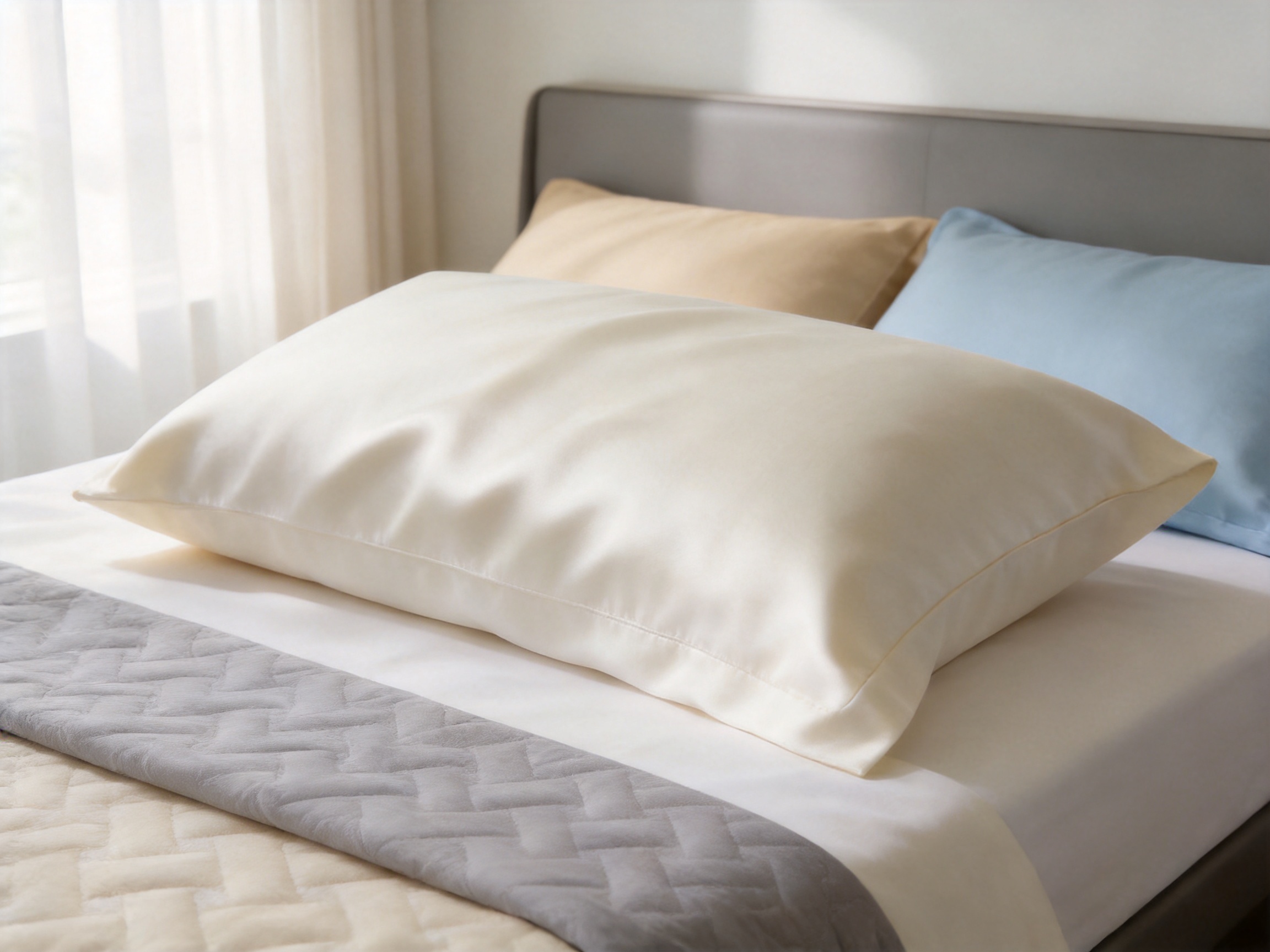
Comparison with Common Pillowcase Fabric Options
To understand the value of Tencel Pillowcase Fabric, it is useful to compare it with common alternatives used in pillowcase manufacturing. Each material has its place, but Tencel offers a distinctive combination of softness, moisture management, cooling comfort, and refined appearance.
| Fabric Type | Typical Strengths | Typical Limitations | How Tencel Pillowcase Fabric Competes |
|---|---|---|---|
| Basic Polyester | Durable, economical, easy to process | May feel less breathable and less natural against skin | Offers a softer, cooler, and more skin-friendly feeling while retaining practical usability |
| Conventional Cotton | Familiar, natural feel, widely accepted | May wrinkle, absorb moisture slowly, or become rough depending on quality | Provides smoother touch, better cool sensation, and refined drape for premium pillowcases |
| Silk | Luxurious surface, smooth texture | Higher cost, delicate care requirements, limited mass-market practicality | Creates a smooth premium feel with easier commercial adaptability and broader application potential |
| Bamboo Viscose | Soft, breathable, often positioned as eco-conscious | Quality varies greatly by supplier and processing control | Provides stable softness and moisture comfort when produced through controlled weaving and finishing |
| Blended Bedding Fabric | Flexible properties and cost control | Performance depends strongly on blend ratio and finishing quality | Can be engineered for targeted performance while preserving Tencel’s comfort advantages |
The table shows that Tencel Pillowcase Fabric is not simply another soft textile. Its advantage comes from a balanced performance profile. It can feel premium without the fragility often associated with luxury fibers. It can provide natural comfort while supporting industrial-scale pillowcase production. It can be developed for functional bedding without losing elegance.
Advantages Over Competitor Products
More Balanced Performance
Many competitor pillowcase fabrics focus on only one selling point. Some emphasize low cost, some emphasize luxury appearance, and some emphasize a single functional treatment. Tencel Pillowcase Fabric stands out because it supports multiple performance needs at the same time: softness, breathability, moisture management, cooling comfort, and visual refinement.
This balance is valuable for bedding brands because consumers rarely evaluate pillowcases by one factor alone. They want the fabric to feel good, look good, wash well, and match their lifestyle. A fabric that performs across several categories is easier to position for premium retail, hotel supply, e-commerce bedding, and specialty pillow products.
Better Skin Comfort Than Rougher Natural Fabrics
Some natural fabrics are marketed as breathable but may feel rough or stiff, especially at lower yarn counts or after frequent laundering. Tencel Pillowcase Fabric provides a naturally smooth feel that can be more comfortable for sensitive facial skin. This advantage is important for children’s pillowcases, maternity products, and customers who use skincare routines and want a gentle sleep surface.
More Practical Than Delicate Luxury Fabrics
Silk pillowcases are popular for their smooth touch, but they may require careful maintenance and can be expensive for large-scale commercial use. Tencel Pillowcase Fabric offers a premium smooth sensation while remaining more adaptable for broader bedding production. It supports a value proposition that is luxurious in feeling but practical in application.
Greater Design Flexibility
Competitor fabrics may limit color, texture, or finishing options. Tencel Pillowcase Fabric can be developed in multiple specifications to match different product lines. It can be used for elegant plain pillowcases, cooling bedding systems, decorative bedding covers, maternity pillows, and children’s bedding. This versatility reduces the need for buyers to source many unrelated materials from different suppliers.
Support from an Experienced Functional Textile Manufacturer
A fabric’s final quality depends not only on fiber choice but also on manufacturing discipline. Hangzhou Xinsili Decorative Fabric Weaving Co., Ltd. brings 19 years of experience in decorative fabric weaving and functional textile development. The company’s manufacturing background supports consistency, customization, quality control, and practical product engineering. These strengths help Tencel Pillowcase Fabric compete against products that rely only on material claims without strong production support.
Manufacturing Strength Behind the Fabric
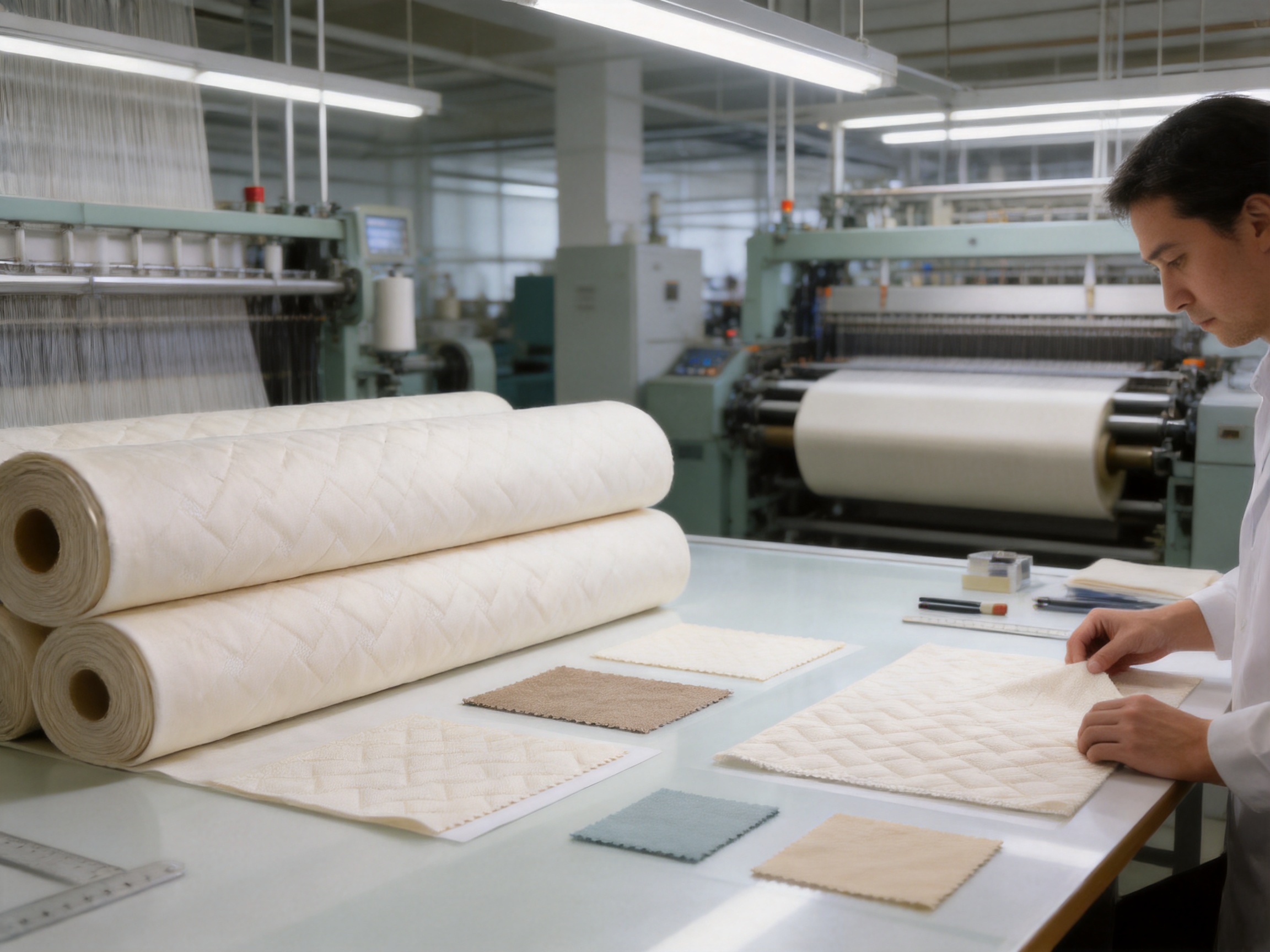
High-performance pillowcase fabric requires careful control at every stage, from material selection to weaving, finishing, inspection, and packing. The manufacturing process must protect the fiber’s natural softness while adding structure, stability, and function. Hangzhou Xinsili Decorative Fabric Weaving Co., Ltd. emphasizes craftsmanship-driven manufacturing, design innovation, and win-win collaboration. These values are reflected in the way functional decorative textiles are developed for real-world use.
Material Selection and Product Engineering
The first step is selecting suitable fiber materials and designing the fabric structure. For Tencel Pillowcase Fabric, this means considering softness, breathability, weight, surface smoothness, strength, dyeing performance, and intended end use. A pillowcase for a hotel may require different durability and laundering expectations than a pillowcase for a luxury retail bedding line. A pregnancy pillow cover may need a soft and flexible fabric that can wrap comfortably around large pillow shapes.
Experienced textile engineers evaluate how yarn characteristics, weave construction, and finishing methods will affect the final product. The goal is not merely to produce fabric, but to produce fabric that performs well after cutting, sewing, washing, and daily use. This engineering mindset helps reduce problems such as excessive shrinkage, poor hand feel, uneven dyeing, weak seams, or inconsistent surface texture.
Precision Weaving for Stable Structure
Weaving quality is fundamental to pillowcase fabric performance. A stable woven structure improves dimensional consistency, surface appearance, and sewing performance. If the weave is too loose, the fabric may lack durability or deform easily. If it is too dense or rigid, it may reduce breathability and softness. Precision weaving balances these factors.
With a 12,000 square meter factory area and long-term textile manufacturing experience, Hangzhou Xinsili Decorative Fabric Weaving Co., Ltd. is positioned to manage production with attention to consistency. Stable weaving supports reliable roll-to-roll quality, which is important for manufacturers that need predictable cutting and sewing efficiency.
Functional Finishing with Comfort Preservation
Functional finishing can transform a good fabric into a high-value fabric. However, the finishing process must be controlled carefully. For pillowcase use, the fabric should remain soft and breathable even after added functionality. The company’s focus on antibacterial, moisture-resistant, flame-retardant, sleep-supporting, and comfort-improving textile technologies allows it to develop targeted solutions for different customers.
For example, a hotel buyer may request fabrics that maintain freshness and resist frequent laundering stress. A children’s bedding brand may prefer soft, skin-friendly comfort and safety-focused finishing. A cooling bedding product may need enhanced moisture movement and cool touch. A commercial project may need specific flame-retardant performance according to application requirements. The manufacturer’s process knowledge helps align these goals with fabric comfort.
Quality Inspection and Consistency Control
Pillowcase fabric quality is judged by details. Color shade, width, surface smoothness, hand feel, weight, pattern regularity, and defect control all matter. Fabric that looks acceptable in a small sample may fail in large production if quality control is weak. Therefore, reliable inspection systems are essential.
Quality control typically includes checking fabric surface defects, measuring fabric width and weight, reviewing color consistency, testing shrinkage tendencies, assessing hand feel, and confirming that finishing effects meet customer requirements. Consistent inspection helps ensure that customers receive fabric suitable for efficient pillowcase manufacturing.
Applications of Tencel Pillowcase Fabric
Home Bedding Collections
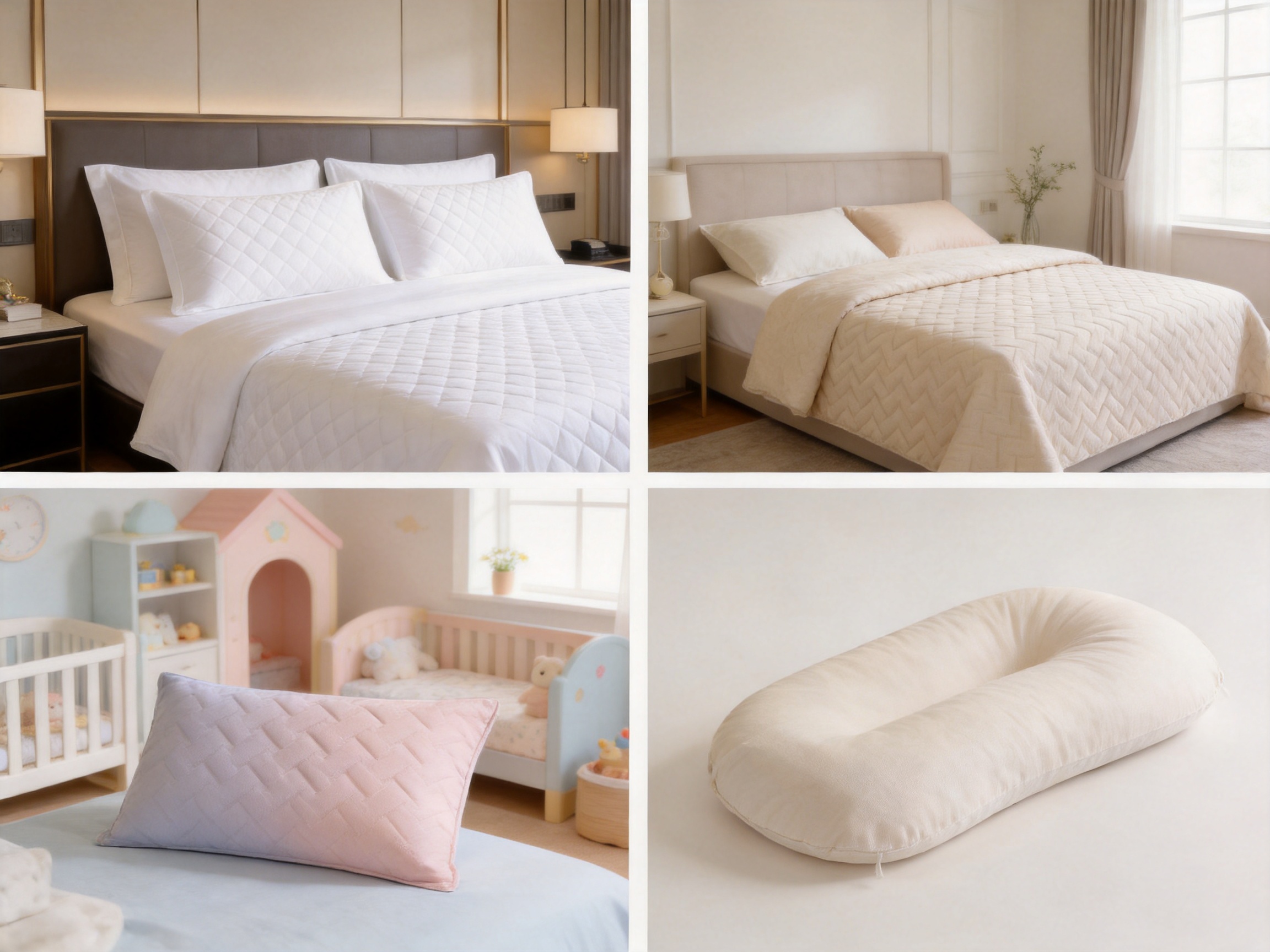
For residential bedding, Tencel Pillowcase Fabric provides a sense of daily luxury. It is soft enough for nightly use, breathable enough for warm sleepers, and refined enough to coordinate with modern bedroom design. It can be developed for solid-color pillowcases, decorative pillow covers, full bedding sets, and seasonal comfort collections.
Consumers increasingly invest in bedding that supports wellness and comfort. A pillowcase made from Tencel fabric can be marketed as a more comfortable alternative to basic options, especially for users who value coolness and smooth skin contact.
Hotel and Hospitality Bedding
Hotels need bedding fabrics that create an immediate impression of cleanliness and comfort. The pillowcase is one of the first textiles guests touch when resting. Tencel Pillowcase Fabric can help hotels improve guest experience through softness, breathable comfort, and an upscale appearance.
For hospitality applications, consistency and supply reliability are critical. Hotels and bedding suppliers require fabrics that can be produced in stable batches and processed efficiently into finished pillowcases. The company’s manufacturing background and functional textile capabilities support such requirements.
Children’s Pillowcases
Children’s bedding requires gentle touch, comfort, and reliable usability. Tencel Pillowcase Fabric can be suitable for children’s pillowcases because of its smooth feel and moisture comfort. Children may perspire during sleep or be sensitive to rough fabric surfaces. A soft and breathable pillowcase supports a calmer sleeping environment.
The fabric can also be coordinated with colorful bedding designs, themed bedroom textiles, and comfort-oriented children’s mattress fabric collections. For brands serving families, it offers a premium yet practical material choice.
Pregnancy Pillow Covers
Pregnancy pillows require fabric that remains comfortable over extended body contact. Pregnant users may experience temperature sensitivity, discomfort, and changing sleep positions. Tencel Pillowcase Fabric can be applied to pregnancy pillow covers because it offers softness, coolness, and moisture management.
A large pregnancy pillow cover must also sew well and maintain shape. Fabric stability, drape, and hand feel are all important. Tencel fabric supports a combination of comfort and functional usability for maternity sleep products.
Cooling Pillow and Cooling Mat Products
Cooling bedding is a growing category. Many consumers seek pillows, pillowcases, cooling mats, and bedding fabrics that reduce heat buildup. Tencel Pillowcase Fabric can contribute to cooling comfort through breathability and moisture movement. It can also be combined with cooling-oriented finishing or structural design for enhanced performance.
For product developers, the fabric provides a foundation for building cooling sleep solutions without relying only on heavy chemical treatments. Its natural comfort properties support product claims related to freshness and pleasant sleeping temperature.
Decorative Pillow and Sofa Fabric Coordination
Although developed for pillowcase use, Tencel fabric can also inspire coordinated decorative textile programs. Hangzhou Xinsili Decorative Fabric Weaving Co., Ltd. works across mattress fabric, bedding fabric, sofa fabric, pet friendly fabrics, and other functional decorative textile categories. This broad capability helps customers build coordinated interiors that combine comfort, aesthetics, and function.
A home textile brand may use Tencel Pillowcase Fabric for bedding while coordinating with complementary sofa or decorative fabrics. This creates a unified design language for bedrooms, hospitality suites, and residential interiors.
Comfort, Health, and Sustainability Considerations
Modern consumers often link bedding quality with health and sustainability. While no fabric alone can guarantee better sleep, the right textile can support a cleaner, more comfortable, and more relaxing sleeping environment. Tencel Pillowcase Fabric aligns with these expectations through its softness, breathability, moisture handling, and potential for functional finishing.
The company’s broader mission is to promote safe, healthy, comfortable, and sustainable living spaces through innovation. This philosophy is important because decorative textiles are not only visual materials; they shape daily human experience. Bedding fabric touches the body, affects rest, and contributes to the indoor environment.
In product development, sustainability should include material choice, durability, responsible manufacturing, reduced waste, and long product life. A comfortable fabric that remains usable and attractive over time can reduce replacement frequency. Stable manufacturing also helps reduce defects and unnecessary waste. For buyers, working with a manufacturer that understands quality and function can support more responsible product programs.
Design and Customization Opportunities
Tencel Pillowcase Fabric can be customized according to market positioning and buyer requirements. Customization may include fabric weight, texture, color, finishing function, hand feel, and end-use specification. This flexibility is useful for bedding brands that serve different customer groups, from economical premium products to luxury collections.
Color is a key design factor. The smooth surface of Tencel fabric can support elegant shades such as white, ivory, beige, grey, blue, green, blush, and deeper decorative colors. Minimalist bedding brands may prefer calm neutral tones, while children’s bedding brands may request brighter colors or playful themes. Hotel programs often choose classic white or soft neutrals to communicate cleanliness and comfort.
Texture is another design opportunity. A pillowcase fabric may be smooth and plain for a modern luxury effect, subtly textured for decorative interest, or engineered to coordinate with mattress fabric and bedding fabric collections. The right texture can make a pillowcase look more valuable without compromising skin comfort.
Functional customization can include antibacterial finishing for freshness, moisture-resistant features for specific applications, flame-retardant treatment for regulated environments, or comfort-improving processes for enhanced sleep experience. The key is to match finishing to the product’s market and performance expectations rather than adding functions without purpose.
How the Company’s Strengths Support Global Buyers
Hangzhou Xinsili Decorative Fabric Weaving Co., Ltd. is located in Yiqiao Town, Xiaoshan District, Hangzhou City, Zhejiang Province, China. The company specializes in innovative research, development, and precision manufacturing of decorative textiles. Its guiding vision, “Weaving Beautiful Spaces,” reflects a focus on both functional performance and aesthetic value.
For global buyers, supplier reliability is as important as product quality. A fabric order must be delivered according to agreed specifications, timing, and quality standards. The manufacturer’s 19 years of industry experience help it understand the needs of bedding companies, furniture manufacturers, hotel suppliers, and commercial project buyers.
The company’s recognition as a National High-Tech Enterprise in 2023 demonstrates its commitment to innovation and technology. This background is particularly relevant for Tencel Pillowcase Fabric because modern pillowcase materials require more than basic weaving. They require knowledge of fiber performance, finishing technology, comfort science, and design trends.
The company’s values include craftsmanship-driven manufacturing, design innovation, and win-win collaboration. For customers, this means the supplier is not only a fabric producer but also a development partner. It can help translate market concepts into practical fabrics, adjust specifications, support sampling, and improve fabric performance according to end-use requirements.
Recommended Buyer Evaluation Points
When selecting Tencel Pillowcase Fabric, buyers should evaluate more than the fiber name. The following points can help identify a reliable fabric solution.
Hand Feel
The fabric should feel smooth, soft, and comfortable against facial skin. Buyers should test the fabric after sample washing whenever possible because post-wash hand feel is important for real consumer use.
Breathability and Moisture Comfort
A pillowcase fabric should not trap heat or feel damp. Buyers can assess air permeability, moisture absorption, drying behavior, and subjective cooling comfort depending on product positioning.
Surface Quality
The fabric surface should be even, refined, and free from obvious defects. For premium pillowcases, surface appearance strongly influences consumer perception.
Dimensional Stability
Pillowcase fabric should maintain suitable size and shape after washing and sewing. Shrinkage control is important for finished product consistency.
Color Consistency
Large production requires stable color matching. Buyers should confirm lab dips, production shade control, and batch consistency.
Functional Performance
If antibacterial, flame-retardant, moisture-resistant, or cooling functions are required, buyers should define performance expectations clearly and request appropriate testing or confirmation.
Supplier Capability
A strong supplier should provide product development support, quality control, production consistency, and communication throughout the order process. The manufacturing background of Hangzhou Xinsili Decorative Fabric Weaving Co., Ltd. supports these needs.
Care and Use Considerations
Care recommendations may vary depending on the exact fabric specification and finishing treatment, but Tencel Pillowcase Fabric is generally intended for comfortable everyday bedding use. Finished pillowcases should be washed according to the manufacturer’s care label. Gentle washing, appropriate drying, and avoiding harsh chemicals can help preserve softness and appearance.
For commercial laundry environments such as hotels, buyers should confirm laundering conditions before bulk purchasing. Hotel pillowcases may be washed more frequently and under more demanding conditions than home bedding. Fabric selection and finishing should match these conditions to ensure long-term performance.
For retail bedding brands, clear care instructions help consumers maintain product quality. Customers who understand how to wash and dry pillowcases properly are more likely to enjoy the fabric’s softness and cooling comfort over time.
Q&A: Tencel Pillowcase Fabric
Q1: What makes Tencel Pillowcase Fabric suitable for pillowcases?
Tencel Pillowcase Fabric is suitable for pillowcases because it offers a soft and smooth touch, breathable comfort, moisture management, and an elegant surface. Since pillowcases remain in close contact with facial skin, these properties are especially valuable for comfort and sleep quality.
Q2: Is Tencel Pillowcase Fabric cooler than ordinary polyester pillowcase fabric?
In many applications, Tencel Pillowcase Fabric can feel cooler and more breathable than basic polyester fabric. Its moisture management and smooth surface help reduce the warm, sticky feeling that some sleepers experience with less breathable materials.
Q3: Can the fabric be used for children’s pillowcases?
Yes. Its soft hand feel and breathable comfort make it suitable for children’s pillowcases. Buyers should select specifications and finishing options appropriate for children’s bedding and confirm any required safety or performance standards.
Q4: Is this fabric only for home bedding?
No. Tencel Pillowcase Fabric can be used in home bedding, hotel pillowcases, pregnancy pillow covers, children’s bedding, cooling pillow products, and decorative pillow applications. Its versatility allows it to serve multiple markets.
Q5: Can functional finishing be added?
Yes. Depending on customer requirements, functional finishing such as antibacterial, moisture-resistant, flame-retardant, sleep-supporting, or comfort-improving treatment may be considered. The finishing should be selected according to the final product’s purpose and required standards.
Q6: How does it compare with silk pillowcase fabric?
Silk is known for luxury and smoothness, but it can be costly and delicate. Tencel Pillowcase Fabric provides a smooth, premium-feeling surface with broader practicality for bedding manufacturing, hotel supply, and everyday use.
Q7: Why is manufacturing experience important for this product?
The final fabric quality depends on weaving precision, finishing control, inspection, and batch consistency. An experienced manufacturer can preserve softness while improving stability and function, helping buyers reduce quality risks.
Q8: Can the fabric be customized?
Yes. Customization may include color, texture, weight, hand feel, finishing function, and application-specific performance. This makes the fabric suitable for brands with different design and market requirements.
Q9: What types of buyers may benefit from this fabric?
Bedding brands, hotel suppliers, home textile manufacturers, maternity product companies, children’s bedding brands, cooling sleep product developers, and decorative textile distributors may all benefit from Tencel Pillowcase Fabric.
Q10: What is the main value of working with Hangzhou Xinsili Decorative Fabric Weaving Co., Ltd.?
The main value is the combination of product development capability, functional textile knowledge, precision manufacturing, quality consistency, and 19 years of industry experience. The company can support customers from concept development to practical fabric production.
Conclusion
Tencel Pillowcase Fabric represents a modern direction in bedding textiles. It responds to consumer demand for softer, cooler, cleaner-feeling, and more refined sleep surfaces. Its advantages over many competitor fabrics come from a balanced combination of comfort, breathability, moisture management, design flexibility, and functional finishing potential.
For pillowcase manufacturers and bedding brands, the fabric offers a strong material platform for premium product development. It can be used in home bedding, hotel bedding, children’s pillowcases, pregnancy pillow covers, cooling pillow products, and decorative bedding collections. Its smooth touch and elegant appearance help create products that feel valuable from the first contact.
Behind the product, Hangzhou Xinsili Decorative Fabric Weaving Co., Ltd. provides manufacturing strength, innovation capability, and functional textile expertise. With 19 years of experience, a 12,000 square meter factory area, and National High-Tech Enterprise recognition, the company supports buyers seeking reliable decorative fabric solutions for residential, hotel, and commercial environments.
As the bedding market continues to evolve, pillowcase fabric will remain an important point of differentiation. Tencel Pillowcase Fabric is well positioned for brands and buyers who want to combine comfort, function, sustainability-minded value, and refined design in one textile solution.
References
1. Kadolph, S. J. Textiles. Pearson Education.
2. Collier, B. J., and Epps, H. H. Textile Testing and Analysis. Pearson Prentice Hall.
3. Tortora, P. G., and Merkel, R. S. Fairchild’s Dictionary of Textiles. Fairchild Books.
4. Saville, B. P. Physical Testing of Textiles. Woodhead Publishing.
5. Horrocks, A. R., and Anand, S. C. Handbook of Technical Textiles. Woodhead Publishing.
6. Sinclair, R. Textiles and Fashion: Materials, Design and Technology. Woodhead Publishing.
Product: Tencel Pillowcase Fabric
Our Featured Products
-
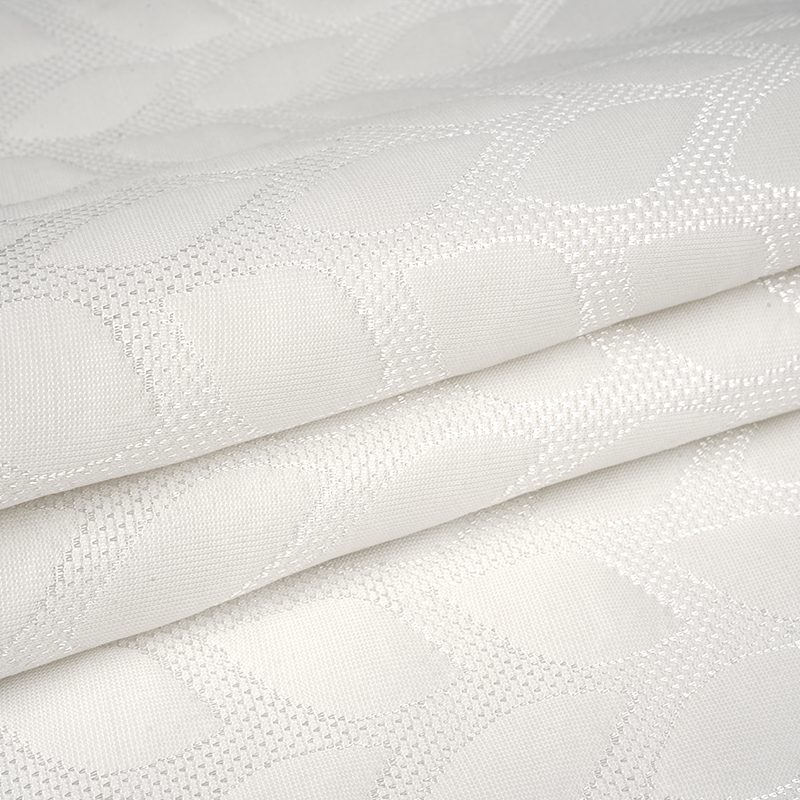
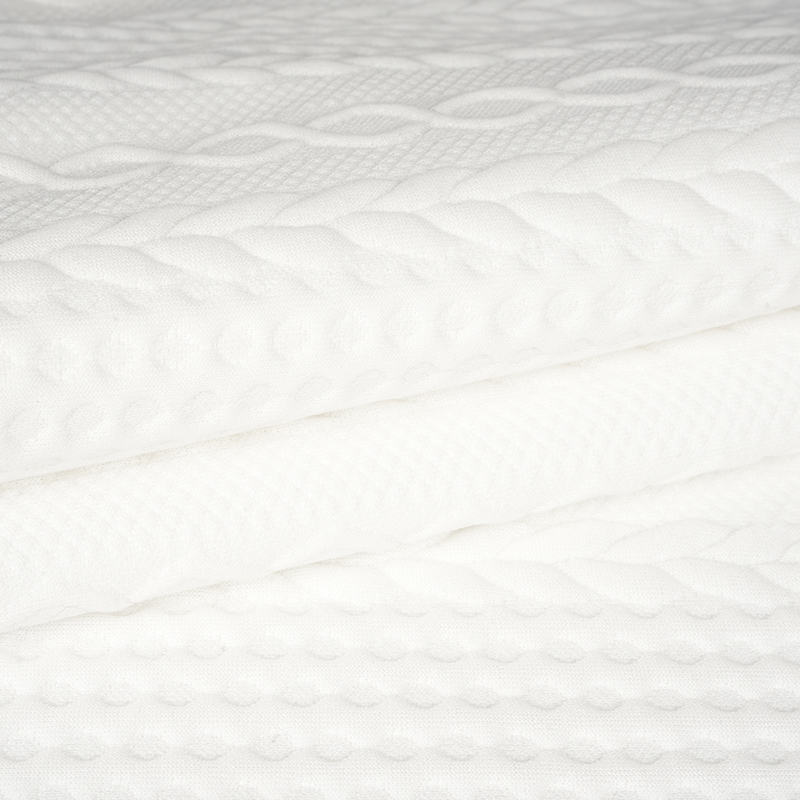
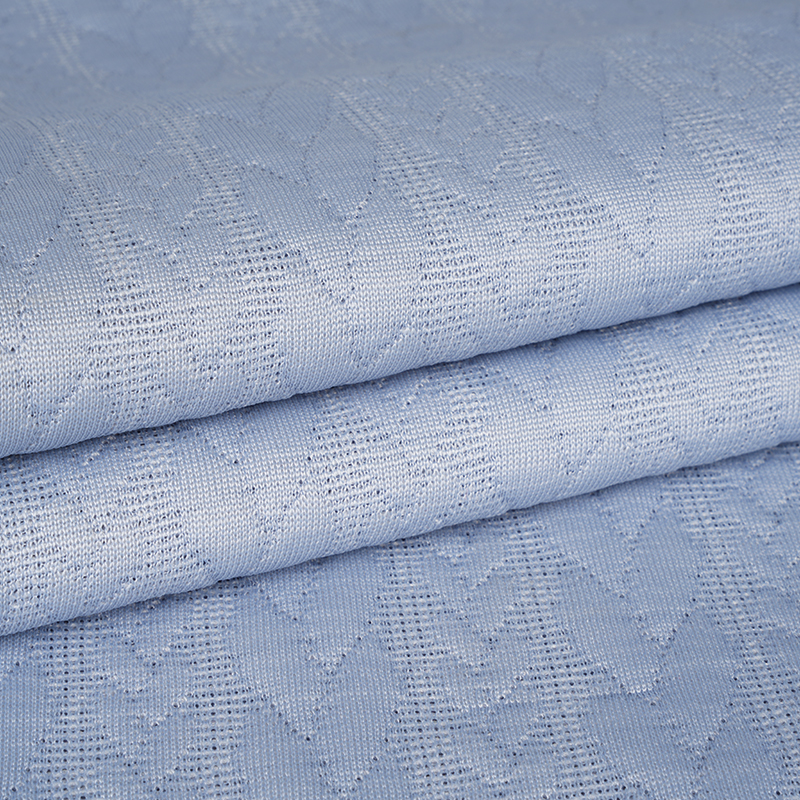
Tencel Pillowcase Fabric
Tencel Pillowcase Fabric
Haven’t Found The Products You Want?
-
-
Shen Jinyan:+86-15158070676
[email protected]
Liang Jinwen:+86-15757186621
[email protected]
Qiu Yingyingn:+86-13819545790
[email protected]
Yi qiao Town, Xiaoshan District, Hangzhou City, Zhejiang Province, China
-
Products
Mattress Fabric Children Mattress Fabric Pillowcase Fabric Pregnancy Pillow Fabric Cooling Mat Fabric Bedding Fabric Sofa Fabric Pet Friendly Fabrics -
Contact Information
About Us Products Strength Sustainability News Contact Us
Copyright © Hangzhou Xinsili Decorative Fabric Weaving Co.,Ltd. All Rights Reserved.
Functional Decorative Textile Manufacturers
