

 English
 中文简体
中文简体 Español
 عربى
عربى русский


Bamboo Fiber Children Mattress Fabric for Healthier, Softer, and More Reliable Sleep
Content
- 1 Why Children’s Mattress Fabric Requires Specialized Design
- 2 Product Overview: Bamboo Fiber Children Mattress Fabric
- 3 Core Comfort Advantages of Bamboo-Derived Fiber
- 4 Advantages Over Conventional Children’s Mattress Fabrics
- 5 Functional Performance for Children’s Sleep Products
- 6 Manufacturing Strength Behind the Fabric
- 7 Advanced Weaving Process and Structural Control
- 8 Finishing Technologies That Improve Comfort and Reliability
- 9 Quality Control for Stable Mattress Production
- 10 Applications in Children’s Bedding and Related Products
- 11 Why This Fabric Supports Better Brand Positioning
- 12 Environmental and Sustainability Considerations
- 13 Customization Options for Mattress Manufacturers
- 14 Compatibility with Quilting, Sewing, and Mattress Assembly
- 15 Company Strengths Supporting Global Customers
- 16 How Bamboo Fiber Children Mattress Fabric Enhances the Final Mattress
- 17 Market Trends Supporting Bamboo Fiber Children Mattress Fabric
- 18 Purchasing Considerations for Buyers
- 19 Q&A: Common Questions About Bamboo Fiber Children Mattress Fabric
- 19.1 What is Bamboo Fiber Children Mattress Fabric used for?
- 19.2 Why is bamboo fiber suitable for children’s mattress fabric?
- 19.3 How does this fabric compare with ordinary polyester mattress fabric?
- 19.4 Can the fabric be customized?
- 19.5 Can antibacterial or flame-retardant functions be added?
- 19.6 Is the fabric suitable for quilting?
- 19.7 What makes the manufacturer reliable?
- 19.8 Can this fabric be used for markets outside China?
- 20 Why Choose This Fabric for a New Children’s Mattress Collection
- 21 Conclusion
- 22 References
- 23 Product: Bamboo Fiber Children Mattress Fabric
Children’s sleep environments require a fabric that is gentle, stable, breathable, and dependable through daily use. Bamboo Fiber Children Mattress Fabric is designed for this purpose: it combines the naturally soft hand feel associated with bamboo-derived fiber, the comfort expectations of modern bedding, and the functional reliability required by mattress manufacturers, bedding brands, hotels, childcare spaces, and home furniture suppliers.
This fabric is made for children’s mattresses, but its value extends beyond softness. It supports a cleaner, more comfortable sleep surface, helps manage moisture, improves tactile comfort, and gives mattress products a refined decorative appearance. For manufacturers looking to build higher-value children’s bedding products, the fabric provides a practical balance between child-friendly comfort, production efficiency, and long-term quality.
Hangzhou Xinsili Decorative Fabric Weaving Co., Ltd. specializes in functional decorative textiles for residential, hotel, and commercial environments. With 19 years of industry experience, a 12,000㎡ manufacturing area, and recognition as a National High-Tech Enterprise in 2023, the company applies advanced weaving, finishing, and quality-control processes to create fabrics that meet modern expectations for safety, comfort, performance, and sustainability.
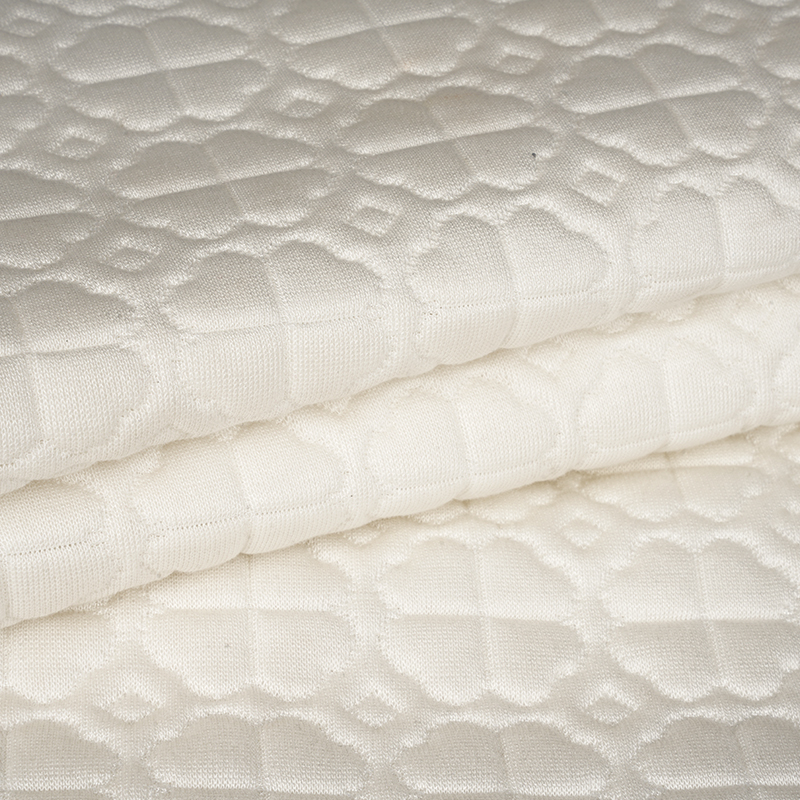
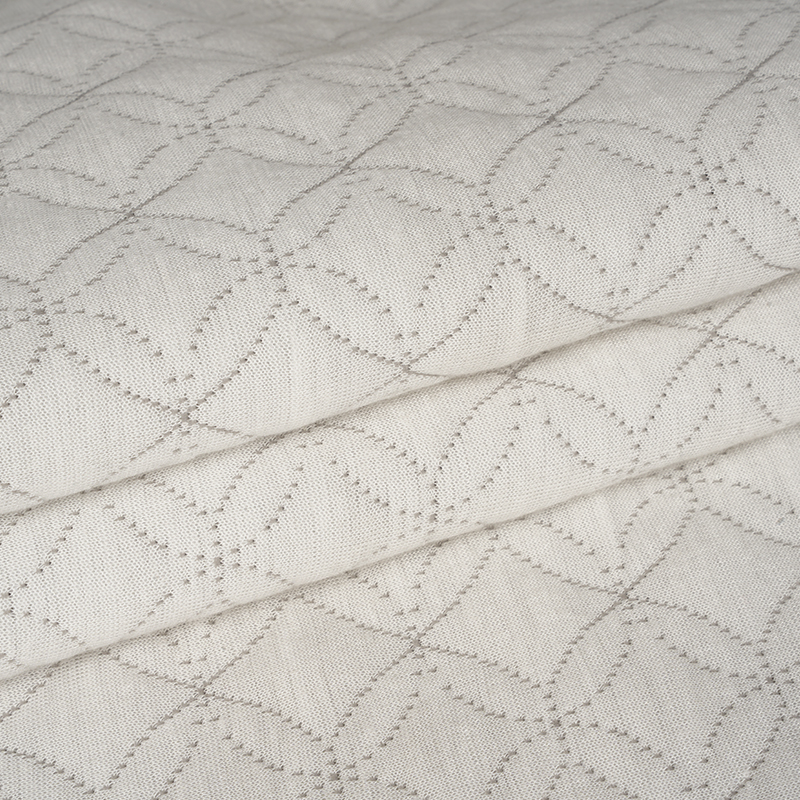
Bamboo Fiber Children Mattress Fabric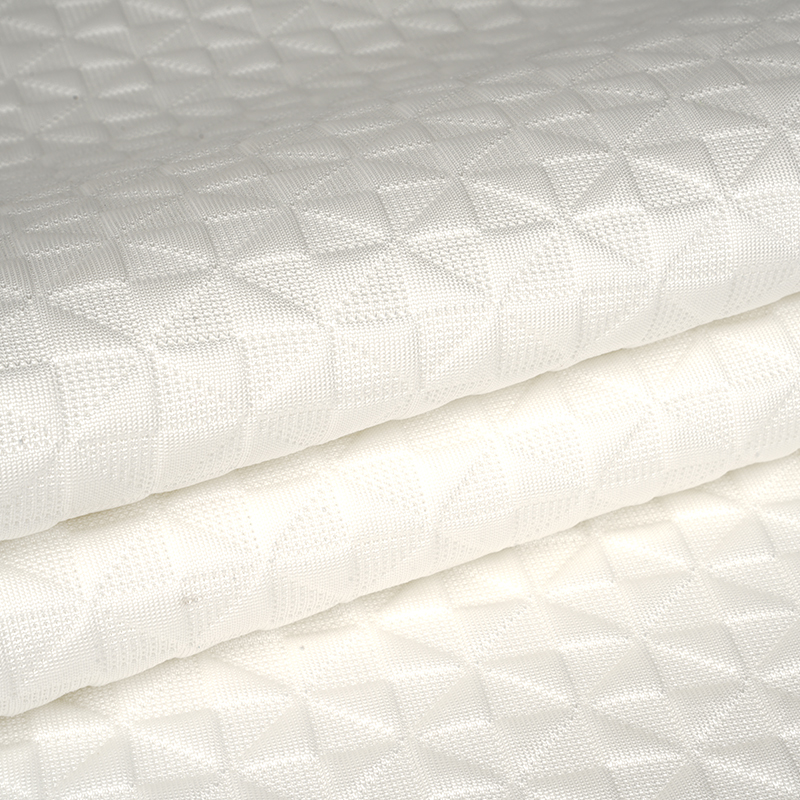
Why Children’s Mattress Fabric Requires Specialized Design
A child’s mattress surface is different from an ordinary bedding textile. Children spend many hours sleeping, resting, reading, and playing on their beds. Their skin is more sensitive than adult skin, and their sleep temperature can change quickly throughout the night. A children’s mattress fabric must therefore be more than attractive; it must be comfortable, stable, breathable, and easy to integrate into reliable mattress construction.
In the children’s bedding market, buyers increasingly look for fabrics that support healthy sleep rather than simply cover a mattress core. Parents care about softness, odor control, moisture comfort, and durability. Bedding brands care about consistency, appearance, processing performance, and customer satisfaction. Mattress factories care about stable supply, fabric strength, dimensional behavior, and compatibility with quilting, lamination, cutting, sewing, and packaging processes.
Bamboo Fiber Children Mattress Fabric responds to these needs by offering a refined surface with a soft, skin-friendly touch. Its bamboo-derived fiber content helps create a natural-feeling comfort profile, while the textile structure can be engineered for resilience and product consistency. Compared with many basic synthetic mattress coverings, this fabric can provide a more comfortable hand feel and a more appealing product story for children’s bedding lines.
The fabric is especially suitable for manufacturers who want to upgrade children’s mattress products from basic utility models to comfort-oriented, health-conscious, and design-conscious collections. It can be used on children’s mattresses, baby and youth bedding products, protective mattress covers, pillow-related bedding, and other sleep-supporting textile applications where softness and comfort matter.
Product Overview: Bamboo Fiber Children Mattress Fabric
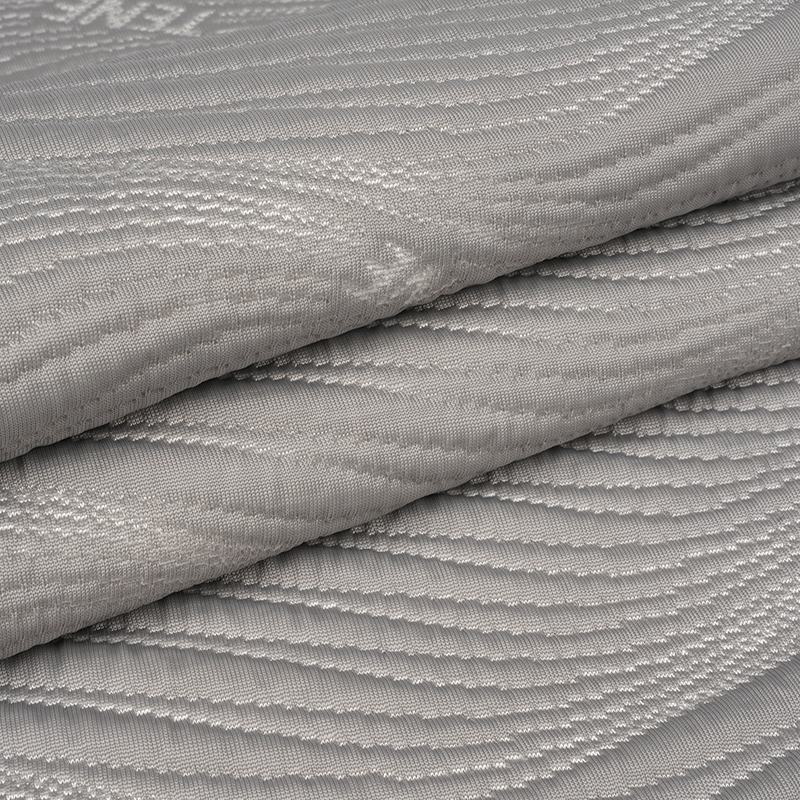
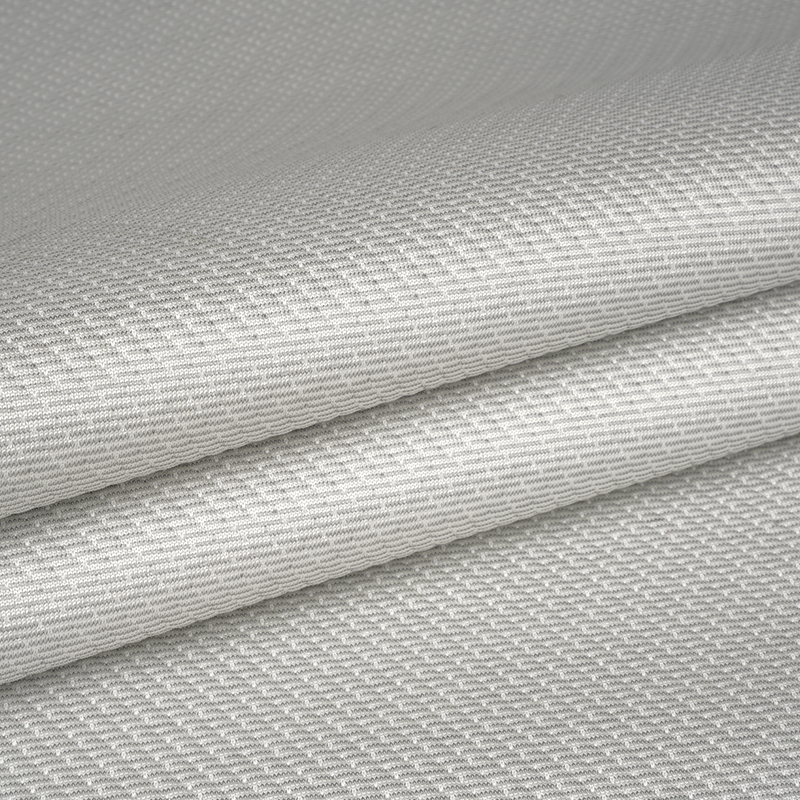
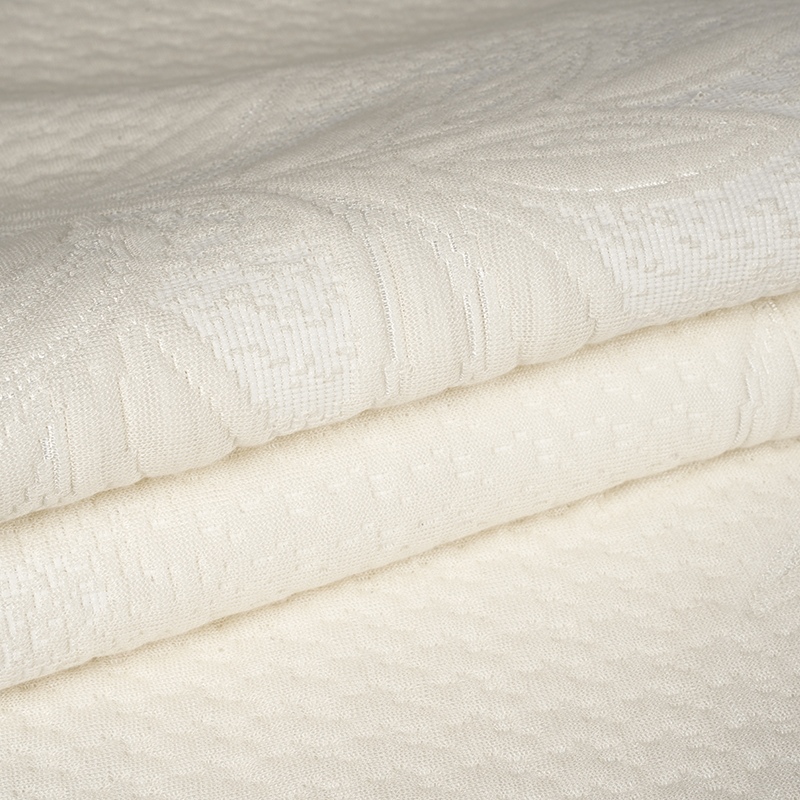
Bamboo Fiber Children Mattress Fabric is a decorative and functional textile developed for children’s mattress surfaces. It is suitable for use in mattress ticking, quilted panels, cover fabrics, and related bedding applications. The material is designed to combine a smooth touch, breathable performance, moisture comfort, and a clean visual appearance.
The product belongs to the broader category of children mattress fabric and bamboo fiber mattress fabric. It is also connected to bedding fabric and functional decorative textile applications. The fabric can support manufacturers in creating children’s mattresses that feel soft to the touch while maintaining a neat and durable surface after production and use.
The fabric’s value lies in its balance. It is not only comfortable but also practical for industrial manufacturing. It can be developed with different textures, patterns, weights, and finishing options according to customer requirements. This makes it suitable for private-label mattress collections, customized bedding projects, and large-scale production programs.
For brands that compete in the children’s sleep market, the fabric offers a clear product advantage: it helps communicate comfort, wellness, and responsible material selection. While many low-cost fabrics focus only on covering the mattress, Bamboo Fiber Children Mattress Fabric helps the final product feel more considered, premium, and suitable for children’s everyday use.
Core Comfort Advantages of Bamboo-Derived Fiber
Bamboo-derived fiber is widely valued in bedding because of its soft touch and comfort potential. When used properly in mattress fabric, it creates a smooth surface that feels pleasant against the skin. This is especially important for children, who may be more sensitive to rough or stiff materials.
One of the most noticeable advantages is softness. A child’s mattress surface should not feel abrasive or overly synthetic. Bamboo Fiber Children Mattress Fabric offers a gentle hand feel that can make the mattress feel more welcoming. This soft surface can improve the perceived quality of the final mattress and support a more comfortable bedtime experience.
Another important advantage is breathability. Children may sweat during sleep, particularly in warm weather or when using heavier bedding. A breathable mattress fabric helps reduce trapped heat and supports air movement at the sleep surface. While overall temperature comfort depends on the full mattress system, a breathable fabric can contribute meaningfully to a more balanced sleep environment.
Moisture comfort is also essential. Bamboo-derived fiber can help create a fabric surface that feels less clammy than some conventional materials. In children’s bedding, this matters because moisture accumulation may make sleep uncomfortable and may also affect the freshness of the mattress surface. A fabric that supports moisture diffusion and a drier touch can enhance day-to-day comfort.
The fabric can also be engineered for a clean, smooth appearance. This makes it suitable not only for comfort-driven products but also for brands that care about visual presentation. A well-designed mattress fabric creates an immediate impression of quality when customers view the finished mattress in stores, online images, or showroom displays.
Advantages Over Conventional Children’s Mattress Fabrics
Many traditional children’s mattress fabrics are produced with basic polyester or low-cost blended materials. These fabrics may be durable and economical, but they often lack the softness, comfort story, and natural-feeling touch that modern consumers expect. Bamboo Fiber Children Mattress Fabric offers several competitive advantages over such conventional alternatives.
First, the tactile experience is more refined. A basic synthetic surface can sometimes feel slippery, harsh, or overly warm. Bamboo-derived fiber helps create a softer and more pleasant fabric touch. This gives mattress brands an immediate quality signal that can be felt by hand.
Second, the fabric supports a more health-conscious product image. Parents often prefer bedding materials that feel gentle and clean. Bamboo fiber is commonly associated with comfort, breathability, and environmentally considerate choices. This gives mattress manufacturers a stronger selling point in product descriptions, retail displays, and e-commerce content.
Third, the fabric can be integrated with functional finishing technologies. Depending on customer needs, decorative textile solutions may incorporate antibacterial, moisture-resistant, flame-retardant, sleep-supporting, and comfort-improving functions. This allows the fabric to be customized for different markets, standards, and product levels.
Fourth, it provides design flexibility. Children’s mattresses do not have to be plain or basic. Fabric surface patterns, textures, and visual effects can be adjusted to create a soft, clean, child-friendly, or premium appearance. This helps brands differentiate products in a competitive marketplace.
Fifth, the fabric benefits from professional manufacturing control. Consistent fabric width, stable structure, even surface quality, and reliable finishing all matter during mattress production. Fabric inconsistency can create cutting waste, sewing difficulty, quilting distortion, or visual defects. A professionally manufactured bamboo fiber mattress fabric can reduce these problems and improve production efficiency.
Compared with low-end alternatives, Bamboo Fiber Children Mattress Fabric is not simply a textile upgrade; it is a complete value upgrade for the finished mattress. It helps increase comfort, strengthen product positioning, and improve customer confidence.
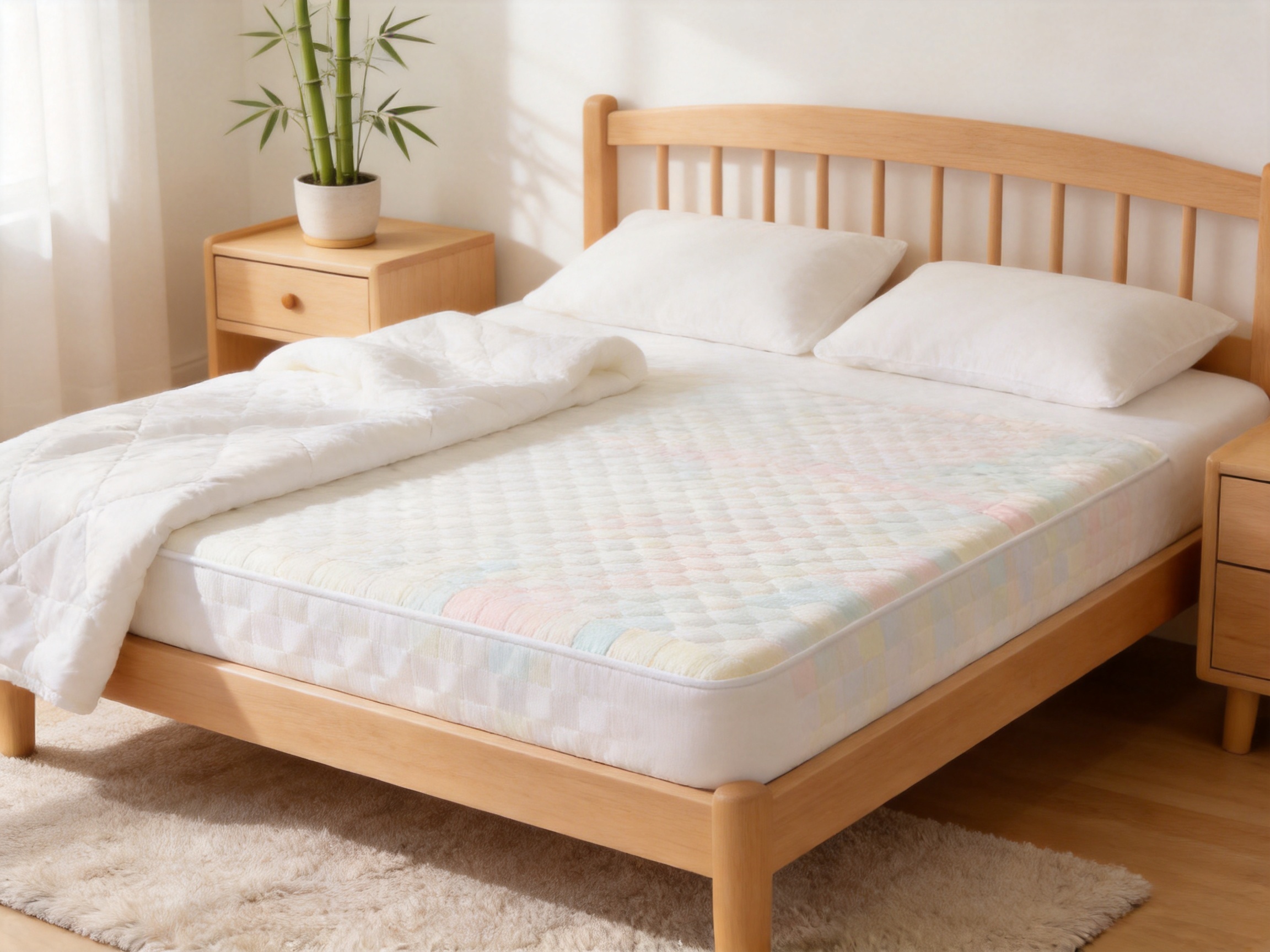
Functional Performance for Children’s Sleep Products
Children’s bedding products must support comfort during changing seasons and daily use. Bamboo Fiber Children Mattress Fabric can be designed to support multiple functional performance requirements, depending on the customer’s product plan. These functions make the fabric suitable for both standard children’s mattresses and higher-end sleep systems.
Breathable comfort is one of the most important functions. A fabric surface that allows better air movement can reduce the feeling of stuffiness. This is useful in children’s mattresses because children may sleep in different positions, use thick quilts, or experience heat buildup during the night.
Moisture management is another practical function. Children may sweat, spill water, or experience moisture exposure from everyday use. While mattress protection depends on the complete cover and protection system, the surface fabric can be designed to support better comfort when humidity changes.
Antibacterial or freshness-supporting treatments may also be applied according to market requirements and customer specifications. In children’s bedding, cleanliness is a major consumer concern. Functional finishing can help brands develop products positioned around hygiene, freshness, and family wellness.
Flame-retardant performance may be required in some markets, especially for mattresses sold in specific countries or commercial environments. The company’s functional decorative textile experience supports the development of fabrics with performance-oriented finishing options. Requirements should be confirmed according to local regulations and testing standards.
Comfort-improving finishes can enhance softness, smoothness, and pleasant touch. In children’s bedding, small differences in hand feel can become meaningful selling points. A smooth and cozy surface can help the mattress feel more premium and child-friendly.
Sleep-supporting design may involve combining surface softness, breathability, moisture comfort, and stable construction. No single fabric can guarantee sleep quality, but the right mattress fabric can help create a more comfortable environment that supports restful sleep routines.
Manufacturing Strength Behind the Fabric
Reliable fabric performance comes from more than raw material selection. It depends on manufacturing knowledge, weaving precision, finishing technology, and strict quality management. Hangzhou Xinsili Decorative Fabric Weaving Co., Ltd. has built its strength around the research, development, and manufacturing of functional decorative textiles.
With 19 years of experience, the company understands the practical needs of fabric buyers, mattress factories, and finished-product brands. This experience is important because decorative fabric production requires control over both appearance and performance. A fabric may look attractive but fail during processing, or it may be strong but lack softness. The goal is to balance all required qualities.
The company operates a 12,000㎡ factory area, allowing it to support stable production, development trials, and customer customization. A larger and organized production base helps improve delivery capability and supports consistent batch management. For mattress brands and importers, this stability is essential because product lines often require repeat orders and consistent appearance across batches.
As a National High-Tech Enterprise recognized in 2023, the company emphasizes innovation in functional textile development. This reflects a manufacturing approach that goes beyond ordinary fabric supply. The company focuses on integrating practical technologies into decorative fabrics, including antibacterial, moisture-resistant, flame-retardant, sleep-supporting, and comfort-improving functions.
The company’s guiding vision, “Weaving Beautiful Spaces,” reflects the idea that textile surfaces shape the feeling of living environments. In children’s bedrooms, this is especially meaningful. A mattress fabric is part of a child’s daily environment, and it should contribute to comfort, safety, cleanliness, and emotional warmth.
Advanced Weaving Process and Structural Control
The weaving process determines the fabric’s foundation. For Bamboo Fiber Children Mattress Fabric, structural control is essential because the fabric must be soft but not weak, breathable but not unstable, and decorative but not difficult to process. Advanced weaving knowledge allows the manufacturer to balance these characteristics.
Yarn selection is the first step. Bamboo-derived fiber may be blended or structured with other fibers depending on the desired performance. The choice of yarn count, twist, blend ratio, and surface effect influences softness, tensile behavior, drape, moisture comfort, and finished appearance.
Next comes fabric structure design. Mattress fabrics may require knitted, woven, or jacquard-style surfaces depending on customer requirements. The structure affects elasticity, pattern clarity, air permeability, thickness, and quilting behavior. A children’s mattress fabric should feel comfortable while retaining enough stability for cutting and sewing.
During production, machine settings must be controlled carefully. Uneven tension can cause width variation, pattern distortion, or surface irregularity. Stable weaving or knitting tension helps maintain uniform texture and improves the final product’s appearance. This is particularly important for mattress panels, where large surface areas make defects more visible.
Pattern development is another important manufacturing strength. Children’s mattress fabrics can use clean, simple, soft, or playful design elements. However, the design should remain suitable for sleep environments and not appear visually overwhelming. The company’s decorative textile background helps it develop patterns that balance comfort, aesthetics, and commercial appeal.
After base fabric production, inspection is required before finishing. Early detection of yarn defects, weaving marks, stains, or uneven density helps reduce downstream waste. Professional manufacturers manage these issues throughout production rather than relying only on final inspection.
Finishing Technologies That Improve Comfort and Reliability
Finishing is where fabric performance can be significantly enhanced. A base textile may already have softness and breathability, but finishing can improve hand feel, dimensional stability, surface smoothness, moisture comfort, and functional performance.
Softening treatment is especially important for children’s mattress fabric. A properly controlled softening process improves the fabric’s hand feel without making it greasy, unstable, or overly limp. The goal is a gentle surface that remains suitable for industrial mattress production.
Heat-setting or stabilization processes may be used depending on the fabric structure. These processes help control shrinkage, width stability, and surface flatness. Stable fabric behavior is important during quilting and cover production because unstable fabric can cause wrinkles or misalignment.
Moisture-related finishing can improve comfort in humid environments. For children’s bedding, moisture comfort contributes to a fresher and less stuffy sleeping surface. The finishing approach can be adjusted according to the target market and the performance level required by the buyer.
Antibacterial finishing may be available for brands seeking hygiene-oriented products. Such treatments should be selected carefully to meet safety expectations and relevant testing requirements. In children’s products, responsible chemical management and compliance are especially important.
Flame-retardant finishing may be used where required. Mattress regulations vary by country and application, so performance must be confirmed through appropriate testing. The company’s functional decorative textile expertise provides a foundation for developing fabrics that can support different regulatory and market needs.
Comfort-improving finishing may include processes that enhance smoothness, softness, and a pleasant skin-contact feeling. For children’s mattresses, this can create a stronger emotional response at the point of purchase. When parents touch the mattress surface, softness can immediately communicate care and quality.
Quality Control for Stable Mattress Production
Quality control is one of the most important advantages of a professional fabric supplier. Mattress manufacturers need fabrics that perform consistently from roll to roll. Even small variations can cause production issues, especially when fabric is used for large mattress panels.
Key quality-control areas include fabric width, weight, surface appearance, color consistency, tensile strength, elongation, shrinkage, pattern alignment, and finishing uniformity. For children’s mattress fabric, the surface must be visually clean and comfortable to touch. Defects such as stains, yarn knots, streaks, holes, or uneven patterns can reduce the quality of the finished mattress.
Batch consistency is particularly important for brands that sell repeated product lines. If one production batch looks different from the next, customers may notice inconsistency. Professional color and surface control help ensure that repeat orders maintain the intended appearance.
Dimensional stability helps mattress factories reduce waste. Fabric that shrinks unpredictably or changes shape during processing can create cutting errors, seam problems, and quilting distortion. By managing production and finishing parameters, the manufacturer helps improve downstream efficiency.
Inspection before shipment also matters. A reliable supplier checks fabric rolls and packaging to reduce the risk of production interruptions at the customer’s factory. For international buyers, this is especially valuable because shipment replacement can take time and increase cost.
Quality control is not only about rejecting defective products. It is about building a stable system where raw material selection, machine operation, finishing, inspection, and packaging all work together. This system-based approach helps Bamboo Fiber Children Mattress Fabric compete against lower-cost fabrics that may lack consistency.
| Performance Area | Value for Children’s Mattress Products | Competitive Advantage |
|---|---|---|
| Soft Touch | Creates a gentle surface suitable for children’s sensitive comfort needs | More pleasant than many basic synthetic coverings |
| Breathability | Helps reduce stuffiness and supports sleep-surface comfort | Improves perceived quality in comfort-focused bedding |
| Moisture Comfort | Supports a fresher and less clammy surface feeling | Useful for children who sweat during sleep |
| Functional Finishing | Can support antibacterial, moisture-resistant, flame-retardant, or comfort-improving needs | Allows customization for different markets and product levels |
| Manufacturing Stability | Supports cutting, sewing, quilting, and repeat production | Reduces waste and improves factory efficiency |
| Decorative Appearance | Gives children’s mattresses a clean and premium look | Strengthens retail and online presentation |
Applications in Children’s Bedding and Related Products
Bamboo Fiber Children Mattress Fabric is primarily designed for children’s mattresses, but it can be adapted for several related bedding applications. Its soft hand feel, decorative appearance, and functional potential make it suitable for multiple product categories.
In children’s mattresses, the fabric can be used as the top sleeping surface or as part of a quilted mattress panel. It can be combined with foam, fiber padding, nonwoven layers, or other comfort materials according to mattress design. The surface fabric plays a major role in first-touch comfort and product appearance.
For removable mattress covers, the fabric can provide a premium outer surface. Depending on construction and finishing, it may support comfortable daily contact while giving the product a cleaner and more attractive look. Removable covers are common in modern bedding because consumers value convenience and hygiene.
The fabric may also be used in children’s pillow surfaces, cushion covers, nap mats, daycare rest products, and similar sleep-related items. Its bamboo fiber comfort profile makes it suitable for products that require frequent skin contact.
In hospitality or childcare settings, the fabric can support a more comfortable and reliable bedding environment. Hotels, serviced apartments, family rooms, kindergartens, and childcare centers may require fabrics that balance comfort with durability and practical maintenance. Functional finishing options may be selected according to the intended use.
Because the company also works with mattress fabric, pillowcase fabric, pregnancy pillow fabric, cooling mat fabric, bedding fabric, sofa fabric, and pet-friendly fabrics, it can support coordinated textile development across product lines. This is useful for customers who want consistent design language across mattresses, pillows, bedding accessories, and soft furnishings.
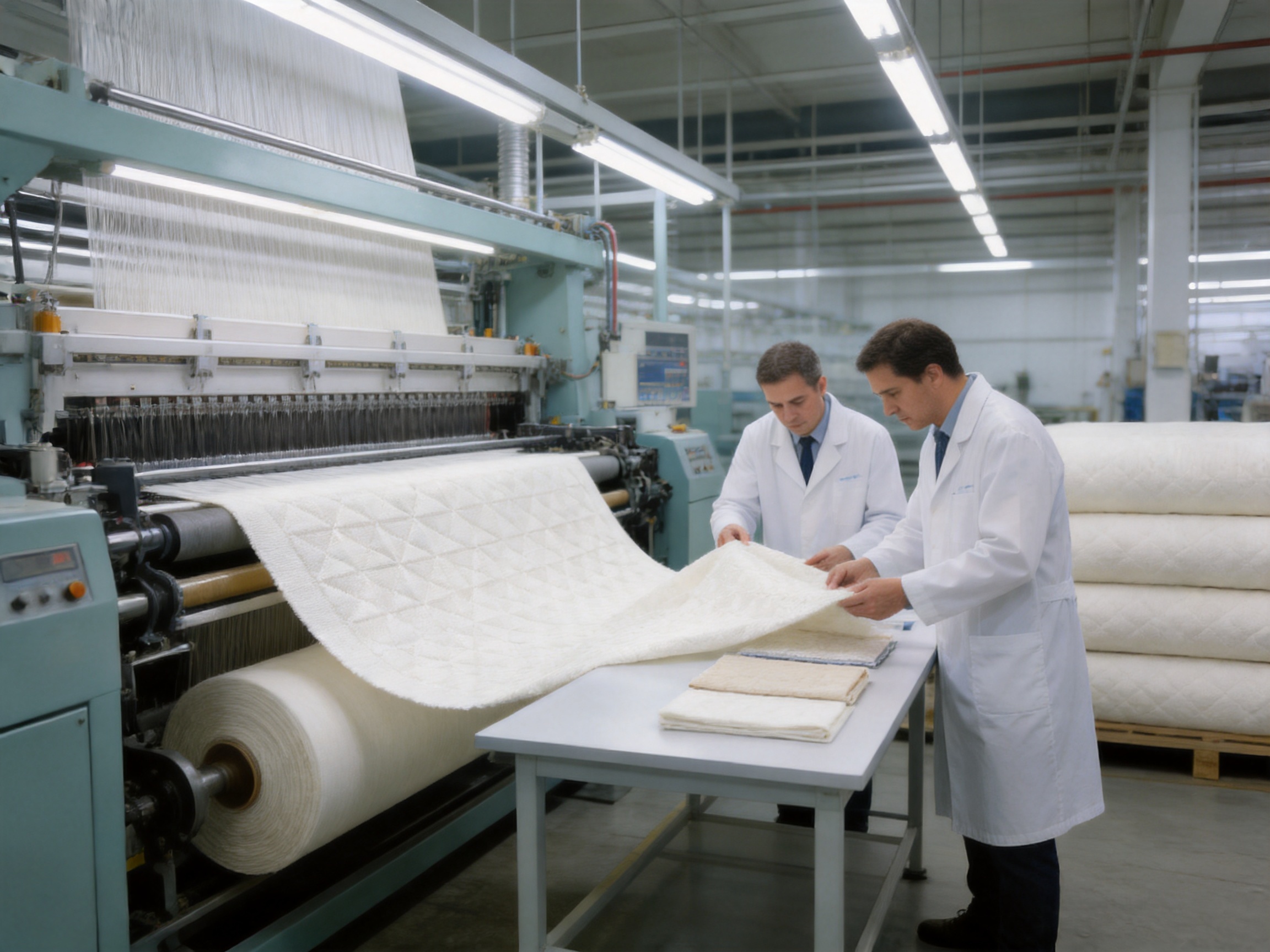
Why This Fabric Supports Better Brand Positioning
In the children’s mattress market, product differentiation is essential. Many mattresses look similar from the outside, and consumers may struggle to understand differences in foam, spring systems, or internal layers. The fabric surface is one of the few elements customers can immediately see and touch. Therefore, choosing the right mattress fabric directly affects brand perception.
Bamboo Fiber Children Mattress Fabric helps brands position their products around comfort, wellness, softness, and thoughtful material selection. These are persuasive themes for parents and caregivers. A product description that mentions bamboo-derived comfort and child-friendly softness can be more appealing than one that simply lists a generic polyester cover.
The fabric also improves visual quality. A clean, well-textured surface makes product photography more attractive. In e-commerce, this matters because customers cannot physically touch the mattress before purchase. High-quality fabric appearance helps communicate value through images.
For offline retail, touch becomes even more important. Parents comparing several mattresses may be influenced by the surface feel. A softer and more refined fabric can help a product stand out immediately. This can support higher-value positioning and stronger customer confidence.
The fabric’s functional potential also allows brands to create different product tiers. A standard model may focus on softness and breathability, while a premium model may add antibacterial, moisture-management, or flame-retardant performance according to market requirements. This flexibility helps brands build complete product collections without changing suppliers frequently.
In competitive markets, fabric choice is not only a material decision. It is a marketing decision, a quality decision, and a customer-experience decision. Bamboo Fiber Children Mattress Fabric gives brands a stronger foundation for communicating comfort and care.
Environmental and Sustainability Considerations
Modern consumers increasingly care about the environmental impact of the products they buy, especially products used by children. Bamboo-derived fiber is often selected because bamboo is a rapidly renewable plant resource. While the full environmental profile depends on processing methods, supply chain management, and finishing chemistry, bamboo fiber can support a more sustainability-conscious product direction.
For bedding brands, sustainability is not only about raw material claims. It also includes durability, responsible production, reduced waste, and long service life. A fabric that performs consistently during manufacturing helps reduce cutting waste and defective finished goods. A fabric that maintains its appearance and comfort helps extend product usefulness.
Hangzhou Xinsili Decorative Fabric Weaving Co., Ltd. emphasizes environmentally friendly decorative fabric solutions and practical reliability. This direction is important for customers who want to align comfort, function, and responsible material selection.
Functional textiles must be developed carefully to balance performance with safety and environmental expectations. For children’s products, finishing agents should be selected with attention to compliance and use conditions. Professional development and testing help ensure that the fabric meets the intended market requirements.
By combining bamboo-derived comfort with controlled manufacturing and functional textile expertise, the fabric can contribute to bedding products that feel more modern, responsible, and aligned with consumer values.
Customization Options for Mattress Manufacturers
Different markets require different children’s mattress designs. Some customers prefer a simple white or light-colored surface. Others need playful patterns, soft geometric textures, quilt-friendly designs, or premium jacquard effects. Bamboo Fiber Children Mattress Fabric can be customized according to product positioning and production requirements.
Customization may include fabric weight, width, texture, color, pattern, hand feel, finishing function, and packaging method. For mattress factories, width is especially important because it affects cutting efficiency and panel layout. A fabric supplier with production flexibility can help reduce waste and improve manufacturing planning.
Color and pattern customization support brand identity. Children’s bedding designs often use gentle tones, clean patterns, or child-friendly motifs. However, overly bright or complex patterns may not suit all markets. The company can work with customers to develop designs that fit target consumers and retail channels.
Hand-feel customization allows customers to choose between extremely soft, smooth, slightly textured, or more structured surfaces. This depends on the final mattress category and price level. For premium products, a richer touch may be preferred. For practical products, durability and easy processing may be more important.
Functional customization is another major advantage. Customers may request antibacterial finishing, moisture resistance, flame-retardant properties, cooling comfort, or other performance features according to market needs. Each function should be tested and confirmed based on relevant standards and intended use.
Customization also includes technical support. A professional supplier can help customers select suitable specifications for quilting, lamination, sewing, or cover production. This reduces trial-and-error and accelerates new product development.
Compatibility with Quilting, Sewing, and Mattress Assembly
A good children’s mattress fabric must perform well in the customer’s factory. Even if a fabric feels soft and looks attractive, it must also be compatible with industrial processes. Bamboo Fiber Children Mattress Fabric is designed with practical manufacturing needs in mind.
Quilting compatibility is important because many mattress panels combine the surface fabric with foam or fiber padding. During quilting, the fabric must feed evenly, resist distortion, and maintain pattern clarity. Excessive stretching or slipping can cause uneven stitching or panel deformation.
Sewing performance matters for removable covers and edge construction. The fabric should support clean seams and resist tearing under normal production tension. Stable structure helps operators maintain consistent seam quality.
Cutting efficiency depends on width stability and surface flatness. If the fabric curls, wrinkles, or changes dimension, cutting accuracy decreases. Professional finishing and inspection help reduce these risks.
Lamination compatibility may be required for some mattress covers. If the fabric is bonded to foam, nonwoven material, or waterproof layers, surface and structural consistency become important. The supplier can discuss suitable fabric specifications based on the intended lamination method.
Packaging and compression may also affect the fabric. Some mattresses are rolled or compressed for shipping. The surface fabric should recover acceptably and maintain a neat appearance after packaging. While performance depends on the entire mattress structure, fabric resilience contributes to the final result.
By considering downstream production needs, Bamboo Fiber Children Mattress Fabric helps customers reduce manufacturing problems and build more reliable finished products.
Company Strengths Supporting Global Customers
Hangzhou Xinsili Decorative Fabric Weaving Co., Ltd. is located in Yi Qiao Town, Xiaoshan District, Hangzhou City, Zhejiang Province, China. The company focuses on innovative research, development, and precision manufacturing of decorative textiles. Its products are suitable for home, hotel, and commercial environments.
The company’s strengths include long industry experience, functional textile development capability, manufacturing scale, and a commitment to stable quality. With 19 years in the industry, the company understands both design expectations and practical production challenges.
The 12,000㎡ factory area supports production organization and capacity planning. For customers placing repeat orders or developing multiple product lines, a stable manufacturing base is a major advantage. It helps improve delivery reliability and supports long-term cooperation.
Recognition as a National High-Tech Enterprise in 2023 reflects the company’s focus on innovation and technology. This is important in the functional decorative textile market, where customers increasingly need fabrics that do more than provide appearance.
The company’s values include craftsmanship-driven manufacturing, design innovation, and win-win collaboration. These values are reflected in the development of products that aim to be practical, reliable, and comfortable. For global customers, cooperation with a supplier that understands both function and aesthetics can simplify product development.
The company can serve customers in mattress fabric, children mattress fabric, pillowcase fabric, pregnancy pillow fabric, cooling mat fabric, bedding fabric, sofa fabric, and pet-friendly fabrics. This broad product capability allows buyers to develop coordinated textile solutions across multiple categories.
How Bamboo Fiber Children Mattress Fabric Enhances the Final Mattress
The final quality of a children’s mattress depends on many components, including the core, comfort layers, stitching, cover construction, and packaging. However, the fabric is the part that users see and touch first. It strongly influences the first impression and daily comfort of the mattress.
A soft bamboo fiber surface can make the mattress feel more gentle and welcoming. For children, this may help create a cozy sleep environment. For parents, the surface feel communicates that the product was designed with care.
The fabric’s breathable character can support comfort during sleep. Children who feel too warm may move frequently or wake up during the night. A more breathable surface contributes to better comfort by helping reduce the sensation of trapped heat.
The fabric’s visual appearance helps the mattress look clean, fresh, and suitable for children’s rooms. A well-made fabric can elevate even a simple mattress design. This is valuable for brands seeking to improve product presentation without completely redesigning the mattress structure.
The fabric’s manufacturing consistency helps mattress factories produce finished goods more efficiently. Stable fabric reduces problems in quilting, cutting, sewing, and packaging. This means fewer defects, less waste, and smoother production planning.
The fabric’s functional potential gives brands room to innovate. Depending on target market needs, the same product family can be developed with different finishing options. This creates flexibility for retailers, distributors, and private-label customers.
Market Trends Supporting Bamboo Fiber Children Mattress Fabric
The children’s bedding market is shaped by several important trends. First, consumers are more aware of sleep quality. Parents understand that children need restful sleep for growth, learning, and emotional balance. This creates demand for bedding products that feel comfortable and supportive.
Second, consumers increasingly prefer materials that feel natural or environmentally considerate. Bamboo-derived fiber fits this trend because it is associated with softness, breathability, and renewable plant resources. For brands, this creates a stronger product story.
Third, hygiene and freshness have become major concerns. Families want bedding products that feel clean and are easier to maintain. Functional fabric options, such as antibacterial or moisture-management finishes, can support this direction when properly applied and tested.
Fourth, e-commerce has increased the importance of visual presentation. Mattress fabric must look attractive in product photos and videos. A refined texture can help online products appear more premium and trustworthy.
Fifth, manufacturers need efficient production materials. Rising labor and material costs make stable fabric quality more important. A low-cost fabric that causes production waste may not be economical in the long term. Reliable bamboo fiber mattress fabric can support both product value and production efficiency.
These trends make Bamboo Fiber Children Mattress Fabric a strong choice for modern bedding brands that want to compete on comfort, quality, and consumer trust.
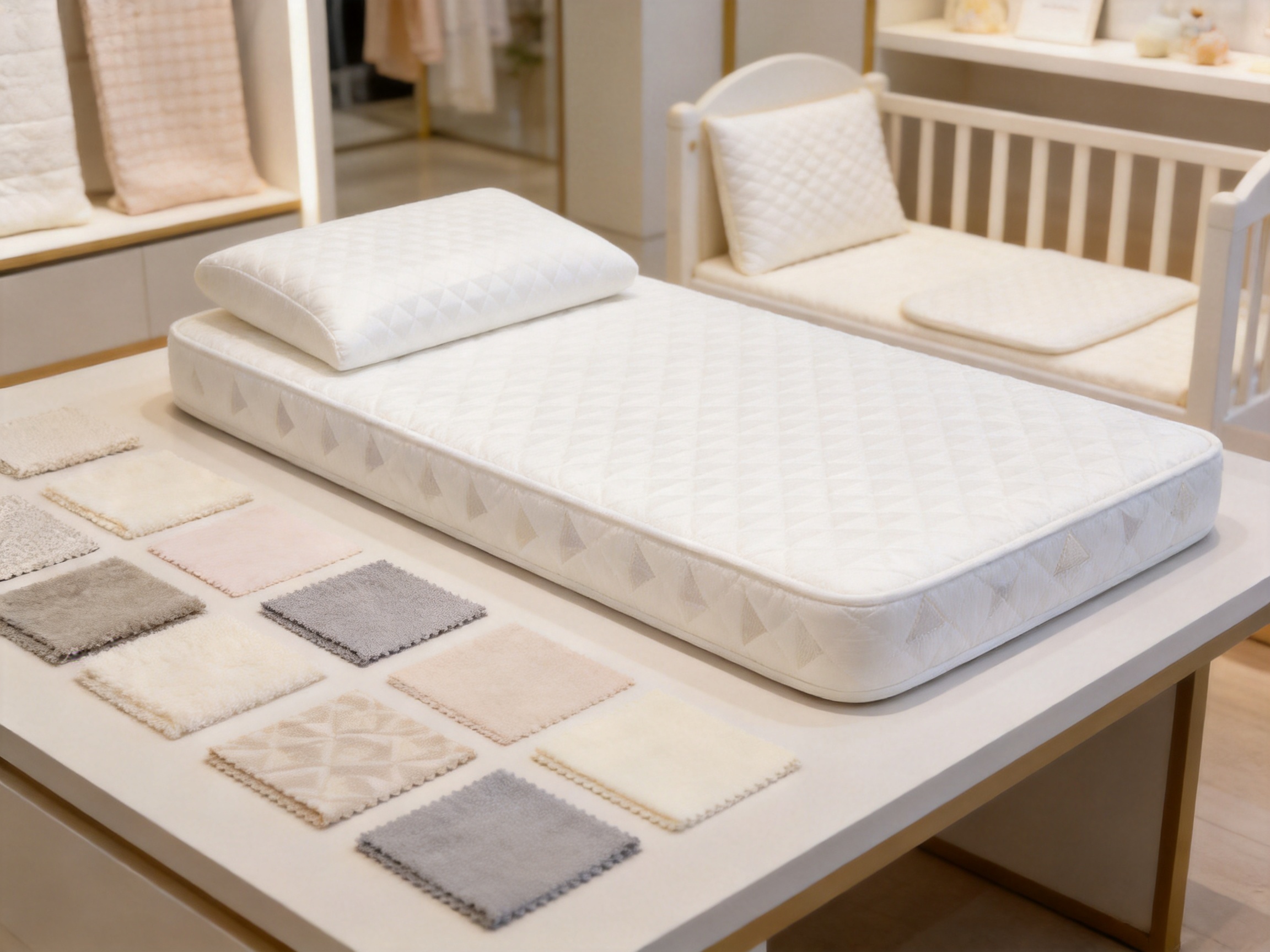
Purchasing Considerations for Buyers
When selecting Bamboo Fiber Children Mattress Fabric, buyers should consider both product performance and production requirements. The first question is the intended application. A fabric for a quilted mattress top may require different specifications from a removable cover or pillow surface.
Buyers should confirm fabric width, weight, surface texture, color, pattern, and finishing requirements. If the fabric will be quilted, the supplier should understand the quilting pattern, padding material, and machine conditions. If the fabric will be laminated, bonding compatibility should be discussed.
Testing requirements should also be considered early. Children’s products may need to meet specific safety, chemical, flammability, or performance standards depending on the destination market. Buyers should communicate these requirements before bulk production to ensure suitable development and testing.
Hand feel should be evaluated through samples. Softness is important, but the fabric must also maintain enough stability for production. Buyers may request sample rolls for trial cutting, quilting, sewing, washing, or packaging tests.
Color and batch consistency should be discussed for repeat orders. If a product line will be sold long-term, the supplier should support consistent production standards. Clear approval samples and batch references can help avoid misunderstandings.
Packaging and shipping should be planned according to the customer’s manufacturing process. Proper roll packaging helps protect the fabric during transportation and storage. For international shipments, reliable packaging reduces the risk of contamination or deformation.
Q&A: Common Questions About Bamboo Fiber Children Mattress Fabric
What is Bamboo Fiber Children Mattress Fabric used for?
It is mainly used for children’s mattress surfaces, quilted mattress panels, removable mattress covers, and related bedding products. It can also be adapted for pillows, nap mats, and soft sleep accessories that require a gentle and comfortable surface.
Why is bamboo fiber suitable for children’s mattress fabric?
Bamboo-derived fiber is valued for its soft touch, breathable comfort, and natural-feeling surface. These qualities are useful for children’s bedding because children need a gentle sleep surface that feels comfortable through the night.
How does this fabric compare with ordinary polyester mattress fabric?
Compared with many basic polyester fabrics, Bamboo Fiber Children Mattress Fabric can offer a softer hand feel, a more comfort-oriented product image, better moisture comfort potential, and stronger differentiation for bedding brands. It can also be customized with functional finishing options.
Can the fabric be customized?
Yes. Customization may include width, weight, color, pattern, texture, hand feel, and functional finishing. Buyers can develop different specifications for standard, mid-range, or premium children’s mattress lines.
Can antibacterial or flame-retardant functions be added?
Functional finishing options may be developed according to customer requirements, including antibacterial, moisture-resistant, flame-retardant, sleep-supporting, or comfort-improving functions. Specific performance should be confirmed by testing according to the standards required by the destination market.
Is the fabric suitable for quilting?
Yes, the fabric can be designed for quilting applications. Buyers should provide details about quilting patterns, padding materials, production equipment, and desired finished appearance so the supplier can recommend suitable specifications.
What makes the manufacturer reliable?
The manufacturer has 19 years of industry experience, a 12,000㎡ factory area, and recognition as a National High-Tech Enterprise in 2023. It focuses on functional decorative textiles and combines design innovation with manufacturing control and quality management.
Can this fabric be used for markets outside China?
Yes. The fabric can be developed for global customers. Buyers should provide target-market requirements, including safety, chemical, flammability, labeling, and performance standards, so that appropriate specifications and testing plans can be arranged.
Why Choose This Fabric for a New Children’s Mattress Collection
Bamboo Fiber Children Mattress Fabric is a strong choice for brands developing new children’s mattress collections because it combines consumer-friendly comfort with manufacturing practicality. It helps the finished mattress feel softer, look cleaner, and communicate a more thoughtful product concept.
For buyers seeking an upgrade over conventional fabrics, the bamboo-derived surface provides a clear advantage. It supports a gentle touch, breathable comfort, moisture comfort, and a stronger wellness-oriented story. These features align well with modern parent expectations.
For mattress factories, the fabric offers the benefit of professional production control. Stable width, surface quality, finishing consistency, and processing compatibility can help reduce waste and improve efficiency. This makes the fabric valuable not only for marketing but also for production management.
For retailers and distributors, the fabric supports product differentiation. A children’s mattress with a soft bamboo fiber cover can be positioned more effectively than a generic mattress with a basic surface fabric. It gives sales teams a clearer message and gives customers a reason to choose the product.
For long-term brand development, the fabric provides flexibility. It can be used in standard products, premium collections, hygiene-focused models, comfort-enhanced models, and coordinated bedding accessories. This allows companies to build a complete children’s sleep product family around a consistent material concept.
Conclusion
Bamboo Fiber Children Mattress Fabric is more than a decorative surface. It is a performance-oriented textile solution for children’s sleep products, combining softness, breathability, moisture comfort, functional finishing potential, and manufacturing reliability. In a market where parents expect safer, healthier, and more comfortable bedding, this fabric gives mattress brands a meaningful advantage.
Its bamboo-derived comfort helps create a gentle and pleasant sleep surface. Its customizable structure and finishing options support different product levels and market requirements. Its compatibility with quilting, sewing, and mattress assembly makes it practical for industrial production. Its refined appearance improves product presentation in both retail and e-commerce channels.
Behind the fabric is the manufacturing strength of Hangzhou Xinsili Decorative Fabric Weaving Co., Ltd., a company with 19 years of experience, a 12,000㎡ factory area, and advanced functional textile development capability. Through craftsmanship-driven manufacturing, design innovation, and reliable quality control, the company supports customers in building bedding products that are comfortable, attractive, and commercially competitive.
For children’s mattress manufacturers, bedding brands, distributors, and private-label buyers, Bamboo Fiber Children Mattress Fabric offers a balanced solution: soft enough for children, stable enough for production, flexible enough for customization, and strong enough to support modern market positioning.
References
1. Textile Institute. Textile Terms and Definitions. Textile Institute Publications.
2. Kadolph, S. J. Textiles. Pearson Education.
3. Saville, B. P. Physical Testing of Textiles. Woodhead Publishing.
4. Horrocks, A. R., and Anand, S. C. Handbook of Technical Textiles. Woodhead Publishing.
5. Sinclair, R. Textiles and Fashion: Materials, Design and Technology. Woodhead Publishing.
6. Collier, B. J., and Epps, H. H. Textile Testing and Analysis. Pearson.
Product: Bamboo Fiber Children Mattress Fabric
Our Featured Products
-
Bamboo Fiber Children Mattress Fabric
Bamboo Fiber Children Mattress Fabric
Haven’t Found The Products You Want?
-
-
Shen Jinyan:+86-15158070676
[email protected]
Liang Jinwen:+86-15757186621
[email protected]
Qiu Yingyingn:+86-13819545790
[email protected]
Yi qiao Town, Xiaoshan District, Hangzhou City, Zhejiang Province, China
-
Products
Mattress Fabric Children Mattress Fabric Pillowcase Fabric Pregnancy Pillow Fabric Cooling Mat Fabric Bedding Fabric Sofa Fabric Pet Friendly Fabrics -
Contact Information
About Us Products Strength Sustainability News Contact Us
Copyright © Hangzhou Xinsili Decorative Fabric Weaving Co.,Ltd. All Rights Reserved.
Functional Decorative Textile Manufacturers
