

 English
 中文简体
中文简体 Español
 عربى
عربى русский


Antibacterial Yarn Pillowcase Fabric for Cleaner, Cooler, and More Comfortable Sleep
Content
- 1 Why Pillowcase Fabric Needs Antibacterial Function
- 2 Product Overview: Functional Fabric Designed for Everyday Sleep
- 3 Core Advantages Over Conventional Pillowcase Fabrics
- 4 Technical Performance and User Benefits
- 5 Advanced Manufacturing Processes Behind the Fabric
- 6 Company Strengths Supporting Product Reliability
- 7 Applications in Bedding and Home Textile Markets
- 8 Why Buyers Choose Antibacterial Yarn Instead of Surface Treatment
- 9 Comfort Engineering: Softness, Breathability, and Sleep Quality
- 10 Durability and Maintenance Benefits
- 11 Design Flexibility and Customization Potential
- 12 Environmental and Healthy Living Considerations
- 13 Competitive Advantages for Bedding Brands and Distributors
- 14 Quality Control: The Key to Consistent Functional Textiles
- 15 How the Fabric Supports Better Sleep Environments
- 16 Procurement Considerations for Buyers
- 17 Why Manufacturing Experience Matters
- 18 Q&A: Common Questions About Antibacterial Yarn Pillowcase Fabric
- 18.1 Q1: What makes Antibacterial Yarn Pillowcase Fabric different from ordinary pillowcase fabric?
- 18.2 Q2: Is the antibacterial function only a surface coating?
- 18.3 Q3: Can the fabric be used for hotel pillowcases?
- 18.4 Q4: Is the fabric comfortable for direct skin contact?
- 18.5 Q5: Does antibacterial fabric replace washing?
- 18.6 Q6: Can the fabric help reduce pillowcase odor?
- 18.7 Q7: Is customization available?
- 18.8 Q8: What markets are suitable for this fabric?
- 18.9 Q9: Why is supplier experience important when buying functional pillowcase fabric?
- 18.10 Q10: What is the main business advantage of this fabric for bedding brands?
- 19 Conclusion
- 20 References
- 21 Product: Antibacterial Yarn Pillowcase Fabric
Antibacterial Yarn Pillowcase Fabric is a functional textile developed for bedding products that require a higher level of hygiene, comfort, durability, and daily usability. As consumers pay closer attention to sleep quality, skin wellness, odor control, and the cleanliness of frequently used bedding items, pillowcase fabric has become more than a decorative surface. It is now expected to support a healthier sleep environment while maintaining softness, breathability, stable performance, and an appealing appearance after repeated washing and long-term use.
Among bedding materials, pillowcase fabric is one of the most intimate textiles. It remains in direct contact with the face, hair, neck, and respiratory zone for many hours every night. This constant contact means the fabric must manage moisture, reduce odor development, feel gentle against the skin, and resist the buildup of unwanted microorganisms. Antibacterial Yarn Pillowcase Fabric is designed to address these expectations through functional yarn technology rather than relying only on temporary surface finishing.
Compared with ordinary pillowcase fabric, antibacterial yarn fabric offers a more stable and long-lasting functional foundation. Traditional fabrics may be comfortable at first, but they can gradually lose freshness, accumulate odors, or depend on chemical post-treatments that may weaken after washing. A fabric made with antibacterial yarn integrates hygiene-supporting performance into the textile structure itself, helping the pillowcase remain cleaner and fresher across its service life.
Hangzhou Xinsili Decorative Fabric Weaving Co., Ltd. manufactures functional decorative textiles for residential, hotel, and commercial environments. With 19 years of industry experience, a 12,000-square-meter production area, and recognition as a National High-Tech Enterprise in 2023, the company focuses on integrating textile engineering with practical daily comfort. Its product development covers antibacterial, moisture-resistant, flame-retardant, sleep-supporting, and comfort-improving fabric technologies, making the Antibacterial Yarn Pillowcase Fabric a representative product within its functional bedding fabric portfolio.
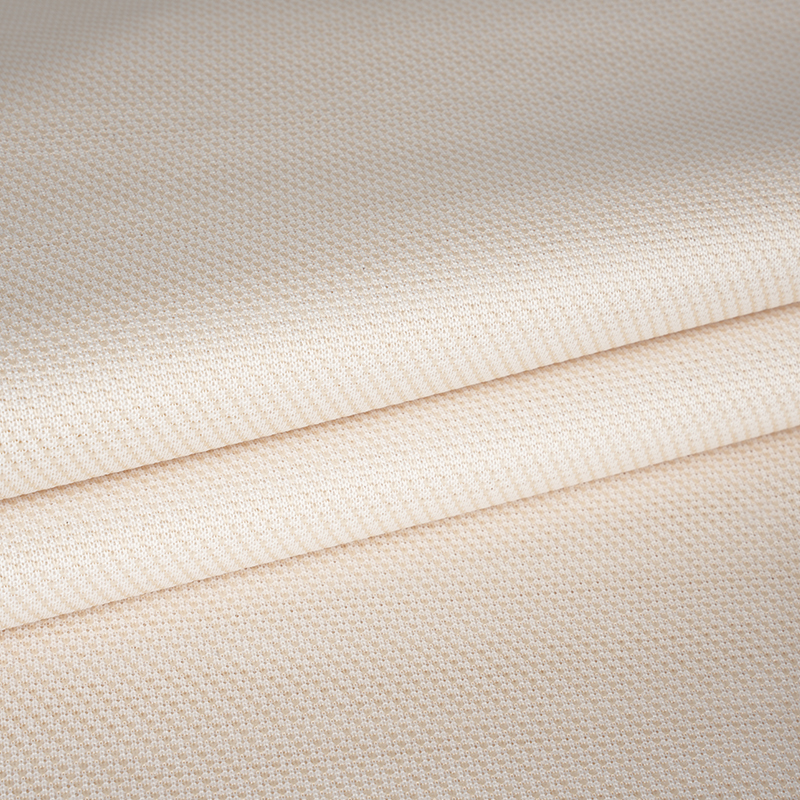
Antibacterial Yarn Pillowcase Fabric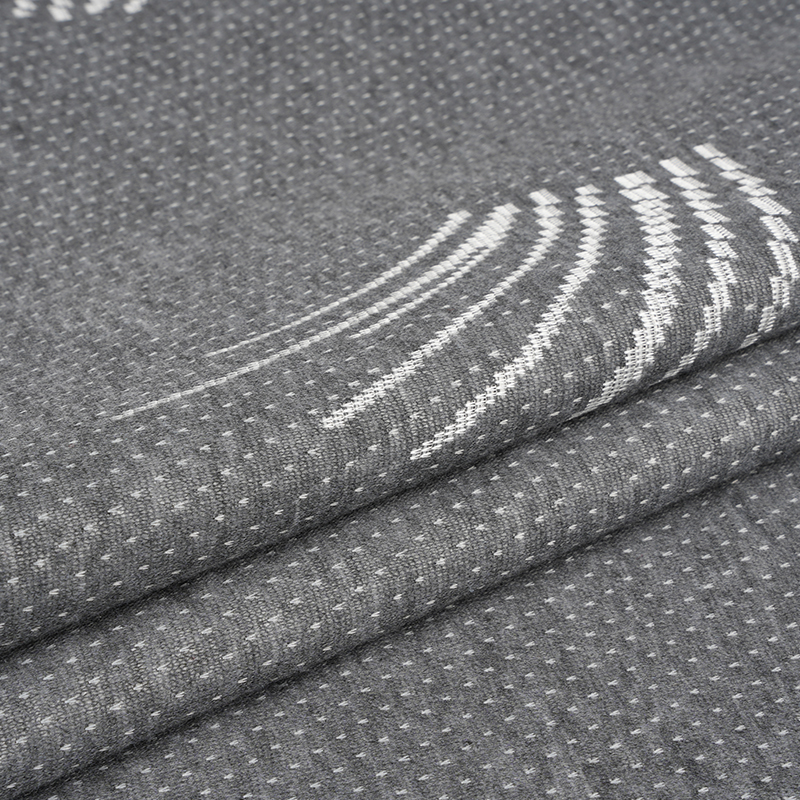
Why Pillowcase Fabric Needs Antibacterial Function
A pillowcase is used in a uniquely demanding environment. It absorbs sweat, skin oils, hair care residue, skincare products, humidity from breathing, and airborne particles. Even in a clean bedroom, these factors can create conditions that allow odor-causing bacteria to multiply. While regular laundering is essential, fabric construction and yarn selection can greatly influence how fresh a pillowcase remains between washes.
Antibacterial Yarn Pillowcase Fabric is developed to reduce the growth of bacteria on the textile surface and within the fabric structure. By controlling microbial activity, the fabric can help reduce unpleasant odors and support a cleaner sleeping surface. This function is especially valuable for people who sweat during sleep, households in humid climates, hotels requiring consistent guest-room freshness, and consumers who prefer hygienic bedding solutions.
The antibacterial function does not replace regular cleaning, but it improves the fabric’s performance between wash cycles. In practical terms, this means the pillowcase can feel fresher for longer, resist odor development better than standard fabric, and provide added confidence for users who care about cleanliness. For bedding brands, this also provides a strong selling point in a competitive market where consumers seek visible and meaningful upgrades.
Because the face and skin are highly sensitive, antibacterial pillowcase fabric must balance performance with softness. A fabric that is hygienic but rough, stiff, noisy, or poorly breathable will not satisfy modern bedding expectations. Therefore, high-quality antibacterial yarn fabric should combine functional protection with a comfortable hand feel, smooth surface touch, breathable structure, and attractive decorative appearance.
Product Overview: Functional Fabric Designed for Everyday Sleep
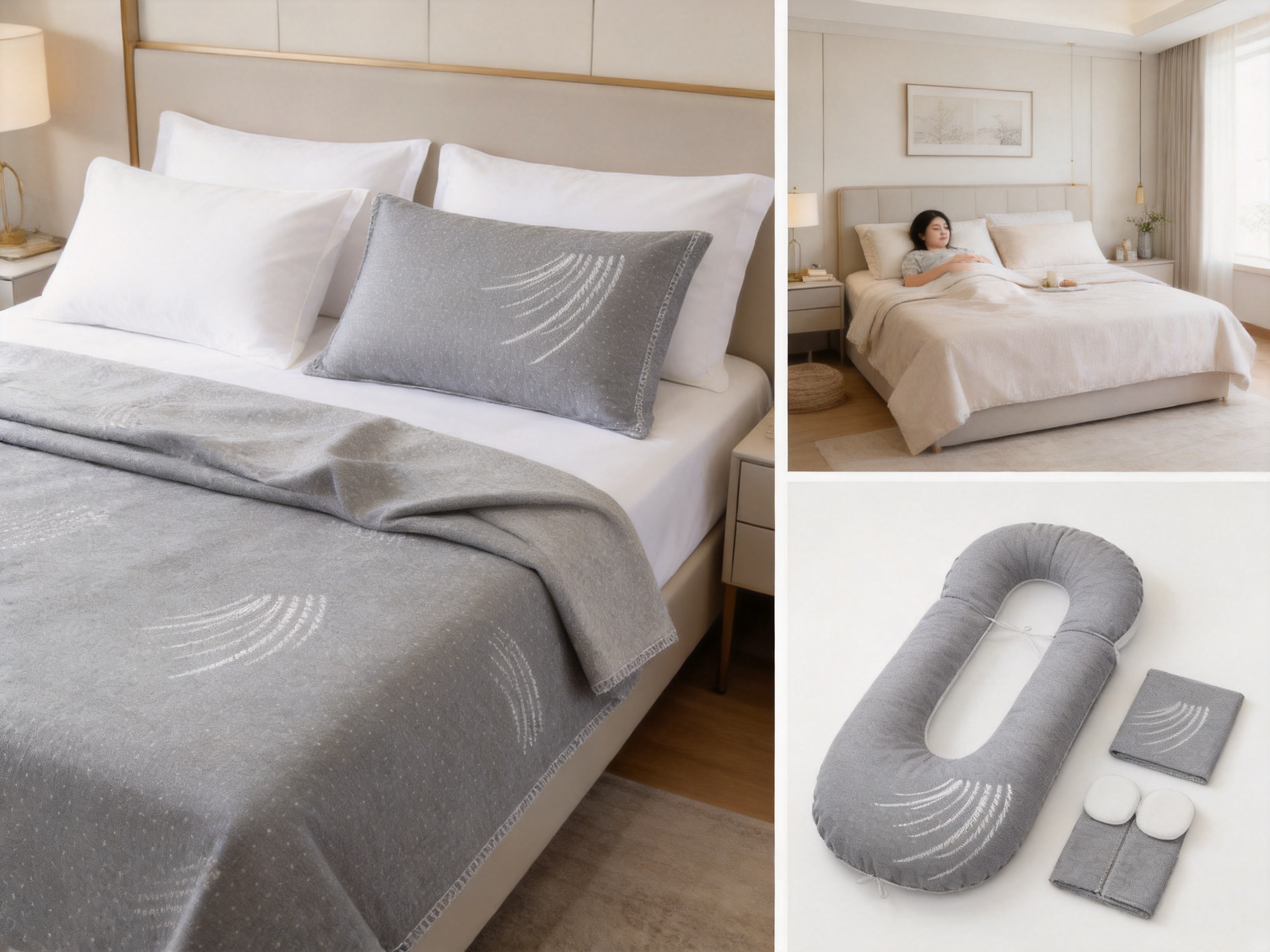
Antibacterial Yarn Pillowcase Fabric is suitable for pillowcases, bedding accessories, functional home textiles, hotel pillow covers, wellness bedding collections, pregnancy pillow covers, and premium sleep products. It can also support product lines that emphasize freshness, skin-friendly contact, comfort, and improved hygiene management.
The fabric is developed around yarn-level functionality. Instead of applying a short-lived antibacterial coating after the fabric is finished, the antibacterial performance is associated with the yarn system used during textile construction. This can improve durability, reduce performance loss after washing, and help preserve the fabric’s functional value during normal use.
The product can be adapted for different styles depending on customer requirements, including smooth pillowcase surfaces, textured decorative looks, breathable structures, soft-touch finishes, and customized colors or patterns. This makes it suitable for both home bedding brands and commercial hospitality applications where consistent appearance and long-term performance are required.
For consumers, the most noticeable benefits are freshness, comfort, and confidence. For manufacturers and buyers, the benefits include product differentiation, functional labeling potential, stable supply, and compatibility with multiple bedding categories. For hotels and institutional users, the fabric helps improve the perception of cleanliness and supports a more comfortable guest experience.
Core Advantages Over Conventional Pillowcase Fabrics
Antibacterial Yarn Pillowcase Fabric offers several advantages over conventional cotton, polyester, blended, or chemically finished pillowcase fabrics. These advantages are connected not only to hygiene performance but also to durability, comfort stability, and value creation for bedding manufacturers.
Longer-Lasting Antibacterial Performance
Many standard antibacterial fabrics rely on surface finishing. Such finishes may provide initial performance, but repeated washing, rubbing, detergent exposure, and long-term use can reduce their effect. In contrast, antibacterial yarn technology gives the textile a more integrated functional base. This improves performance consistency and makes the fabric more suitable for bedding products that must be washed regularly.
Improved Freshness Between Washes
Odor is one of the most common problems in pillowcases. Moisture, skin contact, and warmth can encourage odor formation. Antibacterial Yarn Pillowcase Fabric helps control the bacteria associated with odor development, allowing the pillowcase to remain fresher between laundering cycles. This is especially beneficial for humid climates, active users, and hotel bedding systems.
Comfortable Skin Contact
The fabric is designed for direct contact with the face and neck. A successful pillowcase textile must be soft, smooth, breathable, and non-irritating in daily use. Through careful yarn selection, weaving control, and finishing technology, the fabric can deliver a pleasant hand feel while retaining its functional purpose.
Better Product Differentiation
In bedding markets, many pillowcases look similar. Antibacterial yarn fabric gives brands a clear functional advantage that can be communicated to buyers. Instead of competing only on color, pattern, or price, brands can offer a hygiene-supporting sleep solution with practical value.
Suitable for Premium and Functional Bedding Lines
The fabric can be used in bedding categories where consumers expect more than basic textile coverage. These include premium pillowcases, children’s bedding, pregnancy pillows, cooling sleep accessories, wellness bedding, and hotel bedding. Its functional nature supports higher-value positioning.
Technical Performance and User Benefits
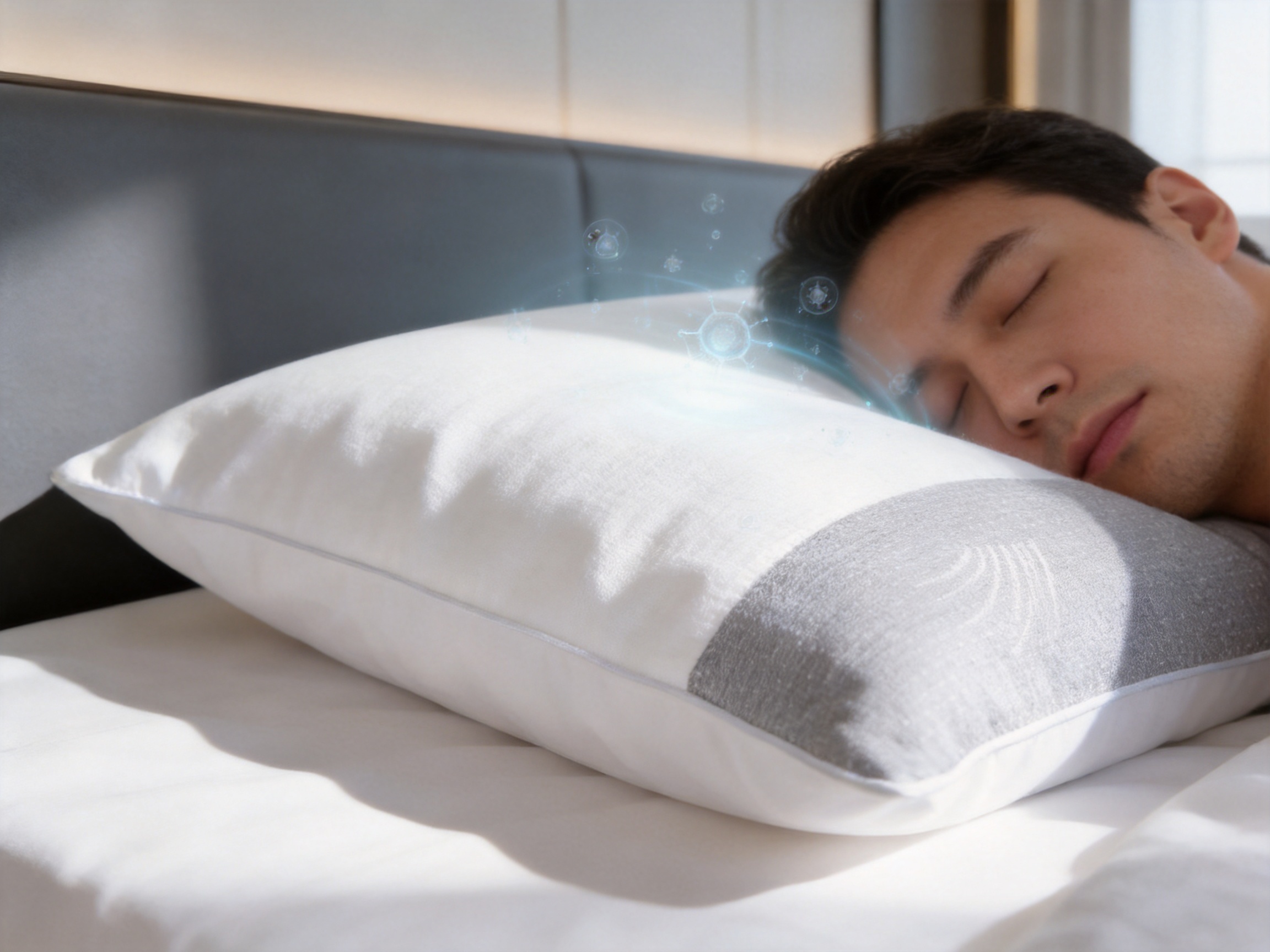
The value of Antibacterial Yarn Pillowcase Fabric can be understood through the connection between textile engineering and real user experience. A pillowcase is not judged only by laboratory function. It must perform in everyday conditions: repeated contact, night-time humidity, washing, folding, packaging, and long-term use.
The antibacterial function helps limit the growth of bacteria on the fabric. This contributes to odor control and supports a cleaner textile surface. The fabric’s breathability helps reduce stuffiness around the face and head, while its soft touch improves sleep comfort. The structure can also be engineered to maintain dimensional stability so the pillowcase remains properly shaped after laundering.
Durability is another important performance dimension. Bedding products are repeatedly washed, dried, handled, and used. Poor-quality fabrics may pill, deform, fade, become rough, or lose their functional finish quickly. A better pillowcase fabric must withstand these common stresses. Xinsili’s manufacturing approach emphasizes consistent weaving, controlled finishing, and quality inspection, helping ensure the fabric is practical for commercial use.
| Performance Area | Antibacterial Yarn Pillowcase Fabric | Ordinary Pillowcase Fabric | User Benefit |
|---|---|---|---|
| Hygiene Support | Antibacterial function integrated with yarn technology | Usually no function or surface treatment only | Helps maintain a cleaner sleeping surface |
| Odor Control | Reduces bacteria associated with odor formation | More likely to develop odor between washes | Fresher pillowcase experience |
| Wash Durability | Designed for repeated use and laundering | Function may decline quickly if only coated | More reliable long-term performance |
| Comfort | Soft, breathable, and suitable for facial contact | Comfort varies widely by material and finish | Better sleep comfort and skin contact |
| Market Value | Functional textile suitable for premium bedding | Basic decorative or protective fabric | Stronger product differentiation |
Advanced Manufacturing Processes Behind the Fabric
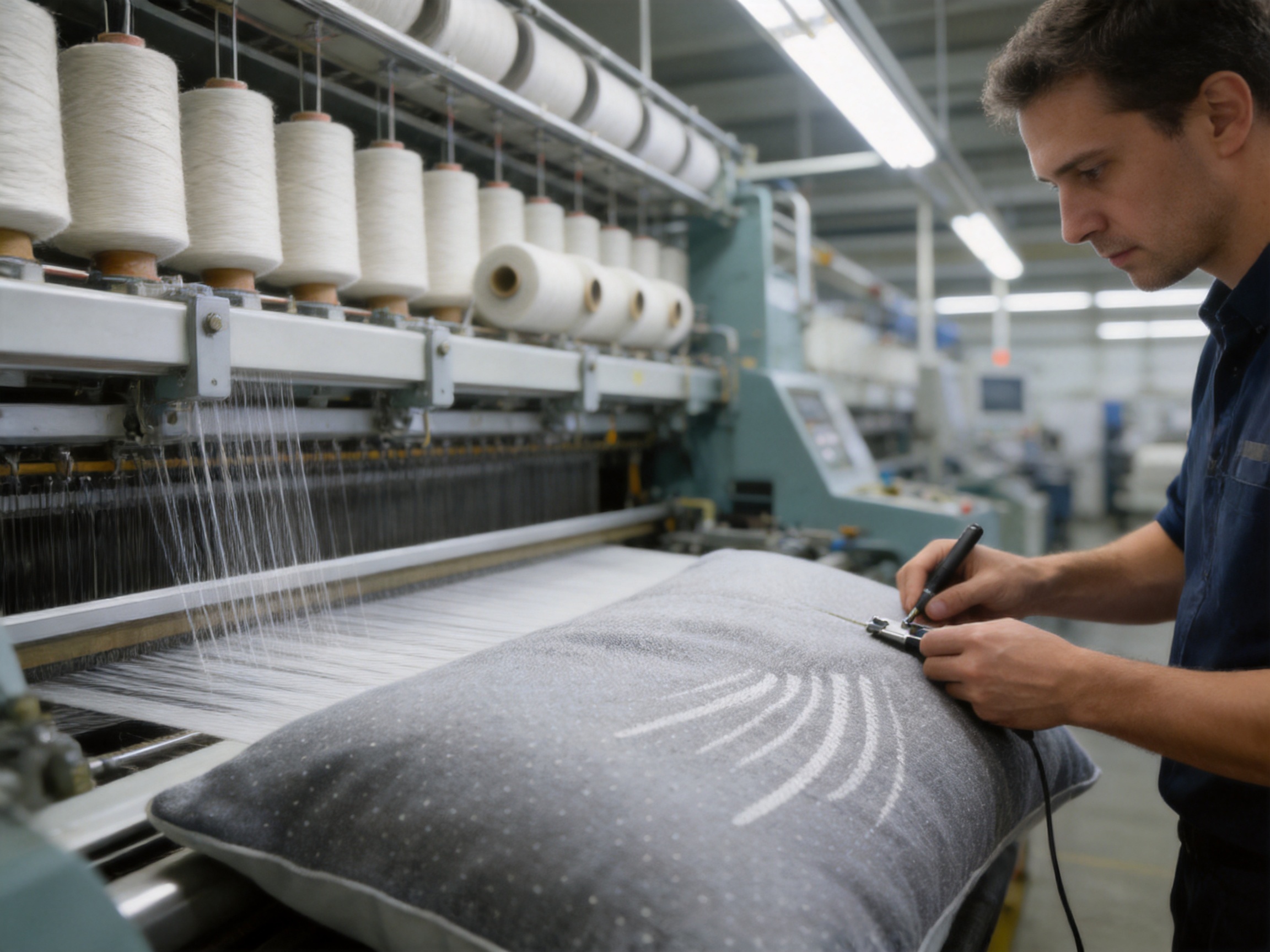
The quality of Antibacterial Yarn Pillowcase Fabric depends on precise manufacturing control. Functional textile production is not simply a matter of adding a chemical feature. It requires coordinated work across yarn selection, warping, weaving, finishing, testing, and final inspection. Each stage influences the final fabric’s softness, stability, antibacterial performance, appearance, and suitability for pillowcase manufacturing.
Functional Yarn Selection
The foundation of the product is antibacterial yarn. Yarn quality determines the consistency of function, fabric strength, texture, and processing behavior. Selected yarns must meet requirements for antibacterial performance, uniformity, tensile strength, smoothness, and compatibility with weaving equipment. If yarn quality is unstable, the final fabric may show uneven texture, weak areas, inconsistent function, or poor appearance.
By focusing on yarn-level performance, the company can create a fabric that is more reliable than textiles depending only on post-treatment. This approach supports functional stability and enables the fabric to maintain its practical advantages through repeated handling and washing.
Precision Warping
Warping prepares yarns for weaving by arranging them in a controlled, parallel format with proper tension. Uneven warping can cause fabric defects, inconsistent density, streaks, or reduced stability. For pillowcase fabric, where smoothness and appearance are important, precise warping is essential.
Advanced warping control helps maintain uniform yarn tension and fabric width. It also contributes to surface consistency, which is especially important for pillowcases because the surface is constantly visible and touched. A uniform fabric surface improves both visual quality and tactile comfort.
Controlled Weaving
Weaving transforms yarn into fabric. In functional pillowcase textiles, weaving must balance breathability, softness, density, durability, and design. Too loose a structure may reduce stability; too tight a structure may reduce breathability or make the fabric feel stiff. The weaving process must therefore be carefully adjusted to meet the intended end use.
Xinsili’s experience in decorative fabric weaving supports the production of stable and attractive fabric structures. The company’s manufacturing knowledge allows it to produce fabric suitable for residential bedding, hotel pillowcases, and commercial textile applications. Consistent weaving also reduces waste and supports better production efficiency for downstream sewing and finishing.
Finishing for Softness and Stability
Finishing gives the fabric its final hand feel, dimensional behavior, and appearance. For pillowcase use, finishing must improve softness without blocking breathability or damaging antibacterial performance. The fabric should feel gentle against the skin while maintaining durability.
Finishing may include processes designed to stabilize the fabric, improve touch, enhance drape, and prepare the textile for cutting and sewing. The goal is to create a fabric that performs well not only at the factory but also in the home, hotel, or retail environment.
Quality Inspection
Functional fabrics require stricter inspection than ordinary fabrics. Visual defects, uneven density, inconsistent color, poor hand feel, and unstable width can all reduce product value. For antibacterial pillowcase fabric, performance-related quality control is equally important.
Inspection helps ensure that the fabric meets customer expectations for appearance, function, and usability. Quality control may include checking fabric weight, width, surface uniformity, hand feel, color consistency, tensile behavior, shrinkage tendency, and fabric defects. This systematic approach helps customers receive a stable and reliable product.
Company Strengths Supporting Product Reliability
Hangzhou Xinsili Decorative Fabric Weaving Co., Ltd. has developed its strengths through long-term specialization in functional decorative textiles. The company’s philosophy of “Weaving Beautiful Spaces” reflects a focus on practical beauty: textiles must not only look good, but also contribute to comfort, safety, health, and sustainability in everyday environments.
With 19 years of industry experience, the company has accumulated knowledge in fabric structure, yarn behavior, finishing technology, application requirements, and quality management. This experience is particularly valuable in functional fabric development because a product must meet multiple expectations at the same time. It must be comfortable, stable, attractive, functional, and suitable for large-scale production.
The company operates from a 12,000-square-meter factory area in Hangzhou, Zhejiang Province, China. This manufacturing base supports production capacity, process coordination, and product development. As a National High-Tech Enterprise recognized in 2023, the company demonstrates its commitment to technological innovation and continuous improvement in textile manufacturing.
Xinsili’s product categories include mattress fabric, children’s mattress fabric, pillowcase fabric, pregnancy pillow fabric, cooling mat fabric, bedding fabric, sofa fabric, and pet-friendly fabrics. This broad functional textile experience allows the company to understand different end-use scenarios. Knowledge gained from mattress fabric, cooling fabric, and pet-friendly textile development can support improvements in durability, comfort, breathability, and functional stability for pillowcase fabric.
The company’s strengths are not limited to machinery or production space. They also include research and development awareness, engineering experience, customization ability, and responsiveness to market needs. For buyers seeking functional pillowcase fabric, these strengths reduce development risk and help create products that are both technically meaningful and commercially attractive.
Applications in Bedding and Home Textile Markets
Antibacterial Yarn Pillowcase Fabric is suitable for multiple product categories because pillowcase-like textile contact appears in many sleep and comfort products. Its primary application is pillowcase production, but the fabric can also be used in related bedding items requiring soft touch and hygiene-supporting performance.
Residential Pillowcases
For home bedding, consumers want pillowcases that feel soft, remain fresh, and match their bedroom design. Antibacterial Yarn Pillowcase Fabric supports these needs by offering comfort and freshness in daily use. It is suitable for premium bedding sets, wellness bedding collections, and products marketed toward cleaner sleep.
Hotel and Hospitality Bedding
Hotels require bedding that remains attractive after frequent washing and gives guests a sense of cleanliness. Pillowcases are among the most noticeable bedding items because guests directly touch them and evaluate their softness immediately. Antibacterial pillowcase fabric can help hotels improve the perceived quality of bedding while supporting odor control and freshness.
Children’s Bedding
Children’s bedding must be comfortable, gentle, and reliable. Children may sweat during sleep and may be more sensitive to unpleasant fabric odors. Antibacterial yarn fabric can be used in children’s pillowcases to support cleaner contact surfaces and improve parents’ confidence in the bedding product.
Pregnancy Pillow Covers
Pregnancy pillows are used for extended body support and often remain in close contact with the face, neck, arms, and body. Fabric used for pregnancy pillow covers should be breathable, soft, and easy to maintain. Antibacterial Yarn Pillowcase Fabric can contribute to freshness and comfort in these products.
Cooling and Comfort Bedding Accessories
Cooling mats, breathable bedding layers, and comfort pillows benefit from fabrics that manage moisture and reduce stuffiness. While antibacterial performance is the central feature, the fabric can also be engineered with comfort-oriented structures that support airflow and daily usability.
Why Buyers Choose Antibacterial Yarn Instead of Surface Treatment
One of the strongest product advantages is the use of antibacterial yarn technology. Many buyers are familiar with antibacterial finishing, where a treatment is applied to the fabric surface after weaving. While this method can be useful, it has limitations. Surface treatments can be affected by washing, abrasion, heat, detergent chemistry, and friction during sleep.
Antibacterial yarn offers a more integrated solution. Because the functional characteristic is associated with the yarn, the fabric is better positioned for stable long-term performance. For pillowcases, this is especially important because laundering is frequent and skin contact is constant.
From a business perspective, yarn-level functionality can also improve product credibility. Consumers increasingly ask whether functional bedding features are durable or only temporary. A fabric based on antibacterial yarn can support stronger product claims when verified by appropriate testing. This helps bedding brands build trust and justify premium positioning.
Another advantage is process consistency. Surface treatment may vary depending on coating uniformity, bath control, curing conditions, and fabric absorbency. Yarn-based functionality reduces dependence on some of these variables. Although finishing remains important, the antibacterial feature is built into the textile concept from the beginning.
For buyers comparing suppliers, the difference between temporary finishing and yarn-integrated function is significant. A lower-cost surface-treated fabric may appear competitive at first, but if the function weakens quickly or the fabric feels stiff, the final product may disappoint consumers. Antibacterial Yarn Pillowcase Fabric aims to deliver more dependable performance and better overall value.
Comfort Engineering: Softness, Breathability, and Sleep Quality
A pillowcase fabric must succeed in the sensory experience. Even the strongest antibacterial function cannot compensate for poor comfort. Users judge pillowcases by touch, temperature feel, moisture behavior, smoothness, and quietness during movement. Antibacterial Yarn Pillowcase Fabric is developed with these factors in mind.
Softness is essential because the pillowcase touches the face throughout the night. A harsh surface can cause discomfort and reduce satisfaction. Through suitable yarn selection and finishing, the fabric can achieve a pleasant touch that supports relaxation and sleep comfort.
Breathability is also critical. A pillowcase that traps heat and moisture may feel unpleasant, especially in warm seasons or humid environments. Breathable fabric construction allows air movement and helps reduce the sensation of dampness. This contributes to a fresher sleep environment and complements the antibacterial function.
Moisture comfort is related to both breathability and yarn behavior. During sleep, the body naturally releases moisture. A good pillowcase fabric should help manage this moisture without becoming clammy. Although the fabric is not a medical product, its textile comfort properties can influence how users perceive sleep quality.
Surface smoothness is important for face and hair contact. Many consumers prefer pillowcases that reduce friction and feel gentle. A controlled weaving process helps create a consistent surface, while finishing improves touch and drape. Together, these elements make the fabric suitable for daily use and premium bedding applications.
Durability and Maintenance Benefits
Durability is one of the main reasons to choose a professionally manufactured functional fabric. Pillowcases are frequently washed, folded, pressed, packaged, shipped, displayed, purchased, used, and washed again. Each step can stress the fabric. If the textile is weak or poorly finished, it may shrink, pill, fade, wrinkle excessively, or lose softness.
Antibacterial Yarn Pillowcase Fabric is designed for repeated use. Its performance depends on a combination of yarn quality, fabric structure, finishing stability, and inspection control. Durable fabric benefits both consumers and brands. Consumers enjoy longer product life, while brands reduce quality complaints and improve customer loyalty.
Maintenance should also be convenient. Modern consumers prefer bedding that is easy to wash and care for. A pillowcase fabric that retains comfort and freshness after normal laundering is more practical than a delicate fabric requiring complicated care. The antibacterial yarn approach supports this expectation by improving functional durability.
For hotels, durability has direct cost implications. Bedding textiles are washed more often than home products. A fabric that maintains appearance, touch, and performance after repeated cleaning can reduce replacement frequency and improve operational value. This makes Antibacterial Yarn Pillowcase Fabric suitable for hospitality buyers seeking long-term textile efficiency.
Design Flexibility and Customization Potential
Functional fabric must also meet design expectations. Bedding products are part of interior decoration, and pillowcases contribute to the overall look of a bedroom. Antibacterial Yarn Pillowcase Fabric can be developed in different colors, surface effects, textures, and patterns according to customer requirements.
Customization allows bedding brands to combine functional value with visual identity. A minimalist brand may prefer soft neutral colors and smooth surfaces, while a family bedding line may choose warmer colors or decorative patterns. Hotel buyers may require elegant, clean, and durable styles suitable for repeated laundering and room coordination.
Xinsili’s background in decorative fabric weaving supports this design flexibility. The company understands that textile appearance, hand feel, and function must work together. A fabric cannot succeed if it is technically functional but unattractive, nor can it succeed if it looks beautiful but fails in practical use.
Customization may involve fabric weight, width, color, pattern, texture, hand feel, and finishing direction. Buyers can develop a pillowcase fabric that fits their brand positioning and target market. This is valuable for private-label bedding companies, wholesalers, hotel suppliers, and home textile brands.
Environmental and Healthy Living Considerations
Consumers increasingly prefer textiles that support cleaner, healthier, and more sustainable living spaces. Antibacterial Yarn Pillowcase Fabric aligns with this trend by helping maintain freshness and hygiene in a frequently used bedding item. While no fabric can replace good cleaning habits, functional textiles can contribute to a more comfortable and cleaner daily environment.
The company’s focus on environmentally friendly decorative fabric solutions reflects broader market demand for responsible textile development. Stable, practical, and reliable products can reduce waste by lasting longer and performing better. A durable pillowcase fabric that maintains function and appearance over time may help reduce premature replacement.
Healthy living is not only about avoiding harmful substances; it is also about creating spaces that feel clean, comfortable, and restful. Bedding textiles play an important role in this experience. A fresh pillowcase can influence how users feel when they go to sleep and wake up. Antibacterial yarn fabric supports this emotional and practical benefit.
For families, hotels, and commercial environments, cleaner-feeling textiles can improve satisfaction. In competitive bedding markets, products associated with comfort, freshness, and responsible manufacturing are more likely to appeal to modern consumers.
Competitive Advantages for Bedding Brands and Distributors
For bedding brands, the fabric provides a clear functional message: cleaner pillow contact, odor control, comfort, and durability. These benefits are easy for consumers to understand because everyone uses a pillowcase and everyone values freshness during sleep. The product therefore supports strong marketing without relying on complicated technical explanations.
For distributors and wholesalers, the fabric offers differentiation in a crowded textile market. Standard pillowcase fabrics are widely available, and price competition can be intense. Functional antibacterial yarn fabric allows sellers to position their products at a higher value level. This can improve profit potential and customer interest.
For private-label manufacturers, the fabric supports multiple product stories. It can be promoted as a hygiene-supporting pillowcase material, a wellness bedding component, a hotel-grade textile, or a comfort-focused fabric for sensitive daily contact. This flexibility allows buyers to adapt the product to different sales channels.
Compared with competitor fabrics that rely only on basic construction or temporary coating, Antibacterial Yarn Pillowcase Fabric offers a stronger balance of function and comfort. It provides a practical advantage that consumers can experience through freshness and touch. It also supports long-term brand reputation because the fabric is designed for repeated use rather than short-lived novelty.
Quality Control: The Key to Consistent Functional Textiles
Quality control is especially important in functional textiles because buyers expect both measurable performance and consistent physical quality. A fabric may fail if it has uneven color, visible defects, poor strength, unstable width, or inconsistent hand feel. In pillowcase production, even small surface defects can be noticeable because the fabric is used close to the face.
Xinsili’s production approach emphasizes stable manufacturing and inspection. Quality control begins with raw material selection and continues through each production stage. Yarn condition, weaving density, fabric surface, finishing result, and final roll quality must be checked to reduce variation.
Inspection also helps protect downstream efficiency. A stable fabric is easier to cut, sew, package, and sell. If fabric width varies or shrinkage is unpredictable, pillowcase manufacturers may face production losses. Consistent fabric reduces waste and improves manufacturing planning.
For international buyers, supplier reliability is a major concern. A company with long experience, established factory space, and technical recognition can provide greater confidence than a supplier without production depth. Functional fabric sourcing requires communication, testing awareness, and the ability to repeat successful production results.
How the Fabric Supports Better Sleep Environments
Sleep quality is influenced by many factors, including mattress support, pillow design, room temperature, noise, light, and bedding comfort. Pillowcase fabric may seem like a small component, but it directly affects the user’s face and head throughout the night. A comfortable and fresh pillowcase can improve the overall sleep experience.
Antibacterial Yarn Pillowcase Fabric supports a better sleep environment in several ways. First, it helps reduce bacterial growth associated with odor, contributing to a fresher pillow surface. Second, its breathable and soft construction supports physical comfort. Third, its durability helps maintain quality over time, so users continue to enjoy the product after repeated washing.
This combination is important because sleep products must perform every night, not only when new. A pillowcase that feels good on the first night but loses softness or freshness quickly will not satisfy users. Functional yarn fabric is intended to provide longer-lasting value.
For people with busy lifestyles, easy-care freshness is especially appealing. For hotels, guest satisfaction depends on immediate comfort and confidence in cleanliness. For families, functional pillowcase fabric can be part of a broader effort to create safer and more comfortable bedrooms.
Procurement Considerations for Buyers
When selecting Antibacterial Yarn Pillowcase Fabric, buyers should evaluate application requirements, target price, desired hand feel, color requirements, fabric width, washing expectations, and performance testing needs. A successful fabric development project begins with clear communication between buyer and manufacturer.
Buyers should define whether the fabric will be used for home pillowcases, hotel pillowcases, children’s bedding, pregnancy pillows, or another product category. Each application may require different fabric weight, softness, strength, and finishing style. For example, hotel bedding may prioritize wash durability and color stability, while premium home bedding may prioritize luxurious touch and design aesthetics.
Testing requirements should also be discussed early. Depending on the target market, buyers may request antibacterial performance testing, washing durability testing, shrinkage testing, colorfastness testing, or physical strength evaluation. Clear testing standards help ensure that product claims are accurate and market-ready.
Packaging and delivery expectations are also important. Fabric rolls should be protected during transportation and stored properly before cutting and sewing. A professional supplier can help customers manage practical production needs and reduce sourcing uncertainty.
Why Manufacturing Experience Matters
Functional fabrics require more than machinery. They require problem-solving experience. During production, many variables can affect final quality: yarn tension, loom settings, humidity, finishing temperature, process speed, dyeing behavior, and inspection standards. Experienced manufacturers understand how to control these variables and respond when adjustments are needed.
With 19 years of textile industry experience, Xinsili has developed practical knowledge that supports stable production. Its experience across mattress fabrics, bedding fabrics, sofa fabrics, pet-friendly fabrics, and other categories provides a wide understanding of durability, comfort, and end-use performance. This background is useful when developing pillowcase fabric that must meet both decorative and functional expectations.
Recognition as a National High-Tech Enterprise also reflects the company’s emphasis on innovation and technical development. In the modern textile market, innovation is not optional. Buyers expect fabrics that solve real problems, and consumers increasingly look for bedding that supports health, comfort, and sustainability. Manufacturing experience combined with innovation helps create products that are relevant to current market demand.
Q&A: Common Questions About Antibacterial Yarn Pillowcase Fabric
Q1: What makes Antibacterial Yarn Pillowcase Fabric different from ordinary pillowcase fabric?
It uses antibacterial yarn technology to help reduce bacterial growth on the fabric. Ordinary pillowcase fabric usually offers only basic coverage and comfort, while this fabric provides additional hygiene-supporting performance, odor control, and stronger product differentiation.
Q2: Is the antibacterial function only a surface coating?
The key advantage is that the antibacterial function is associated with the yarn system rather than depending only on a temporary surface coating. This helps improve durability and supports longer-lasting performance after repeated use and washing.
Q3: Can the fabric be used for hotel pillowcases?
Yes. The fabric is suitable for hospitality bedding because it supports freshness, comfort, and durability. Hotels can benefit from a fabric that maintains a clean feel and attractive appearance through regular laundering.
Q4: Is the fabric comfortable for direct skin contact?
Yes. Pillowcase fabric must be soft and breathable because it touches the face and neck for long periods. The fabric is developed to balance antibacterial function with a smooth and comfortable hand feel.
Q5: Does antibacterial fabric replace washing?
No. Regular washing remains necessary. The antibacterial function helps maintain freshness between washes and reduces bacterial growth on the textile, but it should be used together with normal hygiene and laundering practices.
Q6: Can the fabric help reduce pillowcase odor?
Yes. Many fabric odors are associated with bacterial activity in warm and moist conditions. By reducing bacterial growth, the fabric can help control odor development and keep the pillowcase fresher.
Q7: Is customization available?
The fabric can be developed in different colors, textures, weights, widths, and surface styles according to customer requirements. This makes it suitable for private-label bedding brands, hotel suppliers, and home textile manufacturers.
Q8: What markets are suitable for this fabric?
It is suitable for home bedding, hotel bedding, children’s bedding, pregnancy pillow covers, wellness sleep products, and functional pillowcase collections. It is especially valuable in markets where consumers care about freshness, hygiene, and comfort.
Q9: Why is supplier experience important when buying functional pillowcase fabric?
Functional fabrics require careful control of yarn selection, weaving, finishing, and inspection. An experienced supplier can provide more stable quality, better customization support, and stronger production reliability.
Q10: What is the main business advantage of this fabric for bedding brands?
It gives brands a clear functional selling point. Instead of offering only color or design, brands can promote cleaner sleep, freshness, odor control, and comfort. This helps improve product value and market competitiveness.
Conclusion
Antibacterial Yarn Pillowcase Fabric represents the development direction of modern bedding textiles: functional, comfortable, durable, and market-oriented. As consumers seek cleaner and more comfortable sleep environments, pillowcase fabric must do more than provide a decorative cover. It should help manage freshness, support skin-contact comfort, and maintain performance through repeated use.
By using antibacterial yarn technology, the fabric offers advantages over ordinary pillowcase materials and surface-treated alternatives. It helps reduce bacterial growth, control odor, maintain freshness, and provide a soft breathable touch. These qualities make it suitable for residential bedding, hotel pillowcases, children’s bedding, pregnancy pillow covers, and premium wellness sleep products.
Hangzhou Xinsili Decorative Fabric Weaving Co., Ltd. supports this product with 19 years of textile experience, a 12,000-square-meter manufacturing base, functional fabric research capability, and a commitment to stable and reliable production. Its strengths in decorative and functional textile manufacturing allow it to create fabrics that combine practical performance with aesthetic value.
For buyers, the fabric provides a strong opportunity to upgrade pillowcase collections and meet rising demand for healthier, fresher, and more comfortable bedding. For consumers, it offers a cleaner-feeling sleep surface and improved daily comfort. In a competitive textile market, Antibacterial Yarn Pillowcase Fabric stands out as a practical, value-added solution for modern sleep products.
References
1. Textile Research Journal. Studies on Antimicrobial Fibers and Their Durability in Home Textile Applications.
2. American Association of Textile Chemists and Colorists. Standard Practices for Antibacterial Assessment and Textile Performance Evaluation.
3. International Journal of Clothing Science and Technology. Comfort Properties of Bedding Fabrics and Their Influence on Sleep Experience.
4. Journal of Industrial Textiles. Functional Yarn Development for Durable Antimicrobial Textile Structures.
5. Handbook of Textile and Industrial Dyeing. Woodhead Publishing, sections on finishing, colorfastness, and fabric performance control.
6. Advances in Functional and Protective Textiles. Research discussions on antimicrobial textiles, moisture comfort, and consumer bedding applications.
Product: Antibacterial Yarn Pillowcase Fabric

Our Featured Products
-
Antibacterial Yarn Pillowcase Fabric
Antibacterial Yarn Pillowcase Fabric
-
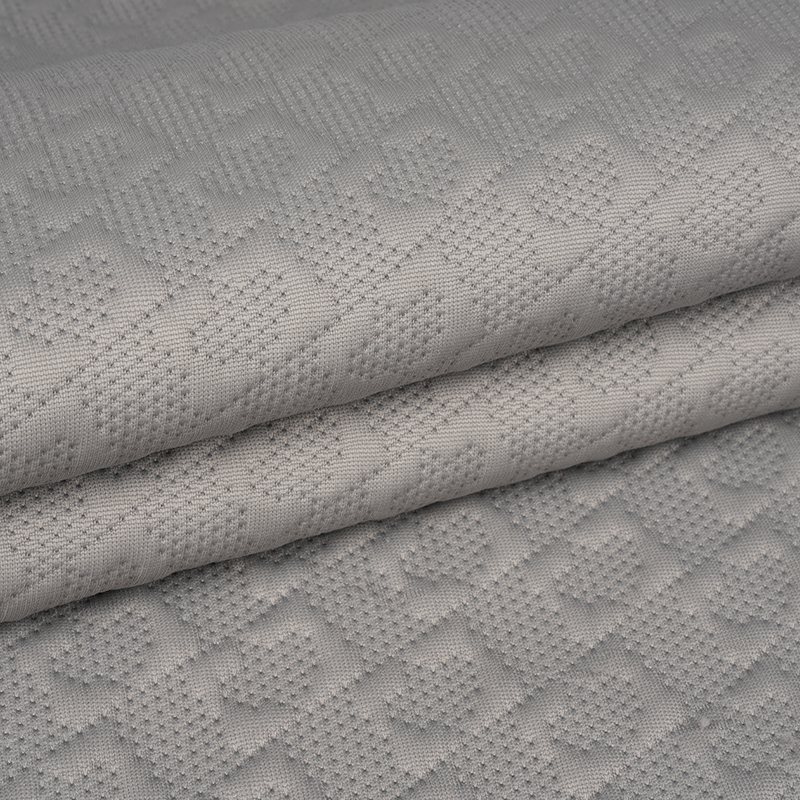
Antibacterial Yarn Children Mattress Fabric
Antibacterial Yarn Children Mattress Fabric
Haven’t Found The Products You Want?
-
-
Shen Jinyan:+86-15158070676
[email protected]
Liang Jinwen:+86-15757186621
[email protected]
Qiu Yingyingn:+86-13819545790
[email protected]
Yi qiao Town, Xiaoshan District, Hangzhou City, Zhejiang Province, China
-
Products
Mattress Fabric Children Mattress Fabric Pillowcase Fabric Pregnancy Pillow Fabric Cooling Mat Fabric Bedding Fabric Sofa Fabric Pet Friendly Fabrics -
Contact Information
About Us Products Strength Sustainability News Contact Us
Copyright © Hangzhou Xinsili Decorative Fabric Weaving Co.,Ltd. All Rights Reserved.
Functional Decorative Textile Manufacturers
