

 English
 中文简体
中文简体 Español
 عربى
عربى русский


Polyester Pregnancy Pillow Fabric for Comfort, Durability, and Functional Bedding Performance
Content
- 1 Understanding Polyester Pregnancy Pillow Fabric
- 2 Why Fabric Matters in Pregnancy Pillow Performance
- 3 Key Advantages Over Common Competing Fabrics
- 4 Comfort Characteristics for Maternity Use
- 5 Functional Finishing Possibilities
- 6 Advanced Manufacturing Processes
- 7 Company Strengths Supporting Product Quality
- 8 Design and Customization Options
- 9 Applications Beyond Pregnancy Pillows
- 10 Quality Control for Consistency and Reliability
- 11 Easy Care and End-User Convenience
- 12 Sustainability and Responsible Textile Development
- 13 How This Fabric Supports Brand Competitiveness
- 14 Recommended Selection Criteria for Buyers
- 15 Q&A Section
- 15.1 What is Polyester Pregnancy Pillow Fabric used for?
- 15.2 Why is polyester suitable for pregnancy pillow fabric?
- 15.3 How does this fabric compare with cotton fabric?
- 15.4 Can the fabric be customized for different brands?
- 15.5 Is the fabric comfortable for long periods of skin contact?
- 15.6 Does the fabric support easy washing?
- 15.7 Can antibacterial or cooling functions be added?
- 15.8 Why is dimensional stability important for pregnancy pillows?
- 15.9 What makes the manufacturer strong in this product category?
- 15.10 Who should consider purchasing this fabric?
- 16 Conclusion
- 17 References
- 18 Product: Polyester Pregnancy Pillow Fabric
Pregnancy pillows are designed to support the changing body, improve rest, and reduce pressure during one of the most physically demanding stages of life. While the shape and filling of a pregnancy pillow are important, the outer fabric plays an equally decisive role in comfort, hygiene, durability, and long-term user satisfaction. Polyester Pregnancy Pillow Fabric is a practical and versatile textile solution developed for maternity bedding, body pillows, nursing support pillows, and other sleep-support products that require softness, stability, easy maintenance, and dependable performance.
This fabric is positioned within the broader field of functional decorative textiles and bedding fabrics. It serves manufacturers, wholesalers, bedding brands, maternity product suppliers, hotel bedding developers, and home textile companies looking for a fabric that balances comfort, production efficiency, cost control, and reliable end-use quality. For pregnancy pillows in particular, the fabric must meet a demanding combination of requirements: gentle hand feel, resistance to deformation, color consistency, breathability, compatibility with printing or dyeing, and suitability for repeated household care.
Polyester Pregnancy Pillow Fabric offers these advantages through the inherent strengths of polyester fiber and the refined weaving, finishing, and quality-control expertise of a specialized decorative fabric manufacturer. Compared with many ordinary pillowcase fabrics, basic cotton blends, or low-grade synthetic textiles, this fabric provides improved dimensional stability, better wrinkle resistance, strong abrasion performance, and dependable appearance retention. These features help pregnancy pillows remain attractive, comfortable, and commercially competitive after extended use.
Hangzhou Xinsili Decorative Fabric Weaving Co., Ltd. specializes in the research, development, and precision manufacturing of decorative textiles for home, hotel, and commercial environments. With 19 years of industry experience, a 12,000 square meter factory area, and recognition as a National High-Tech Enterprise in 2023, the company integrates design innovation, functional finishing, manufacturing discipline, and customer-oriented customization. Its manufacturing philosophy focuses on stable, practical, and reliable products that support healthier, safer, and more comfortable living spaces.
Polyester Pregnancy Pillow Fabric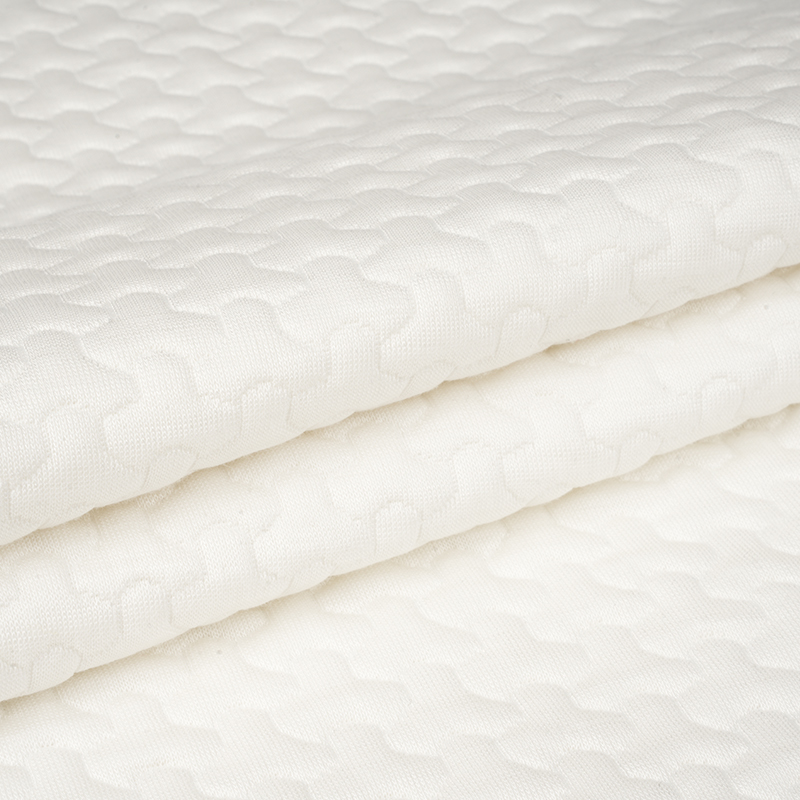
Understanding Polyester Pregnancy Pillow Fabric
Polyester Pregnancy Pillow Fabric is a textile engineered for pillow covers, removable pillowcases, maternity sleep accessories, and related bedding products. It is made primarily from polyester fiber, a material widely used in bedding because of its resilience, controlled shrinkage, strength, and compatibility with many finishing technologies. In pregnancy pillow applications, the fabric must create a pleasant skin-contact surface while also protecting the pillow filling and preserving the shape and function of the final product.
Pregnancy pillows are often larger than standard bed pillows. They may be U-shaped, C-shaped, J-shaped, wedge-shaped, full-body style, or modular in construction. Because of these irregular shapes and broad surface areas, the fabric must perform well during cutting, sewing, stretching, filling, packaging, and repeated use. It must also maintain consistent color and texture across large panels. Polyester fabric is well suited to these requirements because it provides excellent fabric stability and predictable behavior in production.
In maternity bedding, comfort is not limited to softness. Expectant mothers may experience heat sensitivity, skin sensitivity, difficulty turning, and the need for frequent cleaning of bedding items. A suitable pregnancy pillow fabric must therefore support smooth movement, reduce irritation, dry relatively quickly after washing, and remain fresh in appearance. Polyester can be finished to enhance softness, moisture management, cooling sensation, antibacterial performance, or other functional properties depending on customer requirements.
The product belongs to a portfolio that includes mattress fabric, children mattress fabric, pillowcase fabric, pregnancy pillow fabric, cooling mat fabric, bedding fabric, sofa fabric, and pet-friendly fabrics. This broader category experience is important because pregnancy pillow fabric must combine bedding comfort with decorative textile appeal and durability. Knowledge gained from mattress ticking, pillowcase textiles, sofa fabrics, and pet-friendly materials supports the development of a pregnancy pillow fabric that is both comfortable and robust.
Why Fabric Matters in Pregnancy Pillow Performance
A pregnancy pillow is not only a soft object; it is a sleep-support system. The fabric determines how the pillow feels when it touches the skin, how easily the cover can be removed and washed, how well the pillow fits into a bedroom environment, and how long the product can retain its marketable appearance. For retailers and brands, the fabric can also influence customer reviews, return rates, perceived value, and repeat purchases.
During pregnancy, users often rely on the pillow every night and sometimes during daytime rest. A fabric that pills quickly, becomes rough, traps excessive heat, or loses shape can reduce the value of the entire product even if the internal filling is high quality. Conversely, a stable and smooth polyester fabric helps the pillow feel cleaner, more consistent, and easier to maintain. This supports comfort during side sleeping, back support, belly support, knee separation, nursing preparation, and postpartum recovery use.
Compared with ordinary bedding fabric, pregnancy pillow fabric requires added consideration of large-area contact and body movement. The pillow may be hugged, compressed, pulled, folded, and repositioned many times each night. Seams may experience tension, especially on curved designs. The fabric must not only look attractive but also resist tearing, seam slippage, abrasion, and surface damage. A well-manufactured polyester fabric can support these needs while remaining efficient for mass production.
For manufacturers, fabric consistency reduces cutting waste and sewing problems. If the fabric has stable width, uniform weight, controlled stretch, and consistent surface texture, production lines can run more smoothly. This is especially important for customized pillow designs, where each panel must align correctly. Stable fabric helps reduce defects such as twisted covers, uneven seams, distorted patterns, and poor fit after washing.
Key Advantages Over Common Competing Fabrics
Polyester Pregnancy Pillow Fabric offers a competitive advantage because it combines daily comfort with industrial practicality. Cotton, viscose, bamboo-derived fabrics, and low-cost knitted blends each have strengths, but they may also present challenges such as shrinkage, wrinkling, higher cost, slower drying, lower abrasion resistance, or inconsistent dimensional control. Polyester fabric can be engineered to achieve a balanced performance profile suitable for high-volume maternity bedding production.
One of the most important advantages is durability. Pregnancy pillows are frequently used and washed, and their covers must withstand friction from sheets, blankets, clothing, and body movement. Polyester fibers are naturally strong and resistant to abrasion. This helps maintain the fabric surface over time and reduces the risk of premature wear. For brands, this durability can translate into stronger customer satisfaction and fewer complaints about fabric deterioration.
Another advantage is wrinkle resistance. Pregnancy pillow covers with large curved surfaces can easily look untidy if the fabric creases heavily. Polyester maintains a smoother appearance than many natural-fiber fabrics, especially after washing and drying. This makes the finished product look more premium on retail shelves, in online product photography, and in everyday home use. A neat appearance is particularly valuable for decorative bedding and maternity lifestyle products.
Dimensional stability is also essential. Some fabrics shrink or distort after laundering, making pillow covers difficult to reinstall. Polyester fabric can be manufactured and finished for controlled shrinkage, allowing covers to maintain their intended fit. This is especially beneficial for removable pregnancy pillowcases that must fit complex shapes. Stable size reduces frustration for end users and supports product consistency across batches.
Polyester also provides strong color performance. It accepts many dyeing and printing processes and can achieve clear, consistent shades. This matters for maternity products where soft neutrals, warm pastels, elegant prints, or modern decorative patterns may be required. The ability to produce consistent color across fabric lots supports brand identity and product line expansion.
Cost effectiveness is another major advantage. High-quality polyester fabric offers strong performance at a competitive price compared with some premium natural or regenerated fibers. This allows brands to create products that are comfortable and durable while maintaining attractive retail pricing. For large-volume orders, the balance between performance and cost is a key reason polyester remains a preferred material in bedding and pillowcase manufacturing.
| Performance Factor | Polyester Pregnancy Pillow Fabric | Common Competing Fabric Challenge | Value for Pregnancy Pillow Products |
|---|---|---|---|
| Durability | Strong abrasion and tensile performance | Some low-grade fabrics wear or pill quickly | Longer service life and better user reviews |
| Dimensional Stability | Good shape retention and controlled shrinkage | Cotton and some blends may shrink or distort | Easier cover fitting after washing |
| Wrinkle Resistance | Smoother appearance with less creasing | Natural fabrics may wrinkle heavily | Cleaner retail and home presentation |
| Drying Speed | Relatively quick drying after laundering | Some absorbent fabrics dry slowly | More convenient household care |
| Customization | Compatible with dyeing, printing, and functional finishing | Some materials limit finish options or raise cost | Flexible product development for brands |
| Production Efficiency | Stable width, surface, and handling properties | Inconsistent fabrics may increase waste | Improved cutting, sewing, and batch consistency |
Comfort Characteristics for Maternity Use
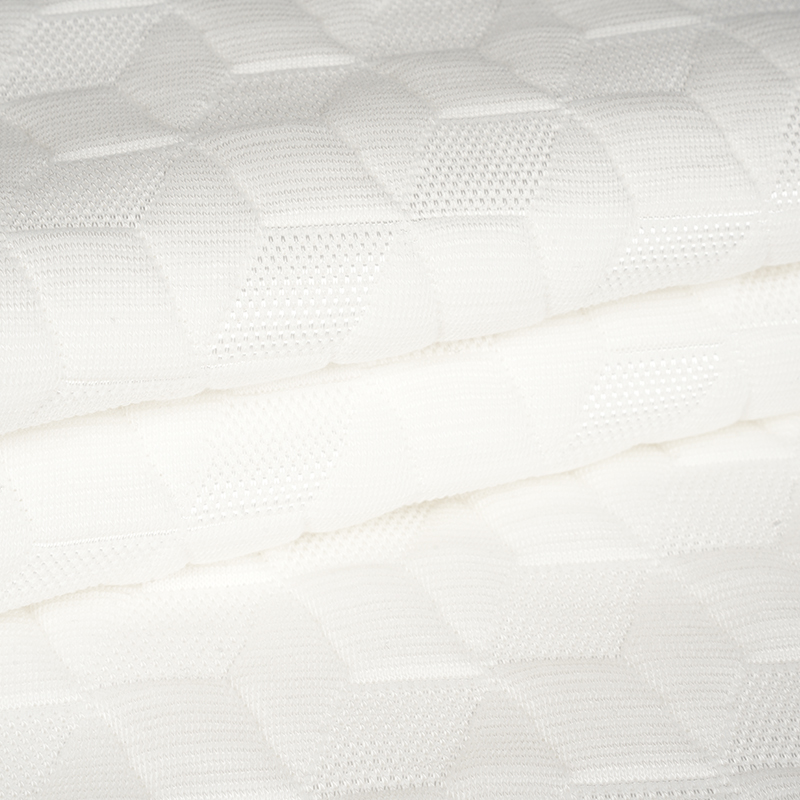
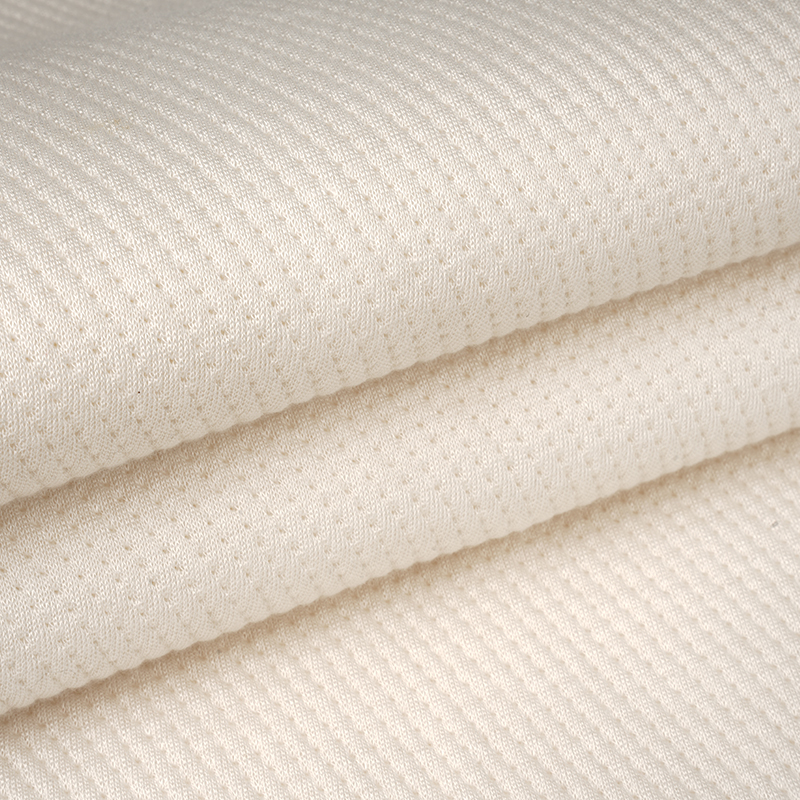
Comfort is the first quality users notice. Polyester Pregnancy Pillow Fabric can be developed with a smooth, soft, and skin-friendly surface suitable for extended contact. Through yarn selection, fabric structure, and finishing treatment, the hand feel can be adjusted to meet different market preferences, from silky and cool to brushed and cozy. This flexibility allows the fabric to serve multiple pregnancy pillow styles and price levels.
Pregnant users may experience higher body temperature and night sweating. While polyester is sometimes associated with warmth in basic forms, modern textile engineering can improve comfort through breathable structures, moisture-management finishes, and cooling treatments. The company’s experience in cooling mat fabric, bedding fabric, and sleep-supporting decorative textiles provides a foundation for developing pregnancy pillow fabrics that reduce stuffiness and promote a more comfortable sleep environment.
Softness must also be durable. Some fabrics feel pleasant at first but become rough after laundering or friction. Polyester’s strength helps preserve surface smoothness, while appropriate finishing can maintain a comfortable touch. For maternity bedding, this is important because the pillow may contact the face, arms, abdomen, legs, and sensitive skin areas. A stable soft surface contributes to a reassuring user experience.
Another comfort factor is noise. Some synthetic fabrics can create rustling sounds if poorly constructed. A properly engineered polyester fabric can offer a quiet, flexible hand that supports restful sleep. The weave or knit structure, yarn fineness, finishing method, and fabric weight all contribute to acoustic comfort. Manufacturers can request specifications that align with the desired user experience.
The fabric also supports body movement. A pregnancy pillow cover should not cling uncomfortably or create excessive friction. Smooth polyester fabric allows users to reposition themselves more easily during the night. This matters because pregnant users often need to turn carefully, adjust pillow placement, or shift support between the abdomen, back, hips, and knees.
Functional Finishing Possibilities
One of the strongest benefits of polyester fabric is its compatibility with functional finishing. In modern bedding markets, consumers increasingly look for products that do more than cover a pillow. They want fabrics that support hygiene, freshness, temperature comfort, safety, and easy maintenance. Functional finishing allows the fabric to meet these expectations while retaining decorative appeal.
Antibacterial finishing can be considered for pregnancy pillow fabrics that require enhanced freshness. Because pillow covers are used close to the body for long periods, antibacterial performance may help reduce odor development and support a cleaner sleep environment. This is particularly useful for maternity products that are used nightly and washed frequently.
Moisture-resistant or moisture-management treatments can improve comfort by helping the fabric handle perspiration. The goal is not simply to block moisture but to maintain a pleasant skin-contact environment. Depending on the application, the fabric can be designed to dry quickly, feel less damp, or support improved airflow through structure and finishing.
Cooling or comfort-improving finishes may be applied for maternity users who experience heat discomfort. Cooling bedding is a growing category, and pregnancy pillow fabric can benefit from technologies used in cooling mat fabric and sleep-supporting textiles. A cooler touch can make the pillow more appealing in warm climates, summer seasons, or premium maternity product lines.
Flame-retardant finishing may be relevant for certain hotel, commercial, or regulated markets. While household pregnancy pillows may not always require flame-retardant treatment, the availability of this functional option demonstrates manufacturing versatility. For institutional buyers or markets with specific safety standards, functional finishing can be developed according to testing needs and compliance requirements.
Comfort-improving finishing may include softening, brushing, peach-skin finishing, anti-pilling treatment, anti-static treatment, or other surface enhancements. These finishing steps help create a fabric that looks refined and feels pleasant. The ability to combine aesthetics with function is a key strength in decorative textile manufacturing.
Advanced Manufacturing Processes
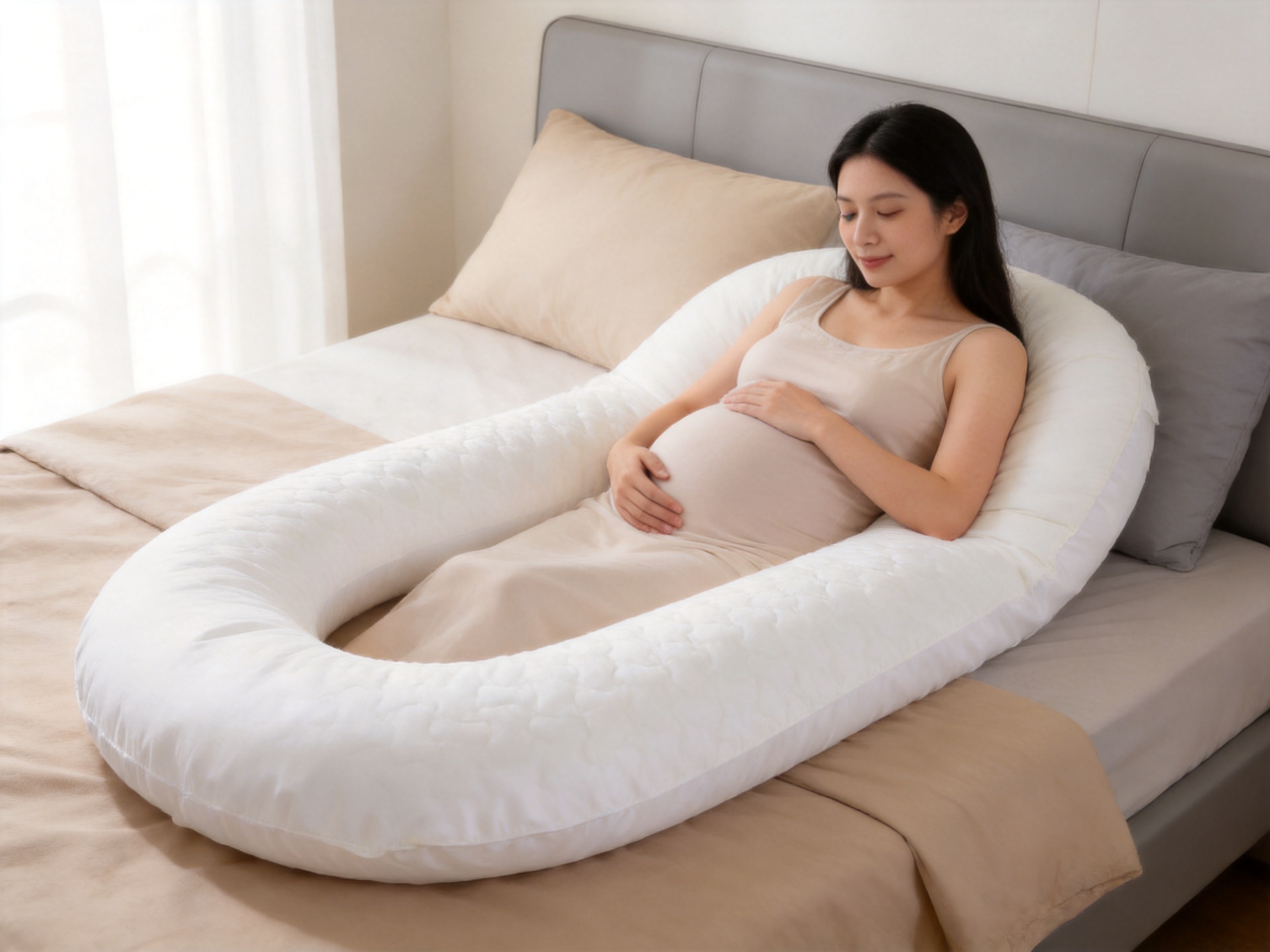
Reliable pregnancy pillow fabric begins with controlled manufacturing. The process involves careful material selection, yarn preparation, weaving or knitting, dyeing or printing, finishing, inspection, and packing. Each stage influences the final fabric’s quality, comfort, and production suitability. A manufacturer with long-term textile experience can control these stages more effectively than suppliers who focus only on low-cost output.
Yarn selection is the foundation. Polyester yarns may vary in fineness, strength, texture, luster, and elasticity. Selecting the right yarn helps determine the final fabric’s softness, drape, abrasion resistance, and appearance. For pregnancy pillow fabric, the yarn must support skin comfort while maintaining strength during sewing and use.
Fabric construction follows. Depending on customer needs, the fabric may be produced with different woven or knitted structures. A stable construction supports accurate cutting and sewing, while a softer construction enhances comfort and flexibility. The manufacturer must balance these requirements so the fabric performs well both in the factory and in the user’s home.
Dyeing and color management are also critical. Maternity bedding products often rely on calm, reassuring colors such as white, beige, gray, pale blue, soft pink, green, or gentle printed patterns. Color consistency across batches is essential for brand programs and repeat orders. Controlled dyeing processes help ensure that fabric lots match approved standards and avoid unacceptable variation.
Finishing is where the fabric gains many of its tactile and functional qualities. Softening, heat setting, calendaring, brushing, anti-pilling treatment, moisture-management treatment, or antibacterial finishing may be applied according to product requirements. Heat setting is especially important for polyester because it improves dimensional stability and helps control shrinkage. Proper finishing makes the difference between an ordinary synthetic fabric and a refined bedding textile.
Inspection completes the process. Fabric must be checked for surface defects, color streaks, holes, stains, uneven texture, width variation, and performance issues. Consistent inspection helps reduce problems for downstream manufacturers. For pregnancy pillow covers, even small defects can be visible because the pillow has a large surface area. Quality control therefore protects both the fabric supplier and the customer’s brand reputation.
Company Strengths Supporting Product Quality
Hangzhou Xinsili Decorative Fabric Weaving Co., Ltd. has developed its capabilities through nearly two decades of work in decorative textile manufacturing. The company’s mission of “Weaving Beautiful Spaces” reflects a focus not only on fabric production but also on the role textiles play in everyday environments. Pregnancy pillow fabric fits this mission because it contributes directly to rest, comfort, and healthy home living.
The company operates with a 12,000 square meter factory area, providing a strong production foundation for stable supply and order management. A factory of this scale can support material storage, production planning, inspection, finishing coordination, and customized manufacturing. For customers requiring regular supply, batch consistency, or product development support, manufacturing capacity is a critical advantage.
Recognition as a National High-Tech Enterprise in 2023 demonstrates commitment to innovation and technological advancement. In the textile industry, high-tech development may include functional finishing, improved process control, product research, testing awareness, and sustainable production practices. This background supports the creation of fabric solutions that meet evolving market expectations rather than simply repeating traditional materials.
The company’s experience across mattress fabric, children mattress fabric, pillowcase fabric, bedding fabric, sofa fabric, cooling mat fabric, and pet-friendly fabrics provides a broad technical base. Each category teaches different performance lessons. Mattress fabrics require durability and comfort. Children’s mattress fabrics require attention to safety and softness. Sofa fabrics require abrasion resistance and decorative appeal. Pet-friendly fabrics require strength and easy maintenance. These capabilities can be applied to pregnancy pillow fabric to create a better-balanced product.
Another strength is the company’s focus on functional decorative fabrics for residential, hotel, and commercial spaces. This means the company understands both appearance and performance. A pregnancy pillow fabric must look suitable for modern interiors while serving the practical needs of maternity sleep. The ability to combine function, beauty, and manufacturability helps customers create more competitive products.
Craftsmanship-driven manufacturing is also important. Textile quality depends on countless details: yarn tension, fabric density, color control, finishing temperature, roll inspection, packaging condition, and communication with customers. A craftsmanship mindset helps prevent small variations from becoming large quality problems. For customers producing maternity pillows, this attention to detail supports more stable finished goods.
Design and Customization Options
Pregnancy pillow products serve different customer groups, retail channels, and regional preferences. Some brands prefer minimalist solid colors, while others require printed patterns, textured surfaces, cooling finishes, or premium decorative effects. Polyester Pregnancy Pillow Fabric can be customized to support these different market strategies.
Color customization allows brands to match seasonal collections, nursery themes, bedroom aesthetics, or maternity product lines. Soft neutral colors create a calm and elegant appearance. Pastel tones communicate tenderness and maternity care. Darker shades may appeal to practical users who want better stain concealment. Consistent dyeing helps brands maintain continuity across product batches.
Pattern customization can improve market appeal. Printed designs may include geometric patterns, botanical themes, gentle waves, baby-related motifs, abstract textures, or hotel-style minimalism. For online retailers, distinctive patterns can improve product recognition in a crowded marketplace. Polyester’s compatibility with printing supports clear pattern reproduction and repeatable visual quality.
Hand-feel customization is equally valuable. Some markets prefer cool and smooth fabrics, while others prefer soft brushed textures. The fabric can be adjusted through yarn choice, construction, and finishing. A premium pregnancy pillow may use a finer, softer surface, while a value-oriented product may prioritize durability and easy care. The ability to tailor hand feel helps customers build product tiers.
Functional customization can include antibacterial, anti-pilling, moisture-management, cooling, anti-static, or flame-retardant options. These functions can be selected according to target market and budget. For example, a summer maternity pillow may emphasize cooling comfort, while a hotel or commercial wellness pillow may emphasize durability and hygiene.
Specification customization may involve fabric weight, width, texture, surface finish, color fastness targets, shrinkage control, and packaging requirements. Pregnancy pillows come in many sizes, so fabric width and cutting efficiency can influence total production cost. A supplier capable of discussing technical requirements can help customers optimize material usage.
Applications Beyond Pregnancy Pillows
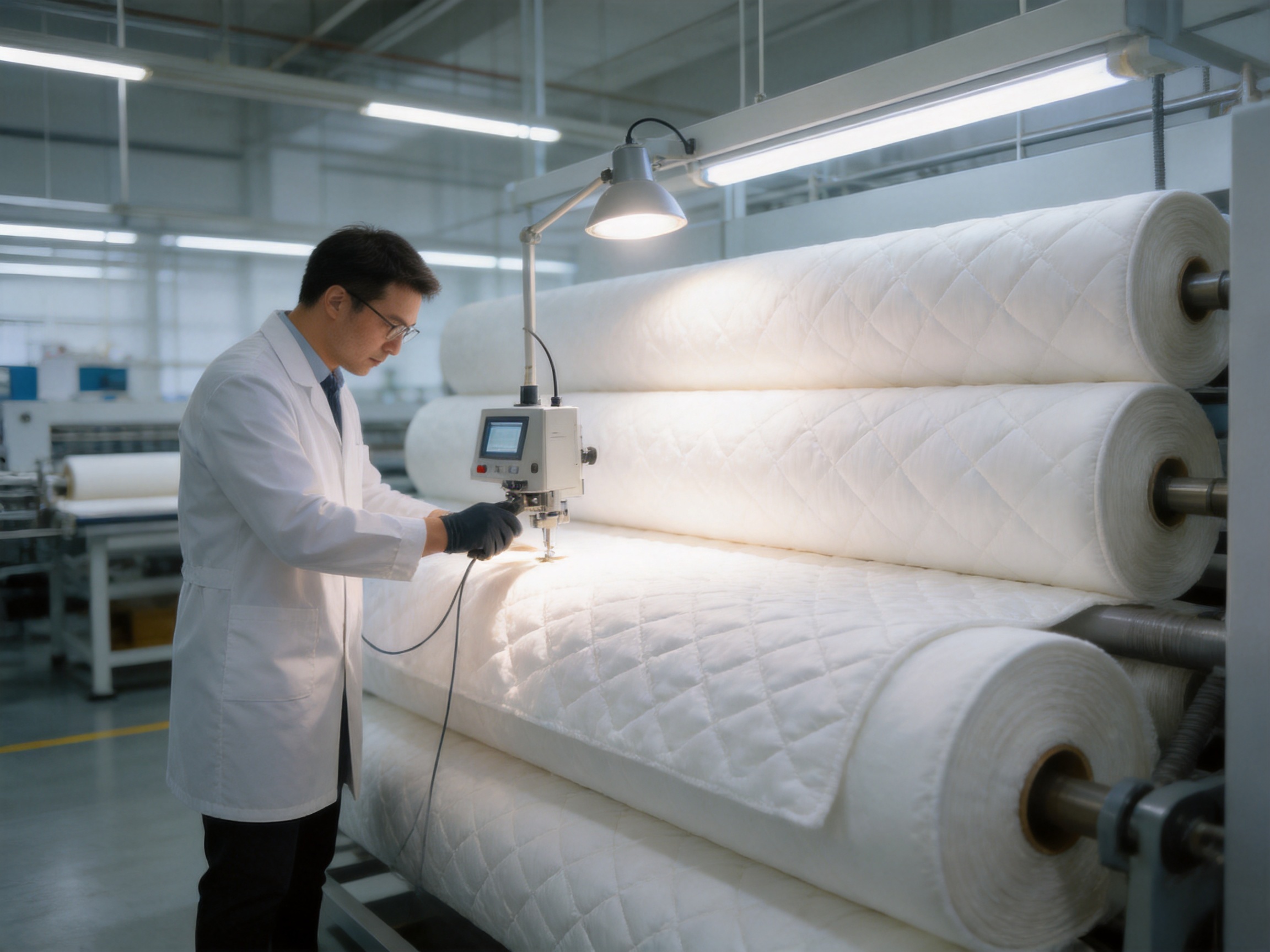
Although this product is primarily designed as Polyester Pregnancy Pillow Fabric, its performance characteristics make it suitable for related bedding and comfort products. These include body pillow covers, nursing pillow covers, maternity wedge covers, support cushion covers, pillowcase fabric, sleep aid accessories, and decorative bedding items. The fabric’s durability, easy care, and customization potential make it useful across multiple product categories.
Body pillows benefit from the same qualities needed in pregnancy pillows: large-area comfort, smooth touch, and stable fit. Nursing pillows require washable, skin-contact fabric that can withstand frequent use. Maternity wedges need fabric that stays neat and durable despite compression. In each case, polyester fabric provides a strong balance of comfort and maintenance convenience.
The fabric can also be used in bedding collections where pregnancy pillows are sold together with pillowcases, sheets, mattress protectors, or decorative cushions. Using coordinated fabric across product lines helps brands create a unified visual identity. This is especially valuable for maternity gift sets, nursery bedding collections, and lifestyle retail programs.
In commercial wellness settings, such as maternity care centers, postpartum recovery facilities, and hospitality environments, easy care and durability become even more important. Polyester fabric’s quick drying and wrinkle resistance support operational efficiency. If functional treatments are required, the fabric can be developed to match specific hygiene or comfort expectations.
For e-commerce sellers, fabric quality has a direct impact on product ratings. Customers cannot fully evaluate a pregnancy pillow before purchase, so their first impressions after delivery are critical. A smooth, attractive, well-finished fabric improves perceived value. It also photographs well, helping online listings appear cleaner and more professional.
Quality Control for Consistency and Reliability
Quality control is essential for pregnancy pillow fabric because customers expect consistent comfort, appearance, and fit. A roll of fabric with uneven width, shade variation, or surface defects can cause cutting waste and finished-product rejection. Strong quality management helps protect the entire supply chain.
Inspection may begin with raw material verification. Polyester yarns should meet internal requirements for strength, fineness, and consistency. During weaving or knitting, machine settings must be monitored to avoid defects such as broken ends, uneven density, holes, or irregular texture. Early detection reduces waste and prevents defective fabric from moving further through production.
After dyeing or printing, color is checked against approved standards. Shade consistency is important for large pillow covers because slight differences may become noticeable on broad surfaces. Color fastness may also be evaluated depending on customer requirements, including resistance to washing, rubbing, perspiration, or light exposure.
Finishing quality must be controlled carefully. Excessive softening may weaken fabric performance, while insufficient finishing may leave the fabric rough or unstable. Heat setting must be appropriate to support dimensional stability. Anti-pilling or functional treatments should be applied evenly to avoid inconsistent surface behavior.
Final inspection checks fabric appearance, width, roll length, hand feel, and visible defects. Fabric may be rolled and packed to protect it during storage and transportation. Clear labeling and batch control help customers trace material and manage production more efficiently. For international buyers, reliable documentation and communication are also important parts of quality service.
Easy Care and End-User Convenience
Pregnancy pillow covers must be convenient to clean. Expectant mothers and families value products that can be maintained with minimal effort. Polyester fabric supports easy care because it generally resists heavy wrinkling, dries faster than many absorbent fabrics, and maintains shape better after washing. These qualities improve the daily practicality of the finished pillow.
For consumers, removable pillow covers made from stable polyester fabric are easier to reinstall after laundering. If a cover shrinks or twists, it can be difficult to fit over a large U-shaped or C-shaped pillow. Controlled shrinkage and stable construction reduce this problem. This improves user satisfaction and supports positive product reviews.
Wrinkle resistance also matters after washing. A pregnancy pillow is often placed on a bed or sofa, where it becomes part of the room’s visual environment. A fabric that looks smooth without extensive ironing is more convenient and attractive. Many users do not want to iron large pillow covers, so wrinkle resistance becomes a practical selling point.
Durable color and surface performance help the pillow remain appealing over time. Maternity products may continue to be used after pregnancy for nursing, reading, side sleeping, or general body support. A fabric that maintains appearance extends the useful life of the product and increases perceived value.
Sustainability and Responsible Textile Development
Modern buyers increasingly consider sustainability, safety, and responsible production when selecting bedding materials. Polyester is valued for durability and long service life, which can reduce early replacement. When a fabric lasts longer and performs reliably, it supports more responsible consumption by reducing waste associated with premature product failure.
Functional decorative textile development can also support healthier living spaces. Antibacterial, moisture-resistant, flame-retardant, and comfort-improving technologies may be selected to meet specific product goals. The key is to apply appropriate functions responsibly and ensure they match customer needs and applicable standards.
Manufacturing stability contributes to sustainability by reducing defects and waste. Precise production, consistent dyeing, proper finishing, and careful inspection help minimize rejected material. For customers, lower defect rates mean better fabric utilization and more efficient finished-product manufacturing.
Durability is a central environmental advantage. A pregnancy pillow cover that resists pilling, tearing, shrinkage, and fading can be used for longer. This matters especially for products that may be passed from pregnancy to postpartum use or kept as a body pillow after maternity needs change.
Responsible textile development also includes communication with customers about realistic specifications. Over-engineering can increase cost and resource use unnecessarily, while under-engineering can lead to poor performance. A knowledgeable manufacturer can help buyers choose suitable fabric weight, finish, and function for the intended market.
How This Fabric Supports Brand Competitiveness
For bedding and maternity product brands, fabric choice is a strategic decision. A pregnancy pillow may compete in a crowded market where many products appear similar in shape. Fabric quality can become a major differentiator. A smooth hand feel, attractive color, durable surface, and easy-care performance can help a product stand out and justify stronger positioning.
Compared with low-cost fabrics that may look acceptable at first but deteriorate quickly, Polyester Pregnancy Pillow Fabric supports long-term customer satisfaction. Positive user experience often leads to better reviews, lower return rates, and stronger brand trust. In online marketplaces, where customer feedback strongly influences sales, these benefits are commercially significant.
The fabric also supports product line expansion. A brand can develop basic, premium, cooling, antibacterial, or decorative versions using different specifications and finishes. This flexibility enables market segmentation without changing the entire supply chain. Customers can create coordinated maternity bedding collections and update colors or patterns seasonally.
Manufacturing reliability is another competitive advantage. Delays, inconsistent fabric lots, and quality issues can disrupt finished-product delivery. Working with an experienced textile manufacturer reduces these risks. Stable supply allows brands to plan launches, replenish inventory, and respond to market demand more confidently.
Because the company has experience in both decorative and functional textiles, customers can receive support beyond simple fabric supply. Product development discussions may include appearance, hand feel, usage environment, functional finishing, and production efficiency. This collaborative approach helps customers create better products rather than simply purchasing a commodity fabric.
Recommended Selection Criteria for Buyers
When selecting Polyester Pregnancy Pillow Fabric, buyers should begin by defining the target user and market position. A premium maternity pillow may require extra softness, cooling performance, or elegant texture. A mass-market pillow may prioritize durability, easy care, and cost efficiency. A commercial or wellness product may require stronger hygiene or safety features.
Fabric weight should be selected according to pillow size and desired hand feel. A fabric that is too light may lack durability or opacity, while one that is too heavy may feel stiff or reduce comfort. The ideal weight balances softness, strength, drape, and sewing performance. Buyers should test fabric on the actual pillow shape before final approval.
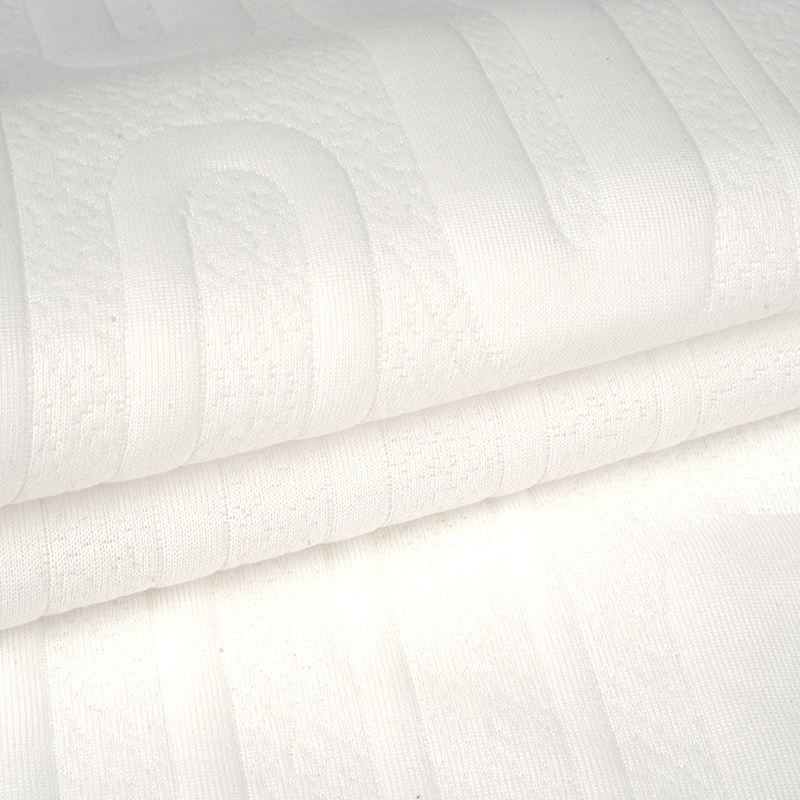
Surface texture is also important. Smooth fabric may feel cool and modern, while brushed fabric may feel warmer and cozier. Textured designs can add decorative value and hide minor wrinkles. The choice depends on climate, customer preference, and brand identity.
Color and pattern should be developed with end-use conditions in mind. Light colors look clean and calming but may show stains more easily. Darker colors are practical but may need careful colorfastness control. Printed patterns should align well with cutting layouts and pillow curves to avoid awkward visual distortion.
Functional finishes should be chosen based on genuine user benefit. Cooling finishes may be valuable in warm climates. Antibacterial finishes may be useful for hygiene-focused products. Anti-pilling treatment can improve durability. Buyers should avoid unnecessary functions that add cost without improving market appeal.
Testing and sampling are strongly recommended. Before bulk orders, customers should evaluate hand feel, sewing performance, washing behavior, shrinkage, color appearance, and pillow fit. A reliable manufacturer can help refine specifications based on sample feedback.
Q&A Section
What is Polyester Pregnancy Pillow Fabric used for?
Polyester Pregnancy Pillow Fabric is used for pregnancy pillow covers, maternity body pillowcases, nursing pillow covers, wedge pillow covers, and related bedding accessories. It is designed to provide comfort, durability, easy care, and stable appearance for products that support sleep and rest during pregnancy and postpartum use.
Why is polyester suitable for pregnancy pillow fabric?
Polyester is suitable because it offers strength, wrinkle resistance, dimensional stability, color consistency, and relatively quick drying. These features are valuable for large pregnancy pillow covers that are used frequently, washed regularly, and expected to maintain their fit and appearance over time.
How does this fabric compare with cotton fabric?
Cotton is breathable and familiar to many consumers, but it may wrinkle, shrink, and dry more slowly depending on construction and finishing. Polyester Pregnancy Pillow Fabric generally provides better wrinkle resistance, stronger shape retention, and more efficient care. It can also be finished for improved softness, cooling, or antibacterial performance.
Can the fabric be customized for different brands?
Yes. The fabric can be customized in color, pattern, weight, texture, hand feel, width, and functional finish. Customers can develop solid colors, printed designs, cooling versions, antibacterial versions, anti-pilling surfaces, or other specifications according to market needs.
Is the fabric comfortable for long periods of skin contact?
Yes, when properly engineered and finished, polyester pregnancy pillow fabric can provide a smooth and soft surface suitable for extended contact. Yarn selection, fabric structure, and finishing treatments can be adjusted to create different comfort levels, including cool, silky, soft, or brushed effects.
Does the fabric support easy washing?
Polyester fabric generally supports easy care because it resists heavy wrinkling, dries relatively quickly, and maintains shape better than many fabrics. Buyers should still follow the care instructions developed for the final pillow cover, especially if functional finishes or printed designs are included.
Can antibacterial or cooling functions be added?
Yes. Functional finishing options may include antibacterial, cooling, moisture-management, anti-pilling, anti-static, or flame-retardant treatments depending on customer requirements. These functions can help create differentiated products for specific markets.
Why is dimensional stability important for pregnancy pillows?
Pregnancy pillows often have large and complex shapes. If the cover shrinks or distorts after washing, it may become difficult to reinstall or may no longer fit properly. Dimensional stability helps preserve the intended shape and improves user convenience.
What makes the manufacturer strong in this product category?
The manufacturer has 19 years of decorative textile experience, a 12,000 square meter factory area, and recognized high-tech enterprise capabilities. Its experience across mattress fabrics, pillowcase fabrics, cooling mat fabrics, bedding fabrics, sofa fabrics, children mattress fabrics, and pet-friendly fabrics supports the development of reliable and functional pregnancy pillow fabric.
Who should consider purchasing this fabric?
Bedding brands, maternity product manufacturers, pillow factories, home textile wholesalers, e-commerce sellers, hotel bedding suppliers, and wellness product developers can consider this fabric when they need a durable, comfortable, customizable, and production-friendly material for pregnancy pillow covers or related bedding products.
Conclusion
Polyester Pregnancy Pillow Fabric is a practical and competitive textile solution for modern maternity bedding. It supports the essential requirements of pregnancy pillow products: comfort, durability, easy care, attractive appearance, stable fit, and customization flexibility. By combining the inherent strengths of polyester with advanced textile processing and functional finishing, the fabric can meet the needs of both end users and professional manufacturers.
Compared with many competing fabrics, it offers stronger wrinkle resistance, better dimensional stability, efficient drying, durable surface performance, and broad design possibilities. These qualities help pregnancy pillow brands improve user satisfaction and strengthen market competitiveness. For products that are used nightly and often washed repeatedly, fabric reliability is not optional; it is central to product value.
Hangzhou Xinsili Decorative Fabric Weaving Co., Ltd. brings manufacturing experience, functional textile knowledge, quality-control discipline, and customization capability to this product category. Its 19 years of industry experience, 12,000 square meter factory area, and National High-Tech Enterprise recognition support dependable production and ongoing innovation. With expertise across decorative, bedding, mattress, cooling, sofa, children, and pet-friendly fabrics, the company is well positioned to serve customers seeking stable and functional textile solutions.
For buyers developing pregnancy pillows, nursing pillows, body pillows, or maternity bedding collections, fabric selection should be treated as a core product decision. A well-developed polyester pregnancy pillow fabric can improve comfort, simplify care, enhance appearance, reduce manufacturing problems, and support long-term brand trust. Through careful customization and professional manufacturing, this fabric can help create pregnancy pillow products that are comfortable for families, efficient for manufacturers, and competitive in the global bedding market.
References
Textile Institute. Textile Terms and Definitions.
Collier, B. J., and Epps, H. H. Textile Testing and Analysis.
Kadolph, S. J. Textiles.
Sinclair, R. Textiles and Fashion: Materials, Design and Technology.
Saville, B. P. Physical Testing of Textiles.
Horrocks, A. R., and Anand, S. C. Handbook of Technical Textiles.
Marsh, J. T. An Introduction to Textile Finishing.
Gohl, E. P. G., and Vilensky, L. D. Textile Science.
Product: Polyester Pregnancy Pillow Fabric
Our Featured Products
-
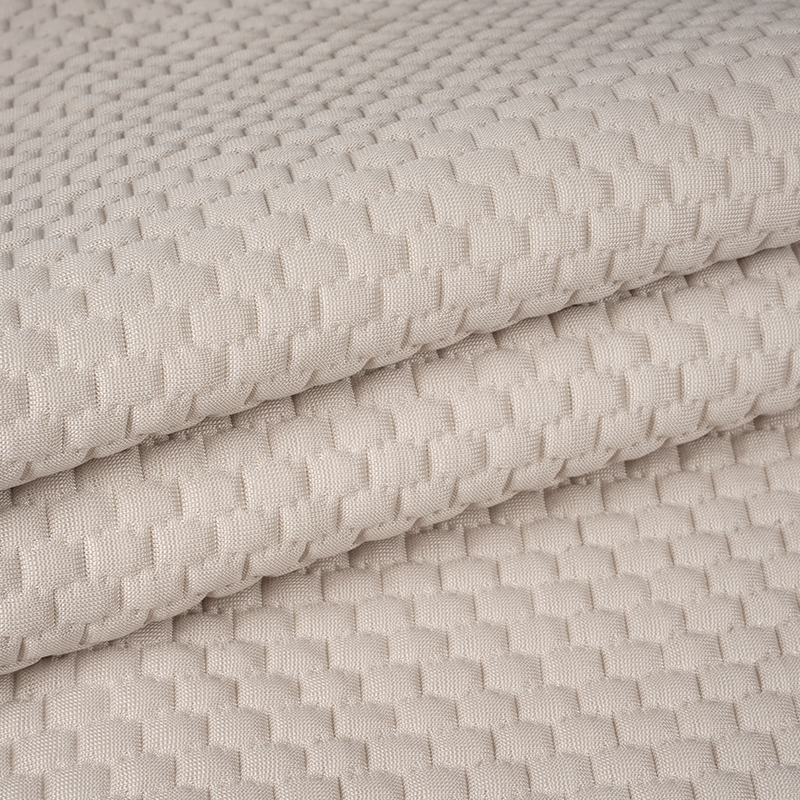
Polyester Pillowcase Fabric
Polyester Pillowcase Fabric
Haven’t Found The Products You Want?
-
-
Shen Jinyan:+86-15158070676
[email protected]
Liang Jinwen:+86-15757186621
[email protected]
Qiu Yingyingn:+86-13819545790
[email protected]
Yi qiao Town, Xiaoshan District, Hangzhou City, Zhejiang Province, China
-
Products
Mattress Fabric Children Mattress Fabric Pillowcase Fabric Pregnancy Pillow Fabric Cooling Mat Fabric Bedding Fabric Sofa Fabric Pet Friendly Fabrics -
Contact Information
About Us Products Strength Sustainability News Contact Us
Copyright © Hangzhou Xinsili Decorative Fabric Weaving Co.,Ltd. All Rights Reserved.
Functional Decorative Textile Manufacturers
