

 English
 中文简体
中文简体 Español
 عربى
عربى русский


Bamboo Fiber Pregnancy Pillow Fabric for Cooling, Breathable, Skin-Friendly Comfort
Content
- 1 Understanding Bamboo Fiber Pregnancy Pillow Fabric
- 2 Why Fabric Choice Matters for Pregnancy Pillows
- 3 Key Advantages of Bamboo Fiber Pregnancy Pillow Fabric
- 4 Competitive Advantages Compared with Ordinary Pregnancy Pillow Fabrics
- 5 Advanced Manufacturing Strength Behind the Fabric
- 6 Customization for Different Pregnancy Pillow Designs
- 7 Applications Beyond Pregnancy Pillows
- 8 Comfort Engineering for Better Sleep Support
- 9 Sustainability and Modern Consumer Expectations
- 10 Why Choose a Specialized Functional Textile Manufacturer
- 11 Product Development Advantages for Bedding Brands
- 12 Important Performance Considerations
- 13 Manufacturing Process Flow
- 14 Quality Benefits for Manufacturers and End Users
- 15 Design Possibilities and Aesthetic Value
- 16 Global Market Relevance
- 17 Practical Buying Guidance
- 18 Company Strengths Supporting the Product
- 19 Frequently Asked Questions
- 19.1 What is Bamboo Fiber Pregnancy Pillow Fabric?
- 19.2 Why is bamboo fiber suitable for pregnancy pillow fabric?
- 19.3 How does this fabric compare with ordinary polyester fabric?
- 19.4 Can the fabric be customized?
- 19.5 Is the fabric suitable for washable pillow covers?
- 19.6 Can functional finishes be added?
- 19.7 What types of pregnancy pillows can use this fabric?
- 19.8 Why work with Hangzhou Xinsili Decorative Fabric Weaving Co., Ltd.?
- 20 Conclusion
- 21 References
Pregnancy is a period in which comfort, sleep quality, hygiene, and body support become more important than ever. A pregnancy pillow is designed to support the back, abdomen, hips, knees, neck, and shoulders, but the fabric covering that pillow plays an equally critical role in the user experience. Bamboo Fiber Pregnancy Pillow Fabric is developed to meet the expectations of modern bedding buyers who want softness, breathability, cooling comfort, moisture management, durability, and a healthier touch against the skin.
As a specialized functional decorative textile, Bamboo Fiber Pregnancy Pillow Fabric is suitable for maternity pillows, nursing pillows, body pillows, side-sleeping pillows, and other support bedding products. It combines the natural-feeling softness associated with bamboo-derived fibers with practical fabric engineering that supports comfort during long hours of rest. For expectant mothers, even small improvements in airflow, smoothness, and temperature regulation can make a meaningful difference. This is why the fabric has become an important choice for manufacturers and suppliers of pregnancy bedding products.
Hangzhou Xinsili Decorative Fabric Weaving Co., Ltd. focuses on the research, development, and precision manufacturing of functional decorative fabrics for residential, hotel, and commercial applications. With 19 years of industry experience, a 12,000 square meter factory area, and recognition as a National High-Tech Enterprise in 2023, the company has built strong capabilities in textile innovation, weaving, finishing, quality control, and customization. Its Bamboo Fiber Pregnancy Pillow Fabric reflects the company’s broader mission of producing safe, comfortable, practical, and reliable fabrics for healthier living spaces.
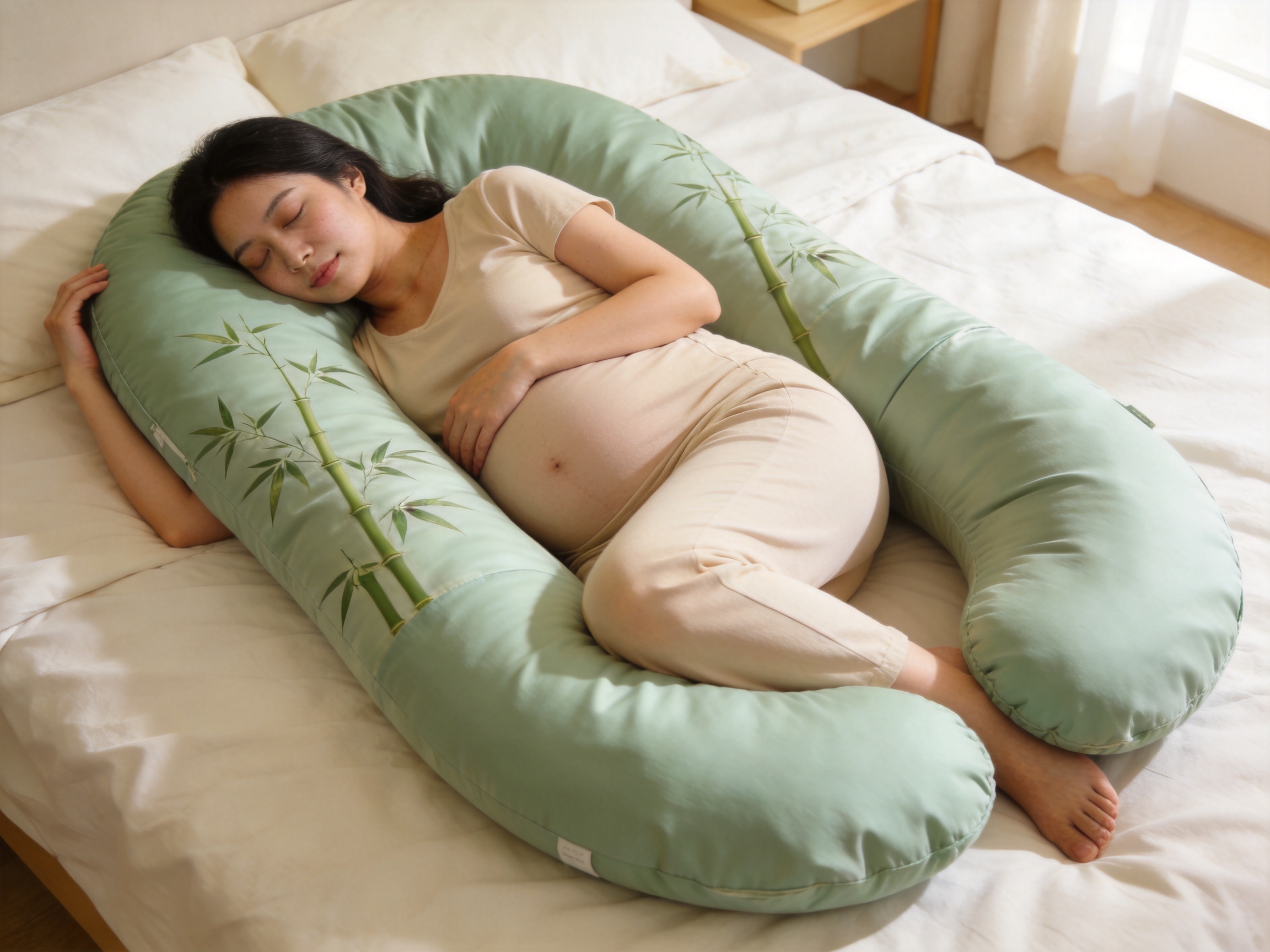
Understanding Bamboo Fiber Pregnancy Pillow Fabric
Bamboo Fiber Pregnancy Pillow Fabric is a textile designed for pillow surfaces that require a soft hand feel, breathable structure, and user-friendly comfort. The term “bamboo fiber” generally refers to fibers made from bamboo-derived cellulose, processed into a textile fiber that can be spun, knitted, woven, or blended with other fibers. When used in pregnancy pillow fabric, bamboo fiber can provide a smooth and gentle touch that is especially appreciated by users with sensitive skin or heightened sensitivity during pregnancy.
Pregnancy pillows are often used for extended periods throughout the night and during daytime rest. Because the fabric remains in direct contact with the face, neck, arms, legs, and abdomen, it must be comfortable over long use cycles. A fabric that feels rough, traps heat, or absorbs sweat without drying efficiently can reduce sleep quality. Bamboo Fiber Pregnancy Pillow Fabric is designed to reduce those problems through a combination of fiber selection, fabric structure, finishing technology, and strict production control.
The fabric is also suitable for pillowcase production. Pregnancy pillows often have removable covers that need to be washed repeatedly. This means the fabric must maintain softness, shape stability, surface appearance, and comfort after laundering. High-quality bamboo fiber fabric is not only pleasant during the first touch; it must also remain reliable after long-term household use.
In the broader category of bedding fabric, this product stands out because it addresses the specific needs of maternity support. It is different from ordinary decorative fabric, standard pillowcase material, or general mattress fabric because it must balance comfort, function, safety, durability, and easy maintenance. It must support a calm sleeping environment while remaining practical for daily use.
Why Fabric Choice Matters for Pregnancy Pillows
During pregnancy, many users experience changes in sleeping position, body temperature, skin sensitivity, and pressure distribution. Side sleeping is often recommended or preferred, and a pregnancy pillow helps maintain alignment and reduce strain. However, the pillow’s internal filling is only one part of the comfort system. The surface fabric determines how the pillow feels, how much heat is retained, how moisture is handled, and how pleasant the pillow remains after hours of contact.
A fabric that lacks breathability may create a warm and damp microclimate. This can interrupt sleep, cause discomfort, and make users wake up frequently to adjust position. A fabric that is too slippery may not stay comfortably in place. A fabric that is too coarse may irritate the skin. A fabric that pills easily may lose its smooth hand feel and appear worn after limited use. For pregnancy bedding products, these issues can quickly affect user satisfaction and product reviews.
Bamboo Fiber Pregnancy Pillow Fabric is intended to solve these practical problems. Its softness supports skin-friendly comfort. Its breathable character supports airflow. Its moisture-management potential helps reduce the uncomfortable feeling of dampness. Its refined surface can enhance the perceived quality of the finished pregnancy pillow. These benefits help manufacturers create products that stand out in competitive maternity bedding markets.
For brands, retailers, and wholesalers, choosing the right fabric also affects product positioning. A pregnancy pillow covered with functional bamboo fiber fabric can be marketed as a premium comfort product rather than a basic support pillow. It allows the final product to emphasize cooling comfort, gentle touch, and sleep-supportive performance, which are highly valued by maternity consumers.
Key Advantages of Bamboo Fiber Pregnancy Pillow Fabric
Soft and Gentle Hand Feel
One of the most noticeable advantages of Bamboo Fiber Pregnancy Pillow Fabric is its soft surface. Many expectant mothers become more sensitive to fabric texture during pregnancy, and a gentle touch can make a pillow feel more soothing. Bamboo-derived fibers are often appreciated for their smoothness, and when combined with well-controlled weaving or knitting techniques, they can create a surface that feels soft without being overly heavy.
This smooth hand feel is especially important for large U-shaped, C-shaped, J-shaped, and full-body pregnancy pillows. These pillows touch multiple areas of the body at the same time. A soft fabric improves the overall experience and makes the pillow feel suitable for both night sleep and daytime relaxation.
Breathability and Airflow
Breathability is a key performance feature for pregnancy pillow fabric. The body may feel warmer during pregnancy, and overheating can reduce sleep comfort. A breathable fabric allows air to move more freely through the surface, helping reduce heat buildup around the pillow. While the complete thermal performance of a pillow depends on both fabric and filling, the surface material plays a major role in creating a cooler touch and more comfortable microclimate.
Compared with many dense synthetic fabrics, bamboo fiber fabric can offer a more breathable and natural-feeling experience. This advantage is valuable for customers seeking cooling bedding fabric, summer pillow covers, or maternity products designed for warm climates.
Moisture Management
Moisture discomfort is one of the main reasons people wake up during sleep. A suitable pregnancy pillow fabric should absorb, disperse, or release moisture in a way that helps the surface remain more comfortable. Bamboo Fiber Pregnancy Pillow Fabric can support moisture management by helping move perspiration away from the skin surface and reducing the sticky feeling associated with heat and humidity.
This property is particularly relevant for pregnancy pillows because they are often wrapped around the body. Areas between the pillow and the body can become warm quickly. A fabric with better moisture behavior helps preserve a fresher sleeping experience.
Skin-Friendly Comfort
Pregnancy bedding products require careful attention to skin contact. Users may rest their face, neck, arms, and abdomen on the pillow for many hours. Bamboo Fiber Pregnancy Pillow Fabric is designed to provide a comfortable surface for direct contact. The smoothness and softness of the fabric help reduce friction, while careful production and finishing can help create a clean and stable textile surface.
For manufacturers that serve premium maternity markets, skin-friendly fabric is not just a feature; it is a major selling point. It supports product claims related to comfort, care, and wellness.
Elegant Appearance
In addition to comfort, fabric appearance matters. Pregnancy pillows are often used on beds, sofas, and lounge areas where they become visible home textile items. Bamboo Fiber Pregnancy Pillow Fabric can be produced in attractive colors, patterns, textures, and surface styles to match different interior preferences. A refined fabric appearance can help brands create visually appealing maternity products that feel more premium.
Hangzhou Xinsili’s background in decorative textile weaving supports the development of fabrics that combine functional performance with visual beauty. This is important because bedding products today must be both practical and aesthetically pleasing.
Durability for Repeated Use
Pregnancy pillow covers are frequently removed and washed. The fabric must withstand repeated handling, laundering, stretching, and friction. A high-quality bamboo fiber fabric should be engineered to retain softness, appearance, and dimensional stability as much as possible through the product life cycle. Durability is essential for reducing customer complaints and improving long-term satisfaction.
Advanced manufacturing control helps improve fabric consistency, reduce defects, and support reliable performance. A fabric that remains stable after regular use provides a clear advantage over low-cost alternatives that shrink, deform, pill, fade, or lose softness quickly.
Competitive Advantages Compared with Ordinary Pregnancy Pillow Fabrics
The pregnancy pillow market includes products made with polyester, cotton, microfiber, blended fabrics, jersey fabric, velvet, flannel, and other materials. Each material has its own strengths, but Bamboo Fiber Pregnancy Pillow Fabric offers a valuable combination of softness, breathability, moisture comfort, and premium positioning. This makes it especially suitable for manufacturers who want to differentiate their products from basic or low-cost options.
Compared with many standard polyester fabrics, bamboo fiber fabric can feel more natural and breathable. Polyester may be durable and economical, but some users find it warmer or less moisture-friendly, especially in close body contact. Bamboo Fiber Pregnancy Pillow Fabric helps improve the perceived comfort level and may support a cooler sleeping experience.
Compared with ordinary cotton fabric, bamboo fiber fabric can offer a smoother touch and a more luxurious feel depending on yarn quality and fabric structure. Cotton is familiar and widely used, but it can sometimes feel heavier after absorbing moisture. Bamboo fiber fabric is often selected when brands want to promote softness and freshness.
Compared with flannel or plush fabrics, bamboo fiber pregnancy pillow fabric is more suitable for year-round comfort, especially for users who prefer cooling or breathable surfaces. Plush fabrics can be cozy in winter but may trap heat during warmer seasons. Bamboo fiber fabric supports a more balanced sleeping environment.
Compared with low-grade blended fabrics, high-quality bamboo fiber fabric offers stronger marketing value. Consumers increasingly care about materials, comfort, and wellness-related product details. A pregnancy pillow cover made with bamboo fiber fabric can communicate a higher level of care and product thoughtfulness.
| Fabric Type | Main Strength | Common Limitation | Advantage of Bamboo Fiber Pregnancy Pillow Fabric |
|---|---|---|---|
| Standard Polyester | Durability and cost efficiency | May feel warm or less natural | Softer, more breathable, and more comfort-focused |
| Ordinary Cotton | Familiar natural feel | May retain moisture and wrinkle easily | Smoother touch with improved moisture comfort |
| Microfiber | Softness and easy care | Can lack premium natural-feeling texture | Better positioning for maternity comfort and wellness |
| Flannel or Plush | Warm and cozy hand feel | May trap heat in warmer conditions | More breathable for year-round pregnancy pillow use |
| Low-Grade Blends | Low production cost | Inconsistent comfort and durability | More stable quality, better skin contact, and stronger product value |
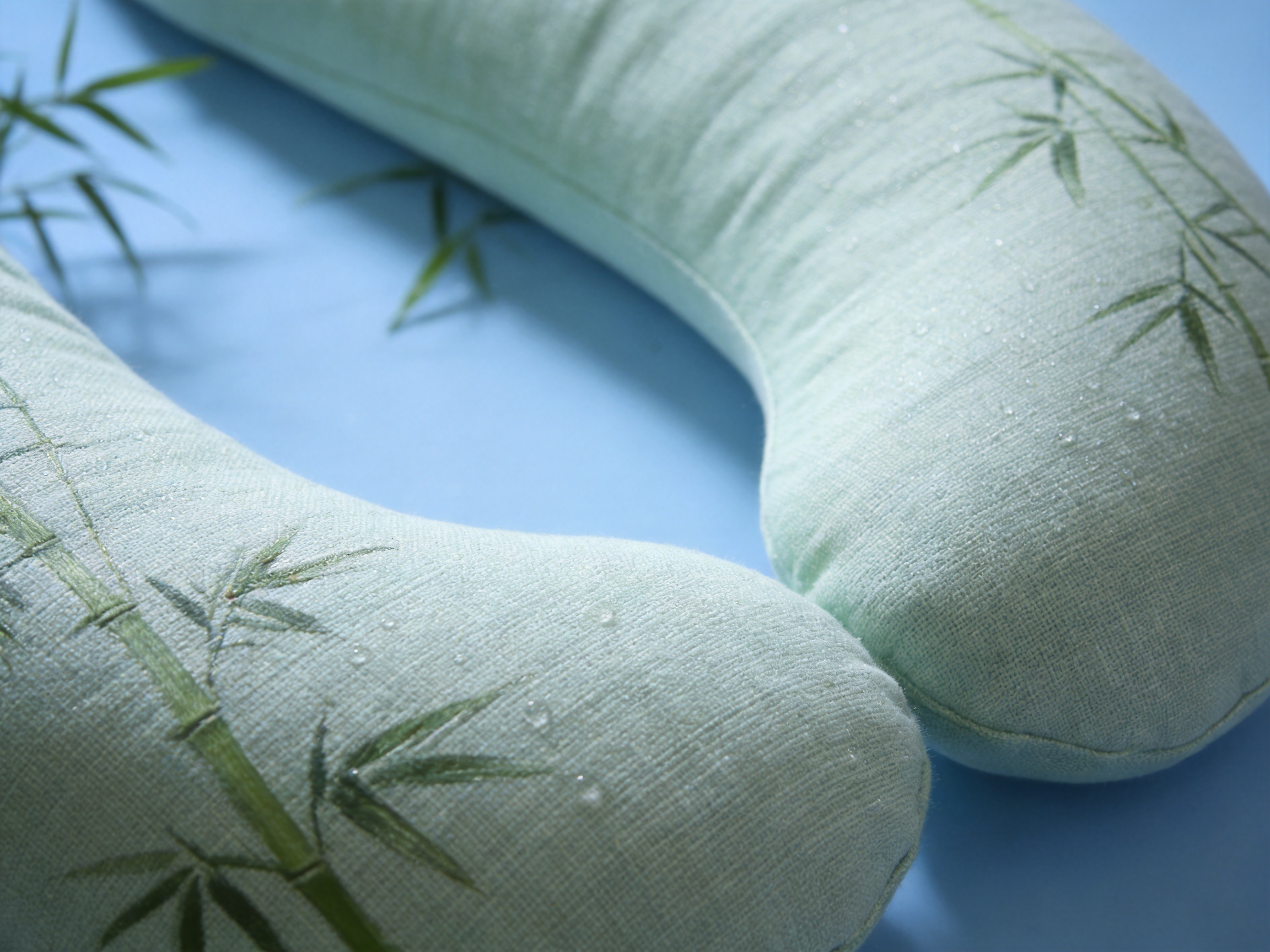
Advanced Manufacturing Strength Behind the Fabric
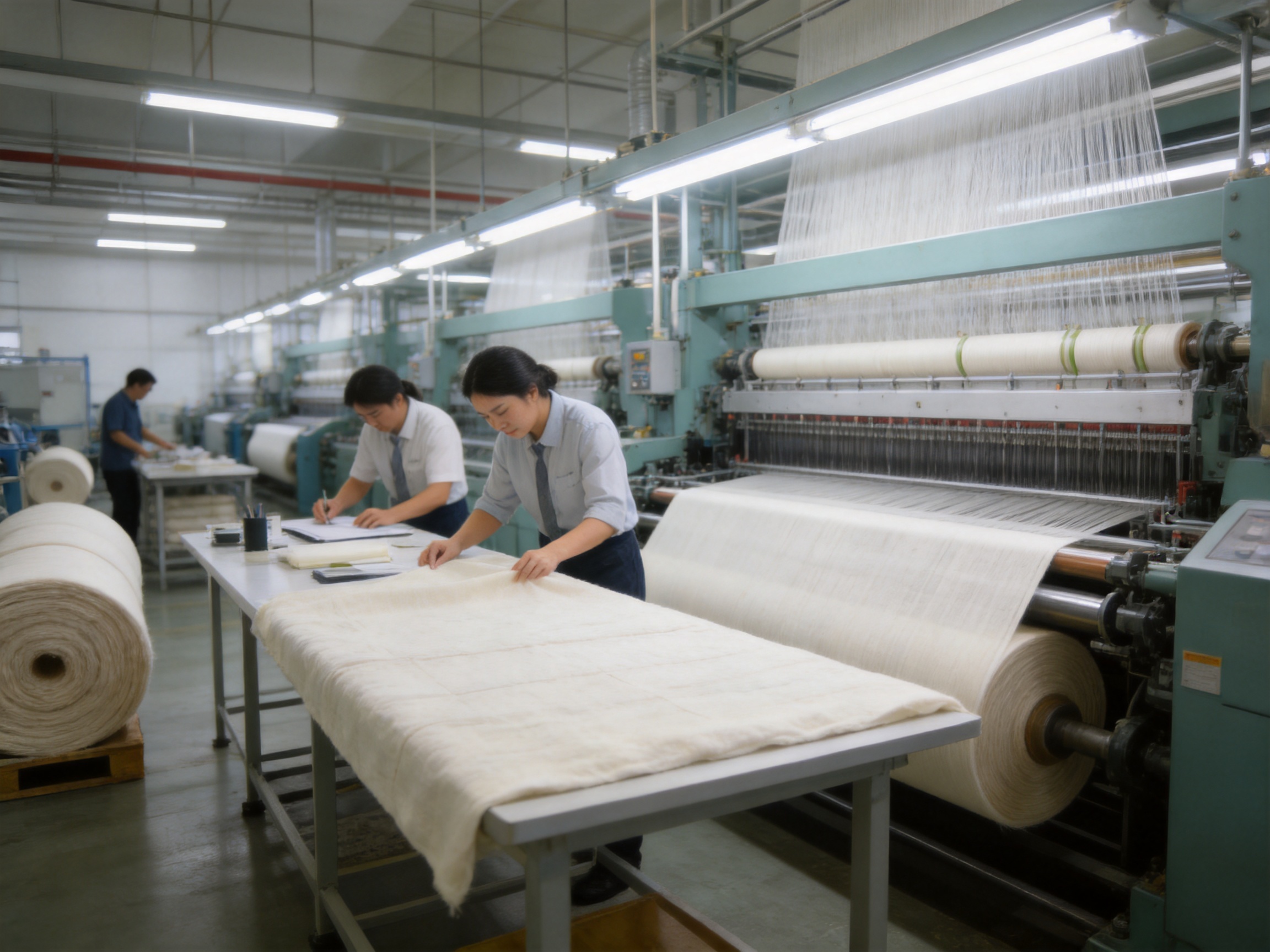
A high-performance pregnancy pillow fabric is not created by fiber selection alone. The manufacturing process determines whether the final material delivers consistent softness, stable dimensions, attractive appearance, and dependable comfort. Hangzhou Xinsili Decorative Fabric Weaving Co., Ltd. has built its production capabilities around functional decorative textiles, integrating practical textile engineering with comfort-oriented design.
The company’s manufacturing philosophy is based on craftsmanship-driven production, design innovation, and win-win collaboration. This means that the fabric is not treated as a simple commodity. Instead, it is developed as a functional material that must meet the requirements of pillow manufacturers, bedding brands, wholesalers, retailers, and end users.
Material Selection and Fiber Planning
The production process begins with material planning. For Bamboo Fiber Pregnancy Pillow Fabric, the selection of bamboo-derived fibers and compatible yarns is important because the fiber blend influences softness, strength, breathability, stretch behavior, shrinkage, and finishing performance. The company evaluates how the fabric will be used, including direct skin contact, repeated washing, and long-term compression against pillow filling.
Material planning also considers whether the customer requires specific performance features, such as cooling sensation, antibacterial function, moisture resistance, flame retardancy, or enhanced durability. As a manufacturer of functional decorative textiles, Xinsili has experience integrating multiple functional requirements into textile solutions for different environments.
Yarn Preparation and Fabric Structure Design
After material selection, yarn preparation and structure design become central. The fabric surface must be smooth enough for sensitive contact, but the structure must also be strong enough for sewing, washing, and daily use. The density, yarn count, pattern, and construction method all affect the final hand feel and performance.
For pregnancy pillow fabric, the structure should support comfort around curved pillow shapes. Large maternity pillows often require covers that fit smoothly without excessive bunching or stiffness. A well-designed fabric can improve the final pillow shape, enhance drape, and provide better tactile comfort.
Precision Weaving and Production Control
Precision manufacturing is one of the company’s key strengths. A consistent fabric requires stable weaving control, accurate tension management, and regular inspection during production. Even small irregularities can affect surface appearance or sewing performance. For pillowcase fabric, defects such as uneven texture, broken yarns, color variation, or inconsistent width can cause waste during cutting and reduce final product quality.
With its 12,000 square meter factory area and long industry experience, Hangzhou Xinsili has the foundation to support stable production for custom orders. Consistent manufacturing helps customers maintain their product standards across batches, which is essential for brands selling maternity bedding products in competitive markets.
Functional Finishing
Finishing is where fabric comfort and special performance can be enhanced. Depending on customer requirements, finishing may focus on softness, moisture management, antibacterial properties, flame-retardant treatment, color stability, or surface refinement. The company’s experience in antibacterial, moisture-resistant, flame-retardant, sleep-supporting, and comfort-improving technologies supports the development of fabrics that meet different market needs.
For Bamboo Fiber Pregnancy Pillow Fabric, finishing must be carefully balanced. The fabric should feel soft and breathable without becoming unstable or overly treated. A good finishing process improves user comfort while preserving the natural-feeling qualities that make bamboo fiber attractive.
Quality Inspection and Reliability Testing
Quality control is essential for pregnancy pillow fabric because the final product is associated with maternity care and sleep support. Inspection may include checks for fabric width, weight, appearance, color consistency, hand feel, strength, shrinkage, pilling tendency, and finishing stability. Reliable inspection reduces the risk of customer returns and helps ensure that bulk fabric matches approved samples.
A supplier with strong quality systems gives pillow manufacturers confidence. When a brand launches a maternity pillow line, it needs fabric that can be reordered with stable quality. Inconsistent fabric can affect color matching, sewing efficiency, customer reviews, and long-term brand reputation.
Customization for Different Pregnancy Pillow Designs
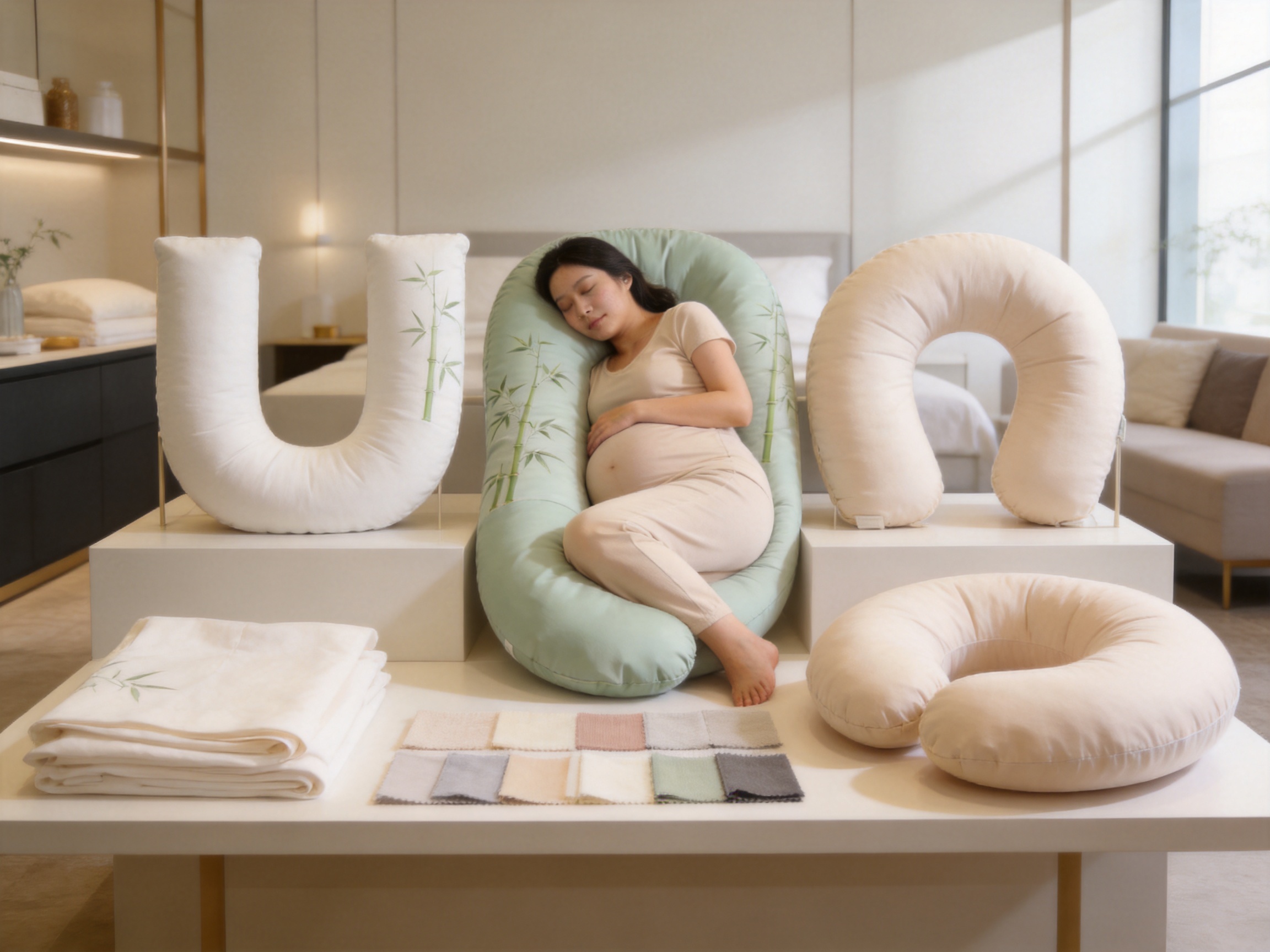
Pregnancy pillows come in many shapes and sizes. Some support the entire body, while others focus on the belly, knees, back, or nursing support. Bamboo Fiber Pregnancy Pillow Fabric can be customized for different product lines, helping manufacturers create unique offerings for various markets.
Customization may include fabric weight, width, color, pattern, texture, hand feel, functional finish, and packaging-related requirements. Some brands may prefer a smooth solid-color fabric for a minimalist look. Others may want printed patterns, jacquard textures, or decorative designs that match nursery and bedroom aesthetics. As a decorative textile manufacturer, Xinsili can support design-oriented development as well as functional performance.
For premium pregnancy pillows, the fabric may be designed to emphasize a cooling touch and elegant softness. For baby and maternity gift sets, the fabric may be developed with delicate colors and gentle patterns. For hotel or wellness applications, durability and easy maintenance may be more important. For e-commerce brands, fabric appearance, touch, and performance claims can help improve customer conversion.
The ability to customize fabric is a major advantage over ordinary stock textile suppliers. Instead of forcing customers to accept a standard material, a specialized manufacturer can work with buyers to match the fabric to target market needs, price positioning, and product identity.
Applications Beyond Pregnancy Pillows
Although the focus of this article is Bamboo Fiber Pregnancy Pillow Fabric, the material can also be relevant for related bedding and comfort products. Its softness, breathability, and skin-friendly nature make it suitable for pillowcases, body pillow covers, nursing pillow covers, cooling pillow products, maternity bedding sets, and other sleep-support accessories.
The company’s product categories include mattress fabric, children mattress fabric, pillowcase fabric, pregnancy pillow fabric, cooling mat fabric, bedding fabric, sofa fabric, and pet friendly fabrics. This broad product scope demonstrates a strong understanding of fabrics used in different daily environments. Many of the same concerns apply across these categories: comfort, durability, safety, appearance, and functional performance.
For children’s bedding, soft and comfortable surfaces are highly valued. For cooling mats, moisture and temperature comfort are important. For sofa and pet-friendly fabrics, durability and easy maintenance become central. The company’s experience across these applications strengthens its ability to develop pregnancy pillow fabric that performs reliably in real use.
Comfort Engineering for Better Sleep Support
A pregnancy pillow is designed to support sleeping posture, but the fabric contributes to the emotional and sensory side of rest. Comfort engineering means designing the textile to support relaxation through touch, breathability, moisture balance, and visual calmness. Bamboo Fiber Pregnancy Pillow Fabric fits this concept because it can create a soft, smooth, and refreshing surface.
Sleep quality is influenced by many factors, including room temperature, stress, mattress support, pillow shape, and fabric sensation. If the fabric feels hot or irritating, it can make it harder for the user to relax. If it feels cool, smooth, and breathable, it can support a more peaceful sleeping environment. This is why high-quality maternity pillow brands increasingly pay attention to fabric selection instead of focusing only on pillow filling.
Bamboo Fiber Pregnancy Pillow Fabric can also improve perceived cleanliness. A fresh-feeling surface gives users greater confidence, especially when the pillow is used daily. When paired with removable and washable cover construction, the fabric helps create a product that feels practical and reassuring.
Sustainability and Modern Consumer Expectations
Modern bedding consumers increasingly care about the materials used in products they bring into their homes. They look for comfort, but they also appreciate environmentally conscious material choices and responsible production. Bamboo is widely recognized as a fast-growing plant resource, and bamboo-derived fibers are often associated with comfort and sustainability-oriented product storytelling.
While sustainability depends on the entire supply chain and processing method, Bamboo Fiber Pregnancy Pillow Fabric gives brands a valuable way to respond to consumer interest in softer and more thoughtful materials. When combined with reliable manufacturing, stable quality, and long service life, the fabric can help reduce waste caused by short-lived products.
Hangzhou Xinsili’s company vision of “Weaving Beautiful Spaces” connects comfort, function, and responsible textile development. The company is committed to providing high-quality and environmentally friendly decorative fabric solutions for global clients through stable, practical, and reliable products. This approach matches the expectations of customers who want both performance and responsibility.
Why Choose a Specialized Functional Textile Manufacturer
Choosing the right fabric supplier is as important as choosing the fabric itself. Pregnancy pillow manufacturers need partners who understand function, comfort, customization, and quality consistency. A general textile trader may provide basic fabric options, but a specialized functional decorative textile manufacturer can offer deeper product development support.
Hangzhou Xinsili Decorative Fabric Weaving Co., Ltd. has 19 years of experience in the decorative textile industry. This experience matters because textile performance depends on many interrelated details. Fiber selection, yarn structure, fabric density, finishing, dyeing, inspection, and packaging all influence final quality. A mature manufacturer can identify potential problems early and provide practical solutions.
The company’s recognition as a National High-Tech Enterprise in 2023 further reflects its commitment to innovation and technical development. For customers seeking functional bedding fabrics, this background provides confidence that the supplier is not limited to simple fabric production. It can support advanced requirements such as antibacterial treatment, moisture resistance, flame retardancy, comfort improvement, and sleep-supportive textile design.
The company’s factory area of 12,000 square meters also supports production stability. Scale is important for customers who require continuous supply, repeat orders, and consistent batch quality. A stable manufacturing base helps reduce delivery risks and supports long-term cooperation.
Product Development Advantages for Bedding Brands
Bedding brands need products that perform well and communicate clear value to consumers. Bamboo Fiber Pregnancy Pillow Fabric provides several product development advantages. First, it supports premium comfort positioning. Second, it gives brands a material story based on bamboo-derived softness and breathability. Third, it can be customized for color, pattern, texture, and finishing requirements. Fourth, it helps improve the user’s direct experience with the pillow.
For e-commerce brands, fabric comfort can strongly influence reviews. Customers often describe pillow products based on how soft, cool, breathable, and pleasant the cover feels. A fabric that performs well can increase satisfaction and reduce negative feedback. For offline retailers, a soft and elegant fabric improves first-touch appeal, which can influence purchasing decisions in stores.
For wholesalers and private-label buyers, reliable quality and customization are important. Bamboo Fiber Pregnancy Pillow Fabric can be developed for different price levels and target markets while maintaining a focus on comfort. This flexibility helps buyers create product lines for entry-level premium, mid-range, and high-end maternity bedding segments.
Important Performance Considerations
When selecting Bamboo Fiber Pregnancy Pillow Fabric, buyers should consider several technical and commercial factors. Fabric weight affects drape, thickness, and perceived quality. A lighter fabric may feel airy and cool, while a heavier fabric may feel more substantial. The ideal weight depends on the pillow design and target market.
Fabric width affects cutting efficiency. Pregnancy pillow covers can be large and curved, so suitable fabric width can reduce waste and improve production efficiency. Color fastness is also important because pillow covers are washed repeatedly and may come into contact with skin care products, perspiration, and household detergents.
Shrinkage control is critical. If fabric shrinks too much after washing, the cover may no longer fit the pillow properly. Pilling resistance matters because the fabric is exposed to friction from body movement and bedding. Seam strength and sewing compatibility are also important for manufacturers, especially for complex pregnancy pillow shapes with zippers, curves, and fitted seams.
Functional finishing should match product claims. If a brand wants to promote cooling comfort, moisture management, antibacterial properties, or flame-retardant performance, the fabric should be developed and tested accordingly. A qualified manufacturer can help align technical performance with market communication.
Manufacturing Process Flow
The production of Bamboo Fiber Pregnancy Pillow Fabric can be understood as a series of carefully controlled stages. Each stage contributes to final product performance and consistency.
Step One: Requirement Analysis
The process begins with understanding the customer’s target product. Is the fabric intended for a full-body pregnancy pillow, a nursing pillow, or a removable pillowcase? What hand feel does the customer want? Is the target market focused on cooling, luxury, affordability, sustainability, or easy care? These questions guide material and process decisions.
Step Two: Fiber and Yarn Selection
The appropriate bamboo-derived fiber content, yarn specification, and potential fiber blends are selected according to the required softness, strength, breathability, and cost structure. This step helps determine the foundation of the fabric.
Step Three: Fabric Construction Design
The weaving or fabric structure is designed to balance surface smoothness, durability, and comfort. Density, texture, pattern, and elasticity are considered based on pillow shape and end-use requirements.
Step Four: Trial Production and Sample Evaluation
Before mass production, samples can be developed and evaluated. Customers may check hand feel, color, appearance, weight, stretch, and sewing suitability. Adjustments can be made to better match expectations.
Step Five: Bulk Production
After sample approval, bulk production is carried out under controlled conditions. Production monitoring helps maintain consistency and reduce defects.
Step Six: Finishing Treatment
Finishing processes are applied according to product requirements. These may include softening, moisture-management enhancement, antibacterial treatment, flame-retardant finishing, or other functional processes.
Step Seven: Inspection and Packing
The finished fabric is inspected for appearance, width, color, defects, and performance indicators. Proper packing helps protect the fabric during storage and transport.
Quality Benefits for Manufacturers and End Users
For manufacturers, high-quality Bamboo Fiber Pregnancy Pillow Fabric improves cutting, sewing, finishing, and packaging efficiency. Stable fabric width and consistent texture reduce production waste. Good sewing compatibility helps create neat seams and smooth pillow covers. Reliable color and appearance make finished products look professional.
For end users, the benefits are experienced through daily comfort. The pillow feels softer, cooler, smoother, and more pleasant against the skin. The cover is easier to enjoy through long periods of use. When the fabric maintains quality after washing, users feel that the product is worth the investment.
This dual value is important. A fabric must serve both the factory and the consumer. If it is comfortable but difficult to sew, it creates production challenges. If it is easy to sew but uncomfortable, it disappoints users. Bamboo Fiber Pregnancy Pillow Fabric from an experienced manufacturer is developed to balance both sides.
Design Possibilities and Aesthetic Value
Pregnancy pillow fabric does not need to be plain or purely functional. Many consumers want bedding that looks beautiful in the home. The fabric can be designed in calm neutrals, soft maternity colors, elegant patterns, nature-inspired tones, or modern decorative textures. A more attractive fabric helps the pillow blend with bedroom and living room decor.
Decorative value is one of the strengths of Hangzhou Xinsili. The company’s focus on decorative fabric weaving gives it the ability to consider surface style as well as function. This is useful for buyers who want to build a recognizable product line with a distinct visual identity.
For maternity products, gentle colors such as soft gray, cream, beige, pale blue, sage green, blush, and warm white are popular. For premium collections, jacquard textures or subtle patterns can create a more refined appearance. For children and family-oriented collections, playful but tasteful designs can be developed. The fabric can therefore support different brand stories and sales channels.
Global Market Relevance
The demand for pregnancy pillows and maternity comfort products has grown as consumers pay more attention to sleep health, prenatal comfort, and home wellness. Online shopping has also made it easier for maternity bedding brands to reach global customers. In this environment, fabric quality becomes a major factor in product differentiation.
Customers in different regions may have different preferences. Warm-climate markets may prioritize cooling and breathability. Premium urban markets may emphasize softness and elegant design. Family-oriented markets may care strongly about washability and durability. Hospitality or wellness markets may require stronger functional specifications. Bamboo Fiber Pregnancy Pillow Fabric can be adapted to these needs through customized development.
As a China-based manufacturer serving global clients, Hangzhou Xinsili is positioned to support buyers who need stable supply, functional fabric expertise, and custom development. Its location in Hangzhou City, Zhejiang Province, provides access to one of China’s important textile and manufacturing regions, supporting efficient sourcing and production coordination.
Practical Buying Guidance
When sourcing Bamboo Fiber Pregnancy Pillow Fabric, buyers should begin by defining the final product. The pillow shape, filling type, target retail price, washing requirements, packaging style, and marketing claims all influence fabric selection. A clear product brief helps the manufacturer recommend the right construction and finishing.
Buyers should request samples and evaluate them under realistic conditions. Touch the fabric, wrap it around a pillow form, test sewing behavior, check zipper installation, wash the sample, and compare comfort after drying. If the product will be marketed as cooling or antibacterial, buyers should discuss appropriate testing and documentation.
Color approval is also important. Maternity bedding often uses soft colors that can show shade differences easily. Customers should confirm lab dips or sample colors before bulk production. For printed or patterned fabric, repeat size, clarity, and alignment should be checked.
Finally, buyers should consider long-term supply reliability. A fabric used in a successful pregnancy pillow line may need repeat orders for months or years. Working with a manufacturer that offers stable production, technical communication, and quality consistency can reduce risk and support business growth.
Company Strengths Supporting the Product
Hangzhou Xinsili Decorative Fabric Weaving Co., Ltd. specializes in innovative research, development, and precision manufacturing of decorative textiles. The company is guided by the vision of “Weaving Beautiful Spaces” and aims to provide high-quality, environmentally friendly decorative fabric solutions for global clients.
The company’s values include craftsmanship-driven manufacturing, design innovation, and win-win collaboration. These values are reflected in the development of Bamboo Fiber Pregnancy Pillow Fabric, where comfort, function, appearance, and reliability must work together. Rather than focusing only on production volume, the company emphasizes practical and stable product performance.
Its functional textile capabilities include antibacterial, moisture-resistant, flame-retardant, sleep-supporting, and comfort-improving technologies. These capabilities are particularly relevant for bedding products, where users expect safety, cleanliness, comfort, and durability. By integrating these technologies into textile development, the company can support customers with differentiated fabric solutions.
With 19 years of industry experience, the company understands the changing needs of the home textile and decorative fabric market. Its 12,000 square meter factory area supports manufacturing scale, while its recognition as a National High-Tech Enterprise in 2023 demonstrates ongoing innovation. These strengths help ensure that customers receive not only fabric, but also technical support and product development value.
Frequently Asked Questions
What is Bamboo Fiber Pregnancy Pillow Fabric?
Bamboo Fiber Pregnancy Pillow Fabric is a soft, breathable, and skin-friendly textile designed for pregnancy pillow covers, maternity support pillows, nursing pillows, body pillows, and related bedding products. It uses bamboo-derived fiber qualities to create a comfortable surface for extended body contact.
Why is bamboo fiber suitable for pregnancy pillow fabric?
Bamboo-derived fiber is valued for its smooth hand feel, breathable comfort, and pleasant touch. These qualities are helpful for pregnancy pillows because users often need long-term support and may be more sensitive to heat, moisture, and fabric texture.
How does this fabric compare with ordinary polyester fabric?
Ordinary polyester fabric can be durable and economical, but it may feel warmer or less natural against the skin. Bamboo Fiber Pregnancy Pillow Fabric offers a softer and more breathable experience, making it better suited for premium maternity comfort products.
Can the fabric be customized?
Yes. The fabric can be customized according to customer requirements, including color, texture, pattern, weight, width, hand feel, and functional finishing. Customization helps brands create unique pregnancy pillow products for different markets.
Is the fabric suitable for washable pillow covers?
Yes, it can be developed for removable and washable pregnancy pillow covers. Buyers should specify washing requirements during product development so that shrinkage, color fastness, and durability can be properly considered.
Can functional finishes be added?
Functional finishes may be added depending on the buyer’s needs. Options can include moisture-management enhancement, antibacterial treatment, flame-retardant finishing, or other comfort-improving processes. Specific performance requirements should be confirmed before production.
What types of pregnancy pillows can use this fabric?
The fabric is suitable for U-shaped pregnancy pillows, C-shaped pregnancy pillows, J-shaped pillows, wedge pillows, nursing pillows, full-body pillows, side-sleeping pillows, and maternity pillowcases.
Why work with Hangzhou Xinsili Decorative Fabric Weaving Co., Ltd.?
The company has 19 years of textile industry experience, a 12,000 square meter factory area, functional fabric development capabilities, and recognition as a National High-Tech Enterprise in 2023. It supports custom decorative and functional textile solutions for global clients.
Conclusion
Bamboo Fiber Pregnancy Pillow Fabric is a valuable material for maternity bedding products because it combines softness, breathability, moisture comfort, skin-friendly touch, attractive appearance, and customization potential. For expectant mothers, these qualities help create a more comfortable and supportive rest environment. For brands and manufacturers, the fabric offers a way to differentiate products in a competitive market and deliver a better user experience.
Compared with ordinary polyester, low-grade blends, heavy plush fabrics, or basic cotton options, Bamboo Fiber Pregnancy Pillow Fabric provides a more balanced solution for year-round comfort and premium positioning. Its advantages are especially important for pregnancy pillows, where long hours of direct body contact demand a higher standard of textile performance.
Hangzhou Xinsili Decorative Fabric Weaving Co., Ltd. supports this product with advanced manufacturing processes, functional finishing capabilities, quality control, custom development, and nearly two decades of industry experience. Its commitment to stable, practical, reliable, and environmentally friendly decorative textile solutions makes it a strong partner for buyers seeking high-quality pregnancy pillow fabric.
For maternity pillow brands, bedding manufacturers, wholesalers, and private-label buyers, choosing the right fabric can transform a simple support pillow into a premium comfort product. Bamboo Fiber Pregnancy Pillow Fabric offers the performance, appearance, and user-focused value needed to meet modern expectations for healthier, cooler, and more comfortable sleep.
References
Textile Institute. Textile Terms and Definitions. Textile Institute Publications.
Kadolph, S. J. Textiles. Pearson Education.
Gohl, E. P. G., and Vilensky, L. D. Textile Science. CBS Publishers.
Collier, B. J., and Epps, H. H. Textile Testing and Analysis. Pearson Prentice Hall.
Saville, B. P. Physical Testing of Textiles. Woodhead Publishing.
Sinclair, R. Textiles and Fashion: Materials, Design and Technology. Woodhead Publishing.
Our Featured Products
-
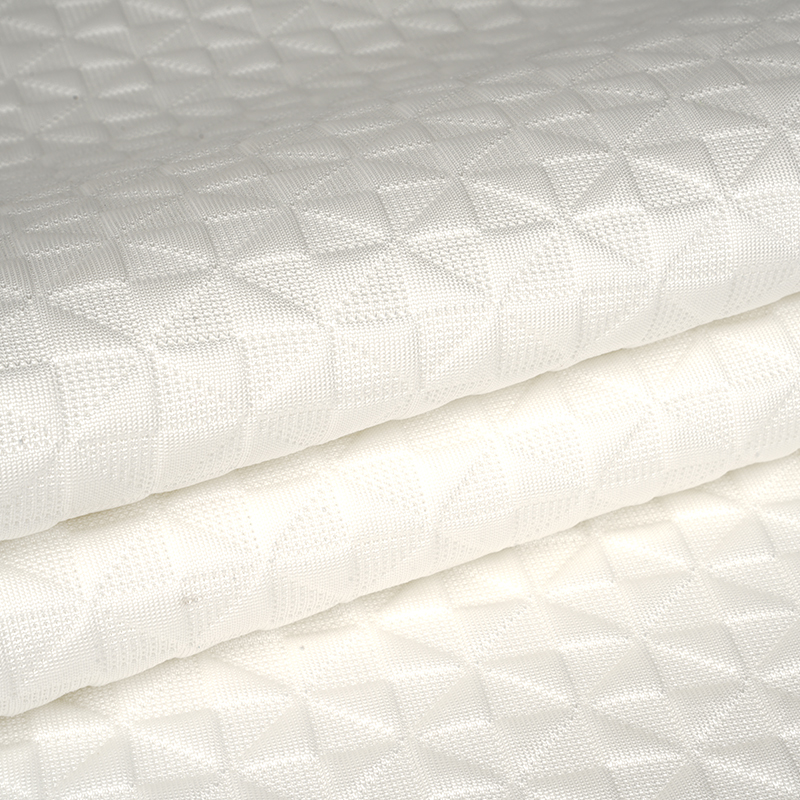
Bamboo Fiber Children Mattress Fabric
Bamboo Fiber Children Mattress Fabric
Haven’t Found The Products You Want?
-
-
Shen Jinyan:+86-15158070676
[email protected]
Liang Jinwen:+86-15757186621
[email protected]
Qiu Yingyingn:+86-13819545790
[email protected]
Yi qiao Town, Xiaoshan District, Hangzhou City, Zhejiang Province, China
-
Products
Mattress Fabric Children Mattress Fabric Pillowcase Fabric Pregnancy Pillow Fabric Cooling Mat Fabric Bedding Fabric Sofa Fabric Pet Friendly Fabrics -
Contact Information
About Us Products Strength Sustainability News Contact Us
Copyright © Hangzhou Xinsili Decorative Fabric Weaving Co.,Ltd. All Rights Reserved.
Functional Decorative Textile Manufacturers
