

 English
 中文简体
 Español
 عربى
 русский



Tencel Sofa Fabric: A High-Performance Textile for Comfortable, Sustainable Interiors
Content
- 1 Understanding Tencel Sofa Fabric
- 2 Main Advantages of Tencel Sofa Fabric
- 3 Comparison with Conventional Upholstery Fabrics
- 4 Applications in Residential Furniture
- 5 Applications in Hotels and Hospitality Spaces
- 6 Applications in Commercial and Public Interiors
- 7 Advanced Manufacturing Strengths
- 8 Quality Control from Fiber to Finished Fabric
- 9 Design and Specification Considerations
- 10 Advantages for Furniture Manufacturers and Brands
- 11 Advantages for Interior Designers and Project Buyers
- 12 Sustainability and Long-Term Value
- 13 How to Select the Right Tencel Sofa Fabric
- 14 Recommended Evaluation Checklist
- 15 Why Manufacturing Partnership Matters
- 16 Future Potential of Tencel Upholstery Textiles
- 17 Questions and Answers
- 17.1 What is Tencel sofa fabric?
- 17.2 What are the main benefits of Tencel sofa fabric?
- 17.3 Is Tencel sofa fabric suitable for hotels?
- 17.4 Can Tencel sofa fabric be used for commercial furniture?
- 17.5 Does Tencel sofa fabric feel comfortable?
- 17.6 Is Tencel sofa fabric environmentally friendly?
- 17.7 How should Tencel sofa fabric be maintained?
- 17.8 Can the fabric be customized?
- 17.9 What should furniture manufacturers test before mass production?
- 17.10 Why choose an experienced decorative fabric manufacturer?
- 17.11 Can Tencel sofa fabric be used on curved sofas?
- 17.12 What information should buyers request from the supplier?
- 18 Conclusion
- 19 References
- 20 Product: Tencel Sofa Fabric
Furniture textiles play a central role in the appearance, comfort, durability, and environmental profile of modern interiors. Among the many materials available for upholstered furniture, Tencel sofa fabric has attracted growing attention from furniture manufacturers, interior designers, hospitality developers, and residential consumers. It combines a refined surface appearance with a soft hand feel, helping upholstered furniture achieve an inviting visual and tactile character without sacrificing practical performance.
For sofas, lounge chairs, benches, ottomans, and other upholstered products, fabric selection is more than a matter of color. The textile must support the furniture’s design language, withstand repeated use, feel comfortable against the skin, and remain stable throughout its service life. It should also meet the increasingly important expectations surrounding responsible material selection, efficient manufacturing, and healthier indoor environments. Tencel sofa fabric responds to these requirements through a balanced combination of comfort, appearance, functional adaptability, and design versatility.
Manufactured by Hangzhou Xinsili Decorative Fabric Weaving Co., Ltd., the fabric is part of a broader portfolio of functional decorative textiles developed for residential, hotel, and commercial environments. The company combines nearly two decades of industry experience with specialized weaving capabilities, product research, process control, and application-oriented development. Its approach is not limited to producing attractive cloth; it is focused on creating dependable decorative textile solutions that support real furniture applications.
This article examines the characteristics of Tencel sofa fabric, its benefits compared with conventional upholstery materials, the manufacturing strengths behind its performance, and the reasons it can be considered for premium furniture projects seeking comfort, visual quality, and responsible material choices.
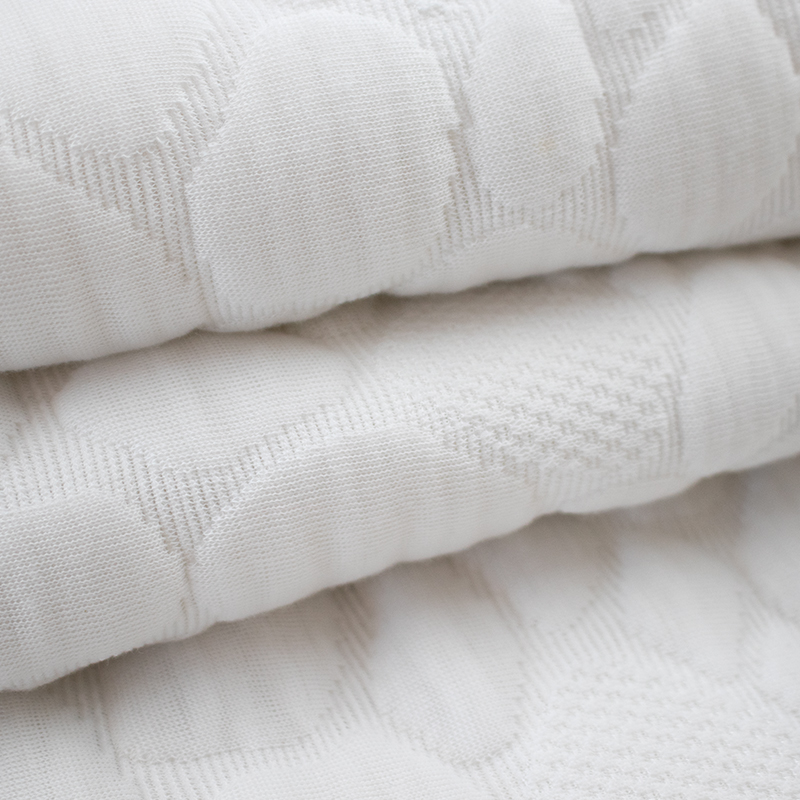
Tencel Sofa Fabric
Understanding Tencel Sofa Fabric
Tencel sofa fabric is an upholstery textile made with Tencel fibers, a branded type of regenerated cellulose fiber commonly associated with wood-based raw materials and a smooth, comfortable surface. In furniture applications, the fiber is incorporated into a woven or blended construction selected for the intended balance of softness, dimensional stability, appearance, and durability.
The word “Tencel” describes the fiber component, while “sofa fabric” describes the end use. The final performance of an upholstery textile depends on much more than fiber identity alone. Yarn quality, fiber blending, weave structure, finishing methods, fabric density, coloration, and production controls all influence the finished result. For this reason, a high-quality Tencel sofa fabric should be evaluated as a complete textile system rather than as a single raw material.
For upholstered furniture, the fabric must support both visual design and daily function. It needs to drape or conform appropriately over furniture contours, present a consistent surface, accept color evenly, and maintain a stable appearance after installation. It should also provide a pleasant touch because sofas are frequently used for relaxation, conversation, reading, entertainment, and rest.
Tencel-based textiles are particularly attractive in settings where designers want a soft, natural-looking aesthetic. The surface can contribute to a calm and sophisticated atmosphere, making it suitable for contemporary homes, boutique hotels, serviced apartments, lounges, reception areas, and selected commercial interiors. Depending on the color, weave, and finishing treatment, the material can express minimalist, modern, warm, elegant, or casually luxurious design directions.
Main Advantages of Tencel Sofa Fabric
Soft and Comfortable Hand Feel
One of the most noticeable advantages of Tencel sofa fabric is its smooth and comfortable hand feel. Sofas are used in close contact with the body, and the upholstery surface often touches arms, hands, legs, and faces. A coarse or overly rigid fabric can reduce perceived quality, even when the furniture structure is excellent. Tencel fibers are valued for their smooth surface, which can help create a more pleasant tactile experience.
This comfort is particularly useful for residential seating, family rooms, bedroom sofas, reading chairs, daybeds, and other furniture intended for extended use. In hospitality settings, soft upholstery can help create an immediate impression of welcome and relaxation. The tactile quality also supports premium product positioning because customers often evaluate furniture through touch as well as sight.
A comfortable hand feel does not require the fabric to look informal. Through suitable weaving and finishing, a soft textile can maintain a structured, refined surface suitable for carefully designed interiors. This combination of comfort and visual control gives Tencel sofa fabric an advantage over upholstery textiles that feel stiff, harsh, or excessively synthetic.
Refined Surface Appearance
Tencel sofa fabric can provide a smooth and elegant surface that enhances the perceived quality of upholstered furniture. Its appearance is compatible with clean-lined sofas, curved furniture, modular seating, accent chairs, and decorative cushions. The fabric can be developed in a broad range of colors and visual effects, allowing manufacturers and designers to coordinate upholstery with wall finishes, flooring, curtains, rugs, and decorative accessories.
The textile’s refined appearance is valuable in projects where furniture is expected to function as part of the interior architecture. In a hotel lobby, for example, the sofa is not merely a seat; it contributes to the property’s identity and guest experience. In a residence, the sofa may serve as a visual anchor for the living room. A carefully selected Tencel fabric can support these design goals by adding softness and depth without overwhelming the surrounding space.
Compared with basic upholstery materials that may have a flat, overly uniform, or plastic-like appearance, a well-developed Tencel textile can offer a more natural visual impression. The final effect depends on the weave, yarn arrangement, dyeing method, and finishing process, but the material is well suited to design programs that prioritize subtle texture and understated sophistication.
Comfortable Moisture Management
Comfort in seating is influenced by temperature and moisture as well as softness. When a user sits for a long time, the upholstery surface can affect how warm or humid the seating experience feels. Cellulosic fibers are often selected for their comfortable moisture-related characteristics, helping the textile feel more pleasant in everyday use.
This feature can be relevant to homes in warm climates, hospitality furniture used by many guests, and commercial seating areas where people may remain seated for extended periods. While no upholstery fabric eliminates all sources of heat or moisture, material selection can contribute to a more comfortable micro-environment at the contact surface.
For furniture manufacturers, the benefit is also connected to product positioning. A sofa described as soft, comfortable, and suitable for frequent use can appeal to customers who place greater emphasis on wellness and daily living quality. As interior design increasingly connects comfort with health-conscious lifestyles, fabrics with a pleasant moisture-related performance can offer meaningful differentiation.
Natural and Responsible Material Image
Many customers are now interested in where textile fibers come from, how they are processed, and whether the material is consistent with more responsible consumption. Tencel fibers are associated with wood-based cellulose and are widely recognized for their more responsible material image compared with many conventional petroleum-based fibers. This can make Tencel sofa fabric attractive to brands and projects that wish to communicate a softer environmental direction.
Material responsibility should always be evaluated across the entire product life cycle, including raw material sourcing, fiber production, dyeing, finishing, cutting, sewing, use, maintenance, and end-of-life considerations. Even so, using a cellulosic fiber in decorative upholstery can help manufacturers respond to market interest in renewable material concepts and lower-impact design strategies.
The environmental value of a fabric is also influenced by product durability. A textile that retains its appearance and remains useful for a longer period can reduce the frequency of replacement. In this sense, responsible design is not only about the origin of the fiber; it is also about creating furniture that remains attractive, comfortable, and functional over time.
Design Flexibility
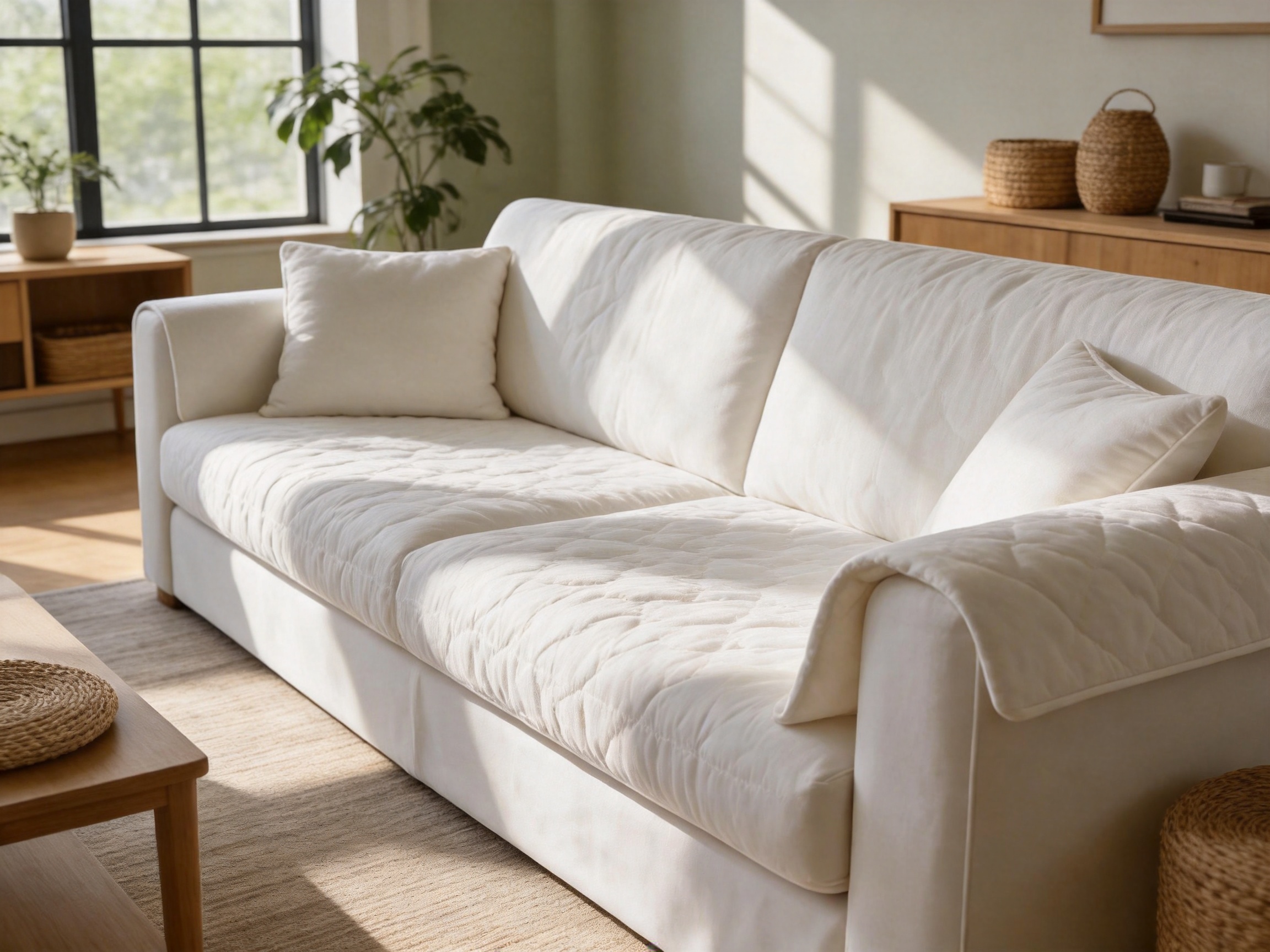
Tencel sofa fabric can serve a wide range of furniture styles. It may be specified for contemporary sofas with simple geometric forms, curved lounge furniture with generous cushions, Scandinavian-inspired interiors, upscale apartment projects, hotel seating, and coordinated home textile collections.
Its design flexibility comes from the interaction between fiber, yarn, weave, color, and finishing. A fine construction may create a clean and elegant appearance, while a more textured construction may give the furniture greater visual depth. Color selection can range from light neutral tones to deep accent colors, depending on the design brief and market positioning.
This flexibility helps furniture manufacturers simplify product development. A single textile family may be adapted across multiple furniture models, enabling coordinated collections while still allowing each product to maintain a distinctive appearance. It can also support customization programs for contract projects, where designers require a controlled palette of colors and textures.
Comparison with Conventional Upholstery Fabrics
Every upholstery material has strengths and limitations. Tencel sofa fabric should not be evaluated through a single claim that it is universally superior to every alternative. Instead, its advantage lies in the balance it offers among comfort, appearance, material perception, design adaptability, and professional manufacturing support.
| Evaluation Factor | Tencel Sofa Fabric | Basic Synthetic Upholstery | Traditional Cotton Upholstery | Heavy Decorative Fabric |
|---|---|---|---|---|
| Surface feel | Smooth, soft, and comfortable when properly developed | May range from smooth to more artificial or firm | Generally comfortable, depending on yarn and finish | Can feel structured, dense, or less supple |
| Visual character | Refined, soft, and adaptable to contemporary interiors | Broad range, sometimes more uniform or technical-looking | Natural and familiar appearance | Rich and decorative, often with greater visual weight |
| Material image | Associated with wood-based cellulose and responsible design | Often associated with durability and cost efficiency | Associated with natural fibers and traditional comfort | Depends strongly on fiber composition |
| Design flexibility | Suitable for residential, hospitality, and selected commercial furniture | Highly flexible, depending on construction | Suitable for many styles but may require performance treatment | Often selected for statement furniture and formal interiors |
| Comfort positioning | Strong choice for soft-touch, relaxation-oriented furniture | Depends on surface engineering and finishing | Generally comfortable with suitable construction | Can prioritize structure and appearance over softness |
| Project suitability | Homes, hotels, lounges, apartments, and decorative commercial settings | High-use and cost-sensitive applications, depending on specification | Residential and lifestyle-oriented furniture | Feature furniture and higher-impact decorative applications |
Compared with basic synthetic upholstery, Tencel sofa fabric can offer a more natural and comfortable tactile identity. Synthetic fabrics may provide excellent abrasion resistance, color stability, or easy-care performance in specific constructions, but they can sometimes feel less breathable or less natural to the touch. The appropriate choice depends on the application, performance target, and customer priorities.
Compared with traditional cotton upholstery, Tencel fabric may offer a more refined surface and a different combination of softness and moisture-related comfort. Cotton remains a familiar and versatile material, but the final performance of cotton upholstery varies widely according to fiber quality, yarn construction, weight, finishing, and blending. Tencel can provide a distinctive alternative for brands seeking a modern cellulosic textile identity.
Compared with heavier decorative upholstery, Tencel sofa fabric can create a lighter and more relaxed visual effect. Heavy fabrics may be appropriate when designers want formality, structure, or dramatic texture. Tencel fabrics are often better suited to interiors where comfort, simplicity, and understated elegance are central themes.
Applications in Residential Furniture
Residential furniture is one of the most suitable application areas for Tencel sofa fabric. In the home, sofas are often used every day and may support a variety of activities, including socializing, watching films, reading, working, resting, and spending time with family members. The upholstery must therefore combine comfort with an appearance that remains compatible with the home environment.
Living room sofas upholstered in Tencel fabric can create a warm and welcoming focal point. Neutral shades may support minimalist interiors, while earthy colors can reinforce natural design themes. More expressive colors can be used for accent seating, compact apartment furniture, or coordinated furniture collections.
The fabric can also be applied to occasional chairs, ottomans, benches, headboards, and decorative cushions. Using one textile family across several furniture categories can create visual continuity within a room. For furniture brands, this creates opportunities to develop coordinated collections rather than isolated products.
In family-oriented interiors, the fabric’s soft touch can contribute to a more comfortable daily experience. However, the exact maintenance and performance requirements should be matched with the textile specification and intended use. Furniture manufacturers should evaluate cleaning instructions, color fastness, abrasion performance, seam behavior, and dimensional stability before selecting a construction for intensive household use.
Applications in Hotels and Hospitality Spaces
Hotels, serviced apartments, guest lounges, restaurants, and reception areas require furniture that supports both design and repeated public use. Upholstery is one of the first material elements guests notice, and it contributes to the perceived standard of the property.
Tencel sofa fabric can be used where the project seeks a refined, comfortable, and contemporary atmosphere. It may be suitable for lobby seating, guestroom lounge chairs, executive suites, waiting areas, meeting spaces, and selected restaurant furniture. Its soft appearance can help reduce the institutional feeling sometimes associated with commercial interiors.
Hospitality designers frequently seek a balance between luxury and approachability. An overly formal fabric may make a space feel distant, while an overly casual textile may not support a premium identity. Tencel sofa fabric can occupy a useful middle ground when developed with an appropriate weave, color palette, and finishing treatment.
For hospitality use, product selection should be based on documented technical requirements. Designers and buyers should consider the intensity of use, cleaning procedures, local safety regulations, flame-resistance requirements where applicable, and the expected replacement cycle. A responsible supplier should assist with fabric selection and provide relevant technical information for the intended project.
Applications in Commercial and Public Interiors
Commercial interiors increasingly emphasize comfort, brand character, and employee or visitor experience. Offices, co-working spaces, showrooms, private clubs, wellness areas, and creative studios may all use upholstered furniture to create informal interaction zones.
Tencel sofa fabric can help these environments feel less rigid and more human-centered. In an office lounge, for example, a soft textile can make informal seating more inviting. In a showroom, it can support the presentation of lifestyle products. In a wellness-oriented space, its tactile and visual qualities may reinforce a calm design language.
The fabric is also relevant to designers developing hospitality-inspired workplace interiors. As offices become more flexible, furniture must support collaboration, concentration, relaxation, and social activity. A comfortable and visually refined upholstery textile can help define these zones without relying on excessive decoration.
Public and commercial applications demand careful specification. The fabric construction should be matched with the expected traffic level, cleaning requirements, light exposure, and local regulations. Where a project requires specialized functions such as flame retardancy, antibacterial performance, or enhanced stain resistance, the required treatment and certification should be confirmed before production.
Advanced Manufacturing Strengths
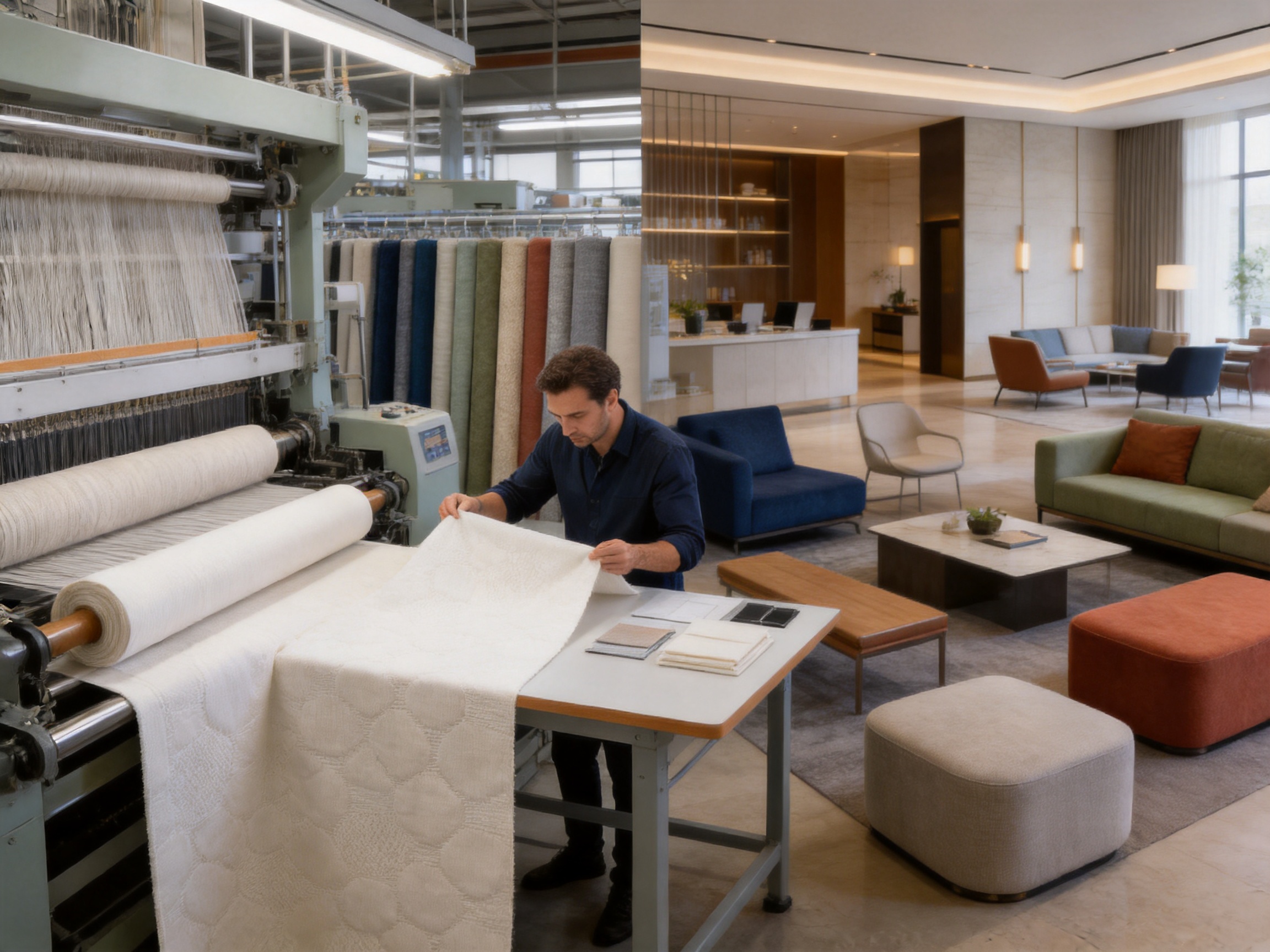
Experience in Decorative Textile Production
Hangzhou Xinsili Decorative Fabric Weaving Co., Ltd. has approximately 19 years of industry experience in decorative textile development and manufacturing. Long-term experience is valuable because upholstery fabric production requires knowledge of both textile engineering and furniture application. A fabric may appear attractive on a sample card but perform poorly during cutting, sewing, upholstering, or long-term use if its construction is not properly controlled.
Experienced production teams understand the relationship between yarn selection, loom settings, fabric tension, surface treatment, inspection standards, and final application. They are better positioned to identify potential problems early, adjust production parameters, and create textiles that are practical for furniture manufacturers.
Industry experience also supports more effective communication with customers. Furniture brands may require specific colors, widths, weights, textures, performance levels, or delivery schedules. A supplier familiar with decorative fabric production can translate these requirements into a realistic textile development plan.
Dedicated Manufacturing Environment
The company operates within a factory area of approximately 12,000 square meters. A dedicated manufacturing environment provides space for organized production, inspection, material handling, product development, and order preparation. It can also support clearer separation between different stages of the manufacturing process.
Factory scale alone does not guarantee product quality, but it can strengthen production organization when supported by appropriate management systems. A well-managed facility helps maintain more consistent workflows, improves traceability, and provides room for equipment maintenance and process optimization.
For international furniture customers, manufacturing capacity is important because project supply may involve repeated orders, coordinated colorways, multiple fabric constructions, and planned delivery schedules. A stable production base helps reduce uncertainty when customers move from sample approval to commercial quantities.
Research and Development Orientation
The company focuses on the research, development, and precision manufacturing of decorative textiles. This development-oriented approach is important because the upholstery market is changing rapidly. Customers now expect fabrics to provide more than visual decoration. They may seek softness, moisture resistance, antibacterial functions, flame-retardant properties, sleep-supporting characteristics, or other comfort-related benefits.
A research-oriented textile manufacturer can evaluate new fiber combinations, weave structures, finishing methods, and functional treatments. It can also adapt products for different end uses instead of offering a single general-purpose material. For Tencel sofa fabric, this may involve adjusting the surface, weight, texture, or performance profile to meet the needs of specific sofa designs and market segments.
Product development should be connected to actual application testing. A fabric intended for curved upholstery may require different handling characteristics from one intended for flat panels. A residential textile may have a different balance of softness and durability from a hotel textile. Understanding these differences allows the manufacturer to provide more relevant solutions.
Precision Weaving and Process Control
Weaving precision influences the uniformity, stability, and visual quality of upholstery fabric. Consistent yarn tension, controlled fabric density, stable width, and accurate pattern or texture formation are essential for producing a reliable textile. Irregularities may become particularly visible when the fabric is stretched over large sofa panels or used across multiple pieces of furniture.
Precision manufacturing helps reduce problems such as uneven surfaces, inconsistent color appearance, unstable dimensions, and difficulties during upholstery. It also supports more predictable cutting and sewing operations, which can improve production efficiency for furniture manufacturers.
Process control should continue beyond weaving. Dyeing, finishing, inspection, packaging, and storage can all affect the final product. A disciplined manufacturing process monitors the textile at several stages rather than relying solely on a final visual check.
Functional Textile Development
The company’s broader focus includes functional decorative fabrics for home, hotel, and commercial environments. This creates a useful foundation for developing sofa textiles that combine decorative value with practical performance.
Functional development may involve properties such as antibacterial performance, moisture resistance, flame retardancy, comfort improvement, and support for healthy sleep environments. Not every Tencel sofa fabric will include every function, and the exact specifications must be confirmed for each product. Nevertheless, the manufacturer’s capability in functional textile development indicates an understanding that modern decorative fabrics must respond to both aesthetic and technical demands.
When a project requires a functional treatment, buyers should ask for clear product documentation, test methods, applicable standards, and care instructions. Performance claims should be connected to a defined test condition and should not be interpreted as unlimited protection under all circumstances.
Quality Control from Fiber to Finished Fabric
Reliable upholstery fabric begins with consistent raw materials. Yarn and fiber selection influence softness, strength, appearance, color absorption, and fabric behavior. Incoming materials should be reviewed according to established specifications before entering production.
During weaving, operators and quality personnel should monitor fabric formation, tension, density, width, and visible defects. Early detection is important because correcting a problem during production is generally more effective than discovering it after a full batch has been completed.
After weaving and finishing, the fabric should undergo inspection for appearance, color consistency, surface defects, dimensional behavior, and packaging condition. Depending on the intended application, additional tests may be appropriate, including abrasion resistance, pilling resistance, color fastness, seam slippage, tensile strength, tear strength, and cleaning response.
For a furniture manufacturer, quality control is valuable not only because it protects the fabric supplier’s reputation. It also reduces cutting waste, upholstering delays, customer complaints, and inconsistent appearance between furniture batches. A stable textile can improve the efficiency of the entire furniture supply chain.
Design and Specification Considerations
Color Selection
Color is one of the most visible elements of a sofa textile. Tencel sofa fabric can be developed in colors that support different interior themes, from warm neutrals and natural earth tones to cool gray, deep blue, green, or stronger accent shades.
Color selection should consider the furniture form, room lighting, surrounding materials, target market, and expected maintenance environment. Light colors can make furniture appear spacious and calm but may require more careful maintenance. Dark colors can create visual depth and may conceal minor marks more effectively, but they can also show lint or dust depending on the surface structure.
Color consistency is especially important for large furniture programs. A supplier should establish appropriate approval procedures, including lab dips, sample cutting, batch comparison, and production inspection. Lighting conditions can affect how a color appears, so evaluation under relevant illumination is recommended.
Texture and Weave
Texture affects both visual perception and touch. A subtle texture can make a sofa look more sophisticated and can add depth to a single-color textile. A smoother weave may emphasize clean lines and modern simplicity. The appropriate choice depends on the furniture design and the desired market position.
Weave structure also influences handling during upholstery. Excessive openness, directional texture, or pattern repeat may require more careful cutting and matching. Furniture manufacturers should review the fabric on representative furniture forms before approving a large production order.
Width and Upholstery Efficiency
Fabric width affects cutting plans, seam placement, and material consumption. A suitable width can reduce waste and simplify upholstery, particularly for large sofa panels. However, the most efficient width depends on the furniture dimensions and design.
Manufacturers should calculate expected consumption using actual cutting layouts rather than relying only on general estimates. Consideration should also be given to pattern direction, nap or surface orientation, cushion matching, and potential defects. Early coordination between the fabric supplier and furniture manufacturer can improve material efficiency.
Maintenance and Care
Care instructions should be developed according to the actual fabric construction and finishing. Regular light cleaning, prompt treatment of spills, avoidance of harsh chemicals, and protection from excessive direct sunlight may help preserve the appearance of upholstered furniture.
Users should follow the supplier’s specific care guidance rather than applying a generic cleaning method. A fabric that feels soft and refined may require different treatment from a heavily coated or highly synthetic upholstery material. Furniture manufacturers should communicate appropriate care information to retailers and end users.
Advantages for Furniture Manufacturers and Brands
Using Tencel sofa fabric can help furniture brands create products with a clear comfort and design story. The material supports descriptions such as soft-touch, refined, naturally inspired, and suitable for contemporary living. These qualities can help a product stand out in a crowded furniture market.
The fabric can also support premium product tiers. Customers may be willing to invest in a sofa when they perceive a combination of attractive design, comfortable use, responsible material selection, and dependable manufacturing. Tencel fabric does not replace the need for strong sofa construction, high-quality foam, durable frames, and careful sewing, but it can strengthen the overall product proposition.
Another advantage is collection coordination. A supplier with experience in decorative textiles can help brands develop multiple colors, textures, or related constructions. This allows a furniture company to offer a recognizable textile family across different sofa models and room settings.
For contract furniture businesses, a manufacturer capable of producing functional decorative textiles may offer broader development support. The buyer can discuss requirements involving appearance, comfort, performance, and application in a more integrated way. This may reduce the need to coordinate several unrelated textile suppliers.
Advantages for Interior Designers and Project Buyers
Interior designers require fabrics that can express a concept while remaining practical in application. Tencel sofa fabric offers a useful combination of visual softness, tactile comfort, and material storytelling. It can be incorporated into design schemes that emphasize wellness, natural references, quiet luxury, contemporary hospitality, or residential warmth.
Project buyers also benefit from working with a supplier that understands commercial textile requirements. Product discussions can address color development, quantity planning, application suitability, quality inspection, and production scheduling. Clear communication at the specification stage helps avoid misunderstandings later in the project.
For larger projects, designers should request samples that represent the final production construction. A small sample may not fully reveal how the textile behaves over a large sofa, how directional texture changes with light, or how seams and corners appear. A mock-up or prototype can provide valuable information before full production begins.
Sustainability and Long-Term Value
Sustainability in upholstery should be approached through multiple dimensions. Fiber selection is important, but so are service life, manufacturing efficiency, maintenance, packaging, transportation, and product replacement. A comfortable fabric that remains attractive and functional for a long time may provide greater practical value than a textile that requires frequent replacement.
Tencel sofa fabric can support sustainability-oriented design because of its association with wood-based cellulose and its potential to communicate a more responsible material choice. However, buyers should request accurate information about fiber content, processing, certifications, finishing treatments, and care requirements before making environmental claims.
Manufacturing efficiency also contributes to responsible production. Consistent weaving, reduced defects, efficient cutting, and appropriate order planning can help limit material waste. A factory that combines product development with process control is better positioned to improve these factors over time.
The company’s stated commitment to environmentally friendly decorative fabric solutions and sustainable living spaces provides a foundation for customers seeking a supplier aligned with these priorities. Responsible purchasing should still be supported by specific documentation and transparent communication for each product.
How to Select the Right Tencel Sofa Fabric
The first step is to define the intended furniture application. A residential sofa for occasional use may require a different construction from a hotel lounge sofa used throughout the day. The expected traffic level, cleaning frequency, exposure to sunlight, and project regulations should be identified before fabric selection.
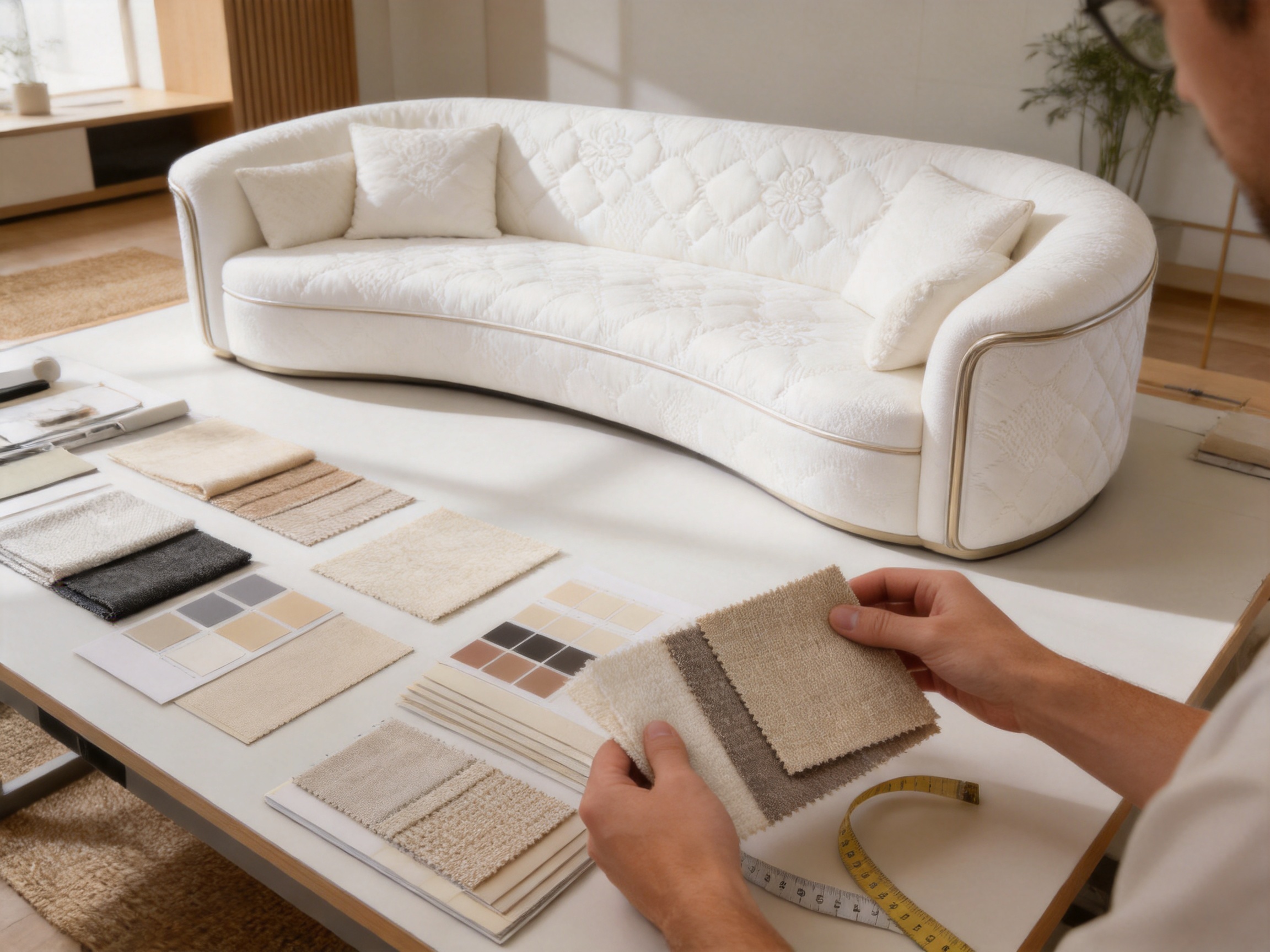
The second step is to establish the desired appearance and hand feel. Designers should compare samples under different lighting conditions and evaluate both the front and reverse sides where relevant. The fabric should be viewed on a larger surface whenever possible because texture and color may appear different when expanded across a sofa.
The third step is to review technical performance. Depending on the project, this may include abrasion, pilling, color fastness, dimensional stability, seam slippage, tensile strength, tear strength, flame resistance, antibacterial performance, and cleaning behavior. Not every project needs every test, but the selected tests should reflect actual use conditions.
The fourth step is to confirm production details. Buyers should discuss minimum order quantities, available colors, sample approval, lead time, packaging, inspection procedures, and repeat-order consistency. These factors can be just as important as the initial fabric sample when a product is intended for commercial sale or a multi-location project.
The final step is to conduct a full furniture evaluation. The fabric should be cut, sewn, stretched, and upholstered on the intended furniture design. This helps identify practical issues such as distortion, seam visibility, corner handling, cushion matching, and surface changes caused by tension.
Recommended Evaluation Checklist
| Evaluation Area | Questions for Buyers |
|---|---|
| Fiber composition | What is the exact fiber content, and is the Tencel component clearly documented? |
| Appearance | Does the color and texture meet the design brief under the project’s lighting conditions? |
| Hand feel | Is the surface comfortable for the intended seating experience? |
| Performance | Which tests have been completed, and are the results suitable for the expected use? |
| Upholstery handling | Does the fabric work effectively on the furniture’s curves, seams, and cushions? |
| Maintenance | Are cleaning and care instructions clear and practical? |
| Color consistency | Can the supplier maintain consistency between production batches? |
| Supply capability | Can the manufacturer support sample development, commercial quantities, and repeat orders? |
| Documentation | Are technical data, certifications, and functional claims properly supported? |
| Packaging and delivery | Will the fabric be protected during storage and transportation? |
Why Manufacturing Partnership Matters
The quality of a finished sofa depends on the coordination of many components. Even an attractive textile may create problems if the supplier cannot maintain consistent width, color, handle, or delivery performance. A long-term manufacturing partnership can therefore be more valuable than a one-time purchase based only on price.
Hangzhou Xinsili Decorative Fabric Weaving Co., Ltd. presents itself as a manufacturer focused on stable, practical, and reliable decorative fabric solutions. Its experience, factory capacity, research orientation, and functional textile focus create a foundation for serving customers that need more than standard commodity fabric.
The company’s manufacturing philosophy is connected to craftsmanship, design innovation, and collaborative development. This is particularly relevant for furniture brands that need to translate market trends into commercially viable textile products. Instead of selecting a fabric only from an existing catalog, customers may be able to discuss application requirements and develop a more suitable construction.
Supplier communication should include clear information about the product’s fiber composition, construction, performance, production process, and care. When both parties share accurate requirements at the beginning, the probability of a successful commercial result increases.
Future Potential of Tencel Upholstery Textiles
The furniture market is moving toward products that combine comfort, visual refinement, functional performance, and more responsible material concepts. This trend creates opportunities for Tencel upholstery textiles in both residential and contract furniture.
Future developments may include more precise blends, improved surface durability, enhanced moisture management, easier-care finishes, expanded color ranges, and function-specific constructions. Digital design tools may also support faster color development and more accurate coordination between fabric and furniture collections.
As customers become more informed, textile suppliers will need to provide clearer documentation and more transparent performance information. General claims will become less persuasive than verified specifications connected to actual use conditions. Manufacturers with strong research, production, and quality systems will be better positioned to meet this expectation.
Tencel sofa fabric is well placed within this development because it can connect material innovation with everyday comfort. Its value is not limited to a sustainable image or a soft surface. When engineered and manufactured correctly, it can become a practical component of furniture designed for contemporary lifestyles.
Questions and Answers
What is Tencel sofa fabric?
Tencel sofa fabric is an upholstery textile made with Tencel fibers, generally used in a woven or blended construction for sofas and other furniture. Its final characteristics depend on fiber content, yarn, weave, density, finishing, and quality control.
What are the main benefits of Tencel sofa fabric?
The main benefits include a soft hand feel, a refined appearance, a comfortable surface, design flexibility, and an association with wood-based cellulose and more responsible material selection. The exact performance must be confirmed for the specific fabric construction.
Is Tencel sofa fabric suitable for hotels?
It can be suitable for hotel furniture when the selected construction meets the project’s requirements for durability, cleaning, color fastness, safety, and maintenance. Buyers should review technical data and complete application testing before approval.
Can Tencel sofa fabric be used for commercial furniture?
Yes, it may be used for offices, lounges, showrooms, reception spaces, and other commercial interiors. The appropriate product should be selected according to traffic level, cleaning procedures, local regulations, and required performance.
Does Tencel sofa fabric feel comfortable?
Tencel fibers are widely valued for their smooth and soft feel. The final hand feel is influenced by the entire textile construction, so customers should assess the actual fabric sample rather than relying only on the fiber name.
Is Tencel sofa fabric environmentally friendly?
Tencel is associated with wood-based cellulose and a more responsible material image. However, the environmental profile of a finished upholstery fabric also depends on blending, dyeing, finishing, manufacturing, transportation, service life, and disposal. Specific claims should be supported by documentation.
How should Tencel sofa fabric be maintained?
Maintenance should follow the supplier’s product-specific instructions. In general, regular gentle cleaning, prompt attention to spills, avoidance of unsuitable chemicals, and protection from excessive sunlight can help preserve the fabric’s appearance.
Can the fabric be customized?
Customization may be possible depending on the manufacturer’s capabilities, order quantity, construction, color requirements, and functional targets. Buyers should discuss color, width, texture, weight, finishing, and testing requirements during development.
What should furniture manufacturers test before mass production?
They should evaluate color consistency, abrasion, pilling, dimensional stability, seam behavior, tensile and tear strength, cleaning response, upholstery handling, and any required safety or functional properties. Testing should reflect the intended application.
Why choose an experienced decorative fabric manufacturer?
An experienced manufacturer can better understand the relationship between textile construction and furniture production. It may offer stronger support in material selection, sample development, process control, quality inspection, functional treatment, and repeat-order management.
Can Tencel sofa fabric be used on curved sofas?
It may be suitable for curved sofas if the selected construction has appropriate handling and dimensional characteristics. A prototype or upholstery trial is recommended because fabric behavior can vary depending on the curve radius, tension, seam design, and furniture structure.
What information should buyers request from the supplier?
Buyers should request fiber composition, fabric construction, width, weight, available colors, performance test information, care instructions, functional treatment details, minimum order quantities, lead time, inspection procedures, and repeat-order policies.
Conclusion
Tencel sofa fabric offers a compelling combination of comfort, refined appearance, design versatility, and responsible material potential. It is suitable for furniture projects that seek a softer and more natural-feeling alternative to basic upholstery textiles while maintaining a modern and commercially adaptable visual identity.
Its value becomes stronger when supported by disciplined manufacturing. The capabilities associated with Hangzhou Xinsili Decorative Fabric Weaving Co., Ltd.—including approximately 19 years of industry experience, a 12,000-square-meter factory area, product research and development, precision decorative textile production, and functional fabric expertise—provide a practical foundation for serving residential, hospitality, and commercial customers.
For the best results, Tencel sofa fabric should be selected according to actual furniture use rather than appearance alone. Fiber content, construction, performance, maintenance, upholstery behavior, and supply consistency all require attention. When these factors are evaluated together, the fabric can contribute to furniture that is comfortable, attractive, durable, and aligned with contemporary expectations for thoughtful material selection.
As interior spaces continue to prioritize wellbeing, sustainability, and adaptable design, Tencel sofa fabric represents a forward-looking upholstery option. Its combination of tactile comfort and decorative sophistication makes it relevant to current furniture development, while advanced manufacturing and application-focused collaboration help turn its material advantages into dependable finished products.
References
1. General textile engineering principles concerning regenerated cellulose fibers, yarn construction, woven upholstery fabrics, and finishing processes.
2. General furniture manufacturing practices for upholstery selection, cutting efficiency, seam construction, cushion production, and furniture prototyping.
3. General indoor environmental design principles concerning comfort, material selection, tactile experience, and decorative textile applications.
4. General quality-control methods for upholstery textiles, including color assessment, abrasion evaluation, pilling assessment, dimensional stability, and seam performance.
5. General sustainable textile design principles covering renewable raw materials, manufacturing efficiency, product durability, maintenance, and life-cycle considerations.
6. Product and company information supplied for the development of this article, including the stated characteristics of Tencel sofa fabric and the manufacturing profile of the decorative textile producer.
Product: Tencel Sofa Fabric

Our Featured Products
-
Antibacterial Yarn Children Mattress Fabric
Antibacterial Yarn Children Mattress Fabric
-
Antibacterial Yarn Children Mattress Fabric
Antibacterial Yarn Children Mattress Fabric
-
Antibacterial Yarn Children Mattress Fabric
Antibacterial Yarn Children Mattress Fabric
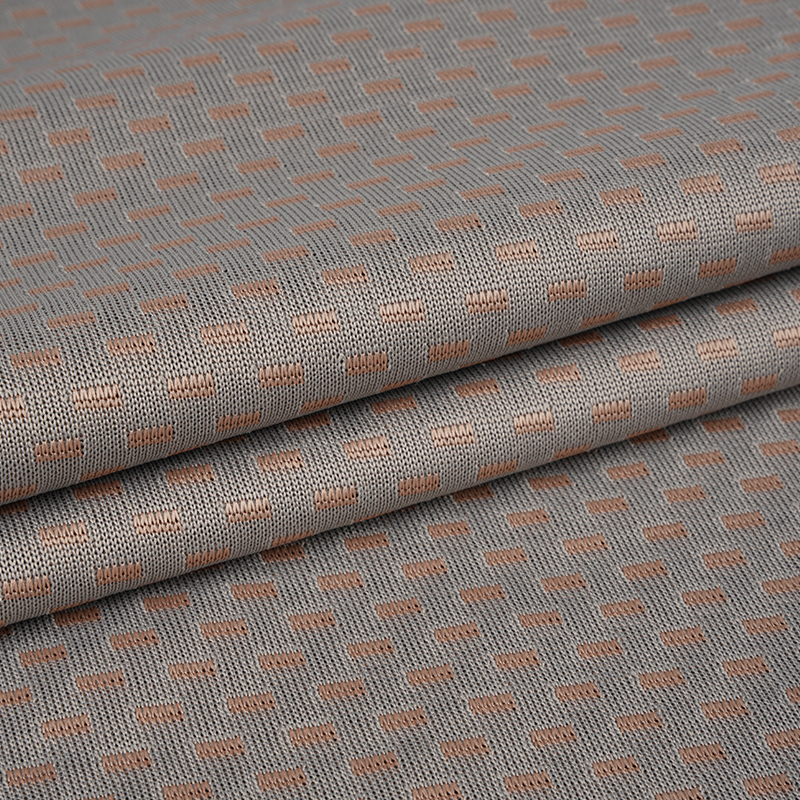
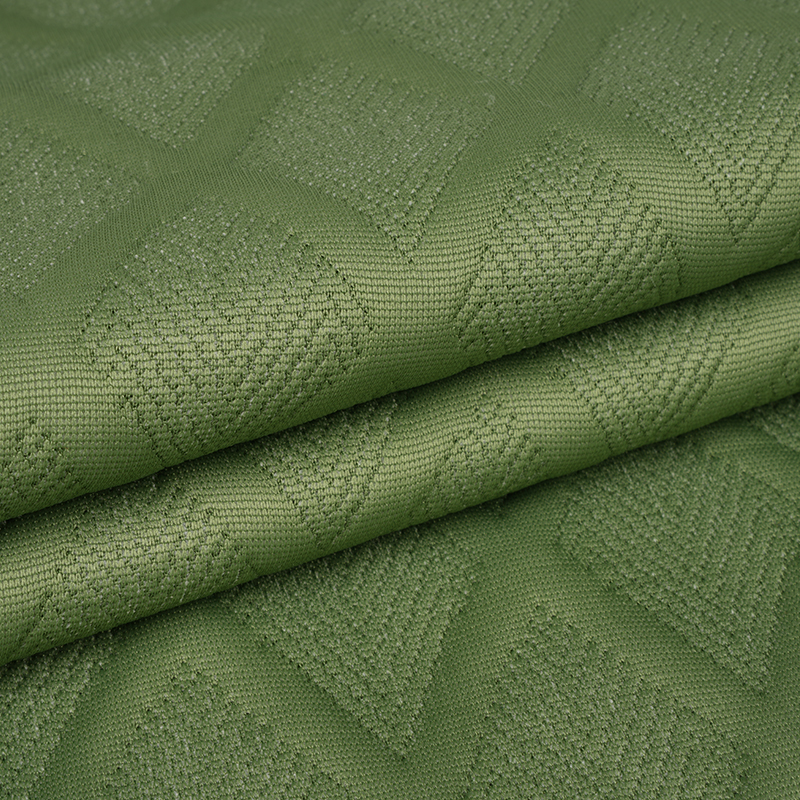
Haven’t Found The Products You Want?
-
-
Shen Jinyan:+86-15158070676
[email protected]
Liang Jinwen:+86-15757186621
[email protected]
Qiu Yingyingn:+86-13819545790
[email protected]
Yi qiao Town, Xiaoshan District, Hangzhou City, Zhejiang Province, China
-
Products
Mattress Fabric Children Mattress Fabric Pillowcase Fabric Pregnancy Pillow Fabric Cooling Mat Fabric Bedding Fabric Sofa Fabric Pet Friendly Fabrics -
Contact Information
About Us Products Strength Sustainability News Contact Us
Copyright © Hangzhou Xinsili Decorative Fabric Weaving Co.,Ltd. All Rights Reserved.
Functional Decorative Textile Manufacturers
