

 English
 中文简体
 Español
 عربى
 русский



Polyester Bedding Fabric: Performance, Comfort, and Reliable Textile Manufacturing
Content
- 1 Understanding Polyester Bedding Fabric
- 2 Why Polyester Is Widely Used in Bedding Products
- 3 Key Advantages Over Conventional Bedding Textiles
- 4 Applications of Polyester Bedding Fabric
- 5 Manufacturing Process for High-Quality Polyester Bedding Fabric
- 6 Quality Control and Technical Reliability
- 7 Advanced Manufacturing Strengths
- 8 Polyester Bedding Fabric Compared with Other Materials
- 9 Comfort Considerations
- 10 Moisture, Hygiene, and Healthy Interior Applications
- 11 Flame Retardancy and Safety Requirements
- 12 Sustainability and Responsible Textile Development
- 13 Customization and Product Development
- 14 How Buyers Should Evaluate a Supplier
- 15 Advantages of Working with an Experienced Functional Textile Manufacturer
- 16 Frequently Asked Questions
- 16.1 What is polyester bedding fabric used for?
- 16.2 Is polyester bedding fabric durable?
- 16.3 Is polyester suitable for hotel bedding?
- 16.4 Can polyester bedding fabric be soft?
- 16.5 Can the fabric provide antibacterial performance?
- 16.6 Can polyester bedding fabric be flame retardant?
- 16.7 Does polyester bedding fabric dry quickly?
- 16.8 Can the fabric be customized?
- 16.9 How should polyester bedding fabric be tested?
- 16.10 What information should buyers provide when requesting a quotation?
- 17 Conclusion
- 18 References
- 19 Product: Polyester Bedding Fabric
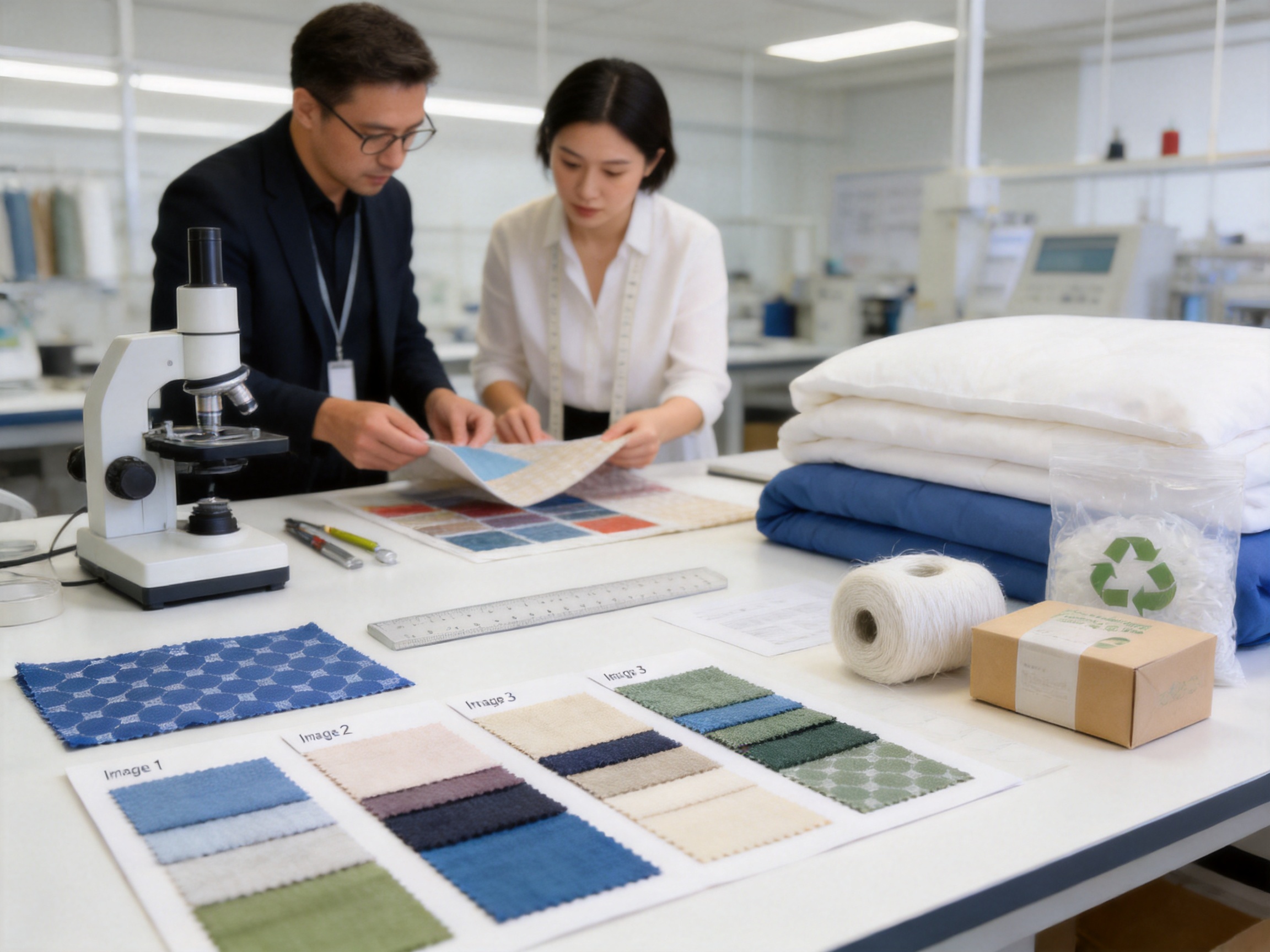
Polyester bedding fabric has become an important material in modern sleep products because it combines practical performance, design flexibility, and efficient manufacturing. Used in mattress covers, bed linens, pillowcases, duvet components, children’s bedding, pregnancy pillows, cooling mats, and upholstered bedroom products, polyester fabric can be engineered to meet a wide range of comfort and durability requirements. Its adaptability makes it suitable for residential interiors, hotels, healthcare-related environments, rental accommodation, dormitories, and commercial furnishing projects.
Compared with many conventional bedding textiles, polyester bedding fabric offers a balanced combination of dimensional stability, abrasion resistance, color versatility, easy maintenance, and cost control. When produced through a disciplined manufacturing process, it can also support functional finishes such as antibacterial treatment, moisture management, flame retardancy, cooling comfort, and improved hand feel. These advantages help buyers create bedding products that are attractive, dependable, and suitable for repeated daily use.
Hangzhou Xinsili Decorative Fabric Weaving Co., Ltd. develops and manufactures functional decorative textiles for home, hotel, and commercial environments. With 19 years of industry experience, a 12,000-square-meter factory area, and recognition as a National High-Tech Enterprise in 2023, the company combines textile development with practical production expertise. Its polyester bedding fabric is part of a broader product range that includes mattress fabric, children’s mattress fabric, pillowcase fabric, pregnancy pillow fabric, cooling mat fabric, bedding fabric, sofa fabric, and pet-friendly fabrics.
Understanding Polyester Bedding Fabric
Polyester bedding fabric is a textile made primarily from polyester fibers and designed for use in sleep-related and bedroom products. Polyester is a synthetic fiber formed from polymer materials and processed into filaments or staple fibers. These fibers can be woven or knitted into fabrics with different weights, textures, elasticity levels, surface appearances, and functional properties.
The final performance of polyester bedding fabric depends on more than the fiber itself. Yarn selection, fabric construction, density, finishing methods, dyeing conditions, quality control, and intended application all influence the result. A fabric designed for a mattress cover may require high abrasion resistance and dimensional stability, while fabric used for a pillowcase may prioritize softness and smoothness. A cooling mat cover may require moisture transfer, rapid drying, or a particular surface treatment.
This flexibility allows polyester bedding fabric to be developed for specific market needs rather than treated as a single standardized material. Buyers can evaluate the fabric according to its intended use, the desired touch, the visual design, the cleaning conditions, the environmental requirements, and the expected service life of the finished bedding product.
Why Polyester Is Widely Used in Bedding Products
One of the main advantages of polyester is its strong balance between performance and affordability. Natural fibers such as cotton can provide a familiar hand feel, but they may be more sensitive to shrinkage, moisture retention, creasing, and production cost fluctuations. Polyester, when properly engineered, can provide a more stable substrate for manufacturers that need consistent size, repeatable appearance, and efficient production.
Polyester fibers generally offer good resistance to everyday wear. Bedding products are frequently exposed to friction from body movement, washing, folding, transportation, and repeated installation. A suitable polyester construction can help bedding maintain its appearance and structural integrity through regular use. This is particularly valuable for hotels, serviced apartments, healthcare facilities, and other environments where bedding is cleaned and replaced frequently.
Another important advantage is low moisture absorption compared with many natural fibers. Polyester does not hold water in the same way as highly absorbent fibers, which can help it dry relatively quickly after washing. This property does not automatically make every polyester fabric moisture-wicking, but it provides a useful foundation for the development of quick-drying and moisture-management constructions.
Polyester is also highly receptive to color design. It can be produced in solid shades, printed patterns, jacquard effects, textured surfaces, and other decorative styles. This makes it easier for bedding brands, interior designers, and hospitality purchasers to coordinate mattress covers, pillow products, duvet accessories, curtains, sofas, and other room textiles.
Key Advantages Over Conventional Bedding Textiles
Dimensional Stability
Bedding products must retain their intended shape after production, transport, installation, and laundering. Excessive shrinkage or distortion can cause fitted mattress covers to loosen, pillowcases to become difficult to use, or decorative panels to lose alignment. Polyester has good dimensional stability when its yarn, construction, and finishing process are properly controlled.
Stable dimensions can simplify downstream sewing and assembly. Manufacturers can cut panels more accurately, reduce adjustment during production, and achieve a cleaner final appearance. For large-volume projects, these benefits may improve productivity and reduce material waste.
Durability and Abrasion Resistance
Mattress fabrics and bedding covers experience constant contact and movement. Over time, weak fabrics may develop pilling, surface wear, seam stress, or visible deformation. Polyester bedding fabric can be engineered to withstand repeated friction and handling, making it appropriate for products that require dependable service life.
Durability is especially important in hospitality and commercial applications. Hotel bedding, dormitory mattresses, and rental accommodation textiles may be used by many different people and washed on a regular schedule. A durable textile can support longer replacement cycles and help maintain a consistent room presentation.
Easy Care and Fast Drying
Practical maintenance is one of the most important considerations for bedding buyers. Polyester bedding fabric is generally easy to clean and can dry efficiently under appropriate laundering conditions. Its resistance to severe wrinkling may also reduce the need for intensive ironing or pressing.
Care instructions must always be based on the specific fabric construction and finish. Nevertheless, the easy-care nature of polyester can help reduce labor and operating costs in households, hotels, and commercial laundries. It can also make finished bedding more convenient for consumers who prefer simple washing and maintenance routines.
Design Versatility
Polyester bedding fabric can support a broad range of visual effects. It may be manufactured with a plain, brushed, smooth, textured, patterned, or decorative surface. Color development can range from neutral tones for minimalist interiors to vivid colors for children’s bedding and accent products.
Its design flexibility enables coordinated collections. A manufacturer may use related polyester constructions for mattress covers, pillowcases, sofa panels, headboards, and decorative accessories. This creates visual continuity across an entire bedroom or hotel interior.
Compatibility with Functional Finishes
Modern bedding textiles increasingly need to provide more than basic coverage. Buyers may request fabrics with antibacterial properties, moisture resistance, flame-retardant performance, cooling comfort, or a softer tactile surface. Polyester can serve as a useful base for these developments when the correct treatment, testing, and production controls are applied.
Functional performance should be evaluated according to the intended application and relevant testing requirements. A fabric described as antibacterial, flame retardant, moisture resistant, or cooling should be supported by appropriate technical documentation and test results. Responsible manufacturing avoids relying only on marketing language and instead connects each performance claim with a defined process and verification method.
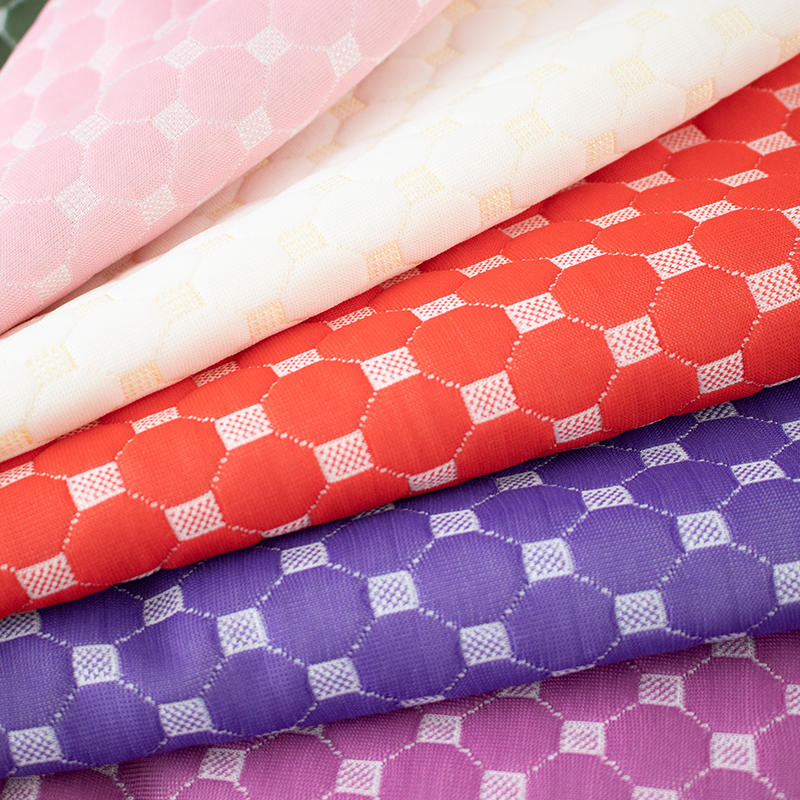
Polyester Bedding Fabric
Applications of Polyester Bedding Fabric
Mattress Covers and Mattress Panels
Mattress fabric must combine comfort, strength, and dimensional stability. It may be used as an outer cover, a quilted panel, a side panel, or a decorative surface integrated into a complete mattress system. The fabric must work well with padding, foam, nonwoven materials, elastic components, zippers, and sewing structures.
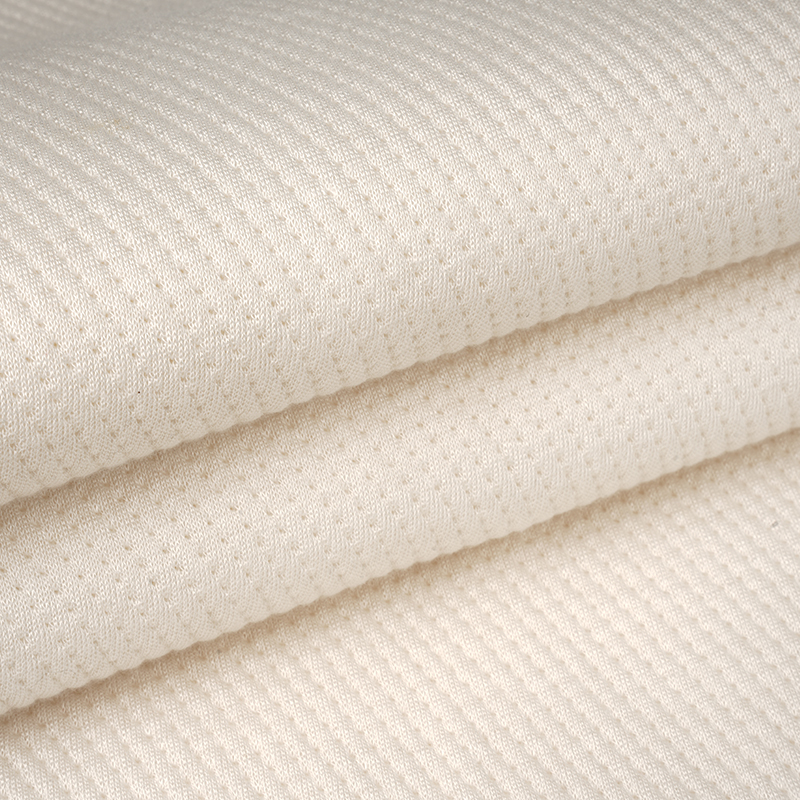
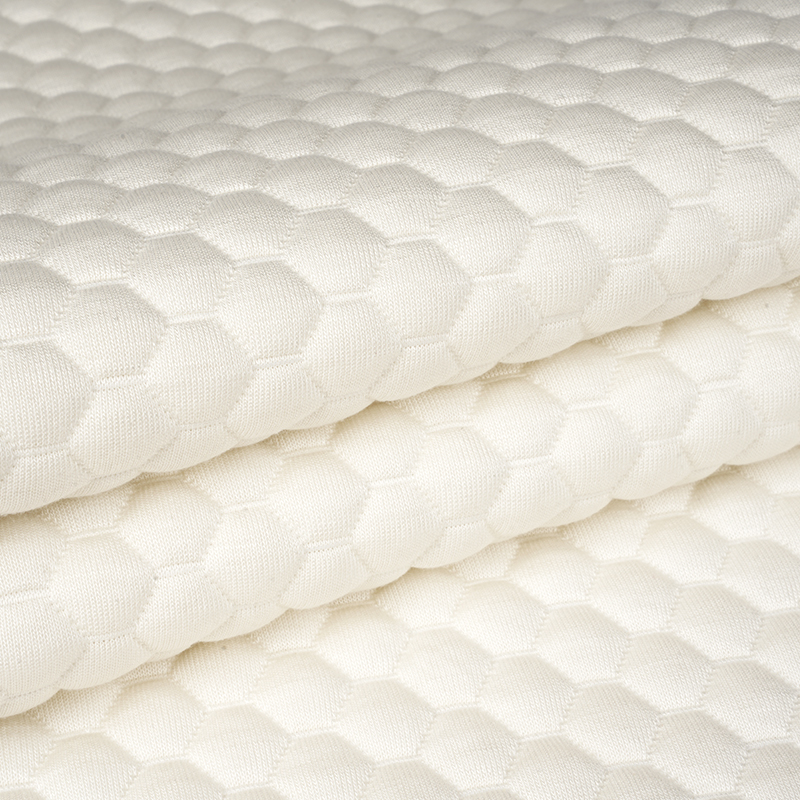
Polyester bedding fabric can be selected for mattress applications because it offers a dependable surface and can be developed in different weights and textures. A smooth fabric may be suitable for a clean contemporary mattress appearance, while a quilted or textured surface can add visual depth and improve the perceived quality of the product.
For mattress manufacturers, consistency from batch to batch is essential. If fabric width, color, weight, or surface appearance changes significantly, production planning becomes more difficult. A professional textile supplier should therefore maintain controlled production parameters and communicate clearly about specifications, tolerances, and inspection procedures.
Children’s Mattress Fabric
Children’s bedding requires careful consideration of touch, cleanliness, durability, and visual appeal. Fabrics used in children’s mattresses may need to feel comfortable against the skin while remaining easy to maintain. Bright colors, playful patterns, and attractive textures can also influence product acceptance.
Polyester fabric can support children’s mattress designs because it is available in many colors and constructions. When combined with appropriate functional finishing and quality control, it can contribute to a bedding product that is practical for parents and attractive to children. Safety requirements, chemical compliance, and suitability for the intended age group must be evaluated before commercial use.
Pillowcases and Pillow Covers
Pillowcase fabric should provide a comfortable hand feel and sufficient strength to resist repeated washing. It must also be suitable for sewing, edge finishing, zipper installation, or envelope-style construction. Polyester bedding fabric can be developed with a smooth surface for easy care or a brushed surface for a warmer tactile experience.
For pillow products, surface comfort is particularly important because the fabric may remain in direct contact with the face and neck for many hours. The choice of yarn, fabric density, finishing method, and dyeing process should therefore be aligned with the intended user experience.
Pregnancy Pillow Fabric
Pregnancy pillows often have large surface areas and complex shapes. Their fabric covers need to handle movement, repeated removal, and regular laundering while remaining soft and visually attractive. Polyester bedding fabric can provide the strength and flexibility needed for U-shaped, C-shaped, full-body, and other specialty pillow designs.
Because pregnancy pillows are associated with rest and comfort, the fabric should not be selected solely on price. Touch, breathability, construction stability, closure performance, and colorfastness all contribute to product quality. A well-designed polyester cover can help create a product that is durable without feeling harsh or uncomfortable.
Cooling Mat Fabric
Cooling mats are designed to provide a cooler contact surface during warm weather or for users who prefer a lower-temperature sleeping environment. Their textile covers may require moisture resistance, smoothness, rapid drying, and compatibility with internal cooling materials.
Polyester bedding fabric can be adapted for cooling-related products through suitable construction and finishing choices. The textile alone does not determine the total cooling performance of a complete mat, since the internal filling, coating, structure, and surrounding environment also have significant influence. However, the outer fabric plays an important role in contact comfort, cleanliness, durability, and visual presentation.
Hotel and Commercial Bedding
Commercial bedding has demanding requirements. It must look clean and consistent, withstand frequent laundering, and remain economical over the full life cycle of the product. Hotel operators also need textiles that coordinate with interior design concepts and can be replaced or reordered with minimal variation.
Polyester bedding fabric can be a practical option for hotel mattress covers, decorative bedding components, pillow products, and upholstered bedroom surfaces. Its easy-care properties and design versatility can help housekeeping teams and purchasing departments manage operational demands while maintaining an attractive room environment.
Pet-Friendly Bedding and Upholstery
Pet-friendly fabrics must respond to scratching, hair, dirt, moisture, and frequent cleaning. Polyester bedding fabric may be used in pet mats, removable covers, cushions, and related textile products when the construction is selected for the expected level of wear.
The most suitable fabric depends on the animal, product design, cleaning method, and required resistance. A tightly constructed surface may be easier to maintain, while a smooth finish may reduce the accumulation of hair. Functional treatments can also be considered, but they should be evaluated for durability and safety in the specific pet product application.
Manufacturing Process for High-Quality Polyester Bedding Fabric
Advanced textile manufacturing begins with careful control of raw materials and continues through every stage of production. The goal is not simply to produce a fabric that looks acceptable when new. The goal is to create a stable, repeatable textile that performs consistently during cutting, sewing, laundering, installation, and everyday use.
Raw Material Selection
The production process begins with the selection of suitable polyester yarns or fibers. Different yarn specifications influence strength, softness, surface appearance, density, and fabric weight. The correct material must be chosen according to the final application rather than based on a single performance indicator.
For a mattress cover, strength and dimensional stability may receive priority. For pillowcases, surface smoothness and tactile comfort may be more important. For a cooling mat, moisture-related properties and contact feel may influence the selection. A professional manufacturer reviews these requirements before confirming the production route.
Yarn Preparation
Yarn preparation helps ensure that the material can run smoothly through weaving or knitting equipment. Tension, winding quality, cleanliness, and package consistency all affect production efficiency. Poor preparation can lead to uneven fabric, broken yarns, streaks, or differences in surface appearance.
Careful yarn preparation is particularly important when producing fabrics for large orders or repeat programs. Consistent packages and controlled tension help reduce variation between production lots and support a more stable final product.
Weaving or Knitting
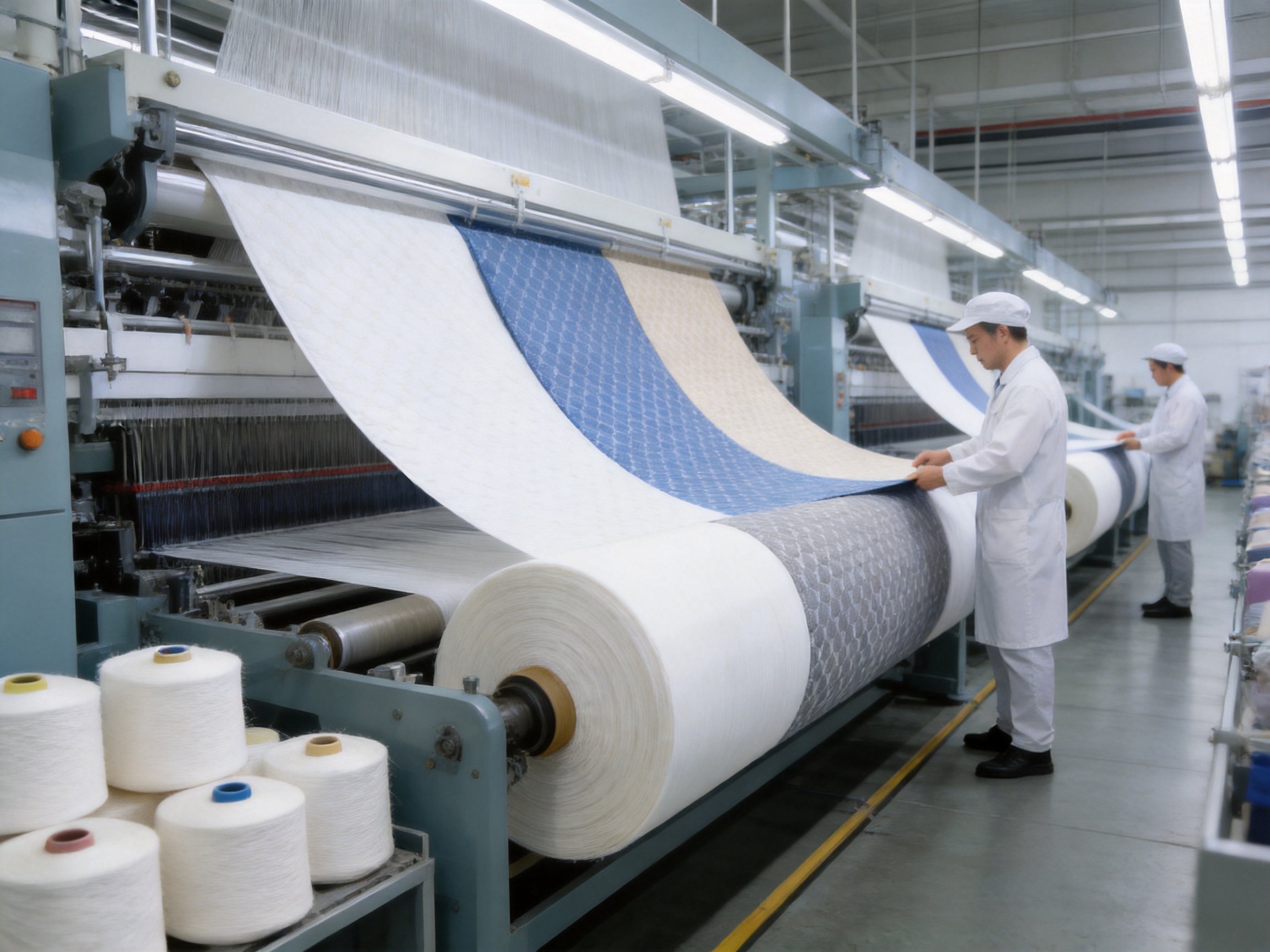
Polyester bedding fabric may be woven or knitted depending on the desired performance and appearance. Woven structures can provide stability, firmness, and a defined surface. Knitted structures may offer stretch, softness, and a more flexible drape. The construction must be matched to the use of the finished textile.
During this stage, production teams monitor fabric width, density, tension, surface defects, and machine conditions. Advanced manufacturing is not only about the machinery itself. It also depends on operator experience, process discipline, maintenance routines, and the ability to identify deviations early.
Scouring and Pretreatment
Before dyeing or finishing, the fabric may require pretreatment to remove processing residues and prepare the surface for subsequent stages. Proper pretreatment supports more even coloration and improves the reliability of finishing treatments.
Inadequate pretreatment can produce uneven dye uptake, inconsistent hand feel, or poor interaction with functional finishes. For this reason, manufacturers should control water conditions, temperature, time, chemical concentration, and fabric movement throughout the process.
Dyeing and Color Development
Color is a major part of bedding fabric selection. The dyeing process must create the desired shade while maintaining color consistency across the fabric width and production batch. Polyester textiles are commonly dyed using processes suited to synthetic fibers, with temperature, pressure, time, and dye concentration carefully controlled.
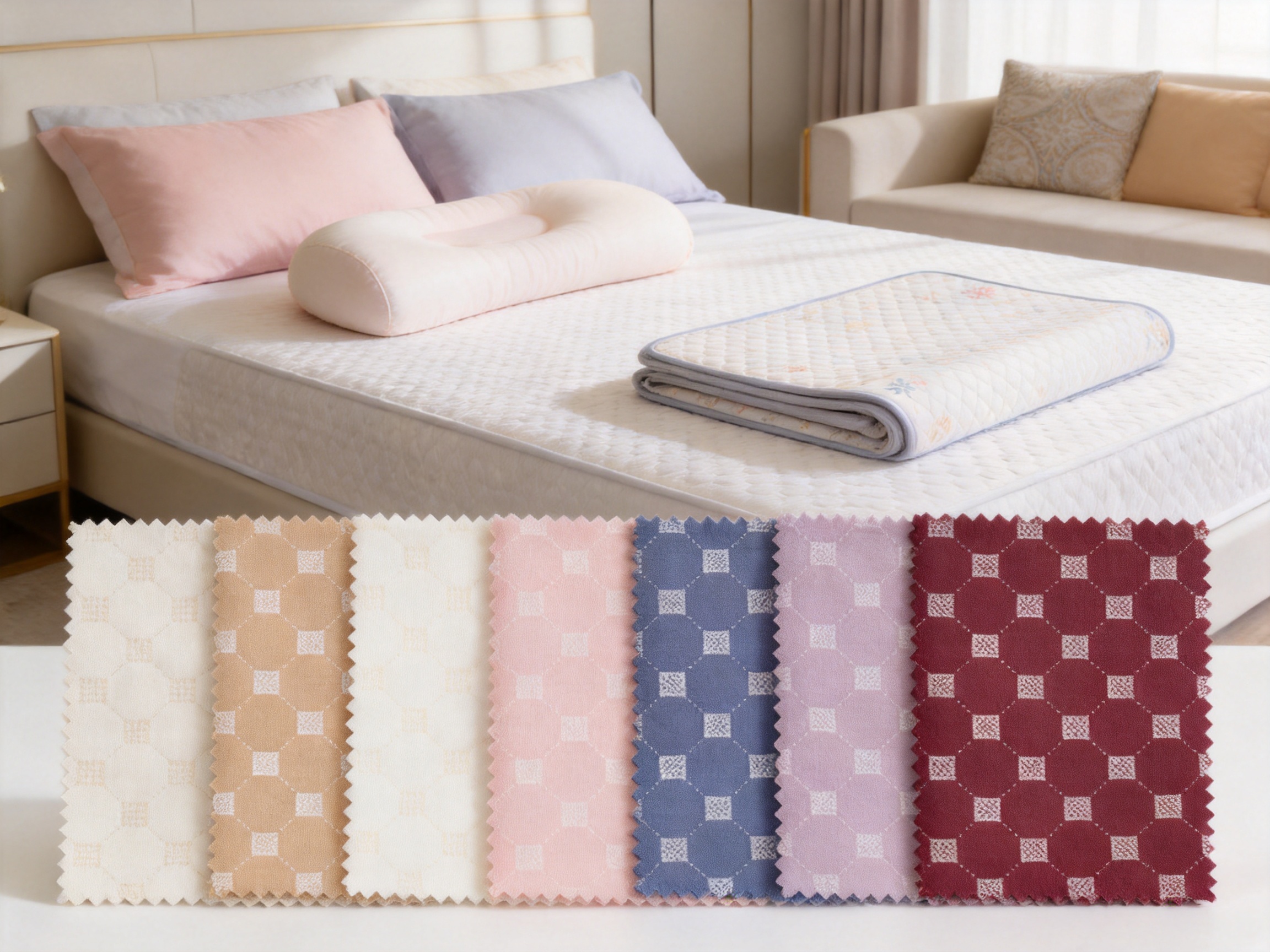
Color matching requires communication between the buyer and manufacturer. Physical samples, approved standards, lighting conditions, and acceptable tolerances should be confirmed before mass production. A reliable supplier can help buyers understand the difference between laboratory samples, digital color references, and production fabric.
Functional Finishing
Finishing can modify the hand feel, appearance, performance, and care characteristics of polyester bedding fabric. Depending on the product requirements, finishing may involve softening, moisture management, antibacterial treatment, flame-retardant treatment, water resistance, cooling effects, or surface texturing.
Each finish should be selected according to the end use. For example, a finish intended for a mattress cover may not be appropriate for a pillowcase that comes into direct contact with the face. Similarly, a coating that improves water resistance may influence breathability or hand feel. A technically responsible supplier evaluates the balance between different properties instead of maximizing one function at the expense of overall comfort.
Heat Setting and Dimensional Control
Heat setting can help stabilize synthetic fabric and control its final dimensions. This stage is particularly valuable for bedding materials that must retain their shape after cutting, sewing, washing, and use. Temperature, speed, tension, and width settings need to be matched to the fabric construction.
Improper heat treatment may cause excessive stiffness, unwanted shrinkage, surface distortion, or changes in color. Controlled processing helps create a fabric that is more predictable for downstream manufacturers.
Inspection and Rolling
After finishing, the fabric is inspected for visible defects, width, weight, color, surface consistency, and other agreed specifications. Inspection may be performed during production and again before shipment. The fabric is then rolled and packaged in a way that protects it during storage and transportation.
Inspection systems are most effective when they are linked to clearly defined acceptance standards. Buyers and suppliers should agree on important criteria before production, including fabric width, weight range, color tolerance, defect classification, packaging requirements, and labeling information.
Quality Control and Technical Reliability
Quality control is essential because bedding fabric affects the performance and appearance of the finished product. A textile may look attractive during initial inspection but fail to meet expectations after washing, friction, or prolonged use. Comprehensive evaluation therefore considers both immediate appearance and practical service performance.
Dimensional Testing
Dimensional testing evaluates how fabric changes after laundering or other specified treatments. This information helps manufacturers determine whether the textile is suitable for fitted covers, sewn panels, removable pillowcases, or other products where accurate dimensions are important.
Controlled dimensional behavior can reduce problems during cutting and assembly. It also helps finished products retain a professional appearance after repeated use.
Colorfastness Testing
Colorfastness testing examines the stability of the fabric color when exposed to washing, rubbing, perspiration, light, or other relevant conditions. Bedding products may come into contact with skin, detergents, body moisture, and sunlight, especially when used near windows or in bright rooms.
Good colorfastness supports a longer-lasting appearance and reduces the risk of staining adjacent materials. Requirements may vary according to market, application, and customer standard, so testing should be selected accordingly.
Abrasion and Pilling Evaluation
Abrasion testing helps estimate how the fabric responds to repeated rubbing. Pilling evaluation examines the tendency of small fiber balls to form on the surface. These tests are useful for mattress covers, pillow products, sofa fabrics, and other textiles exposed to regular contact.
Actual performance depends on the complete product system, including fiber type, construction, finishing, seam design, and laundering method. Laboratory data should therefore be interpreted together with application experience and product testing.
Strength and Seam Performance
Tensile strength, tear resistance, and seam performance are important when fabric is cut and sewn into covers. Large pillows, mattress panels, and fitted products can place stress on seams during installation and use. A suitable fabric should provide enough structural support for the planned product design.
Manufacturers can improve reliability by considering fabric strength during pattern development. Seam allowances, thread selection, stitch density, elastic placement, and closure design all influence the final result.
Functional Performance Verification
When a fabric includes antibacterial, flame-retardant, moisture-resistant, or cooling-related claims, the relevant property should be verified using recognized test methods. Buyers should request suitable technical information before placing large orders, particularly when the fabric will be used in regulated or commercial environments.
Functional performance can change after repeated washing, exposure to heat, or contact with other product components. Durability testing is therefore valuable when the function is central to the product’s market position.
Advanced Manufacturing Strengths
The manufacturing strength of a textile supplier is reflected in more than factory size. It includes research capability, process management, equipment suitability, technical communication, quality systems, and the ability to convert a concept into a stable product.
Long-Term Industry Experience
Hangzhou Xinsili Decorative Fabric Weaving Co., Ltd. has 19 years of experience in decorative and functional textile manufacturing. Long-term industry involvement provides practical knowledge of yarn behavior, fabric construction, finishing, customer requirements, production scheduling, and common quality risks.
This experience is useful when developing polyester bedding fabric because each application has different priorities. A company familiar with mattress fabrics, pillow fabrics, sofa fabrics, and specialty textiles can help buyers select a construction that is appropriate for the intended product rather than relying on a generic fabric solution.
Dedicated Factory Capacity
The company operates within a 12,000-square-meter factory area. A dedicated manufacturing site can support more organized material flow, production planning, sample development, inspection, warehousing, and order management. It also gives customers a clearer production base for ongoing cooperation.
Factory capacity is most valuable when supported by efficient management. Buyers should look for evidence that the supplier can maintain consistent quality, coordinate production stages, respond to technical questions, and manage repeat orders with appropriate records.
Research and Development Orientation
Functional decorative textiles require continuous development because customers increasingly expect fabrics to support health, comfort, safety, and environmental goals. Xinsili focuses on innovative research, development, and precision manufacturing, with attention to antibacterial, moisture-resistant, flame-retardant, sleep-supporting, and comfort-improving functions.
Research and development helps connect market demand with textile engineering. For example, a buyer may need a fabric that feels soft but remains durable, provides moisture management without becoming noisy, or offers a decorative appearance while meeting a functional requirement. These combinations require testing and adjustment rather than a one-step production decision.
High-Tech Enterprise Recognition
Recognition as a National High-Tech Enterprise in 2023 reflects the company’s emphasis on technological development and innovation. Such recognition is relevant to buyers seeking a supplier that views textiles as engineered products rather than simple commodities.
For polyester bedding fabric, a technology-oriented approach can support better control over structure, finishing, functional treatments, and product consistency. It can also encourage the development of fabrics adapted to changing expectations in sleep comfort, healthy interiors, and sustainable living spaces.
Integrated Product Understanding
Xinsili’s product range extends across mattress fabric, children’s mattress fabric, pillowcase fabric, pregnancy pillow fabric, cooling mat fabric, bedding fabric, sofa fabric, and pet-friendly fabrics. This breadth allows the company to understand how textiles perform in different interior and bedding contexts.
For customers developing a coordinated product collection, a supplier with multiple relevant categories may simplify sourcing. Related fabrics can be evaluated together for color coordination, tactile consistency, functional compatibility, and visual continuity.
Polyester Bedding Fabric Compared with Other Materials
| Evaluation Factor | Polyester Bedding Fabric | Cotton Fabric | Blended Fabric | Typical Buyer Consideration |
|---|---|---|---|---|
| Dimensional stability | Generally strong when properly constructed and finished | May require more attention to shrinkage | Depends on fiber ratio and construction | Important for fitted covers and repeat production |
| Drying behavior | Often dries relatively quickly | May retain more moisture | Varies according to blend composition | Useful for frequent laundering environments |
| Design flexibility | Broad range of colors, textures, and finishes | Strong natural appearance and familiar hand feel | Can balance appearance and performance | Selected according to brand positioning |
| Wear resistance | Generally suitable for repeated contact and handling | Depends strongly on yarn and construction | Often offers a balanced performance profile | Important for hotels and commercial products |
| Care requirements | Often easy to maintain and resistant to severe wrinkling | May require more care to control shrinkage and creasing | Depends on the blend and finishing | Consider laundering cost and labor |
| Functional finishing | Can support a wide range of engineered treatments | Can accept finishes but may behave differently | Requires compatibility evaluation | Verify performance and durability before purchase |
This comparison is a general guide rather than a substitute for product testing. Fiber quality, construction, finishing, and care conditions have a major effect on final performance. A high-quality cotton fabric may outperform a poorly made polyester fabric in a particular application, just as a well-engineered polyester fabric may provide advantages over a conventional cotton option in another application.
Comfort Considerations
Comfort is a central requirement for all bedding textiles. Although polyester is often associated with durability and easy care, modern production can create a wide range of tactile experiences. Yarn fineness, fabric density, brushing, softening, surface geometry, and finishing chemistry all influence how the material feels.
For direct-contact products such as pillowcases and sheets, buyers should evaluate softness, smoothness, breathability, static behavior, and thermal sensation. For mattress side panels or decorative covers, structural appearance and abrasion resistance may be more important than an exceptionally soft surface.
Comfort is also influenced by the complete bedding system. Mattress foam, quilting layers, inner fillings, room temperature, moisture conditions, and the garment worn by the user all affect sleep experience. Polyester bedding fabric should therefore be selected as one part of a coordinated product design.
Moisture, Hygiene, and Healthy Interior Applications
Bedroom textiles are closely connected with hygiene and indoor comfort. Bedding can encounter perspiration, skin oils, dust, and repeated handling. A fabric that is easy to clean and dries effectively can support a more manageable care routine.
Functional antibacterial treatments may be considered for products where hygiene is a priority. However, antibacterial performance should be defined precisely. Buyers should understand whether the claim refers to a reduction in specific microorganisms, the durability of the treatment after laundering, or another measured outcome.
Moisture-resistant and moisture-management properties also require careful interpretation. Water repellency, low moisture absorption, rapid drying, and moisture wicking are different characteristics. A fabric may provide one without providing all the others. Technical communication between buyer and supplier is essential to avoid selecting a product based on an unclear claim.
Flame Retardancy and Safety Requirements
Some commercial, hospitality, institutional, and transportation-related bedding products may require flame-retardant performance. Polyester bedding fabric can be developed with suitable flame-retardant systems, but the required standard depends on the country, product category, installation method, and end-use environment.
Flame-retardant performance should never be assumed solely from fiber content. The complete fabric and, in some cases, the complete mattress or bedding assembly must be tested. Buyers should define the applicable standard at the beginning of development and request documentation that corresponds to the actual product specification.
Safety also includes chemical compliance, colorant selection, skin-contact suitability, odor control, and responsible handling of manufacturing chemicals. A supplier’s commitment to safe, healthy, comfortable, and sustainable living spaces should be supported by appropriate production practices and documentation.
Sustainability and Responsible Textile Development
Sustainability in polyester bedding fabric involves multiple factors, including material selection, product durability, energy and water use, chemical management, packaging, transportation, and end-of-life considerations. A fabric that lasts longer may reduce replacement frequency, but durability should be balanced with the environmental impact of production and disposal.
Long service life is an important sustainability advantage. If a mattress cover or bedding product remains attractive and functional for a longer period, fewer resources may be required for replacement. Easy-care properties can also reduce laundering energy when they allow efficient washing and drying, although actual environmental performance depends on consumer and commercial laundry practices.
Manufacturers can improve responsible production through process control, reduced waste, efficient material use, appropriate chemical management, and careful quality inspection. Accurate cutting and stable fabric width can reduce waste during downstream sewing. Consistent dyeing can reduce rejected goods and unnecessary reprocessing.
Recycled polyester may be considered for some product programs, depending on the customer’s sustainability goals and technical requirements. When recycled material is used, buyers should request clear information about the source, traceability, performance, and relevant certification. Sustainable claims should be specific and verifiable rather than broad or unsupported.
Customization and Product Development
Many bedding buyers require more than an off-the-shelf fabric. Customization may involve color, width, weight, texture, stretch, finishing, pattern, packaging, or functional treatment. A capable manufacturer should be able to discuss these options while also explaining their effect on cost, lead time, minimum order quantity, and performance.
Color Customization
Color development can support private-label bedding collections, hotel design schemes, seasonal product launches, and coordinated interior programs. Buyers should submit a clear color reference and approve a physical sample under suitable lighting before mass production.
Surface and Hand-Feel Customization
The surface can be modified through yarn selection, construction, brushing, embossing, quilting, or finishing. Buyers should communicate whether they want a cool and smooth touch, a warm brushed feel, a structured decorative surface, or a soft and flexible textile.
Functional Customization
Antibacterial, moisture-related, flame-retardant, cooling, and comfort-improving functions may be considered according to the application. Each function may affect hand feel, appearance, durability, and price. Development should therefore include sample evaluation and testing rather than relying only on a written description.
Packaging and Delivery Customization
For international and commercial buyers, packaging can be customized to protect fabric rolls during transport and simplify warehouse management. Labels may include product codes, color information, roll length, batch information, care instructions, and inspection status. Clear packaging records help reduce confusion when multiple colors or constructions are ordered.
How Buyers Should Evaluate a Supplier
Choosing polyester bedding fabric requires a structured purchasing process. The lowest initial price does not always represent the lowest total cost. Buyers should consider fabric performance, production consistency, communication quality, delivery reliability, defect control, and the supplier’s ability to support future orders.
First, define the end use. Explain whether the fabric is intended for mattress panels, pillowcases, pregnancy pillows, cooling mats, children’s products, hotel bedding, sofa upholstery, or pet applications. The supplier can then recommend a construction that matches the expected use.
Second, establish technical requirements. Important details may include composition, fabric width, weight, construction, color, hand feel, stretch, abrasion resistance, pilling resistance, shrinkage, colorfastness, moisture behavior, flame-retardant requirements, and washing conditions.
Third, request development samples. Samples should be evaluated for appearance, touch, sewing performance, cleaning behavior, and compatibility with the finished product. If a function is important to the product’s sales claim, request the relevant test data.
Fourth, confirm production controls. Ask how the supplier handles raw material inspection, color approval, in-process inspection, finished fabric inspection, roll identification, defect classification, and repeat-order records.
Finally, clarify commercial conditions. Confirm minimum order quantity, sampling time, production lead time, payment terms, packaging method, shipping marks, documentation, and procedures for handling quality issues. Clear communication before production reduces the possibility of misunderstandings later.
Advantages of Working with an Experienced Functional Textile Manufacturer
A supplier specializing in functional decorative textiles can provide value beyond fabric production. It can help customers connect material selection with interior design, comfort, health, durability, and commercial performance.
Hangzhou Xinsili Decorative Fabric Weaving Co., Ltd. positions its manufacturing around the vision of “Weaving Beautiful Spaces.” This approach combines visual design with practical textile performance. The company’s focus on residential, hotel, and commercial environments is relevant to buyers who need fabrics that contribute to both appearance and everyday usability.
The company’s experience in functional properties such as antibacterial, moisture-resistant, flame-retardant, sleep-supporting, and comfort-improving textiles can support customers developing differentiated bedding products. Its broader product categories also create opportunities for coordinated sourcing across mattresses, pillows, sofas, cooling products, and pet-friendly applications.
For international buyers, direct communication is important during sampling and production. The company provides multiple contact channels for customer inquiries, technical discussions, and order coordination. Buyers should use the development stage to communicate product requirements in detail and confirm the final specification in writing.
Frequently Asked Questions
What is polyester bedding fabric used for?
Polyester bedding fabric is used for mattress covers, mattress panels, pillowcases, pregnancy pillow covers, bedding accessories, cooling mat covers, hotel textiles, upholstered bedroom products, and selected pet-friendly bedding applications. The appropriate construction depends on the product’s required comfort, strength, appearance, and functional performance.
Is polyester bedding fabric durable?
Polyester can provide good durability and abrasion resistance when the yarn, construction, and finishing are properly selected. Actual performance depends on fabric weight, density, surface treatment, product design, laundering conditions, and frequency of use.
Is polyester suitable for hotel bedding?
Polyester can be suitable for hotel bedding and related mattress products because it can offer easy care, dimensional stability, design flexibility, and resistance to repeated handling. The exact fabric should be tested against the hotel’s washing, comfort, appearance, and safety requirements.
Can polyester bedding fabric be soft?
Yes. Polyester fabric can be engineered with different yarns, constructions, brushing methods, and softening finishes to create a smoother or softer touch. The preferred hand feel should be confirmed through physical samples because the word “soft” can have different meanings for different buyers.
Can the fabric provide antibacterial performance?
Polyester bedding fabric can be developed with an antibacterial treatment or construction, depending on the required performance. Buyers should request test information that identifies the measured effect, test method, target microorganisms, and durability after washing.
Can polyester bedding fabric be flame retardant?
Flame-retardant polyester bedding fabric may be available for applications with defined safety requirements. The necessary standard depends on the country and product category. Buyers should confirm the required test standard before development and verify the performance of the actual finished fabric or product.
Does polyester bedding fabric dry quickly?
Polyester generally absorbs less moisture than many natural fibers and can dry relatively quickly under suitable conditions. Drying behavior also depends on fabric thickness, construction, finishing, washing method, and environmental conditions.
Can the fabric be customized?
Customization may include color, width, weight, texture, hand feel, pattern, stretch, functional finish, packaging, and other specifications. The available options depend on the production method and order requirements. Sampling is recommended before confirming a large order.
How should polyester bedding fabric be tested?
Testing may include fabric composition, width, weight, dimensional change, colorfastness, abrasion resistance, pilling, tensile strength, tear strength, seam performance, moisture behavior, flame retardancy, and functional treatment durability. The selection should reflect the intended application and market requirements.
What information should buyers provide when requesting a quotation?
Buyers should provide the intended application, required composition, approximate quantity, fabric width, color, surface appearance, hand feel, functional requirements, testing standards, packaging expectations, delivery location, and target schedule. Clear information allows the manufacturer to recommend a more appropriate construction and prepare a more accurate quotation.
Conclusion
Polyester bedding fabric is a versatile and commercially practical textile for modern sleep products and decorative interiors. Its advantages include dimensional stability, durability, easy care, color flexibility, fast-drying potential, and compatibility with functional finishes. These properties make it suitable for mattresses, pillowcases, pregnancy pillows, cooling mats, children’s bedding, hotel products, sofa applications, and pet-friendly textiles.
The strongest results come from matching the fabric construction to the product requirement. A mattress side panel, a pillowcase, a cooling mat cover, and a children’s mattress do not need exactly the same textile. Each application should be evaluated according to comfort, strength, appearance, hygiene, moisture, safety, cleaning, and expected service life.
Manufacturing capability is equally important. Raw material selection, yarn preparation, weaving or knitting, pretreatment, dyeing, functional finishing, heat setting, inspection, and packaging must be controlled as one connected process. Hangzhou Xinsili Decorative Fabric Weaving Co., Ltd. brings 19 years of experience, a 12,000-square-meter factory area, a broad functional textile portfolio, and National High-Tech Enterprise recognition to the development of decorative and bedding fabrics.
For buyers seeking a dependable material partner, the best approach is to combine technical specifications, physical sampling, performance testing, and clear communication. When product requirements and manufacturing strengths are properly aligned, polyester bedding fabric can support attractive, comfortable, durable, and function-oriented bedding products for residential, hospitality, and commercial markets.
References
1. Textile Institute, Textile Terms and Definitions, general reference material on textile fibers, yarns, fabric structures, and finishing.
2. International Organization for Standardization, Textile Testing Principles, general reference material on colorfastness, dimensional stability, strength, abrasion, and pilling evaluation.
3. American Association of Textile Chemists and Colorists, Technical Manual, general reference material on textile color measurement, laundering, functional finishes, and performance testing.
4. International Organization for Standardization, Guidance on Textiles and Sustainability, general reference material on responsible textile production, durability, resource management, and environmental considerations.
5. Textile Research Journal, selected technical discussions on synthetic fibers, polyester fabric construction, moisture behavior, comfort, and finishing technologies.
6. Product development and manufacturing information supplied for polyester bedding and functional decorative textile production.
Product: Polyester Bedding Fabric

Our Featured Products
-
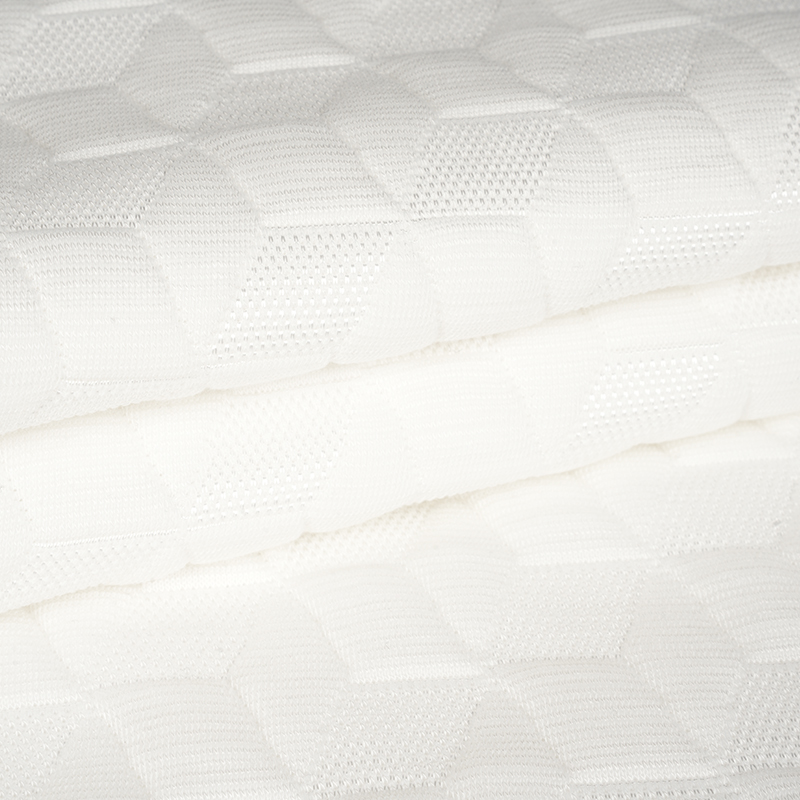
Polyester Mattress Fabric
Polyester Mattress Fabric
Haven’t Found The Products You Want?
-
-
Shen Jinyan:+86-15158070676
[email protected]
Liang Jinwen:+86-15757186621
[email protected]
Qiu Yingyingn:+86-13819545790
[email protected]
Yi qiao Town, Xiaoshan District, Hangzhou City, Zhejiang Province, China
-
Products
Mattress Fabric Children Mattress Fabric Pillowcase Fabric Pregnancy Pillow Fabric Cooling Mat Fabric Bedding Fabric Sofa Fabric Pet Friendly Fabrics -
Contact Information
About Us Products Strength Sustainability News Contact Us
Copyright © Hangzhou Xinsili Decorative Fabric Weaving Co.,Ltd. All Rights Reserved.
Functional Decorative Textile Manufacturers
