

 English
 中文简体
中文简体 Español
 عربى
عربى русский


Cotton Mattress Fabric for Healthier, Cooler, and More Durable Sleep Surfaces
Content
- 1 Understanding Cotton Mattress Fabric
- 2 Why Cotton Matters in Modern Mattress Design
- 3 Core Product Advantages
- 4 How Cotton Mattress Fabric Compares with Competing Materials
- 5 Manufacturing Strength Behind the Fabric
- 6 Advanced Manufacturing Process
- 7 Technical and Commercial Value for Mattress Brands
- 8 Applications Beyond Standard Mattress Panels
- 9 Comfort Science: The Sleep Microclimate
- 10 Durability and Long-Term Performance
- 11 Functional Options for Modern Sleep Products
- 12 Sustainability and Responsible Material Thinking
- 13 Customization for Different Market Segments
- 14 Quality Assurance from Sample to Bulk Production
- 15 Why Choose This Cotton Mattress Fabric
- 16 Role in Residential, Hotel, and Commercial Environments
- 17 Design Possibilities and Market Positioning
- 18 Procurement Considerations for Buyers
- 19 Frequently Asked Questions
- 19.1 What makes cotton mattress fabric different from ordinary cotton fabric?
- 19.2 Is cotton mattress fabric suitable for children’s mattresses?
- 19.3 Can the fabric be customized with different patterns and colors?
- 19.4 Does cotton mattress fabric help with sleeping cool?
- 19.5 Can antibacterial or flame-retardant functions be added?
- 19.6 Why is supplier experience important for mattress fabric?
- 19.7 What industries can use this cotton mattress fabric?
- 19.8 How should buyers evaluate fabric quality before ordering?
- 20 Conclusion
- 21 References
- 22 Product: Cotton Mattress Fabric
Cotton mattress fabric is one of the most important material choices in the design of a comfortable, breathable, and dependable sleep surface. Although a mattress is often judged by its springs, foam layers, latex composition, or quilting structure, the fabric that touches the sleeper first plays a decisive role in the total experience. A high-quality cotton mattress fabric helps regulate surface comfort, supports moisture movement, improves skin-friendliness, and gives the mattress a soft, natural, premium appearance. For manufacturers, it also influences production efficiency, quilting performance, durability, packaging behavior, and long-term consumer satisfaction.
As demand for healthier sleep environments grows, mattress brands and home textile suppliers are paying more attention to functional surface fabrics. Consumers now expect bedding materials to be more than decorative. They want fabric that feels gentle, performs consistently, supports hygiene, and remains attractive through years of use. Cotton mattress fabric answers these expectations by combining natural comfort with modern textile engineering. When developed through advanced weaving, finishing, and quality-control systems, it can provide a balanced solution for residential mattresses, children’s mattresses, pillow products, pregnancy support pillows, cooling mats, sofa fabrics, bedding fabrics, and pet-friendly fabric applications.
Hangzhou Xinsili Decorative Fabric Weaving Co., Ltd. focuses on functional decorative fabrics for home, hotel, and commercial environments. With 19 years of industry experience, a 12,000-square-meter factory area, and recognition as a National High-Tech Enterprise in 2023, the company integrates craftsmanship, design innovation, and practical textile technology into its manufacturing approach. Its cotton mattress fabric is developed to serve brands that require reliable quality, flexible customization, and competitive performance in a demanding market.
Understanding Cotton Mattress Fabric
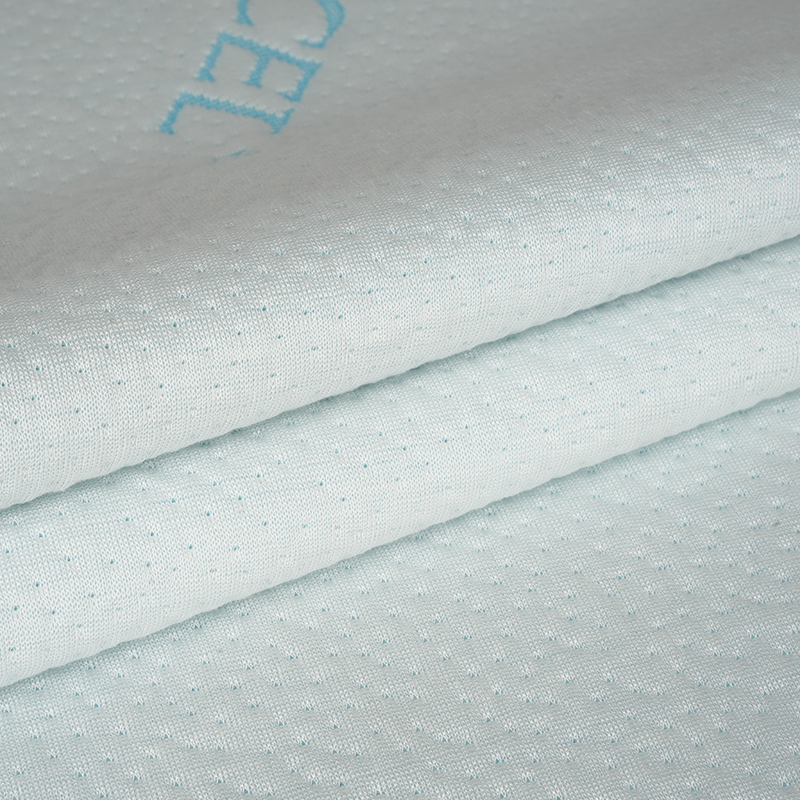
Cotton mattress fabric is a textile designed for mattress ticking, quilting surfaces, pillow covers, bedding-related panels, and other sleep-contact products. The term “cotton mattress fabric” may refer to fabrics made with cotton fibers, cotton-rich blends, or cotton-face constructions engineered to deliver a natural hand feel while supporting required mechanical properties. Depending on the intended application, the fabric can be woven or knitted, plain or jacquard, lightly finished or functionally treated, and suitable for further lamination, quilting, sewing, or mattress panel assembly.
The main reason cotton remains popular in sleep textiles is its natural comfort profile. Cotton fibers are soft, breathable, and absorbent. They help reduce the uncomfortable clammy feeling that may occur when body moisture is trapped at the sleeping surface. In a mattress fabric, cotton contributes to a pleasant tactile experience and helps consumers associate the product with purity, safety, and cleanliness. This perception matters because mattress purchasing is strongly connected to personal health and emotional trust.
However, a professional cotton mattress fabric is not simply a piece of cotton cloth. It must be engineered for repeated compression, friction, temperature changes, storage, transportation, sewing stress, quilting tension, and daily use. It needs suitable weight, width control, tensile strength, tear resistance, dimensional stability, color consistency, and surface uniformity. It must also match the production needs of mattress factories, including smooth feeding during quilting, stable behavior during cutting, and predictable compatibility with foam, fiberfill, adhesives, and border fabrics.
Compared with ordinary cotton fabric used for casual garments or basic home textiles, mattress-grade cotton fabric requires a stricter balance between comfort and structure. It must feel soft but not weak, breathable but not loose, decorative but not fragile, and customizable without sacrificing batch-to-batch consistency. This is where advanced manufacturing experience becomes essential.
Why Cotton Matters in Modern Mattress Design
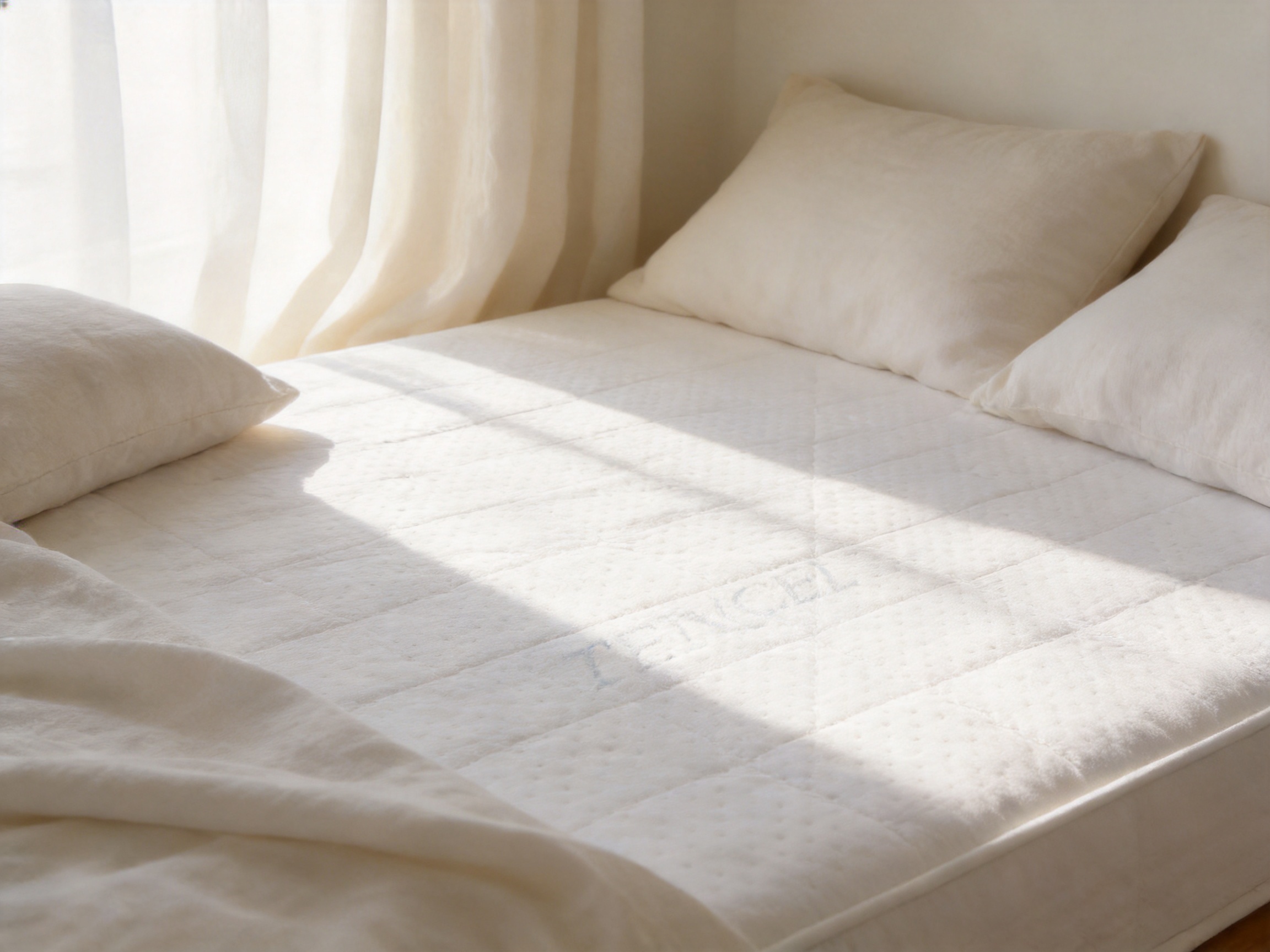
The surface of a mattress is where sleep comfort begins. Even when a mattress contains advanced foam layers or sophisticated support systems, a poor surface fabric can make the product feel warm, rough, sticky, or cheap. Cotton mattress fabric improves the first impression by providing a familiar natural touch. It can make a mattress feel cleaner, cooler, and more welcoming immediately when a consumer lies down.
Cotton has moisture-absorbing properties that distinguish it from many synthetic fibers. During sleep, the human body naturally releases moisture through perspiration and respiration. If this moisture remains trapped at the contact surface, discomfort increases and sleep quality may decline. Cotton helps absorb and release moisture more naturally, supporting a drier touch sensation. In combination with appropriate weave structure and finishing technology, cotton mattress fabric can contribute to a more comfortable microclimate around the sleeper.
Breathability is another critical advantage. A well-designed cotton fabric can allow air exchange through the textile structure, helping heat and moisture move away from the body. This does not mean that the fabric alone controls the entire thermal behavior of a mattress, because foams, quilting layers, protectors, and room conditions also matter. However, the fabric is a key part of the comfort system. A breathable cotton surface can make the difference between a mattress that feels fresh and one that feels stuffy.
Skin comfort is especially important for children’s mattresses, pillowcase fabrics, pregnancy pillow fabrics, and bedding surfaces. Cotton’s natural softness and low irritation potential make it an attractive choice for products used close to the skin. For families, hotels, nursing settings, and premium home textile brands, cotton mattress fabric supports a sense of trust and gentle care.
Core Product Advantages
Natural Softness with Engineered Strength
One of the strongest advantages of cotton mattress fabric is its ability to combine a soft touch with durable performance. Many competing materials may offer either softness or strength, but achieving both in one fabric requires careful yarn selection, weaving density control, finishing stability, and quality inspection. Cotton fibers deliver a naturally comfortable hand feel, while professional textile engineering helps the fabric withstand real mattress production and long-term use.
For mattress manufacturers, the fabric must survive quilting needles, roller pressure, edge sewing, compression packaging, handling, and repeated consumer contact. A fabric that feels soft but tears easily creates production waste and after-sales complaints. A fabric that is very strong but coarse may reduce consumer satisfaction. A well-developed cotton mattress fabric offers a balanced solution by supporting both manufacturing efficiency and sleeper comfort.
Breathable Comfort for All-Season Use
In many markets, consumers are increasingly concerned about sleeping hot. Cotton mattress fabric helps address this concern because it supports airflow and moisture movement. Unlike some dense synthetic surfaces that may trap heat, a breathable cotton structure can feel more balanced across different seasons. In summer, it helps reduce surface stuffiness. In winter, it remains comfortable because cotton does not create the cold, slick feel associated with some synthetic finishes.
This all-season adaptability is valuable for mattress brands selling across multiple regions and climate zones. It reduces the need to redesign fabric for every season and gives end users a familiar surface comfort throughout the year. When combined with cooling mat fabric technologies or moisture-resistant finishing, cotton-based constructions can also serve specialized applications where temperature and humidity management are central selling points.
Consumer-Friendly Aesthetics
A mattress fabric must also look appealing. Cotton mattress fabric can be developed with clean textures, refined patterns, jacquard effects, embossed impressions, or coordinated decorative styles. The visual quality of the fabric influences how consumers perceive the mattress before they test it. A neatly woven surface with stable color and consistent texture communicates quality, hygiene, and care.
Hangzhou Xinsili Decorative Fabric Weaving Co., Ltd. has a background in decorative textile manufacturing, which supports the development of mattress fabric that is not only functional but also visually marketable. The company’s product scope includes mattress fabric, children mattress fabric, pillowcase fabric, pregnancy pillow fabric, cooling mat fabric, bedding fabric, sofa fabric, and pet-friendly fabrics. This broad experience helps its design and production teams understand how aesthetics, touch, durability, and application requirements differ across home textile categories.
Adaptability for Functional Finishing
Modern consumers often expect added functions such as antibacterial protection, moisture resistance, flame-retardant behavior, comfort improvement, and sleep-supporting features. Cotton mattress fabric can be adapted for functional finishing when the process is carefully controlled. The fabric structure, absorbency, and surface characteristics can support various finishing systems, depending on client requirements and target standards.
Functional finishing must be handled responsibly. A good fabric supplier does not simply apply chemicals and call the fabric advanced. It evaluates hand feel, durability, safety, wash or abrasion performance where relevant, and compatibility with downstream processing. The goal is to improve function without harming comfort. This balanced approach is one of the advantages of working with a manufacturer experienced in functional decorative textiles.
How Cotton Mattress Fabric Compares with Competing Materials
The mattress fabric market includes polyester, polyester-cotton blends, viscose, bamboo-derived rayon, nylon blends, knitted synthetics, nonwoven laminates, and specialty cooling textiles. Each material has benefits, but cotton mattress fabric continues to hold a strong position because of its natural identity and balanced comfort.
Compared with basic polyester mattress fabric, cotton offers a more natural touch and stronger moisture absorption. Polyester is often valued for strength, wrinkle resistance, and cost efficiency, but it may feel warmer or less breathable if the structure is dense. Cotton can create a more skin-friendly surface and a premium natural impression, especially for consumers seeking healthier bedding. Cotton-rich fabrics can also be blended strategically to combine natural comfort with improved structural stability.
Compared with low-cost synthetic ticking, cotton mattress fabric can help brands create a higher-value product story. Mattress buyers often associate cotton with cleanliness, breathability, and home comfort. This makes cotton suitable for mid-range and premium mattress lines where the surface fabric must support brand positioning. A quality cotton fabric can increase perceived value without relying only on expensive internal mattress components.
Compared with some delicate natural or regenerated fibers, cotton can be easier to integrate into industrial production when properly engineered. It is familiar to textile manufacturers, widely accepted by consumers, and adaptable to many finishing methods. Its supply chain is mature, and its performance characteristics are well understood. This reduces risk for mattress brands that need stable, scalable production.
Compared with highly specialized cooling fabrics, cotton may not always provide the strongest instant-cool sensation, but it offers natural thermal comfort and moisture balance. In many cases, consumers prefer a surface that remains comfortable over the whole night rather than one that feels cold only for a short time. Cotton can also be combined with cooling technologies in hybrid constructions, allowing brands to create differentiated products that feel both natural and fresh.
Manufacturing Strength Behind the Fabric
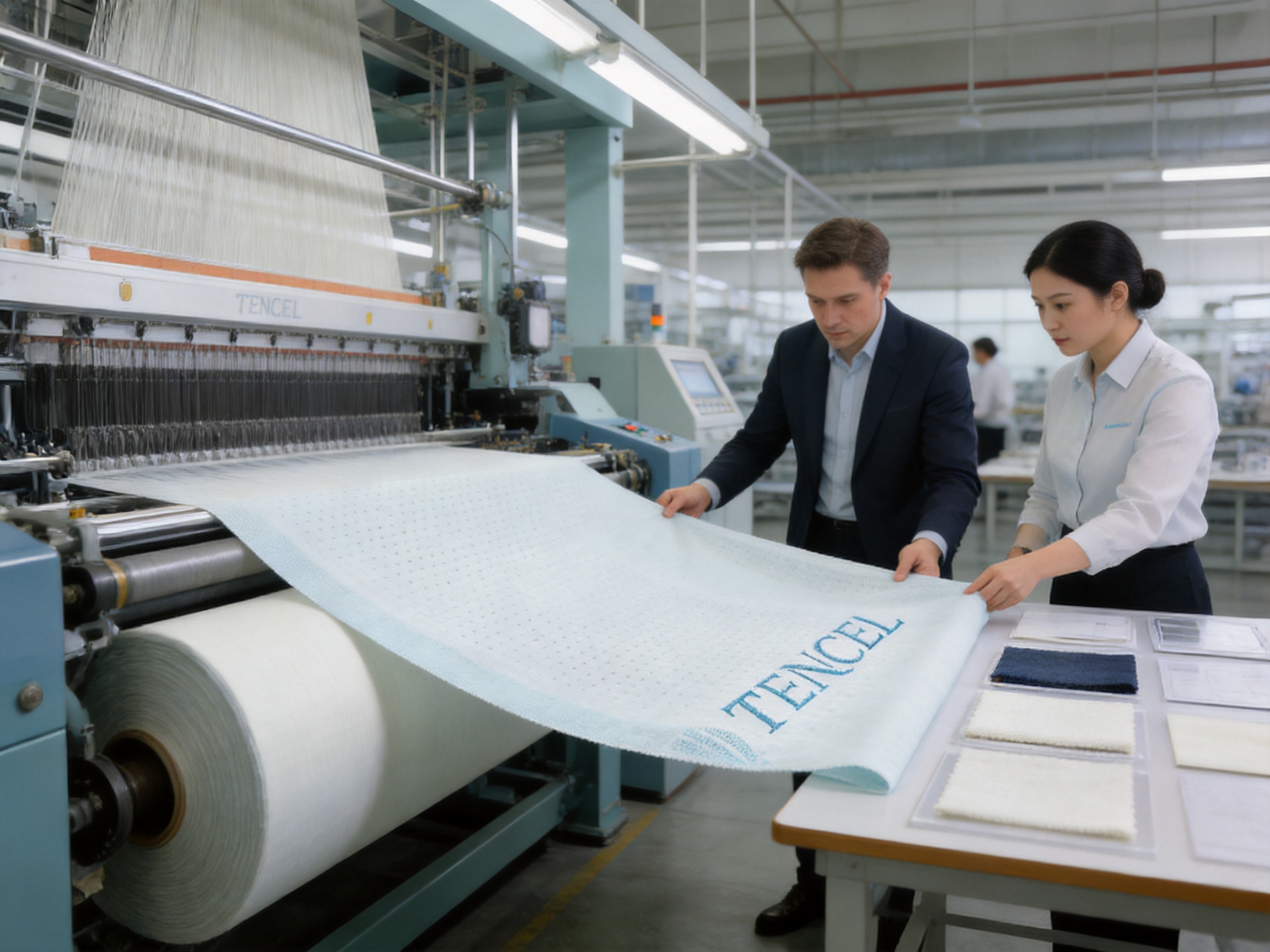
The performance of cotton mattress fabric depends heavily on how it is manufactured. Fiber quality, yarn preparation, weaving precision, finishing technology, inspection discipline, and process repeatability all determine whether the final fabric can meet professional standards. Hangzhou Xinsili Decorative Fabric Weaving Co., Ltd. applies its experience in decorative fabric weaving to develop stable and practical products for sleep and home environments.
The company’s manufacturing philosophy is guided by craftsmanship-driven production, design innovation, and win-win collaboration. This means that fabric development is not treated as a one-step transaction. Instead, the company considers the customer’s application, production process, target market, comfort requirement, and functional expectation. By aligning textile engineering with real customer needs, the factory can provide fabric solutions that are more practical than generic market alternatives.
With 19 years of industry experience, the company has accumulated knowledge in material selection, fabric structure design, production control, and performance improvement. Experience matters in textile manufacturing because small changes in yarn count, tension, density, finishing temperature, or moisture control can significantly affect the final fabric. A supplier with long-term production knowledge can identify problems earlier, adjust processes more accurately, and support more stable delivery.
The 12,000-square-meter factory area supports organized production, equipment arrangement, raw material handling, inspection, storage, and shipping. A professional production space helps maintain consistency and efficiency. It also allows the company to manage multiple fabric categories and customized projects while maintaining quality control.
Recognition as a National High-Tech Enterprise in 2023 reflects the company’s commitment to innovation and technical development. For customers, this matters because fabric requirements are becoming more complex. Mattress brands do not only ask for attractive fabric; they ask for antibacterial performance, moisture control, flame-retardant properties, durability, environmental responsibility, and comfort. A technology-oriented manufacturer is better positioned to respond to these evolving needs.
Advanced Manufacturing Process
Material Selection and Yarn Planning
The manufacturing process begins with material selection. For cotton mattress fabric, yarn quality determines softness, strength, evenness, and appearance. The company evaluates the intended application and selects suitable yarn specifications, cotton content, blend options, and structural design. For children’s mattress fabric, a softer and more skin-friendly surface may be prioritized. For hotel mattress fabric, abrasion resistance and batch consistency may be especially important. For pillowcase or pregnancy pillow fabric, gentle touch and breathability may take priority.
Yarn planning also considers weaving behavior and final fabric stability. If the yarn is too weak, production defects may increase. If it is too coarse, the surface may feel rough. If twist, count, or moisture is inconsistent, the woven fabric may show streaks, uneven texture, or dimensional variation. Professional planning reduces these risks from the beginning.
Fabric Structure Design
The structure of the fabric determines its hand feel, breathability, strength, and decorative effect. Cotton mattress fabric can be designed with plain, twill, dobby, jacquard, or other controlled structures depending on customer requirements. A tighter structure may improve durability and appearance, while a more open structure may improve airflow. The challenge is finding the correct balance for the specific mattress application.
Decorative structure is also important. Mattress panels often require patterns that communicate comfort, cleanliness, and elegance. Geometric patterns, subtle textures, organic motifs, or minimal modern designs may be selected according to the brand identity. A skilled weaving manufacturer can translate design concepts into practical fabric structures that maintain both appearance and performance.
Precision Weaving
During weaving, stable tension and accurate density are essential. Variations can lead to defects such as uneven surface, broken yarns, holes, skewing, or inconsistent width. Advanced weaving management reduces these issues by maintaining controlled machine settings and inspection routines. For mattress fabric, width consistency is especially important because fabric panels must fit cutting and quilting specifications.
Precision weaving also supports better downstream performance. A consistent fabric feeds more smoothly during quilting and sewing, reducing waste and machine stoppage for mattress manufacturers. This is one of the often-overlooked advantages of a reliable fabric supplier. The value is not only in the fabric itself but in the production efficiency it brings to customers.
Functional Finishing
After weaving, the fabric may undergo finishing processes to improve touch, stability, appearance, or performance. Finishing can include softening, heat setting where applicable, moisture management treatment, antibacterial treatment, flame-retardant treatment, anti-pilling improvement, or other customized processes. The finishing system must be selected according to the final application and customer standards.
For cotton mattress fabric, finishing is a delicate stage. Over-finishing can reduce breathability or create a heavy artificial hand feel. Under-finishing may leave the fabric unstable or insufficiently smooth. A professional process aims to maintain cotton’s natural comfort while adding practical functional value. This is especially important for products used in sleep environments, where comfort, safety, and durability must work together.
Inspection and Quality Control
Quality control is essential throughout the production chain. Inspection may include checks for fabric width, weight, surface defects, color consistency, pattern accuracy, tensile strength, tear strength, shrinkage, abrasion behavior, and functional performance depending on customer requirements. For customized fabric, sample approval and production comparison help ensure that bulk orders match agreed standards.
A strong quality-control system reduces customer risk. Mattress manufacturers often work with tight production schedules. Fabric defects can delay quilting, sewing, assembly, and shipping. By controlling quality at the fabric supplier level, downstream factories can improve efficiency and reduce waste. This is a major competitive advantage over suppliers that compete only on low price but lack process discipline.
Technical and Commercial Value for Mattress Brands
For mattress brands, cotton mattress fabric provides both technical and marketing value. Technically, it supports comfort, breathability, moisture absorption, and reliable processing. Commercially, it gives brands a natural and consumer-friendly selling point. Many buyers understand cotton and trust it. A mattress described with cotton surface fabric often feels more approachable, healthier, and more premium than one described only with synthetic materials.
Customization is another important value. Brands may require different weights, textures, patterns, colors, finishes, and functional features. A manufacturer with decorative textile expertise can support such customization more effectively. This enables mattress companies to differentiate product lines for children, adults, hotels, healthcare-oriented customers, eco-conscious buyers, and premium bedding collections.
Cost performance must also be considered. Cotton mattress fabric is not always the cheapest option, but it can deliver strong overall value by reducing complaints, improving perceived quality, and supporting higher product positioning. When the fabric improves consumer satisfaction and production efficiency, its value extends beyond material cost.
| Product Attribute | Practical Benefit | Manufacturing Control | Typical Application |
|---|---|---|---|
| Natural cotton touch | Soft, skin-friendly surface comfort | Yarn selection, fabric density, soft finishing | Mattress panels, pillow covers, children’s bedding |
| Breathable structure | Improved airflow and reduced stuffiness | Weave design, controlled fabric weight, finishing balance | Residential mattresses, hotel mattresses, cooling-related bedding |
| Moisture absorption | Drier and more comfortable sleep surface | Cotton-rich material planning and moisture-management finishing | Pregnancy pillows, pillowcases, bedding fabrics |
| Decorative appearance | Higher perceived mattress value | Pattern development, jacquard or texture control, color consistency | Premium mattress collections, sofa and home textile coordination |
| Functional adaptability | Options for antibacterial, moisture-resistant, or flame-retardant performance | Specialized finishing and performance testing | Home, hotel, commercial, and custom fabric projects |
| Stable processing | Reduced waste during quilting and sewing | Width control, tension control, defect inspection | Mattress factories and OEM production lines |
Applications Beyond Standard Mattress Panels
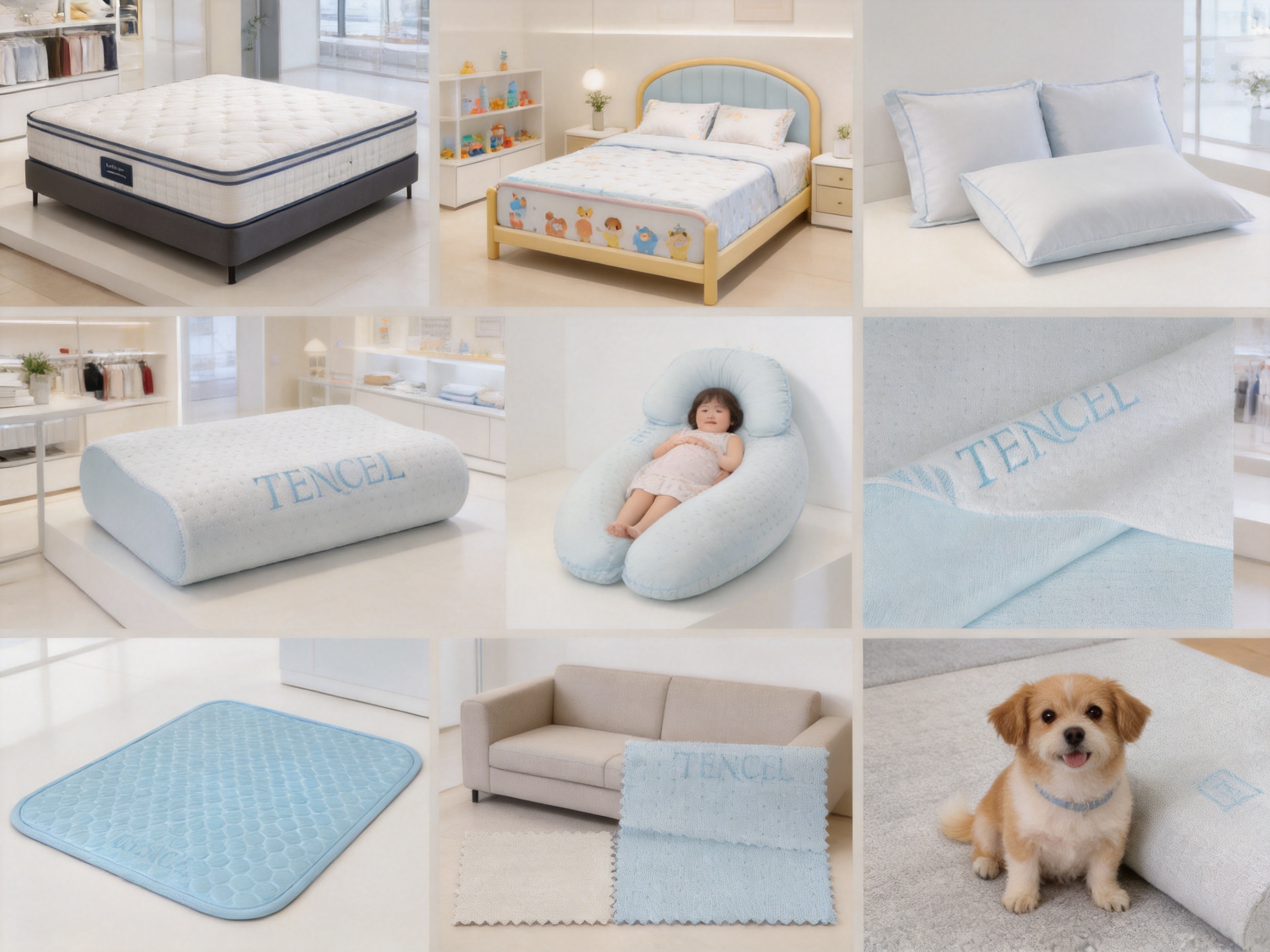
Although the product is defined as cotton mattress fabric, its value extends across many related textile applications. The same comfort principles that make cotton suitable for mattress surfaces also make it suitable for pillowcase fabric, children mattress fabric, pregnancy pillow fabric, bedding fabric, and certain decorative fabric uses.
For children’s mattresses, cotton fabric supports gentle skin contact and breathable comfort. Parents often prefer materials that feel natural and safe. A cotton surface can improve confidence, especially when combined with responsible finishing and strict quality control. Children also tend to move frequently during sleep, so the fabric must withstand friction while remaining soft.
For pregnancy pillows, comfort and moisture management are especially important. Pregnancy support products are often used for extended periods and in close contact with sensitive skin. Cotton fabric can help reduce irritation and maintain a more comfortable surface. Breathability also matters because body temperature and comfort needs may change during pregnancy.
For pillowcase fabric, cotton’s absorbency and softness make it a classic choice. When designed with mattress-grade stability and decorative textile experience, cotton pillowcase fabric can offer both comfort and durability. Coordinated fabric development allows brands to create matching mattress, pillow, and bedding collections.
For cooling mat fabric, cotton can be combined with cooling technologies or used as part of a comfort layer that balances coolness with natural touch. Some cooling fabrics feel slippery or artificial. Cotton-rich solutions can help create a more familiar hand feel while supporting temperature-related product positioning.
For bedding and sofa fabric, cotton’s comfort and decorative potential are valuable. Although sofa applications may require additional abrasion resistance, stain management, or pet-friendly functions, the design knowledge gained from decorative fabric weaving can support cross-category development. Pet-friendly fabrics, for example, may require tighter structures, easier cleaning, and stronger resistance to scratching or hair retention. A manufacturer with broad fabric capabilities can adapt textile structures for these different needs.
Comfort Science: The Sleep Microclimate
The sleep microclimate refers to the small environment between the sleeper’s body and the mattress surface. It includes temperature, humidity, airflow, pressure, and tactile sensation. Cotton mattress fabric contributes to this microclimate because it is the first layer involved in heat and moisture exchange.
When a sleeper lies on a mattress, body heat transfers into the surface layers. If the fabric and quilting system trap heat, the sleeper may feel warm and restless. If moisture accumulates, the surface may feel damp or sticky. Cotton helps manage these issues through absorbency and breathability. It can take in small amounts of moisture and release it gradually, helping the surface feel more balanced.
The tactile sensation of cotton also affects perceived comfort. A rough or synthetic-feeling fabric may cause discomfort even if the internal mattress support is excellent. Cotton’s natural softness helps create a calming first impression. This is particularly important in retail environments where customers test mattresses for only a few minutes. A pleasant surface fabric can influence purchasing decisions immediately.
Comfort science also includes psychological perception. Consumers often associate cotton with purity, softness, and safety. These associations can enhance trust in the mattress. While technical performance must support these claims, the emotional value of cotton should not be underestimated. In a competitive mattress market, emotional comfort and physical comfort work together.
Durability and Long-Term Performance
Durability is a major consideration for mattress fabric because mattresses are expected to last for years. The fabric must resist wear from body movement, bedding friction, cleaning routines, transportation, and compression. Cotton mattress fabric manufactured with proper structure and finishing can provide dependable long-term performance.
Important durability factors include tensile strength, tear resistance, abrasion resistance, seam behavior, pilling tendency, and dimensional stability. If fabric stretches unevenly, mattress panels may distort. If it pills easily, the surface may look old before the mattress has reached the end of its functional life. If it tears during quilting, production efficiency suffers. A quality supplier must address these concerns through design and testing.
Compared with low-grade alternatives, professionally produced cotton mattress fabric can offer more predictable durability. Low-cost fabrics may look acceptable at first but fail under production stress or consumer use. They may have uneven yarns, weak points, inconsistent finishing, or poor shrinkage control. These hidden problems become expensive when they lead to rejected panels, customer complaints, or brand damage.
Hangzhou Xinsili Decorative Fabric Weaving Co., Ltd. emphasizes stable, practical, and reliable products. This approach is important because mattress fabric must perform consistently, not just impress in a sample. Reliable bulk production is often more valuable than a single attractive prototype. Customers need confidence that repeat orders will maintain the same appearance and performance.
Functional Options for Modern Sleep Products
Functional decorative textiles are becoming increasingly important in the mattress and bedding industry. Customers may request antibacterial properties, moisture resistance, flame-retardant performance, sleep-supporting characteristics, or comfort-enhancing finishes. Cotton mattress fabric can serve as a flexible platform for these functions.
Antibacterial finishing may be considered for products where hygiene is a key selling point, such as children’s mattresses, hotel bedding, and healthcare-adjacent sleep products. The purpose is to help reduce bacterial growth on the textile surface under defined conditions. Proper testing and responsible claims are important to ensure that performance is communicated accurately.
Moisture-resistant or moisture-management treatment can help improve comfort and fabric stability. In mattress applications, moisture control is valuable because sleep environments naturally involve humidity. A balanced treatment can support a drier hand feel while preserving breathability.
Flame-retardant finishing may be required for certain markets, hotels, commercial spaces, or regulated product categories. Flame-retardant performance must be developed according to applicable standards and customer specifications. It is important that the treatment does not make the fabric uncomfortably stiff or unpleasant to the touch. Advanced finishing control helps maintain usability.
Comfort-improving finishes may include soft-touch treatments, anti-pilling improvements, and surface refinements. The goal is to enhance the sleeping experience while keeping the fabric practical for production. In high-quality cotton mattress fabric, finishing should feel integrated rather than artificial.
Sustainability and Responsible Material Thinking
Sustainability is increasingly relevant in textile purchasing decisions. Cotton is a natural fiber, and many consumers view it as more environmentally familiar than petroleum-based synthetics. However, responsible fabric development requires more than material selection. It includes efficient production, reduced waste, stable quality, durable design, and thoughtful finishing.
A durable cotton mattress fabric can support sustainability by extending product life and reducing replacement frequency. Poor-quality fabric that fails early creates waste, even if it uses a natural fiber. Therefore, durability and stability are important parts of responsible textile manufacturing.
Production efficiency also matters. Consistent fabric reduces cutting waste, rejected panels, and rework in mattress factories. When a fabric supplier maintains stable width, appearance, and performance, downstream manufacturers can use materials more efficiently. This contributes to a more responsible supply chain.
Hangzhou Xinsili Decorative Fabric Weaving Co., Ltd. states a commitment to high-quality and environmentally friendly decorative fabric solutions. This aligns with market demand for safer, healthier, and more sustainable living spaces. For customers, working with a supplier that understands both functional performance and environmental expectations can help improve product positioning.
Customization for Different Market Segments
Different mattress markets require different fabric solutions. A premium home mattress may need elegant texture, soft touch, and natural storytelling. A hotel mattress may need strong durability, consistent appearance, and practical maintenance performance. A children’s mattress may prioritize gentle feel and hygiene-related functions. A commercial mattress may require flame-retardant performance or stronger abrasion resistance. Cotton mattress fabric can be customized to address these varied needs.
Customization may include fabric weight, pattern, color, yarn blend, width, finish, hand feel, and functional treatment. For example, a brand targeting natural sleep products may select a cotton-rich fabric with a clean minimalist design and soft finishing. A brand targeting hotel supply may select a stronger woven construction with controlled shrinkage and optional flame-retardant finishing. A children’s product line may select a softer, lighter design with antibacterial finishing where appropriate.
The ability to customize is a significant advantage over competitors that offer only standard stock fabrics. Standard fabrics may work for basic products, but they limit brand differentiation. A custom textile solution allows mattress companies to create exclusive visual identity and performance positioning. This is especially important in markets where many mattresses use similar foam or spring systems. Fabric becomes a visible and touchable way to stand apart.
Quality Assurance from Sample to Bulk Production
For professional mattress manufacturers, the transition from sample approval to bulk production is critical. A sample may look excellent, but the supplier must reproduce it consistently at scale. Quality assurance requires clear specifications, controlled production conditions, and systematic inspection.
The process usually begins with understanding customer requirements. These may include fabric composition, width, weight, design, color, hand feel, performance targets, packaging method, and delivery schedule. The supplier then develops a sample for review. Once approved, production parameters must be recorded and controlled so bulk fabric matches the sample.
During production, inspection helps identify defects early. Surface flaws, color deviation, pattern errors, width variation, and finishing inconsistency can all affect usability. By monitoring quality throughout the process, the manufacturer reduces the likelihood of large-scale problems. Final inspection before shipment further protects customers.
This structured approach provides a competitive advantage over suppliers with weaker quality systems. In mattress production, fabric delays or defects can disrupt the entire manufacturing schedule. Reliable quality assurance helps customers plan with confidence.
Why Choose This Cotton Mattress Fabric
This cotton mattress fabric is designed for customers who need more than a basic textile. It combines natural comfort, functional adaptability, decorative value, and manufacturing reliability. The product is suitable for brands that want to offer a healthier, softer, and more breathable sleep surface while maintaining practical production performance.
The first reason to choose it is comfort. Cotton offers a natural softness that consumers recognize immediately. The fabric helps create a welcoming mattress surface and supports a more pleasant sleep microclimate. For bedding products used close to the body, this comfort is a major advantage.
The second reason is reliability. Backed by experienced manufacturing and quality control, the fabric is developed to support stable processing. It can help mattress factories reduce waste, improve quilting performance, and maintain product consistency. This reliability creates value throughout the supply chain.
The third reason is customization. Customers can develop fabric solutions for different product lines and market segments. Whether the goal is a premium mattress, children’s mattress, pregnancy pillow, hotel bedding product, or functional home textile, the fabric can be adapted through structure, design, and finishing.
The fourth reason is functional potential. With expertise in antibacterial, moisture-resistant, flame-retardant, sleep-supporting, and comfort-improving technologies, the manufacturer can help customers explore performance upgrades. These functions can strengthen product competitiveness when developed according to appropriate standards and use conditions.
The fifth reason is company strength. Hangzhou Xinsili Decorative Fabric Weaving Co., Ltd. has 19 years of industry experience, a 12,000-square-meter factory area, and National High-Tech Enterprise recognition. These strengths support stable production, innovation, and long-term cooperation. For customers seeking a dependable fabric supplier, such capabilities are important.
Role in Residential, Hotel, and Commercial Environments
Cotton mattress fabric can serve a wide range of environments. In residential use, it supports everyday comfort and natural appeal. Families value breathable and soft fabrics because mattresses are used for many hours each night. A cotton surface helps create a sense of warmth, cleanliness, and relaxation.
In hotel environments, the fabric contributes to guest satisfaction. Hotel guests often judge sleep quality quickly, and mattress comfort plays an important role in their overall impression. A breathable and soft cotton fabric can improve the perceived quality of hotel bedding. For hotel suppliers, durability and consistent appearance are also essential because mattresses must withstand frequent use.
In commercial environments such as serviced apartments, dormitories, healthcare-adjacent facilities, and hospitality projects, cotton mattress fabric can be customized with practical functions. Flame-retardant performance, antibacterial finishing, or moisture management may be considered according to project requirements. The ability to adapt the fabric to different environments makes it a versatile material choice.
Design Possibilities and Market Positioning
The design of mattress fabric affects brand identity. A fabric with a clean white or light neutral tone may communicate hygiene and simplicity. A jacquard pattern may suggest premium quality. A soft textured surface may express comfort. A modern geometric design may appeal to younger consumers. Cotton mattress fabric can support these different design languages.
Because Hangzhou Xinsili Decorative Fabric Weaving Co., Ltd. specializes in decorative fabric weaving, it understands the relationship between visual design and textile structure. This is important because attractive design must still be manufacturable and durable. A beautiful pattern that creates weak points or production instability is not suitable for professional mattress use. Practical design development ensures that aesthetics and performance work together.
For brands, fabric design can help differentiate product levels. Entry-level products may use simpler patterns and standard finishes. Mid-range products may use improved texture and cotton-rich comfort. Premium products may use exclusive jacquard designs, enhanced soft finishing, and functional treatments. This allows brands to build clear product families with visible and tactile differences.
Procurement Considerations for Buyers
When selecting cotton mattress fabric, buyers should evaluate more than price. Important factors include composition, hand feel, weight, width, structure, strength, breathability, shrinkage, finishing, color consistency, and supplier reliability. Buyers should also consider how the fabric will perform in their own production process, including quilting, sewing, cutting, lamination, packaging, and storage.
Samples should be reviewed under realistic conditions. A fabric should not only feel good in hand; it should be tested in the intended production process. Quilting trials can reveal issues such as needle damage, fabric distortion, puckering, or feeding problems. Cutting trials can show stability. Sewing trials can confirm seam behavior. These practical checks help prevent bulk production issues.
Buyers should communicate target standards clearly. If antibacterial, flame-retardant, or moisture-management performance is required, the relevant test methods and performance levels should be defined. Clear communication allows the supplier to recommend suitable structures and finishes.
Long-term cooperation with a capable supplier can improve development efficiency. Once the supplier understands the buyer’s brand positioning, production methods, and quality expectations, future projects become smoother. This is especially valuable for mattress companies that frequently update designs or develop new product series.
Frequently Asked Questions
What makes cotton mattress fabric different from ordinary cotton fabric?
Cotton mattress fabric is engineered for sleep surface applications and industrial mattress production. It must provide softness and breathability while also meeting requirements for strength, width stability, surface uniformity, quilting performance, and durability. Ordinary cotton fabric may not have the structure or finishing stability needed for mattress manufacturing.
Is cotton mattress fabric suitable for children’s mattresses?
Yes. Cotton is widely valued for its soft and skin-friendly touch, making it suitable for children’s mattress surfaces. For children’s applications, buyers may also request additional hygiene-related or comfort-enhancing finishes, depending on market requirements and applicable standards.
Can the fabric be customized with different patterns and colors?
Yes. Cotton mattress fabric can be customized through fabric structure, pattern design, color selection, weight, width, and finishing. Decorative weaving experience makes it possible to develop visual styles that match different mattress brands and product levels.
Does cotton mattress fabric help with sleeping cool?
Cotton supports breathability and moisture absorption, which can help reduce surface stuffiness and improve comfort. It may not create the same instant-cool sensation as some specialized cooling materials, but it provides natural all-night comfort and can be combined with cooling-related technologies when required.
Can antibacterial or flame-retardant functions be added?
Yes, functional finishing can be applied according to customer requirements. Antibacterial, moisture-resistant, flame-retardant, sleep-supporting, and comfort-improving options may be developed based on the final application and relevant testing standards. Performance claims should be verified through appropriate testing.
Why is supplier experience important for mattress fabric?
Mattress fabric must perform consistently in both production and daily use. Supplier experience helps control yarn selection, weaving density, finishing conditions, inspection methods, and bulk consistency. This reduces the risk of defects, production waste, and customer complaints.
What industries can use this cotton mattress fabric?
The fabric is suitable for mattress manufacturing, children’s bedding, pillowcase production, pregnancy pillow products, bedding collections, hotel supply, commercial sleep products, and related decorative textile applications. It can also support coordinated development with sofa fabric, cooling mat fabric, and pet-friendly fabric projects.
How should buyers evaluate fabric quality before ordering?
Buyers should review samples for touch, appearance, weight, width, structure, and finishing. They should also conduct quilting, sewing, cutting, and performance tests according to their production needs. Clear specifications and sample approval are important before bulk production.
Conclusion
Cotton mattress fabric plays a vital role in the comfort, appearance, and perceived quality of a mattress. It is the first layer consumers see and touch, and it directly influences breathability, moisture comfort, softness, and sleep satisfaction. When manufactured with professional textile engineering, cotton mattress fabric becomes far more than a decorative surface. It becomes a functional component of a healthier and more comfortable sleep system.
Compared with many competing materials, cotton offers a natural comfort story that consumers understand and trust. It provides softness, breathability, absorbency, and premium appeal. When combined with advanced weaving, functional finishing, and strict quality control, it can also deliver the strength and stability required by modern mattress manufacturers.
Hangzhou Xinsili Decorative Fabric Weaving Co., Ltd. brings 19 years of experience, a 12,000-square-meter factory area, high-tech enterprise recognition, and broad expertise in functional decorative textiles. Its cotton mattress fabric reflects a commitment to stable, practical, and reliable products for residential, hotel, and commercial environments. For mattress brands and home textile buyers seeking a fabric that balances natural comfort with professional manufacturing performance, this cotton mattress fabric offers a strong and competitive solution.
References
1. Kadolph, S. J. Textiles. Pearson Education, latest edition.
2. Collier, B. J., and Epps, H. H. Textile Testing and Analysis. Pearson Education.
3. Saville, B. P. Physical Testing of Textiles. Woodhead Publishing.
4. Horrocks, A. R., and Anand, S. C. Handbook of Technical Textiles. Woodhead Publishing.
5. ASTM International. Standard Test Methods for Textile Strength, Abrasion, and Dimensional Stability.
6. AATCC Technical Manual. Textile Testing Methods for Moisture Management, Antibacterial Performance, and Colorfastness.
7. Sinclair, R. Textiles and Fashion: Materials, Design and Technology. Woodhead Publishing.
Product: Cotton Mattress Fabric

Our Featured Products
-
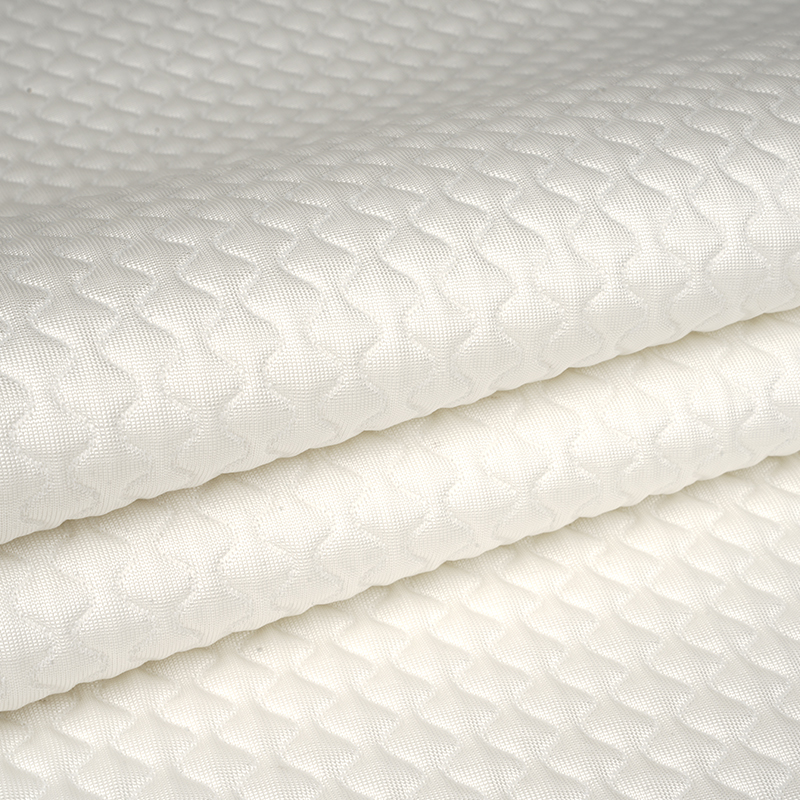
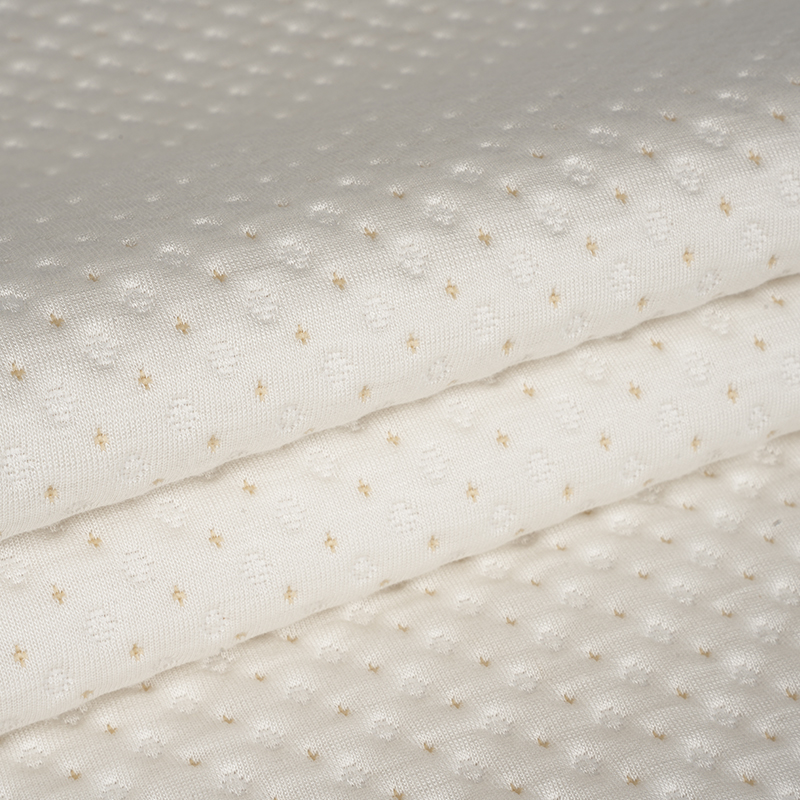
Cotton Children Mattress Fabric
Cotton Children Mattress Fabric
Haven’t Found The Products You Want?
-
-
Shen Jinyan:+86-15158070676
[email protected]
Liang Jinwen:+86-15757186621
[email protected]
Qiu Yingyingn:+86-13819545790
[email protected]
Yi qiao Town, Xiaoshan District, Hangzhou City, Zhejiang Province, China
-
Products
Mattress Fabric Children Mattress Fabric Pillowcase Fabric Pregnancy Pillow Fabric Cooling Mat Fabric Bedding Fabric Sofa Fabric Pet Friendly Fabrics -
Contact Information
About Us Products Strength Sustainability News Contact Us
Copyright © Hangzhou Xinsili Decorative Fabric Weaving Co.,Ltd. All Rights Reserved.
Functional Decorative Textile Manufacturers
