

 English
 中文简体
中文简体 Español
 عربى
عربى русский


Cotton Bedding Fabric for Comfortable, Functional, and Durable Sleep Environments
Content
- 1 Understanding Cotton Bedding Fabric
- 2 Why Cotton Bedding Fabric Continues to Lead the Bedding Market
- 3 Product Applications Across Bedding and Interior Textile Markets
- 4 Competitive Advantages Over Ordinary Bedding Fabrics
- 5 Manufacturing Strength Behind Reliable Cotton Bedding Fabric
- 6 Material Selection and Yarn Preparation
- 7 Weaving Technology and Structural Control
- 8 Finishing Processes That Improve Comfort and Function
- 9 Quality Inspection and Consistency Assurance
- 10 Table: Key Performance Factors of Cotton Bedding Fabric
- 11 Advantages for Bedding Manufacturers and Textile Buyers
- 12 Functional Upgrades for Modern Sleep Products
- 13 Design Flexibility and Decorative Value
- 14 Environmental and Practical Considerations
- 15 Comparison with Competitor Materials
- 16 Company Manufacturing Strengths and Customer Support
- 17 Customization Options for Cotton Bedding Fabric
- 18 How Cotton Bedding Fabric Supports Better Sleep Experiences
- 19 Maintenance and Care Benefits
- 20 Purchasing Considerations for Buyers
- 21 Quality Value in Long-Term Business Cooperation
- 22 Q&A Section
- 22.1 Q1: What makes cotton bedding fabric suitable for daily sleep products?
- 22.2 Q2: How does cotton bedding fabric compare with polyester bedding fabric?
- 22.3 Q3: Can cotton bedding fabric be customized?
- 22.4 Q4: What functional finishes can be added to cotton bedding fabric?
- 22.5 Q5: Why is shrinkage control important for bedding fabric?
- 22.6 Q6: Is cotton bedding fabric suitable for children’s bedding?
- 22.7 Q7: How does advanced weaving improve cotton bedding fabric quality?
- 22.8 Q8: Why should buyers choose a manufacturer with functional textile experience?
- 22.9 Q9: Can cotton bedding fabric be used in hotel environments?
- 22.10 Q10: What should buyers check before placing a bulk order?
- 23 Conclusion
- 24 References
- 25 Product: Cotton Bedding Fabric
Cotton bedding fabric remains one of the most trusted materials for creating comfortable, breathable, and skin-friendly sleep products. In modern homes, hotels, healthcare facilities, apartments, children’s rooms, and lifestyle retail markets, the demand for bedding fabric has moved far beyond simple softness. Buyers increasingly expect fabric to provide comfort, durability, easy care, stable quality, attractive appearance, and functional performance. Cotton bedding fabric meets these expectations by combining natural comfort with advanced textile engineering.
This article focuses on Cotton Bedding Fabric as a practical and high-value textile solution for bedding manufacturers, home textile brands, hospitality suppliers, and custom fabric buyers. It explains the product’s performance advantages, its competitive strengths, and the manufacturing capabilities behind consistent fabric quality. It also explores how advanced weaving, finishing, inspection, and customization processes help transform cotton yarn into reliable bedding fabric for daily use.
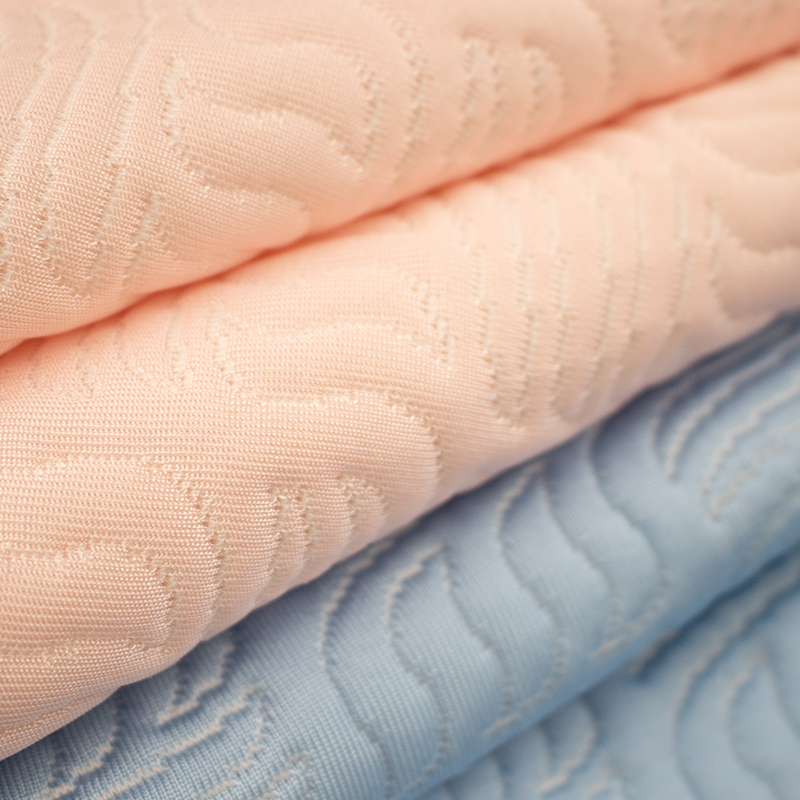
Understanding Cotton Bedding Fabric
Cotton bedding fabric is a textile material designed for products such as bedsheets, duvet covers, pillowcases, mattress protectors, quilt covers, pregnancy pillows, children’s bedding, cooling mats, and related bedding accessories. Its core characteristic is the use of cotton fiber, either as a pure cotton construction or as part of a blended structure depending on customer requirements. Cotton is valued because it is soft, breathable, moisture-absorbent, and naturally comfortable against the skin.
Unlike many synthetic materials that may trap heat or create a slippery feel, cotton bedding fabric offers a familiar and reassuring touch. It allows air to circulate and helps absorb moisture released by the body during sleep. These characteristics contribute to a cleaner, fresher, and more comfortable sleep environment. For users who spend long hours in contact with bedding, the fabric surface plays an essential role in perceived comfort and sleep quality.
In addition to comfort, cotton bedding fabric can be engineered for strength and stability. Modern textile manufacturing can adjust yarn count, weave density, surface texture, finishing method, width, color, pattern, and functional treatment. As a result, cotton bedding fabric can serve different market positions, from everyday household bedding to high-end hotel textiles and customized decorative bedding collections.
Why Cotton Bedding Fabric Continues to Lead the Bedding Market
The popularity of cotton bedding fabric is not accidental. Cotton has been used in bedding for generations because it responds well to the basic needs of the human body during rest. A bedding surface must feel gentle, maintain a pleasant temperature, handle moisture, resist frequent washing, and remain visually appealing. Cotton performs well across these demands.
One of the strongest advantages of cotton bedding fabric is breathability. During sleep, the body naturally releases heat and perspiration. A breathable fabric helps reduce the sensation of stuffiness, making it suitable for year-round use. This is especially important in humid climates, warm bedrooms, children’s rooms, and hotel environments where bedding must satisfy many different users.
Another key advantage is moisture absorption. Cotton fibers can absorb moisture without immediately feeling wet on the surface. This helps create a more balanced sleeping microclimate. For bedding applications, this feature improves comfort and helps reduce discomfort caused by sweat accumulation.
Cotton bedding fabric also provides excellent skin comfort. Many customers prefer cotton because it has a natural softness and does not produce the harsh or artificial sensation sometimes associated with low-quality synthetic fabrics. When properly woven and finished, cotton bedding fabric can feel smooth, clean, and gentle, making it suitable for adults, children, and sensitive users.
Durability is another reason cotton remains competitive. High-quality cotton bedding fabric can withstand repeated use and laundering while maintaining its structure. Through proper yarn selection, weaving control, and finishing, the fabric can achieve reliable tensile strength, dimensional stability, and long-term performance.
Product Applications Across Bedding and Interior Textile Markets
Cotton bedding fabric is highly versatile. It can be used in conventional bedding products and also in specialized textile categories. For bedsheets and duvet covers, cotton provides the direct comfort users expect from premium bedding. For pillowcases, its softness and moisture management help support facial comfort throughout the night. For children’s bedding, cotton offers breathability and a gentle touch, both of which are important for young users.
In pregnancy pillow fabric, cotton bedding fabric can provide a supportive and comfortable surface for long periods of body contact. Pregnant users often seek soft, breathable, and dependable materials, especially because pregnancy pillows are used for extended rest and support. Cotton fabric helps reduce irritation and supports a calm sleep experience.
For cooling mat fabric and summer bedding products, cotton can be combined with specific weaving and finishing technologies to enhance airflow and moisture control. Although cotton is not inherently cold in the same way as some technical fibers, it can contribute to a naturally fresh feeling when the structure is designed for ventilation.
Cotton bedding fabric can also extend into decorative home textile fields, including sofa fabrics, pet-friendly textile surfaces, and soft furnishing accessories. While these applications may require additional performance features such as abrasion resistance, stain resistance, or antibacterial finishing, the natural comfort and appearance of cotton make it an attractive foundation.
Competitive Advantages Over Ordinary Bedding Fabrics
Compared with ordinary bedding fabrics, high-quality cotton bedding fabric offers a stronger balance of comfort, durability, and customization. Many low-cost bedding fabrics focus only on price, often sacrificing fiber quality, weave stability, and finishing performance. Such fabrics may feel rough after washing, shrink excessively, pill easily, fade quickly, or lose their original shape. Cotton bedding fabric produced through advanced manufacturing processes can avoid these weaknesses.
One competitive advantage is controlled fabric hand feel. The softness of bedding fabric should not be random. It should result from carefully selected yarn, balanced weaving tension, and suitable finishing treatment. A professional manufacturing process can create a stable touch from batch to batch, helping brands maintain consistent product quality.
Another advantage is better moisture comfort compared with many polyester-heavy fabrics. Polyester can be strong and quick-drying, but it often lacks the same natural moisture absorption and skin feel as cotton. For users who value natural comfort, cotton bedding fabric provides a more pleasant sleeping surface.
Compared with linen, cotton is generally softer and easier to adapt to different consumer preferences. Linen has excellent breathability and a natural texture, but some users find it stiff or textured. Cotton bedding fabric can provide a smoother and more universally accepted hand feel, making it ideal for large-scale bedding production.
Compared with silk, cotton bedding fabric is more practical for everyday use. Silk offers luxury and smoothness, but it requires more careful maintenance and is usually more expensive. Cotton provides comfort, durability, washability, and cost-effectiveness, making it suitable for both premium and mass-market bedding products.
Compared with low-grade blended fabrics, well-made cotton bedding fabric better supports long-term brand value. It can deliver reliable comfort while offering functional upgrades such as antibacterial treatment, moisture resistance, flame-retardant properties, and improved sleep-supporting performance when required.
Manufacturing Strength Behind Reliable Cotton Bedding Fabric
The quality of cotton bedding fabric depends not only on fiber choice but also on manufacturing expertise. Hangzhou Xinsili Decorative Fabric Weaving Co., Ltd. specializes in the research, development, and manufacturing of decorative textiles, including bedding fabrics designed for residential, hotel, and commercial environments. With 19 years of industry experience, a 12,000-square-meter factory area, and recognition as a National High-Tech Enterprise in 2023, the company has built strong capabilities in functional decorative textile production.
The company follows a philosophy of craftsmanship-driven manufacturing, design innovation, and win-win collaboration. For cotton bedding fabric, this means quality is managed from material selection to weaving, finishing, inspection, and delivery. Each step affects the final performance of the fabric, and professional control helps ensure that the fabric meets customer expectations for comfort, appearance, and durability.
Advanced manufacturing is especially important for bedding fabric because bedding is washed frequently and used directly against the skin. Minor defects in yarn quality, weaving tension, finishing chemicals, or shrinkage control can become obvious during daily use. A manufacturer with mature production experience can reduce these risks and deliver more stable products.

Material Selection and Yarn Preparation
The production of quality cotton bedding fabric begins with suitable raw material selection. Cotton fiber quality affects softness, strength, evenness, and dyeing performance. Longer and more uniform fibers generally produce smoother yarns, which help create a cleaner fabric surface. Short or uneven fibers may increase pilling, roughness, and surface irregularities.
After cotton selection, yarn preparation becomes critical. Yarn count determines the fineness of the fabric, while twist level influences strength and softness. A yarn with insufficient twist may be weak, while excessive twist may feel harsh. The right balance supports both durability and comfort.
Before weaving, yarns may be inspected for uniformity and strength. Stable yarn quality helps reduce broken ends during weaving and improves the final fabric appearance. In bedding applications, uniform yarns help produce an even surface that feels smooth against the skin.
For custom bedding fabric projects, yarn selection can be adjusted according to the customer’s target market. A premium hotel bedding fabric may require a finer, smoother yarn and denser weave, while a children’s bedding fabric may prioritize softness, safety, and easy care. A functional fabric may require blended yarns or special finishing compatibility.
Weaving Technology and Structural Control
Weaving is one of the most important stages in cotton bedding fabric manufacturing. The weave structure determines the fabric’s texture, breathability, strength, drape, and appearance. Common bedding fabric structures may include plain weave, twill weave, satin weave, jacquard weave, and customized decorative patterns.
Plain weave offers stability and breathability, making it suitable for everyday sheets and pillowcases. Twill weave can provide a slightly stronger and more textured surface. Satin weave creates a smoother and more lustrous hand feel, often used for premium bedding products. Jacquard weaving enables decorative patterns directly in the fabric structure, adding visual depth without relying only on printing.
Advanced weaving control helps maintain consistent fabric density. If the fabric is too loose, it may lose durability and shape stability. If it is too dense without proper yarn selection, it may reduce breathability and feel heavy. Professional production balances these factors to suit the intended application.
Weaving tension is also crucial. Uneven tension can cause distortion, streaks, wrinkles, or inconsistent width. Experienced technicians and modern machinery help maintain stable tension, producing a more uniform fabric. This is especially valuable for bedding manufacturers who need efficient cutting and sewing with minimal waste.
Finishing Processes That Improve Comfort and Function
Finishing transforms woven fabric into a product-ready textile. For cotton bedding fabric, finishing may include washing, softening, pre-shrinking, calendaring, dyeing, printing, antibacterial treatment, moisture-resistant treatment, flame-retardant finishing, and other functional processes depending on customer requirements.
Softening is important because bedding fabric must feel comfortable from the first touch. Professional softening treatment can improve fabric hand feel while maintaining breathability and strength. The goal is not simply to make the fabric slippery, but to create a natural, pleasant softness that remains suitable for skin contact.
Pre-shrinking or shrinkage control is another major process. Cotton naturally tends to shrink during washing if not properly controlled. By applying appropriate finishing techniques, manufacturers can reduce dimensional change and help bedding products keep their intended size after laundering.
Color and pattern finishing also affect commercial value. Bedding fabric must not only perform well but also fit design trends. Stable dyeing and printing processes help achieve consistent color, good fastness, and attractive visual presentation. For decorative bedding collections, color accuracy and repeatability are essential.
Functional finishing provides additional value. Antibacterial treatments can support cleaner bedding environments, especially for hotels, children’s bedding, and healthcare-related products. Moisture-resistant treatments can help improve usability in humid conditions. Flame-retardant finishing may be required for certain commercial or hospitality applications. Sleep-supporting and comfort-improving functions can be integrated through fabric design and finishing systems.
Quality Inspection and Consistency Assurance
Quality inspection is essential for bedding fabric because even small defects can affect cutting, sewing, appearance, and user satisfaction. A professional manufacturer inspects fabric for surface defects, color differences, width consistency, weight, density, shrinkage, strength, and finishing performance.
Surface inspection helps identify issues such as broken yarns, stains, weaving defects, slubs, holes, or uneven dyeing. For bedding products, visible defects may lead to customer complaints or production waste. Strict inspection helps ensure that only qualified fabric reaches clients.
Dimensional stability testing is also important. Bedding products must fit mattresses, pillows, and quilts accurately. If fabric shrinks excessively, the final product may become too small or distorted. Quality control helps maintain predictable performance after washing.
Color fastness testing supports long-term appearance. Bedding is washed regularly, exposed to friction, and often used in contact with skin and sleepwear. Good color fastness helps prevent fading and staining, maintaining the product’s appearance over time.
Strength and abrasion resistance are important for durability. Although bedding fabric should be soft, it must also withstand repeated movement, laundering, and handling. Balanced strength ensures that comfort does not come at the expense of service life.
Table: Key Performance Factors of Cotton Bedding Fabric
| Performance Factor | Importance for Bedding | How Advanced Manufacturing Supports It |
|---|---|---|
| Softness | Improves skin comfort and sleep experience | Controlled yarn selection, balanced weaving, and professional softening finishing |
| Breathability | Helps reduce stuffiness and supports year-round comfort | Optimized weave structure and fabric density |
| Moisture Absorption | Helps manage perspiration during sleep | Use of cotton fiber and suitable finishing systems |
| Dimensional Stability | Maintains product size after washing | Pre-shrinking and shrinkage control processes |
| Durability | Extends product service life | Stable yarn quality, tension control, and strength testing |
| Color Consistency | Supports brand image and repeat orders | Controlled dyeing, printing, and batch inspection |
| Functional Performance | Adds value for specialized applications | Antibacterial, moisture-resistant, flame-retardant, and comfort-enhancing treatments |
| Customization | Meets different market and design needs | Flexible weaving, finishing, pattern, color, and specification options |
Advantages for Bedding Manufacturers and Textile Buyers
For bedding manufacturers, cotton bedding fabric offers both production efficiency and market appeal. A stable fabric width, predictable shrinkage, consistent color, and reliable surface quality reduce waste during cutting and sewing. This allows manufacturers to improve productivity and control costs.
For home textile brands, cotton bedding fabric provides strong consumer recognition. Customers often associate cotton with comfort, natural quality, and dependable daily use. This makes it easier to position products in retail and online markets.
For hotels and hospitality suppliers, cotton bedding fabric can support guest satisfaction. Hotel bedding must feel clean, comfortable, and durable through frequent laundering. A well-manufactured cotton fabric can help maintain a professional appearance while offering guests a pleasant sleeping experience.
For children’s bedding brands, cotton bedding fabric offers a gentle touch and breathable comfort. Parents often pay close attention to bedding materials used by children. Cotton’s familiar and skin-friendly nature helps build trust.
For custom textile buyers, the fabric’s adaptability is a major benefit. Specifications can be adjusted to match different design, performance, and cost targets. Whether the project requires simple solid colors, decorative patterns, functional treatments, or special widths, professional manufacturing can support tailored solutions.
Functional Upgrades for Modern Sleep Products
The modern bedding market increasingly values function. Consumers no longer choose bedding only by appearance or price. They also look for health, comfort, safety, and easy-care properties. Cotton bedding fabric can be enhanced with functional technologies to meet these expectations.
Antibacterial functionality is useful in bedding because fabric remains in close contact with the body for many hours. While proper washing remains essential, antibacterial treatment can help support a cleaner textile environment. This feature may be especially attractive for hotels, children’s bedding, shared accommodation, and healthcare-adjacent settings.
Moisture-resistant performance can improve usability in humid climates or environments where bedding must remain fresher for longer. When combined with cotton’s natural moisture absorption, suitable finishing can create a balanced comfort profile.
Flame-retardant treatment may be required in certain commercial environments, including hotels, dormitories, public facilities, and regulated markets. A manufacturer experienced in functional decorative textiles can help develop fabric solutions that respond to performance requirements.
Comfort-improving and sleep-supporting functions can be achieved through structure, fiber blend, surface treatment, and finishing process. For example, a smoother surface can reduce friction, while a breathable construction can support thermal comfort. These improvements help create bedding products that feel better during daily use.
Design Flexibility and Decorative Value
Cotton bedding fabric is not only functional; it also contributes to the visual identity of a bedroom. Bedding is a central element of interior design, and fabric appearance can influence the mood of a space. Customers may prefer clean white hotel styles, soft neutral tones, children’s patterns, seasonal colors, or decorative textures.
Through dyeing, printing, jacquard weaving, and finishing, cotton bedding fabric can support a wide range of styles. Solid colors can create a simple and elegant atmosphere. Printed designs can add personality and market differentiation. Woven textures can create subtle luxury and depth.
For brands, design flexibility is a competitive advantage. A fabric supplier with strong customization capabilities can help develop collections that match market trends. Fast response to color, pattern, and functional requirements can shorten product development cycles and improve market competitiveness.
Decorative value is also important for hotel and commercial projects. Bedding must match interior themes while maintaining durability. Cotton bedding fabric can be customized to coordinate with room designs, sofa fabrics, pillowcase fabrics, and other decorative textiles.

Environmental and Practical Considerations
Consumers and businesses increasingly care about environmental responsibility. Cotton is a natural fiber, and when responsibly sourced and professionally processed, it can support more sustainable textile choices. In addition, durable bedding fabric can reduce replacement frequency, which contributes to resource efficiency.
Practical sustainability also depends on manufacturing quality. A fabric that quickly loses shape, fades, pills, or tears creates waste because it must be replaced sooner. High-quality cotton bedding fabric with good durability and wash performance offers longer service life.
Environmentally friendly production values also involve careful process control. Efficient weaving, accurate dyeing, optimized finishing, and strict quality inspection help reduce waste and rework. A manufacturer committed to stable and reliable products can support customers seeking responsible supply chain partners.
For commercial buyers, sustainability must work together with performance and cost control. Cotton bedding fabric offers a practical balance because it is familiar to consumers, adaptable to many specifications, and capable of long-term use when well manufactured.
Comparison with Competitor Materials
In the bedding fabric market, buyers often compare cotton with polyester, microfiber, bamboo-derived fabrics, linen, silk, and blended textiles. Each material has its own advantages, but cotton remains a strong choice because of its balanced performance.
Polyester and microfiber fabrics are often promoted for low cost, wrinkle resistance, and quick drying. However, they may feel less breathable and less natural against the skin. Some users experience heat retention or a synthetic touch. Cotton bedding fabric offers a more breathable and moisture-absorbent experience, making it better suited for customers who prioritize natural comfort.
Bamboo-derived fabrics are often known for softness and moisture management. However, their performance depends heavily on processing method and fabric structure. Cotton has broader market familiarity, stable supply chains, and strong consumer trust. For many buyers, cotton offers a safer and more established choice.
Linen is valued for breathability and natural texture, but it may wrinkle easily and feel firmer. Cotton bedding fabric can provide a smoother, softer, and more widely accepted hand feel, particularly for pillowcases and sheets.
Silk is associated with luxury, but it is expensive and requires special care. Cotton bedding fabric is easier to wash, more durable for daily use, and more affordable for large-scale bedding production. This makes it practical for both family and hospitality use.
Low-grade blended fabrics may compete on price, but they often compromise comfort or long-term durability. Advanced cotton bedding fabric can deliver stronger overall value by combining user comfort, quality stability, and customization potential.
Company Manufacturing Strengths and Customer Support
Hangzhou Xinsili Decorative Fabric Weaving Co., Ltd. has developed manufacturing strengths that support demanding textile customers. The company focuses on functional decorative fabrics for home, hotel, and commercial spaces. Its experience across mattress fabric, children mattress fabric, pillowcase fabric, pregnancy pillow fabric, cooling mat fabric, bedding fabric, sofa fabric, and pet friendly fabrics gives it broad understanding of textile performance in different usage environments.
The company’s 19 years of industry experience provide a foundation for practical problem solving. In textile manufacturing, experience matters because every fabric project has technical details related to yarn, width, density, finishing, color, shrinkage, and end use. A knowledgeable manufacturer can help customers avoid risks and choose suitable specifications.
The 12,000-square-meter factory area supports production capacity and process organization. Manufacturing space allows better arrangement of weaving, finishing coordination, inspection, storage, and order handling. For customers, this means improved reliability and more professional supply support.
Recognition as a National High-Tech Enterprise in 2023 reflects the company’s commitment to innovation and technology. Functional decorative textiles require research and development, not only conventional production. Technologies such as antibacterial, moisture-resistant, flame-retardant, sleep-supporting, and comfort-improving functions can provide added value for modern bedding fabric buyers.
The company’s guiding vision of weaving beautiful spaces connects technical textile production with real-life applications. Bedding fabric is not just a material; it becomes part of the user’s sleep environment. A reliable manufacturer understands that fabric quality affects comfort, safety, appearance, and long-term satisfaction.
Customization Options for Cotton Bedding Fabric
Customization is one of the most important advantages for business buyers. Cotton bedding fabric can be customized according to fiber composition, yarn count, fabric weight, weave structure, width, color, pattern, finishing, and functional performance. This flexibility allows customers to create differentiated products for specific markets.
For a premium bedding brand, customization may focus on a refined hand feel, elegant color, high density, and smooth surface. For a children’s bedding brand, the priority may be soft touch, bright patterns, safe finishing, and easy washing. For hotel bedding, durability, whiteness, shrinkage control, and repeated laundering performance may be essential.
For pregnancy pillow fabric, the fabric can be developed for prolonged skin contact, softness, breathability, and easy care. For pillowcase fabric, a smooth surface and moisture comfort may be prioritized. For cooling mat fabric, structural breathability and refreshing hand feel may be emphasized.
Functional customization can further increase product competitiveness. Antibacterial finishing can be added for hygiene-focused collections. Moisture-resistant treatment can support humid environments. Flame-retardant treatment can help meet specific commercial requirements. Decorative weaving or printing can create unique visual identity.
How Cotton Bedding Fabric Supports Better Sleep Experiences
Sleep quality is influenced by many factors, including room temperature, mattress support, pillow design, air quality, lighting, and bedding materials. Fabric is the surface most directly in contact with the body. Therefore, bedding fabric can strongly affect comfort perception.
Cotton bedding fabric supports sleep comfort through softness, breathability, and moisture absorption. A soft surface reduces irritation and helps the body relax. Breathability helps prevent overheating. Moisture absorption helps manage perspiration, especially during warm nights or in humid climates.
The tactile quality of cotton also contributes to emotional comfort. Many users associate cotton bedding with cleanliness, freshness, and natural comfort. This psychological familiarity can make the sleep environment feel more reassuring.
For children, comfortable bedding can help create a calm sleep routine. For pregnant users, breathable and soft fabric can reduce discomfort during rest. For hotel guests, high-quality cotton bedding fabric can improve the impression of cleanliness and service quality.
Maintenance and Care Benefits
Cotton bedding fabric is generally practical for regular care. Depending on the finishing and construction, it can be washed repeatedly and maintained with standard bedding care methods. This makes it suitable for households and commercial laundries.
Good shrinkage control helps preserve fit after washing. Proper dyeing and color fastness help maintain appearance. Durable weaving helps resist tearing and excessive wear. Soft finishing can support pleasant hand feel through repeated use.
For business buyers, easy care translates into customer satisfaction. Bedding products that are difficult to maintain often lead to complaints. Cotton bedding fabric offers a familiar care experience, which helps end users feel confident in daily use.
Hotels especially benefit from fabric that can tolerate frequent laundering. Sheets and pillowcases must be washed often while maintaining a crisp and clean appearance. A well-made cotton fabric can support this demanding cycle.
Purchasing Considerations for Buyers
When purchasing cotton bedding fabric, buyers should consider end use, target market, fabric composition, weave structure, width, weight, color fastness, shrinkage rate, hand feel, and functional requirements. A low price alone should not be the deciding factor. Bedding fabric directly affects user satisfaction and brand reputation.
Buyers should communicate clearly about application. Fabric for hotel sheets may require different specifications than fabric for children’s pillowcases. Fabric for decorative bedding may need special patterns, while fabric for pregnancy pillows may need extra softness and breathability.
Sample evaluation is important. Buyers can assess touch, thickness, drape, color, and surface quality. Washing tests are also useful to check shrinkage, hand feel changes, and color stability.
Supplier capability should also be evaluated. A strong supplier can provide technical advice, customization, stable production, quality inspection, and reliable communication. Manufacturing experience and functional textile development capability are valuable, especially for custom projects.
Quality Value in Long-Term Business Cooperation
For textile buyers, long-term value comes from stable quality, reliable delivery, and responsive support. Cotton bedding fabric may look simple at first glance, but consistent production requires technical discipline. A trusted manufacturing partner can reduce sourcing risks and help customers build stable product lines.
Stable fabric quality helps brands maintain customer trust. If one batch feels soft and another feels rough, consumers may lose confidence. If color varies from order to order, product collections may become inconsistent. If shrinkage is not controlled, finished bedding may fail after washing. Professional manufacturing reduces these risks.
Reliable support also matters when developing new products. A supplier with research and development capability can help buyers choose suitable structures and finishes. This is valuable for brands seeking differentiation in a competitive market.
By combining cotton’s natural advantages with advanced textile production, cotton bedding fabric can become more than a basic material. It can become a strategic product component that supports comfort, function, aesthetics, and brand value.
Q&A Section
Q1: What makes cotton bedding fabric suitable for daily sleep products?
Cotton bedding fabric is suitable for daily sleep products because it is soft, breathable, moisture-absorbent, and comfortable against the skin. It helps create a pleasant sleeping surface and can be manufactured for durability and repeated washing.
Q2: How does cotton bedding fabric compare with polyester bedding fabric?
Cotton bedding fabric generally offers better natural breathability and moisture absorption, while polyester often emphasizes wrinkle resistance and quick drying. For users who value natural comfort and skin-friendly touch, cotton is usually preferred.
Q3: Can cotton bedding fabric be customized?
Yes. Cotton bedding fabric can be customized in fiber composition, yarn count, weave structure, fabric weight, width, color, pattern, finishing, and functional treatment. Customization allows the fabric to match different markets such as home bedding, hotel bedding, children’s bedding, and pregnancy pillow products.
Q4: What functional finishes can be added to cotton bedding fabric?
Possible functional finishes include antibacterial treatment, moisture-resistant finishing, flame-retardant treatment, softening, shrinkage control, and comfort-improving treatments. The appropriate finish depends on the product application and market requirements.
Q5: Why is shrinkage control important for bedding fabric?
Shrinkage control is important because bedding products must maintain their size after washing. Excessive shrinkage can make sheets, pillowcases, or duvet covers difficult to use. Professional pre-shrinking and finishing processes help improve dimensional stability.
Q6: Is cotton bedding fabric suitable for children’s bedding?
Yes. Cotton bedding fabric is widely used for children’s bedding because it offers a soft, breathable, and familiar touch. For children’s products, buyers may also request safe finishing, easy-care performance, and attractive printed designs.
Q7: How does advanced weaving improve cotton bedding fabric quality?
Advanced weaving improves quality by controlling fabric density, tension, width, and surface consistency. Proper weaving helps create a stable structure, better durability, smoother appearance, and more predictable sewing performance.
Q8: Why should buyers choose a manufacturer with functional textile experience?
A manufacturer with functional textile experience can support more than basic fabric production. It can provide technical advice, functional finishing, quality control, and customization for specialized applications such as hotel bedding, antibacterial textiles, flame-retardant fabrics, and comfort-focused products.
Q9: Can cotton bedding fabric be used in hotel environments?
Yes. Cotton bedding fabric is suitable for hotels because it provides guest comfort, clean appearance, and durability when properly manufactured. Hotel applications may require stronger washing resistance, stable whiteness, and controlled shrinkage.
Q10: What should buyers check before placing a bulk order?
Buyers should check samples, hand feel, fabric width, weight, color fastness, shrinkage rate, surface quality, functional performance, and supplier production capability. Clear communication about end use and quality requirements helps ensure successful bulk production.

Conclusion
Cotton bedding fabric remains a leading choice for sleep products because it offers a dependable combination of softness, breathability, moisture absorption, durability, and design flexibility. In a market where consumers expect both comfort and performance, cotton provides a natural and practical foundation for bedding collections.
When produced through advanced manufacturing processes, cotton bedding fabric can outperform ordinary materials by delivering stable hand feel, controlled shrinkage, reliable color, strong durability, and optional functional upgrades. From home bedding and pillowcases to children’s bedding, pregnancy pillow fabric, cooling mat fabric, and hotel textiles, cotton bedding fabric can be adapted to many applications.
Hangzhou Xinsili Decorative Fabric Weaving Co., Ltd. supports this product value through industry experience, advanced textile development, functional finishing capability, and a commitment to reliable quality. With a focus on decorative and functional fabrics for residential, hotel, and commercial spaces, the company provides cotton bedding fabric solutions that help customers create comfortable, healthy, and attractive sleep environments.
For buyers seeking a fabric that balances comfort, practicality, customization, and long-term value, Cotton Bedding Fabric is a strong and versatile choice. It not only meets everyday bedding needs but also supports modern expectations for functional, beautiful, and sustainable textile products.
References
1. Kadolph, S. J. Textiles. Pearson Education.
2. Collier, B. J., and Epps, H. H. Textile Testing and Analysis. Pearson.
3. Saville, B. P. Physical Testing of Textiles. Woodhead Publishing.
4. Tortora, P. G., and Merkel, R. S. Fairchild’s Dictionary of Textiles. Fairchild Books.
5. Marsh, J. T. An Introduction to Textile Finishing. Chapman and Hall.
6. Slater, K. Environmental Impact of Textiles: Production, Processes and Protection. Woodhead Publishing.
Product: Cotton Bedding Fabric

Our Featured Products
-
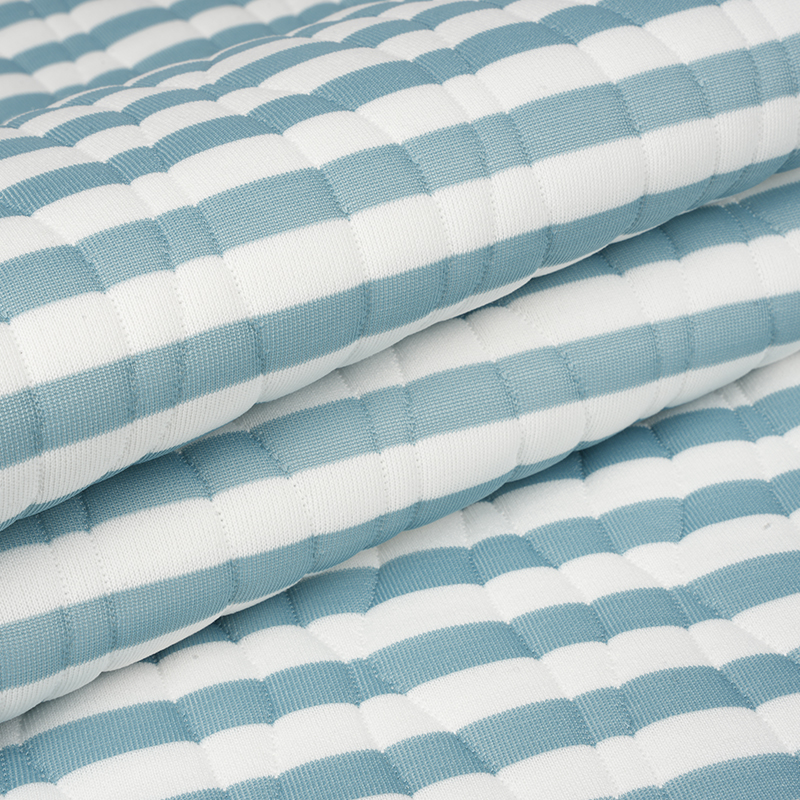
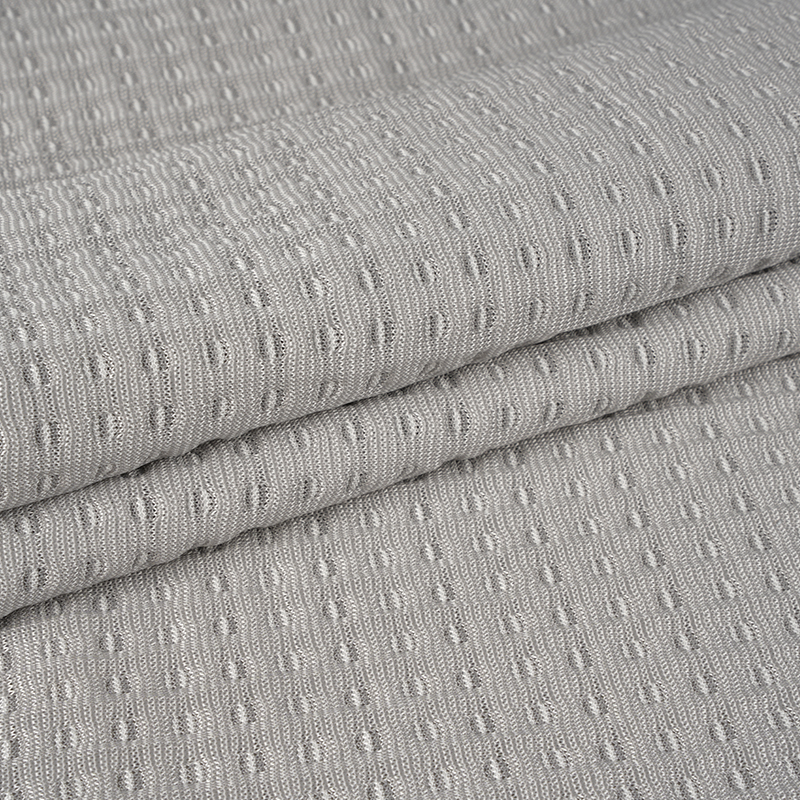
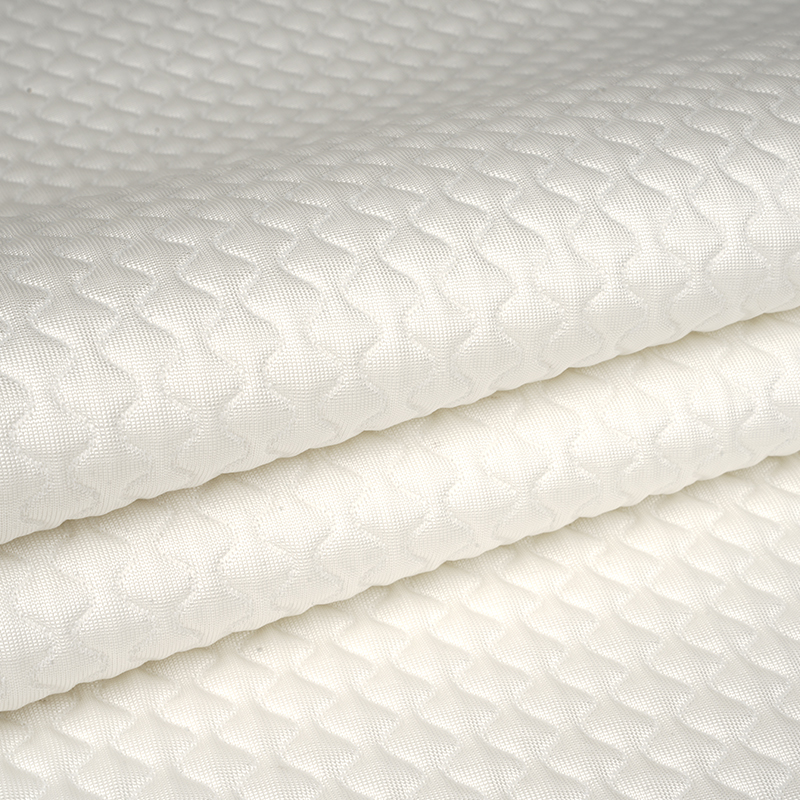
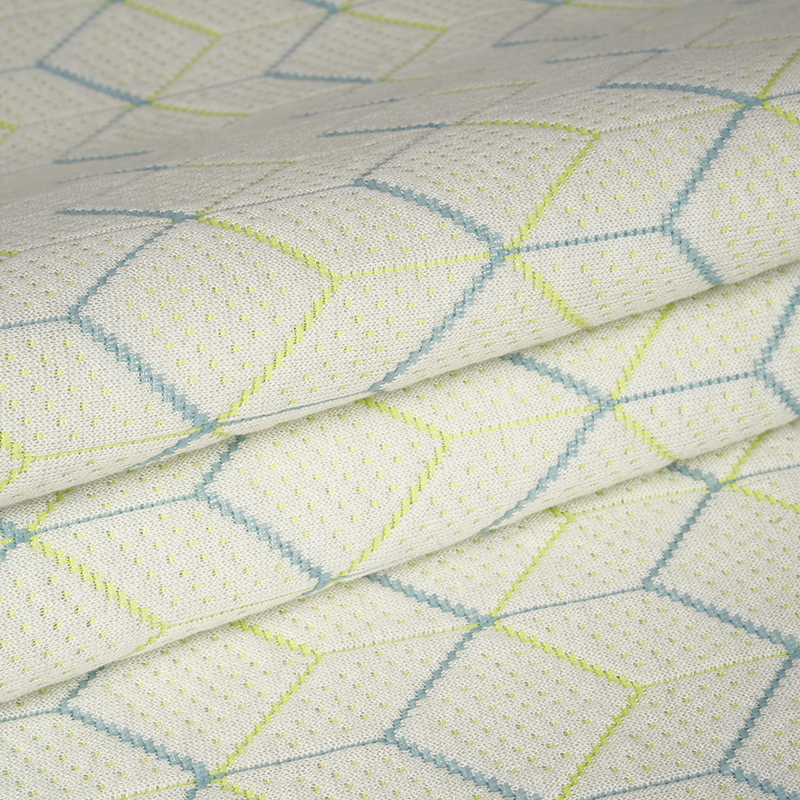
Cotton Pillowcase Fabric
Cotton Pillowcase Fabric
Haven’t Found The Products You Want?
-
-
Shen Jinyan:+86-15158070676
[email protected]
Liang Jinwen:+86-15757186621
[email protected]
Qiu Yingyingn:+86-13819545790
[email protected]
Yi qiao Town, Xiaoshan District, Hangzhou City, Zhejiang Province, China
-
Products
Mattress Fabric Children Mattress Fabric Pillowcase Fabric Pregnancy Pillow Fabric Cooling Mat Fabric Bedding Fabric Sofa Fabric Pet Friendly Fabrics -
Contact Information
About Us Products Strength Sustainability News Contact Us
Copyright © Hangzhou Xinsili Decorative Fabric Weaving Co.,Ltd. All Rights Reserved.
Functional Decorative Textile Manufacturers
