

 English
 中文简体
 Español
 عربى
 русский



Bamboo Fiber Children’s Mattress Fabric: A Safer, Softer, and More Functional Textile Solution
Content
- 1 1. Understanding Bamboo Fiber Children Mattress Fabric
- 2 2. Why Fabric Selection Matters in Children’s Bedding
- 3 3. Key Advantages of Bamboo Fiber Children Mattress Fabric
- 4 4. Competitive Advantages Compared with Conventional Mattress Fabrics
- 5 5. Advanced Manufacturing Approach
- 6 6. The Manufacturer’s Strengths
- 7 7. Applications of the Fabric
- 8 8. Designing a Better Children’s Mattress with the Right Fabric
- 9 9. Sustainability and Responsible Material Selection
- 10 10. Quality and Compliance Considerations
- 11 11. How to Select the Correct Specification
- 12 12. Production and Procurement Advantages for Global Buyers
- 13 13. Product Development Workflow
- 14 14. Frequently Asked Questions
- 14.1 Q1: What is bamboo fiber children’s mattress fabric used for?
- 14.2 Q2: Is bamboo fiber fabric suitable for sensitive children’s skin?
- 14.3 Q3: Does bamboo fiber fabric keep a mattress cool?
- 14.4 Q4: Can the fabric be customized?
- 14.5 Q5: Can antibacterial functionality be added?
- 14.6 Q6: Is the fabric washable?
- 14.7 Q7: Can the fabric be used for hotels or childcare facilities?
- 14.8 Q8: How does bamboo fiber fabric compare with polyester?
- 14.9 Q9: How does it compare with cotton?
- 14.10 Q10: What information should buyers provide when requesting a quotation?
- 14.11 Q11: Can the fabric be used for mattress quilting?
- 14.12 Q12: What makes an experienced manufacturer valuable?
- 15 15. Why Choose a Specialized Functional Textile Manufacturer
- 16 16. Final Assessment
- 17 References
- 18 Product: Bamboo Fiber Children Mattress Fabric
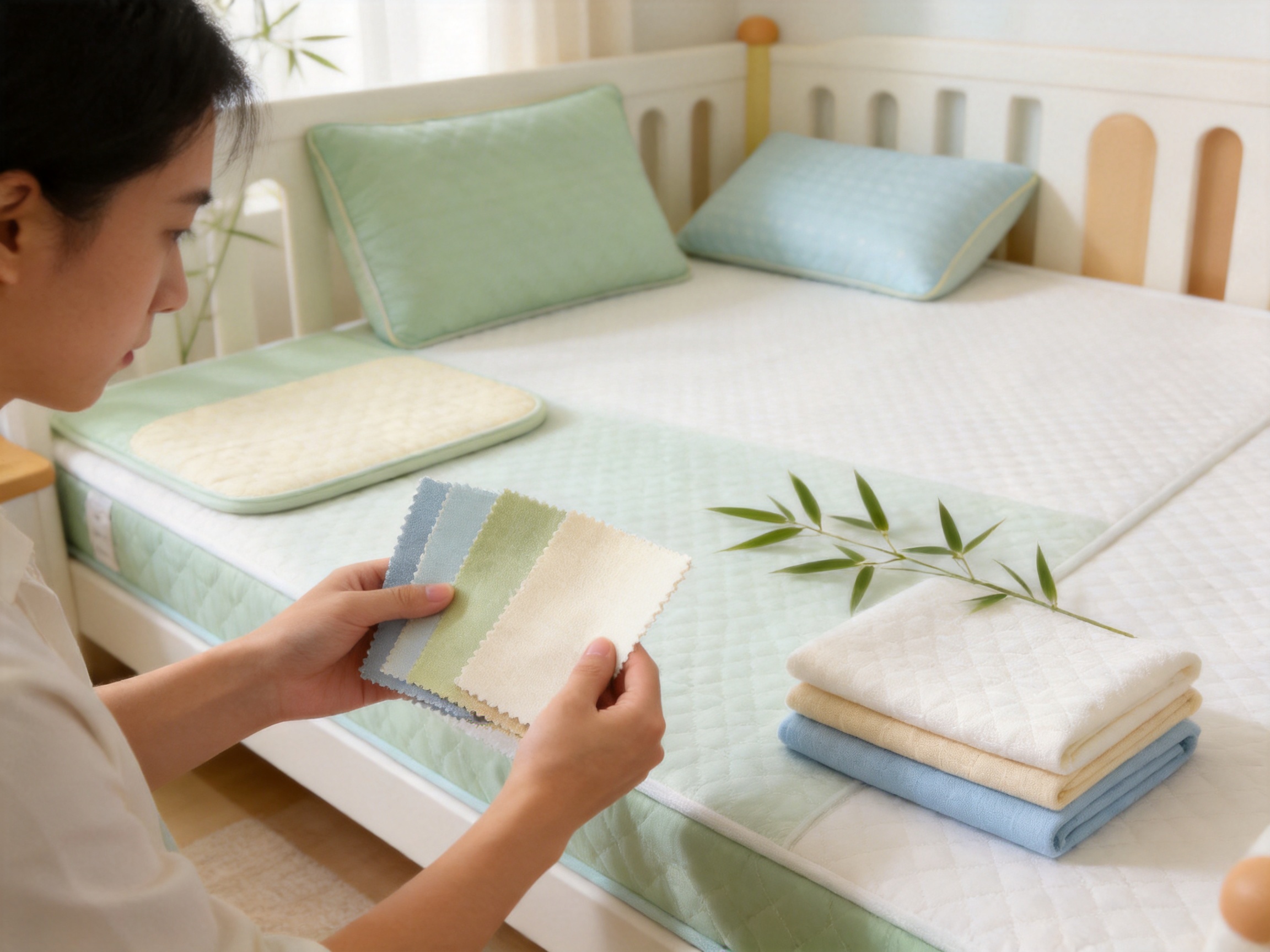
Children’s sleep environments require careful attention to comfort, hygiene, safety, and durability. A mattress is not only a support surface; it is also part of a child’s daily living environment. The fabric surrounding the mattress can influence tactile comfort, moisture management, cleanliness, appearance, and the long-term performance of the finished bedding product. For this reason, selecting the right mattress fabric is an essential decision for mattress manufacturers, bedding brands, furniture companies, hotels, childcare facilities, and families seeking a reliable sleep solution.
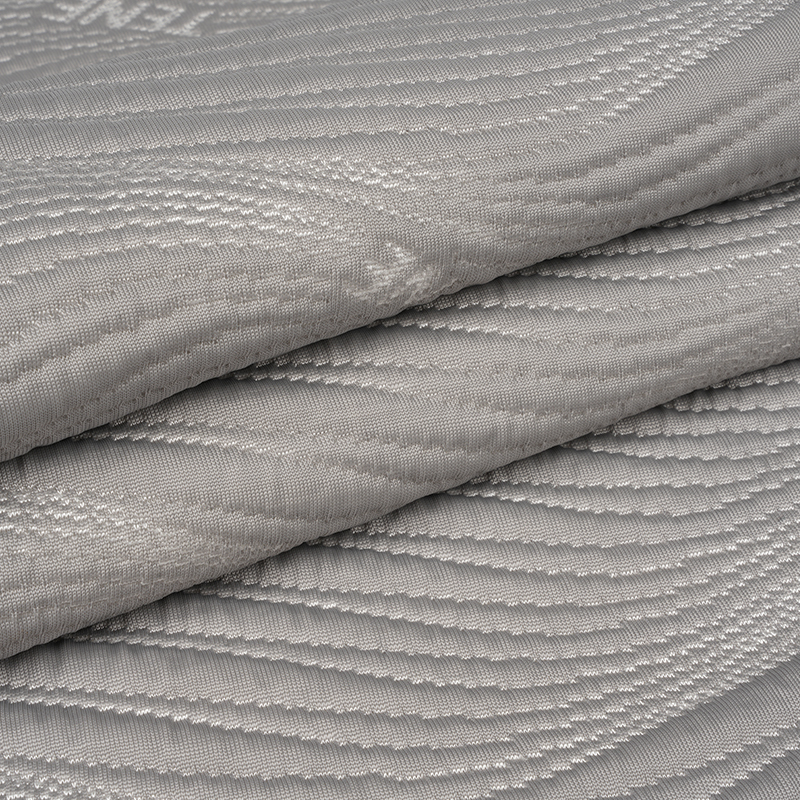
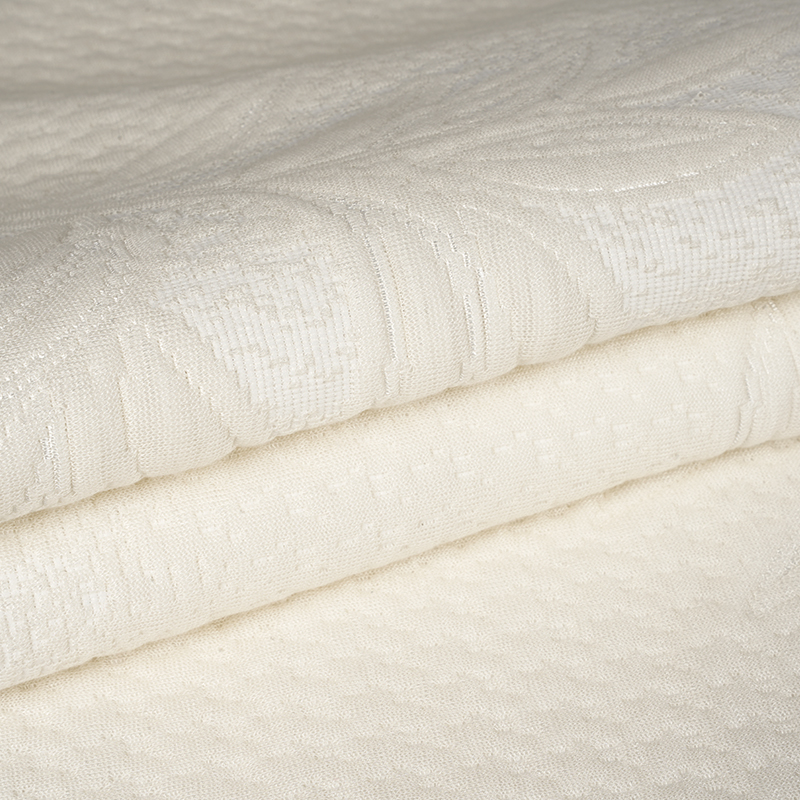
Bamboo Fiber Children Mattress Fabric is designed to meet the demanding requirements of modern children’s bedding. It combines the soft hand feel associated with bamboo-based fibers with a practical textile structure suitable for mattress covers and related bedding applications. The fabric can support a comfortable sleeping surface while contributing to breathability, moisture management, a smooth touch, and an attractive appearance. Its functional potential makes it a valuable option for children’s mattresses, nursery bedding, portable sleeping products, and other soft furnishing applications where comfort and cleanliness are especially important.
Manufactured by Hangzhou Xinsili Decorative Fabric Weaving Co., Ltd., this product reflects an established approach to functional decorative textiles. The company focuses on research, development, weaving, and precision manufacturing for fabrics used in residential, hotel, commercial, and specialized interior environments. With 19 years of industry experience, a 12,000-square-meter factory area, and recognition as a National High-Tech Enterprise in 2023, the manufacturer provides a combination of production experience, technical development, customization capability, and quality-oriented manufacturing.
This article examines the principal features of bamboo fiber children’s mattress fabric, its advantages over conventional alternatives, the manufacturing strengths behind the product, and the factors buyers should evaluate when selecting a fabric for children’s sleep products.
1. Understanding Bamboo Fiber Children Mattress Fabric
Bamboo Fiber Children Mattress Fabric is a textile designed for use in mattress covers, children’s bedding, mattress panels, protective layers, and related soft furnishing products. Depending on the final construction and finishing requirements, it may be adapted for different weights, textures, colors, widths, patterns, and functional treatments.
The term “bamboo fiber” generally refers to fibers made from bamboo-derived cellulose or textile fibers associated with bamboo raw materials. The final performance of the fabric depends on the fiber type, yarn structure, blend ratio, knitting or weaving method, dyeing process, finishing treatment, and quality-control standards applied during manufacturing. Therefore, bamboo fiber should not be viewed as a single fixed material with identical performance in every product. Instead, it is a textile category that can be engineered for particular comfort and application requirements.
For children’s mattresses, the fabric must perform in several areas at the same time. It should feel comfortable against bedding and, in some designs, against the user’s skin. It should help manage moisture caused by perspiration and changes in room temperature. It should retain a neat appearance after repeated use. It should also be compatible with mattress assembly methods such as quilting, sewing, binding, zipper installation, elastic fitting, and lamination.
A well-developed children’s mattress fabric is therefore more than a decorative covering. It is a functional component of the entire mattress system. The fabric can influence how the product looks, feels, breathes, ages, and responds to everyday cleaning and handling.
2. Why Fabric Selection Matters in Children’s Bedding
Children may spend many hours each day sleeping or resting on a mattress. Younger children may also play, read, eat snacks, or relax on the same surface. As a result, children’s mattresses can experience frequent contact, repeated compression, accidental spills, perspiration, friction, and washing or cleaning cycles. A fabric that performs well in a showroom may not remain attractive and comfortable if it is not designed for daily use.
Children’s skin can also be more sensitive to rough textures, excessive heat, accumulated moisture, and poorly controlled chemical residues. Although fabric alone cannot guarantee a completely risk-free sleeping environment, selecting a carefully manufactured textile is an important part of a responsible product design strategy. A suitable material should be produced under controlled conditions and should be evaluated according to the intended market’s applicable safety, colorfastness, chemical, and performance requirements.
In addition, children’s bedding is often purchased by parents and caregivers who expect a balance between softness, cleanliness, durability, aesthetics, and value. They may prefer natural or plant-associated fibers, but they also want practical performance. Mattress manufacturers therefore need materials that support both emotional appeal and measurable product quality.
Bamboo fiber fabric addresses this demand by combining a soft and pleasant touch with a modern functional textile profile. When properly engineered, it can provide a comfortable surface, a visually appealing finish, and a useful platform for additional functions such as moisture resistance, antibacterial treatment, or comfort-enhancing finishing.
3. Key Advantages of Bamboo Fiber Children Mattress Fabric
3.1 Soft and Comfortable Hand Feel
One of the most important advantages of bamboo-based textile materials is their soft, smooth hand feel. Children’s mattress covers should not feel harsh, scratchy, or excessively stiff. A smooth fabric can make bedding feel more inviting and can improve the perceived quality of the finished mattress.
The tactile character of bamboo fiber fabric can be adjusted through yarn selection, fabric construction, surface finishing, and weight control. This allows manufacturers to develop products ranging from lightweight and smooth fabrics to more substantial knitted or woven surfaces with a richer hand feel. The precise result depends on the specification, but the general objective is to provide a pleasant textile surface suitable for children’s sleep and rest environments.
Compared with some coarse conventional upholstery fabrics, bamboo fiber mattress fabric offers a more comfort-oriented touch. Compared with certain very thin synthetic fabrics, it can provide a more substantial and natural-feeling surface. This combination is useful for products positioned around softness, wellness, and family comfort.
3.2 Moisture Management and Breathability
Children can perspire during sleep, especially in warm climates, heated rooms, or under heavy bedding. If moisture remains trapped near the sleeping surface, the mattress may feel warm, clammy, or uncomfortable. A breathable fabric with suitable moisture-management characteristics can help create a more pleasant microclimate around the mattress cover.
Bamboo fiber fabrics are often selected for their comfortable moisture-handling profile and breathable feel. The final performance is affected by the fabric structure, yarn density, finishing, and the design of the full mattress assembly. A breathable cover cannot replace appropriate mattress ventilation, but it can contribute to a more balanced and comfortable product.
This advantage can be especially valuable for children’s mattresses used in summer, humid regions, childcare centers, travel products, and compact sleeping spaces. It also supports product differentiation for bedding brands that want to emphasize cool comfort and everyday usability.
3.3 Smooth Surface for Daily Contact
A mattress fabric for children should be comfortable during repeated contact and should not easily create an abrasive sensation. Bamboo fiber fabric can offer a smooth surface that works well with fitted sheets, mattress protectors, blankets, and other bedding layers.
A smooth surface may also help the mattress look cleaner and more refined. When combined with suitable color control and finishing, it can provide a polished appearance for residential bedrooms, children’s rooms, nurseries, hotels, and institutional sleeping areas.
3.4 Support for Hygiene-Oriented Product Design
Hygiene is a central concern in children’s products. Mattress covers can come into contact with perspiration, body oils, dust, accidental spills, and other sources of contamination. A fabric that can be cleaned effectively and that is compatible with hygiene-oriented finishing provides useful support for the overall bedding design.
Functional textile development may include antibacterial, moisture-resistant, or easy-care approaches, depending on the selected specification and treatment. These functions should be confirmed through appropriate testing rather than assumed solely from the fiber name. Nevertheless, the ability to develop fabrics with such functions gives manufacturers more flexibility when serving different customer requirements.
For product developers, this means the fabric can be positioned not only as a soft decorative surface, but also as part of a broader hygiene and comfort strategy. A mattress manufacturer may request a specific finish for a washable children’s mattress, a daycare product, a hotel bedding program, or a protective cover system.
3.5 Attractive Appearance and Design Flexibility
Children’s mattresses are often expected to fit a particular room style or product identity. Colors and textures may need to coordinate with nursery furniture, children’s bedding collections, hotel interiors, or educational facilities. A versatile textile platform allows buyers to develop coordinated product ranges rather than relying on one standard appearance.
Bamboo fiber children’s mattress fabric can be developed in different colors, surface effects, patterns, weights, and constructions. Depending on the manufacturing plan, buyers may request pastel colors for infant and nursery products, brighter shades for children’s collections, neutral tones for hotel rooms, or sophisticated colors for premium home furnishings.
This flexibility creates an advantage over commodity fabrics that are available only in a limited set of standard colors or constructions. It also allows a brand to use one functional material family across multiple products while maintaining a consistent visual identity.
3.6 Compatibility with Mattress Manufacturing
The fabric should not only look and feel good; it must also perform during cutting, sewing, quilting, fitting, and finishing. Mattress production involves mechanical handling, tension, folding, compression, and repeated movement. A fabric with a stable construction and predictable behavior can help reduce production difficulties.
Suitable mattress fabric may be used for quilted panels, removable covers, fitted covers, side panels, decorative sections, pillow surfaces, children’s nap mats, and other bedding components. The appropriate use depends on the fabric weight, stretch, dimensional stability, seam performance, and selected assembly method.
Manufacturers should assess the fabric through trial cutting and sewing before mass production. Factors such as needle selection, thread type, sewing speed, seam allowance, zipper installation, quilting pattern, and washing method may influence the final result. The advantage of working with an experienced textile manufacturer is that these application considerations can be discussed during product development rather than after production problems occur.
For buyers, this means bamboo fiber children’s mattress fabric can serve as a practical material rather than merely a promotional fiber choice. Its value is realized when it integrates effectively into the complete mattress manufacturing process.
4. Competitive Advantages Compared with Conventional Mattress Fabrics
Children’s mattress fabrics are available in many material categories, including polyester, cotton, cotton blends, viscose-based fabrics, knitted fabrics, woven fabrics, and specialized technical textiles. Each category has strengths and limitations. The most appropriate choice depends on the product’s price level, target market, performance requirements, and construction.
| Evaluation Area | Bamboo Fiber Children Mattress Fabric | Basic Synthetic Mattress Fabric | Conventional Cotton Mattress Fabric |
|---|---|---|---|
| Surface Feel | Soft, smooth, and comfort-oriented when properly engineered | Can be smooth, but may feel less natural or less breathable depending on construction | Generally comfortable, with performance influenced by yarn and finishing |
| Moisture Comfort | Can support breathable and moisture-comfortable product designs | May dry quickly but can feel warm or less absorbent in some constructions | Often comfortable, but moisture behavior depends on weight and weave density |
| Design Positioning | Suitable for wellness, comfort, children’s, and functional textile markets | Commonly positioned around economy, durability, or easy care | Often associated with natural comfort and familiar textile quality |
| Functional Development | Can be developed with moisture-resistant, antibacterial, or comfort-enhancing functions | Can accept many treatments, depending on fiber and structure | Can accept finishing treatments, though performance may vary after repeated washing |
| Application Flexibility | Suitable for mattress covers, bedding, nap mats, and related soft furnishings | Widely used in many mattress and upholstery products | Suitable for bedding and mattress covers, especially comfort-focused applications |
| Product Differentiation | Offers a plant-associated, premium, and functional story | May require additional design or functional features to stand out | Familiar to consumers but may face strong price and availability competition |
The primary competitive advantage of bamboo fiber fabric is not that it replaces every other material. Rather, it provides a balanced solution for manufacturers looking to combine a soft hand feel, contemporary functional positioning, visual flexibility, and a more distinctive product story.
Basic synthetic fabrics may provide excellent strength, stable supply, and competitive pricing. However, some buyers may consider them less comfortable or less aligned with natural-material preferences. Cotton can offer familiar comfort, but it may require careful construction and finishing to achieve the desired moisture control, durability, dimensional stability, and treatment performance.
Bamboo fiber fabric gives product developers another option. It can occupy a position between everyday practicality and premium comfort. This is particularly relevant in a market where parents and consumers increasingly compare not only price, but also touch, breathability, hygiene, material identity, and perceived quality.
It is important to note that performance comparisons should be based on actual laboratory testing and product specifications. Fiber names alone do not determine final fabric behavior. A properly engineered fabric from any fiber category can outperform a poorly constructed alternative. The competitive value of bamboo fiber children’s mattress fabric comes from the combination of material selection, construction, finishing, testing, and manufacturing control.
5. Advanced Manufacturing Approach
5.1 Research and Development Before Production
Functional decorative textile manufacturing begins with product definition. Before weaving or knitting at scale, the manufacturer must understand the intended application, target market, fabric width, weight, color, hand feel, stretch requirements, treatment needs, and final assembly method.
For a children’s mattress fabric, development may involve discussions about softness, breathability, moisture resistance, antibacterial performance, abrasion resistance, colorfastness, shrinkage, seam behavior, and care instructions. These requirements should be translated into a practical technical specification.
Hangzhou Xinsili Decorative Fabric Weaving Co., Ltd. focuses on innovative research, development, and precision manufacturing of decorative and functional textiles. This development-oriented approach is valuable because it allows product buyers to discuss more than a standard catalog item. The fabric can be considered as part of a specific mattress or bedding system.
Samples and trial lots play an important role in this stage. A sample allows the buyer to evaluate hand feel, appearance, color, thickness, stretch, sewing behavior, and compatibility with foam, filling, quilting, or protective layers. Feedback from the sample stage can then be used to refine the production specification before larger quantities are manufactured.
5.2 Controlled Yarn and Material Selection
Material selection has a direct influence on the final fabric. Fiber quality, staple length, fineness, blending ratio, yarn count, twist, and uniformity can affect softness, strength, surface appearance, and processing behavior.
For bamboo fiber children’s mattress fabric, the manufacturer must balance comfort with practical durability. Excessive softness without sufficient structural stability may create problems during sewing or repeated use. Conversely, a highly rigid construction may reduce the comfort advantage expected from the material.
Controlled sourcing and material inspection help reduce variation between batches. Yarn should be checked for consistency, contamination, strength, and appearance before entering the fabric production process. If the fabric includes blended fibers or functional components, the blend ratio and compatibility should also be managed carefully.
5.3 Precision Weaving and Fabric Construction
The fabric construction determines much of its physical and visual character. Important variables may include yarn density, loop or weave structure, fabric weight, thickness, width, elasticity, surface texture, and edge stability.
Precision production is particularly important for mattress applications because fabric panels often need to be cut into standardized shapes and joined under tension. Uneven density, excessive skew, inconsistent width, or unstable edges can increase material waste and create difficulties during sewing or quilting.
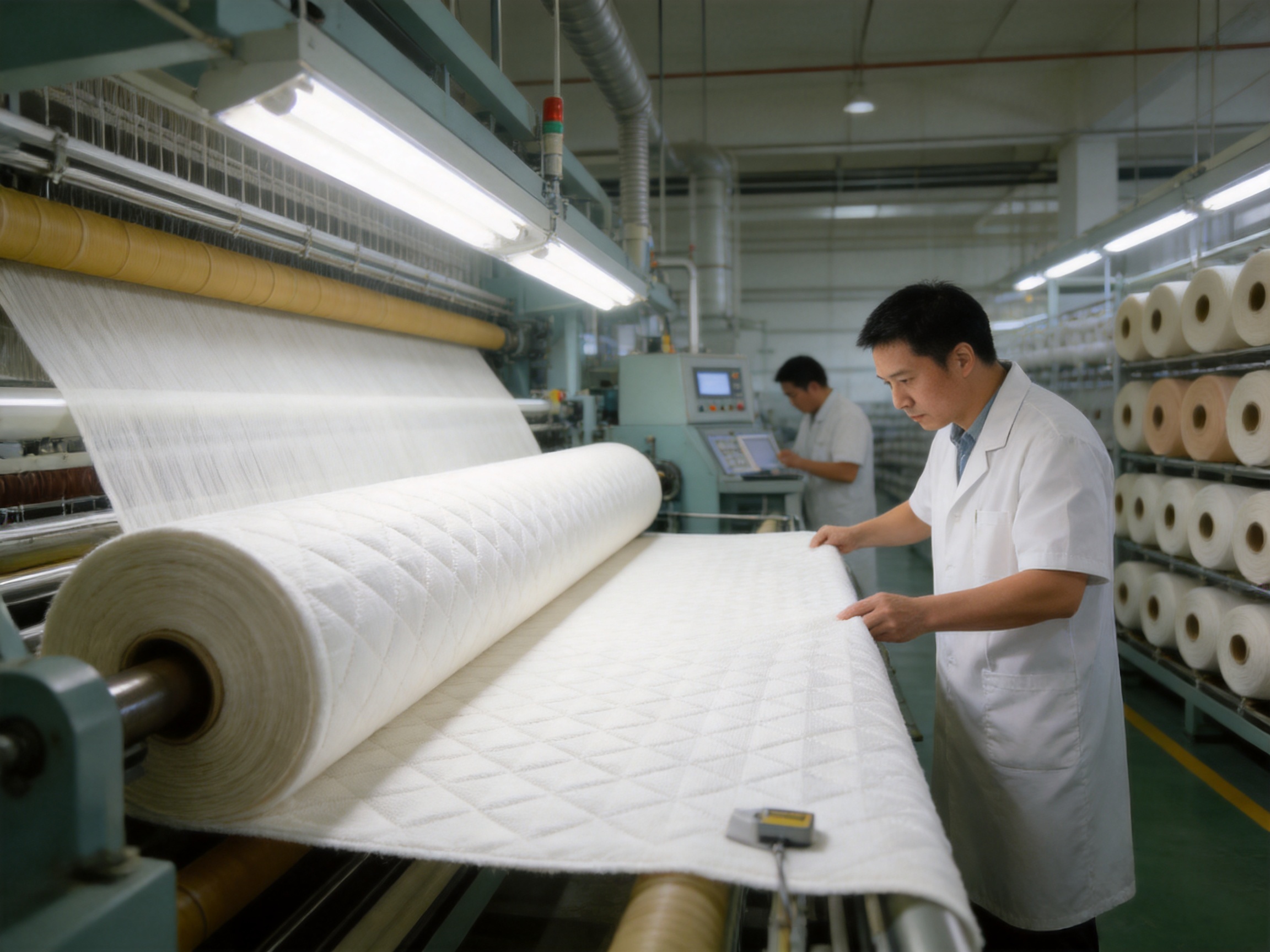
A professional textile manufacturing process therefore includes equipment control, parameter monitoring, operator expertise, and in-process inspection. The goal is to produce a fabric with consistent structure across the roll, from one roll to the next, and from one production batch to another.
The manufacturer’s 12,000-square-meter factory area provides a production environment intended to support organized manufacturing, inspection, development, and order handling. Factory size alone does not guarantee quality, but it can provide the space and infrastructure required for a more systematic process.
5.4 Dyeing, Finishing, and Functional Treatment
After the base fabric is produced, dyeing and finishing can influence appearance, touch, dimensional stability, and function. Color matching should be managed through approved standards and controlled sampling. This is especially important for brands requiring consistent colors across mattress panels, pillowcases, sheets, and related bedding products.
Finishing may be used to improve softness, smoothness, moisture behavior, dimensional stability, or surface appearance. Depending on customer requirements, the fabric may also be developed with functional treatments associated with antibacterial performance, moisture resistance, flame retardancy, sleep support, or comfort improvement.
Every functional treatment should be matched to the intended use and evaluated through appropriate testing. For example, a moisture-resistant finish should be assessed for its actual resistance performance and durability. An antibacterial claim should be supported by a defined test method and clear product documentation. A flame-retardant specification should follow the regulations and standards applicable to the target market.
Responsible textile development avoids vague claims and instead connects each function to a measurable specification. This helps buyers communicate accurately with customers and reduces misunderstandings during procurement.
5.5 Inspection and Quality Control
Quality control should take place throughout manufacturing rather than only at the end. Incoming material inspection, process monitoring, finished fabric inspection, laboratory testing, roll grading, and packaging checks all contribute to product consistency.
Potential inspection points include color uniformity, fabric width, weight, thickness, surface defects, holes, stains, broken yarns, pattern alignment, shrinkage, pilling, abrasion, tensile strength, tear strength, seam slippage, and dimensional stability. The exact inspection plan should correspond to the buyer’s product requirements.
For children’s mattress fabric, colorfastness and chemical compliance may be especially important. Buyers should confirm the relevant requirements for their market, including restrictions on harmful substances, formaldehyde limits, azo dyes, heavy metals, flame-retardant chemicals, and other regulated substances where applicable.
Consistent inspection provides an advantage over suppliers that focus only on price and output volume. When fabric quality is controlled carefully, mattress manufacturers can reduce rework, cutting waste, rejected panels, customer complaints, and inconsistent appearance across finished products.
6. The Manufacturer’s Strengths
6.1 Nineteen Years of Industry Experience
Hangzhou Xinsili Decorative Fabric Weaving Co., Ltd. has 19 years of industry experience. This length of experience can support practical knowledge of textile materials, fabric construction, finishing, customer development, and production problem-solving.
Experience is especially valuable for customized orders. A buyer may know the desired appearance but not the precise technical route needed to achieve it. An experienced textile manufacturer can help evaluate whether the requested softness, weight, color, stretch, performance, and cost target are compatible. It can also identify potential production risks before they become large-scale problems.
Long-term industry experience may also help a manufacturer understand differences among export markets, interior applications, bedding products, and furniture textiles. This broad perspective supports the development of fabrics that are not only attractive but also suitable for real-world manufacturing.
6.2 National High-Tech Enterprise Recognition
The company was recognized as a National High-Tech Enterprise in 2023. This recognition reflects an emphasis on technological development and innovation. In the context of children’s mattress fabric, innovation may involve new fiber combinations, improved fabric structures, functional finishing, testing methods, production efficiency, and application-specific design.
For buyers, a research-oriented supplier can provide greater value than a purely transactional fabric vendor. Product development may require repeated sampling, technical discussions, adjustments, and testing. A company with an innovation focus is better positioned to treat these activities as part of the manufacturing process.
6.3 Functional Decorative Textile Expertise
The company’s focus extends across functional decorative fabrics for homes, hotels, and commercial spaces. This provides a broad application base for the development of children’s mattress fabric. Experience with decorative textiles can contribute to strong color development, surface design, hand-feel control, and coordination with interior environments.
At the same time, functional textile expertise supports requirements beyond appearance. Antibacterial, moisture-resistant, flame-retardant, sleep-supporting, and comfort-improving functions are among the technology directions identified by the company. The exact function available for a specific fabric must be confirmed in the technical specification, but this portfolio indicates a capability to work on performance-oriented textile solutions.
6.4 Customization and Application Support
Mattress manufacturers often require customized materials rather than generic fabrics. The desired fabric may need a particular weight to match a foam core, a specific width to minimize waste, a controlled stretch for fitted covers, a special color for a product line, or a treatment compatible with washing and cleaning procedures.
A supplier capable of customization can help coordinate these requirements. Customization may involve composition, color, pattern, weight, finish, width, surface texture, packing method, or functional treatment. Each request should be evaluated according to minimum order quantity, development time, technical feasibility, and testing needs.
Application support is also important after the fabric is delivered. Buyers may need guidance on storage, cutting, sewing, washing, or care labeling. Clear communication between the fabric producer and the mattress manufacturer helps ensure that the material is used within its intended performance range.
7. Applications of the Fabric
7.1 Children’s Mattresses
The primary application is children’s mattress covers and outer panels. The fabric can be used in mattresses for bedrooms, nurseries, bunk beds, guest rooms, and children’s furniture systems. Depending on the construction, it may be suitable for removable covers, quilted tops, side panels, or full mattress shells.
For children’s mattresses, the fabric should be selected according to the mattress core, expected use intensity, cleaning method, and target retail position. A home-use mattress may have different requirements from a daycare nap mattress or a hotel children’s bed.
7.2 Nap Mats and Rest Mats
Childcare centers, kindergartens, and family facilities often use nap mats or portable rest mats. These products need to be comfortable, easy to handle, and suitable for repeated cleaning. Bamboo fiber fabric may provide a soft and visually appealing surface for such products when its durability and care performance match the application.
7.3 Pillowcases and Coordinated Bedding
The material can also be considered for coordinated pillowcases, cushion covers, blankets, mattress toppers, and other bedding accessories. Using a consistent textile family across several products can create a unified collection and make it easier for a brand to communicate a clear comfort and wellness concept.
7.4 Hospitality and Commercial Interiors
Hotels, serviced apartments, family resorts, and commercial childcare facilities may require children’s bedding or family-friendly sleeping products. In these settings, fabric appearance, durability, maintenance, and functional performance all matter. A coordinated bamboo fiber textile can help create a comfortable and visually consistent guest environment.
7.5 Furniture and Soft Furnishing Products
In addition to mattresses, the fabric may be considered for children’s sofas, benches, cushions, play mats, and upholstered furniture. The suitability of each application depends on abrasion resistance, seam strength, cleaning requirements, and the fabric’s specific construction. Buyers should not assume that a mattress-grade fabric is automatically suitable for heavy-duty upholstery without additional evaluation.
The product category can therefore support a broader soft furnishing program. This creates opportunities for manufacturers to use compatible textiles across children’s furniture, bedding, and interior accessories.
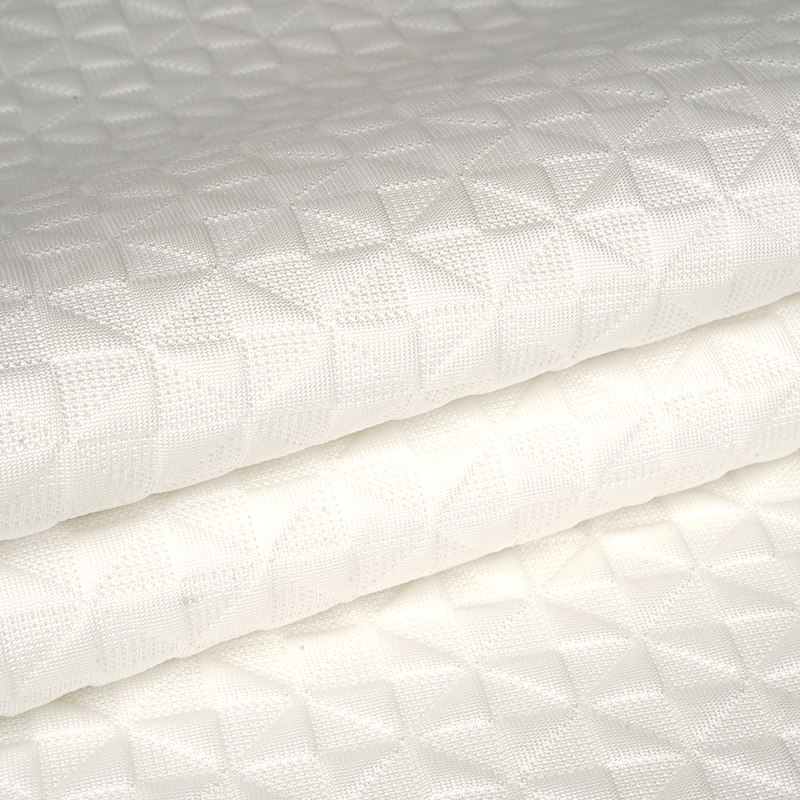
Bamboo Fiber Children Mattress Fabric
8. Designing a Better Children’s Mattress with the Right Fabric
Fabric is only one component of a mattress, but it interacts with every other component. A high-quality final product requires coordination among the textile cover, foam or fiber filling, support structure, ventilation system, zipper, stitching, protective barrier, and care method.
The fabric’s weight should be compatible with the mattress design. A very lightweight material may be suitable for a removable cover or inner layer, while a heavier construction may be preferred for a premium mattress surface or a product expected to withstand frequent handling. The choice should consider comfort, durability, appearance, and manufacturing cost.
Fabric stretch must also be considered. Some mattress designs require a degree of elasticity to follow the contours of foam or quilting. Other designs require a more stable fabric to maintain a smooth, tailored appearance. Too much stretch can create wrinkles or make sewing difficult, while insufficient flexibility may create tension around corners and seams.
Quilting design can change the fabric’s surface feel and performance. Large quilting patterns, small quilting patterns, channel quilting, and decorative stitching each place different demands on the material. Trial production is recommended before confirming a large order.
Closure systems also influence fabric selection. Zippers, hook-and-loop fasteners, elastic bands, piping, and binding can create localized stress. The fabric should be tested at these connection points to verify seam stability and appearance after repeated use.
For removable covers, care instructions should be established early. Washing temperature, drying method, detergent type, ironing, and frequency of cleaning can influence dimensional stability, colorfastness, softness, and functional finishes. A fabric that performs well under one care method may not provide the same results under another.
9. Sustainability and Responsible Material Selection
Bamboo is widely associated with renewable plant resources, and this association can support a sustainability-oriented product story. However, responsible communication requires attention to the complete production process. The environmental profile of a textile depends on raw material cultivation, fiber conversion, chemicals, water use, energy consumption, dyeing, finishing, transportation, product lifetime, and end-of-life treatment.
For this reason, buyers should request clear technical information rather than relying only on general sustainability language. Important questions may include the type of bamboo-derived fiber, the manufacturing route, the blend composition, chemical-management procedures, wastewater treatment, recycled content if any, and relevant certifications.
A durable, comfortable fabric that extends product life can also contribute to responsible consumption. If a mattress cover retains its appearance and performance for a longer period, the product may require fewer replacements. Removable and washable covers may further support maintenance, although washing frequency and energy use should also be considered.
Manufacturers can improve sustainability by controlling material waste, optimizing cutting width, reducing defects, improving dyeing efficiency, managing wastewater, and selecting safer finishing systems. A factory with an established production process is better positioned to identify and reduce avoidable waste throughout the manufacturing cycle.
Customers seeking environmental claims should align those claims with verified documentation. Terms such as eco-friendly, sustainable, green, natural, and biodegradable may have different meanings in different markets. Clear evidence and careful wording help protect consumers and strengthen the credibility of the finished product.
10. Quality and Compliance Considerations
When purchasing bamboo fiber children’s mattress fabric, buyers should establish a written specification before production. The specification may include fiber composition, fabric construction, width, weight, color, finish, tolerance, packaging, inspection standard, and test requirements.
For children’s products, chemical safety should receive particular attention. Depending on the destination market, buyers may need to evaluate restricted substances, formaldehyde, azo dyes, heavy metals, phthalates, flame-retardant chemicals, and other regulated materials. The relevant requirements should be identified according to the country or region where the finished product will be sold.
Colorfastness is another important consideration. Mattress covers may encounter perspiration, water, detergent, friction, and light. Poor colorfastness can lead to staining, fading, or transfer onto other bedding materials. Testing should reflect the intended care and use conditions.
Dimensional stability is critical for removable covers and fitted mattress panels. Excessive shrinkage or skew can lead to poor fitting, wrinkling, zipper stress, or difficulty during assembly. Buyers should evaluate dimensional changes after the proposed washing or finishing process.
Durability tests may include abrasion, pilling, tensile strength, tear strength, seam slippage, and repeated laundering. The appropriate test level depends on whether the product is intended for home use, commercial use, hospitality, institutional use, or frequent portable handling.
Functional claims should be supported by test results. If the fabric is marketed as antibacterial, moisture-resistant, flame-retardant, or sleep-supporting, the buyer should request relevant testing information, test methods, validity periods, and limitations. This is particularly important for products marketed to parents and children.
11. How to Select the Correct Specification
The correct fabric specification begins with the finished product rather than the raw material. Buyers should first define the mattress type, user age group, expected frequency of use, cleaning routine, sales channel, target price, and performance expectations.
For a home children’s mattress, softness, color, comfort, appearance, and washability may be the primary concerns. For a daycare or hotel mattress, abrasion resistance, stain management, cleaning durability, and color retention may receive greater emphasis. For a premium bedding collection, hand feel, surface refinement, design coordination, and functional storytelling may be more important.
Climate should also be considered. Warm and humid environments may require a lighter and more breathable construction, while cooler markets may prefer a slightly heavier fabric with a warmer hand feel. Air-conditioning, heating, mattress ventilation, and bedding thickness all influence the practical comfort of the product.
The choice between knitted and woven construction should be made according to the desired stretch, surface appearance, stability, and application method. Knitted fabrics may provide flexibility and softness, while woven fabrics may offer a more structured appearance and stable dimensions. The best option depends on the design and assembly process.
Buyers should also decide whether they need a standard product or a customized development. Standard products may offer shorter lead times and lower development costs. Customized products can provide more precise performance and appearance but may require sampling, testing, minimum order quantities, and longer preparation time.
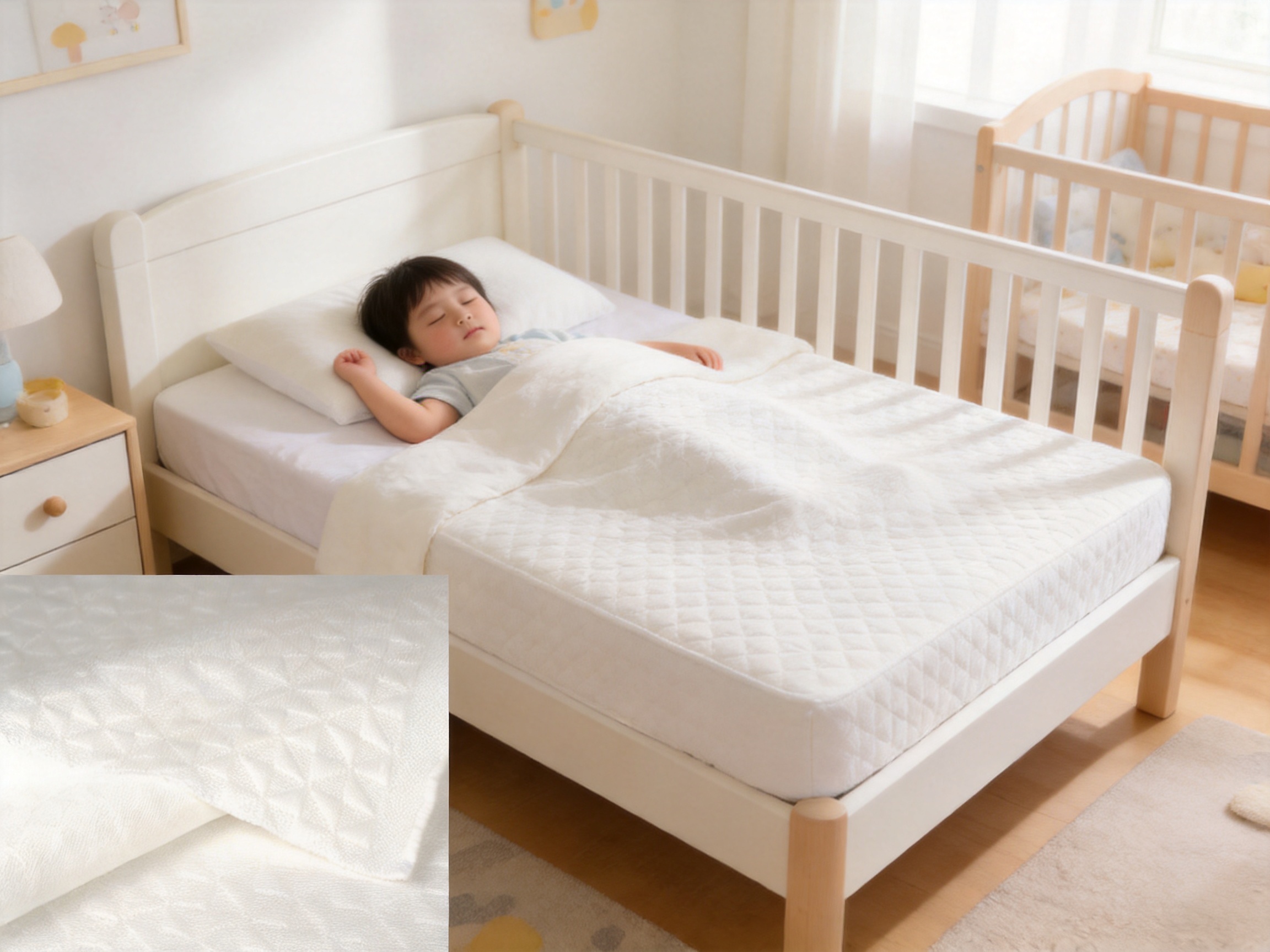
12. Production and Procurement Advantages for Global Buyers
Global buyers often need a supplier that can communicate clearly, manage specifications, provide samples, and maintain consistency across repeat orders. The manufacturer’s location in Hangzhou, Zhejiang Province, provides access to one of China’s important manufacturing regions and a broad industrial supply network.
Efficient communication is essential when purchasing technical textiles. A complete order discussion should cover material composition, construction, color standard, width, weight, packing, inspection, delivery schedule, payment terms, sample approval, and documentation. Misunderstandings in any of these areas can affect the finished product.
A manufacturer with experience in decorative and functional textiles can help buyers translate commercial requirements into production terms. For example, a request for “cool and soft” may need to become a specific combination of fiber content, fabric weight, construction, finishing, and hand-feel approval. A request for “easy to clean” may require a defined test method and care procedure.
Factory capabilities also support repeat-order management. Once a product has been approved, the manufacturer should maintain a reference standard for color, construction, hand feel, and performance. This helps reduce variation between the original sample and later production runs.
For export customers, packaging and roll protection are also relevant. Fabric should be packed to prevent contamination, moisture damage, crushing, and unnecessary creasing during storage and transportation. The packing method should match the buyer’s warehouse and converting process.
13. Product Development Workflow
Step 1: Define the Application
Identify whether the fabric will be used for a removable mattress cover, quilted panel, side panel, nap mat, pillowcase, topper, or upholstered product. Record the expected use intensity and care method.
Step 2: Confirm Performance Requirements
Establish the desired softness, breathability, moisture behavior, durability, stretch, abrasion resistance, colorfastness, dimensional stability, and any antibacterial, moisture-resistant, flame-retardant, or other functional requirements.
Step 3: Develop the Initial Sample
The manufacturer prepares a sample based on the agreed material and construction requirements. The buyer evaluates appearance, hand feel, color, weight, width, stretch, and compatibility with the intended mattress components.
Step 4: Conduct Application Trials
The fabric should be cut, sewn, quilted, fitted, and washed according to the planned production process. This stage can reveal issues that are not visible in a loose fabric sample.
Step 5: Test and Approve
Relevant laboratory and performance tests should be completed. The buyer approves a reference sample and confirms the technical specification, tolerance, packaging, and inspection method.
Step 6: Begin Controlled Production
Mass production should follow the approved reference. In-process inspections and finished roll checks help maintain consistency. Any changes to yarn, finishing, color, or construction should be communicated and approved before implementation.
Step 7: Review Repeat Orders
After the first production cycle, the buyer and manufacturer should review sewing performance, washing results, customer feedback, and any quality issues. This information can support continuous improvement in later orders.
14. Frequently Asked Questions
Q1: What is bamboo fiber children’s mattress fabric used for?
It is primarily used for children’s mattress covers, quilted mattress panels, side panels, nap mats, pillowcases, mattress toppers, and related bedding or soft furnishing products. The exact application depends on the fabric’s construction, weight, stretch, durability, and finishing.
Q2: Is bamboo fiber fabric suitable for sensitive children’s skin?
Its soft and smooth hand feel can be suitable for comfort-oriented children’s products. However, suitability depends on the complete fabric specification, dyeing and finishing process, chemical compliance, and the finished product’s construction. Buyers should request relevant safety and chemical test documentation for their target market.
Q3: Does bamboo fiber fabric keep a mattress cool?
The fabric can contribute to a breathable and moisture-comfortable mattress surface, but the overall cooling performance depends on the entire mattress system. Foam type, ventilation, filling, mattress thickness, room temperature, bedding, and fabric construction all affect the final result.
Q4: Can the fabric be customized?
Customization may be available for color, weight, width, pattern, surface texture, blend, fabric construction, and functional finishing. The available options depend on technical feasibility, minimum order quantity, development time, and testing requirements.
Q5: Can antibacterial functionality be added?
Functional treatments associated with antibacterial performance may be developed according to the product specification. Any antibacterial claim should be supported by an appropriate test method and documentation. Buyers should also confirm the expected durability of the treatment after washing or cleaning.
Q6: Is the fabric washable?
Washability depends on the specific fabric construction, fiber composition, dyeing, finishing, and mattress design. A removable cover may be washable if the fabric and supporting components are designed for it. Washing temperature, detergent, drying method, and frequency should be confirmed before mass production.
Q7: Can the fabric be used for hotels or childcare facilities?
It may be suitable for hospitality, childcare, or commercial applications if its durability, cleaning resistance, colorfastness, chemical compliance, and functional performance meet the requirements of those environments. Commercial use usually requires more extensive testing than occasional residential use.
Q8: How does bamboo fiber fabric compare with polyester?
Polyester can provide strength, stable dimensions, rapid drying, and competitive pricing. Bamboo fiber fabric is often selected for its soft touch, breathable comfort, and plant-associated product positioning. The best choice depends on the performance, cost, appearance, and marketing requirements of the finished mattress.
Q9: How does it compare with cotton?
Cotton is familiar, comfortable, and widely used in bedding. Bamboo fiber fabric offers another comfort-oriented option with a distinctive material identity and potential for moisture-management or functional finishing. Actual performance depends on the construction, blend, finishing, and testing of each fabric.
Q10: What information should buyers provide when requesting a quotation?
Buyers should provide the intended application, fabric composition, desired width and weight, color or pattern, annual quantity, order quantity, functional requirements, testing standards, packaging needs, delivery destination, and target delivery schedule. A physical reference sample or clear specification can improve quotation accuracy.
Q11: Can the fabric be used for mattress quilting?
It may be suitable for quilting if its weight, stability, surface, and sewing behavior match the quilting process. Buyers should conduct a trial using the intended batting, thread, needle, quilting density, and machine settings before approving mass production.
Q12: What makes an experienced manufacturer valuable?
An experienced manufacturer can help with material selection, fabric construction, sample development, finishing, quality control, application trials, and repeat-order consistency. This reduces the risk of choosing a fabric that looks attractive but performs poorly during mattress production or daily use.
15. Why Choose a Specialized Functional Textile Manufacturer
A specialized manufacturer offers more than production capacity. It provides technical judgment, process knowledge, development support, and the ability to connect fabric properties with the requirements of a finished product. This is particularly important for children’s mattresses because comfort, safety, appearance, hygiene, and durability must be balanced carefully.
Hangzhou Xinsili Decorative Fabric Weaving Co., Ltd. combines functional decorative textile development with manufacturing experience. Its focus on safe, healthy, comfortable, and sustainable living spaces aligns with the needs of modern children’s bedding products. The company’s stated values of craftsmanship-driven manufacturing, design innovation, and win-win collaboration support a customer-oriented approach to textile development.
The company’s product range includes fabrics intended for mattresses, children’s mattresses, pillowcases, pregnancy pillows, cooling mats, bedding, sofas, and pet-friendly applications. This broader product experience can help buyers develop coordinated textile solutions across different categories rather than sourcing every material from a separate supplier.
For a buyer developing a new children’s mattress, this may simplify communication and improve consistency. A single experienced textile partner can potentially support the cover fabric, pillowcase fabric, mattress accessories, and other related soft furnishings, subject to technical suitability and order requirements.
16. Final Assessment
Bamboo Fiber Children Mattress Fabric is a versatile material for manufacturers seeking a combination of softness, breathability, attractive appearance, functional development potential, and application flexibility. It is particularly appropriate for children’s mattresses and related bedding products where comfort and hygiene-oriented design are important purchasing considerations.
Its advantages over basic commodity fabrics include a smooth comfort-oriented hand feel, a distinctive bamboo-associated material story, potential moisture-management benefits, flexible design options, and compatibility with additional functional finishing. Compared with conventional materials, it offers a useful balance between premium perception and practical manufacturing performance.
The final quality of the fabric depends on much more than the fiber name. Yarn selection, fabric construction, dyeing, finishing, testing, quality control, and application trials all contribute to the result. Buyers should therefore evaluate the complete technical specification and confirm performance through samples and testing.
Hangzhou Xinsili Decorative Fabric Weaving Co., Ltd. supports this product with 19 years of industry experience, a 12,000-square-meter factory area, functional textile expertise, research and development capabilities, and National High-Tech Enterprise recognition received in 2023. These strengths provide a foundation for customized development and consistent production.
For mattress manufacturers, bedding brands, furniture companies, hotels, childcare facilities, and other professional buyers, the fabric offers a practical route to developing more comfortable and differentiated children’s sleep products. With careful specification, responsible testing, and close cooperation between buyer and manufacturer, bamboo fiber children’s mattress fabric can become a valuable component of safe, attractive, and high-quality bedding collections.
References
1. Company-provided product information for Bamboo Fiber Children Mattress Fabric.
2. Company-provided profile of Hangzhou Xinsili Decorative Fabric Weaving Co., Ltd.
3. General principles of textile fiber identification, fabric construction, and performance evaluation.
4. General guidance on textile colorfastness, dimensional stability, abrasion resistance, pilling, and seam performance testing.
5. General guidance on chemical safety and restricted substances in children’s textile products.
6. General principles of sustainable textile production, material traceability, finishing control, and responsible environmental communication.
7. General mattress manufacturing practices covering quilting, sewing, removable covers, ventilation, care labeling, and application testing.
Product: Bamboo Fiber Children Mattress Fabric
Our Featured Products
-
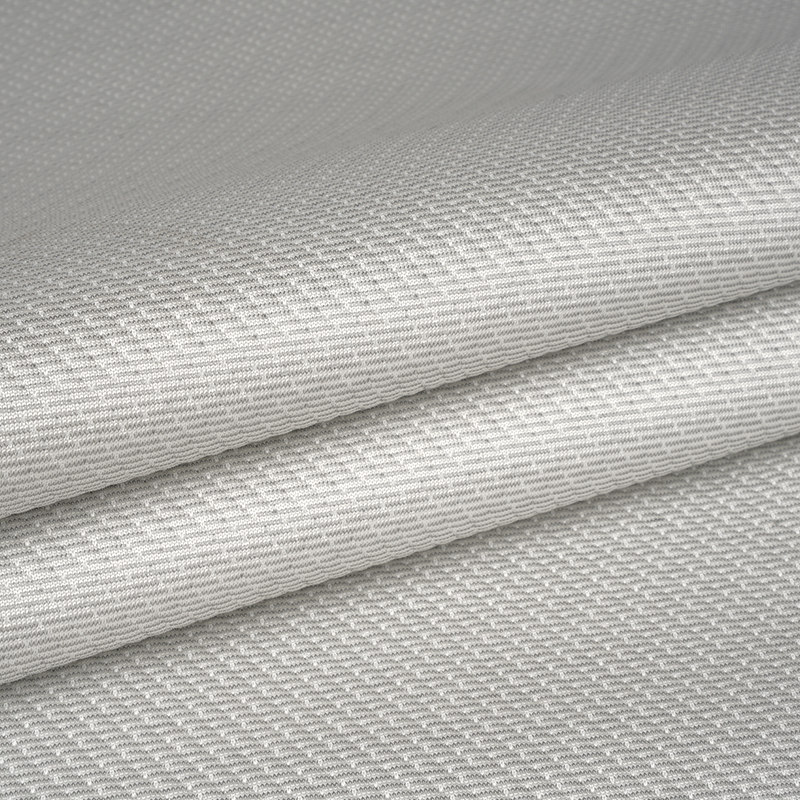
Bamboo Fiber Children Mattress Fabric
Bamboo Fiber Children Mattress Fabric
-
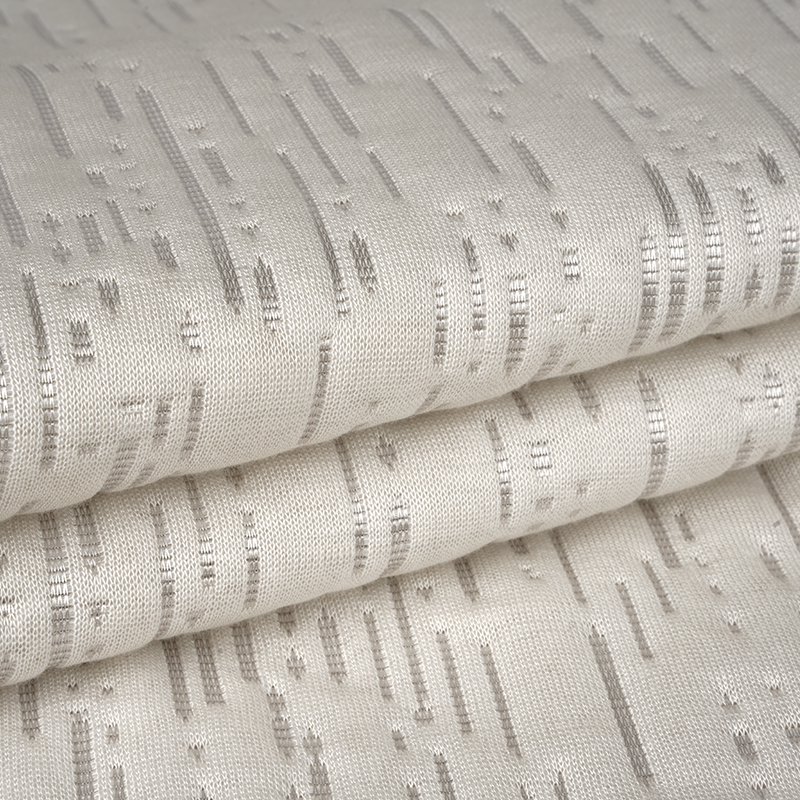
Antibacterial Yarn Children Mattress Fabric
Antibacterial Yarn Children Mattress Fabric
-
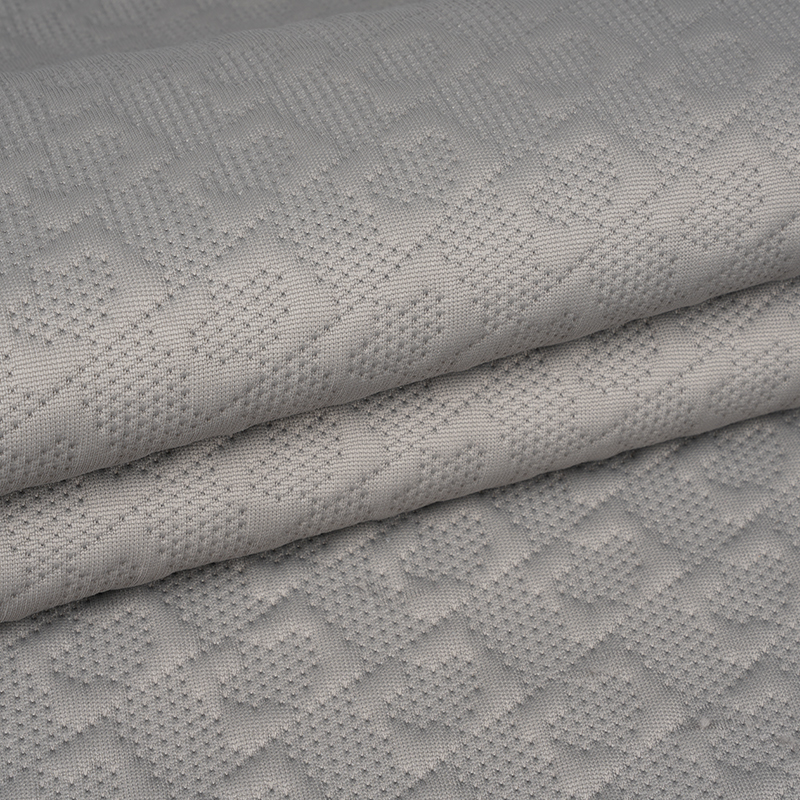
Antibacterial Yarn Children Mattress Fabric
Antibacterial Yarn Children Mattress Fabric
Haven’t Found The Products You Want?
-
-
Shen Jinyan:+86-15158070676
[email protected]
Liang Jinwen:+86-15757186621
[email protected]
Qiu Yingyingn:+86-13819545790
[email protected]
Yi qiao Town, Xiaoshan District, Hangzhou City, Zhejiang Province, China
-
Products
Mattress Fabric Children Mattress Fabric Pillowcase Fabric Pregnancy Pillow Fabric Cooling Mat Fabric Bedding Fabric Sofa Fabric Pet Friendly Fabrics -
Contact Information
About Us Products Strength Sustainability News Contact Us
Copyright © Hangzhou Xinsili Decorative Fabric Weaving Co.,Ltd. All Rights Reserved.
Functional Decorative Textile Manufacturers
