

 English
 中文简体
中文简体 Español
 عربى
عربى русский


Antibacterial Yarn Sofa Fabric for Healthier, Longer-Lasting Upholstery
Content
- 1 Understanding Antibacterial Yarn Sofa Fabric
- 2 Why Antibacterial Performance Matters in Sofa Upholstery
- 3 Advantages Over Conventional Sofa Fabrics
- 4 Performance Comparison
- 5 Material Design and Yarn-Level Function
- 6 Advanced Weaving for Strength and Decorative Texture
- 7 Finishing Technology and Functional Enhancement
- 8 Quality Control from Raw Material to Finished Fabric
- 9 Comfort and Human-Centered Design
- 10 Design Flexibility for Modern Interiors
- 11 Applications in Residential Spaces
- 12 Applications in Hotels and Hospitality
- 13 Applications in Commercial and Public Spaces
- 14 Pet-Friendly Living and Antibacterial Upholstery
- 15 Sustainability and Responsible Material Thinking
- 16 Manufacturing Strength of Hangzhou Xinsili Decorative Fabric Weaving Co., Ltd.
- 17 Customization for Different Market Needs
- 18 How the Fabric Supports Furniture Brand Competitiveness
- 19 Care and Maintenance Considerations
- 20 Important Selection Criteria for Buyers
- 21 Q&A: Antibacterial Yarn Sofa Fabric
- 21.1 What is Antibacterial Yarn Sofa Fabric?
- 21.2 Is antibacterial sofa fabric a substitute for cleaning?
- 21.3 Where can this fabric be used?
- 21.4 How does it differ from ordinary sofa fabric?
- 21.5 Can the fabric be customized?
- 21.6 Does the fabric still feel soft?
- 21.7 Is it suitable for hotels?
- 21.8 Is it useful for pet owners?
- 21.9 Why choose Hangzhou Xinsili Decorative Fabric Weaving Co., Ltd.?
- 21.10 What should buyers confirm before ordering?
- 22 Conclusion
- 23 References
Antibacterial Yarn Sofa Fabric is an advanced decorative textile engineered for the modern sofa market, where appearance, comfort, hygiene, durability, and practical maintenance all matter at the same time.
In residential living rooms, hotel lounges, commercial reception areas, serviced apartments, healthcare waiting spaces, and pet-friendly interiors, sofa upholstery is touched, leaned on, sat on, and used every day by different people in different conditions.
Because upholstered furniture is exposed to body contact, moisture, dust, food particles, pet dander, and indoor microorganisms, fabric performance is no longer judged only by color, texture, or price.
Today, buyers increasingly expect sofa fabrics to deliver functional value, including antibacterial protection, breathable comfort, wear resistance, stable color, easy cleaning, and a refined decorative look.
Antibacterial Yarn Sofa Fabric answers this demand by integrating antibacterial performance into the yarn system itself, rather than treating hygiene as a superficial afterthought.
This approach supports more stable function, better usability, and a cleaner experience throughout the service life of upholstered furniture.
Hangzhou Xinsili Decorative Fabric Weaving Co., Ltd. focuses on functional decorative textiles for home, hotel, and commercial spaces, and this product reflects the company’s emphasis on craftsmanship-driven manufacturing, design innovation, and reliable quality.
With 19 years of industry experience, a 12,000 square meter factory area, and recognition as a National High-Tech Enterprise in 2023, the company has built a manufacturing foundation that supports consistent textile development from yarn selection and weaving to finishing, inspection, and customization.
For furniture manufacturers, interior designers, wholesalers, hospitality contractors, and project buyers, Antibacterial Yarn Sofa Fabric is not simply a decorative covering; it is a performance material designed to help build safer, healthier, more comfortable, and more durable interior spaces.
Understanding Antibacterial Yarn Sofa Fabric
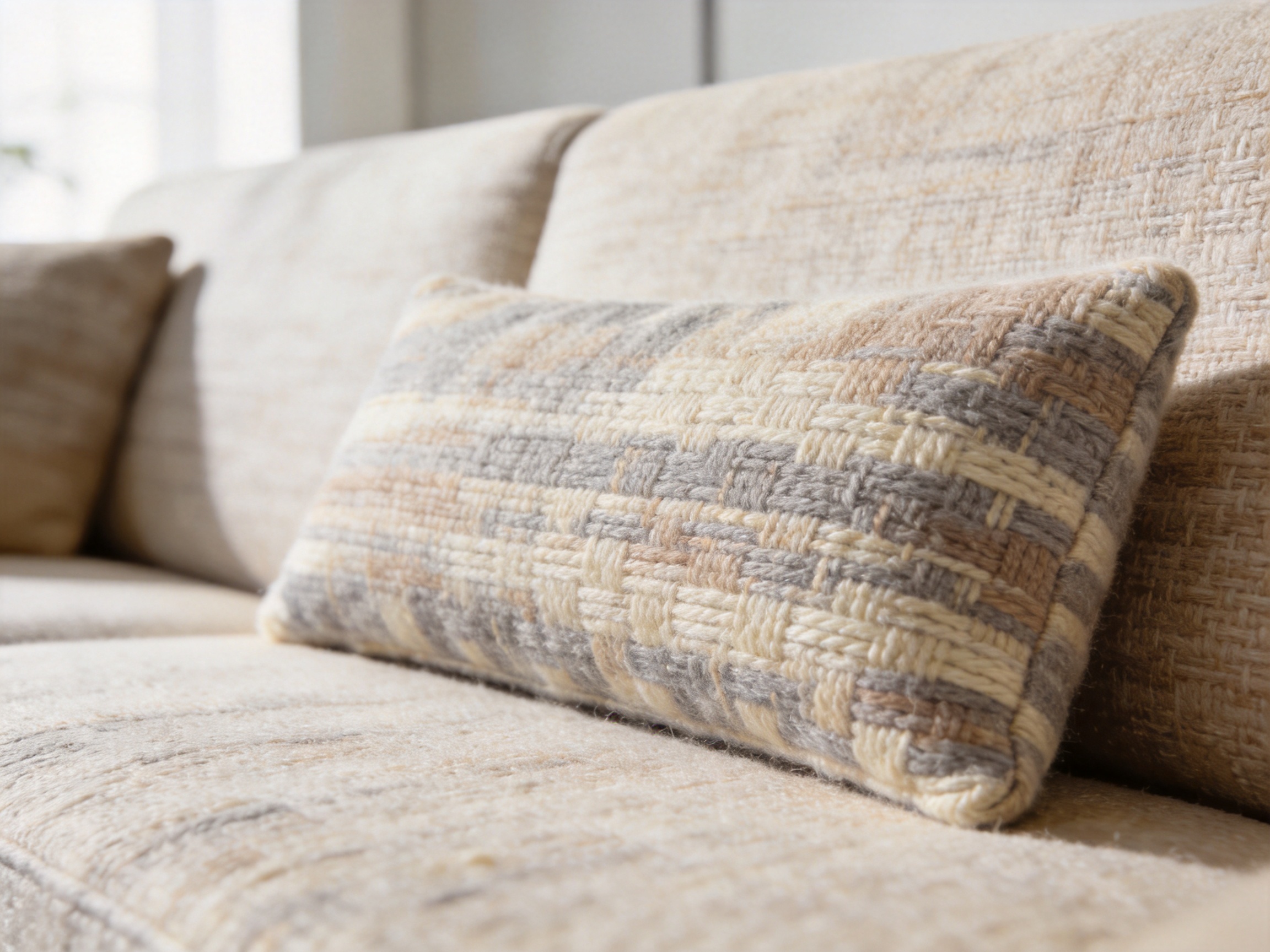
Antibacterial Yarn Sofa Fabric is a woven decorative upholstery textile made with yarns designed to inhibit the growth of selected bacteria on the fabric surface under appropriate conditions.
The key idea is that antibacterial performance is associated with the yarn structure or yarn treatment, allowing the fabric to provide functional value while retaining the tactile and visual qualities expected of sofa upholstery.
Unlike ordinary upholstery fabrics that focus mainly on appearance, this fabric is designed to combine surface beauty with measurable practical performance.
Its antibacterial function can help reduce odor development caused by bacterial activity on textiles, support cleaner daily use, and improve confidence in high-contact furniture environments.
It is important to understand that antibacterial fabric is not a replacement for normal cleaning, ventilation, or hygiene management.
However, when properly manufactured and tested, it can become an important part of a broader clean-interior strategy, especially in spaces where many users share the same furniture.
For sofas, the fabric must withstand repeated friction, compression, stretching, and contact with clothing, hands, pets, and cleaning tools.
Therefore, antibacterial performance alone is not enough.
A successful antibacterial sofa fabric must also offer strength, dimensional stability, softness, color coordination, resistance to pilling, resistance to abrasion, and compatibility with furniture manufacturing processes.
Hangzhou Xinsili’s product development approach is centered on this balance between function and decoration.
The company serves markets such as mattress fabric, children mattress fabric, pillowcase fabric, pregnancy pillow fabric, cooling mat fabric, bedding fabric, sofa fabric, and pet friendly fabrics, giving it broad experience in textiles that must touch the body and perform under daily use.
This cross-category knowledge is valuable because the requirements of comfort textiles and upholstery textiles increasingly overlap.
Consumers want sofa fabrics that feel comfortable like bedding fabrics, perform reliably like mattress fabrics, and resist daily messes like pet-friendly fabrics.
Antibacterial Yarn Sofa Fabric is positioned at this intersection of comfort, function, and decorative quality.
Why Antibacterial Performance Matters in Sofa Upholstery
Sofas are among the most frequently used furniture items in indoor life.
They are used for relaxing, entertaining guests, watching television, reading, working from home, caring for children, and resting with pets.
In commercial environments, sofas and lounge chairs may serve dozens or even hundreds of users every week.
Each contact can transfer moisture, oils, particles, and microorganisms to the fabric surface.
While many of these are harmless in normal conditions, accumulated contamination can contribute to unpleasant odors, visible soiling, and a reduced feeling of cleanliness.
Traditional sofa fabrics may look attractive when new, but in high-use environments they can quickly show weakness if they are not designed for hygiene and performance.
Odor retention, surface fuzzing, fading, deformation, and difficult cleaning can all shorten the perceived life of furniture.
Antibacterial yarn technology helps address one of the most sensitive aspects of upholstery: the desire for a cleaner surface experience.
By helping inhibit bacterial growth on the textile surface, the fabric can support freshness and reduce the conditions that may lead to odor.
This is especially meaningful for family homes with children, senior living areas, boutique hotels, co-working spaces, rental apartments, and pet-friendly interiors.
In these environments, furniture must look welcoming while also giving users confidence.
Interior design trends have also changed.
Soft surfaces, warm textures, natural color palettes, and comfortable furniture layouts are popular in homes and commercial spaces.
As more interior environments use upholstered surfaces to create a relaxed atmosphere, the need for functional upholstery becomes stronger.
Antibacterial Yarn Sofa Fabric allows designers to preserve softness and style without ignoring practical hygiene concerns.
It helps bridge the gap between aesthetic design and functional wellness.
Advantages Over Conventional Sofa Fabrics
Compared with conventional sofa fabrics, Antibacterial Yarn Sofa Fabric offers a more complete value proposition.
Ordinary upholstery fabrics may provide color and texture, but they often rely on basic fiber selection and simple finishing.
They may perform acceptably in low-use settings, but they can struggle in demanding real-world environments where hygiene, wear resistance, and appearance retention are all required.
Antibacterial Yarn Sofa Fabric provides a differentiated advantage because its function is planned from the material stage.
Instead of adding a temporary surface effect after weaving, the fabric is developed with functional yarn thinking, structural stability, and finishing compatibility.
This can help create longer-lasting performance and more dependable quality consistency.
Another advantage is user comfort.
Some functional fabrics in the market feel stiff, plastic-like, or overly technical.
A sofa fabric, however, must invite people to sit and relax.
The product is designed to maintain a comfortable hand feel, suitable thickness, and decorative appearance while still supporting antibacterial performance.
This balance is particularly important for furniture brands that do not want to sacrifice style for function.
There is also an advantage in market positioning.
Furniture made with antibacterial yarn sofa fabric can be marketed as more suitable for health-conscious homes, hospitality spaces, family rooms, and shared interiors.
It gives manufacturers a clear selling point beyond color and price.
In a competitive furniture market, where many sofas may look similar from a distance, functional fabric can create meaningful differentiation.
For project buyers, the advantage is practical.
Better upholstery durability can reduce replacement frequency, cleaning pressure, and customer complaints.
For retailers, antibacterial function is easy to explain to consumers because it relates directly to daily life.
For designers, it expands the material selection available for wellness-oriented interiors.
Performance Comparison
| Evaluation Area | Antibacterial Yarn Sofa Fabric | Conventional Sofa Fabric | Buyer Benefit |
|---|---|---|---|
| Hygiene Support | Designed to help inhibit bacterial growth on the textile surface when properly specified and tested | Usually has no dedicated antibacterial function | Cleaner user experience and improved freshness |
| Odor Control | Helps reduce odor development associated with bacterial activity | May absorb and retain odors more easily | More pleasant use in homes, hotels, and shared spaces |
| Durability | Engineered with attention to yarn strength, weave stability, and finishing compatibility | Performance depends heavily on basic material grade | Longer usable life and better value |
| Comfort | Developed to combine function with a soft, decorative hand feel | May be comfortable but often lacks added functional value | Suitable for daily seating and relaxation |
| Design Flexibility | Can support different textures, colors, and upholstery styles | Available in many styles but with fewer functional options | Easy integration into residential and commercial designs |
| Commercial Suitability | Appropriate for high-contact environments when matched with required specifications | May require more frequent replacement in demanding areas | Supports hotels, offices, lounges, and rental spaces |
Material Design and Yarn-Level Function
The yarn is the foundation of fabric performance.
If the yarn is weak, inconsistent, poorly spun, or incompatible with functional finishing, the final fabric cannot deliver stable quality.
Antibacterial Yarn Sofa Fabric begins with careful yarn selection and material planning.
Depending on customer requirements, the yarn system may be developed to balance antibacterial performance with strength, softness, elasticity, moisture behavior, and visual texture.
Yarn-level antibacterial design is valuable because it can improve the uniformity of function across the fabric.
When function is considered at the yarn stage, antibacterial performance can be distributed more consistently through the textile structure.
This helps avoid the common problem of uneven surface treatment, where some areas perform better than others.
Yarn quality also influences abrasion resistance.
Sofa upholstery experiences repeated rubbing from clothing, cushions, and human movement.
High-quality yarn selection helps the fabric resist yarn breakage, fuzzing, and pilling.
It also contributes to a more stable woven surface and better long-term appearance.
Another important factor is color performance.
Decorative sofa fabrics must meet design requirements, and color consistency across batches is essential for furniture production.
Stable yarn properties support dyeing or color development and reduce visible variation in finished fabric.
For buyers who order large quantities for sofa sets, hotel rooms, or commercial projects, batch consistency is a major quality concern.
Hangzhou Xinsili’s manufacturing experience helps manage these details through material control, process control, and inspection.
Advanced Weaving for Strength and Decorative Texture
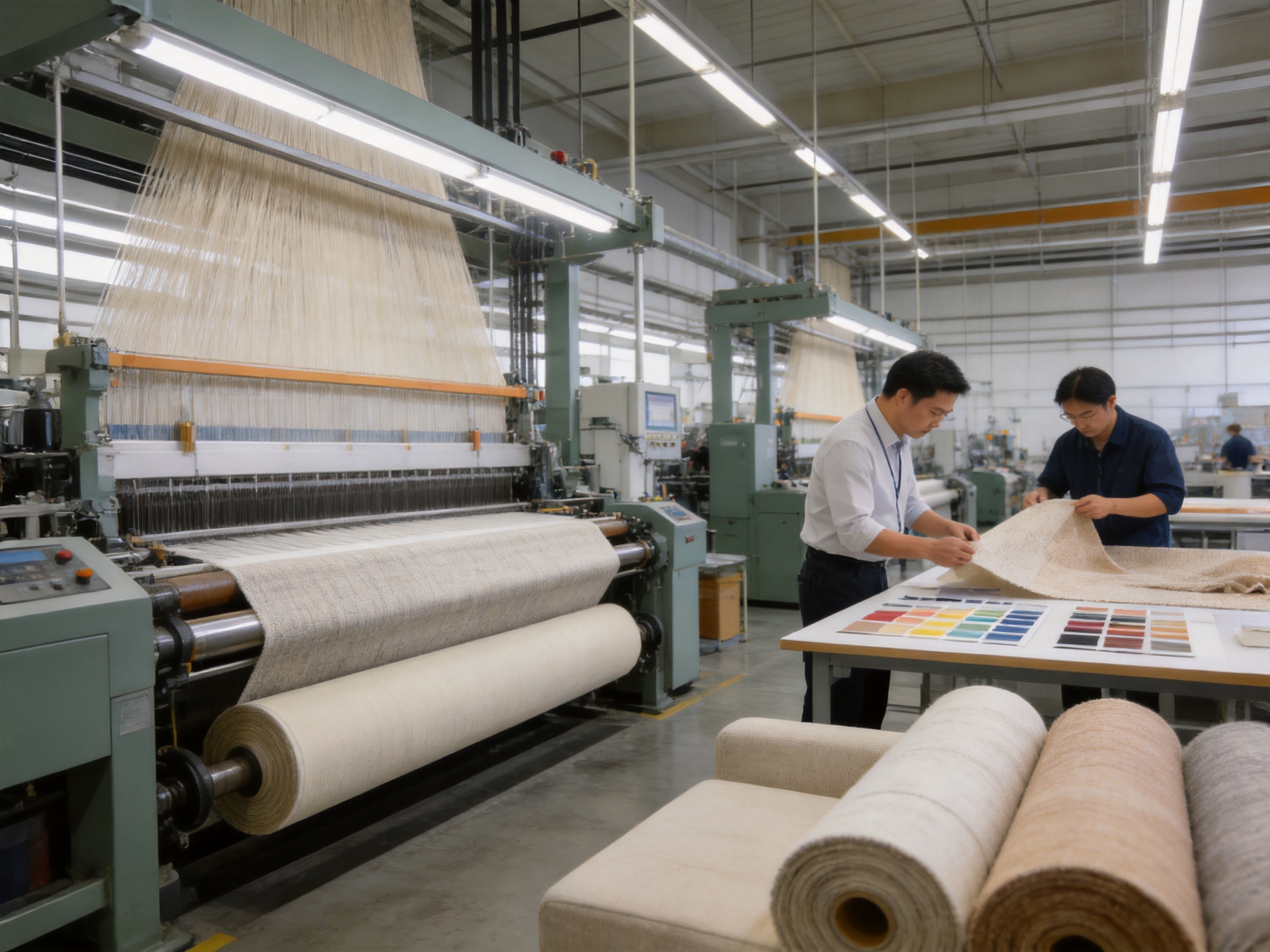
Weaving is where yarn becomes fabric, and the quality of weaving determines much of the final textile’s appearance and mechanical behavior.
A sofa fabric must be attractive enough for interior decoration and strong enough for repeated seating use.
Advanced weaving processes allow the fabric to achieve controlled density, stable structure, suitable thickness, and refined surface texture.
Hangzhou Xinsili Decorative Fabric Weaving Co., Ltd. specializes in decorative fabric weaving, which is especially relevant for this product.
The company’s focus on precision manufacturing supports consistent fabric width, pattern alignment, surface uniformity, and structural reliability.
In upholstery production, small weaving defects can lead to significant waste.
A visible slub, broken yarn, uneven density area, or unstable edge can reduce cutting efficiency and damage the appearance of the finished sofa.
By controlling weaving parameters, the manufacturer can reduce defects and improve customer yield.
Weave structure also affects comfort.
A fabric that is too loose may deform, snag, or lose shape.
A fabric that is too tight may feel hard and reduce seating comfort.
The ideal upholstery structure must balance strength with a pleasant touch.
For Antibacterial Yarn Sofa Fabric, the weave must also preserve the functional performance of the yarn and allow any finishing processes to work effectively.
Decorative possibilities include plain textures, fine geometric surfaces, soft brushed effects, subtle patterns, modern minimalist looks, and warmer home-style textures.
This versatility allows the fabric to serve many furniture styles, from contemporary sofas to hotel lounge seating and family sectionals.
Finishing Technology and Functional Enhancement
After weaving, finishing processes refine the fabric’s hand feel, dimensional stability, cleanliness, and functional performance.
Finishing may include heat setting, softening, surface treatment, cleaning, inspection preparation, and other processes depending on the final specification.
For antibacterial sofa fabric, finishing must be carefully controlled so that the fabric remains comfortable while preserving its functional benefits.
Poor finishing can create problems such as harsh touch, unstable shrinkage, inconsistent shade, reduced breathability, or weakened antibacterial performance.
Advanced finishing aims to improve the fabric without overprocessing it.
Softness is especially important because sofa fabric is in close contact with the body.
A refined hand feel makes the sofa more inviting and improves the perceived quality of the furniture.
Dimensional stability is also essential.
During upholstery cutting, sewing, stretching, and installation, fabric must maintain predictable behavior.
If fabric stretches unevenly or shrinks after processing, the final sofa may show wrinkles, distortion, or misaligned seams.
Functional finishing can also be combined with other performance requirements when specified.
For example, customers may request moisture-resistant features, flame-retardant performance, enhanced abrasion resistance, or pet-friendly properties depending on market regulations and end-use needs.
Because the company works with functional decorative textiles across multiple categories, it has experience integrating different performance directions into fabric development.
This is an advantage over suppliers that only offer basic decorative fabric without deeper functional capability.
When finishing is managed properly, the result is a sofa fabric that feels natural, looks refined, and performs reliably in daily use.
Quality Control from Raw Material to Finished Fabric
Reliable quality is one of the most important reasons to choose a professional functional textile manufacturer.
Antibacterial Yarn Sofa Fabric requires more than attractive samples; it requires production consistency.
A buyer may approve a sample, but the real test is whether bulk production matches the sample in color, texture, weight, width, strength, and function.
Hangzhou Xinsili’s manufacturing philosophy emphasizes stable, practical, and reliable products.
This is especially important for upholstery fabric because furniture manufacturers depend on predictable material behavior.
Quality control begins with raw material inspection.
Yarns must be checked for suitability, consistency, and compatibility with the planned fabric structure.
During weaving, process monitoring helps detect yarn breakage, density variation, surface defects, and edge problems.
After weaving, greige fabric inspection can identify issues before finishing.
During finishing, parameters must be controlled to ensure softness, stability, color appearance, and functional integrity.
Final inspection may include visual checks, width measurement, weight verification, shade evaluation, hand-feel review, packaging inspection, and performance testing according to customer requirements.
For antibacterial performance, recognized testing methods may be used depending on buyer specifications and target market.
Testing helps confirm that the fabric meets the claimed function and gives customers documentation for product development and marketing.
Quality control also includes communication.
Professional suppliers must understand customer requirements clearly before production begins.
For example, a fabric for a family sofa may prioritize softness and color warmth, while a hotel project may prioritize abrasion resistance, flame-retardant compliance, and batch consistency.
A pet-friendly sofa fabric may need enhanced snag resistance and easy-clean properties.
By aligning product specifications with real applications, the company helps customers avoid unsuitable material choices and reduce production risk.
Comfort and Human-Centered Design
Antibacterial function is important, but a sofa fabric must also feel good.
People do not interact with upholstery as a laboratory material; they experience it through touch, temperature, softness, support, and visual comfort.
Human-centered textile design considers how the fabric behaves during everyday life.
When someone sits on a sofa, the fabric should not feel sticky, rough, cold in an unpleasant way, or irritating.
It should support relaxation and make the furniture feel welcoming.
The fabric should also coordinate with the cushion structure beneath it.
A well-designed upholstery textile contributes to the overall comfort of the sofa by allowing appropriate surface movement and maintaining a pleasant hand feel.
Breathability is another consideration.
In warm climates or heavily used indoor spaces, fabrics that trap too much heat and moisture can feel uncomfortable.
While sofa fabric is not expected to perform like active sportswear, moisture behavior and air permeability still influence comfort.
Antibacterial Yarn Sofa Fabric can be developed with attention to comfort-improving properties, reflecting the company’s broader experience in bedding, pillowcase, mattress, pregnancy pillow, and cooling mat fabrics.
These product categories require strong awareness of skin contact, softness, and long-duration use.
That knowledge supports the development of sofa fabrics that are not only durable but also pleasant to live with.
A comfortable antibacterial sofa fabric is especially valuable for families with children.
Children often sit, lie, jump, and play on sofas, making both softness and hygiene support important.
It is also useful for senior living spaces, where comfort, cleanliness, and low-maintenance materials are valued.
Design Flexibility for Modern Interiors
Decorative textiles must serve design vision.
No matter how functional a fabric is, it must still satisfy the visual language of the space.
Antibacterial Yarn Sofa Fabric can be designed in a range of colors, textures, and styles to support different furniture lines and interior concepts.
For modern minimalist interiors, the fabric can be developed in calm neutral tones such as gray, beige, cream, taupe, charcoal, and soft brown.
For warmer residential settings, textured surfaces can create depth and a sense of comfort.
For hotel and commercial spaces, more structured weaves or sophisticated tones may be selected to convey professionalism and durability.
For family and pet-friendly markets, mid-tone colors and practical textures can help hide minor daily marks while remaining stylish.
The advantage of working with a functional decorative textile manufacturer is that customers can discuss both performance requirements and aesthetic direction.
Some suppliers offer only standard patterns, while others offer function without design richness.
A strong manufacturer can integrate both.
Hangzhou Xinsili’s vision of “Weaving Beautiful Spaces” reflects this combination of technical textile development and interior decoration value.
Design flexibility also supports brand differentiation for furniture makers.
A furniture company can use antibacterial yarn sofa fabric to create a product series that communicates health, comfort, and durability.
Different colors and textures can be used for different customer groups while keeping the same core functional advantage.
This helps simplify sourcing and strengthen marketing consistency.
For project buyers, custom fabric development can support the identity of hotels, serviced apartments, office lounges, and public waiting areas.
The material becomes part of the space experience.
Applications in Residential Spaces
In the home, the sofa is often the center of daily life.
Families gather on it after work and school, guests sit on it during visits, children play on it, and pets may sleep on it.
This high-contact role makes the sofa a natural candidate for functional upholstery.
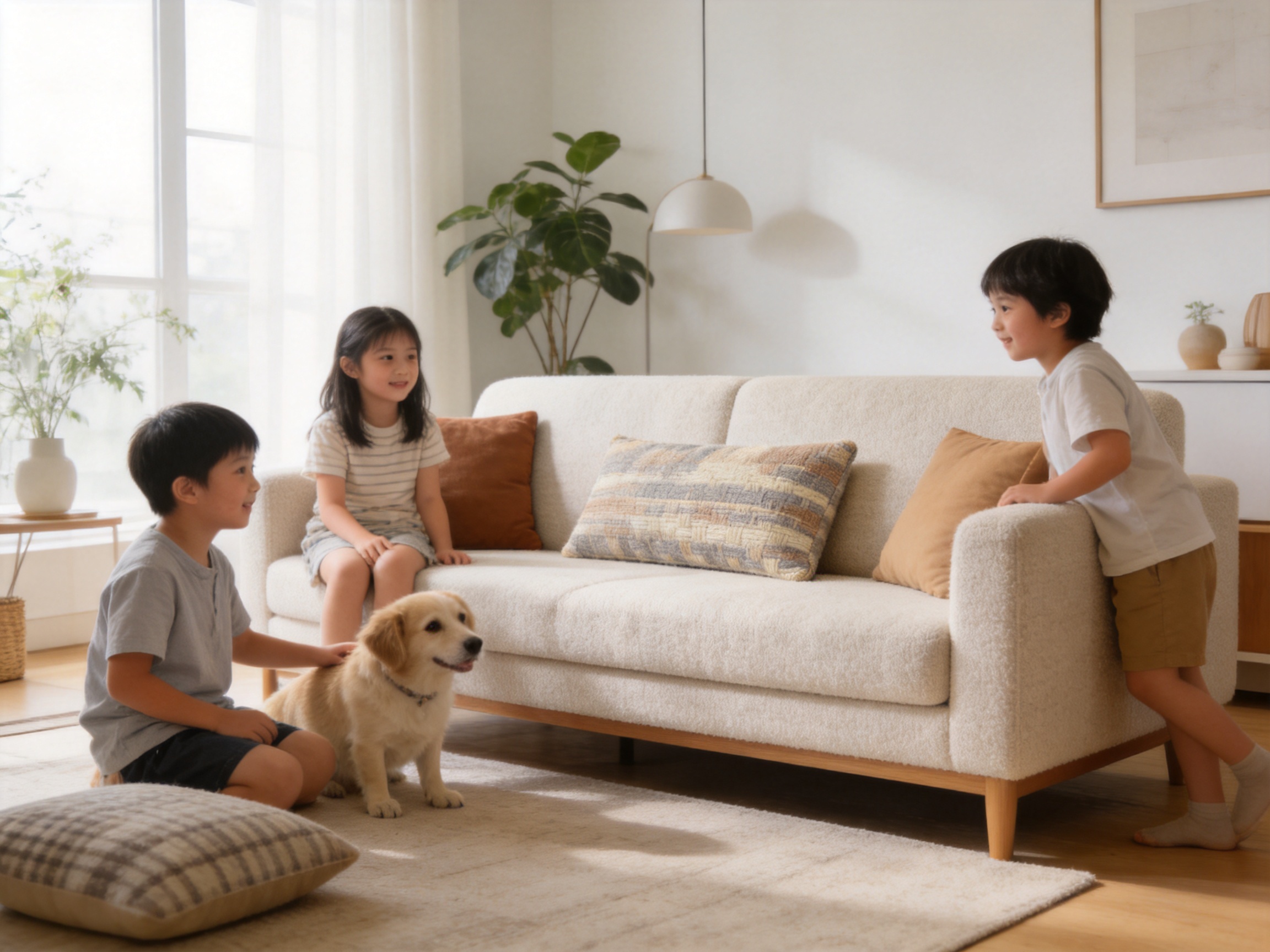
Antibacterial Yarn Sofa Fabric can help homeowners maintain a fresher and more comfortable living environment.
Its antibacterial function is particularly attractive in homes where people are concerned about cleanliness but do not want furniture that looks clinical or industrial.
The fabric keeps a decorative appearance while providing added functional value.
For apartments and compact homes, where living spaces may also function as work areas, dining areas, or guest rooms, a cleaner and more durable sofa fabric is highly practical.
For households with children, upholstery faces spills, crumbs, sweat, and frequent touch.
While cleaning remains necessary, antibacterial fabric can help support better freshness between cleanings.
For households with pets, sofa fabric must handle hair, contact, and occasional messes.
When combined with pet-friendly textile design features, antibacterial yarn fabric can support furniture that is more suitable for modern family life.
Another residential benefit is long-term value.
Consumers may invest significant money in a sofa, and they expect it to remain attractive for years.
Fabric that resists odor, wear, and surface deterioration helps preserve the sofa’s perceived quality.
As wellness-oriented living becomes more popular, antibacterial upholstery also supports the broader trend toward healthier homes.
Applications in Hotels and Hospitality
Hotels, resorts, serviced apartments, and guest lounges require fabrics that can handle frequent use by many different people.
Hospitality upholstery must look elegant, feel comfortable, clean efficiently, and maintain appearance despite high turnover.
Antibacterial Yarn Sofa Fabric is well suited to this environment because it supports both design and hygiene-related expectations.
Hotel guests often judge cleanliness through visual and tactile impressions.
A sofa that looks fresh, smells neutral, and feels comfortable improves the guest experience.
In lobbies and lounges, furniture is part of the first impression.
In guest rooms, sofas and upholstered chairs contribute to comfort and perceived room quality.
Antibacterial upholstery gives hotel operators an added functional story that aligns with guest concerns about hygiene.
For hospitality buyers, durability is also financially important.
Replacing upholstery too frequently increases operating costs and causes service disruption.
A stronger, more functional fabric can extend furniture service life when properly selected and maintained.
Project consistency is another major requirement.
Hotels may need large quantities of fabric across many rooms or public areas.
Consistent shade, texture, width, and performance help ensure that furniture looks uniform throughout the project.
Hangzhou Xinsili’s factory scale and process experience support the type of stable production needed for such orders.
Depending on local regulations and project specifications, hospitality fabrics may also require flame-retardant performance or other compliance features.
The company’s experience with functional decorative textiles supports the integration of multiple performance requirements into project-oriented fabric solutions.
Applications in Commercial and Public Spaces
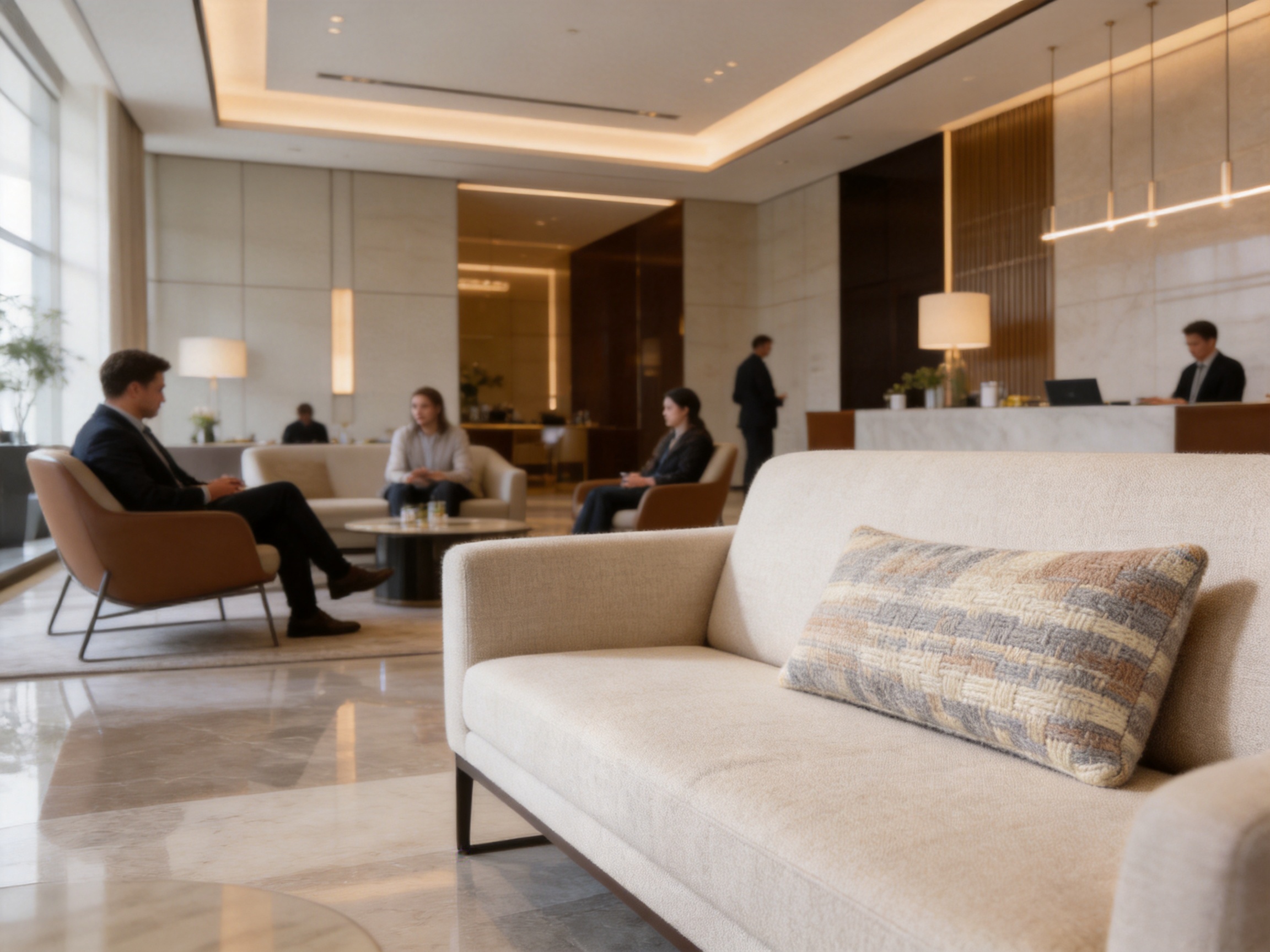
Commercial interiors such as offices, waiting rooms, retail lounges, education spaces, clinics, co-working areas, and transportation lounges place heavy demands on upholstery.
Furniture in these environments is shared by many users and must maintain a professional appearance.
Antibacterial Yarn Sofa Fabric helps address the realities of shared seating.
It supports a cleaner fabric surface experience while offering the durability required for repeated contact.
In office spaces, soft seating areas are now common because companies want more comfortable, flexible environments.
Employees and visitors use lounge sofas for informal meetings, breaks, and collaboration.
Antibacterial upholstery adds a practical hygiene feature to these shared spaces.
In healthcare-related waiting areas, although upholstery fabric should not be presented as a medical device, antibacterial textile performance can contribute to a broader clean-space strategy.
In education and training centers, durable and easy-care seating materials help control maintenance costs.
In retail and showroom environments, the fabric must remain visually attractive because furniture influences brand image.
Commercial buyers often look for products that reduce operational problems.
Fabrics that pill easily, smell unpleasant, fade quickly, or deform under use can create complaints and replacement expenses.
By choosing a functional antibacterial sofa fabric from a manufacturer with quality control capability, buyers can improve confidence in long-term performance.
The product is especially useful for businesses that want to communicate care, cleanliness, and modern material selection to customers and employees.
Pet-Friendly Living and Antibacterial Upholstery
Pet-friendly interiors are now an important part of the furniture market.
Many households allow cats and dogs on sofas, and furniture buyers increasingly ask for fabrics that can handle pet-related use.
Antibacterial Yarn Sofa Fabric can be part of a pet-friendly upholstery solution when combined with suitable strength, texture, and cleaning characteristics.
Pets bring warmth and companionship, but they also bring hair, body oils, outdoor particles, and occasional moisture to upholstered surfaces.
A fabric that helps inhibit bacterial growth and reduce odor development is valuable in this context.
However, pet-friendly performance also depends on abrasion resistance, snag resistance, and ease of maintenance.
A loosely woven fabric may catch claws more easily, while a very delicate texture may show wear quickly.
Through appropriate weaving structure and yarn selection, antibacterial sofa fabric can be developed for more practical pet-friendly applications.
Color and texture selection also matter.
Mid-tone fabrics, subtle patterns, and textured surfaces can help reduce the visibility of hair and minor marks.
For furniture brands targeting pet owners, antibacterial yarn sofa fabric provides a clear functional advantage that can be combined with design appeal.
The company’s listed product focus includes pet friendly fabrics, giving it relevant understanding of this market segment.
This experience can help customers create sofa collections that feel stylish rather than purely utilitarian.
Pet owners do not want unattractive furniture; they want beautiful furniture that works with real life.
Sustainability and Responsible Material Thinking
Modern textile buyers increasingly care about sustainability, environmental responsibility, and long-term product value.
A fabric that lasts longer can contribute to more sustainable consumption by reducing premature replacement.
Antibacterial Yarn Sofa Fabric supports sustainability not only through possible material choices, but also through durability, practicality, and extended usability.
When furniture remains fresh, attractive, and functional for longer, fewer resources are required for replacement, transportation, and disposal.
Hangzhou Xinsili is committed to providing high-quality, environmentally friendly decorative fabric solutions.
This commitment is important because functional textiles must be developed responsibly.
Antibacterial performance should be designed with attention to safety, durability, compliance, and appropriate use.
Responsible manufacturing also includes process control that reduces waste.
Consistent weaving and finishing reduce defective fabric, improve cutting efficiency, and help customers use more of what they purchase.
Stable quality is therefore not only a commercial advantage but also a resource-efficiency advantage.
In addition, fabrics that are easier to maintain may reduce the need for aggressive cleaning methods.
When upholstery stays fresher under normal use, users may be able to manage it with regular vacuuming, spot cleaning, and appropriate care rather than frequent deep intervention.
Sustainability in decorative textiles is not a single feature; it is the result of thoughtful material selection, careful manufacturing, reliable performance, and practical service life.
Antibacterial Yarn Sofa Fabric fits this direction by offering functional value that supports longer and healthier use of upholstered furniture.
Manufacturing Strength of Hangzhou Xinsili Decorative Fabric Weaving Co., Ltd.
Behind every reliable functional fabric is a manufacturer capable of controlling details.
Hangzhou Xinsili Decorative Fabric Weaving Co., Ltd. has 19 years of industry experience and a 12,000 square meter factory area, giving it a strong production foundation for decorative textiles.
The company specializes in innovative research, development, and precision manufacturing of decorative fabrics, with a focus on home, hotel, and commercial spaces.
Its product coverage includes mattress fabric, children mattress fabric, pillowcase fabric, pregnancy pillow fabric, cooling mat fabric, bedding fabric, sofa fabric, and pet friendly fabrics.
This broad product background reflects strong experience with comfort, durability, skin contact, and functional textile requirements.
The company integrates technologies such as antibacterial, moisture-resistant, flame-retardant, sleep-supporting, and comfort-improving functions.
This matters because modern buyers often need more than one function.
A hotel sofa fabric may need antibacterial and flame-retardant properties.
A family sofa fabric may need antibacterial and pet-friendly characteristics.
A commercial lounge fabric may need antibacterial performance plus high abrasion resistance.
A manufacturer with multi-function development capability can respond more flexibly to these needs.
Recognition as a National High-Tech Enterprise in 2023 further demonstrates the company’s emphasis on technology and innovation.
Its values of craftsmanship-driven manufacturing, design innovation, and win-win collaboration are reflected in how it develops products for practical use rather than only for display.
The company’s location in Hangzhou City, Zhejiang Province, China, also places it within a region known for textile manufacturing resources and supply chain support.
For international customers, this manufacturing strength can translate into better communication, customization options, production capacity, and long-term cooperation.
Customization for Different Market Needs
One of the major strengths of professional textile manufacturing is customization.
Different customers may require different fabric weights, widths, colors, textures, functional levels, testing standards, and packaging methods.
Antibacterial Yarn Sofa Fabric can be developed according to specific project and market needs.
Furniture manufacturers may request fabrics that match existing sofa designs or seasonal collections.
Interior contractors may need specific colors for hotel or commercial projects.
Wholesalers may require a balanced range of popular neutral tones that can serve multiple markets.
Retail brands may want a unique texture that helps distinguish their products from competitors.
Customization can include visual design, hand feel, performance direction, and technical requirements.
For example, a customer may prioritize a soft home-style fabric with antibacterial performance for family sofas.
Another customer may request a more structured fabric with stronger abrasion resistance for public seating.
A hospitality client may need flame-retardant performance according to local standards.
A pet-oriented furniture brand may need a tighter weave and practical surface texture.
The advantage of working with Hangzhou Xinsili is that the company can approach customization from both decorative and functional perspectives.
Instead of treating fabric as a commodity, it can help customers define the right product direction.
This collaborative approach supports better market fit and reduces the risk of choosing a fabric that looks good in a sample book but fails in actual use.
How the Fabric Supports Furniture Brand Competitiveness
Furniture brands operate in a crowded market where consumers compare appearance, price, comfort, and perceived quality.
Functional upholstery gives brands a stronger story.
Antibacterial Yarn Sofa Fabric allows sofa manufacturers to offer products that address current consumer concerns about hygiene and healthy living.
This feature can be highlighted in product descriptions, showroom presentations, and sales conversations.
Unlike vague claims such as “premium fabric” or “comfortable material,” antibacterial yarn technology is a more specific functional benefit.
It helps consumers understand why one sofa may be more suitable for modern family life than another.
For commercial furniture brands, antibacterial upholstery can help win projects where wellness and facility maintenance are important decision factors.
For online furniture sellers, functional fabric can improve product differentiation in listings where customers cannot touch the material before purchase.
For exporters, offering antibacterial sofa fabric can help meet global demand for upgraded textile solutions.
Another competitive advantage is reliability.
If a furniture brand uses inconsistent fabric, it may face shade variation, sewing issues, customer complaints, or warranty claims.
Working with a manufacturer that controls yarn, weaving, finishing, and inspection helps reduce these risks.
Brand competitiveness is not only about new features; it is also about delivering the same quality repeatedly.
Antibacterial Yarn Sofa Fabric supports both innovation and consistency.
Care and Maintenance Considerations
Even the best sofa fabric requires proper care.
Antibacterial Yarn Sofa Fabric is designed to support freshness and hygiene, but regular maintenance remains necessary for long-term appearance and performance.
Users should remove dust and loose particles through vacuuming with a suitable upholstery attachment.
Spills should be addressed quickly according to the care instructions provided for the specific fabric construction and finish.
Harsh chemicals, excessive scrubbing, and unsuitable cleaning methods should be avoided because they may affect fabric appearance or performance.
For commercial settings, a planned maintenance schedule is recommended.
Regular inspection can help identify stains, wear patterns, or cleaning needs before they become serious.
Rotating cushions when possible may help distribute wear more evenly.
Keeping indoor spaces ventilated and controlling humidity can also support fabric freshness.
For pet households, frequent removal of hair and particles helps maintain the fabric surface.
Care instructions should always be matched to the final specification because upholstery fabrics can vary in fiber composition, finish, color, and performance treatment.
Professional cleaning may be appropriate for larger furniture pieces or commercial installations.
The antibacterial function should be understood as an added support feature, not a reason to ignore cleaning.
When used and maintained correctly, the fabric can provide a strong combination of beauty, comfort, hygiene support, and durability.
Important Selection Criteria for Buyers
When purchasing Antibacterial Yarn Sofa Fabric, buyers should evaluate both functional and decorative factors.
The first criterion is intended application.
A fabric for a residential sofa may have different priorities from a fabric for hotel seating or office lounges.
The second criterion is performance testing.
Buyers should clarify required antibacterial test methods, abrasion resistance targets, colorfastness expectations, flame-retardant requirements, and any other standards relevant to the target market.
The third criterion is design compatibility.
The fabric should match the furniture shape, cushion structure, sewing method, and overall interior style.
The fourth criterion is comfort.
A fabric may be technically strong but unsuitable if it feels unpleasant to users.
The fifth criterion is supplier capability.
Buyers should consider whether the manufacturer has experience, factory scale, customization ability, and quality control systems.
Hangzhou Xinsili’s background in functional decorative textiles makes it a strong candidate for customers seeking both performance and design support.
Communication is also essential.
Before confirming an order, buyers should discuss color standards, sample approval, bulk production tolerance, packaging, delivery schedule, and after-sales support.
Clear specification reduces misunderstanding and improves project success.
For large projects, pre-production samples or pilot orders may be useful to verify performance and appearance.
A thoughtful selection process ensures that the chosen fabric delivers real value rather than simply meeting a general product name.
Q&A: Antibacterial Yarn Sofa Fabric
What is Antibacterial Yarn Sofa Fabric?
Antibacterial Yarn Sofa Fabric is a decorative upholstery textile made with yarns designed to help inhibit bacterial growth on the fabric surface, while also providing the comfort, texture, and durability required for sofa applications.
Is antibacterial sofa fabric a substitute for cleaning?
No. It supports a cleaner and fresher fabric surface experience, but regular vacuuming, spot cleaning, ventilation, and proper maintenance are still necessary.
Where can this fabric be used?
It can be used for residential sofas, hotel lounge furniture, serviced apartments, office seating, waiting areas, commercial lounges, family rooms, and pet-friendly furniture when specified appropriately.
How does it differ from ordinary sofa fabric?
Ordinary sofa fabric mainly provides decoration and basic covering performance, while antibacterial yarn sofa fabric adds hygiene-supporting function, odor-control benefits, and upgraded value for high-contact interiors.
Can the fabric be customized?
Yes. Depending on order requirements, it can be customized in color, texture, weight, width, hand feel, performance direction, and project-specific specifications.
Does the fabric still feel soft?
Yes. A key development goal is to combine antibacterial performance with a comfortable hand feel suitable for everyday seating and relaxation.
Is it suitable for hotels?
Yes. It is suitable for hospitality environments because it supports cleanliness, durability, design quality, and guest confidence. Additional requirements such as flame-retardant performance can be discussed according to project needs.
Is it useful for pet owners?
Yes. When combined with appropriate pet-friendly construction, the fabric can help reduce odor concerns and support more practical furniture for households with pets.
Why choose Hangzhou Xinsili Decorative Fabric Weaving Co., Ltd.?
The company has 19 years of industry experience, a 12,000 square meter factory area, functional textile development capability, advanced decorative fabric weaving expertise, and recognition as a National High-Tech Enterprise in 2023.
What should buyers confirm before ordering?
Buyers should confirm application, color, texture, width, weight, antibacterial testing requirements, abrasion resistance, flame-retardant needs, packaging, delivery schedule, and care instructions.
Conclusion
Antibacterial Yarn Sofa Fabric represents the next stage of upholstery development, where decorative beauty and functional performance are combined in one practical textile solution.
It responds to the needs of modern interiors by supporting cleaner use, fresher seating, improved comfort, stronger durability, and more confident furniture design.
Compared with conventional sofa fabrics, it offers a clearer advantage for homes, hotels, commercial spaces, shared seating areas, and pet-friendly environments.
Its value comes not only from antibacterial function, but also from the complete manufacturing system behind it: careful yarn selection, advanced weaving, controlled finishing, quality inspection, customization, and application-focused development.
Hangzhou Xinsili Decorative Fabric Weaving Co., Ltd. brings 19 years of textile experience, a 12,000 square meter factory, functional decorative fabric expertise, and a commitment to stable, practical, reliable products.
For furniture manufacturers, project buyers, wholesalers, and interior designers, this fabric offers a way to upgrade sofa products with meaningful performance while preserving the warmth and style people expect from upholstered furniture.
As consumers continue to seek healthier, more comfortable, and more durable living spaces, Antibacterial Yarn Sofa Fabric provides a strong material choice for the future of decorative upholstery.
References
American Association of Textile Chemists and Colorists. Textile Testing and Quality Evaluation Methods.
International Organization for Standardization. Textiles: Determination of Antibacterial Activity of Textile Products.
ASTM International. Standard Test Methods for Textile Performance and Upholstery Fabric Evaluation.
China National Textile and Apparel Council. Functional Textile Development and Application Guidelines.
Textile Institute. Principles of Textile Finishing and Performance Fabric Engineering.
Upholstered Furniture Action Council. Upholstery Material Durability and Care Considerations.

Our Featured Products
-
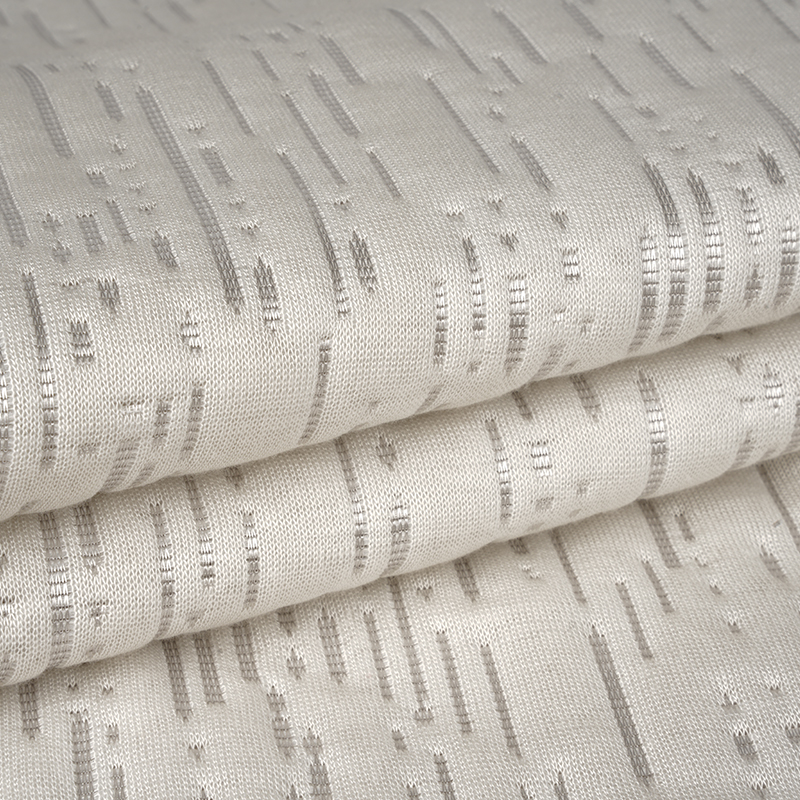
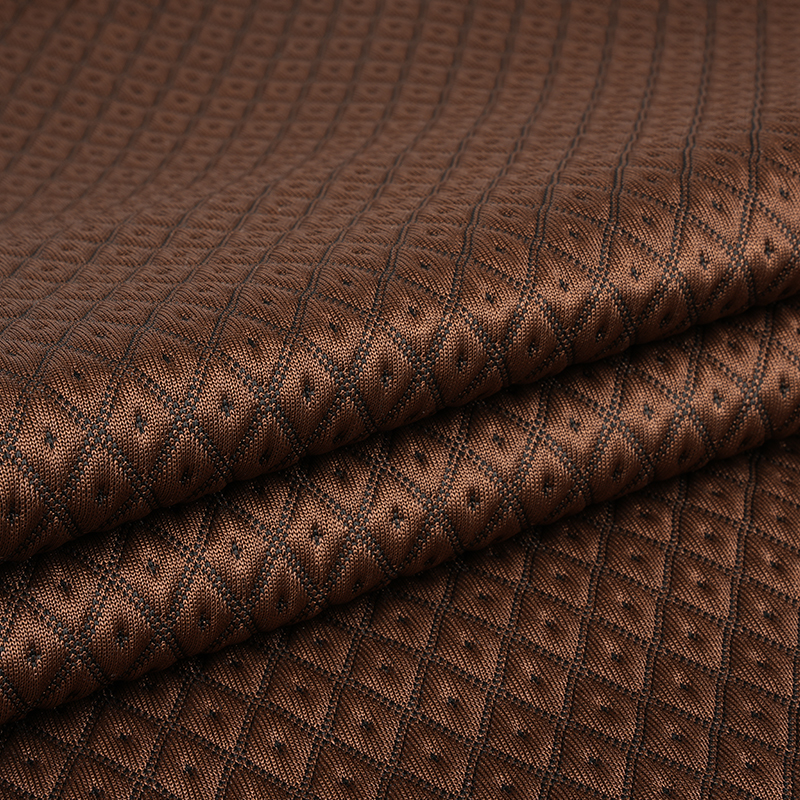
Antibacterial Yarn Children Mattress Fabric
Antibacterial Yarn Children Mattress Fabric
-
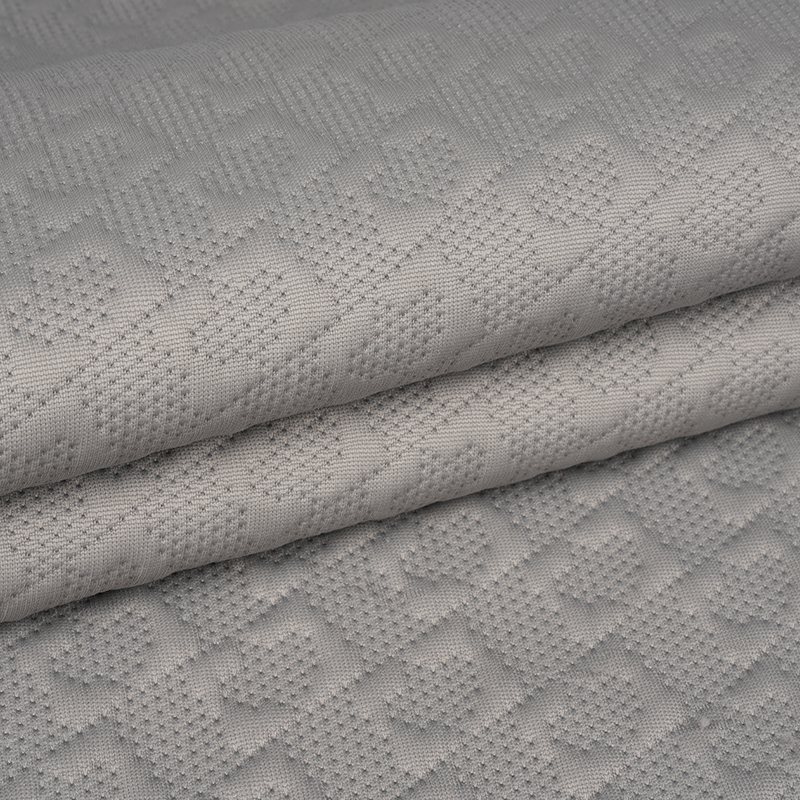
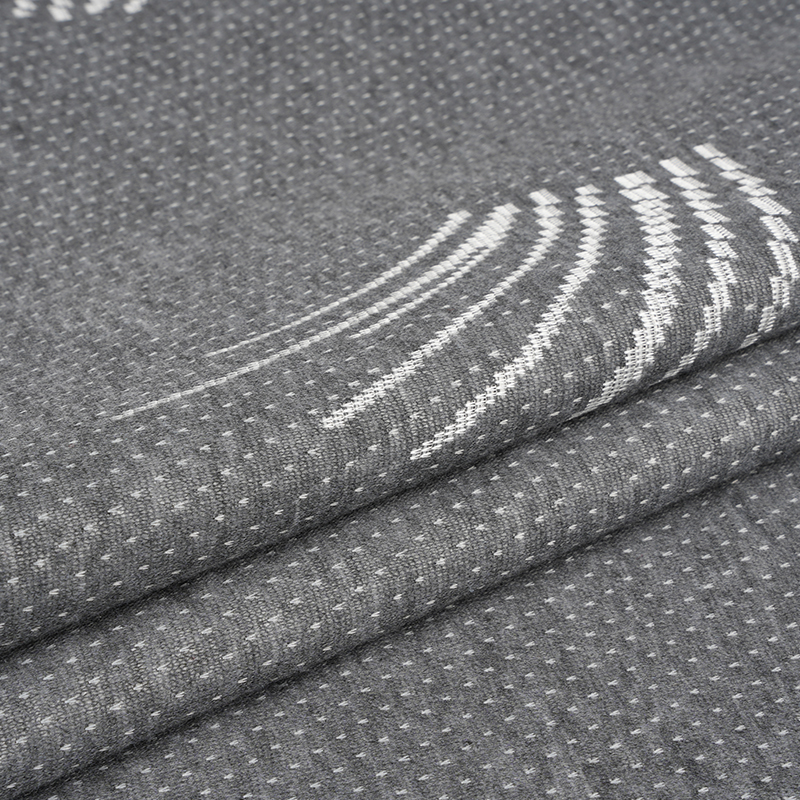
Antibacterial Yarn Children Mattress Fabric
Antibacterial Yarn Children Mattress Fabric
Haven’t Found The Products You Want?
-
-
Shen Jinyan:+86-15158070676
[email protected]
Liang Jinwen:+86-15757186621
[email protected]
Qiu Yingyingn:+86-13819545790
[email protected]
Yi qiao Town, Xiaoshan District, Hangzhou City, Zhejiang Province, China
-
Products
Mattress Fabric Children Mattress Fabric Pillowcase Fabric Pregnancy Pillow Fabric Cooling Mat Fabric Bedding Fabric Sofa Fabric Pet Friendly Fabrics -
Contact Information
About Us Products Strength Sustainability News Contact Us
Copyright © Hangzhou Xinsili Decorative Fabric Weaving Co.,Ltd. All Rights Reserved.
Functional Decorative Textile Manufacturers
