

 English
 中文简体
中文简体 Español
 عربى
عربى русский


Advanced Antibacterial Yarn Mattress Fabric for Healthier Sleep Systems
Content
- 1 Understanding Antibacterial Yarn Mattress Fabric
- 2 Why Yarn-Level Antibacterial Performance Matters
- 3 Core Advantages Over Ordinary Mattress Fabrics
- 4 Comfort Engineering for Modern Sleep Products
- 5 Functional Benefits for Different User Groups
- 6 Manufacturing Strengths Behind the Fabric
- 7 From Raw Material Selection to Finished Textile
- 8 Quality Control and Reliability
- 9 Performance Comparison Table
- 10 Design Flexibility and Decorative Value
- 11 Applications Beyond Standard Mattresses
- 12 Sustainability and Responsible Textile Development
- 13 Advantages for Mattress Manufacturers and Brands
- 14 How the Fabric Supports Hospitality and Commercial Environments
- 15 Technical Considerations for Buyers
- 16 Advanced Functional Integration
- 17 Why Manufacturing Experience Matters
- 18 Customization Opportunities
- 19 Q&A: Common Questions About Antibacterial Yarn Mattress Fabric
- 19.1 What is antibacterial yarn mattress fabric?
- 19.2 How is it different from ordinary mattress fabric?
- 19.3 Does antibacterial yarn fabric eliminate the need for cleaning?
- 19.4 Is the fabric comfortable for daily sleep?
- 19.5 Can it be used for children’s mattresses?
- 19.6 Is it suitable for hotels?
- 19.7 Can the fabric be customized?
- 19.8 Why choose a manufacturer with decorative textile expertise?
- 20 Purchasing Guidance for Professional Buyers
- 21 Future Trends in Antibacterial Mattress Textiles
- 22 Conclusion
- 23 References
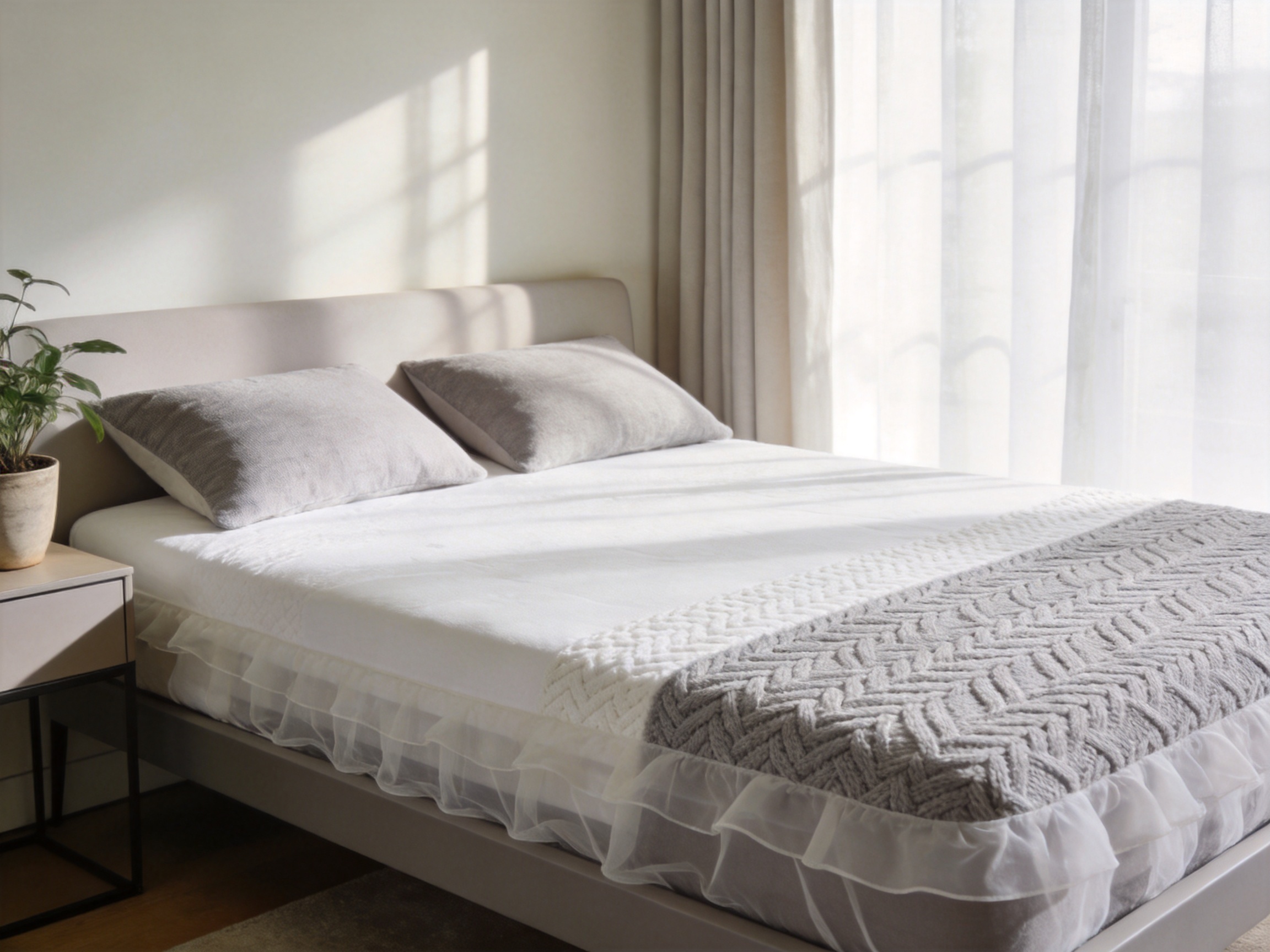
Antibacterial yarn mattress fabric is becoming an essential material for modern sleep products because consumers increasingly expect bedding to deliver more than surface comfort. They want a mattress cover that supports cleanliness, durability, breathability, skin comfort, moisture management, and long-term performance. A mattress is used every night, often for many years, and its textile surface is the first material the sleeper touches. For this reason, the fabric layer has a direct influence on the perceived quality, hygiene, comfort, and market competitiveness of the entire mattress.
The product discussed in this article is an antibacterial yarn mattress fabric designed for mattress manufacturers, bedding brands, hospitality suppliers, and functional textile buyers who need a reliable decorative fabric with health-oriented performance. It combines yarn-level antibacterial functionality with a comfortable knitted or woven textile structure, creating a fabric that helps reduce microbial growth while maintaining softness, elasticity, breathability, and a refined appearance. Compared with ordinary mattress ticking or fabric finished only with a surface coating, antibacterial yarn technology can offer more stable, uniform, and durable functional performance because the antibacterial effect is integrated into the yarn system rather than depending only on a temporary post-treatment.
Hangzhou Xinsili Decorative Fabric Weaving Co., Ltd. specializes in the research, development, and precision manufacturing of decorative textiles for residential, hotel, and commercial environments. With 19 years of industry experience, a 12,000 square meter factory area, and recognition as a National High-Tech Enterprise in 2023, the company has developed a strong manufacturing foundation for functional decorative fabrics. Its product capabilities cover mattress fabric, children mattress fabric, pillowcase fabric, pregnancy pillow fabric, cooling mat fabric, bedding fabric, sofa fabric, and pet friendly fabrics. This broad product base supports a deeper understanding of comfort, safety, durability, and functional textile engineering across different living scenarios.
The company’s guiding vision, “Weaving Beautiful Spaces,” is reflected in the way the antibacterial yarn mattress fabric is developed. Rather than treating mattress fabric as a purely decorative surface, the company approaches it as a functional interface between the sleeper and the mattress core. The fabric must look attractive, feel pleasant, perform consistently, and withstand repeated use. It must also be suitable for integration into modern mattress production lines, including quilting, lamination, edge sewing, tape edging, packaging, and compression processes. The result is a product that can support both premium mattress design and practical large-scale production.
Understanding Antibacterial Yarn Mattress Fabric
Antibacterial yarn mattress fabric is a textile material made by using yarns that possess antibacterial properties. These yarns may incorporate functional antibacterial components during spinning or may be engineered from fibers with inherent or embedded antimicrobial features. The key point is that the functional benefit is connected to the yarn itself, allowing the finished fabric to maintain a consistent antibacterial effect across the fabric structure. This differs from some conventional antibacterial fabrics that rely mainly on surface finishing, where the functional agent is applied after fabric formation and may be more vulnerable to abrasion, washing, or uneven application.
In a mattress environment, bacteria and other microorganisms may find favorable conditions when moisture, warmth, skin contact, and organic residues are present. Although no fabric can replace regular cleaning or correct mattress care, an antibacterial yarn mattress fabric can help create a less favorable surface for microbial growth. This supports a cleaner sleeping environment and may reduce odor formation associated with microbial activity. For households with children, elderly users, sensitive sleepers, hotel guests, or people who value a fresher sleep surface, this type of fabric offers clear practical value.
The fabric is not merely functional; it is also designed as a decorative and comfort textile. Mattress buyers often judge a product by the look and hand feel of the cover before experiencing the mattress core. A smooth, elastic, breathable, and visually refined mattress fabric can improve the first impression of the mattress and elevate its market position. By combining antibacterial yarn technology with carefully selected textures, patterns, weights, and finishes, manufacturers can produce mattresses that communicate cleanliness, comfort, and quality at the same time.
For mattress manufacturers, the advantages extend beyond end-user comfort. A stable antibacterial yarn mattress fabric can simplify product positioning, support health-oriented marketing, and help differentiate products in competitive retail and hospitality channels. In an industry where many mattresses use similar foam, spring, or hybrid structures, the cover fabric becomes a powerful point of differentiation. A mattress equipped with antibacterial yarn fabric can be positioned as more hygienic, more comfortable, and more advanced than models using ordinary decorative ticking.
Why Yarn-Level Antibacterial Performance Matters
Yarn-level antibacterial performance is important because the functional feature is distributed throughout the yarn structure before the fabric is fully formed. This can create a more even and dependable performance profile than fabrics that receive only a surface-level functional treatment. Surface treatments may be effective in some cases, but they can be affected by coating thickness, finishing uniformity, fabric friction, and repeated handling. In contrast, antibacterial yarn provides a more integrated functional foundation.
When a fabric is used in a mattress cover, it may experience stretching, quilting needle penetration, lamination heat, sewing pressure, rolling, compression packing, and years of body movement. A temporary or weak surface treatment may gradually lose performance under these conditions. Antibacterial yarn technology is better suited for long-term textile applications because the function is not limited to a thin exterior layer. This makes it especially valuable for mattress fabrics, where the material is expected to remain functional for the usable life of the product.
Another important benefit is consistency. In large-scale mattress production, buyers require predictable quality from batch to batch. If antibacterial performance depends only on post-finishing, variations in chemical pick-up, drying temperature, or coating distribution may lead to inconsistent results. Yarn-level functionality allows the fabric producer to control the antibacterial effect earlier in the production chain. When combined with disciplined weaving or knitting, inspection, and finishing processes, this supports more stable fabric quality.
Yarn-level functionality also supports better hand feel. Some surface coatings can change the touch of a fabric, making it stiff, waxy, or less breathable. Because antibacterial yarn can reduce the need for heavy surface chemical application, the fabric can retain a softer and more natural textile hand. This is significant for mattress applications because sleepers associate softness and breathability with comfort and quality. A fabric that feels clean but uncomfortable will not satisfy premium bedding expectations. Antibacterial yarn mattress fabric aims to deliver both hygiene support and tactile comfort.
Core Advantages Over Ordinary Mattress Fabrics
Compared with ordinary mattress fabrics, antibacterial yarn mattress fabric offers a stronger value proposition in several areas: hygiene support, odor control, durability, comfort, manufacturing compatibility, and product differentiation. Ordinary mattress ticking may provide decoration and basic protection, but it usually does not address microbial concerns in a meaningful way. In contrast, antibacterial yarn fabric is designed specifically to support a cleaner sleep surface.
One of the clearest advantages is hygiene enhancement. Mattress surfaces are exposed to sweat, body oils, dead skin particles, dust, and environmental moisture. These conditions can support microbial growth if not properly managed. Antibacterial yarn helps inhibit bacterial activity on the fabric, contributing to a fresher and more comfortable mattress surface. This is especially attractive in hotel mattresses, children’s mattresses, healthcare-adjacent bedding, rental apartments, dormitories, and premium residential products.
Odor reduction is another practical advantage. Unpleasant odors in bedding often result from microbial interaction with moisture and organic matter. By limiting bacterial growth on the textile surface, antibacterial yarn mattress fabric can help reduce odor development. This does not mean the mattress never requires ventilation or cleaning, but it can improve the long-term freshness of the sleeping surface. For consumers, a mattress that smells cleaner for longer creates a strong impression of quality.
Durability is also a competitive advantage. Mattress fabric must resist pilling, abrasion, tearing, deformation, and aesthetic decline. A well-engineered antibacterial yarn mattress fabric can be designed with appropriate yarn count, density, structure, and finishing methods to withstand daily use. When antibacterial function is integrated into the yarn, the fabric does not need to rely solely on a fragile surface treatment. This supports more durable functionality and better long-term value.
Comfort remains essential. A functional mattress fabric must still feel soft, breathable, and skin-friendly. The antibacterial yarn mattress fabric can be engineered to balance functional performance with pleasant hand feel, air permeability, moisture movement, and surface smoothness. This makes it suitable not only for standard adult mattresses but also for children mattress fabric, pillowcase fabric, pregnancy pillow fabric, and other bedding applications where skin comfort is critical.
Comfort Engineering for Modern Sleep Products
The modern mattress market is driven by comfort science as much as by visual design. Consumers evaluate mattresses based on pressure relief, temperature regulation, support, and tactile satisfaction. Although the mattress core provides most of the structural support, the fabric cover contributes strongly to immediate sensory comfort. Antibacterial yarn mattress fabric can be engineered to enhance this first-contact experience.
Softness is achieved through yarn selection, fabric construction, and finishing control. A mattress fabric that feels too rough or rigid can reduce the perceived value of the mattress, even if the internal structure is advanced. By using appropriate yarns and carefully controlled weaving or knitting processes, the fabric can achieve a smooth, pleasant surface. The antibacterial function does not have to compromise softness when it is designed at the yarn level and processed with suitable finishing techniques.
Breathability is another major comfort factor. During sleep, the human body releases heat and moisture. If the mattress surface traps this heat and moisture, the sleeper may feel hot, damp, or uncomfortable. A breathable antibacterial yarn mattress fabric can help air circulate through the textile layer, supporting a drier and more balanced sleep microclimate. This is particularly important for foam mattresses, which can sometimes retain more heat than traditional spring mattresses.
Moisture management further improves comfort. While a mattress fabric is not a replacement for a waterproof protector when liquid protection is required, it can support better moisture dispersion and drying. When combined with antibacterial yarn performance, moisture management helps reduce the conditions that allow bacteria and odor to develop. For sleepers who perspire at night, this is an important benefit.
Elasticity and recovery are also valuable, especially for knitted mattress fabrics used on foam or hybrid mattresses. The fabric must stretch with the mattress surface and recover without sagging or distortion. Good elasticity supports smooth quilting patterns, attractive mattress contours, and comfortable body movement. Antibacterial yarn mattress fabric can be designed to maintain surface stability while allowing enough flexibility for modern mattress designs.
Functional Benefits for Different User Groups
Different user groups may benefit from antibacterial yarn mattress fabric in different ways. For families, the fabric supports a cleaner and fresher mattress surface, helping parents feel more confident about the sleep environment. Children often spend long hours in bed, and their mattresses may be exposed to spills, perspiration, and frequent contact. A children mattress fabric with antibacterial yarn can provide an added layer of functional protection while maintaining softness and comfort.
For hotels and hospitality projects, antibacterial yarn mattress fabric offers strong operational value. Hotel mattresses are used by many different guests, and hygiene perception is extremely important. A mattress cover that supports antibacterial performance can help hotels present a cleaner and more professional sleep experience. It can also support premium room positioning, wellness-focused hospitality concepts, and long-term freshness in high-use environments.
For elderly users, comfort and hygiene are especially important. Older sleepers may spend more time in bed and may have more sensitive skin. A soft, breathable, antibacterial mattress fabric can support a more comfortable rest environment. It can also reduce odor formation and help maintain a fresher bedding surface between regular cleaning routines.
For pregnant users, sleep comfort is a major concern. The company’s experience with pregnancy pillow fabric and bedding fabric provides useful knowledge for creating textiles that feel gentle and supportive. Antibacterial yarn fabric can be used in products that require close skin contact, helping provide freshness while maintaining a soothing hand feel.
For pet-friendly households, hygiene and odor control are particularly relevant. Pets may share beds or rest on bedding surfaces, increasing exposure to hair, dander, moisture, and outdoor residues. While pet friendly fabrics require additional durability and cleanability considerations, antibacterial yarn technology can complement these features by helping reduce bacterial growth and odor concerns.
Manufacturing Strengths Behind the Fabric
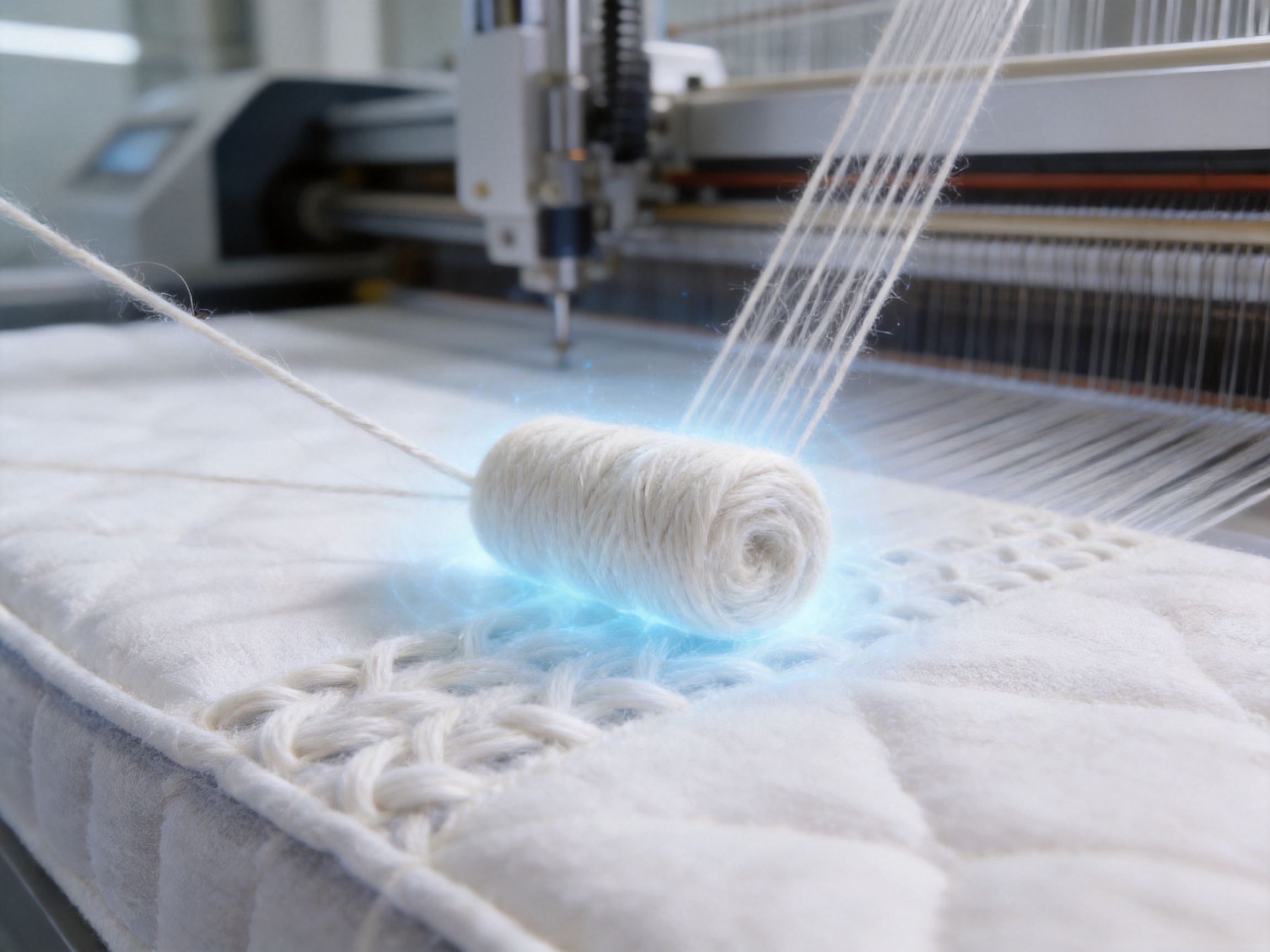
The performance of antibacterial yarn mattress fabric depends not only on the yarn itself but also on the manufacturer’s complete production system. Hangzhou Xinsili Decorative Fabric Weaving Co., Ltd. has built its strength through nearly two decades of experience in decorative textile manufacturing. This experience matters because functional mattress fabric requires precise control at every stage, from raw material selection and yarn preparation to fabric construction, finishing, inspection, and delivery.
The company’s 12,000 square meter factory area provides a physical foundation for organized production, equipment arrangement, inventory control, and quality management. A larger production site allows dedicated processes for different fabric types and supports stable output for bulk orders. Mattress manufacturers often require consistent supply schedules because delays in fabric delivery can affect entire production plans. A well-established manufacturing facility helps reduce these risks.
Recognition as a National High-Tech Enterprise in 2023 reflects the company’s emphasis on innovation and technological development. Functional decorative textiles are no longer simple commodity fabrics. They require research into antibacterial performance, moisture resistance, flame retardancy, sleep support, comfort improvement, and environmental responsibility. The company’s commitment to research and development helps it create fabrics that meet changing market expectations.
Precision manufacturing is another important strength. Mattress fabric must maintain stable width, weight, pattern alignment, color consistency, and mechanical performance. In quilting and mattress assembly, small variations in fabric behavior can create production issues, including wrinkles, misalignment, tension differences, or sewing defects. By controlling fabric structure and finishing parameters, the company supports better downstream processing for mattress manufacturers.
The company’s broader product portfolio also enhances its antibacterial mattress fabric capability. Experience in pillowcase fabric, cooling mat fabric, sofa fabric, bedding fabric, and pet friendly fabrics provides insight into different functional needs. Cooling mat fabric requires thermal comfort knowledge. Sofa fabric requires abrasion and decorative performance. Pet friendly fabrics require durability and easy-care thinking. Bedding fabric requires softness and skin comfort. These capabilities can be integrated into mattress fabric development to create more balanced products.
From Raw Material Selection to Finished Textile
Raw material selection is the first step in manufacturing antibacterial yarn mattress fabric. The fiber and yarn system must be chosen according to target performance, cost level, hand feel, durability, and intended mattress segment. Premium mattresses may require softer, more elastic, or more decorative fabrics, while commercial hotel mattresses may emphasize durability, consistency, and freshness. Children’s mattresses may require gentle touch and safety-oriented material choices.
After raw material selection, yarn preparation and quality control are essential. Yarn evenness affects fabric appearance, strength, and tactile quality. Inconsistent yarn can create streaks, weak points, or surface defects. When antibacterial function is integrated into the yarn, the manufacturer must also ensure that the functional yarn is correctly distributed and compatible with the intended fabric structure. This is one reason why experienced textile manufacturing is important.
Fabric formation may involve weaving or knitting depending on the design requirements. Knitted mattress fabrics are often valued for elasticity, softness, and comfort. Woven fabrics may provide structure, stability, and decorative clarity. The best choice depends on the mattress design, target market, and production method. The company’s decorative textile background supports the development of patterns and textures that combine visual appeal with functional performance.
Finishing processes help refine the fabric’s final properties. Finishing may influence softness, dimensional stability, surface smoothness, moisture behavior, and appearance. For antibacterial yarn mattress fabric, finishing must be carefully controlled so that it does not reduce antibacterial performance or negatively affect breathability and hand feel. Excessive finishing can make fabric stiff or less comfortable, while insufficient finishing may result in unstable shrinkage or inconsistent surface quality.
Inspection and testing are the final safeguards before shipment. Fabric should be checked for defects, color consistency, width, weight, strength, surface appearance, and functional requirements. For antibacterial products, performance verification may include testing based on recognized textile antibacterial methods. Consistent inspection reduces risk for mattress manufacturers and supports reliable customer satisfaction.
Quality Control and Reliability
Reliability is one of the most important purchasing factors for mattress manufacturers. A fabric may look attractive in a sample, but bulk production must match the approved quality. The company’s manufacturing approach emphasizes stable, practical, and reliable products. This is significant because mattress brands need long-term fabric supply for product series that may remain in the market for years.
Quality control begins before production with material verification. Fibers, yarns, and auxiliary materials must meet specifications. If raw materials vary significantly, the finished fabric will also vary. By controlling raw material inputs, the manufacturer reduces the chance of unexpected differences in color, handle, elasticity, or antibacterial performance.
During production, process monitoring helps maintain consistency. Machine settings, tension, speed, temperature, and finishing conditions all influence final fabric quality. Skilled technicians and standardized procedures are essential for reducing defects. For decorative mattress fabrics, visual consistency is particularly important because the cover is a visible selling point. Pattern distortion, uneven texture, or color variation can damage the perceived value of the mattress.
Final inspection supports customer confidence. Mattress fabric buyers often require rolls that are ready for efficient cutting and quilting. Defects can increase waste, slow production, and create customer complaints. Reliable inspection systems help ensure that fabric rolls meet agreed standards before shipment. This makes the fabric easier to use in industrial mattress manufacturing environments.
Reliability also includes communication and customization support. Buyers may need adjusted weights, colors, patterns, widths, or functions. A manufacturer with strong development experience can help translate buyer requirements into workable fabric specifications. This collaborative capability is especially useful for brands launching new antibacterial, wellness, children’s, or hospitality mattress collections.
Performance Comparison Table
| Performance Factor | Antibacterial Yarn Mattress Fabric | Ordinary Mattress Fabric | Competitive Advantage |
|---|---|---|---|
| Antibacterial Function | Function integrated into yarn structure for more consistent performance | Usually no antibacterial function or relies on temporary surface treatment | Supports a cleaner and fresher sleep surface |
| Durability of Function | Designed for longer-lasting antibacterial effect under normal use | Surface treatments may weaken with friction and time | Better long-term value for mattress brands |
| Comfort | Can maintain softness, breathability, and elasticity | Comfort depends on basic fabric construction only | Combines hygiene support with pleasant hand feel |
| Odor Control Support | Helps reduce odor associated with bacterial growth | Limited odor control capability | Improves freshness perception for users |
| Manufacturing Compatibility | Suitable for quilting, sewing, lamination, and mattress assembly when specified correctly | Compatible but without added functional value | Functional upgrade without sacrificing process efficiency |
| Market Positioning | Ideal for wellness, children, hotel, and premium mattress lines | Often positioned as standard or basic | Creates stronger differentiation in competitive markets |
Design Flexibility and Decorative Value
Mattress fabric must perform well, but it must also look appealing. The mattress cover is a key part of product presentation in retail stores, online images, showrooms, and hotel procurement samples. Antibacterial yarn mattress fabric can be developed in a wide range of textures, patterns, colors, and surface styles to match different brand identities.
Decorative design can communicate specific product values. A clean white or light gray pattern may suggest hygiene and freshness. A soft geometric texture may suggest modern comfort. A luxurious jacquard pattern may support premium positioning. A child-friendly design may use gentle colors and playful motifs while still maintaining functional antibacterial value. Because the company specializes in decorative textiles, it can combine technical performance with visual design rather than treating function and appearance as separate goals.
Texture also influences touch and perceived comfort. Raised patterns, quilted surfaces, smooth knits, and structured weaves each create different sensory experiences. The challenge is to design texture without compromising breathability, stretch, or production efficiency. Experienced manufacturing helps balance these requirements. A fabric that is visually attractive but difficult to quilt or sew may create problems for mattress factories. A well-developed antibacterial yarn mattress fabric should support both design appeal and practical assembly.
Color consistency is another important decorative factor. Mattress brands often need fabric colors to remain stable across production batches. If color varies, mattresses in the same product line may look inconsistent. Controlled dyeing, finishing, and inspection processes help maintain appearance standards. For antibacterial yarn fabrics, color and function must be balanced so that the desired shade does not interfere with textile performance.
Design flexibility supports private label and custom development. Mattress brands can request specific patterns, fabric weights, hand feels, or functional combinations. For example, a premium line may combine antibacterial performance with cooling comfort, while a hotel line may emphasize durability and freshness. A children’s mattress line may focus on softness, safety perception, and easy-care value. The ability to customize gives buyers a competitive advantage.
Applications Beyond Standard Mattresses
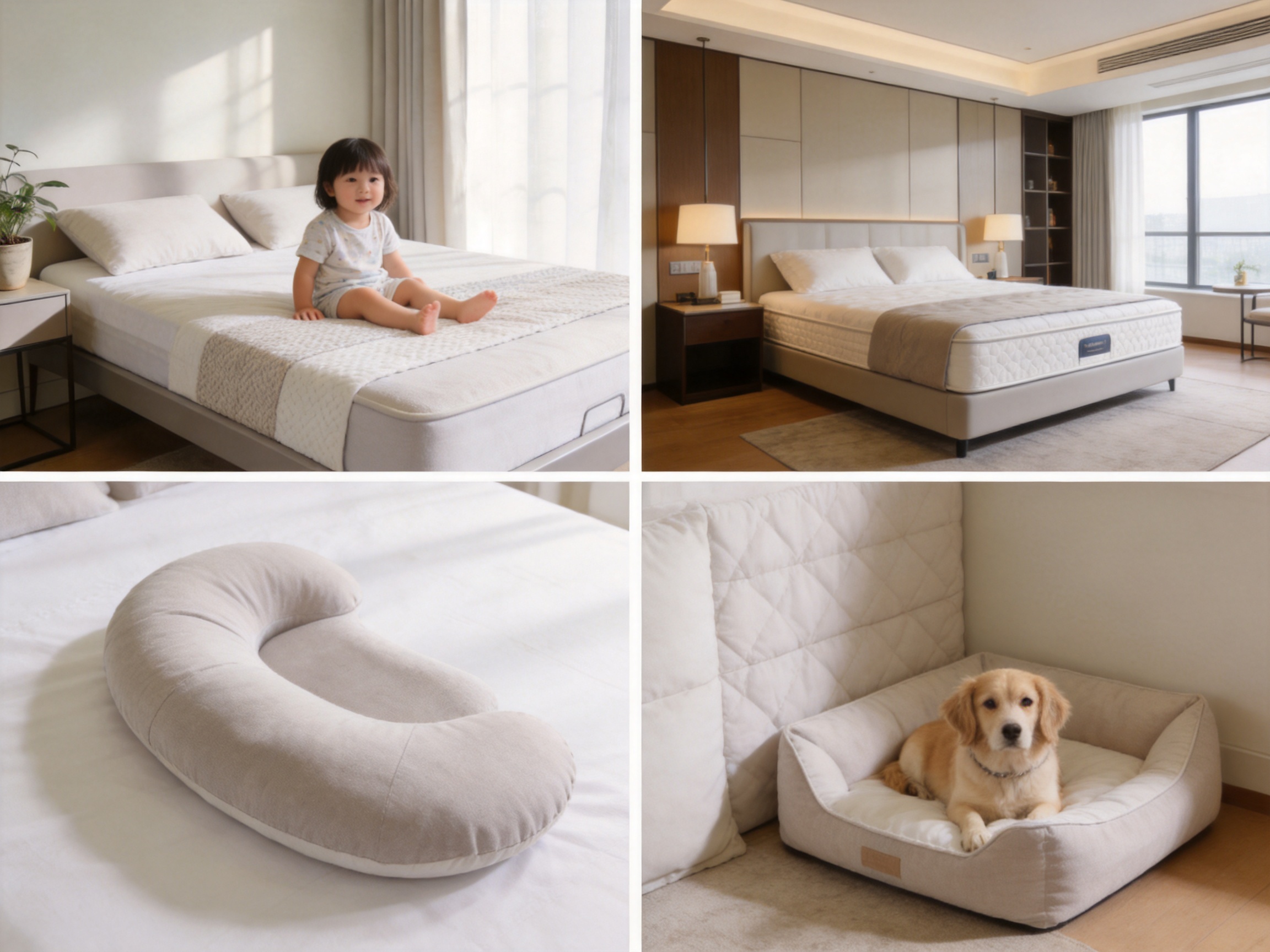
Although the primary focus is mattress fabric, antibacterial yarn technology can support a broader range of bedding and home textile products. This is important for brands that want to create coordinated sleep systems. A mattress cover, pillowcase, pregnancy pillow, cooling mat, and bedding fabric can share similar functional themes, creating a consistent wellness-oriented product family.
Children mattress fabric is a natural application because parents are highly attentive to cleanliness and comfort. A child’s mattress surface should feel soft, breathable, and reassuring. Antibacterial yarn fabric helps support a fresher environment while providing a comfortable textile surface. It can be used for crib mattresses, youth mattresses, school dormitory bedding, and children’s sleep accessories when designed according to relevant safety and comfort requirements.
Pillowcase fabric is another close-contact application. The face and hair touch the pillowcase for hours every night, making freshness and skin comfort essential. Antibacterial yarn can help reduce bacterial growth on the textile surface and support odor control. When combined with softness and breathability, it can improve the user’s perception of cleanliness.
Pregnancy pillow fabric requires special attention to comfort because pregnant users often depend on body pillows for support and rest. A fabric that is soft, breathable, and fresh can improve the overall experience. Antibacterial yarn technology can be valuable in this category because pregnancy pillows often have prolonged body contact.
Cooling mat fabric can benefit from antibacterial yarn when the product is designed for warm climates or hot sleepers. Cooling products often manage heat and moisture, and antibacterial performance can complement these features by supporting freshness. Bedding fabric and sofa fabric can also use similar functional textile principles, particularly in homes where hygiene, comfort, and durability are priorities.
Sustainability and Responsible Textile Development
Modern textile buyers increasingly consider sustainability, environmental responsibility, and long-term product value. Antibacterial yarn mattress fabric can contribute to sustainable thinking when it is designed for durability, extended freshness, and reduced premature replacement. A fabric that remains comfortable and functional for longer can help improve the useful life of the mattress surface.
Environmentally friendly decorative fabric solutions require careful material selection, efficient production, and responsible finishing. The company’s commitment to high-quality and environmentally friendly textile solutions supports this direction. Functional textiles should not rely on excessive chemical application or short-lived treatments. Yarn-level functionality can be part of a more controlled approach because it may reduce dependence on heavy surface finishing while maintaining performance.
Durability is a key sustainability factor. A fabric that pills, tears, loses elasticity, or becomes unpleasant quickly may lead to customer dissatisfaction and earlier product replacement. By designing antibacterial yarn mattress fabric with strong structural performance, the manufacturer supports longer product service life. This benefits consumers, mattress brands, and the environment.
Efficient manufacturing also matters. Stable production reduces waste caused by defects, rework, and rejected fabric rolls. Process control, inspection, and experienced operation help improve yield. For bulk textile production, even small improvements in efficiency can reduce material waste and energy consumption over time.
Responsible development also includes making products that solve real user problems rather than adding superficial claims. Antibacterial yarn mattress fabric addresses practical concerns about hygiene, odor, freshness, and comfort. When supported by appropriate testing and honest communication, it can help buyers offer meaningful product benefits to consumers.
Advantages for Mattress Manufacturers and Brands
For mattress manufacturers, antibacterial yarn mattress fabric can improve both product performance and market competitiveness. The mattress industry is crowded, and many products compete on similar claims such as comfort layers, foam density, spring systems, or pressure relief. A functional fabric cover gives brands another way to stand out. It is visible, touchable, and easy for consumers to understand.
One advantage is stronger storytelling. A mattress with antibacterial yarn fabric can be marketed around freshness, cleanliness, and healthier sleep support. These ideas are highly relevant to consumers because the bed is one of the most personal spaces in the home. Functional textile claims can make the product feel more advanced and more valuable.
Another advantage is compatibility with premium and mid-range product lines. Antibacterial yarn mattress fabric can be used as a feature upgrade for high-end mattresses or as a differentiator for competitive mid-range models. It can also support hotel, apartment, dormitory, and healthcare-adjacent supply channels where hygiene perception is important.
The fabric can also support product line segmentation. A brand may offer a basic line with ordinary fabric, a comfort line with enhanced softness, and a wellness line with antibacterial yarn fabric. This allows brands to create clear value tiers and encourage customers to choose upgraded models. Functional fabric becomes a practical tool for merchandising.
Manufacturing efficiency is also important. A functional fabric must work smoothly in mattress production. When properly specified, antibacterial yarn mattress fabric can be compatible with quilting, cutting, sewing, edge tape operations, and packaging. Reliable roll quality helps reduce waste and downtime. This makes the product attractive not only to marketing teams but also to production managers.
How the Fabric Supports Hospitality and Commercial Environments
Hospitality environments place heavy demands on mattresses. Hotel mattresses are used frequently by different guests, and cleanliness perception is one of the strongest factors influencing guest satisfaction. Even when sheets and protectors are changed regularly, the mattress itself must maintain a fresh and professional appearance. Antibacterial yarn mattress fabric can help support this goal.
Hotels often need products that combine durability, comfort, and consistent appearance. A mattress cover must withstand repeated pressure, movement, and cleaning routines around the bed. It must also look neat after long-term use. Antibacterial yarn fabric can provide added functional value without sacrificing decorative appeal. This is especially useful for hotels that promote wellness, premium rest, or hygienic room standards.
Commercial environments such as dormitories, rental apartments, serviced apartments, and staff accommodations can also benefit. These settings often involve high turnover and varied user habits. Mattresses in such environments need robust materials that can maintain freshness and resist odor development. Antibacterial yarn mattress fabric helps reduce one source of hygiene concern while supporting long-term usability.
For procurement teams, consistency and supply reliability are essential. Large hotel or commercial projects may require many mattresses with matching specifications. Fabric inconsistency can create visual and quality issues across a project. A manufacturer with strong production control and customization capability can better support these requirements.
In commercial settings, the fabric’s value is not only technical but also emotional. Guests and residents may not see the internal mattress structure, but they can see and feel the cover fabric. A clean, soft, and high-quality surface creates confidence. Antibacterial yarn fabric helps reinforce that confidence through functional performance.
Technical Considerations for Buyers
Buyers evaluating antibacterial yarn mattress fabric should consider several technical factors. The first is the intended application. A fabric for a luxury hotel mattress may require different weight, texture, and durability than a fabric for a children’s mattress or a compressed foam mattress. Clear application requirements help the manufacturer recommend the correct construction.
The second factor is antibacterial performance verification. Buyers should discuss testing methods, target microorganisms, and performance expectations. Common antibacterial textile evaluations may reference recognized standards, but exact requirements depend on market regulations and customer needs. Responsible communication is important so that claims are accurate and supportable.
The third factor is fabric structure. Knitted fabrics may provide stretch and softness, while woven fabrics may provide dimensional stability and crisp decorative effects. The best choice depends on mattress design and production process. Buyers should test fabric samples in actual quilting, sewing, lamination, or compression conditions before confirming bulk orders.
The fourth factor is comfort performance. Hand feel, breathability, moisture behavior, and elasticity should be evaluated alongside antibacterial function. A fabric that performs well in one technical area but feels uncomfortable may not succeed in the market. Balanced performance is the goal.
The fifth factor is long-term supply consistency. Mattress brands often need repeat orders with stable specifications. Buyers should work with manufacturers that understand batch control, color consistency, width stability, and packaging requirements. This reduces risk and supports smoother production planning.
Advanced Functional Integration
One of the strengths of modern decorative textile development is the ability to combine multiple functions in one fabric. Antibacterial yarn mattress fabric can be developed alongside other performance features, depending on buyer requirements. These may include moisture resistance, flame retardancy, cooling comfort, enhanced softness, improved elasticity, or sleep-supporting surface design.
Moisture-resistant features can be useful for mattresses used in humid climates or high-use environments. While the fabric should remain breathable, controlled moisture management can improve freshness and reduce discomfort. Combined with antibacterial yarn, moisture-related performance helps create a more balanced sleep surface.
Flame-retardant performance may be required in certain markets or commercial applications. Mattress materials often need to meet safety regulations. When flame retardancy is required, it must be integrated carefully so that it does not undermine comfort or antibacterial performance. Experienced textile engineering is important in such multifunctional development.
Cooling comfort is another attractive feature. Many consumers complain about sleeping hot, especially on foam mattresses. Cooling mat fabric experience can help inform the development of mattress fabrics that feel cooler or manage heat more effectively. Antibacterial performance can complement cooling features by supporting freshness in warm sleeping conditions.
Comfort-improving surface design may include special textures, stretch zones, soft-touch finishing, or breathable structures. These details can improve perceived comfort and help brands create unique product identities. The ability to combine function, decoration, and comfort is a major advantage over suppliers that offer only basic fabric production.
Why Manufacturing Experience Matters
Nineteen years of industry experience provides more than historical credibility. It represents accumulated knowledge of materials, machines, processes, customer requirements, and problem solving. In textile manufacturing, small details can have major effects. Yarn tension, fabric density, finishing temperature, moisture content, and inspection standards all influence the final product.
An experienced manufacturer can anticipate issues before they become costly. For example, a mattress fabric that looks good on a small sample may stretch too much during quilting, shrink after finishing, or show color variation in bulk production. Experience helps identify these risks early. This protects customers from delays, waste, and inconsistent product quality.
Experience also supports customization. Buyers may request a fabric with a specific hand feel, pattern, color, weight, or functional combination. Translating these requirements into a manufacturable product requires technical judgment. The manufacturer must know which yarns, structures, and finishing methods can achieve the desired result without creating production problems.
Long-term industry presence also suggests familiarity with market trends. Mattress and bedding trends have shifted toward wellness, hygiene, sustainability, cooling comfort, and customized design. A manufacturer that has served the decorative textile market for many years is better positioned to understand these changes and develop relevant products.
Combined with high-tech enterprise recognition and a dedicated production base, this experience gives buyers confidence that antibacterial yarn mattress fabric can be supplied as a serious functional textile product rather than a simple promotional concept.
Customization Opportunities
Customization is one of the most important services for mattress brands. Each brand has its own target customer, price level, visual identity, and performance message. Antibacterial yarn mattress fabric can be customized in multiple ways to support these differences.
Pattern customization allows brands to create distinctive mattress surfaces. Patterns may be modern, classic, minimal, luxury-oriented, child-friendly, or wellness-inspired. A unique pattern can strengthen brand recognition and prevent products from looking generic. Decorative fabric expertise is valuable in this process because the pattern must remain attractive after quilting and mattress assembly.
Color customization supports brand identity and collection design. White, cream, gray, blue, green, and other tones can communicate different values such as cleanliness, calmness, natural comfort, or technology. Color must be managed carefully to ensure consistency in bulk production.
Weight and thickness customization allow the fabric to match different mattress types. A thicker fabric may feel more luxurious, while a lighter fabric may be more breathable or cost-efficient. The correct specification depends on mattress construction, market position, and production method.
Functional customization is also possible. Buyers may request antibacterial performance combined with cooling, moisture resistance, flame retardancy, or enhanced softness. The manufacturer’s role is to balance these functions so that the final fabric remains comfortable, attractive, and practical for industrial use.

Q&A: Common Questions About Antibacterial Yarn Mattress Fabric
What is antibacterial yarn mattress fabric?
Antibacterial yarn mattress fabric is a functional textile made with yarns that provide antibacterial performance. It is designed for mattress covers and related bedding products, helping inhibit bacterial growth on the fabric surface while maintaining comfort, breathability, and decorative appeal.
How is it different from ordinary mattress fabric?
Ordinary mattress fabric mainly provides appearance and basic surface comfort. Antibacterial yarn mattress fabric adds a functional hygiene benefit because the antibacterial property is connected to the yarn system. This can provide more consistent and durable performance than fabrics that rely only on temporary surface treatments.
Does antibacterial yarn fabric eliminate the need for cleaning?
No. Antibacterial fabric supports a cleaner and fresher textile surface, but it does not replace normal cleaning, ventilation, mattress protection, or proper bedding care. It should be viewed as an added functional benefit rather than a substitute for hygiene practices.
Is the fabric comfortable for daily sleep?
Yes, when properly engineered. The fabric can be designed to provide softness, breathability, elasticity, and pleasant hand feel. The goal is to combine antibacterial performance with the comfort expected from high-quality mattress textiles.
Can it be used for children’s mattresses?
Yes. Antibacterial yarn mattress fabric is well suited for children’s mattresses when designed according to appropriate comfort and safety requirements. Its freshness, softness, and hygiene-supporting performance make it attractive for family and child-focused bedding products.
Is it suitable for hotels?
Yes. Hotels and commercial accommodation providers can benefit from antibacterial yarn mattress fabric because it supports freshness, cleanliness perception, and long-term comfort in high-use environments. It can also help hotels strengthen wellness-oriented room concepts.
Can the fabric be customized?
Yes. Customization can include pattern, color, weight, texture, width, hand feel, and additional functional features such as cooling comfort, moisture management, or flame-retardant performance depending on project requirements.
Why choose a manufacturer with decorative textile expertise?
Decorative textile expertise ensures that the fabric is not only functional but also visually attractive and suitable for real mattress production. A good manufacturer understands how to balance antibacterial performance, surface design, comfort, durability, and industrial processing requirements.
Purchasing Guidance for Professional Buyers
Professional buyers should begin by defining the target mattress category. A premium home mattress, children’s mattress, hotel mattress, compressed foam mattress, and institutional mattress may each require different fabric performance. Clear product positioning allows the manufacturer to recommend suitable specifications.
Next, buyers should request samples and test them in real production conditions. Laboratory data is useful, but quilting, sewing, lamination, compression, and packaging tests are also important. A fabric that performs well during actual mattress assembly will reduce production risk.
Buyers should also evaluate tactile comfort. End users judge mattress quality partly by touch. The fabric should feel soft, smooth, and breathable while maintaining functional performance. A balance between comfort and antibacterial function is more valuable than a fabric that overemphasizes one feature.
Communication about standards and claims is essential. If the fabric will be marketed with antibacterial claims, buyers should confirm test methods, documentation, and compliance requirements for their market. Claims should be clear, accurate, and not exaggerated.
Finally, buyers should consider long-term cooperation. Functional mattress fabric development often requires sample adjustments, repeated testing, and batch refinement. A manufacturer with strong experience, stable production, and responsive customization support can become a strategic supply partner rather than only a material vendor.
Future Trends in Antibacterial Mattress Textiles
The demand for antibacterial mattress fabrics is likely to continue growing as consumers pay more attention to sleep hygiene and wellness. The bed is increasingly viewed as a health-related environment, not just a place to rest. This shift creates opportunities for fabric innovation.
One trend is multifunctional integration. Future mattress fabrics may combine antibacterial yarn with cooling comfort, moisture balancing, flame retardancy, odor control, and soft-touch engineering. Brands will seek fabrics that solve multiple user concerns while remaining attractive and cost-effective.
Another trend is personalization. Consumers want mattresses designed for different ages, climates, sleep styles, and lifestyle needs. Antibacterial yarn fabric can be adapted for children, hotels, pet-friendly homes, hot sleepers, and premium wellness collections. Custom textile development will become increasingly important.
Sustainability will also shape future development. Buyers will look for durable, responsible, and efficient textile solutions. Long-lasting function, reduced waste, and practical environmental thinking will influence material selection and manufacturing decisions.
Digital presentation and e-commerce will further increase the importance of fabric appearance. Online mattress buyers rely heavily on images and descriptions. A visually distinctive antibacterial yarn mattress fabric can help a product stand out in digital marketplaces while providing a functional message that consumers understand quickly.
Conclusion
Antibacterial yarn mattress fabric represents a meaningful upgrade from ordinary mattress ticking because it combines decorative value, comfort, durability, and hygiene-supporting function. By integrating antibacterial performance at the yarn level, the fabric can offer more consistent and durable benefits than many surface-treated alternatives. It helps support a fresher sleep surface, reduce odor concerns, and improve the perceived quality of mattresses across residential, hotel, children’s, and commercial applications.
The strength of this product lies not only in the antibacterial yarn but also in the manufacturing system behind it. Hangzhou Xinsili Decorative Fabric Weaving Co., Ltd. brings 19 years of textile experience, a 12,000 square meter production base, high-tech enterprise recognition, and broad expertise in functional decorative fabrics. Its capabilities in mattress fabric, children mattress fabric, pillowcase fabric, pregnancy pillow fabric, cooling mat fabric, bedding fabric, sofa fabric, and pet friendly fabrics provide a strong foundation for developing practical and market-ready textile solutions.
For mattress manufacturers and bedding brands, antibacterial yarn mattress fabric can improve product differentiation, support wellness-oriented marketing, and deliver tangible comfort and freshness benefits to end users. For hotels and commercial buyers, it can enhance hygiene perception and long-term guest satisfaction. For families, it offers reassurance through a cleaner and more comfortable sleeping surface.
As the sleep industry continues to evolve, fabrics will play an increasingly important role in mattress innovation. The most successful mattress textiles will not be those that simply look attractive, but those that combine beauty, function, comfort, reliability, and responsible manufacturing. Antibacterial yarn mattress fabric is a strong example of this direction, offering a practical path toward healthier, fresher, and more competitive sleep products.
References
American Association of Textile Chemists and Colorists. Textile Testing and Functional Finishing Reference Materials.
International Organization for Standardization. Textiles: Determination of Antibacterial Activity of Textile Products.
Textile Institute. Functional Textiles and Performance Apparel: Principles and Applications.
Horrocks, A. R., and Anand, S. C. Handbook of Technical Textiles.
Kadolph, S. J. Textiles: Basics.
McIntyre, J. E. Synthetic Fibres: Nylon, Polyester, Acrylic, Polyolefin.
Sleep Foundation Research Summaries on Sleep Environment, Bedding Hygiene, and Thermal Comfort.

Our Featured Products
-
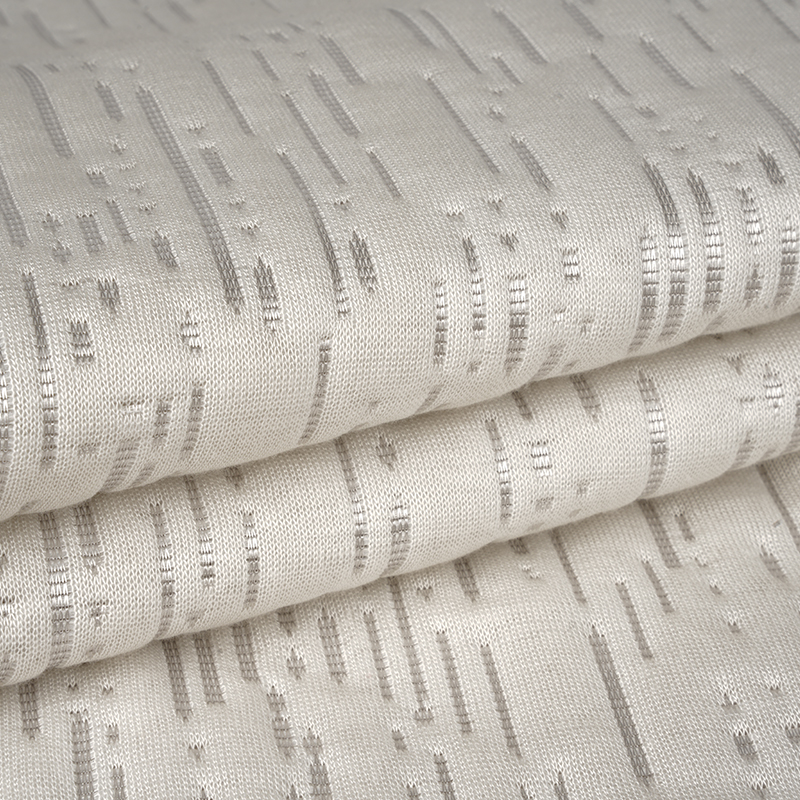
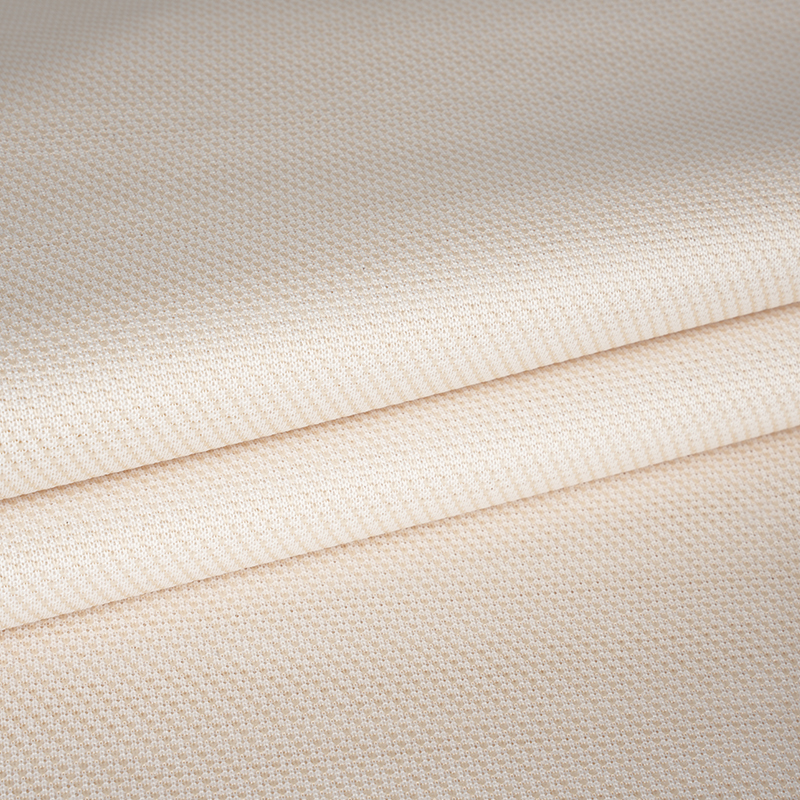
Antibacterial Yarn Children Mattress Fabric
Antibacterial Yarn Children Mattress Fabric
-
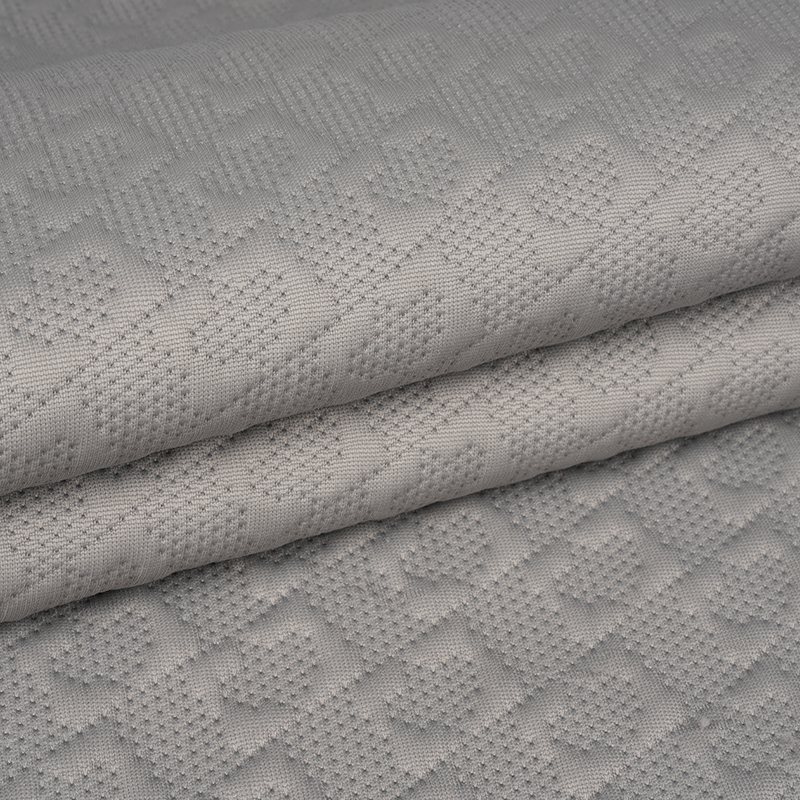
Antibacterial Yarn Children Mattress Fabric
Antibacterial Yarn Children Mattress Fabric
-
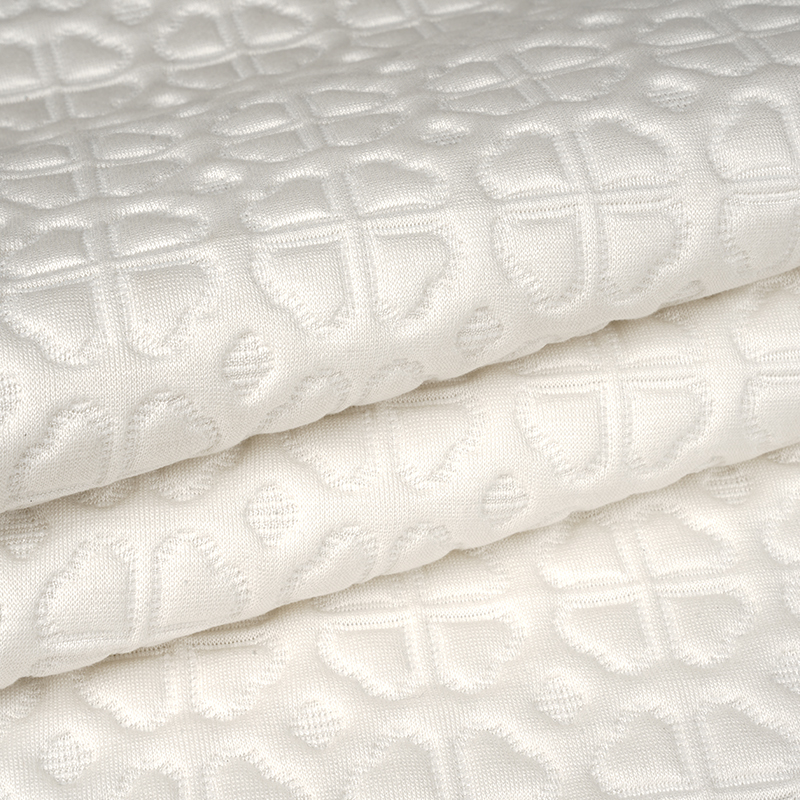
Antibacterial Yarn Children Mattress Fabric
Antibacterial Yarn Children Mattress Fabric
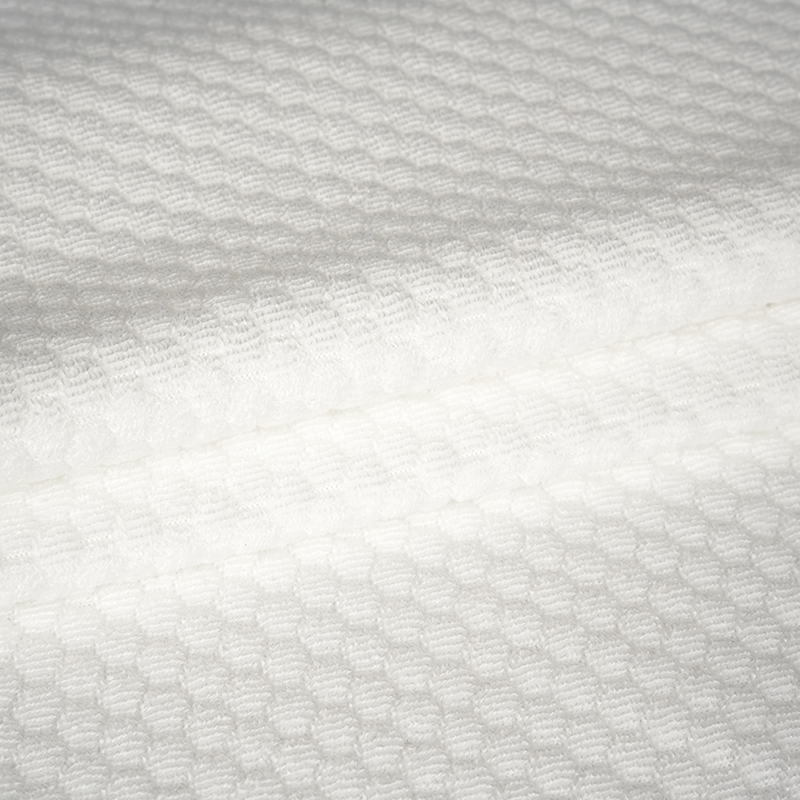
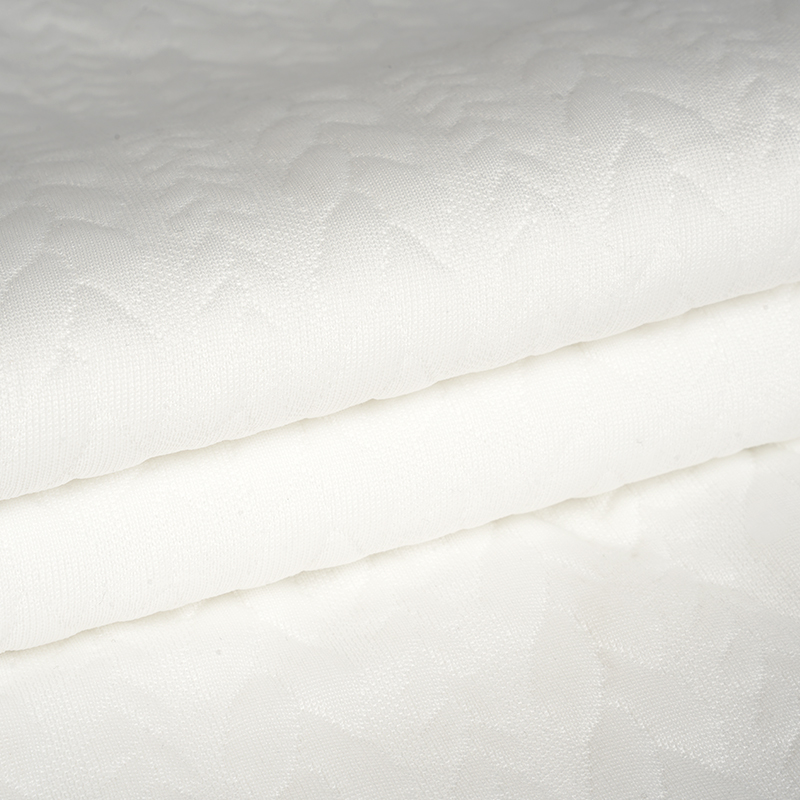
Haven’t Found The Products You Want?
-
-
Shen Jinyan:+86-15158070676
[email protected]
Liang Jinwen:+86-15757186621
[email protected]
Qiu Yingyingn:+86-13819545790
[email protected]
Yi qiao Town, Xiaoshan District, Hangzhou City, Zhejiang Province, China
-
Products
Mattress Fabric Children Mattress Fabric Pillowcase Fabric Pregnancy Pillow Fabric Cooling Mat Fabric Bedding Fabric Sofa Fabric Pet Friendly Fabrics -
Contact Information
About Us Products Strength Sustainability News Contact Us
Copyright © Hangzhou Xinsili Decorative Fabric Weaving Co.,Ltd. All Rights Reserved.
Functional Decorative Textile Manufacturers
